Garden Club
Mr Jorgen Choong
Garden Club
Mr Jorgen Choong
Moths and butterflies are attracted to different kinds of flowers due to their distinct periods of activity (diurnal vs. nocturnal). Butterflies are diurnal (daytime) pollinators, relying primarily on sight. They are attracted to flowers that are:
Moths are mostly nocturnal (night time) pollinators, relying heavily on scent in the dark. They seek out flowers that are:
In short, daytime flowers evolved for sight (butterflies), while night time flowers evolved for scent (moths).
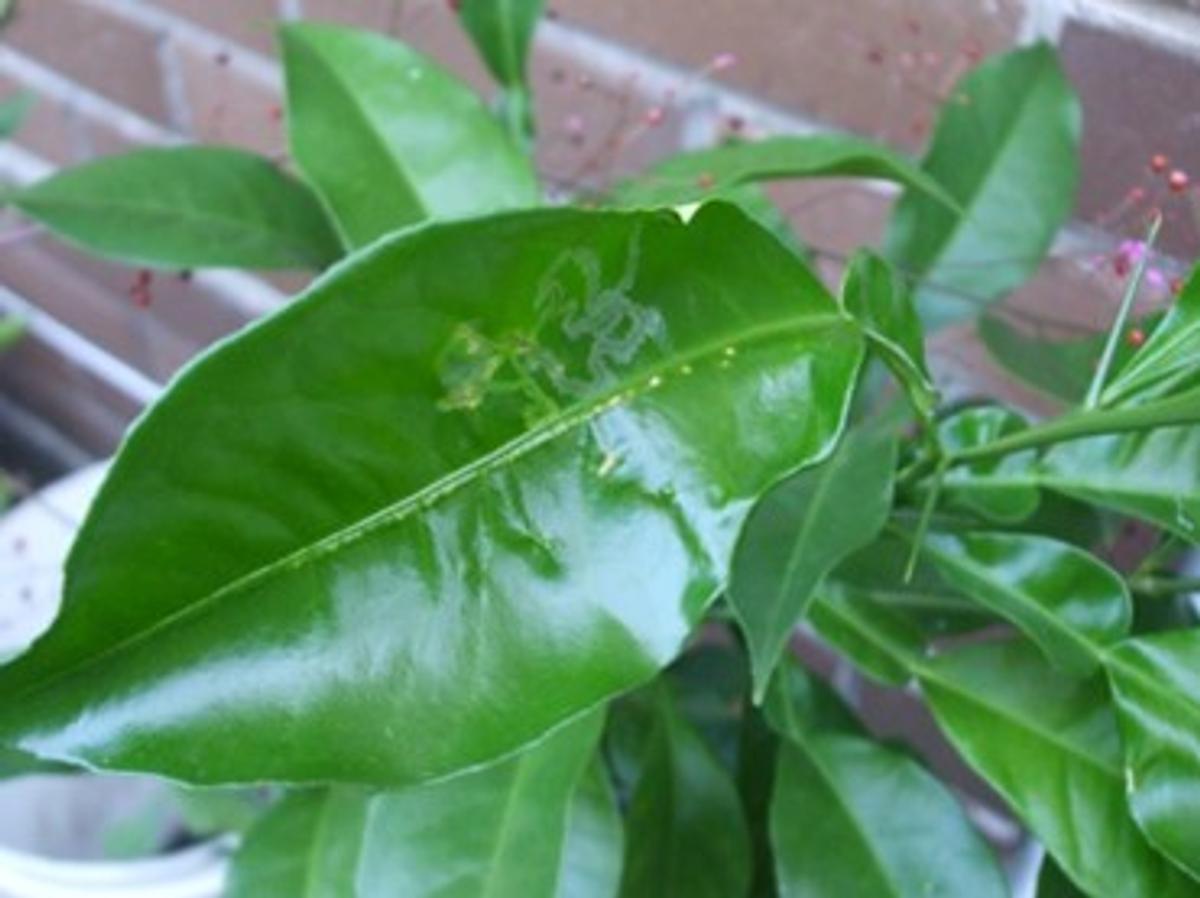
The citrus leafminer moth (Phyllocnistis citrella) is a common pest of orange trees, with larvae that tunnel just beneath the surface of new, tender leaves. This activity creates distinctive, silvery, serpentine trails. Although mature trees can tolerate some damage, heavy infestation causes leaves to curl and distort, limiting the plant's ability
to photosynthesize. Control involves encouraging natural predators and applying horticultural oils to protect the vulnerable new growth.
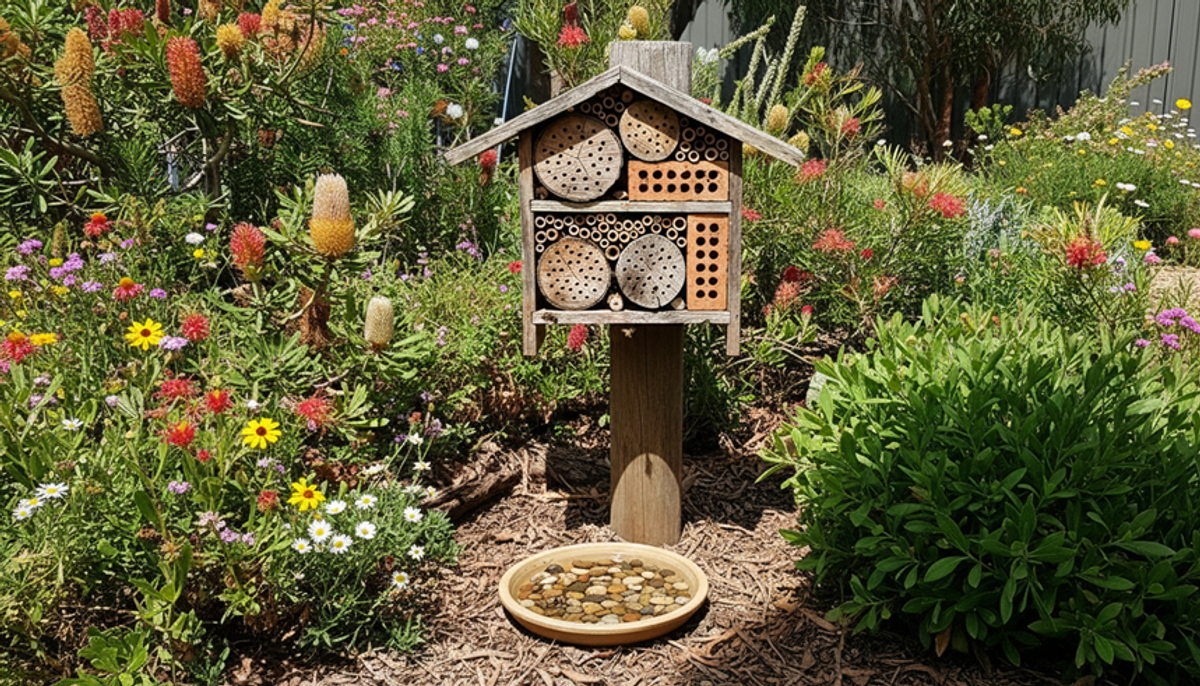
While it's inaccurate to say there are 'no bees' (Australia has over 1,500 native bee species, plus the introduced European honeybee), their populations — especially the managed honeybees essential for agriculture are under immense pressure.
Primary Threats to Bees in Australia
1. Varroa Mite (Varroa destructor): The most immediate threat. This tiny parasite, now detected in NSW, devastates European honeybee colonies by feeding on the bees and spreading viruses. Its containment is a major focus for Australian beekeeping. (Note: Our many species of native bees are generally not affected by the Varroa mite).
2. Habitat Loss & Monocultures: Urban development and intensive farming reduce the diversity and availability of flowering plants, leading to a severe lack of consistent food (nectar and pollen) for bees.
3. Pesticides: Chemicals, especially neonicotinoids, can impair a bee's navigation, immunity, and reproductive health, even at low doses.
Dire Consequences of Bee Loss
Bees are responsible for pollinating roughly one-third of all food crops consumed globally. The disappearance of bees would have catastrophic ripple effects:
1. Threat to Food Security and Variety
2. Ecological Collapse
How Can You Help (Local Action)?
Every Sydney Garden and balcony can be a refuge:
We are collecting empty Vegemite, Dolmio and Leggo’s Jars in exchange for seeds.
We are collecting only 10 jars of each type, so hurry so you don’t miss out. Jars need to be washed, clean and without cracks and with a workable lid. These jars willbe used for a future Garden Shop project or repurposed for storage.
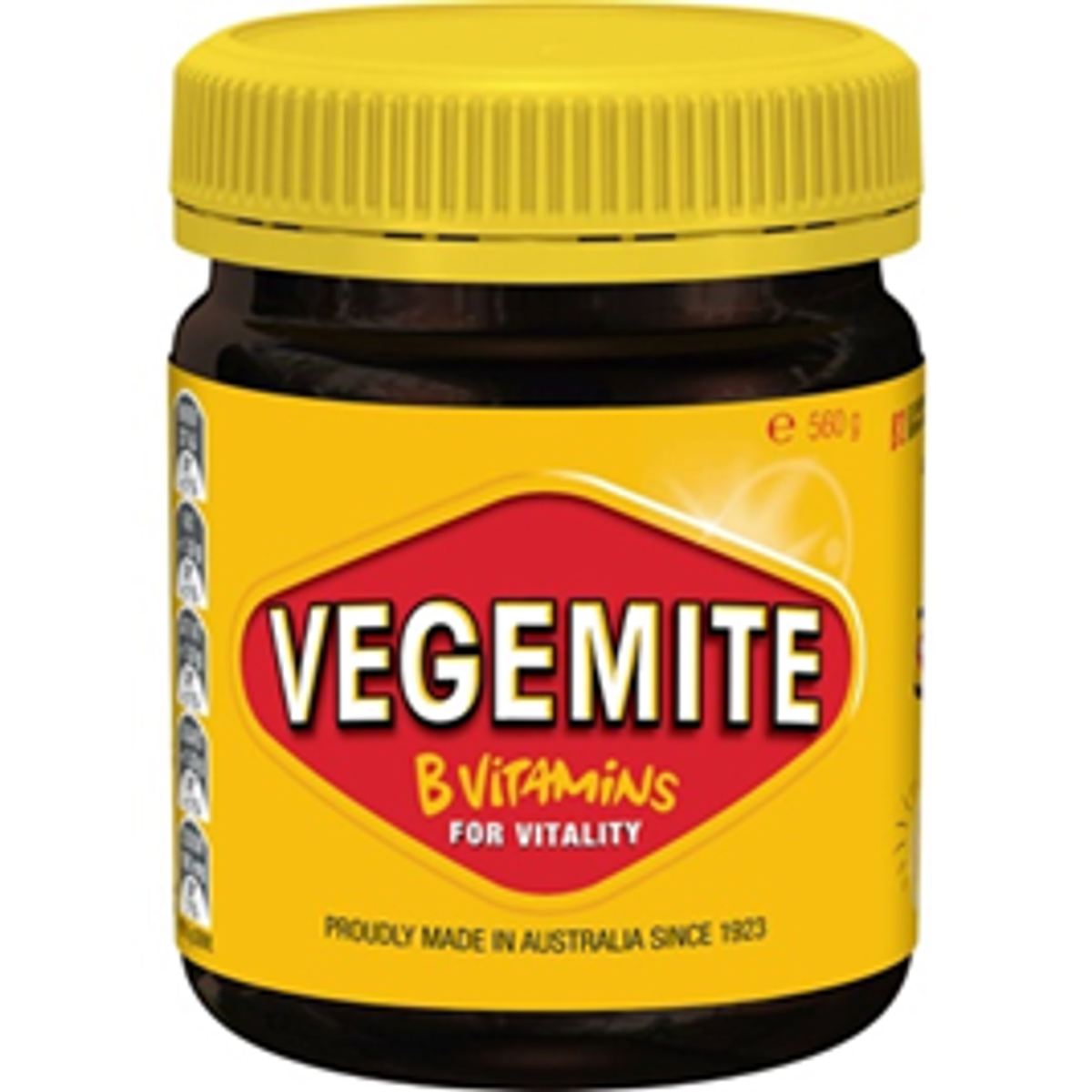
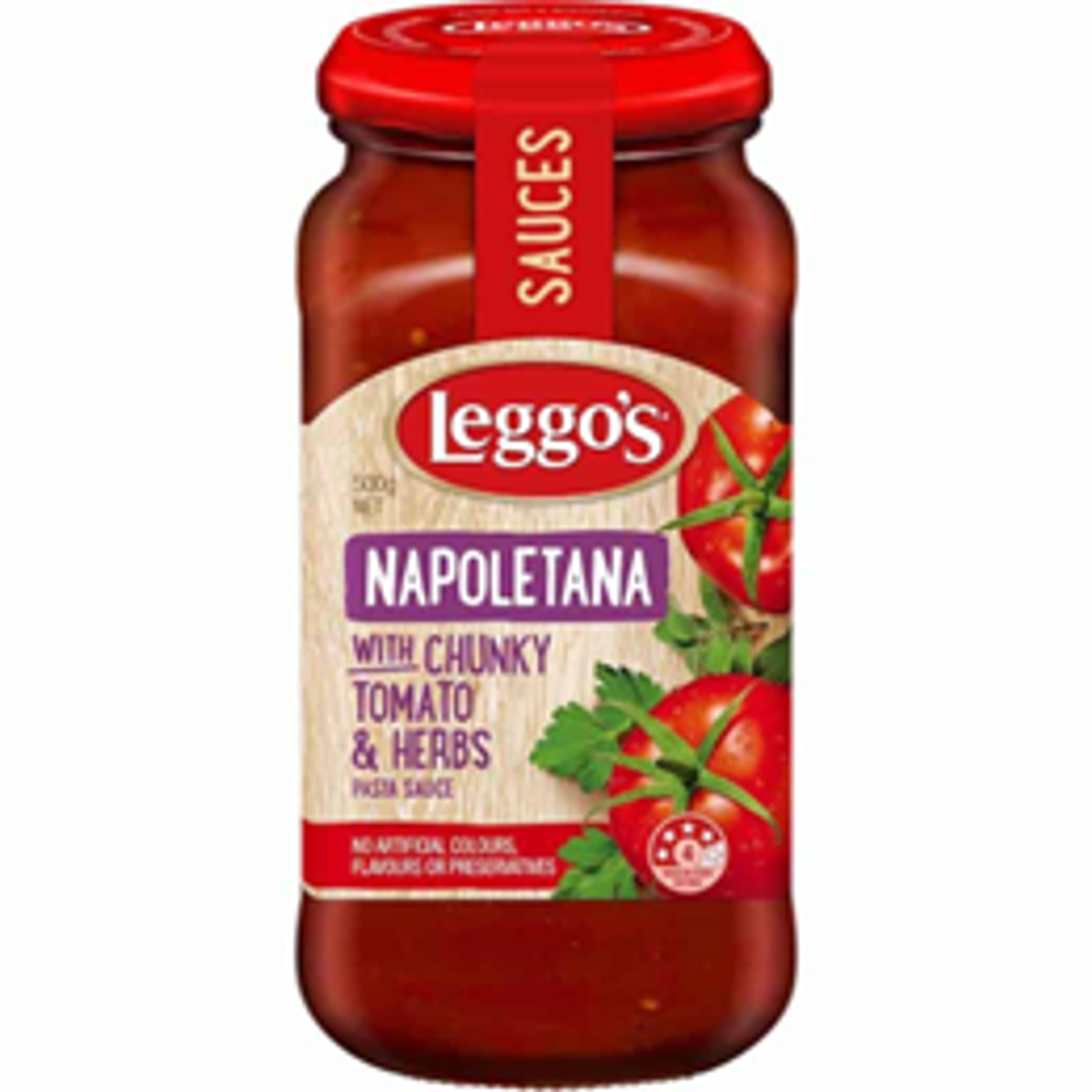
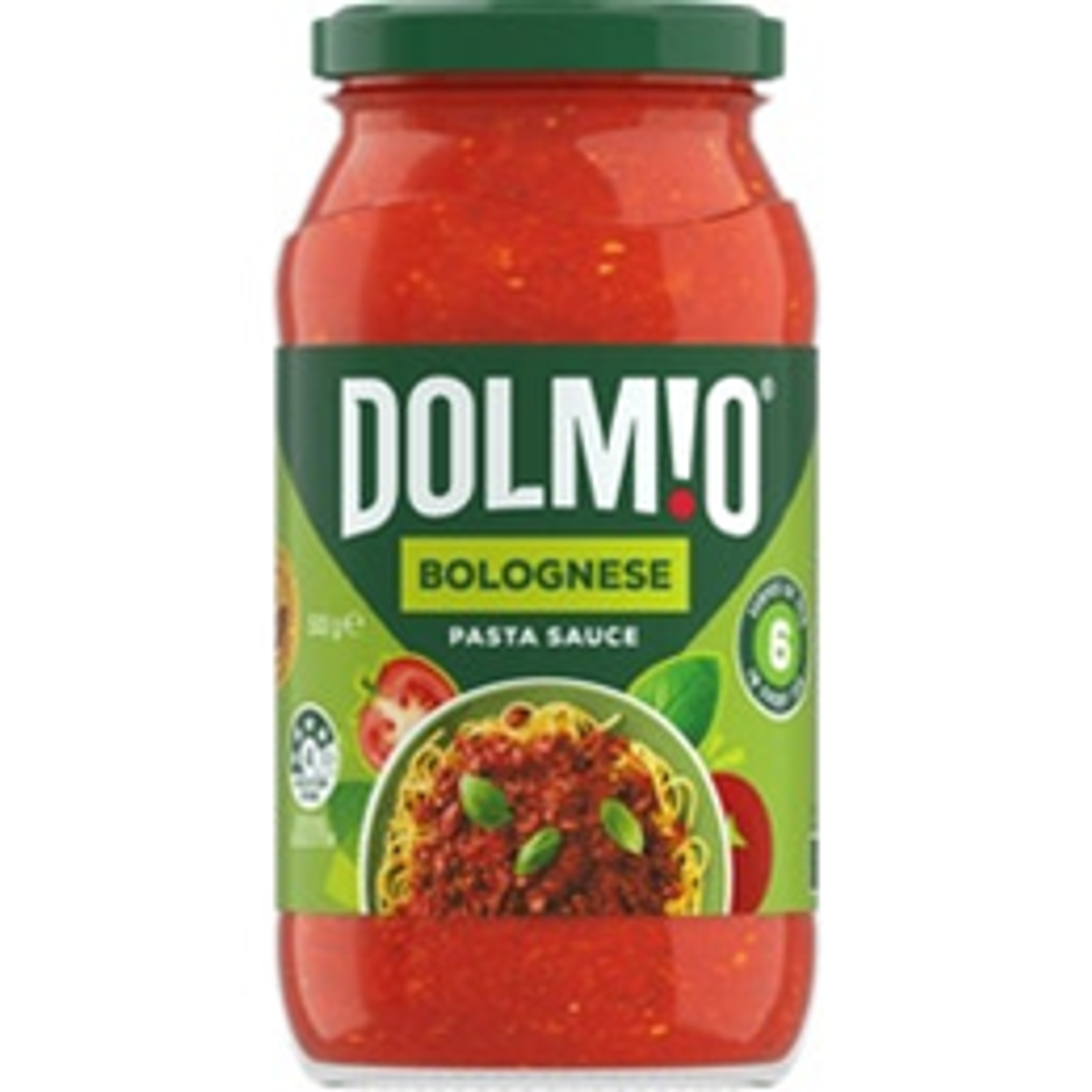
Garden Shop will be open, Monday 8th December, Term 4 Week 9 After school (3:10pm)
1. 90% of items sold are less than $3.
2. All funds will help Garden Club.
3. All items sold can be returned for reuse or upcycled.
We have new plants, seedling and cuttings. Please pop by.
| Plant | Key Edible / Nutritional Benefit | Key Environmental Benefit |
|---|---|---|
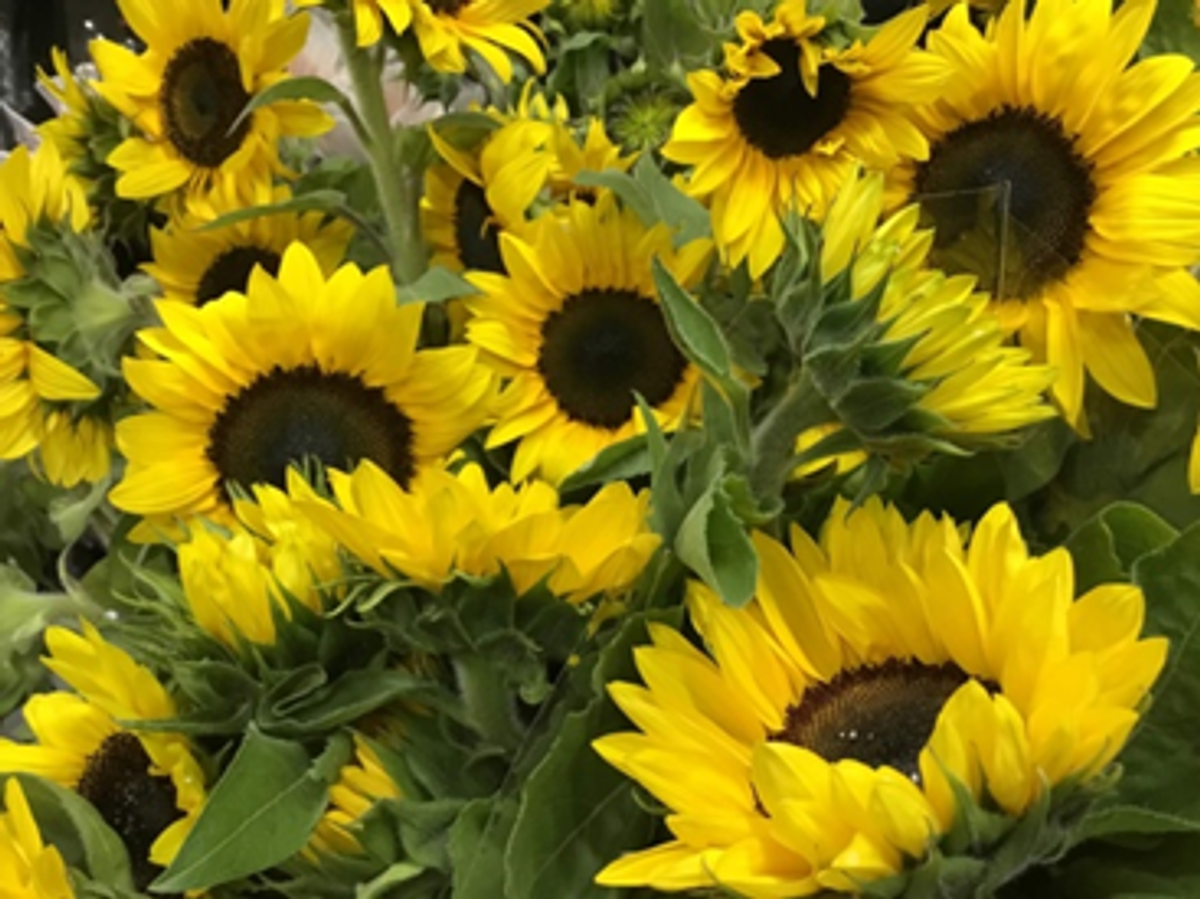
| Sunflower | Seeds are high in health fats, protein and Vitamin E | Excellent source of pollen / nectar for pollinators (bees / butterflies) |
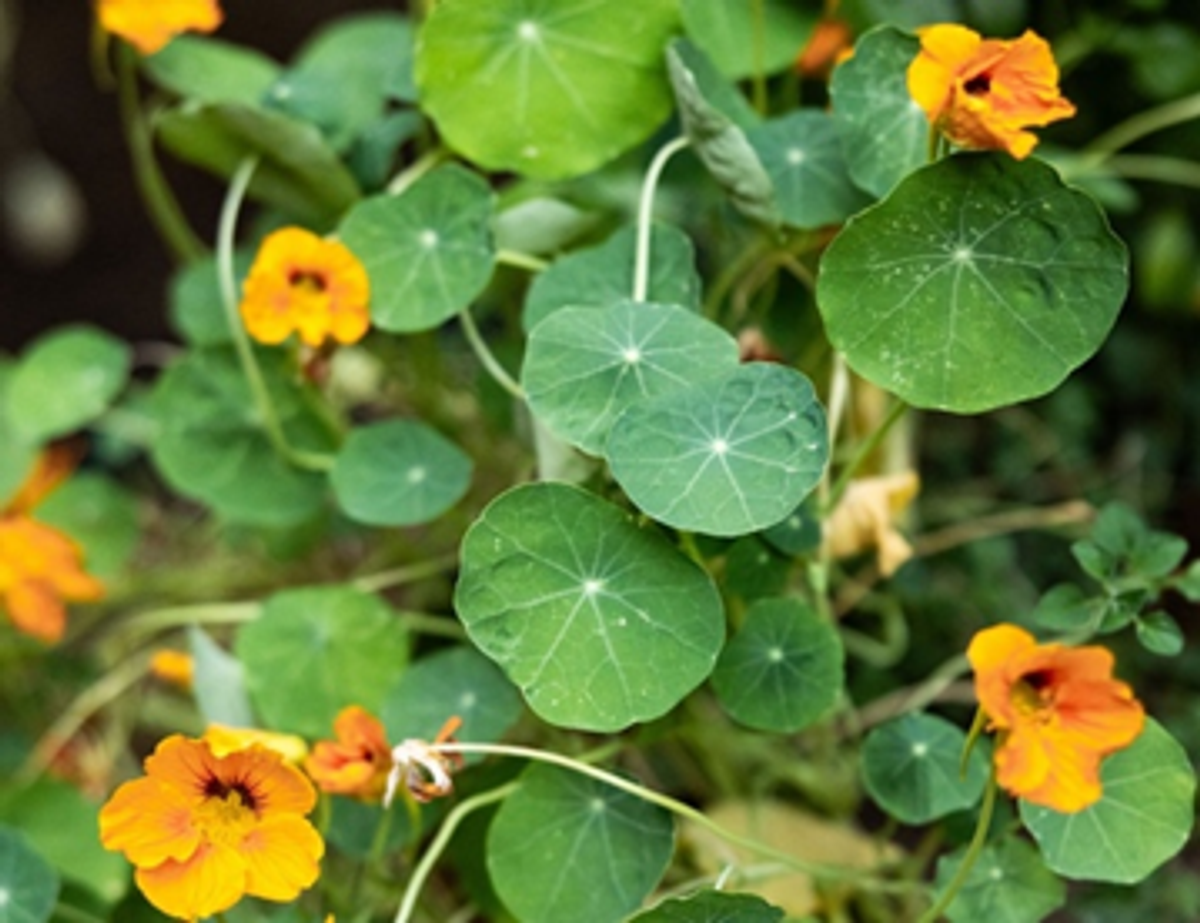
| Nasturium | Leaves / flowers are high in Vitamin C with a peppery flavour (edible garnish) | Acts as a 'trap crop' for pests like aphids, protecting other plants |
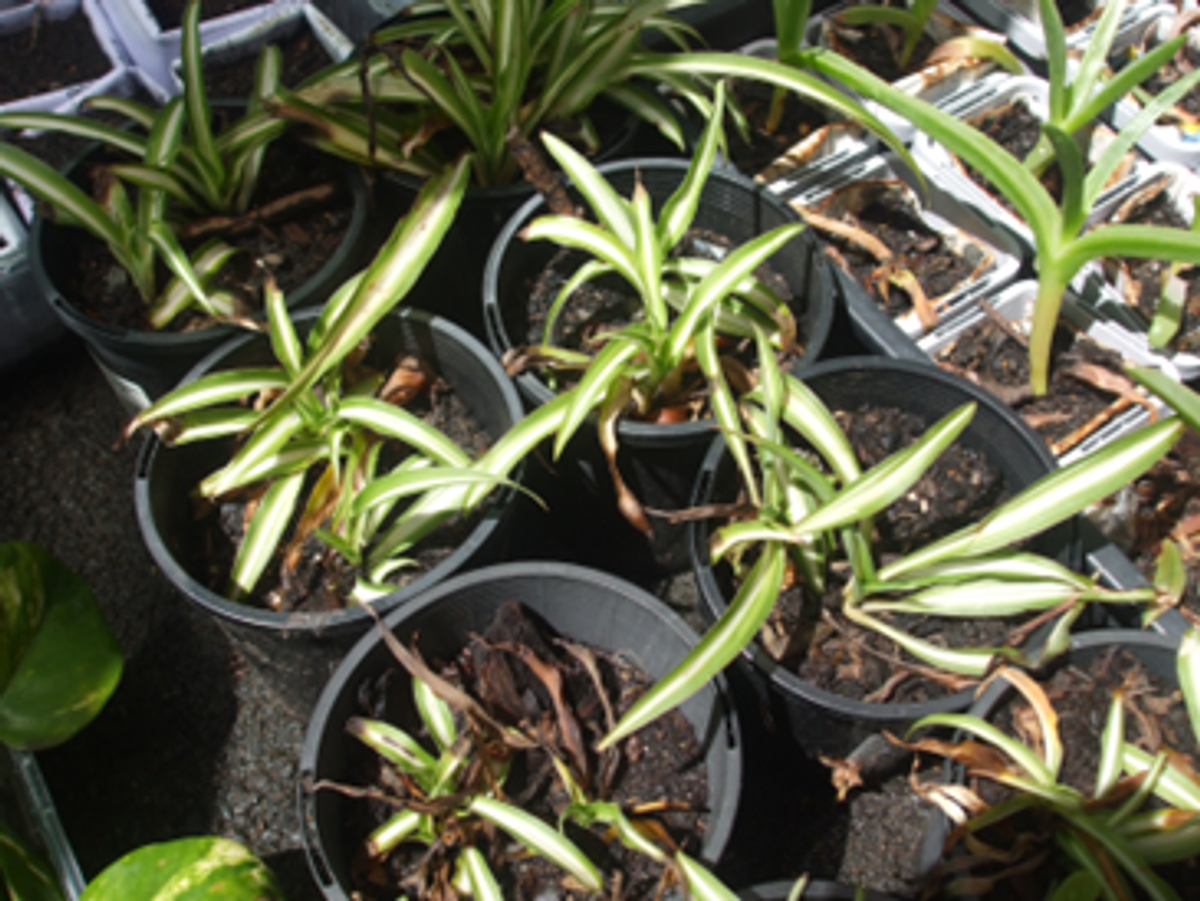
| Spider Plant | Not a food source (but non-toxic) | Top-rated indoor air purifier (removes formaldehyde / xylene) |
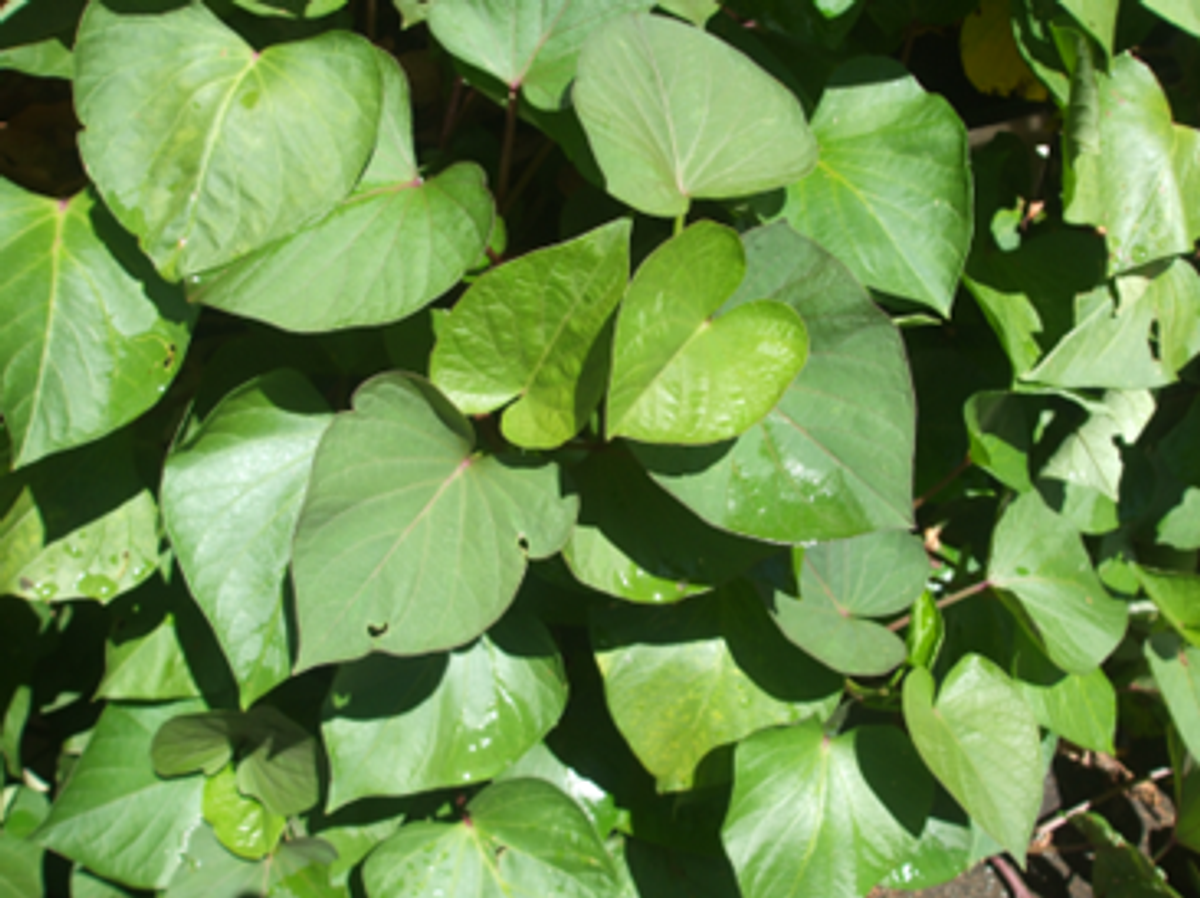
| Japanese Sweet Potato | Tuber is rich in complex carbs, fibre, Vitamin C and antioxidants | Excellent groud cover that prevents soil erosion and suppresses weeds |
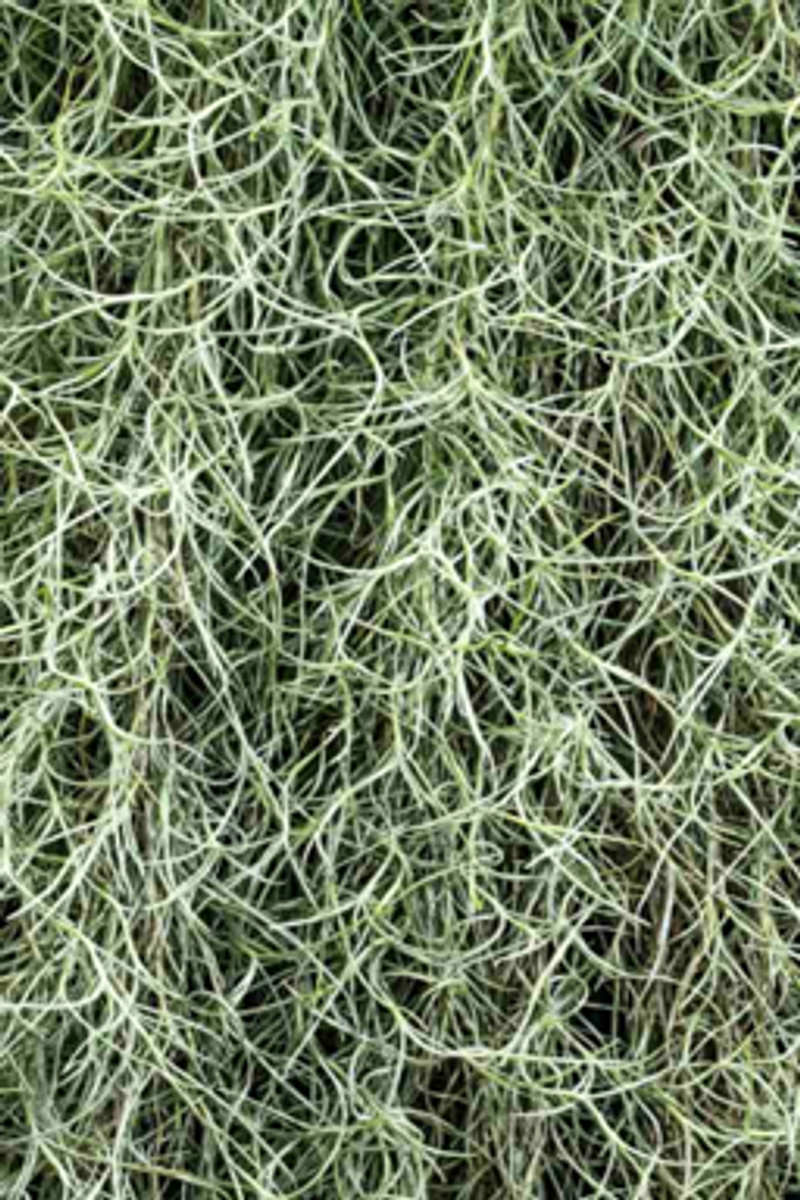
| Spanish Moss | Not a food source | Provides wildlife habitat and nexting material for birds |
Garden Club happens on Tuesday and Thursday mornings, right after the gates open. We meet at the bubblers on the Churchill Avenue side of the school.
Garden Club is completely FREE to join! It's a great opportunity to learn to be a lateral thinker with limited resources, get first pick after a harvest, and see some fascinating creatures.
The information shared here is based on our experiences and knowledge, but we are not gardening experts. Think of it as friendly advice from one garden lover to another. Please remember that all gardening activities should be done with adult supervision and that you are responsible for your own safety and decisions.