
Wellbeing
Fiona Dandie & Robert Pain
Wellbeing
Fiona Dandie & Robert Pain
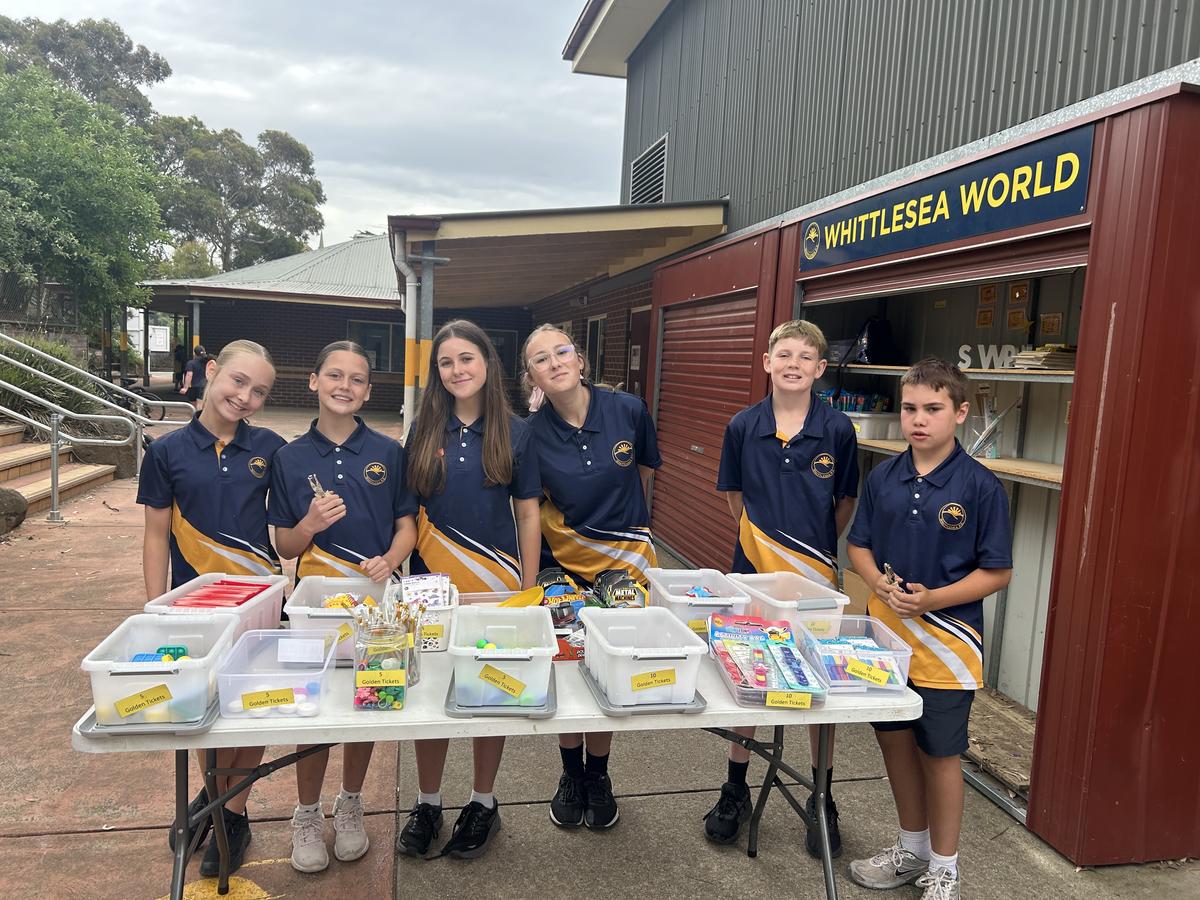
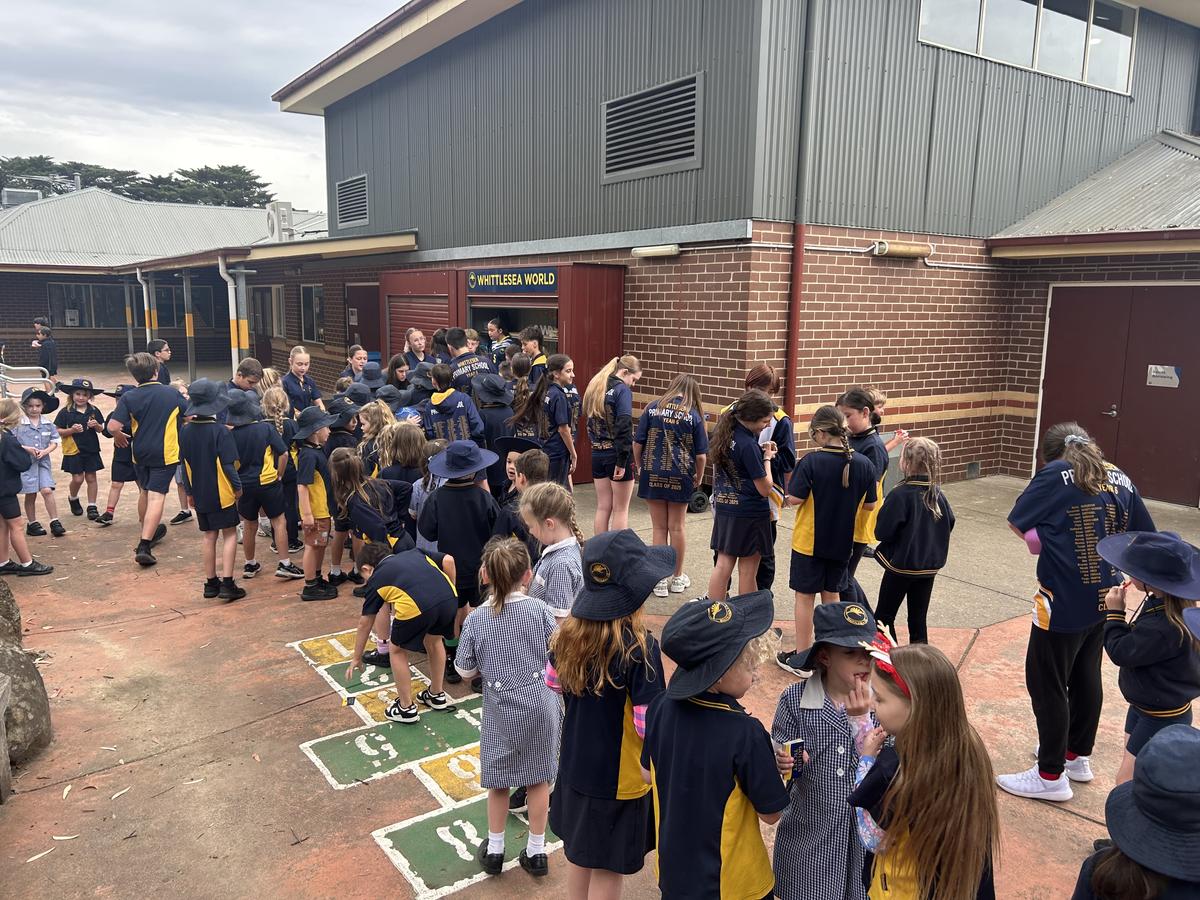
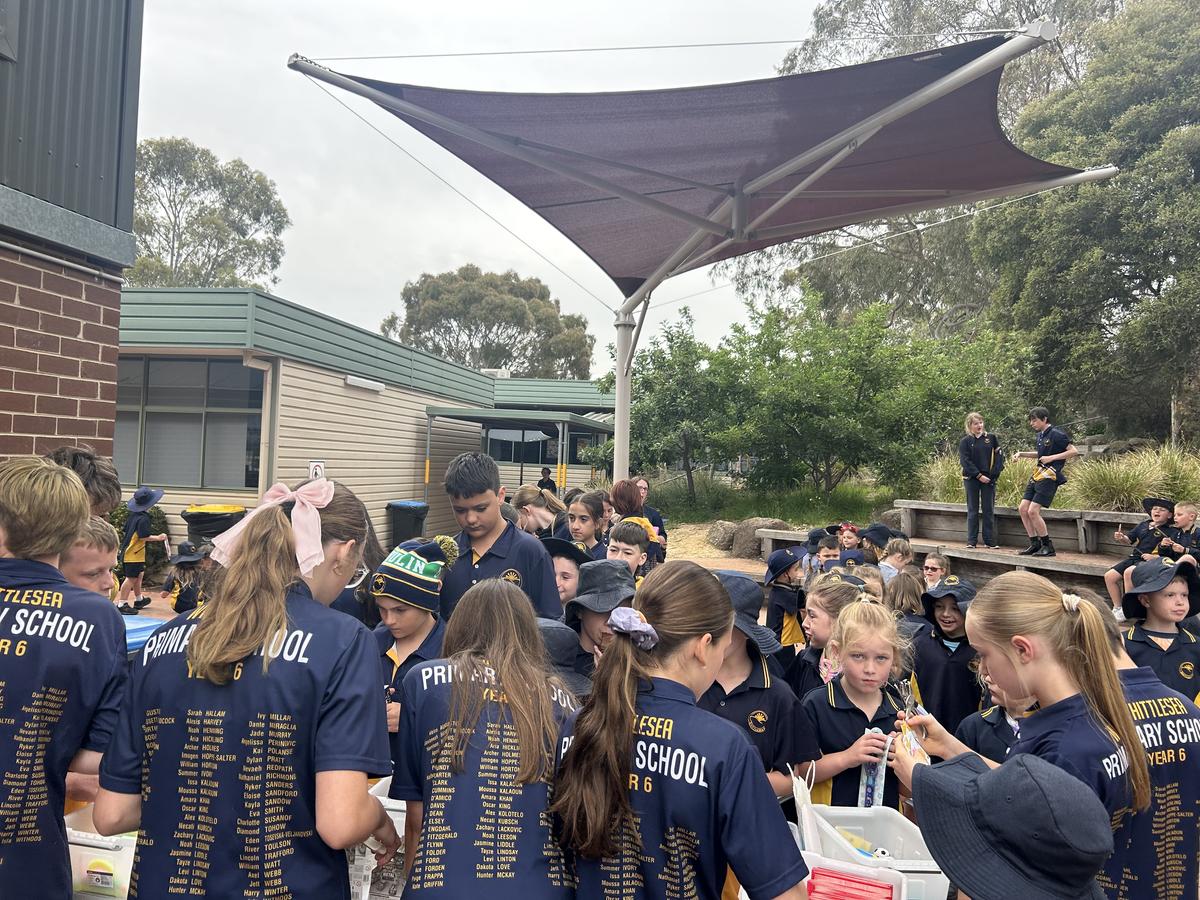
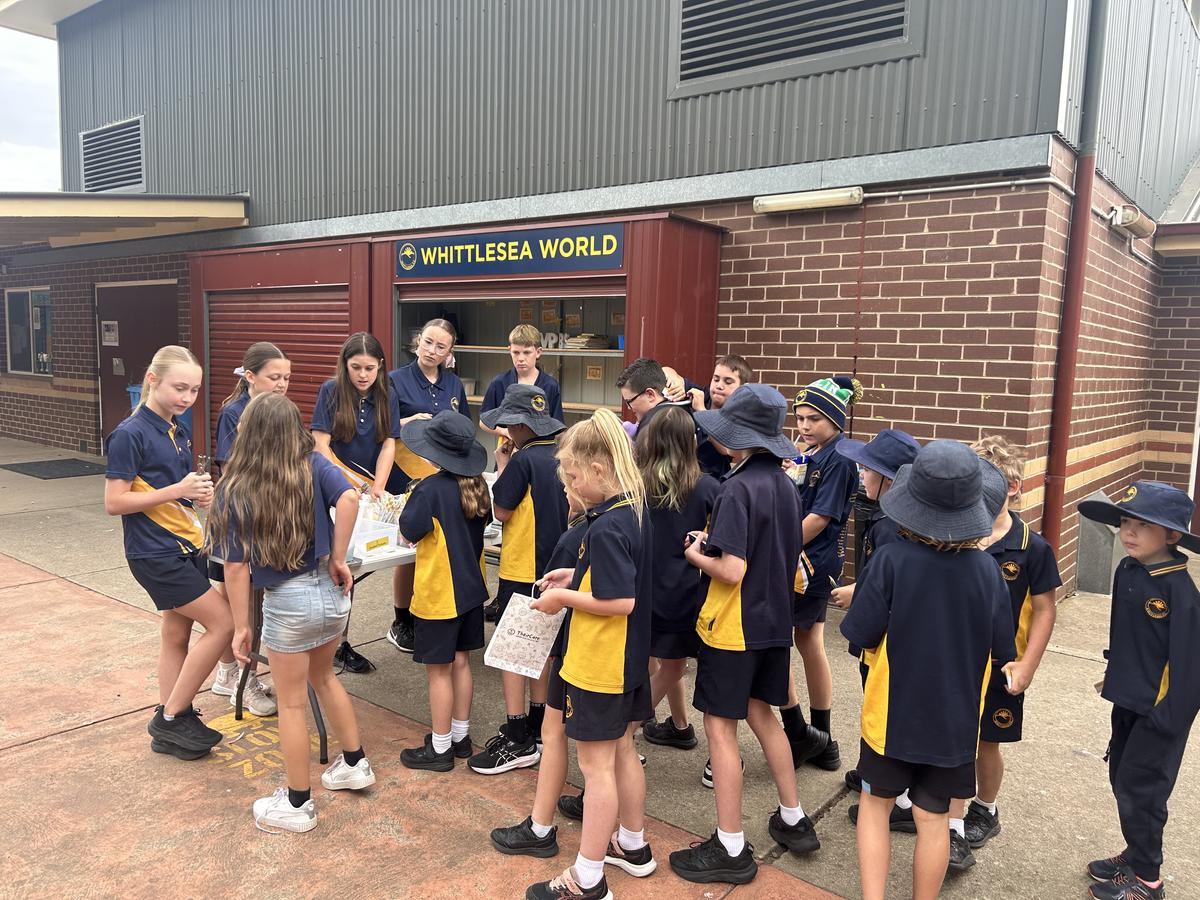
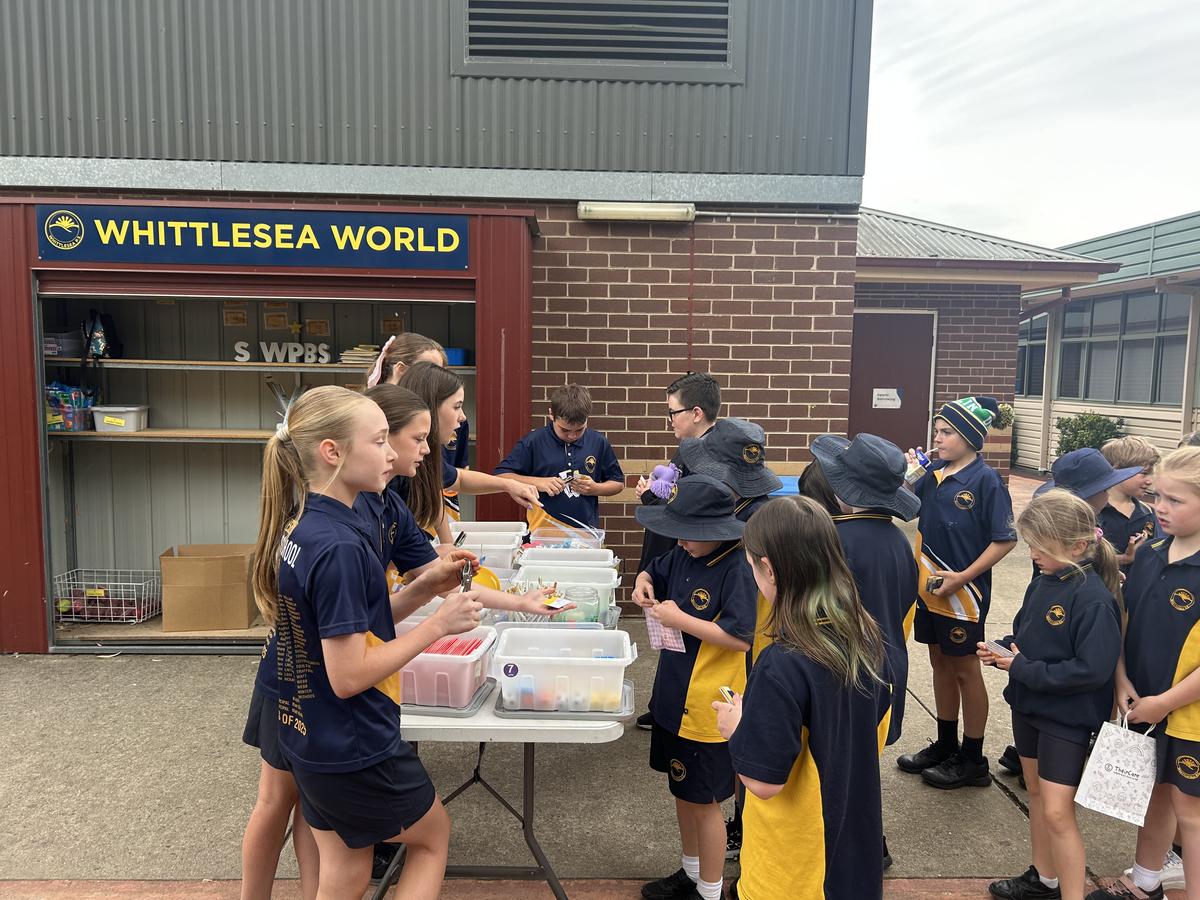
With the final week of Term 4 almost here, we celebrate the achievements of all students in what has been a highly successful term. This was evident with a massive turnout to Whittlesea World during Week 10. We want to congratulate all students who received a Golden Ticket this term for demonstrating our school values of 'Respect Your School', 'Help Others Succeed', and 'Do Your Best'. In total, more than 1,950 Golden Tickets were distributed throughout Term 4.
Here is a snapshot of Whittlesea World from week 10.
Supporting Neurodivergent Students Through Changes and New Beginnings
As we approach the end of the school year, many children (and families) are already wondering what next year will look like. New classrooms, different teachers, new routines, and classmates can all be exciting, but they can also bring butterflies, especially for our neurodivergent learners. With careful planning and support, we can help make these transitions feel positive, predictable, and full of possibility.
Why changes can feel big
Neurodivergent children — including autistic students, ADHDers, and those with sensory or communication differences — often rely on routine to feel grounded. When things shift, even in fun ways, the unknown can feel like a very big deal. Questions like “What will my classroom look like?” or “Who will I sit with?” can take up a lot of brain space.
A little extra time to adjust to the idea of change can go a long way in helping them feel comfortable and ready to learn.
Planning for a positive transition
When children have information and feel included in the process, they’re more confident heading into a new situation. We can support this by building a calm picture of what’s ahead, slowly, and with plenty of reassurance.
Here are some simple ways families can help at home:
New faces, new friendships
Some children jump right into new friendships; others prefer to take their time. Both are perfectly okay. A new class doesn’t mean starting from scratch — it can simply be a chance to discover classmates who enjoy similar interests. Remind your child that friendships can grow slowly and that being near others, even quietly, is still a way of belonging.

We’re in this together
Families and teachers share the same goal: helping every child feel safe, welcome and ready to shine next year. If your child has particular worries, strategies that work well, or information that will help us support them, please let us know. A collaborative transition sets everyone up for success. Change can be exciting. With a little preparation and a lot of encouragement, our neurodivergent students can step into the new year feeling proud, confident and ready for all the great things ahead.