Prep
INFORMATION
Reading Pockets
Remind your child to bring their reading pocket to school each day.
UFLI Passage
Please continue to read the passage, I Sit, I Tap, which includes the letters and sounds we have been learning in class. Support your child to read the passage by sounding out the letters and then blending them together to read the word. If your child can read the word without sounding it out, then that is great.
Some tips:
- Reading is a new skill that students have only just begun practising. It is completely okay if your child needs your support as they learn.
- If your child finds the length of the passage a little tricky, feel free to focus on one sentence at a time. We want every child to feel successful.
- Please place the passage into the plastic sleeve provided in the Book Pocket. We will send the passage home ready to go, but it will need to be slipped into the sleeve.
- New texts will come home this Tuesday and Thursday. Please continue to re-read the texts that have come home so far. Repeat reading is important to build fluency and sight words (words that can be read without decoding).
Please note: Decodable books will be sent home early in Term 2.
Reading Log
Once your child has read the UFLI text, please record it in their Blue Reading Log. We will check these reading logs each Friday.
Thank you for supporting home reading - it makes such a difference in building your child’s confidence and love of reading!
👵🏽👴🏻 Grandparents Day: Monday 30th March
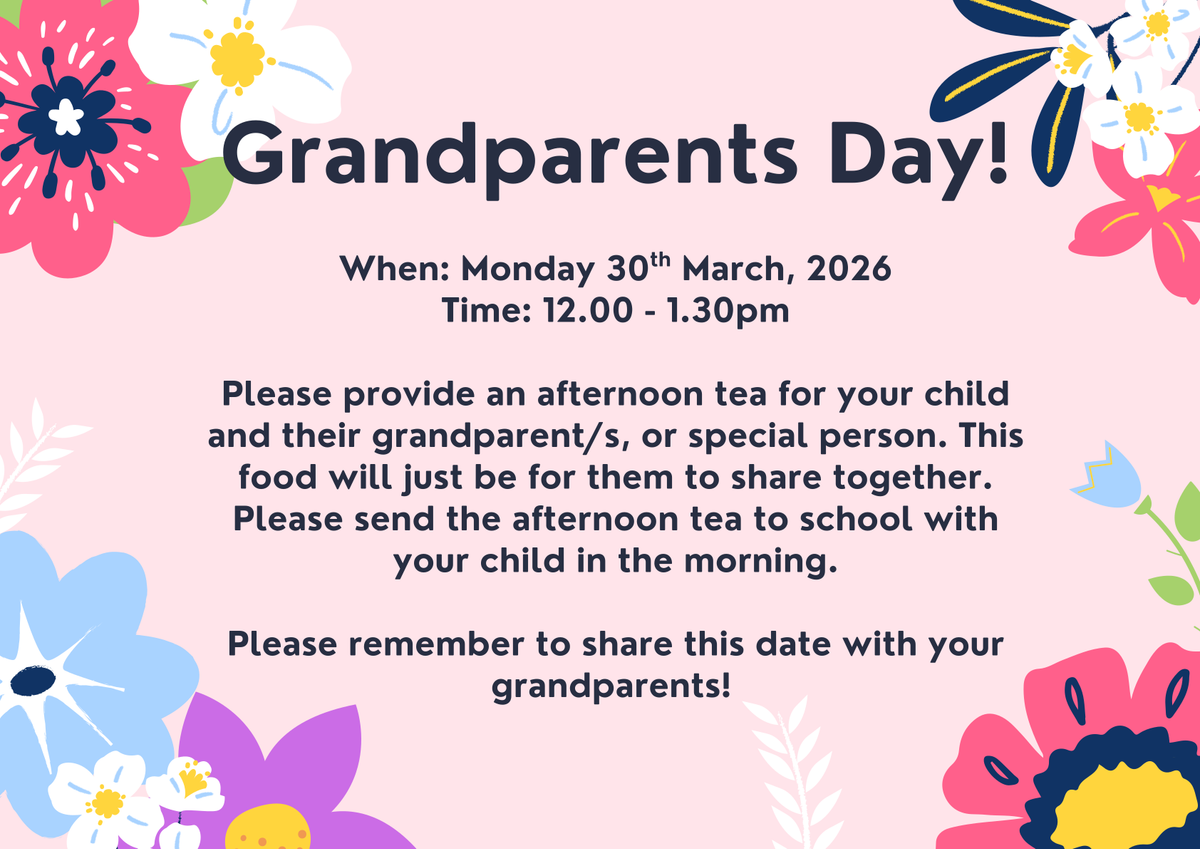
Thank you to everyone who has filled in the survey. Please take a moment to fill in the survey if you haven't done so yet, to help us with planning for the session.
https://www.surveymonkey.com/r/8JBKYQ7
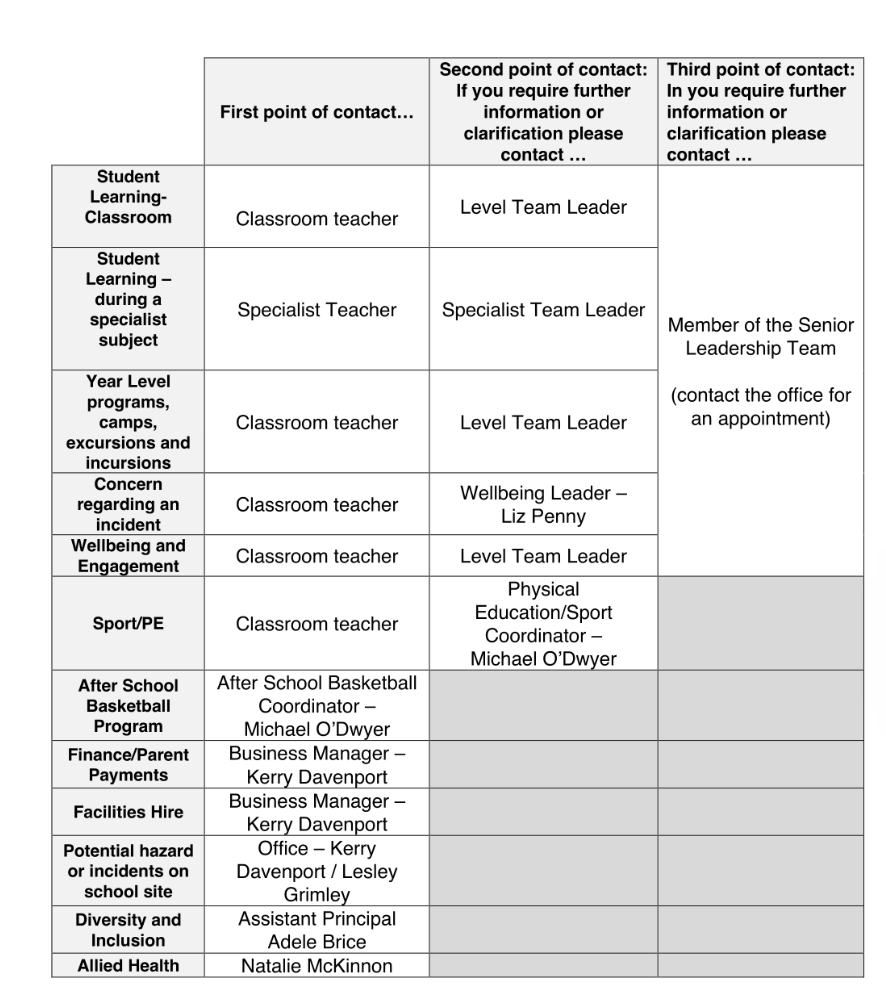
Lines of Communication
The table below shows who to contact if you have questions or concerns about different areas of the school. In most cases, we recommend reaching out to your child’s classroom teacher first. We are happy to work with you to address any concerns - we are always here to listen and help.
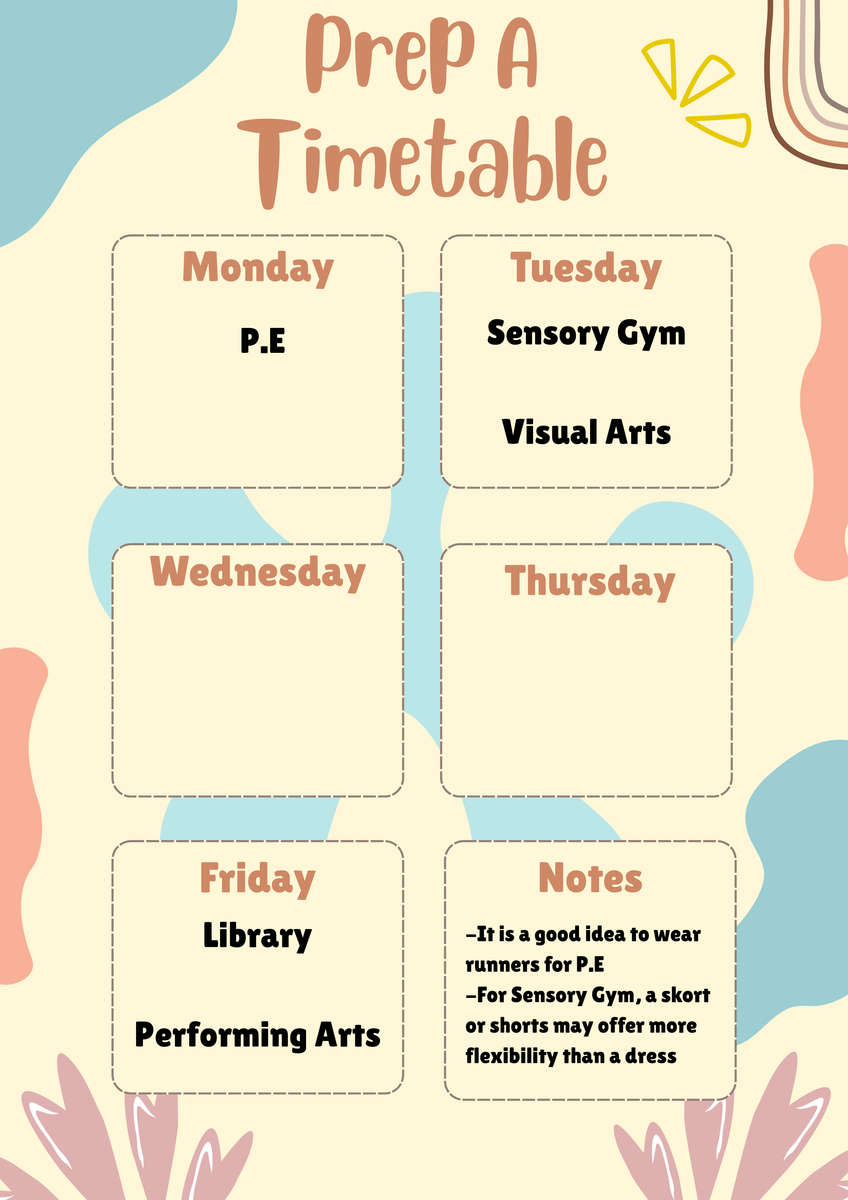
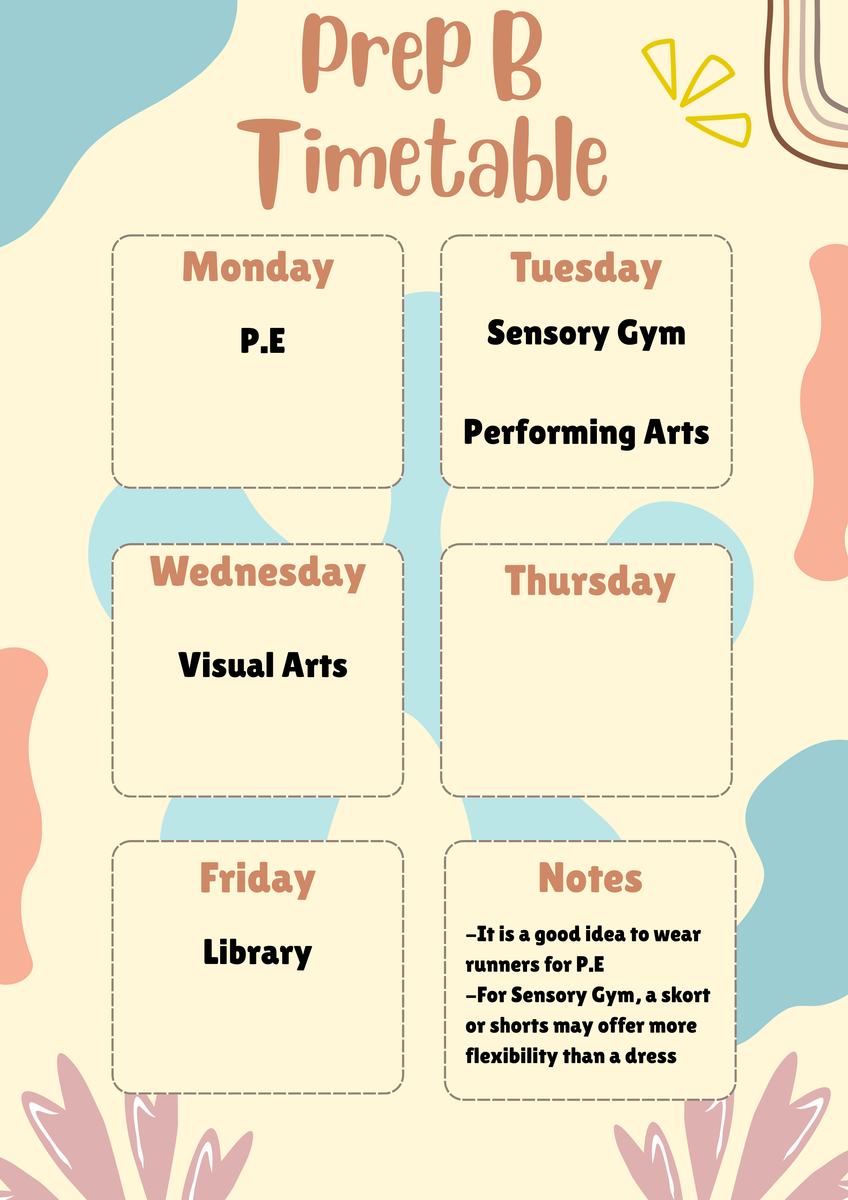
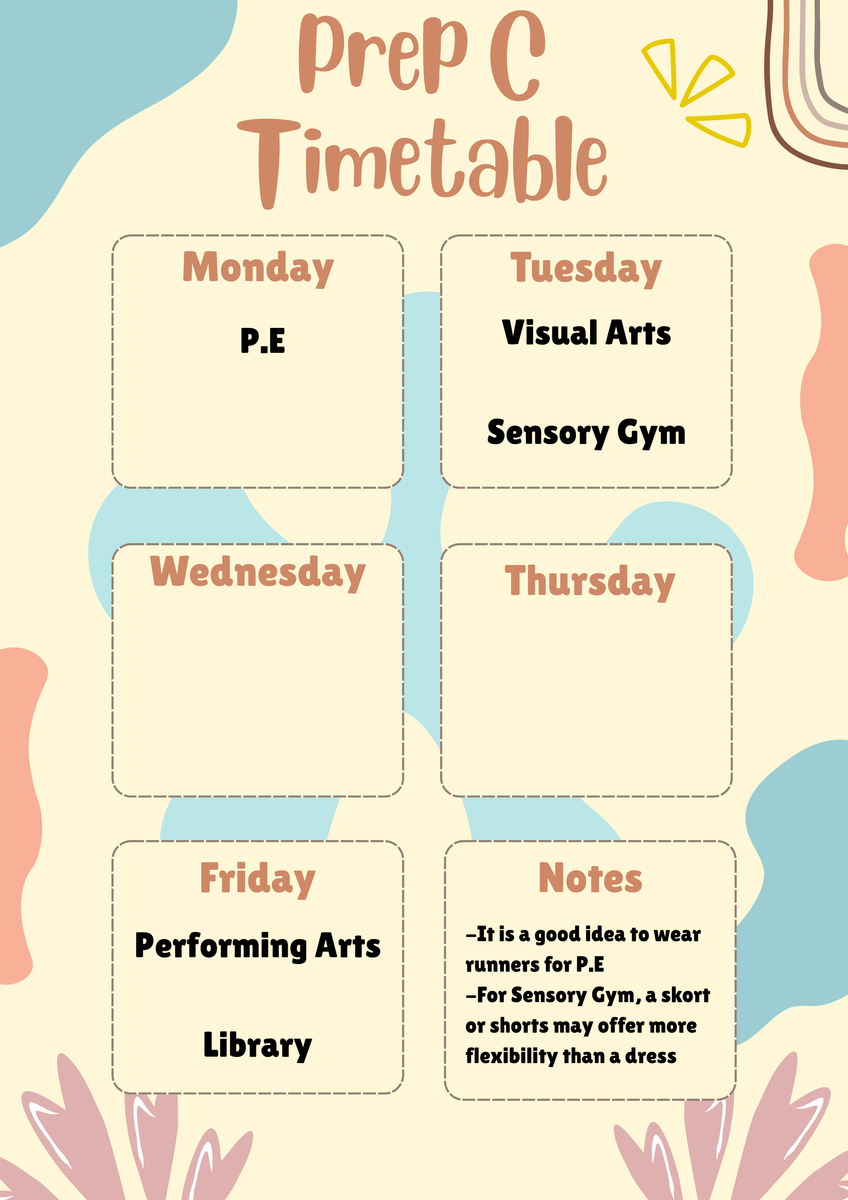
Specialist Timetable
CURRICULUM
*Please remind your child to go to the toilet before they enter the classroom.
Phonics and reading
We are learning about the letter N, and reviewing CVC words with A and I as the middle vowel.
Our learning focus will include:
- Understanding the phonemes (the sound each letter makes)
- Learning the cued articulation for these sounds
- Identifying where we might see each letter in a word
- Practising the graphemes (the way we write the letter), including correct letter formation
- Reading and writing 3 letter words using the sounds we know
What can you do at home?
• Support your child to read the decodable passage in their Reading Pocket. Try and aim to read every day, if you can.
•Ask your child to tell you the sound that N makes and to show you the cued articulation for the sound. You can also review the letters and sounds we have learned so far: A, M, S, T, P, F, I. When practising, say them like this: “A says /a/.”
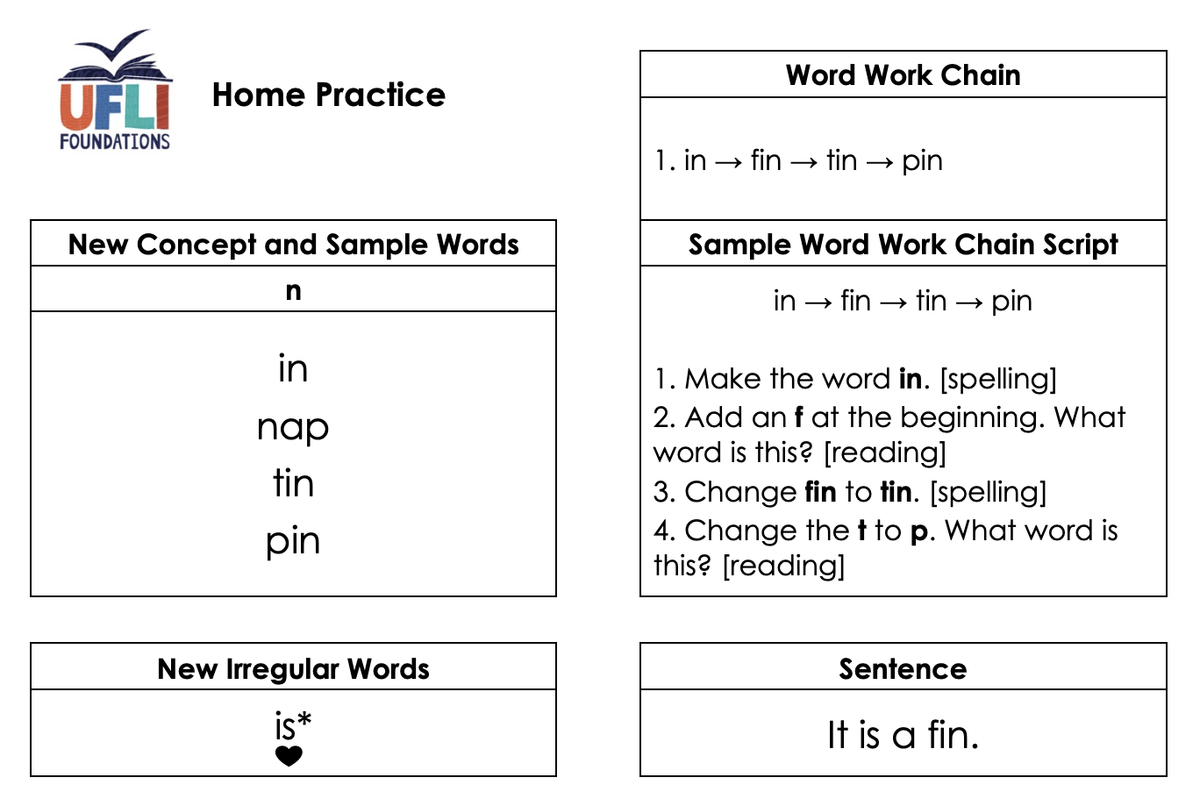
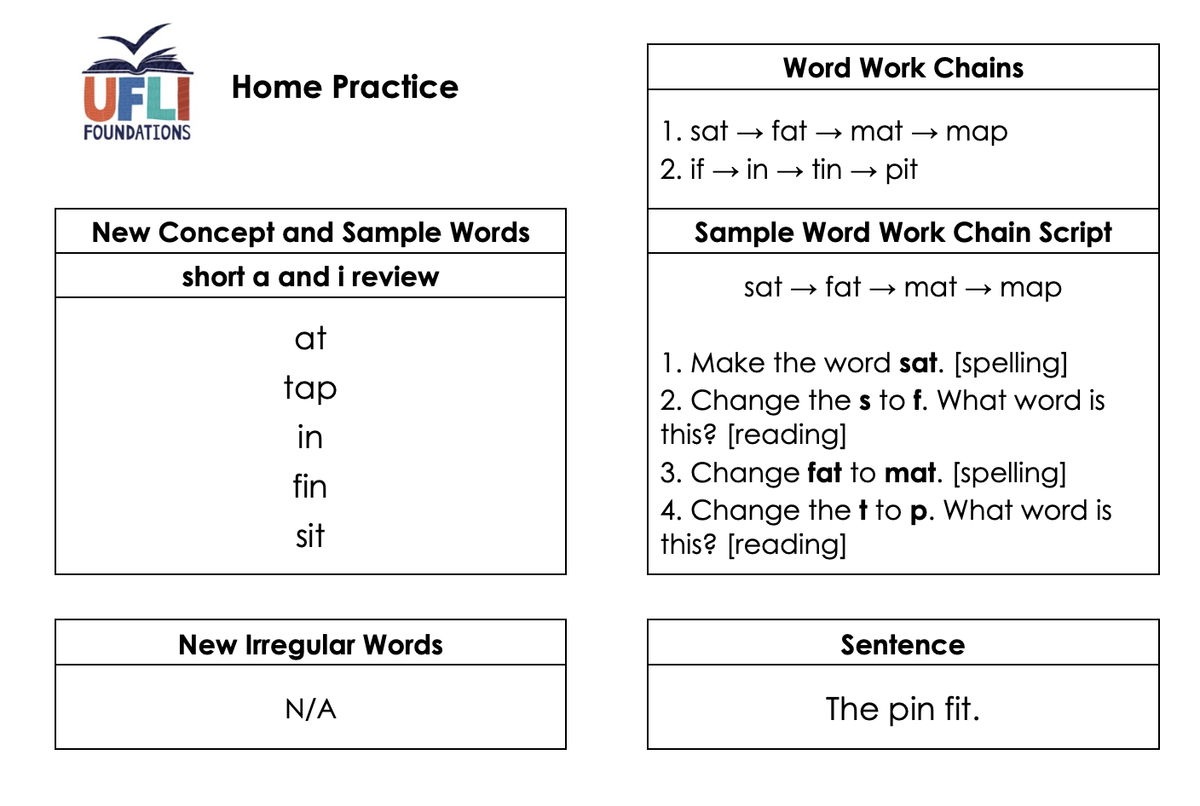
• Work through the optional UFLI pages.
Optional UFLI Home Practice Pages:
Literature: reading responses and writing
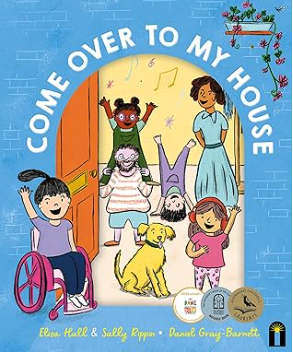
Our mentor text is Come Over to My House by Eliza Hull and Sally Rippin. We have chosen this book to support our CBL learning about the importance of building positive and inclusive communities. Students will practise responding to differences with curiosity and kindness. They will explore the different families in the story, discuss what activities happen in each home and think about how families support one another. Students will also reflect on what is special about their own home. As we read the story, students will listen for rhyming words and begin learning about rhyme.
In writing, students will continue developing their fine motor control. They will practise using a functional pencil grip while forming the letter N, focusing on correct entry and exit points. Students will also review the correct formation of previously taught letters. In addition, they will continue sounding out and writing CVC words using the sounds they know, and begin writing short, dictated sentences.
🏡 What can you do at home?
•Practice letter formation of N and other previously taught letters (see below).
•Provide activities that build hand strength and coordination, such as playing with playdough, threading beads or using tweezers to pick up small objects.
•Write some 3 letter words using the taught sounds - A, M, S, T, P, F, I and N.
Maths
We are finishing up our current focus on counting and place value. Students will compare collections to 10, using the language of more, less and the same. They will also use ten frames to add 'one more' to a collection up to 10, helping to develop early concepts of addition.
🏡 What can you do at home?
• Count everyday objects together and encourage your child to point to them to support 1-1 correspondence.
• Compare groups of objects (eg. toys) by asking your child which group has more, less or the same.
•Practice “one more” by giving your child a small collection of items, asking them to add one more, and then counting the total together.
Wellbeing
Our SWPBS focus this week is Be Safe by keeping our hands and feet to ourselves. We will read the book My Body, My Rules to reinforce this important message. In Respectful Relationships, students will explore their personal strengths and identify the qualities that help them play well with others. They will also discuss strengths that support working effectively as part of a team.