Harmony Day Celebration
Student and Staff Reflections

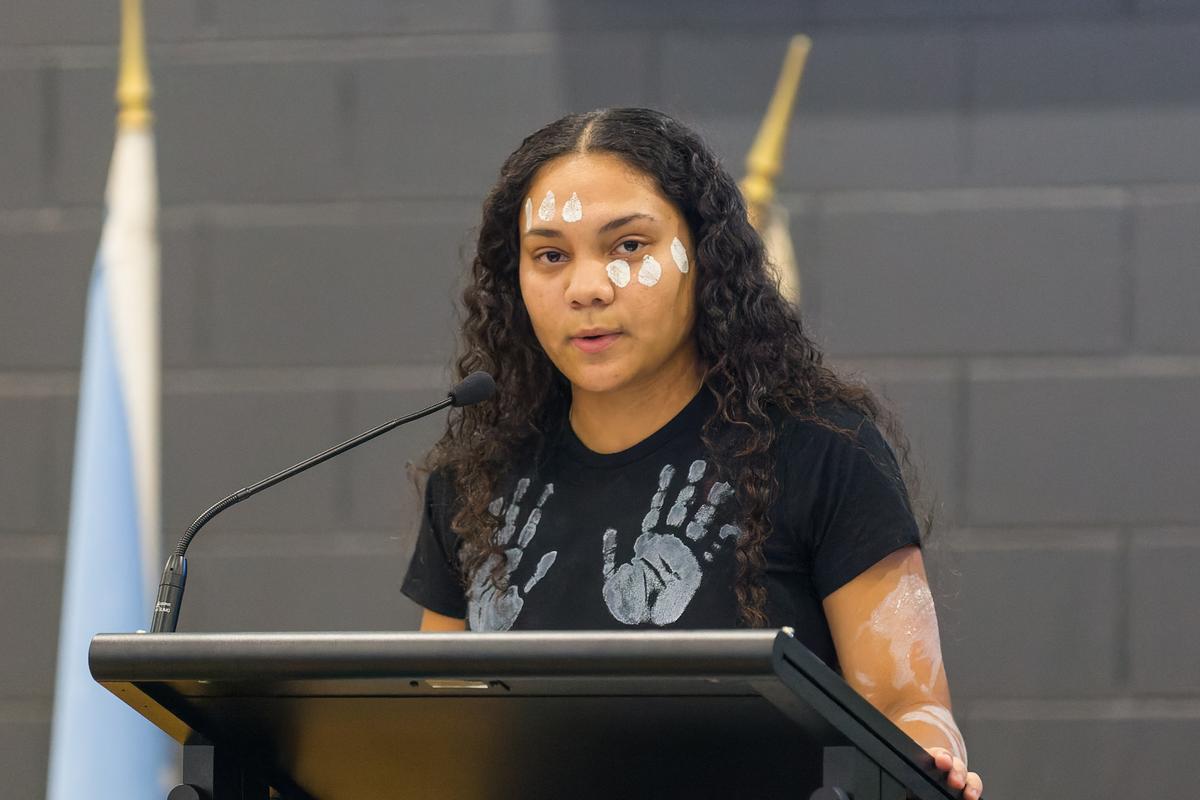
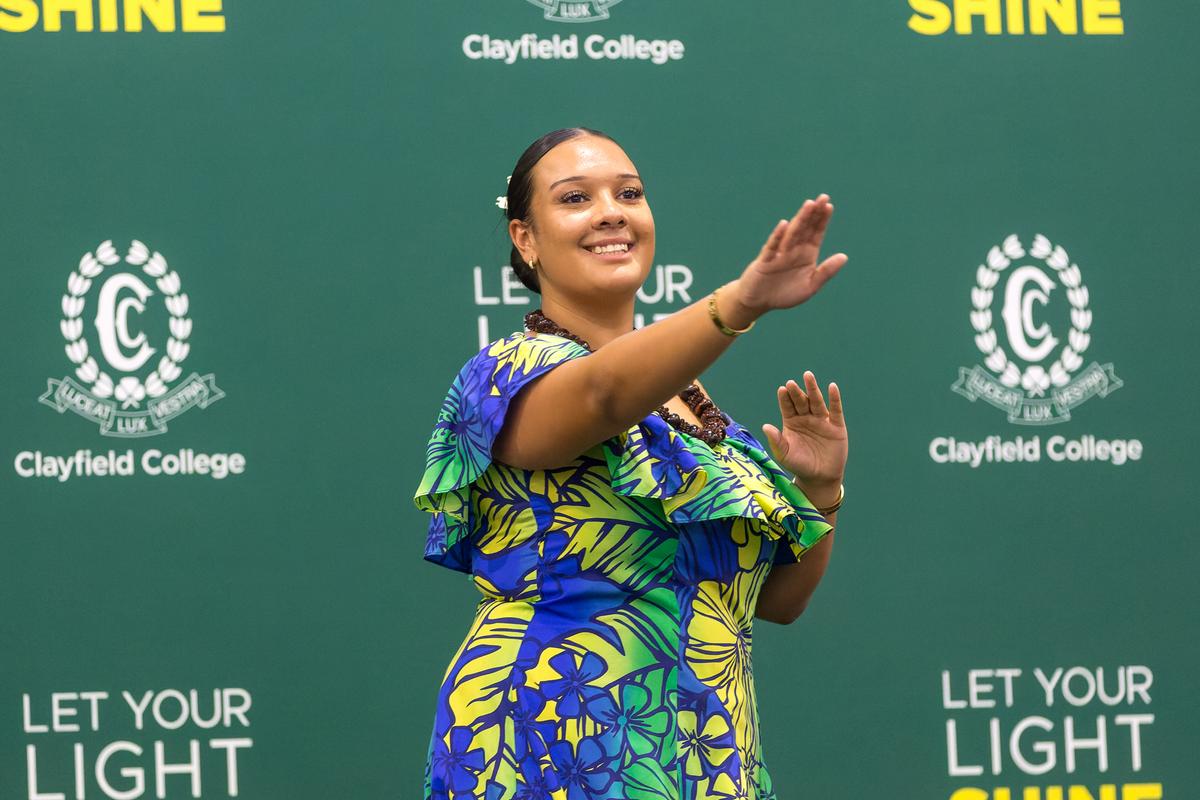
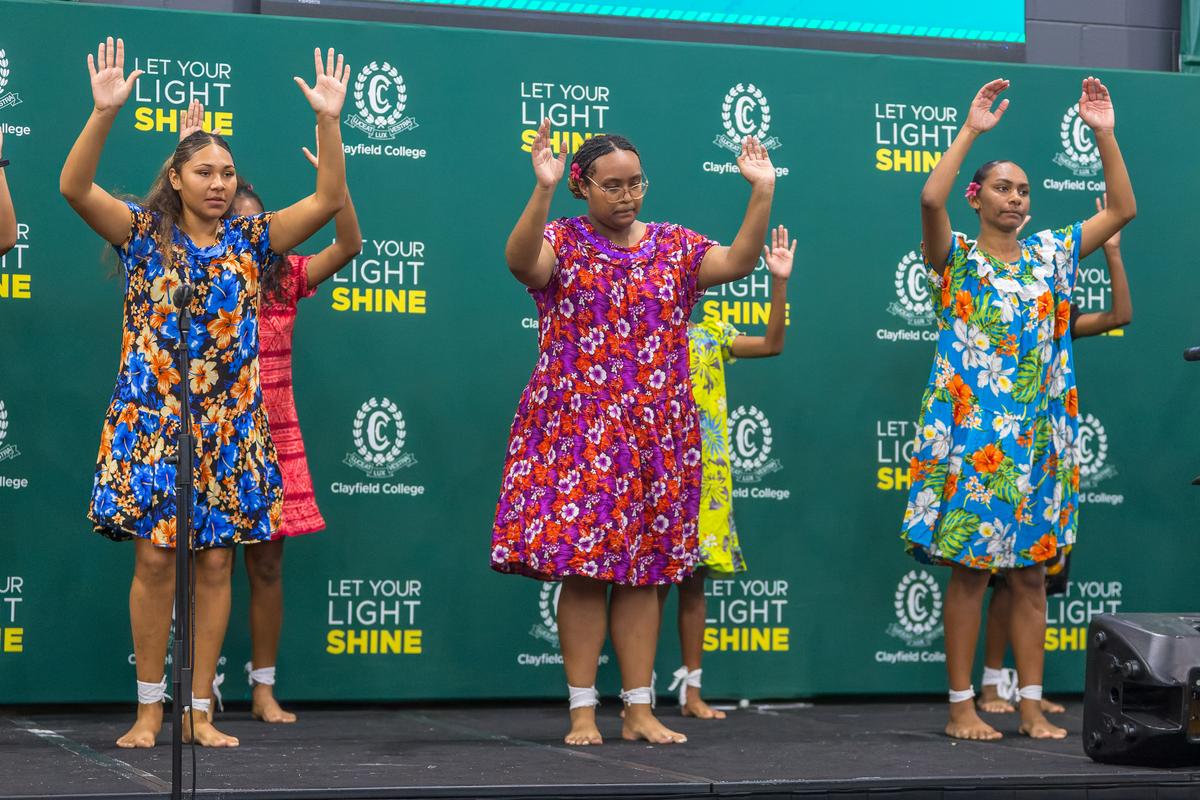
Yundu Yalada. Hello, My name is Jessie-Rose Talbot Cooke, and I am a proud Kuku Yalanji woman from Bloomfield River on my mother’s side and my father’s side, I am a proud Gungalida from the Gulf region and Kalkadoon woman from the mt isa region. Aboriginal people have been connected to our land, skies and waterways for millennia. My culture and heritage have been a proud part of who I am and who I have become today. The strength of indigenous women around me has inspired me to be the person I can be.
My grandmother was a part of the stolen generation, getting taken, as well as her 8 other siblings, from her home on Palm Island this made her feel disconnected from her community as she was transported to a mission in Sherberg away from all she knew, she did not let this experience break her rather she persevered through this difficult experience and used her stories to inspire a strength in all that knew her. For me, she has inspired me to stand up for myself and my culture, and I thank her everyday for telling me stories of my ancestors and teaching me ways of my culture. She is a true role model and is dearly loved.
My mother has used my Nan’s strength and courage to pave the path in becoming a successful doctor in environmental science, working throughout the Great Barrier Reef and world heritage sites overcoming diversity and showing strength in all aspects of life. Mum shows me every day that my dreams can become a reality and nothing can stop me. My sister, whom many of you know, has become an overwhelming inspiration and guide, showing me that leadership and being a role model doesn’t just stop at school. Through her role at Deadly Choices, she inspires other young indigenous kids every day.
My parents have always grounded me in the ways of my culture by having the opportunity to take me back to country and connect with elders and the land. When I was first born, my mother and father took me to Yalanji country up in the Daintree to be introduced to the elders and country, and I was given a traditional name, “Jarramali” meaning lightning and storm. As I have grown, I have realised that country doesn’t have to physically be there to touch or see, but it is in the stories and knowledge that is passed down from my ancestors, it is all around me.
Moving forward, it is my dream to help rebuild aspects of my culture that, through time have been broken. I aim to study Social Work and major in indigenous studies to support families through their hardest times. I hope that if I have children that I can continue to teach them in the many ways that my family have and help to keep the traditions and customs of my culture alive for the next generation.

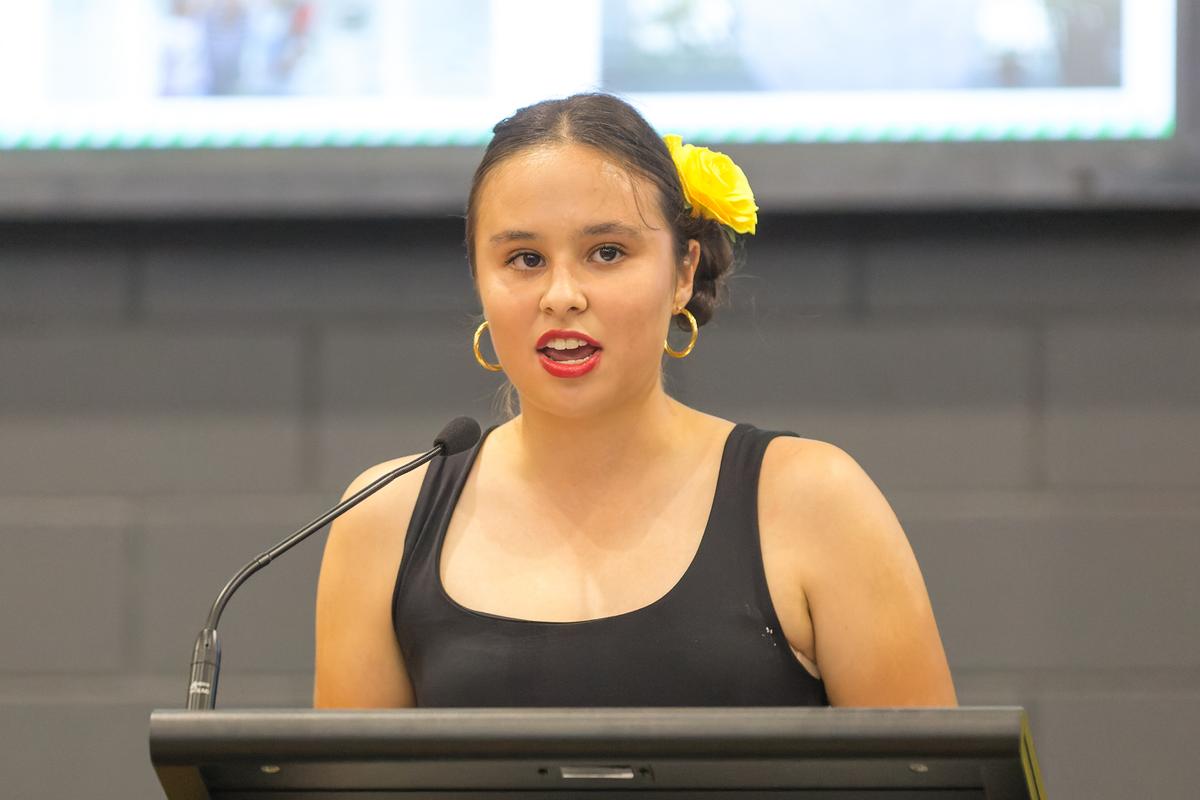
When people ask me where I’m from, the answer isn’t simple. My mum is Colombian, my dad is Polish, and I’ve been lucky enough to have grown up learning about two different cultures. While living in Australia my whole life, my culture is very “interesting”.
At home, my Colombian culture is probably the most present in my everyday life. I speak Spanish with my mum, so words like “hola” and “gracias” are just a normal part of conversations in my house. Sometimes it even surprises my friends when they hear me switch between English and Spanish. If you don’t know me already, Hola mi nombre es Erika, my name is Erika and I am a year 12 student.
Speaking Spanish to me is really important because language is one of the ways I can stay connected to one of my cultures and my family back in Colombia. I first visited Colombia when I was only 5 months old, which shows that my connection to my culture has been there from the very beginning. From as early as I can remember, my mum has always spoken to me in Spanish at home. Because of that, Spanish isn’t just something I’ve learned - it’s something I’ve grown up with, and it’s a big part of who I am today.
Food is also a big part of my culture. At home we often eat Colombian food, such as empanadas and arepas, one of the many ways my mum shares her culture with me. I also want to thank my mum. She made the huge decision to leave her home, learn a new language, and start a new life so I could have the opportunities she never got to experience. Because of her, I’ve grown up connected to my culture, and I’m incredibly grateful for all she’s done.
On the other side of my family, my dad’s Polish background is also an important part of who I am. Even though I might not experience it in the same way every day, it’s still part of my identity and part of my family story.
I’ve also been lucky enough to visit both Colombia and Poland several times, which has helped me feel more connected to both sides of my family. When I visited Colombia, I heard Spanish everywhere around me, and it made me realise that the language I speak with my mum at home connects me to a much bigger culture and community. I have many good memories from travelling abroad such as spending quality time with my grandparents who I don’t often get to see as well as being surrounded by my family and experiencing places and traditions that are so different from my life here in Australia.
Growing up with two different cultural backgrounds has helped me realise that everyone carries their own story. Our languages, traditions, customs, food, and values all shape who we are, and how we see the world around us.
To me, that’s what Harmony Day is a reminder that every culture has a story, and mine is one of many that makes Australia such a diverse place. It’s about recognising and celebrating those differences. Every person in our school community comes from a unique background, and that diversity is something that makes our community stronger.
When we take the time to learn about each other’s cultures and listen to each other’s stories, we build understanding, respect, and connection. My cultural background has taught me the importance of family values, respect and friendships. Harmony Day isn’t just about where we come from - it’s about how we come together.

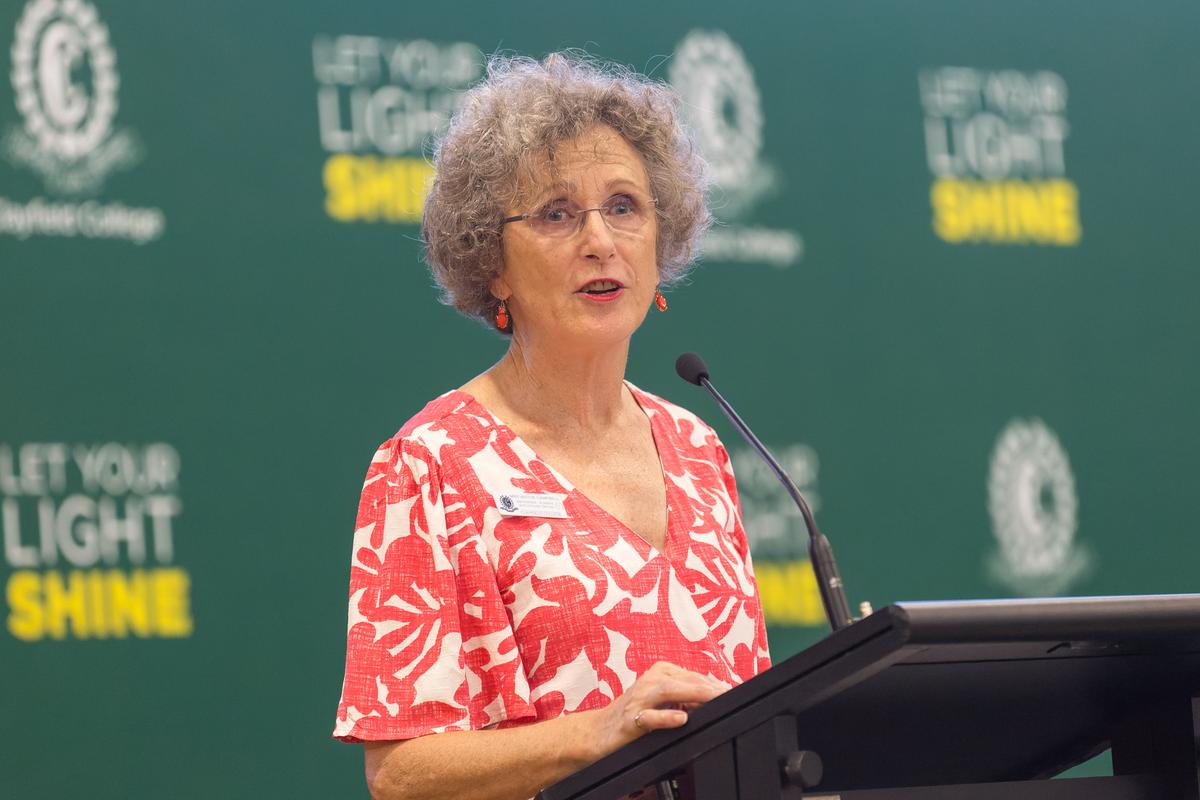
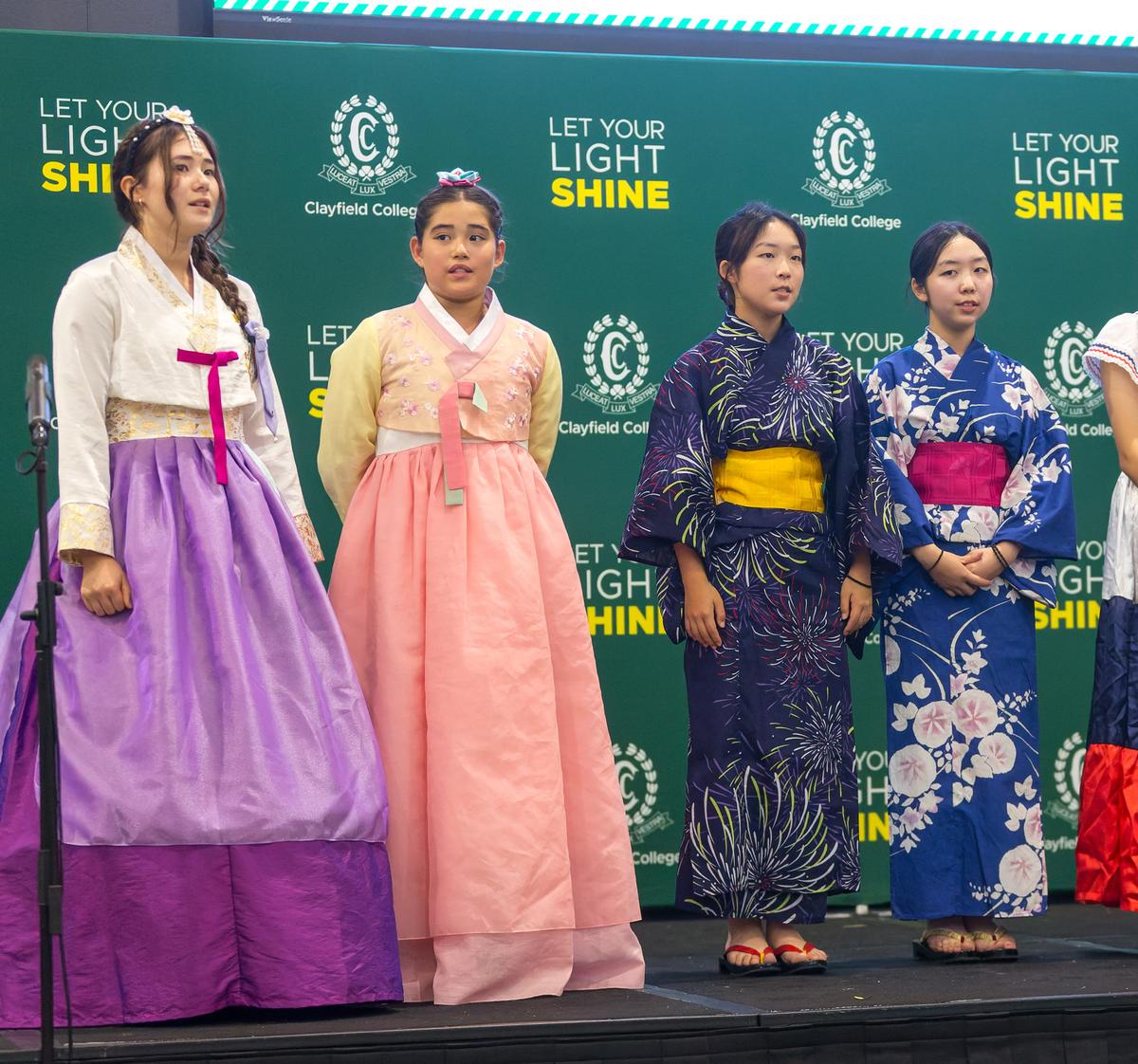
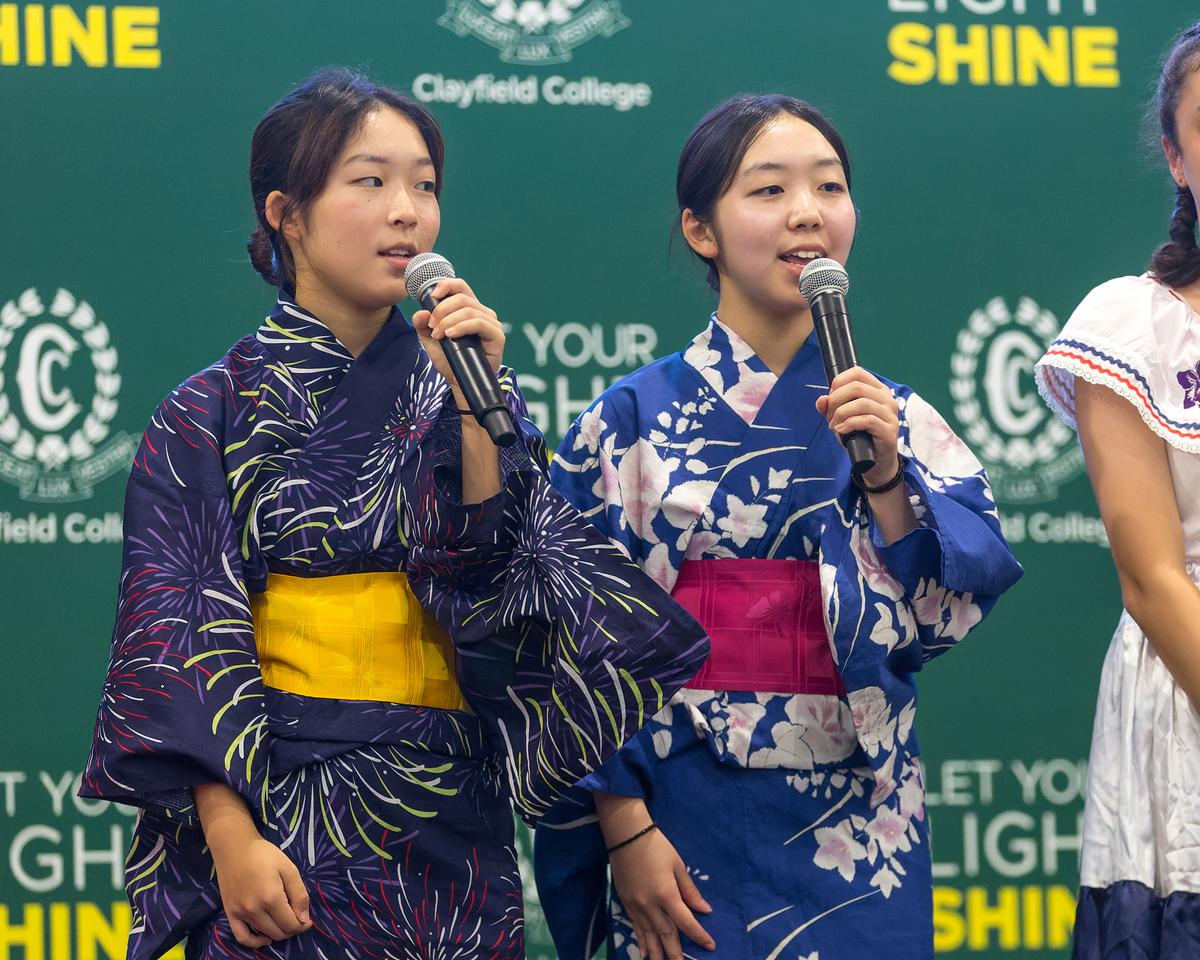
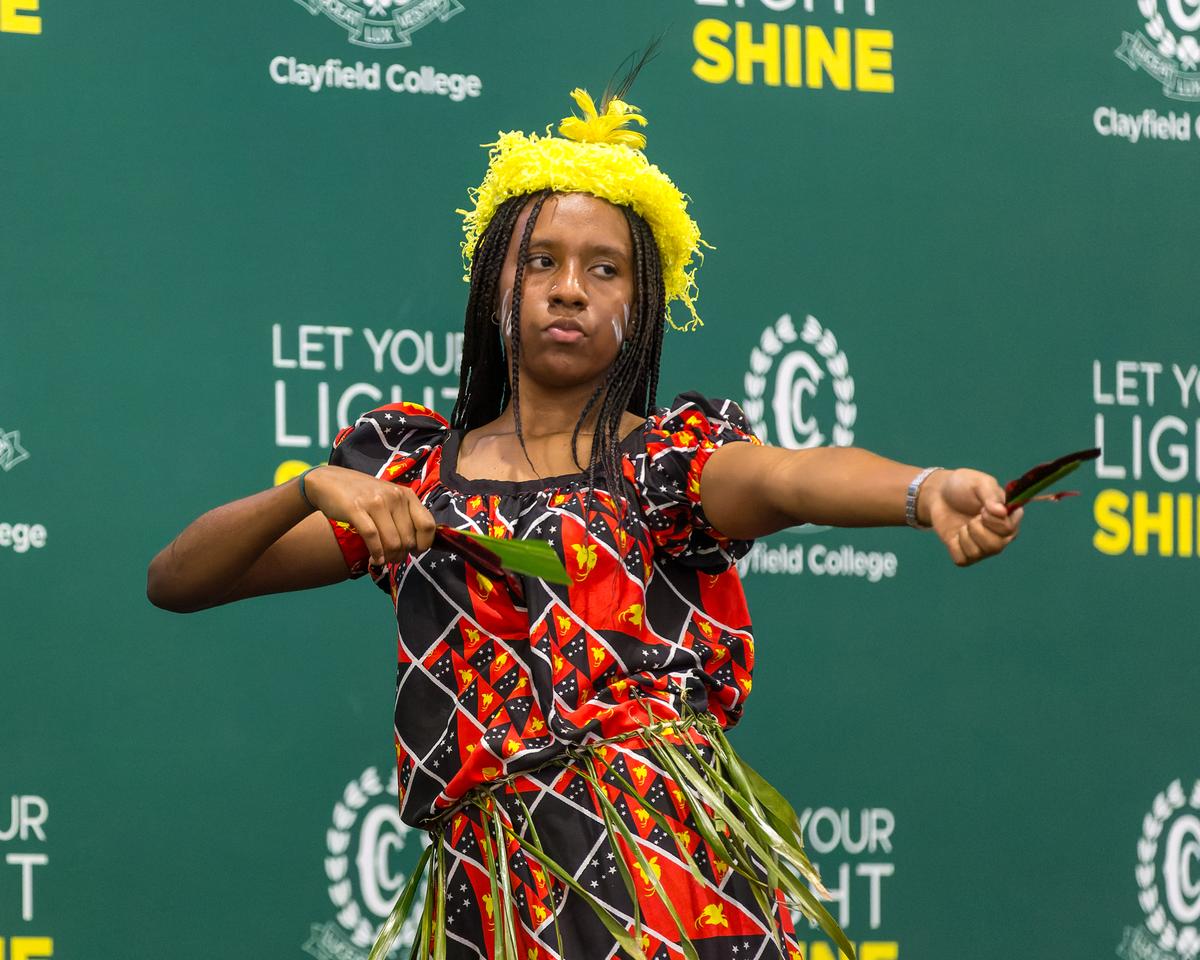
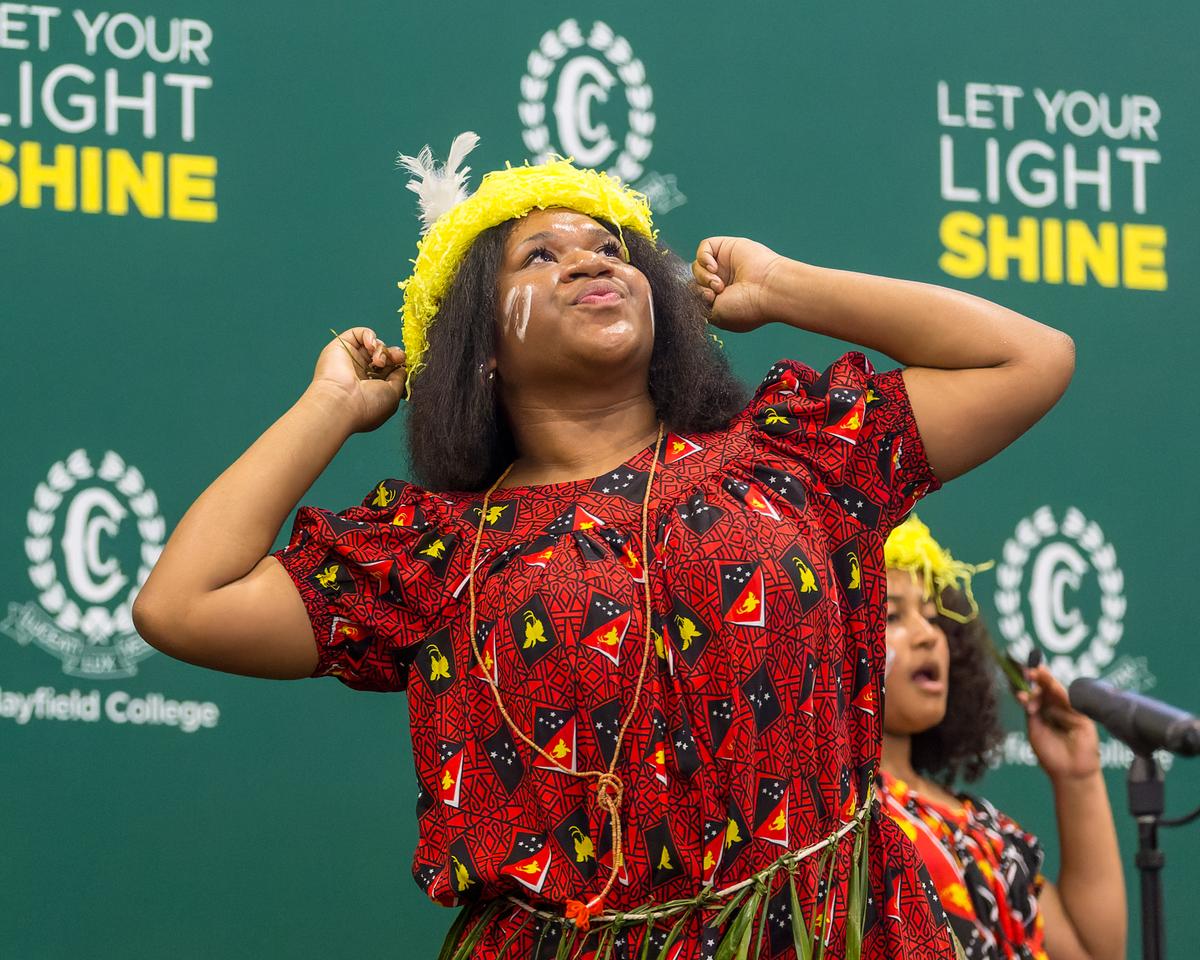
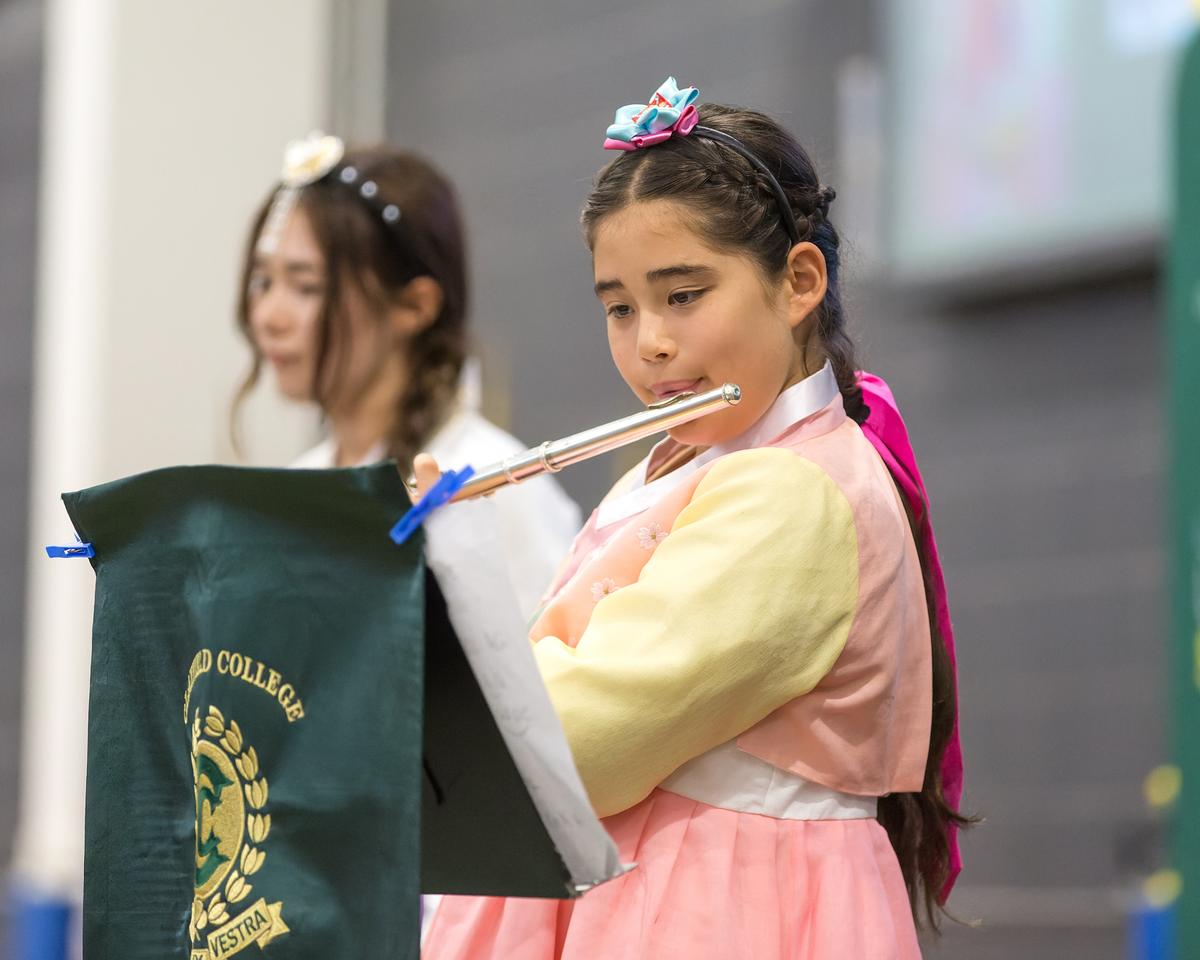
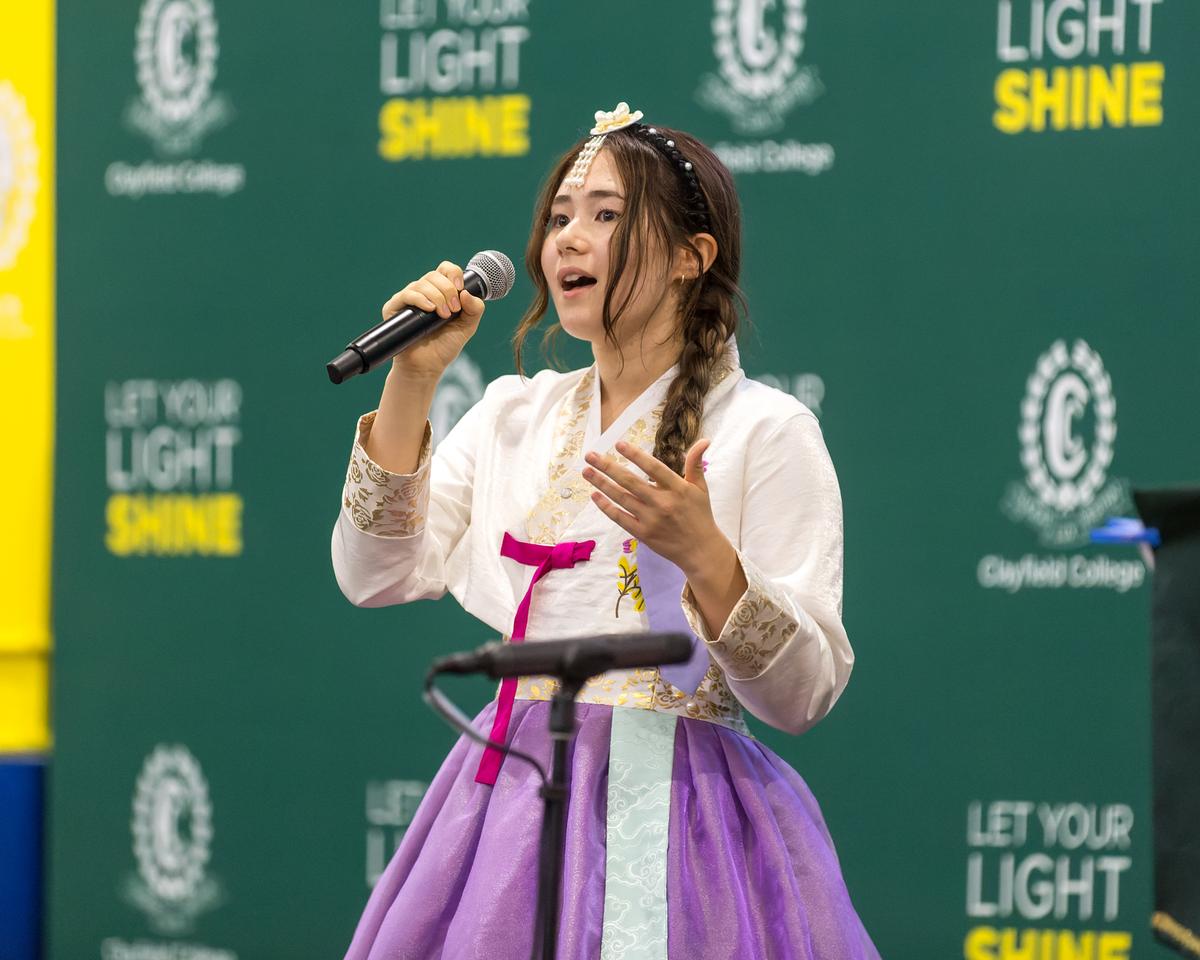
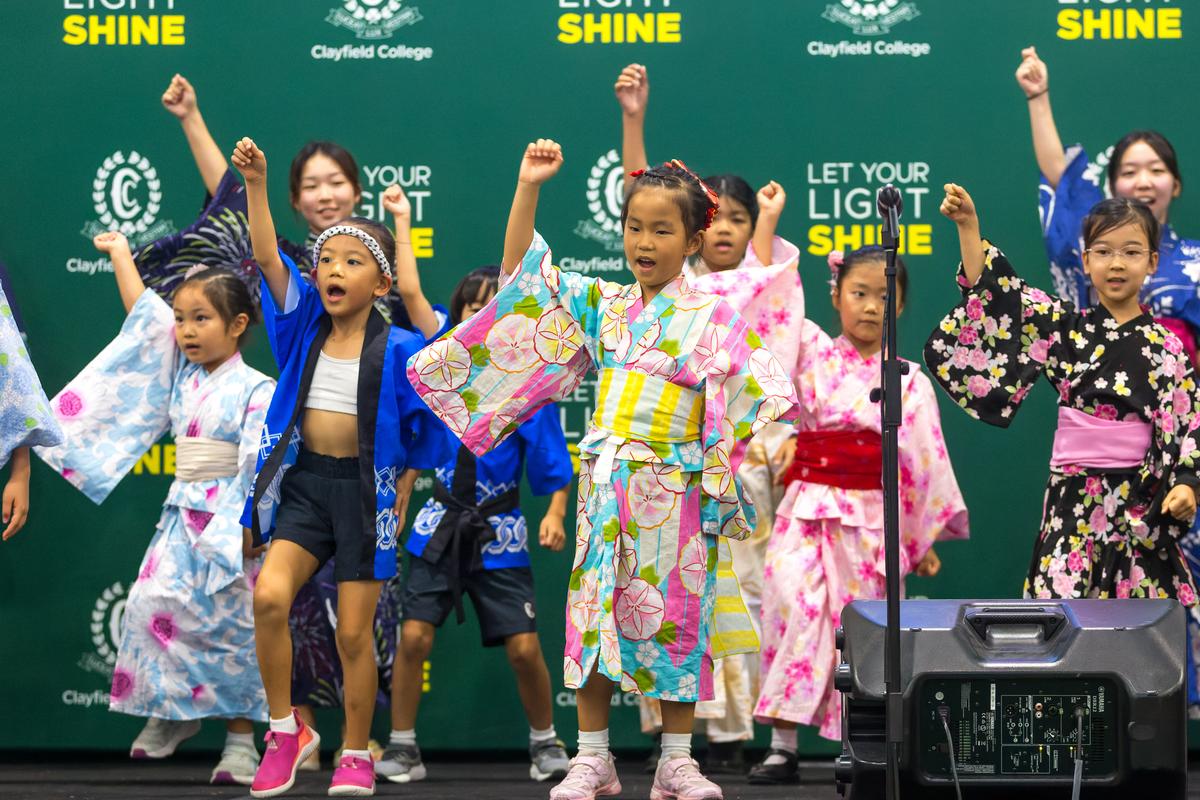
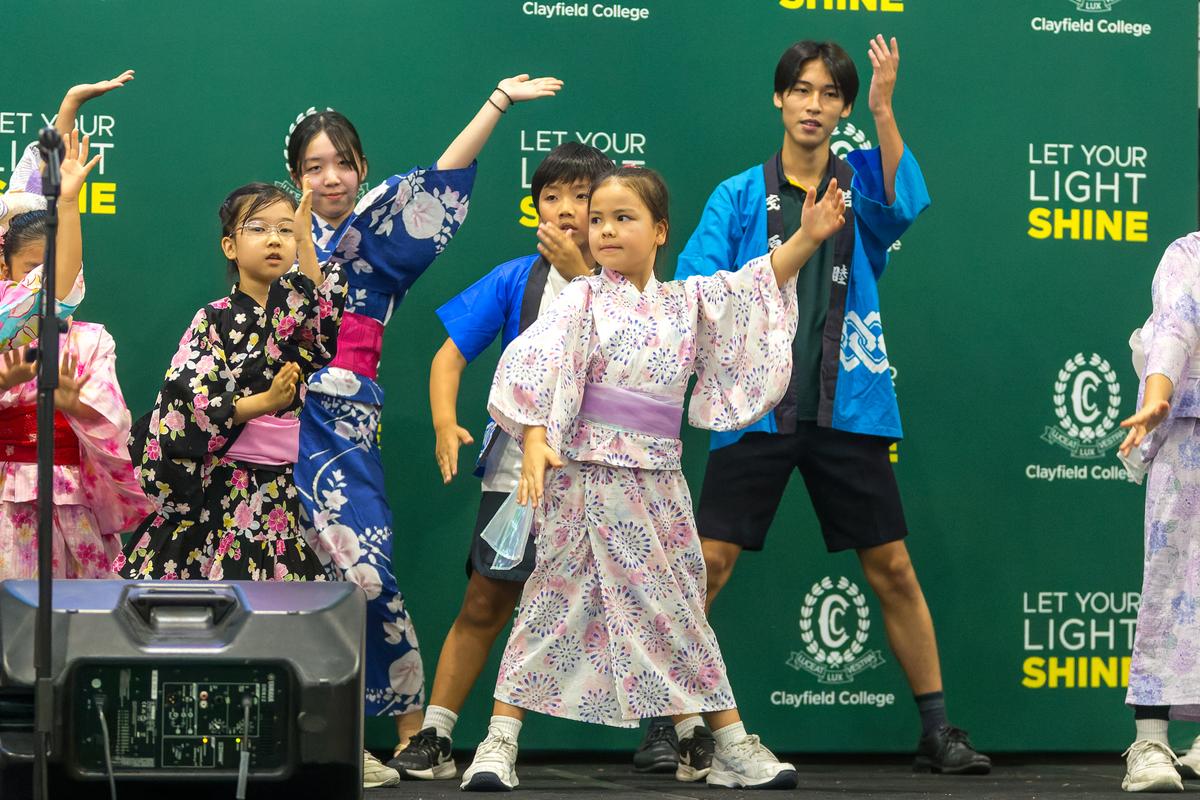
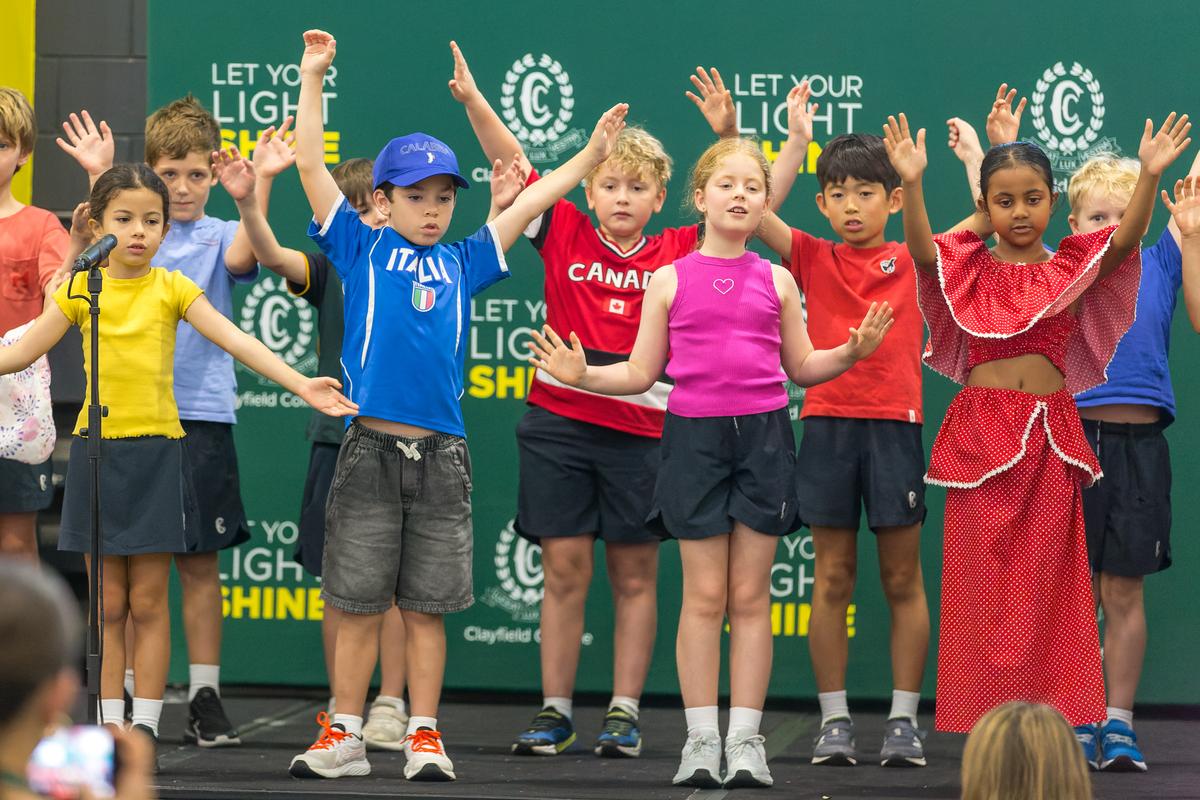
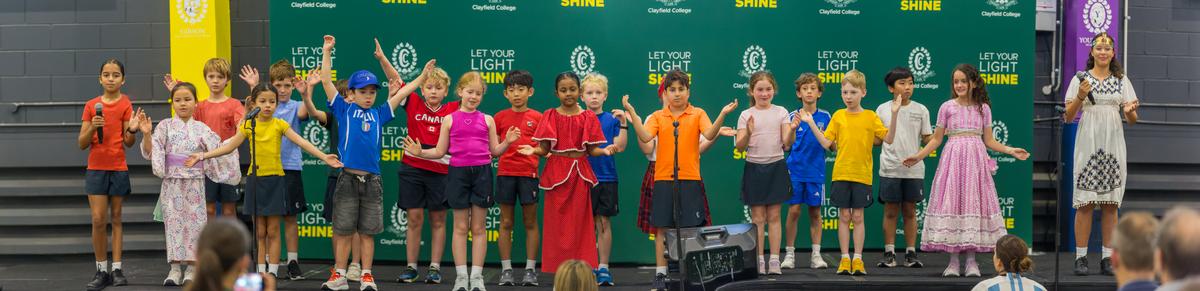
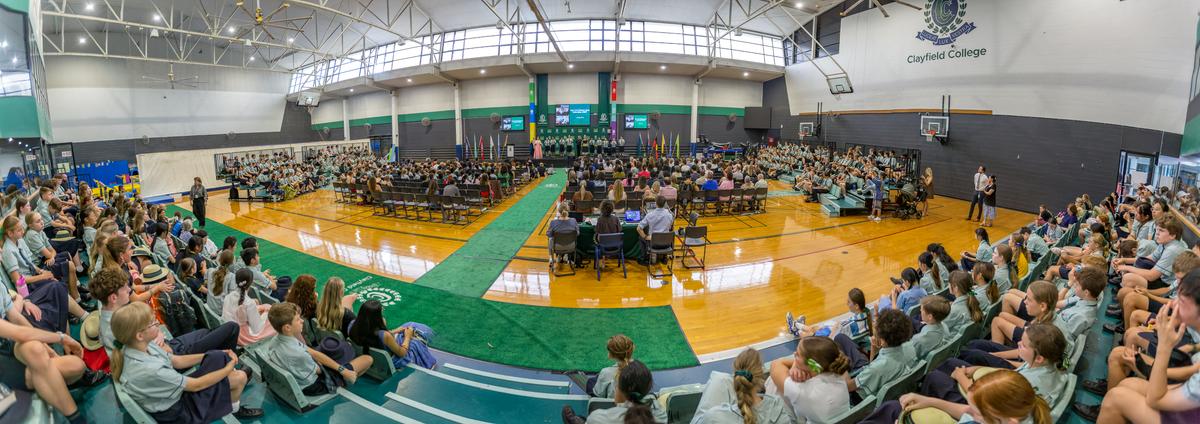
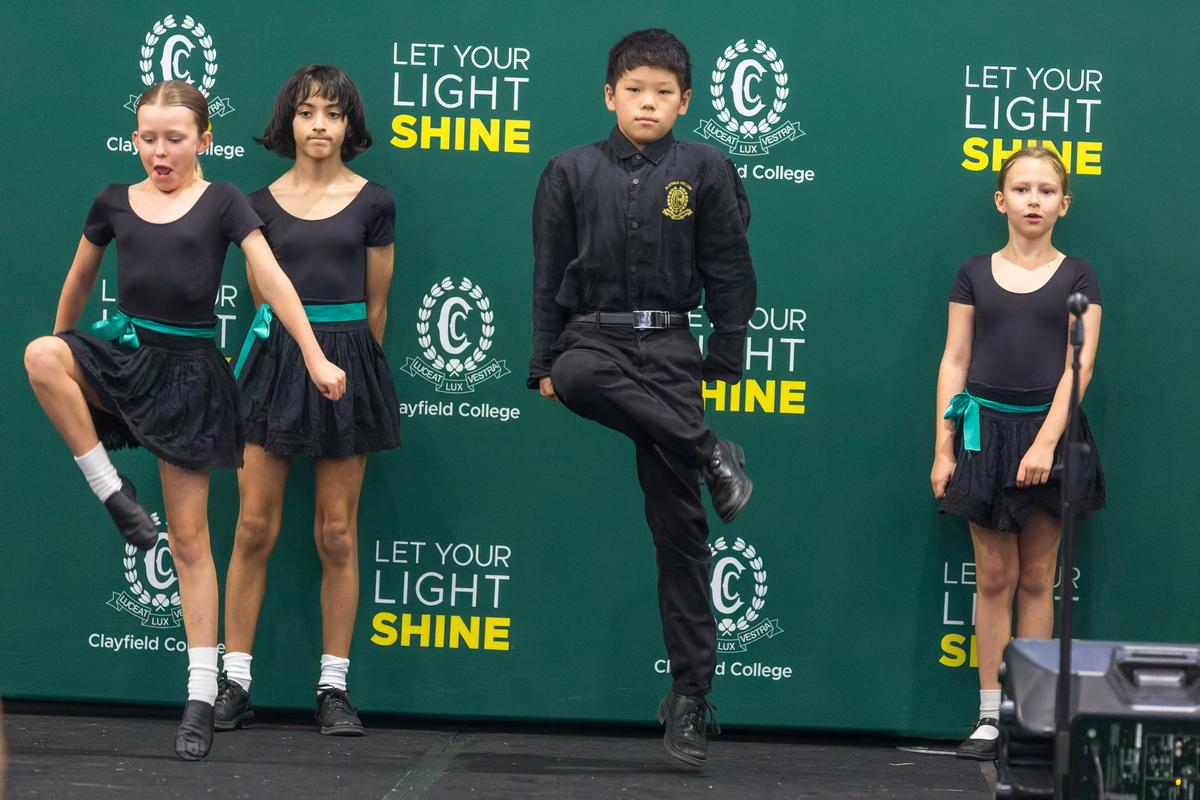
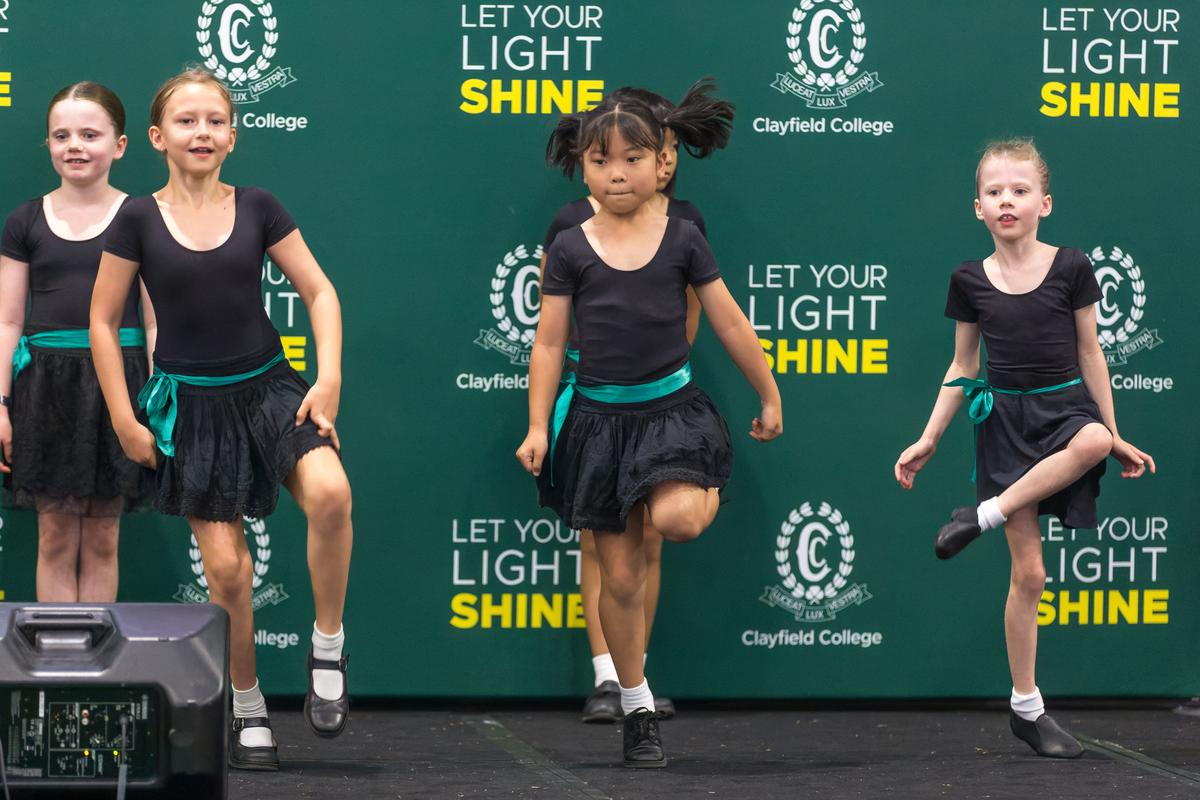
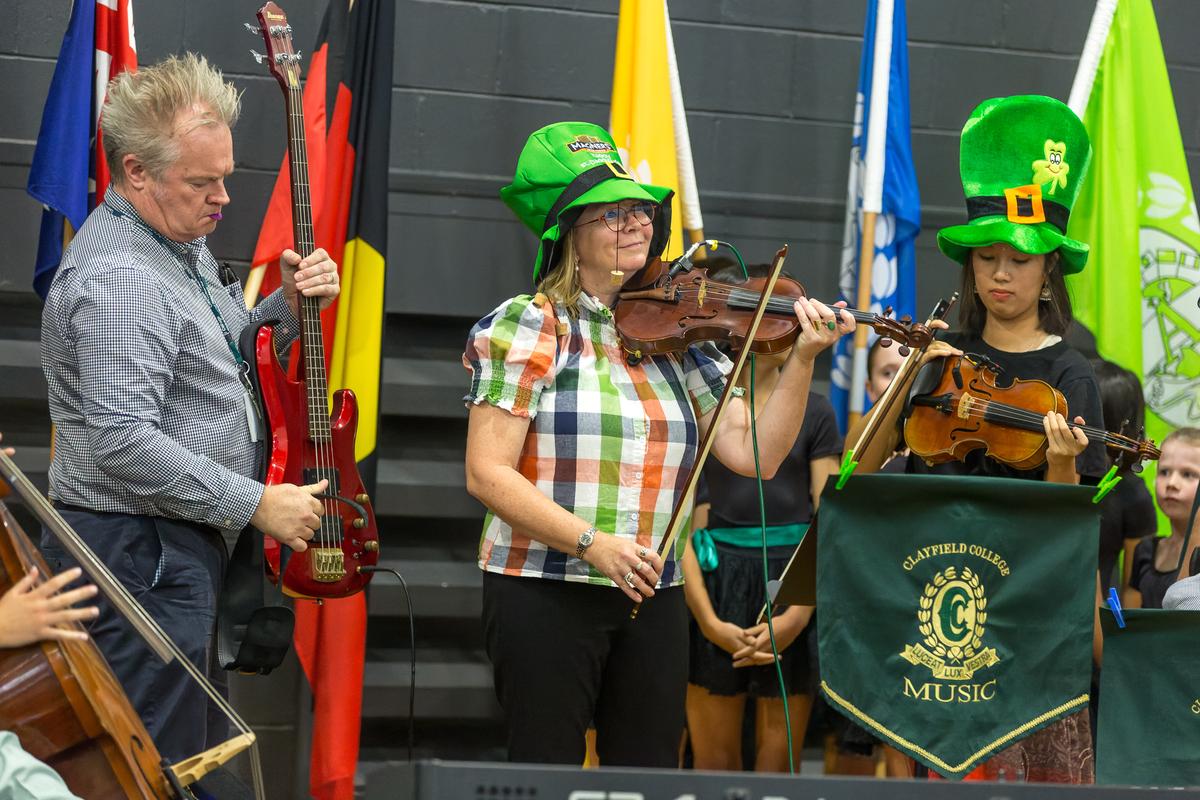
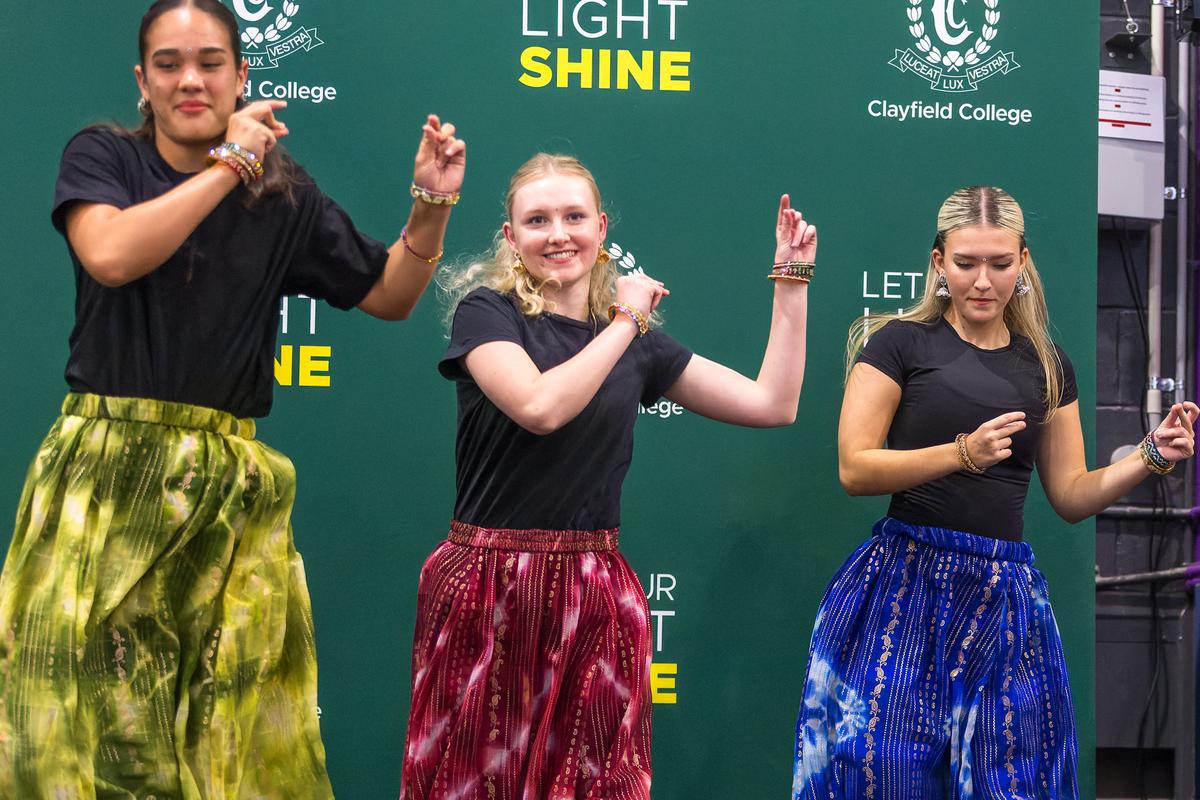
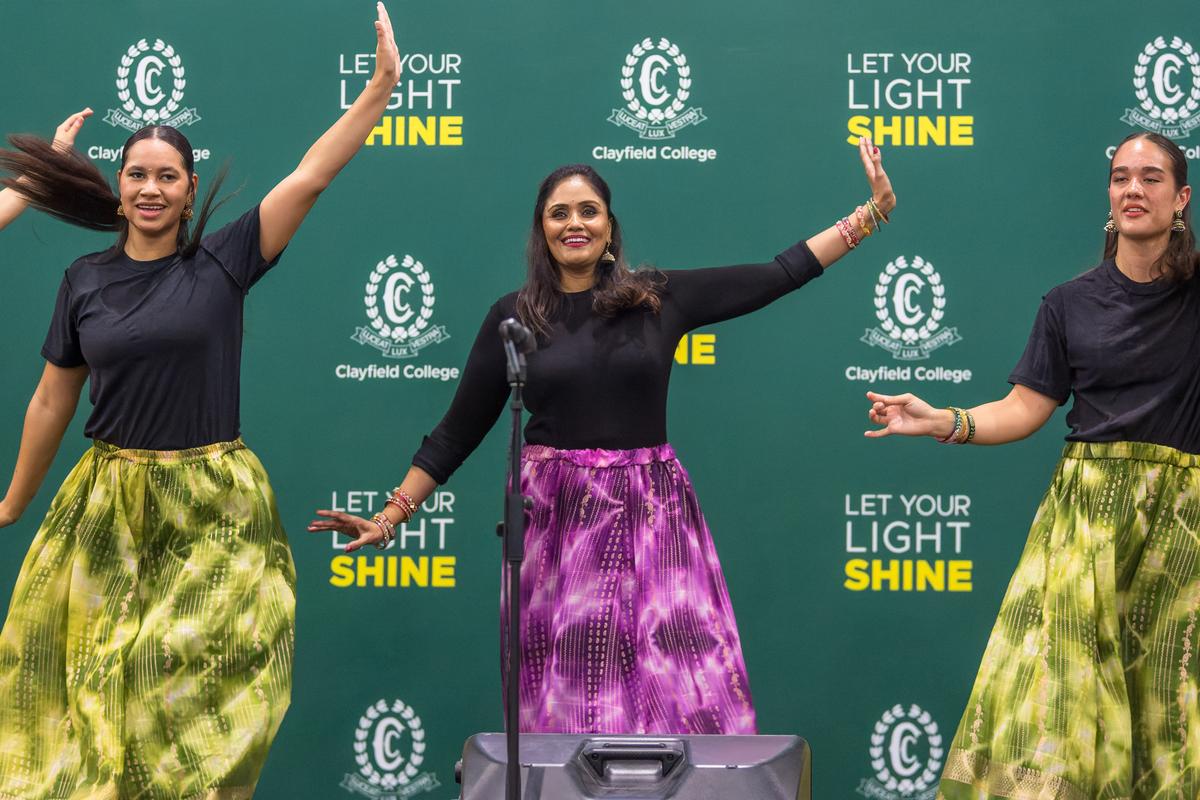
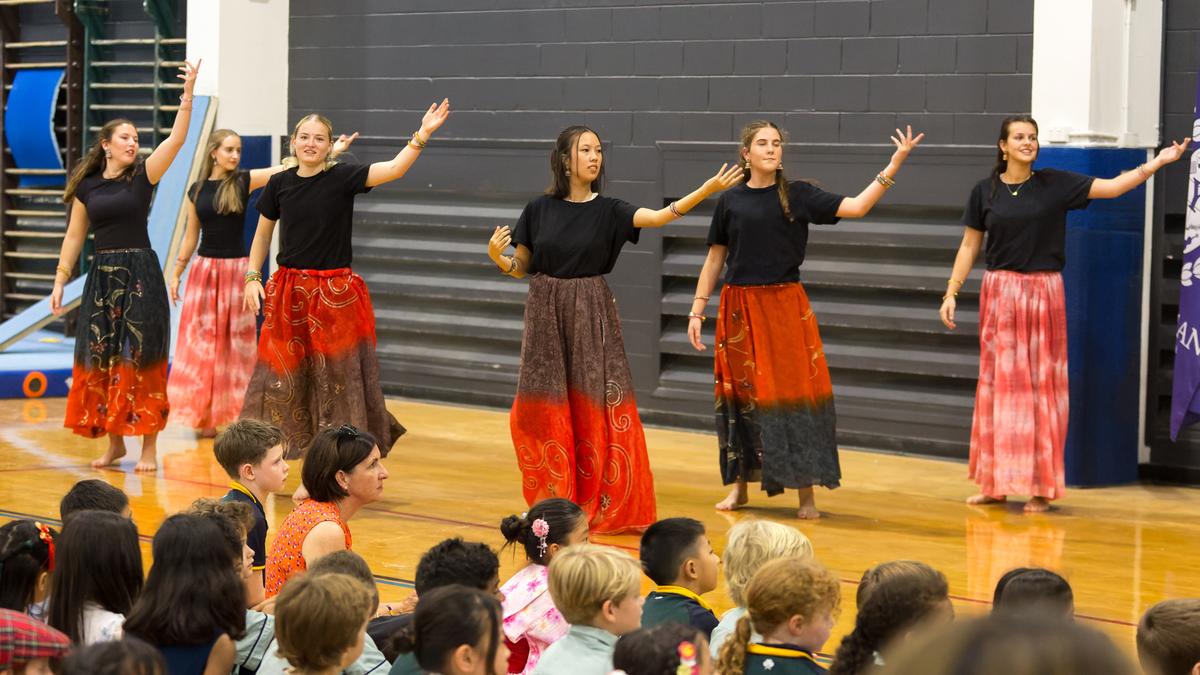
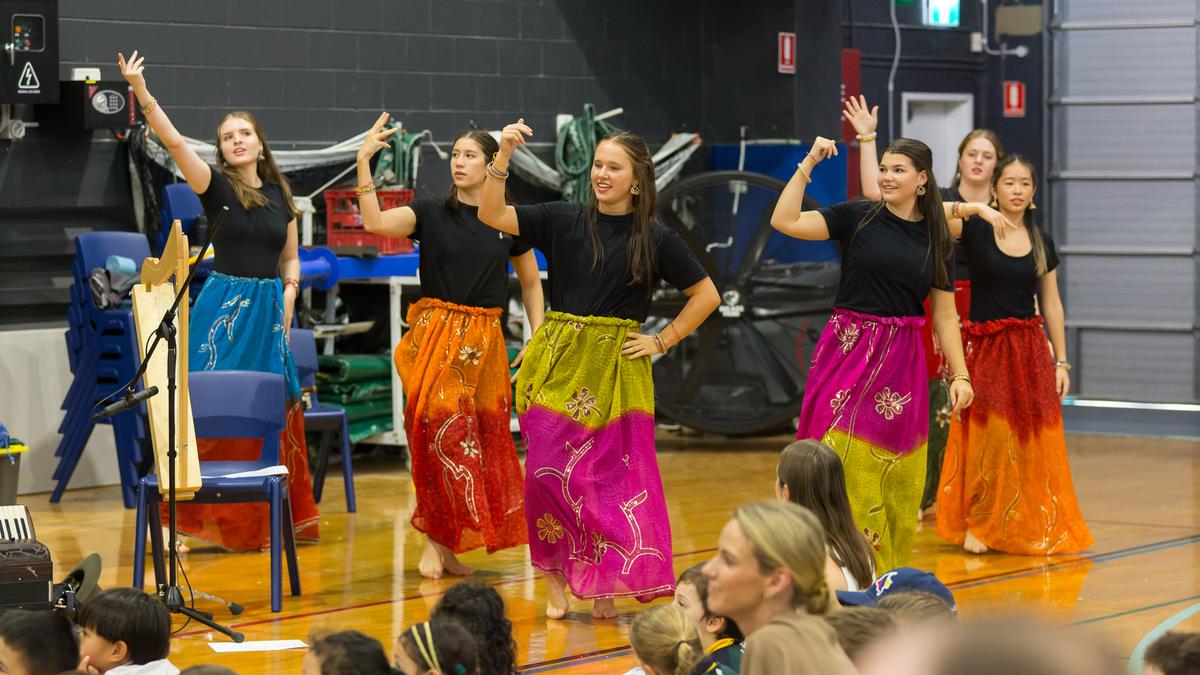
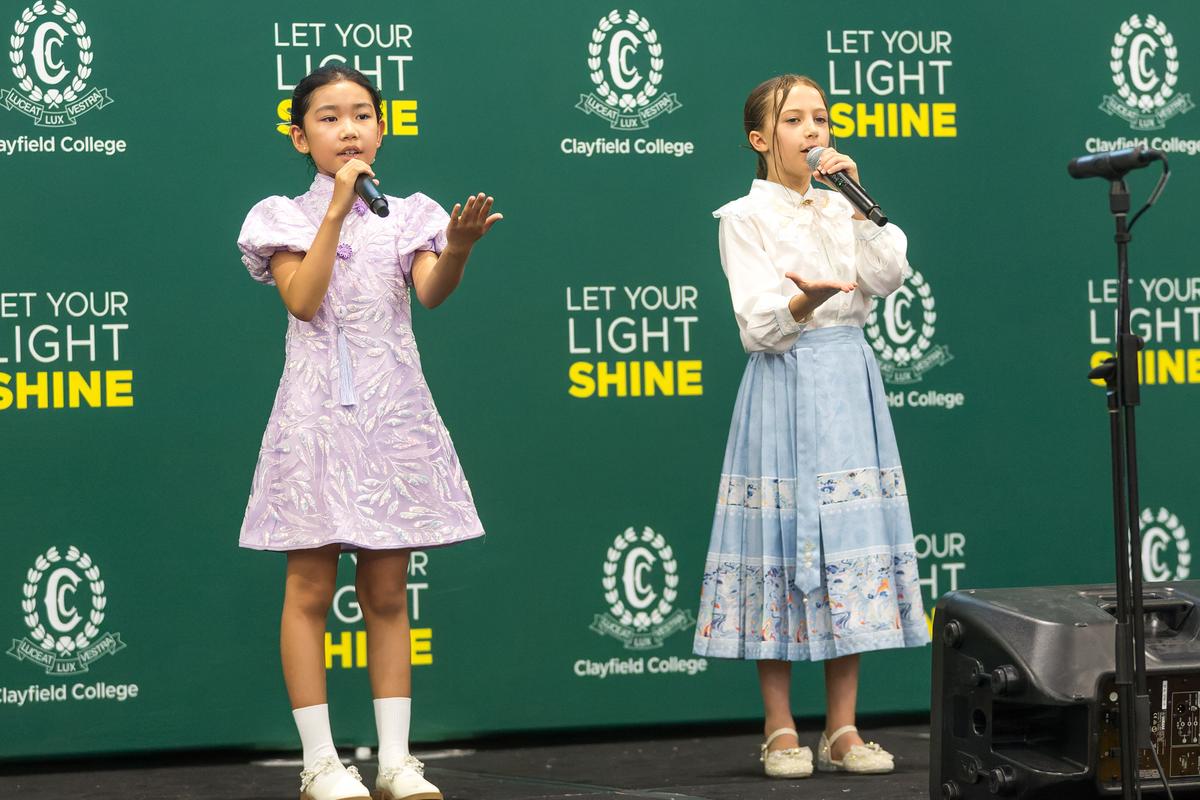
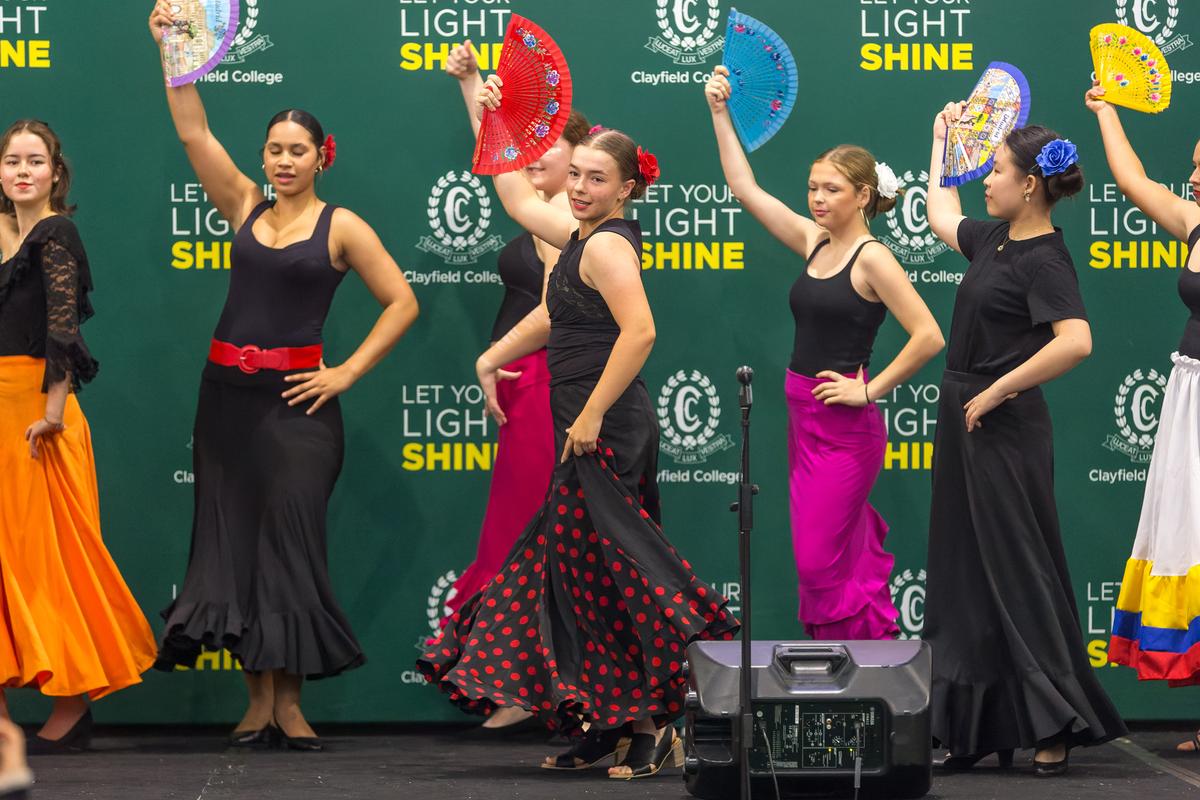
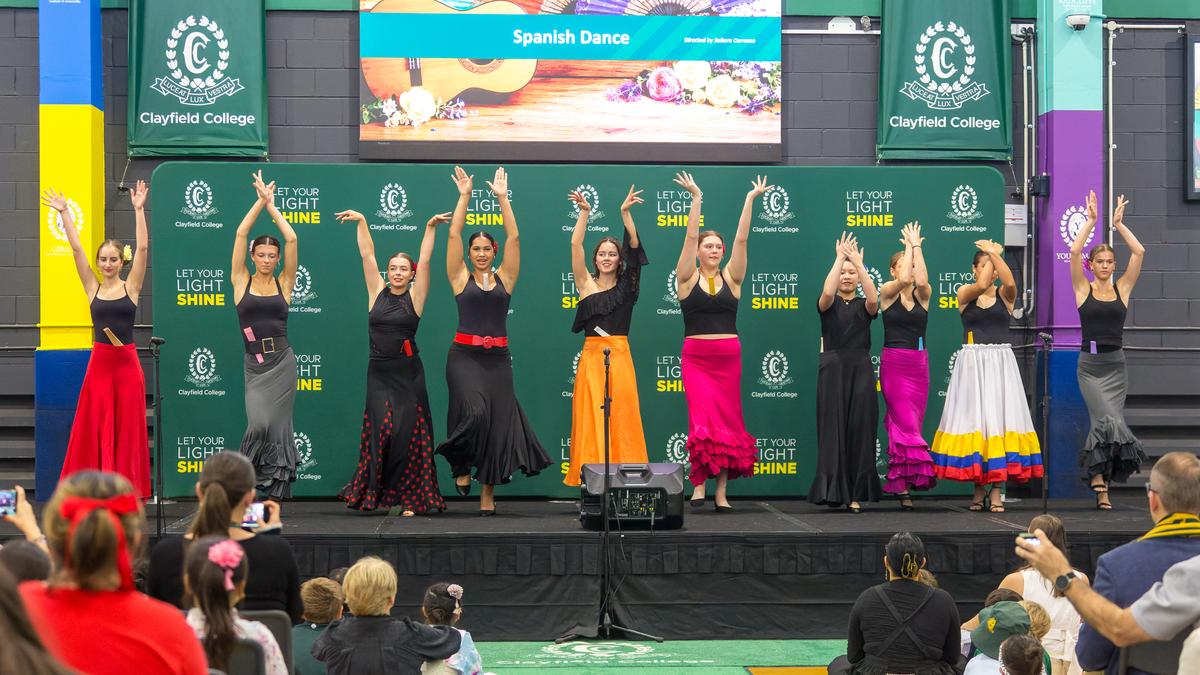
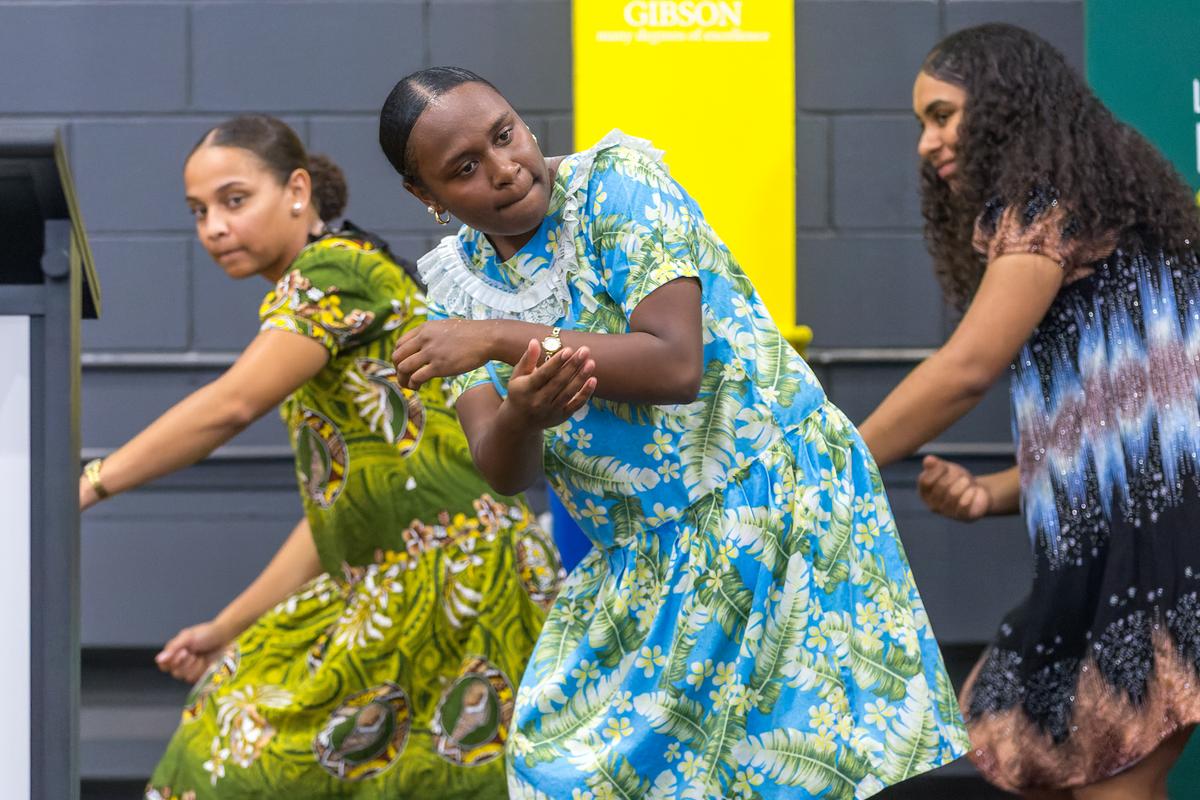
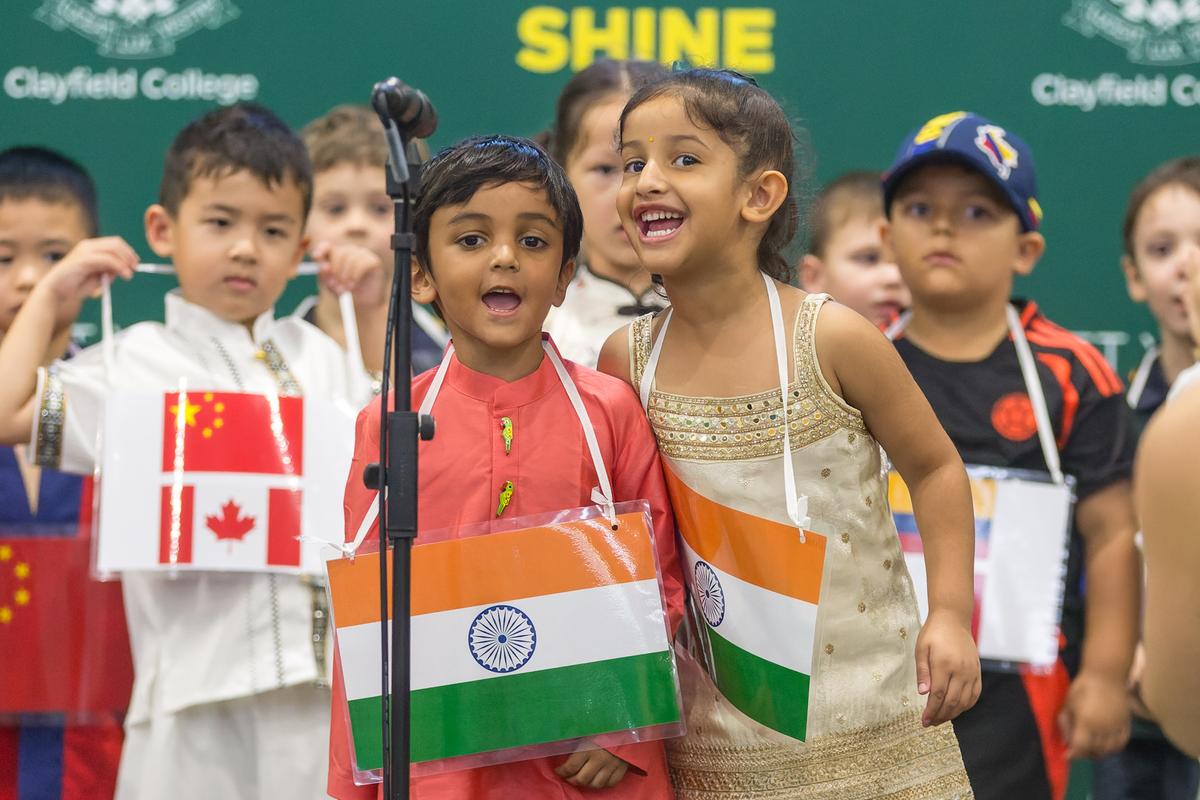
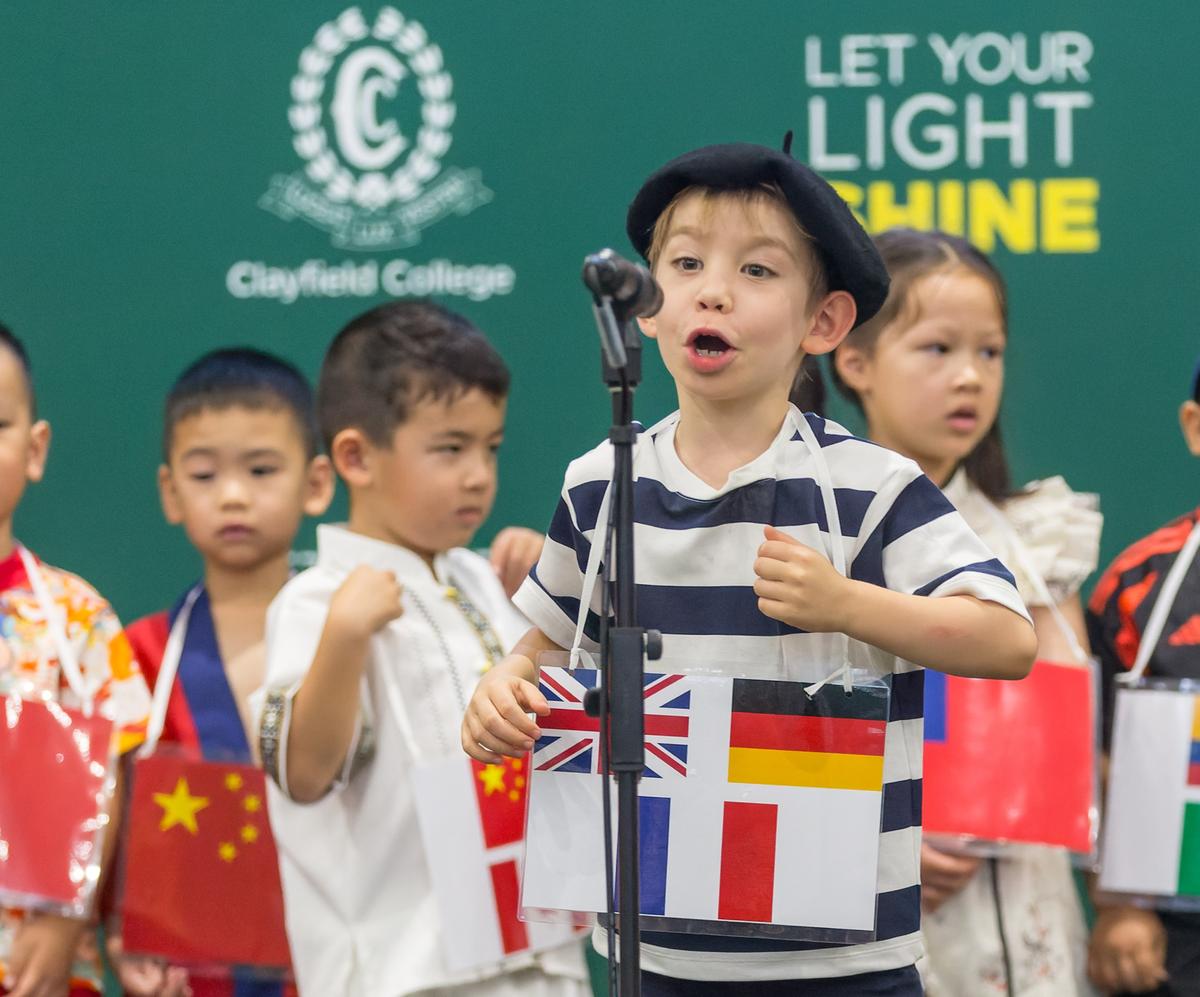
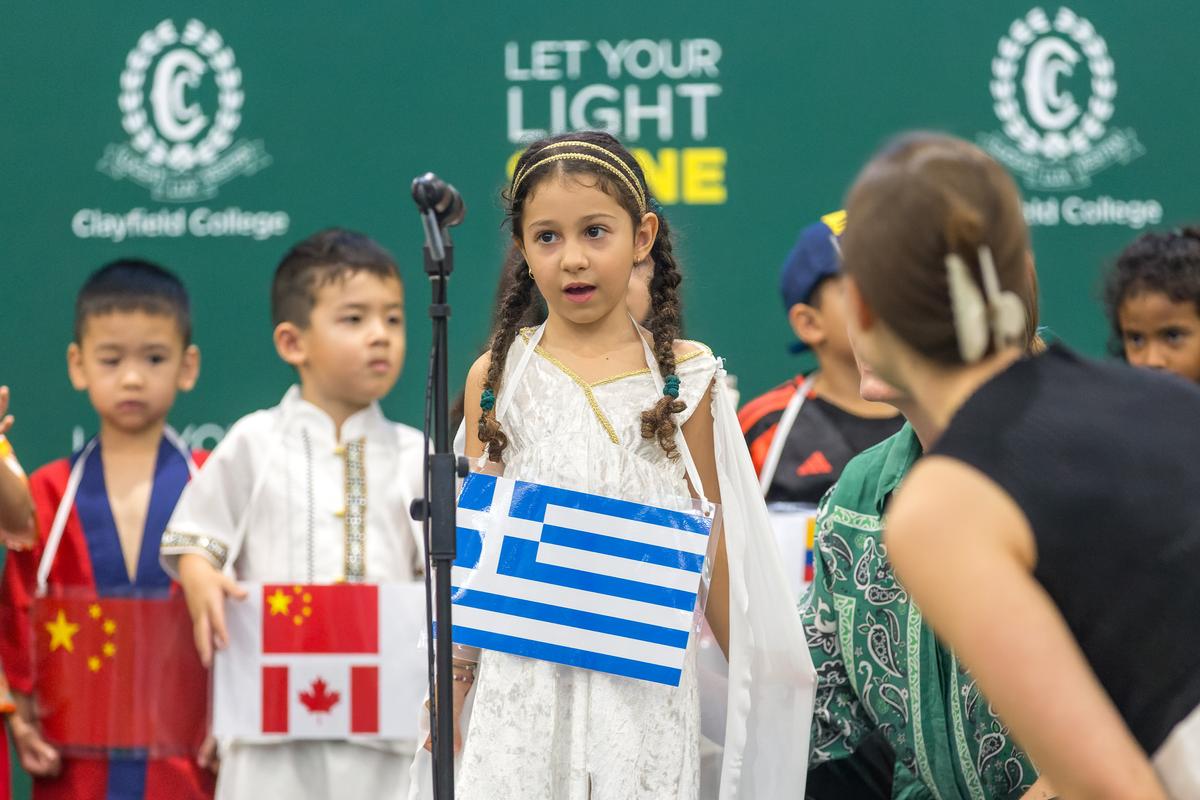
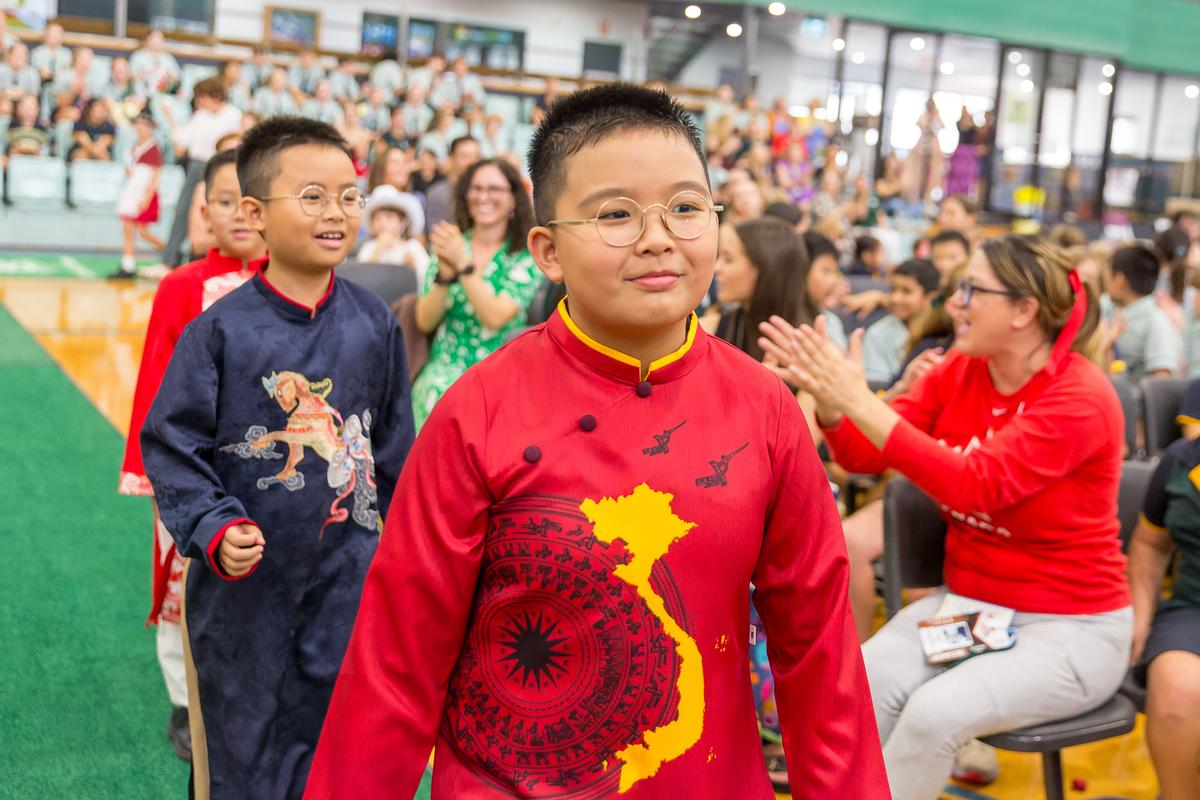
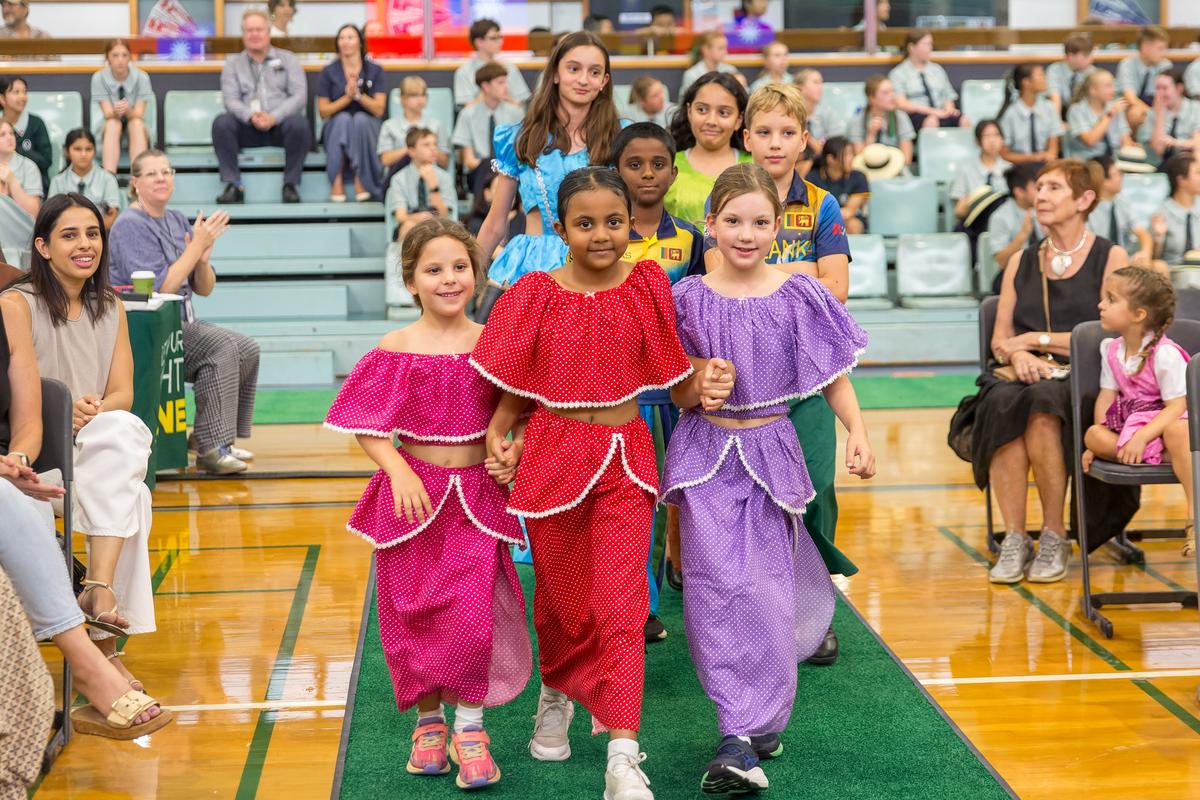
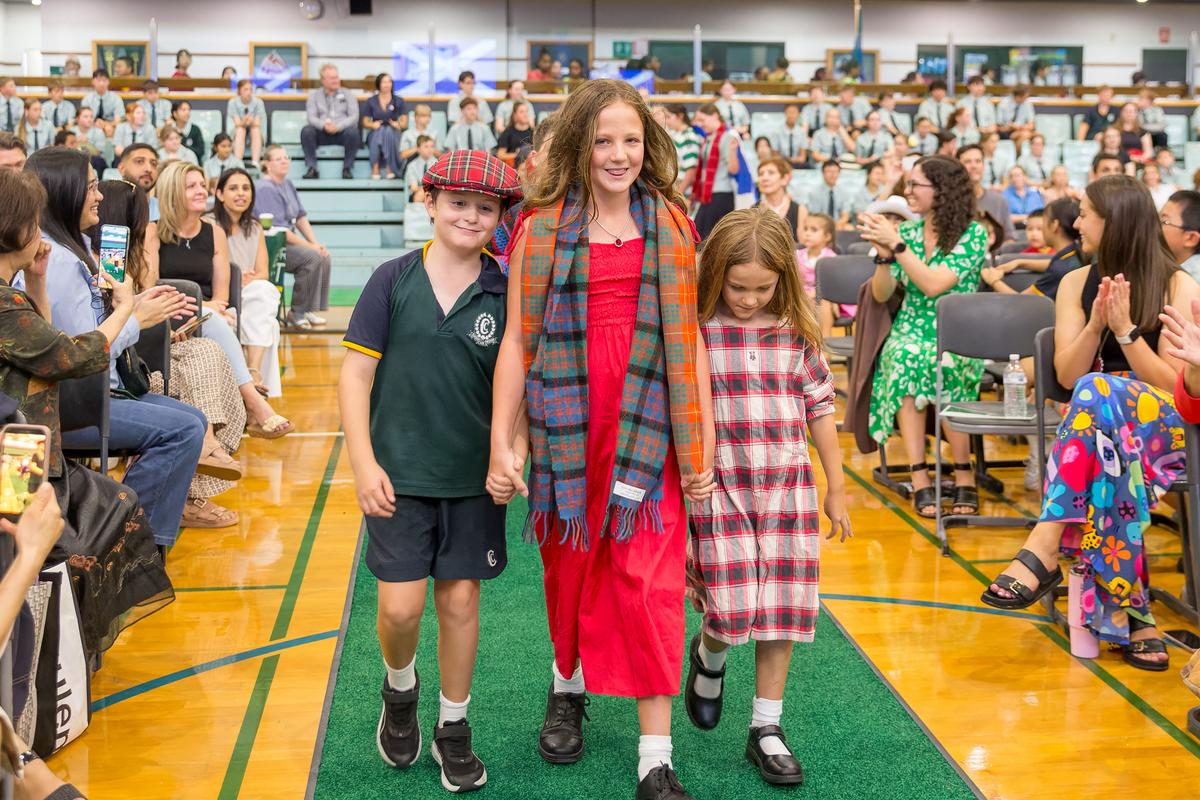
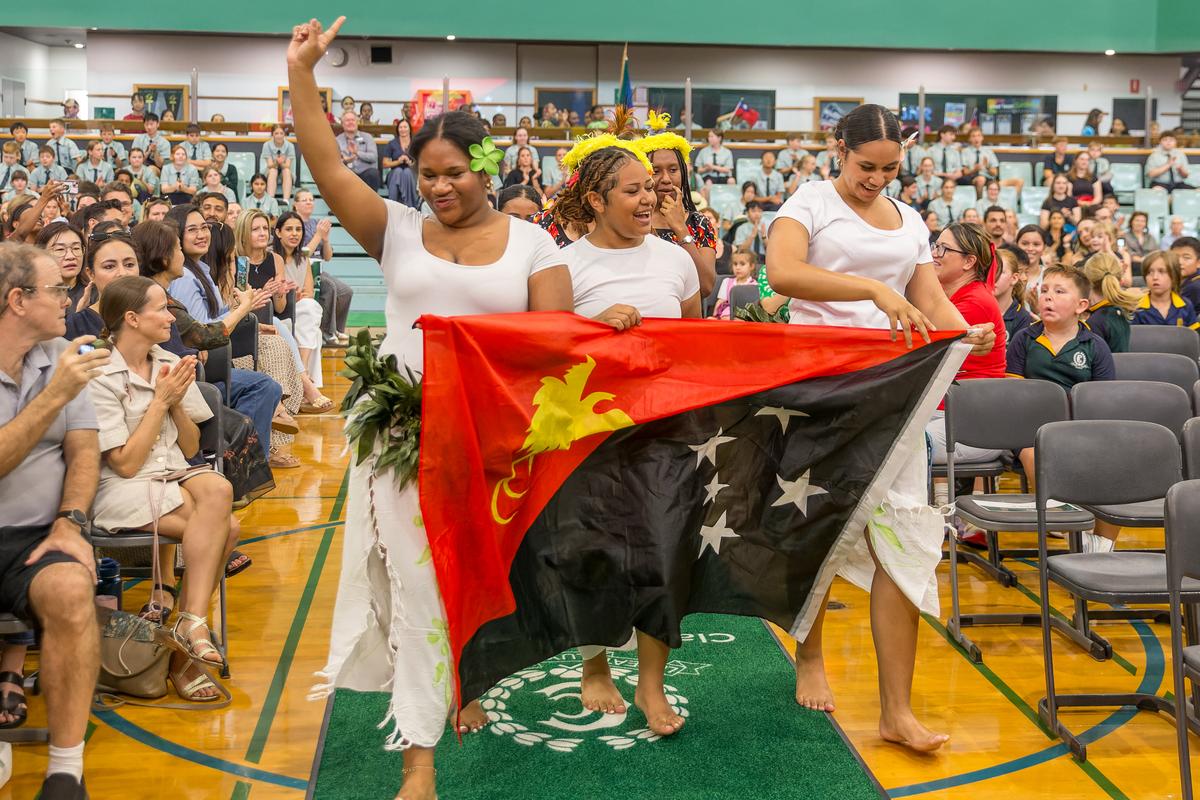
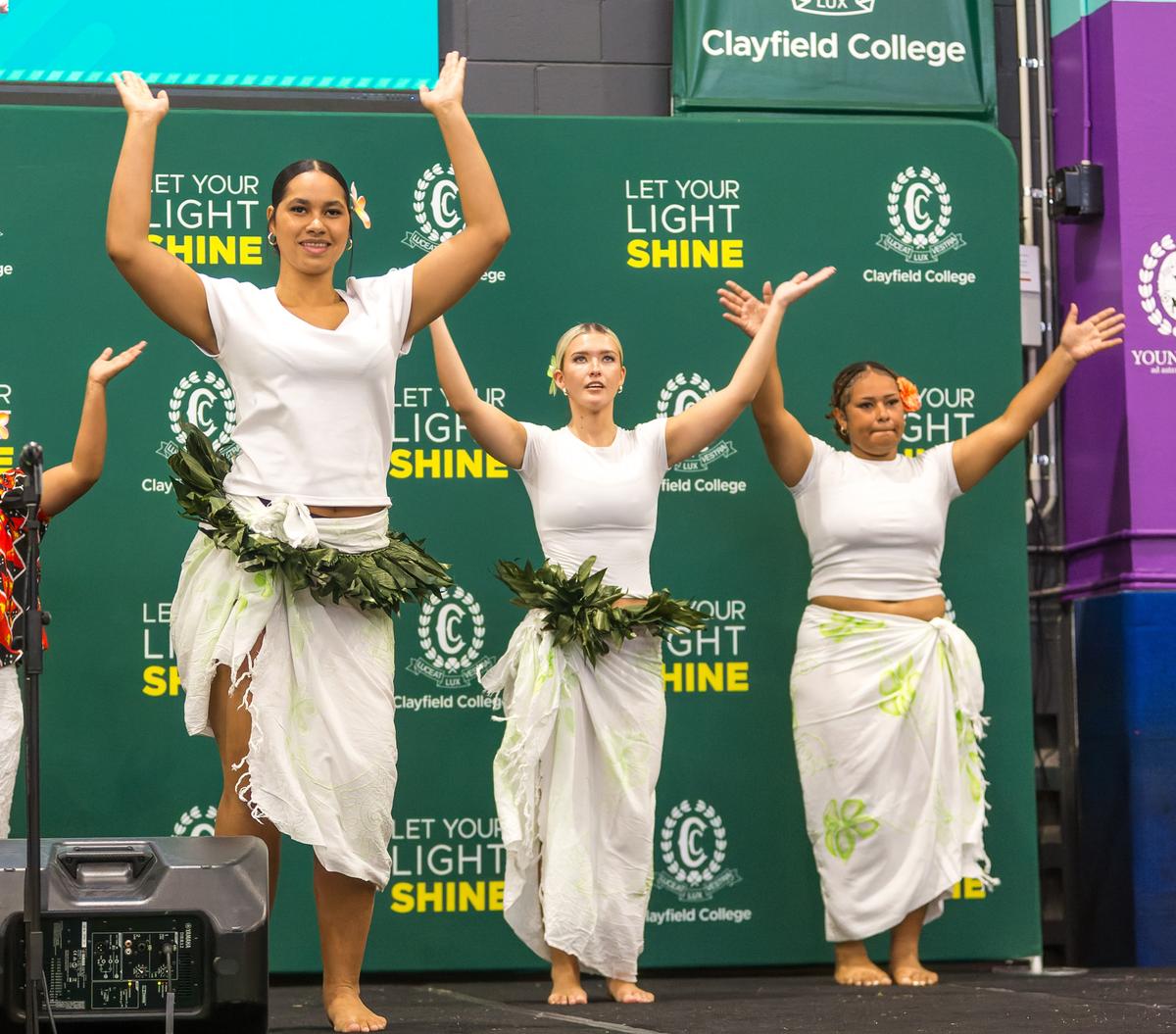
This Assembly is such a feast of colour, dance and music, celebrating the many countries that make up our beautiful community. How proud we all should be to represent our heritage with wonderful national dress and waving our flags!
This uniqueness lives inside all of us every day. I am Mrs Campbell and through my experiences, I have learned that qualities of curiosity, empathy, and acceptance are an insightful lens to view life – not just on Harmony Day.
Curiosity
I was lucky to be introduced to travel and change at a young age, and I was encouraged to be curious and have adventures in different countries and experience various cultures.
It’s normal to be nervous before doing new things, seeing new places, particularly on your own – and I turned that feeling into excited curiosity for the adventures that were ahead.
I was born and lived in the south of England, and I have two brothers and two sisters. Europe was on our doorstep for holidays, and we also had the British Isles to explore.
I first travelled without my family when I was 14 years old. I met up with a Dutch girl who had been my pen friend for a year - we used to write letters to each other. This was my first time to meet her. Fortunately, she spoke excellent English, and we got on well. Together we went travelling for a week to explore The Netherlands using local trains and staying with her aunt. There were no mobile phones in those days if we got stuck! We felt very independent and enjoyed the sightseeing and riding bicycles on the cobbled streets.
Empathy
As an adult I worked for a few different organisations that gave me the opportunities to work abroad, and I added some sightseeing to my trips whenever possible.
My work colleagues were from many countries, and I liked to explore the differences and similarities between us. With empathy, one seeks to find commonality in new people, not differences.
I worked for 3 years in India, which was bustling with noise, wonderful colours, delicious curries, and an overwhelming sense of life. There were times when I was homesick, being so far from the familiarity of England. Letters took two weeks to reach me, and there were no phone calls or social media for immediate contact. I had good friendships with other empathetic expats who were in a similar position of having left their home, and together we shared the joy of exploring India – the historical monuments and cities, the Himalayas and nature reserves.
Acceptance
I then moved back to work in London where I met my Australian husband. I agreed it was a great idea to bring up our two young children in Australia. I already knew that I could adapt to new surroundings, and I had experienced living in a hot and humid climate in India.
We arrived in Brisbane 19 years ago. Neither of my parents were alive, but our children had grandparents in Brisbane and my husband’s family welcomed us and are part of our lives here.
Both children went to Clayfield College in Year 2 and Pre-Prep. My daughter stayed here through to Year 12, and my son went to BBC for 10 years. We were delighted that both children took advantage of everything on offer at these caring and supportive schools. I soon got to see many parts of Brisbane, being a mum supporting music and sport fixtures.
I started work at Clayfield, working first in Student Services at Clayfield International College, then the Business Office. For the past 12 years I have worked in the Academic Office in the Senior School. It’s been a privilege to be part of the Clayfield community, and a rewarding job.
We were excited to move to Brisbane; we have a bigger house and garden – and perfect for a dog! However, there was the concern how Santa was going to visit us in a Queenslander when there was no chimney! As adults, we had uprooted from our familiar home and we embraced the change. We appreciated no more London traffic jams, the clean air, excellent medical system, great schools and a safer environment for our children as they grew up. However, I’m still not used to celebrating Christmas in summer, but I certainly back the Matildas!
Being far from my family in England was particularly hard during Covid, but WhatsApp was great to keep in touch with my siblings and extended family – technology has made staying in contact much easier than when I was younger. I realise that home lives in your heart, and you need to accept that environments will change and you need to keep up your interests: For me, that is singing in a choir, camping and bush-walking, and catching up with friends.
Harmony Day highlights the uniqueness inside us all. But when we’re not wearing our traditional dress and carrying our flags – how can we discover this individuality? Empathy, curiosity, and acceptance. Some children in the playground will have different food in their lunchbox, they may pronounce words differently to you, and they will celebrate different family traditions. Let’s be interested! We are all on this journey through life together, so why not make Harmony Day every day.

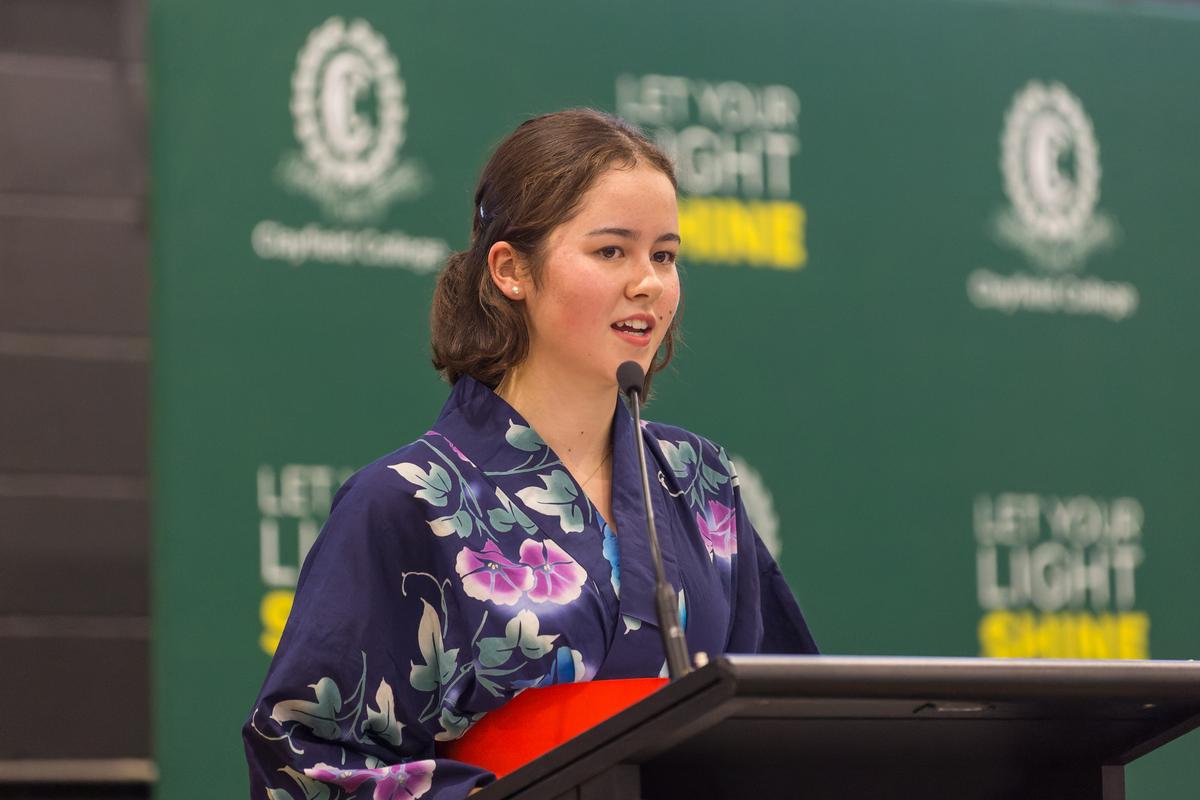
In 2009, I was born in Chiyoda City in Tokyo. But before I turned three, my family moved to Brisbane, where we still live today. Although I return to Japan often, I’ve spent most of my life here, completing primary school and now almost finishing secondary school.
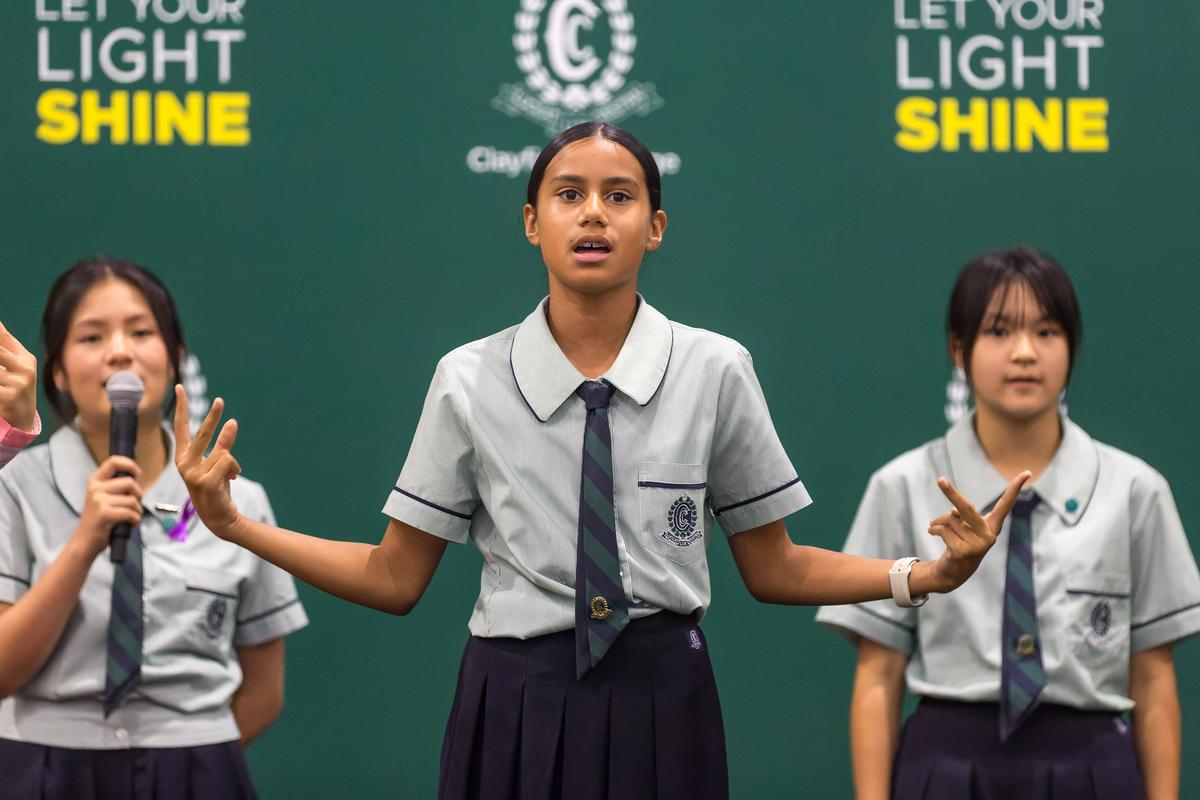
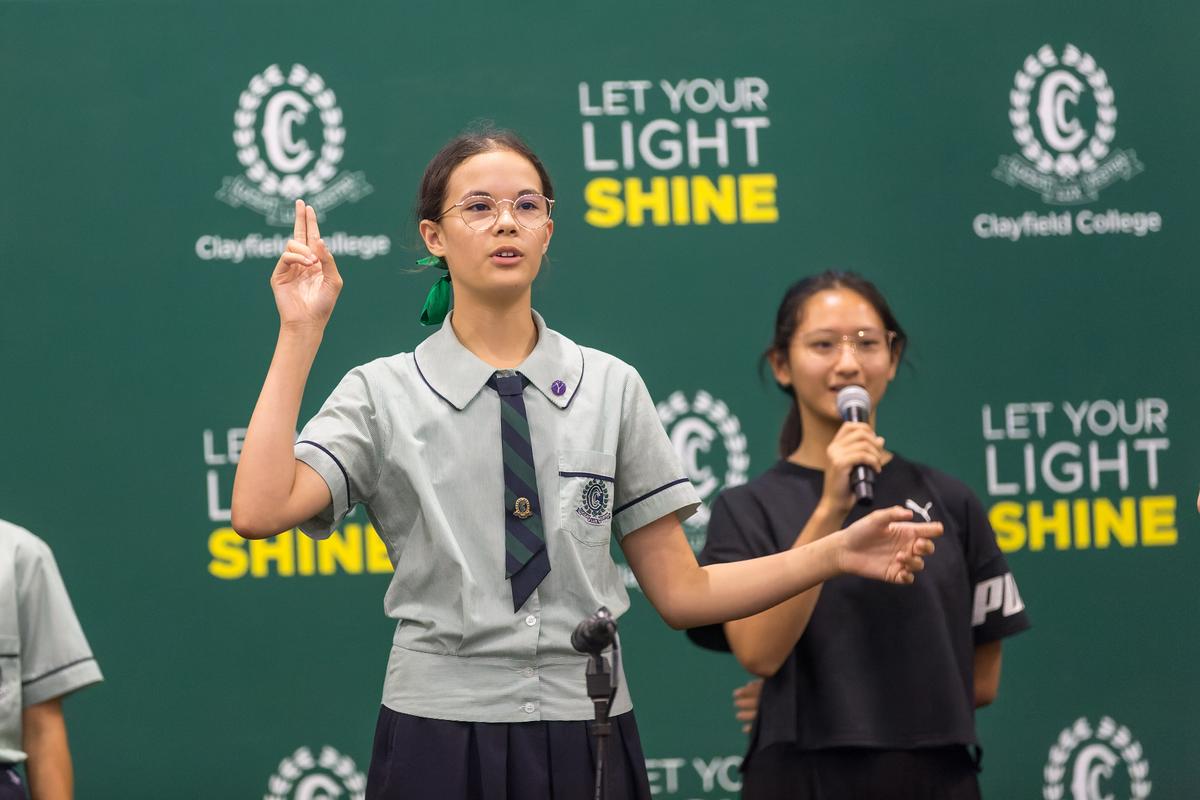
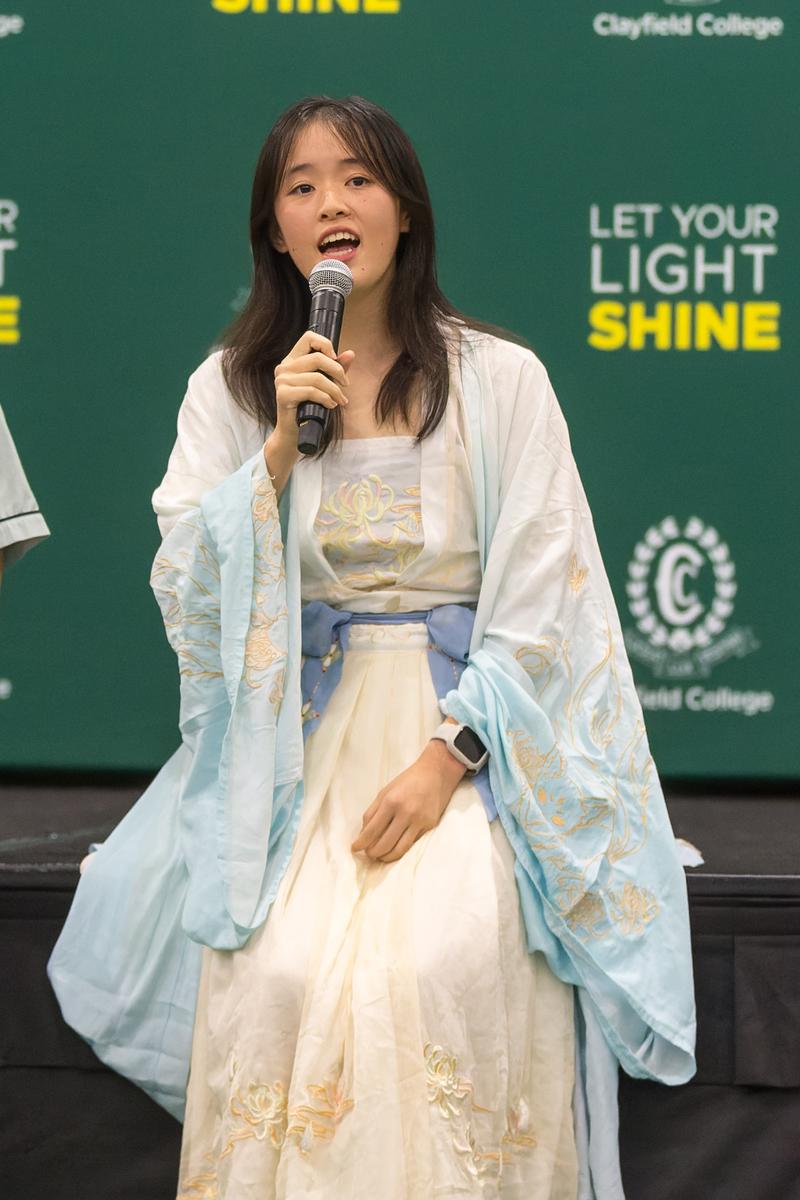
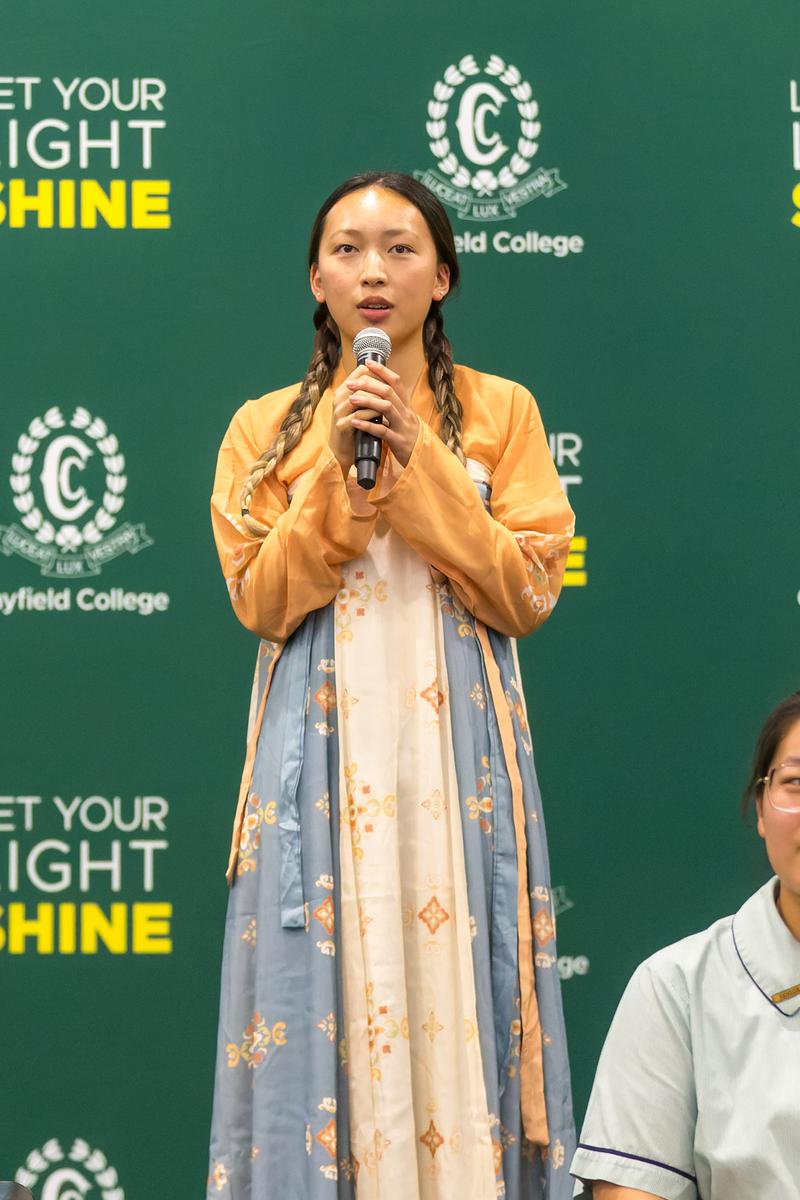
Good morning, Staff, Students, and Guests. My name is コステロ恵麻, and I’ll be sharing my cultural reflection of growing up half Australian and half Japanese. After moving to Australia, my weeks were a little different from most kids. From Monday to Friday, I went to school like everyone else, while taking English enrichment classes. But on Saturdays, I would go to 補習校, which translates to supplementary school, where I studied Japanese, Science and Maths through a Japanese Curriculum.
For a long time, because of supplementary school and the fact that I migrated so young, I always felt in touch with both of my backgrounds. During the week I spoke English. On Saturdays I spoke Japanese. And I always had friends who understood both worlds.
But after a few years, I stopped going to supplementary school. At the time, I was happy about the lighter workload of only attending one school. Now though, it’s something I regret.
While my English continued to improve, my Japanese slowly stopped progressing. And now, sometimes I find it harder to communicate with one side of my family, including my mother. Sometimes it’s small moments. Pausing mid-sentence, trying to find the right word. Or realising that a thought that makes perfect sense in one language just doesn’t quite exist in the other. And while sometimes, I feel embarrassed when it takes me a little longer to form a sentence during a conversation in either language, I find comfort in thinking about my mother, and the courage it took for her to build her life here. In words, she only moved to another country. But I see it as moving to a whole new world. She gave up the ease of speaking her first language and the comfort of a home she understood, just so that my sister and I could grow up here in safety. I don’t think that’s just “brave.” I think it’s a level of grit that I’m still trying to wrap my head around… especially because English grammar and spelling make no sense. But in all seriousness, I can’t imagine the strength that must have taken, and for that I hold her in tremendous respect.
お母さん、本当に感謝しています。
While I have experienced the occasional microaggression or racially insensitive joke, nobody has ever gone out of their way to make me feel isolated because of my background at school since moving. And that is something I’m deeply grateful for.
In fact, it’s one of the main reasons I’m grateful to have grown up going to school in Australia. That, and the maths being easier here.
But when I went home to Japan for longer periods of time, I would have to attend school, and those experiences were very different. Over 97% of the population in Japan is ethnically Japanese. And because of that, I stood out pretty quickly. Although my ability to speak the language was still proficient at the time, I visually didn’t resemble my peers, and my inability to get used to social norms was quite clear, making my time there all the more difficult. Luckily, now, I have met more people who help me to see that my differences are something to be celebrated, and not something to be ashamed of. They help me to understand that I get to carry two cultures, and many more within them, not as a conflict, but as a privilege. And that, to me, is the heartbeat of Harmony Day. This day is not just about acknowledging diverse backgrounds. It is about all of us choosing. Choosing inclusivity. Choosing respect. Choosing to build a community where no one feels they have to shrink parts of themselves to belong.
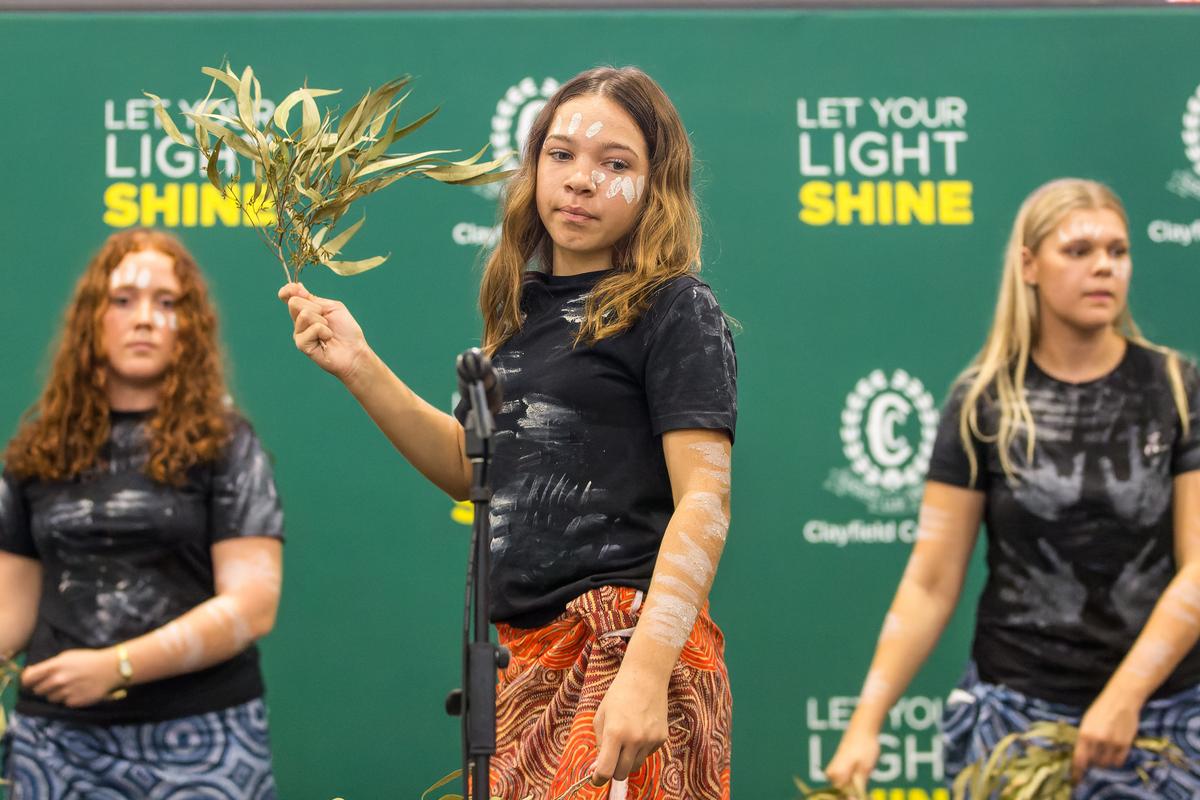
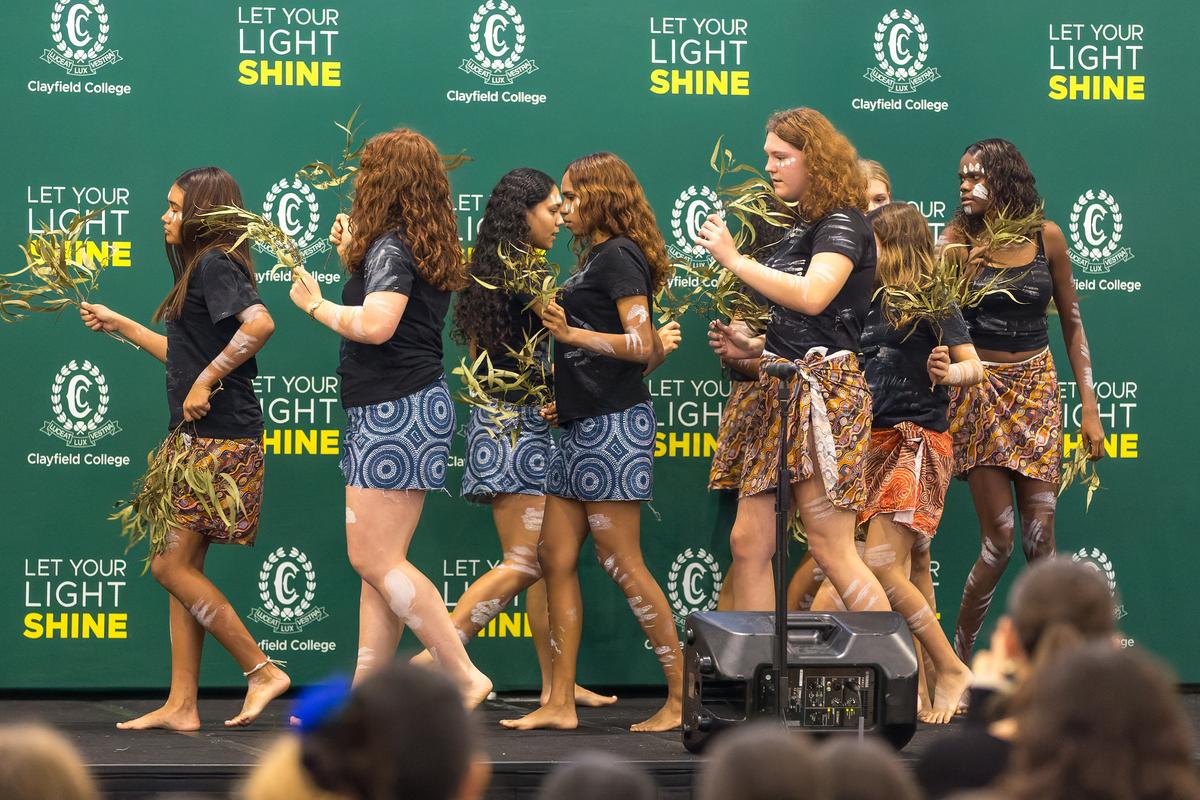
And as we celebrate multiculturalism today, we must remember that cultural diversity did not begin with migration. For over 60,000 years, Aboriginal and Torres Strait Islander peoples have sustained the world’s oldest continuing cultures. This continent has always been a place of many stories, traditions and knowledge that have shaped this land for millennia. Today, we honour that truth.
Belonging does not mean being the same. It means being seen, fully; and valued because of it. Harmony does not come from erasing those differences, it comes from celebrating them.
ありがとうございました。