From the
Head of Senior School
From the
Head of Senior School
Dear BMGS Community,
As we reach Week 6, it has been wonderful to see the energy and engagement of our students across both academic and co-curricular activities. Term 1 has already been a busy one, with students embracing opportunities for learning, challenge and connection both inside and outside the classroom.
Learning beyond the classroom continues to be an important part of the educational experience for our students.
Our Year 12 English Advanced students recently attended a Tempest Symposium, providing them with the opportunity to deepen their understanding of Shakespeare’s The Tempest through lectures, discussion and collaboration with other schools. Experiences such as these allow students to explore their texts in greater depth and hear from experts and educators who bring fresh perspectives to their study.
Our Year 9 HSIE students also travelled to Parliament House as part of their new unit of study. The visit provided valuable insight into the workings of government and the role of parliament in Australian democracy. Being able to see the chambers and learn about parliamentary processes first-hand helps bring their classroom learning to life.

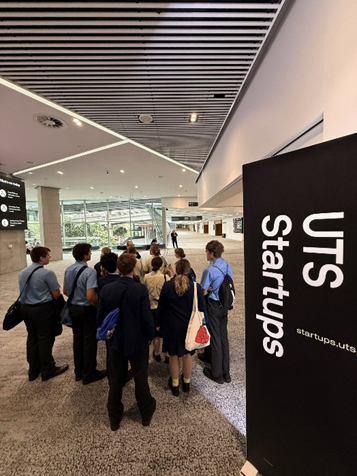
Meanwhile, students in Year 10 Design Thinking for Creativity & Leadership attended the UTS Startups Summit, where they engaged with industry leaders, entrepreneurs and innovative thinkers. The experience exposed students to the world of start-ups, creativity and problem-solving, encouraging them to think about how their ideas could have real-world impact.
ISA Summer Sport Season
Congratulations to all of our students who represented the school in ISA Summer Sport this term. Across the season, our teams demonstrated commitment, teamwork and excellent sportsmanship. It has been wonderful to see students representing the school with pride each week.
Thank you to our coaches and staff who support these programs and give generously of their time to train and mentor our students. Participation in sport plays a vital role in school life, helping students develop resilience, teamwork and a sense of belonging.
Well done to all students involved on a fantastic summer season.
Year 7 Camp
Last week our Year 7 students headed away for their much-anticipated camp, and by all reports it was an outstanding experience. Camps are such an important part of the Year 7 journey, providing students with the opportunity to build friendships, develop resilience and step outside their comfort zones.
Throughout the camp, students participated in a range of outdoor activities that encouraged teamwork, perseverance and confidence. It was fantastic to see students supporting one another, trying new challenges and developing a strong sense of community. Experiences like these often become some of the most memorable moments of a student’s school life, and we are very proud of the way our Year 7 cohort approached the camp with enthusiasm and positivity. A sincere thank you to the staff who gave their time and energy to make the experience so successful.
NAPLAN Commences
This week also marks the beginning of NAPLAN testing for our Year 7 and Year 9 students. NAPLAN provides a snapshot of student progress in literacy and numeracy and helps schools understand how students are developing key foundational skills.
While the assessments are important, we encourage students to approach them with a calm and balanced mindset. The best preparation is simply doing their best, reading questions carefully and taking the time to show what they know. We wish all of our students well as they complete the tests across the coming days.
Looking Forward
We have an Anti-Bullying Seminar scheduled for Monday 16th March.
The seminar will be held in Cuff Hall at the following times:
Years 10–12: After Lunch
This seminar will provide students with an opportunity for self-reflection and personal challenge as we continue to promote a respectful and supportive school community.
Following the student sessions, the same presenter will also be working with staff during the Monday afternoon staff meeting, providing professional learning that will support our continued commitment to student wellbeing and positive relationships across the school.
As always, thank you to our families for your ongoing support of the many opportunities and experiences that make our school community such a vibrant place to learn and grow.
Warm regards,
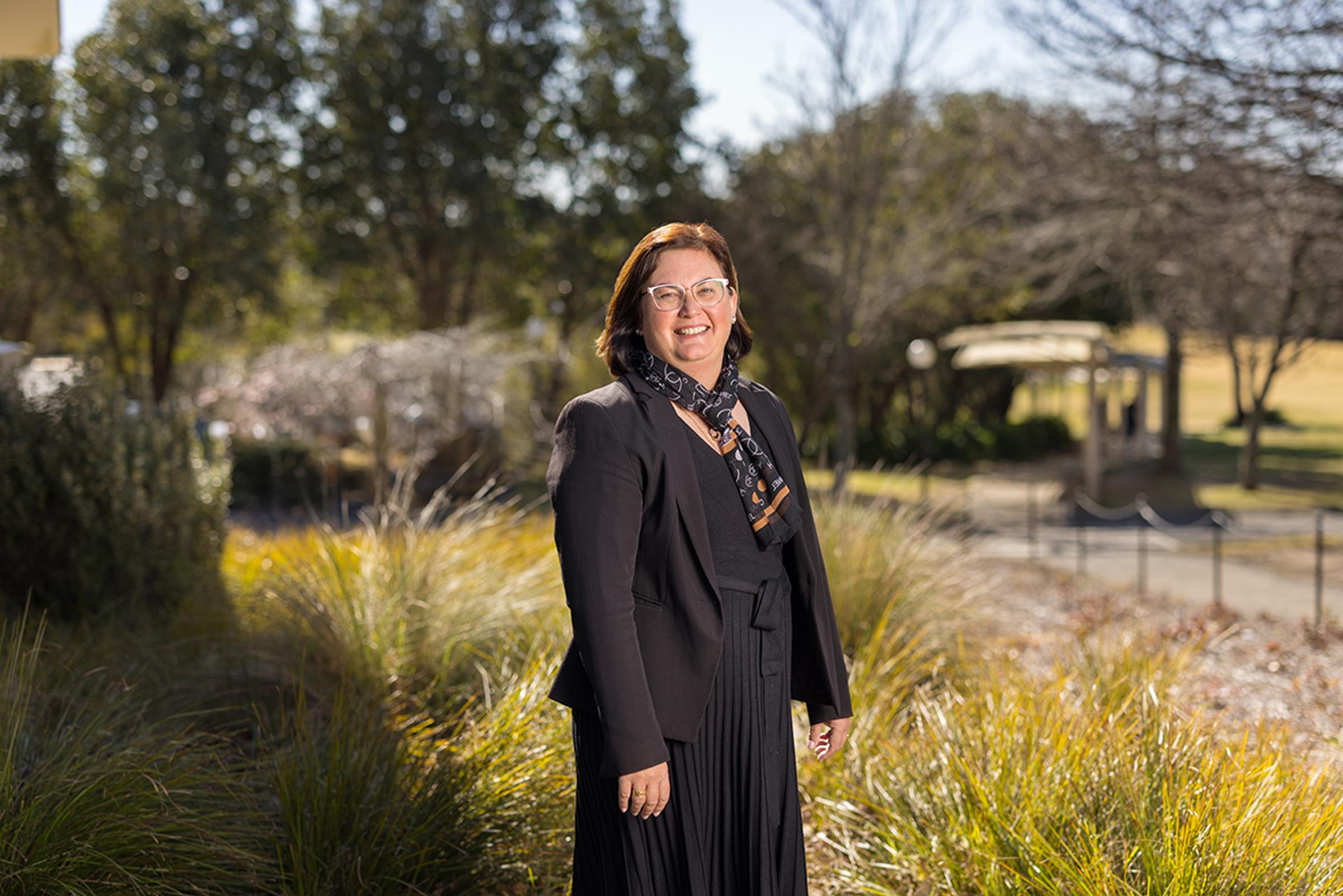
Alicia Michielsen
Head of Senior School
You may be finding that schoolwork is starting to intensify—assignments begin, homework builds, and tests may be approaching. With so much to keep track of, it’s easy to feel overwhelmed or forget important tasks. Checklists are one of the simplest and most powerful tools for staying organised. They help you see exactly what needs to be done, reduce mental clutter, and keep you focused on the next step. Whether you’re managing homework, assessments, or daily routines, checklists can transform your study habits.
1. Create a Daily Homework Checklist
A daily checklist gives structure to your afternoon and ensures nothing gets missed.
Seeing your tasks laid out clearly helps stop procrastination and reduces the stress of trying to remember everything.
Tip: Use your school diary, a Google Doc, or a notes app—whatever is easiest to access every afternoon.
2. Break Big Tasks Into Clear, Doable Steps
Large assignments become far less daunting when broken into smaller parts on a checklist.
Instead of “Do English assignment,” list steps like “Read instructions,” “Brainstorm ideas,” and “Write introduction.”• For studying, break it into “Review notes,” “Create summaries,” “Quiz myself,” and “Do practice questions.”• Each completed step builds momentum and helps you stay on track.
Small steps make progress visible, which boosts motivation.
Tip: Aim for steps that take no more than 10–20 minutes each—they should feel achievable, not overwhelming.
3. Use Checklists to Manage Your Week
Weekly checklists help you balance schoolwork, activities, and personal commitments.
A weekly overview helps you think ahead and stay organised even during busy periods.
Tip: Rewrite the checklist mid-week if things change—flexibility helps you stay in control.
4. Create Reusable Checklists for Frequently Repeated Tasks
Some tasks happen every week or even every day—save time by creating reusable checklists.
These lists reduce the number of decisions you need to make, freeing up mental energy.
Tip: Stick your reusable checklists on your wall, desk, or inside your locker for quick access.
5. Celebrate What You Complete
Finishing tasks feels good—acknowledge your progress to build confidence and motivation.
Celebrating progress reinforces productive habits and keeps you motivated long-term.
Tip: If you don’t complete everything, don’t stress—simply move remaining tasks to tomorrow’s list.
Small Lists, Big Impact
Checklists may be simple, but they’re incredibly effective. They help you prioritise, stay focused, and keep on top of homework, assignments, and weekly commitments. With clear tasks and small steps, schoolwork becomes more manageable and less stressful. March is an ideal time to introduce checklists into your routine—start now, and enjoy feeling more organised and in control every day.