
Wellbeing
Amanda Wilson | Assistant Principal
Wellbeing
Amanda Wilson | Assistant Principal
Play is essential for building happy, resilient children by fostering cognitive, physical, and social-emotional development. It enhances creativity, self-regulation, and problem-solving while reducing stress and strengthening family bonds. Unstructured, child-led play, including "risky play," is crucial for building confidence, independence, and social skills.
Key Benefits of Play for Children
Types of Play
How Parents Can Foster Play
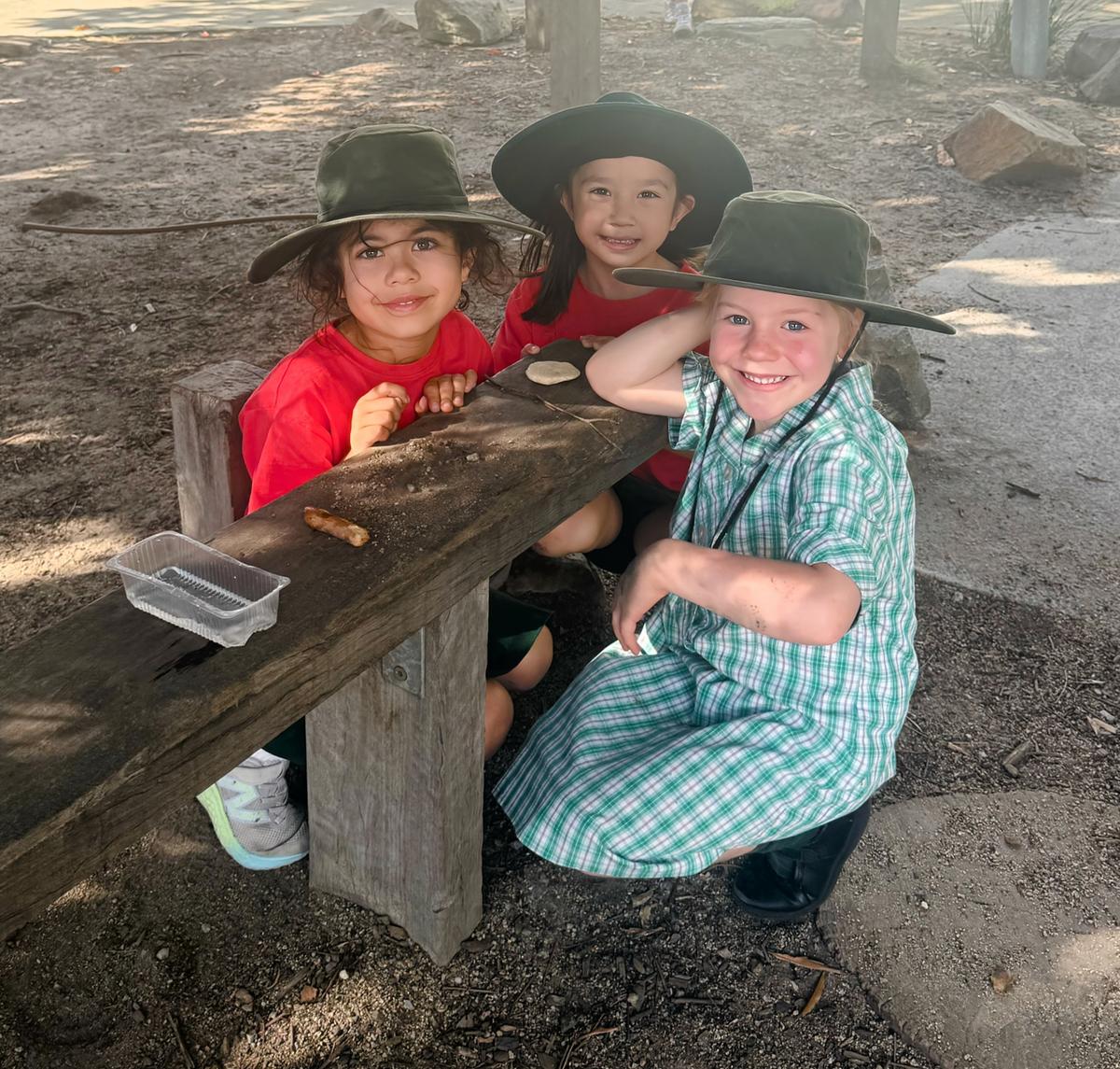
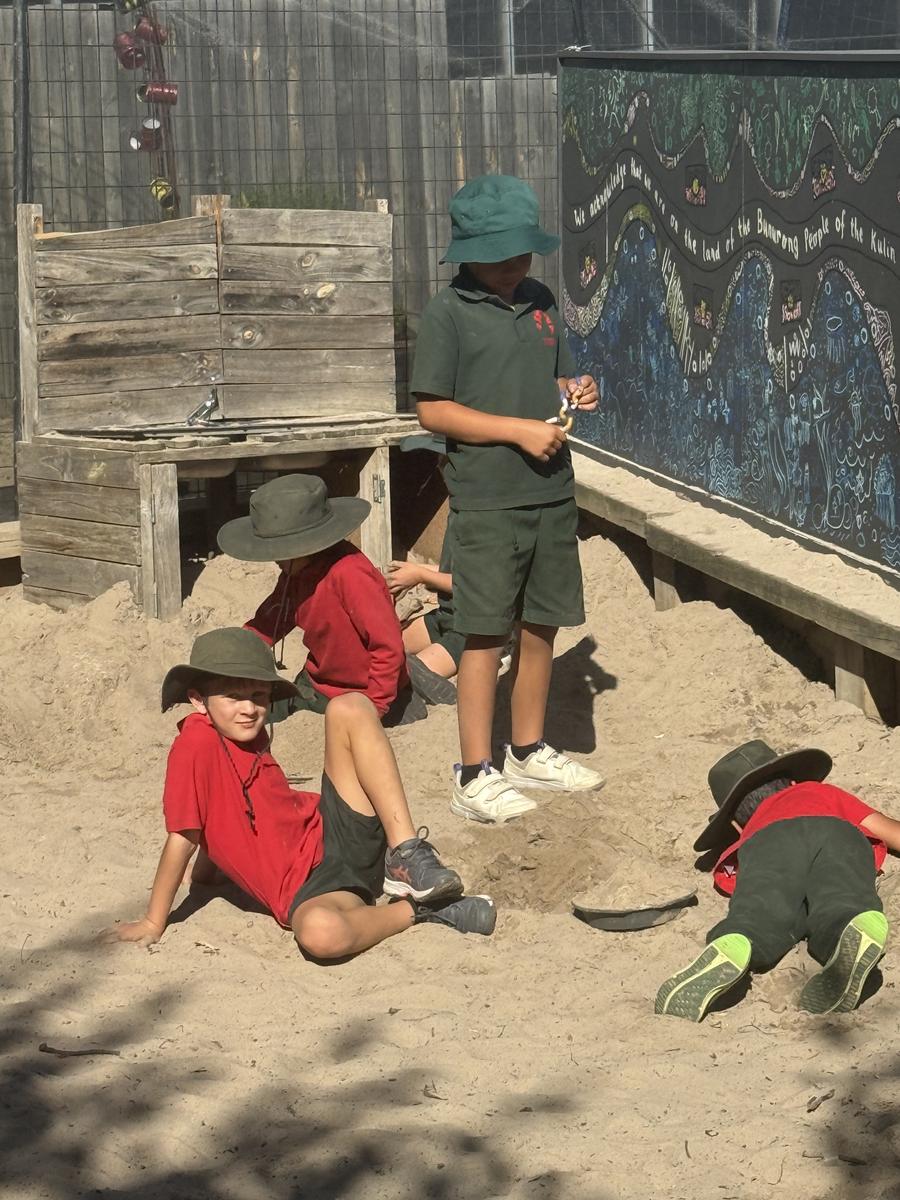
Play is integral to building successful, resilient children, and its importance starts in infancy. For infants, play involves touch, sounds, peek-a-boo, and interactive floor time. By preschool age, children delight in messy play with water, sand, and crafts, and their physical activity and social interactions increase. Early primary school children still enjoy creative play but begin to focus on games with rules and outdoor activities, emphasising social interaction.
Play fosters essential skills, including setting boundaries, understanding social norms, negotiating, and creativity. Unstructured play before age ten is particularly beneficial.
Rough-and-tumble play with parents is especially fun and educational in terms of teaching limits, communication, and physical coordination. The best part about these play activities is that they are easy, healthy, educational, and low-cost. Ultimately, play is the work of childhood, laying the foundation for resilient lives.
Helping children enjoy childhood includes managing extracurricular activities. The rise in sports and other pursuits at younger ages has sparked debate about whether kids are overscheduled. Critics argue that excessive activities may rob children of their childhood, creating unnecessary stress and competition among parents.
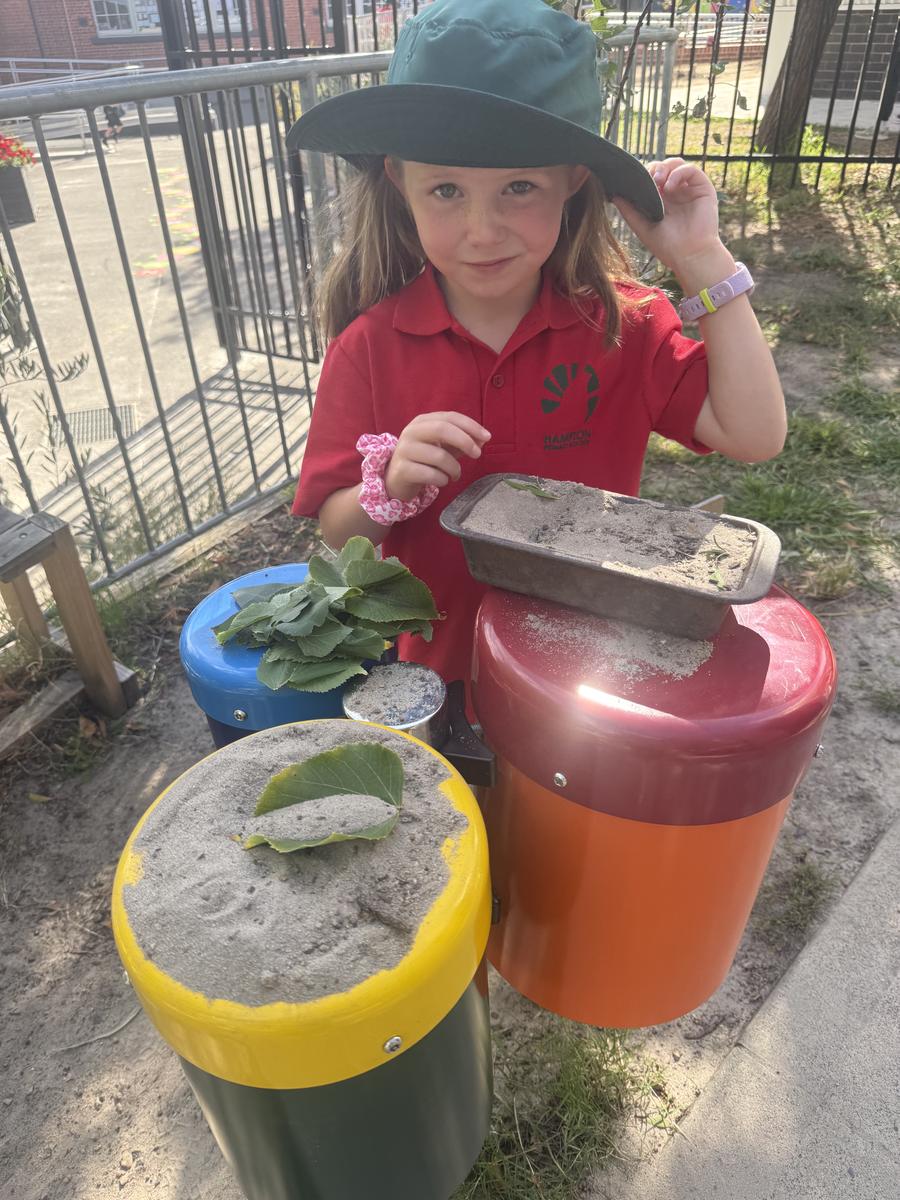
Free play and unstructured time are crucial for children’s well-being, allowing them to explore, be curious, and develop creativity. However, structured activities can also provide safety and development in a modern, less child-friendly world. These activities help manage screen time, offer developmental benefits, and give parents peace of mind.
Finding the right balance between structured activities and free play is challenging. There is a line that balances the competing demands of structure, growth, and enrichment with stress, financial costs, and protecting childhood. The problem is that none of us really knows where that line is until we’ve crossed it. It’s different for each child, and it changes as they mature and develop.
Rather than me telling you where to draw that line, here are some questions to ask yourself to get the balance right for your children.
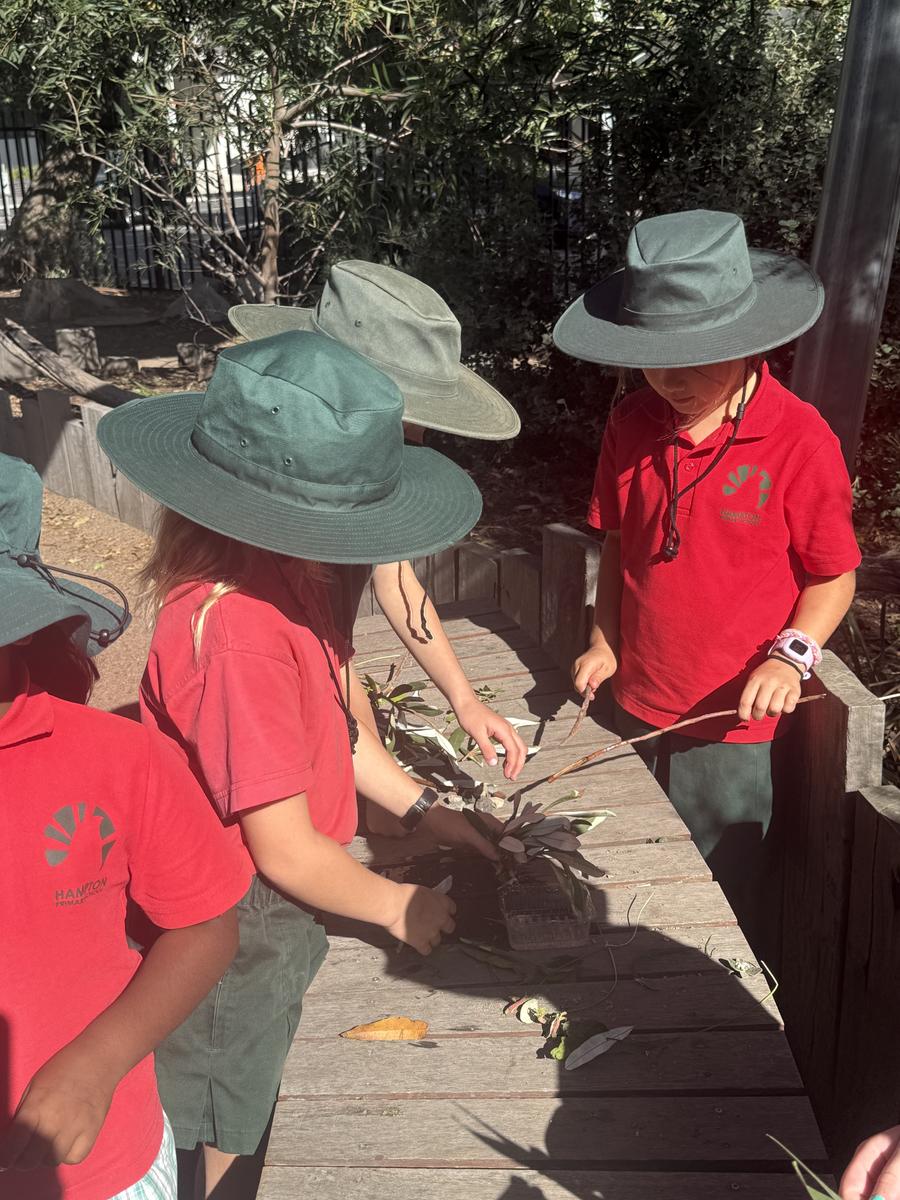
Childhood is shrinking. Those years of carefree innocence are being crowded out. Yet play, curiosity, slow and agenda-free development, and the chance to pursue interests that align with personal strengths are some of the most important gifts we can give a child to truly experience childhood. They get to make their own decisions, write their own rules, and have their own experiences. There’s a strong connection between feeling in control of our lives and being happy. When our children see us, they do not need to be burdened with more work and study. They need us to fall on the floor, tickle, wrestle, and laugh. They need opportunities to learn and create; to sit quietly on the grass under a tree and stare at clouds; to experience the simplicity of childhood; and to simply be.
Dr Coulson - Happy Families
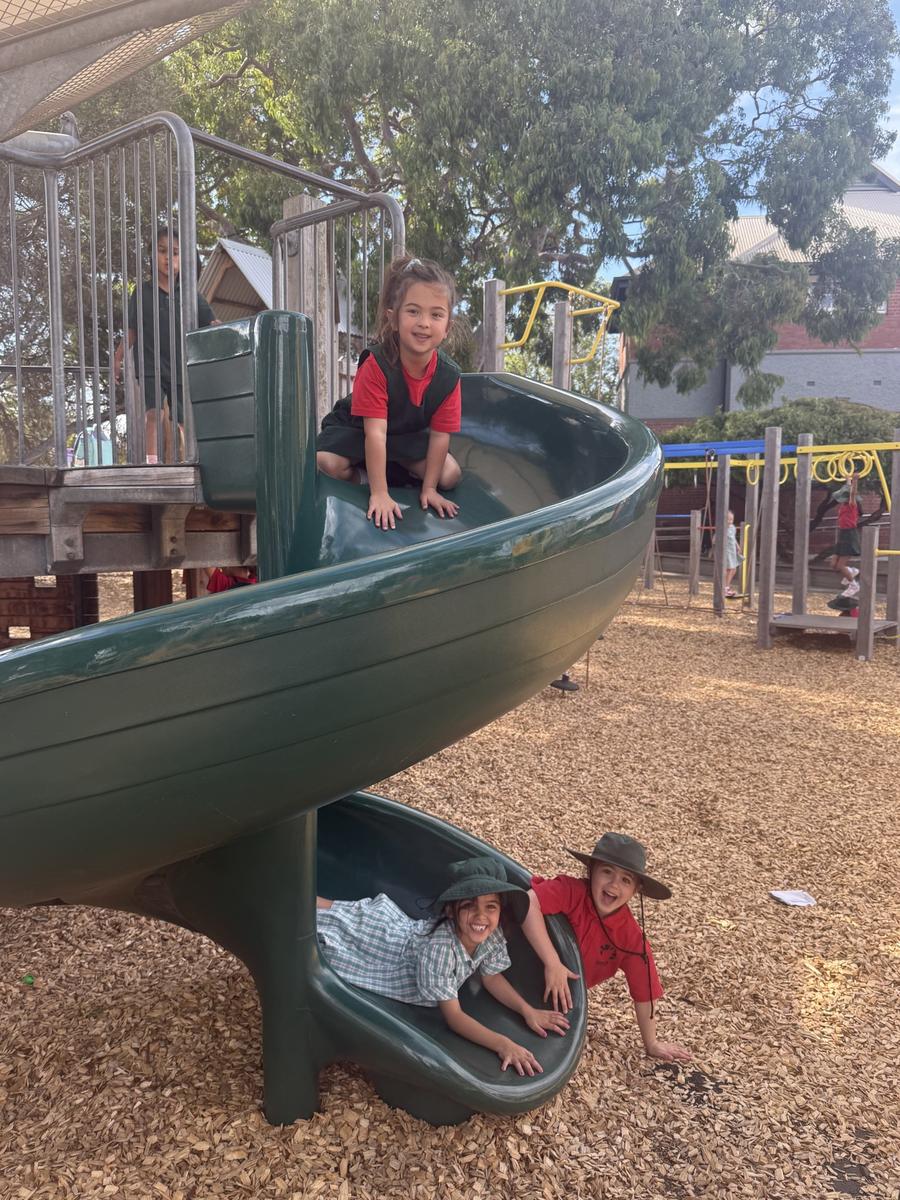
For further insights on fostering a positive, playful environment, you can explore resources from Happy Families.
or visit these webistes:
https://raisingchildren.net.au/school-age/play-media-technology
https://happyfamilies.com.au/articles/protecting-childhood
https://helpmegrowmn.org/HMG/HelpfulRes/Articles/WhyUnstructure/index.html
https://www.positiveaction.net/blog/social-skills-activities-and-games-for-kids
Have a safe and happy holiday break,
Amanda