Mental Health in Primary Schools (MHiPS)
Amy Carter
Mental Health in Primary Schools (MHiPS)
Amy Carter
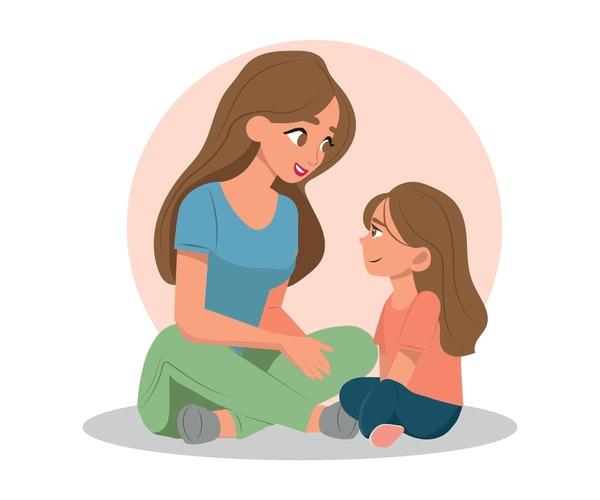
If you’ve ever asked your child, “How was school?” and heard “fine,” you’re definitely not the only one. Most children do want to share about their day, but it just doesn’t always happen in the moment we ask.
I’ve found that small changes in how we start conversations can make a difference. Instead of questions that lead to a yes or no answer, it can be useful to ask something a little more open, such as:
When children do start talking, it helps to slow down and really listen. Putting distractions aside, giving them time, and not rushing to fill the silence can make a difference. Sometimes they just need a moment (or two) to find the words.
Reflecting back on what you hear can also help them feel understood. Saying something like “that sounds as though it was really frustrating” or “you seem really proud of that” shows that you are paying attention and encourages them to keep going.
When problems do come up, try to remember that it is not always necessary to solve them straight away. Being heard is often what matters the most.
Personally, I have noticed that some of the best conversations happen in the quieter, everyday moments. The car, the dinner table, or just before bed (this seems to be the most common in my household) are often when children are most ready to talk. Keeping things calm and free from judgment helps them feel safe to open up.
There is certainly no perfect way of doing this, however being present, curious, and patient really can go a long way.
Take care and have a wonderful weekend.