Learning Across the
Senior School

Learning Across the
Senior School
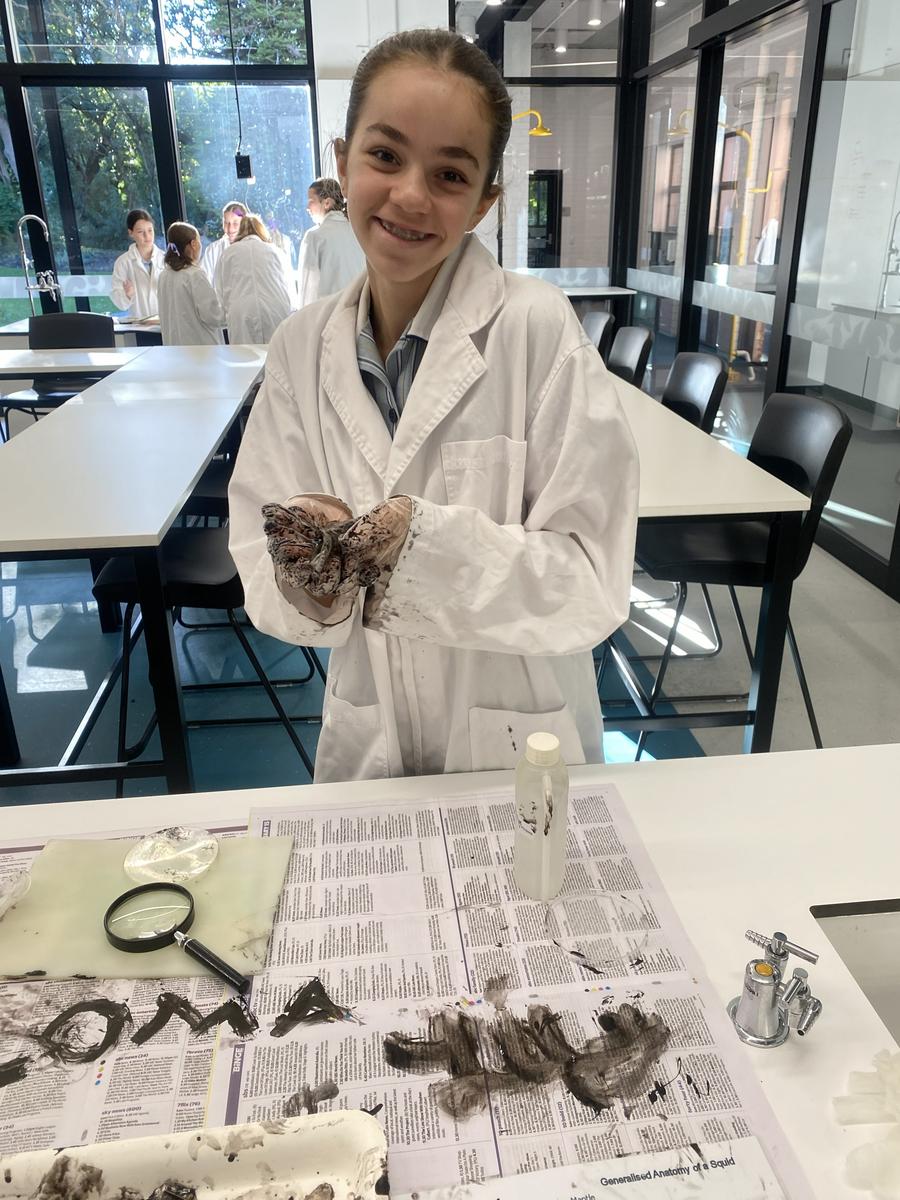
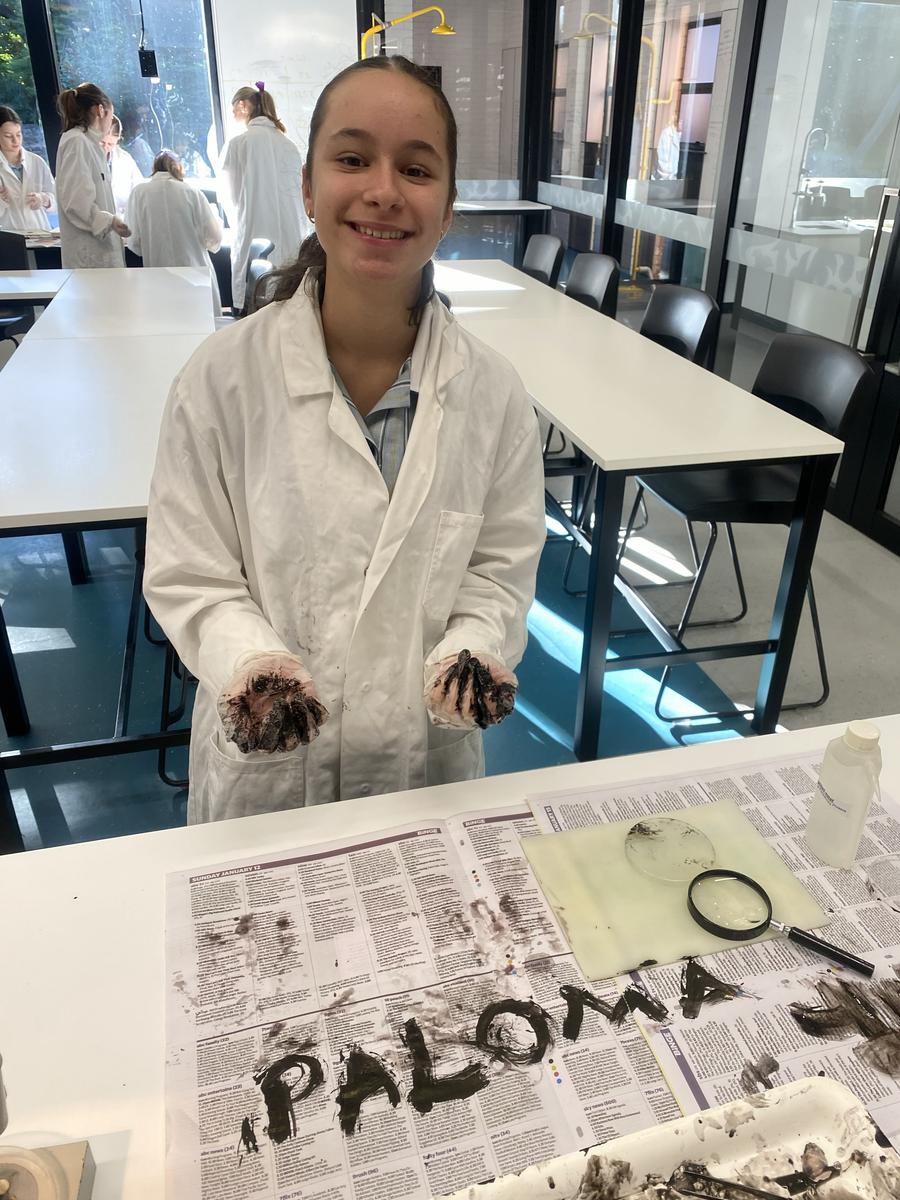
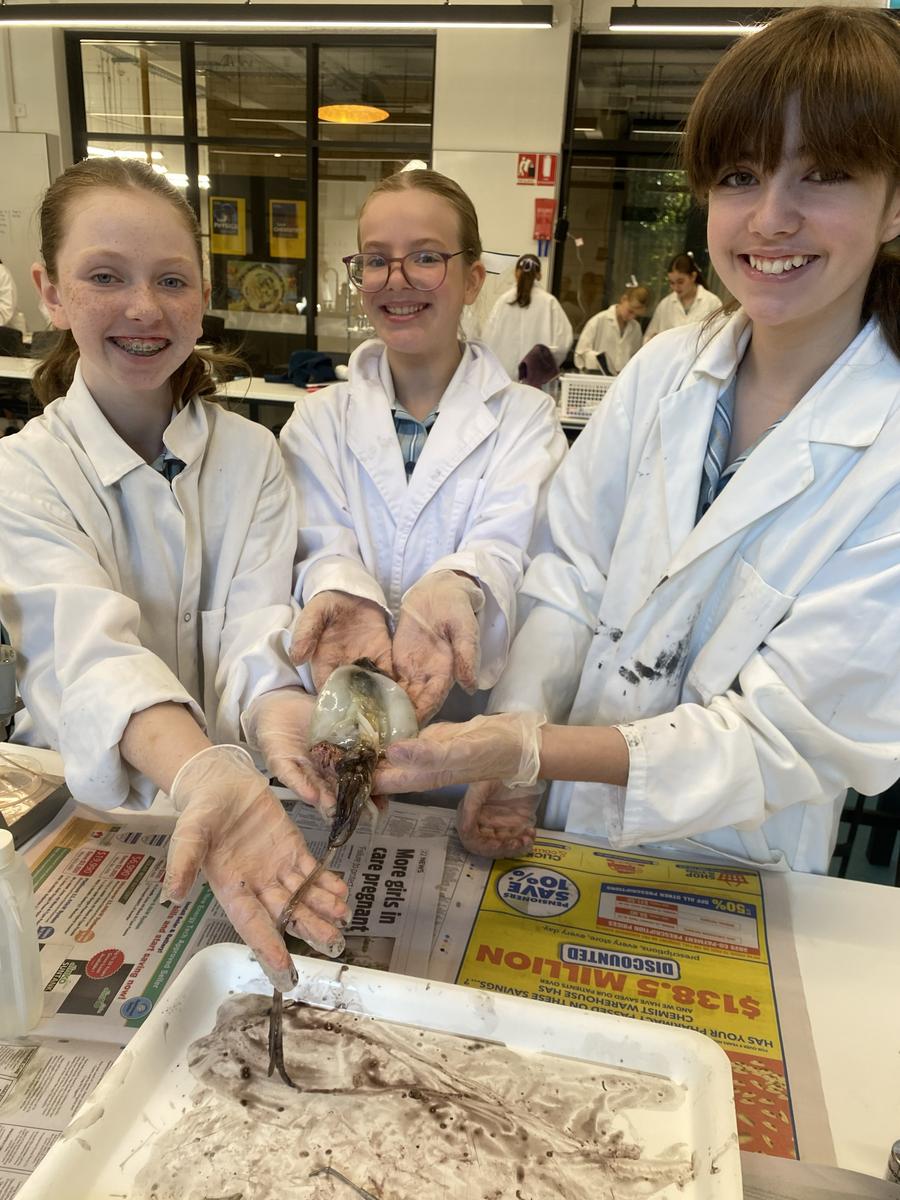
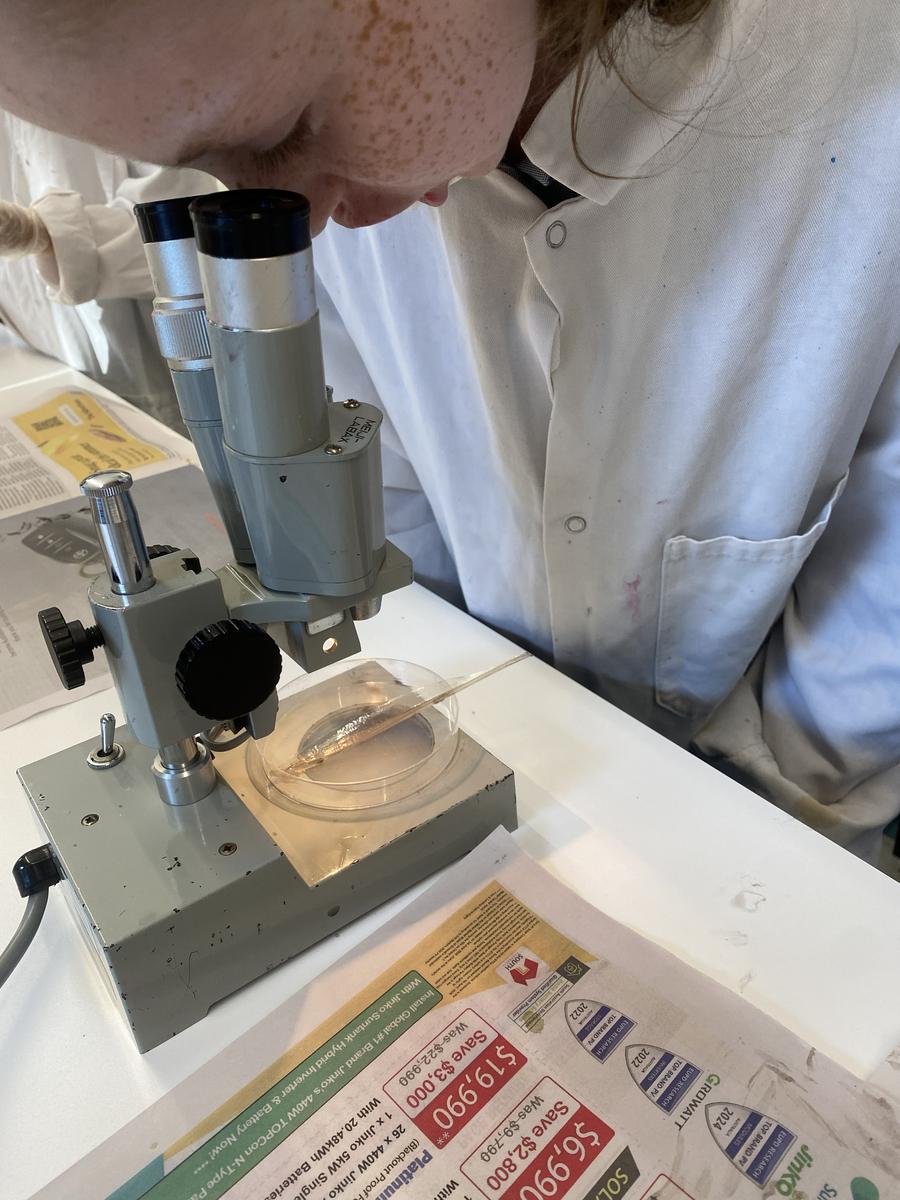
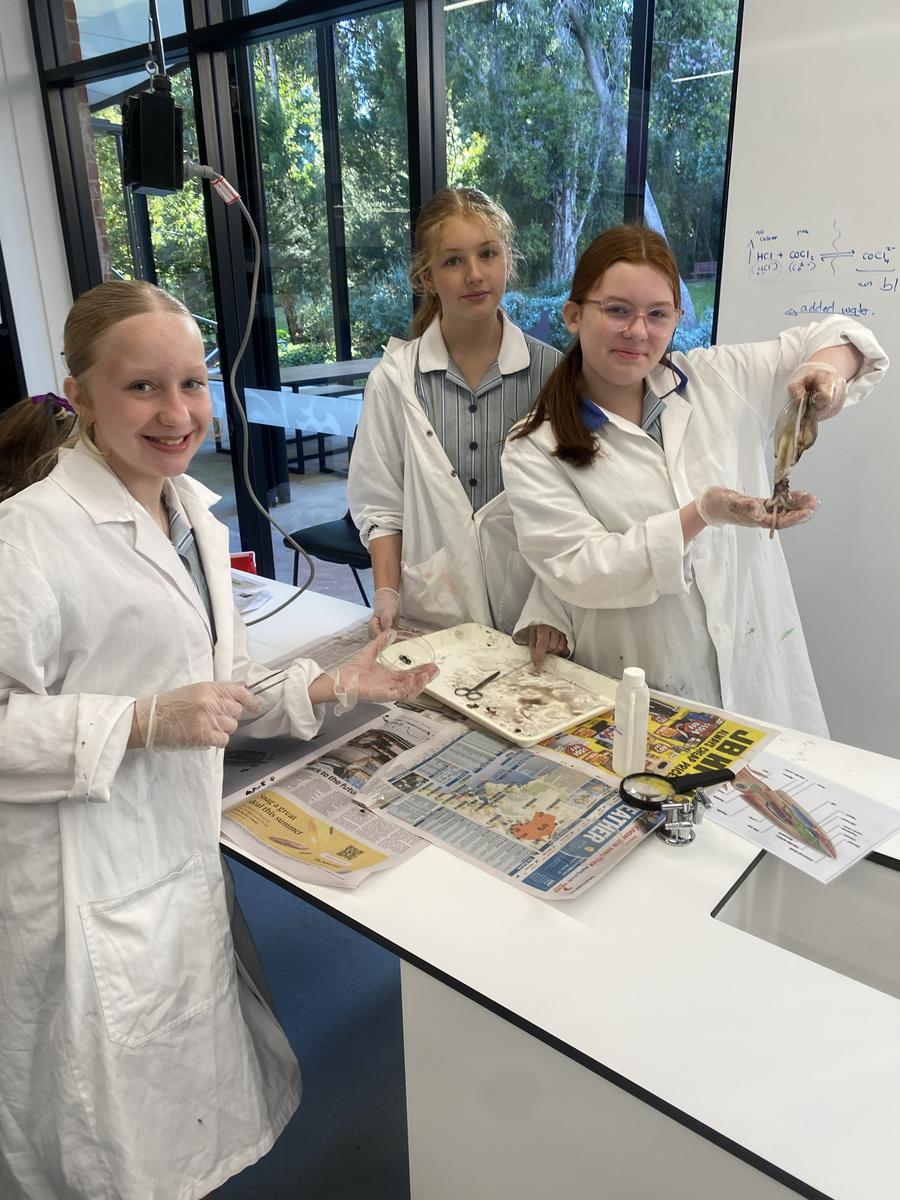
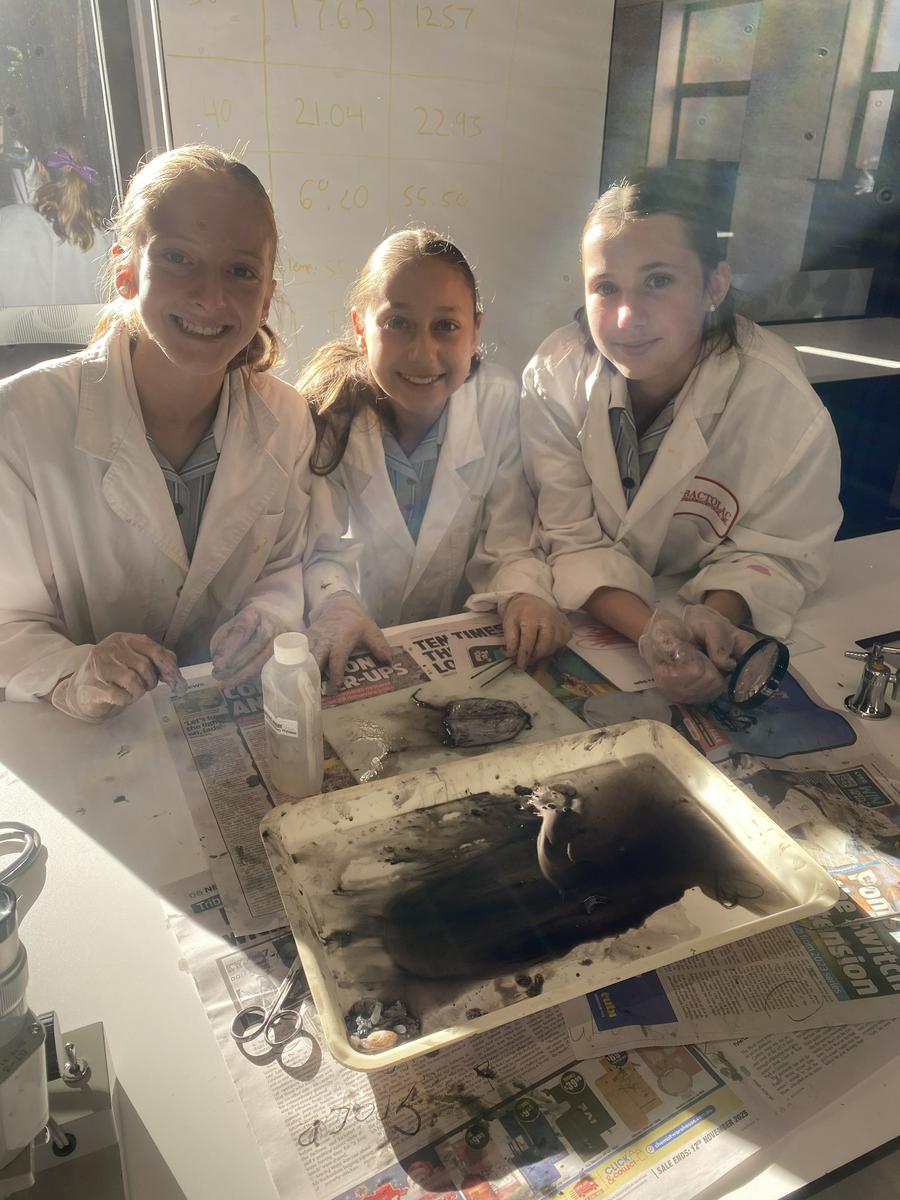
In Year 7 Science, students have been exploring ecosystems and food webs as part of their Biology unit this term. They recently completed their first dissection, examining squids in detail. Students were able to identify key external features, including the arms, tentacles and suckers, and investigated how squids capture and consume their prey using their sharp beak. They then explored the internal anatomy, examining the digestive system and discovering features such as the ink sac and pen — with some even using the ink to write their names.
Katie Kiosses Motlop
Leader of Student Wellbeing & Academic Care 11‑12
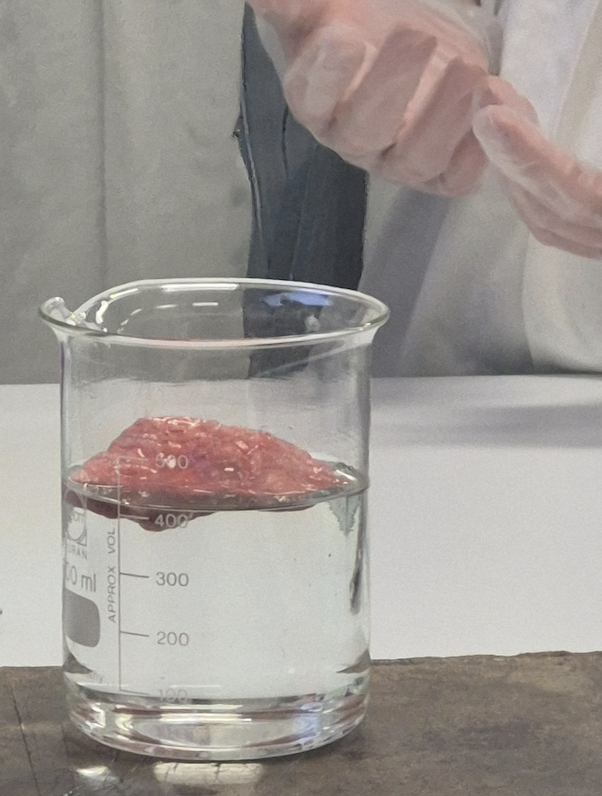
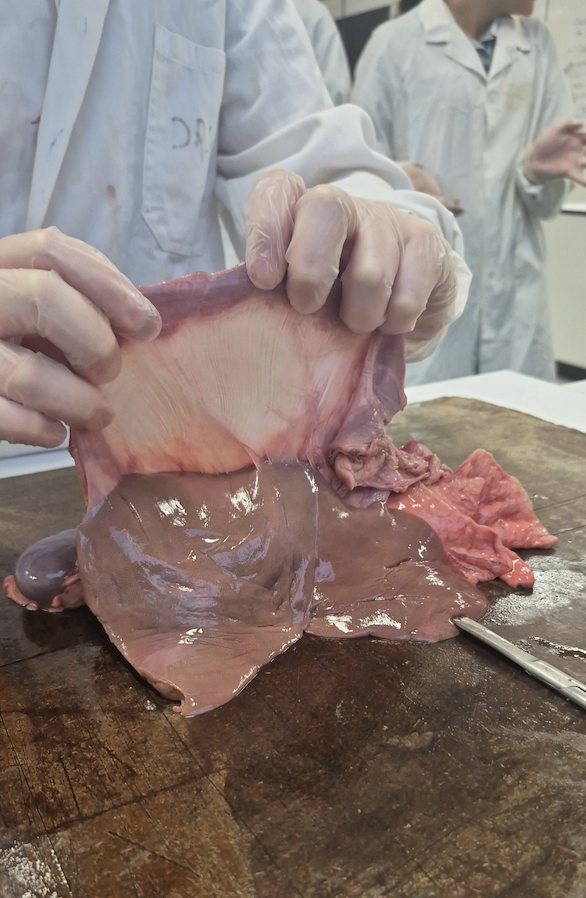
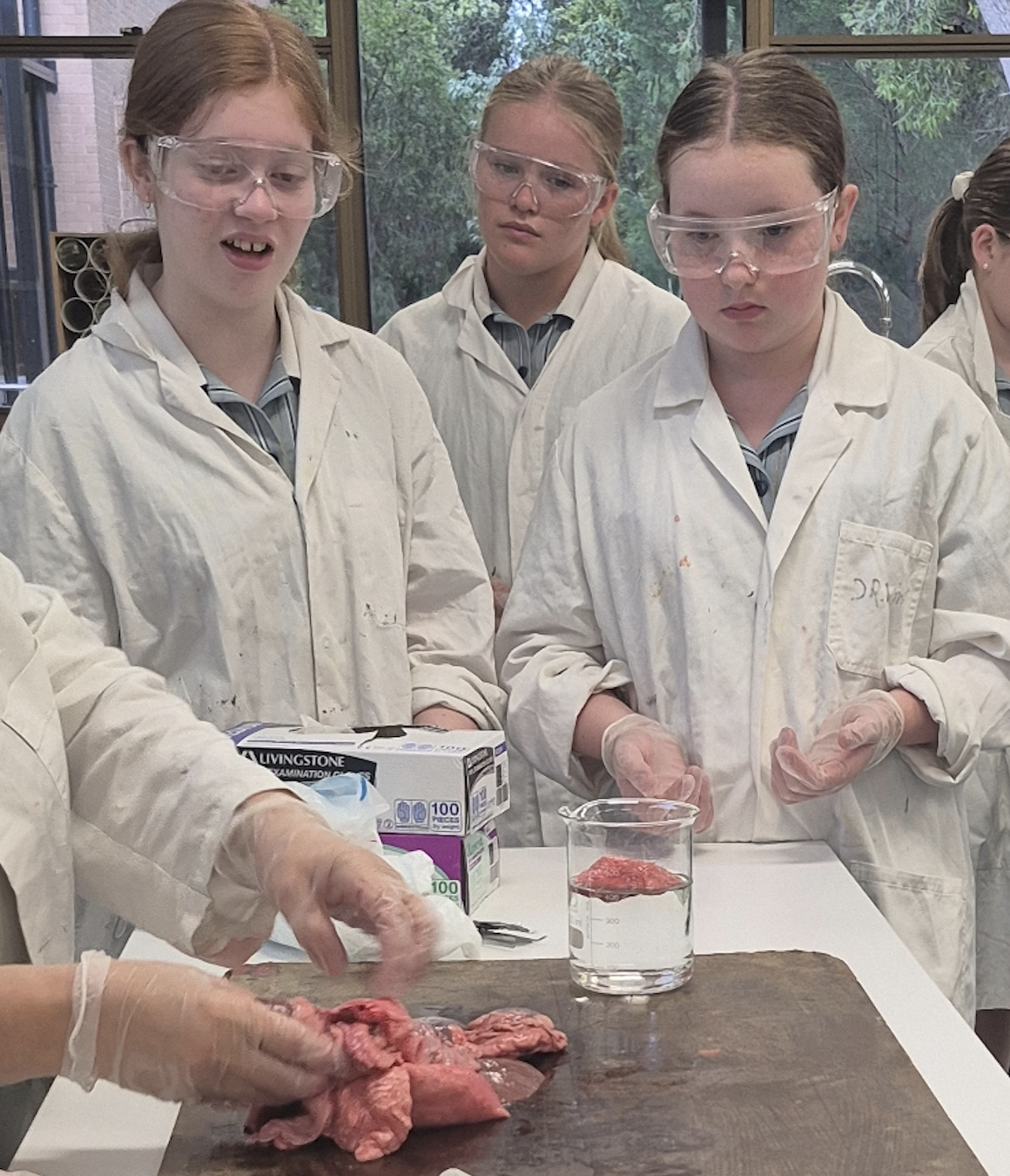
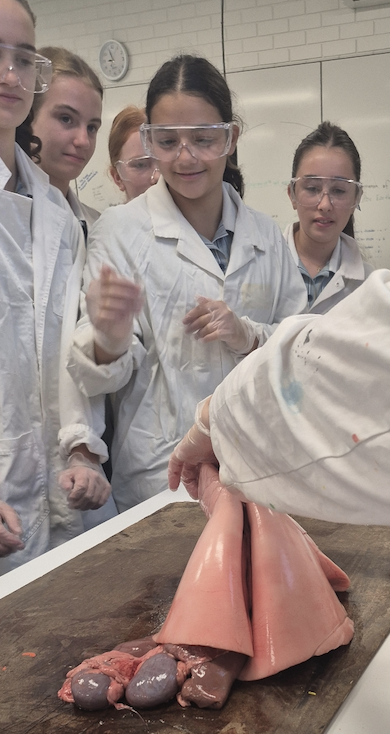
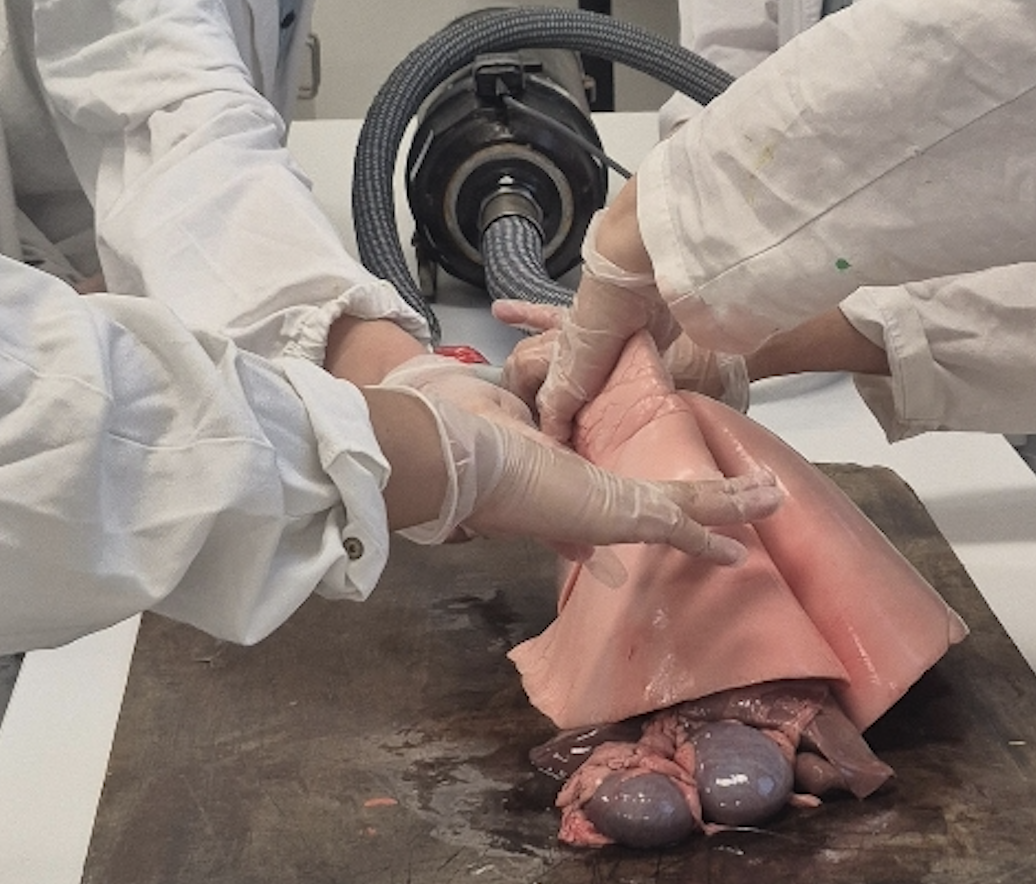
The Year 8 Science students recently took part in an engaging hands‑on investigation as part of their Biology unit, where they examined a lamb's pluck (heart, lungs trachea, liver and kidneys) to learn more about how major body systems work together. They had earlier dissected a lamb's heart identifying all the major parts including the valves and the thicker left ventricle muscle. The students were especially fascinated observing the lungs gently inflate, helping them visualise how air moves through the respiratory systems.
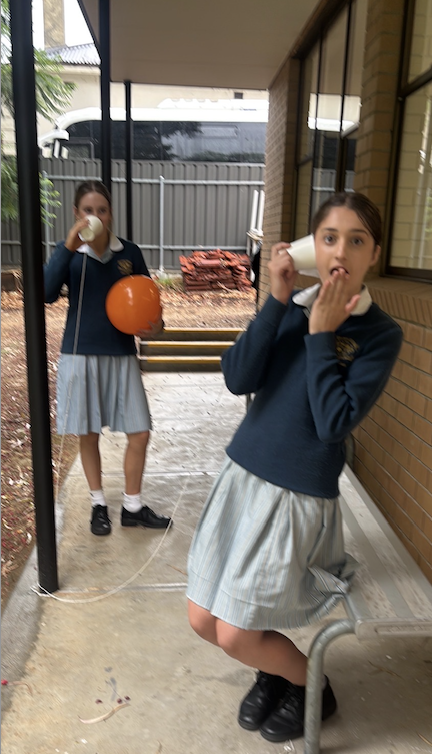
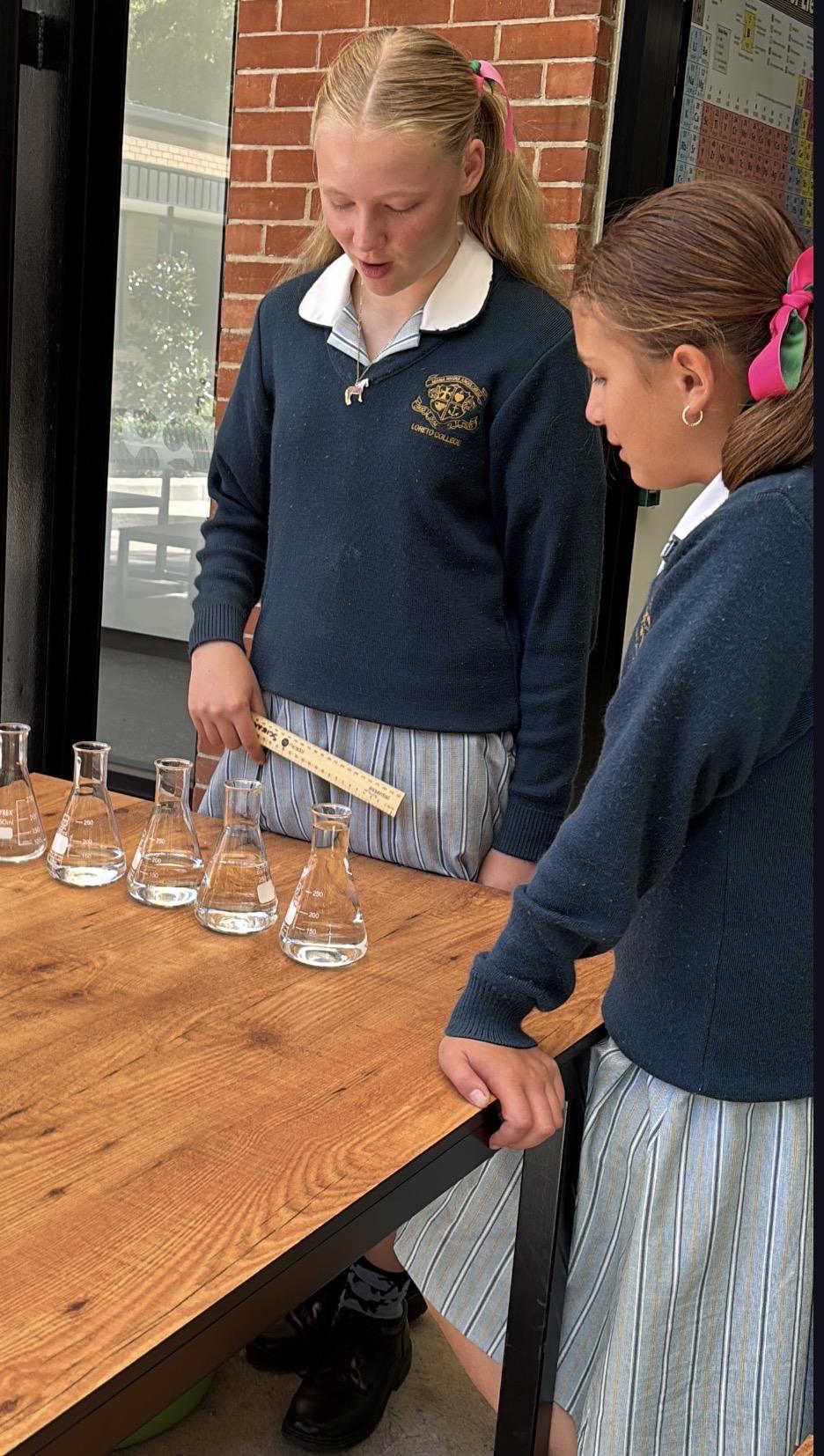
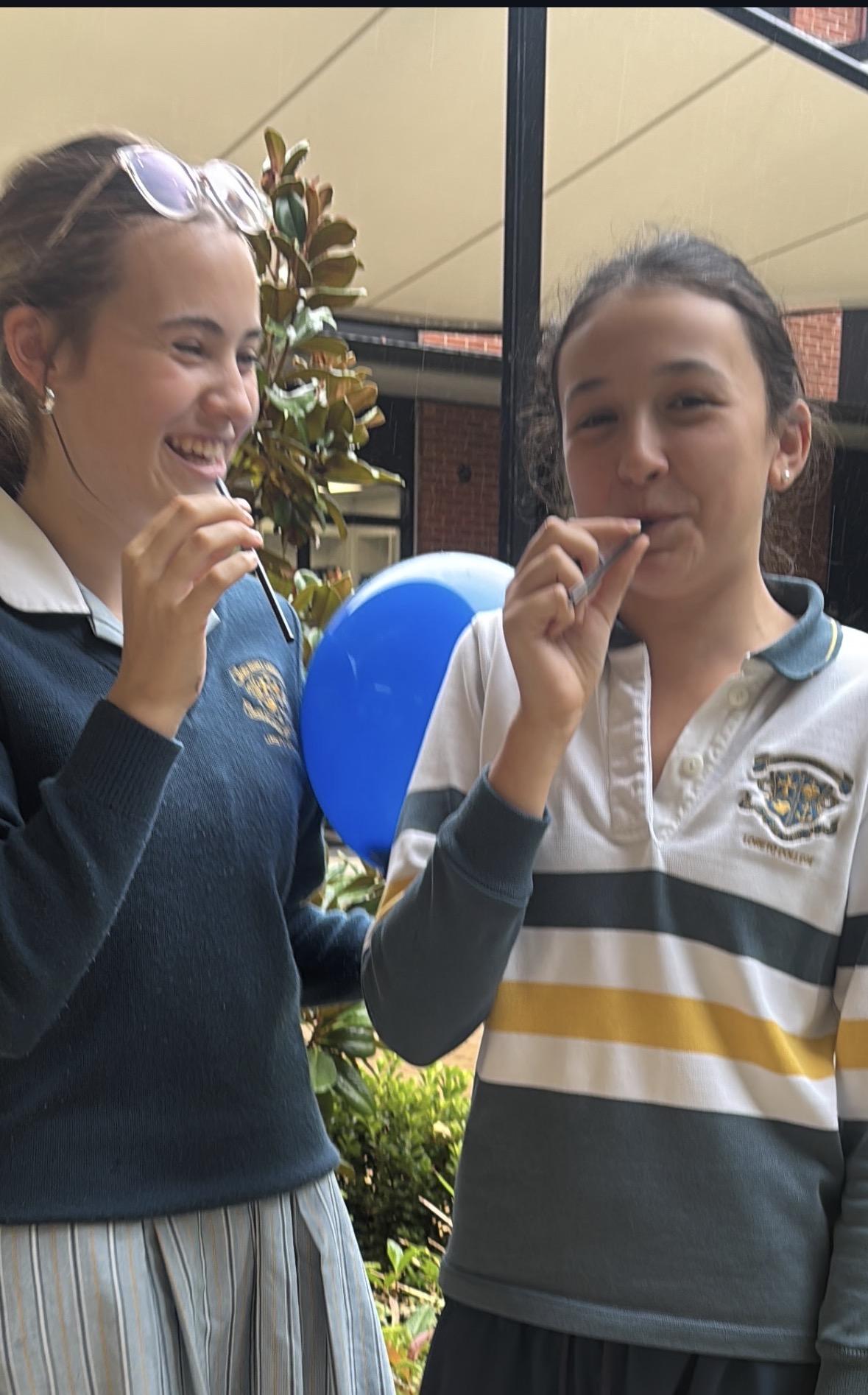
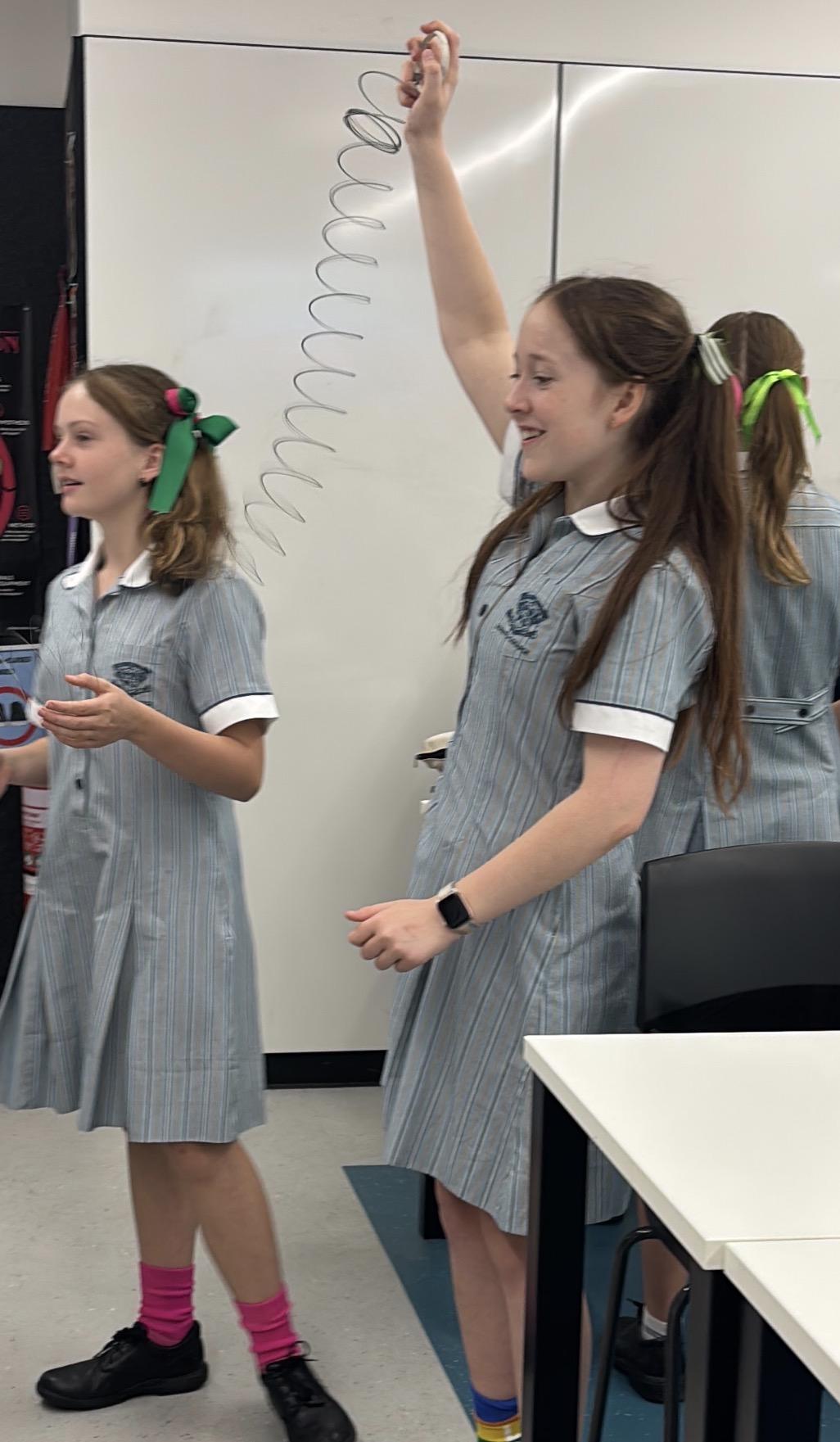
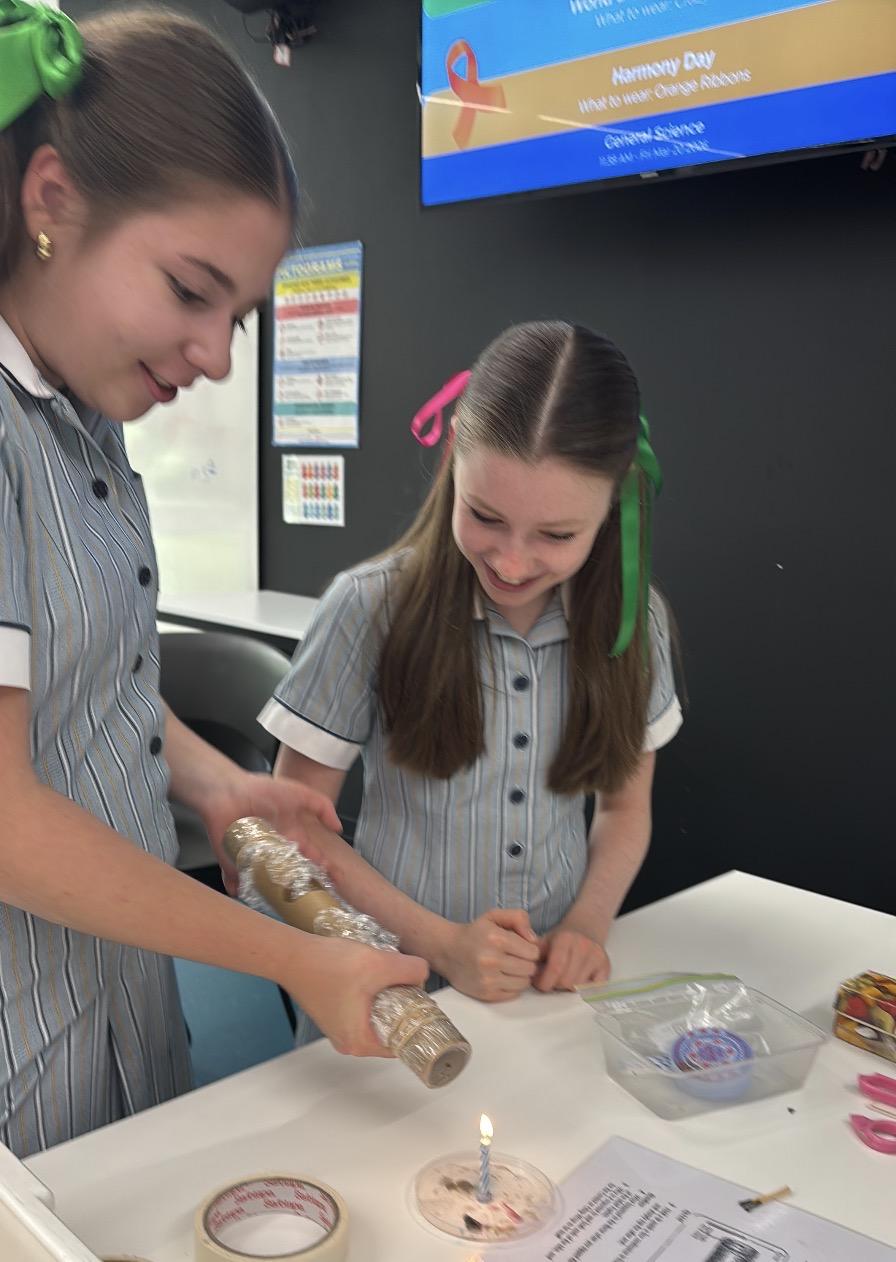
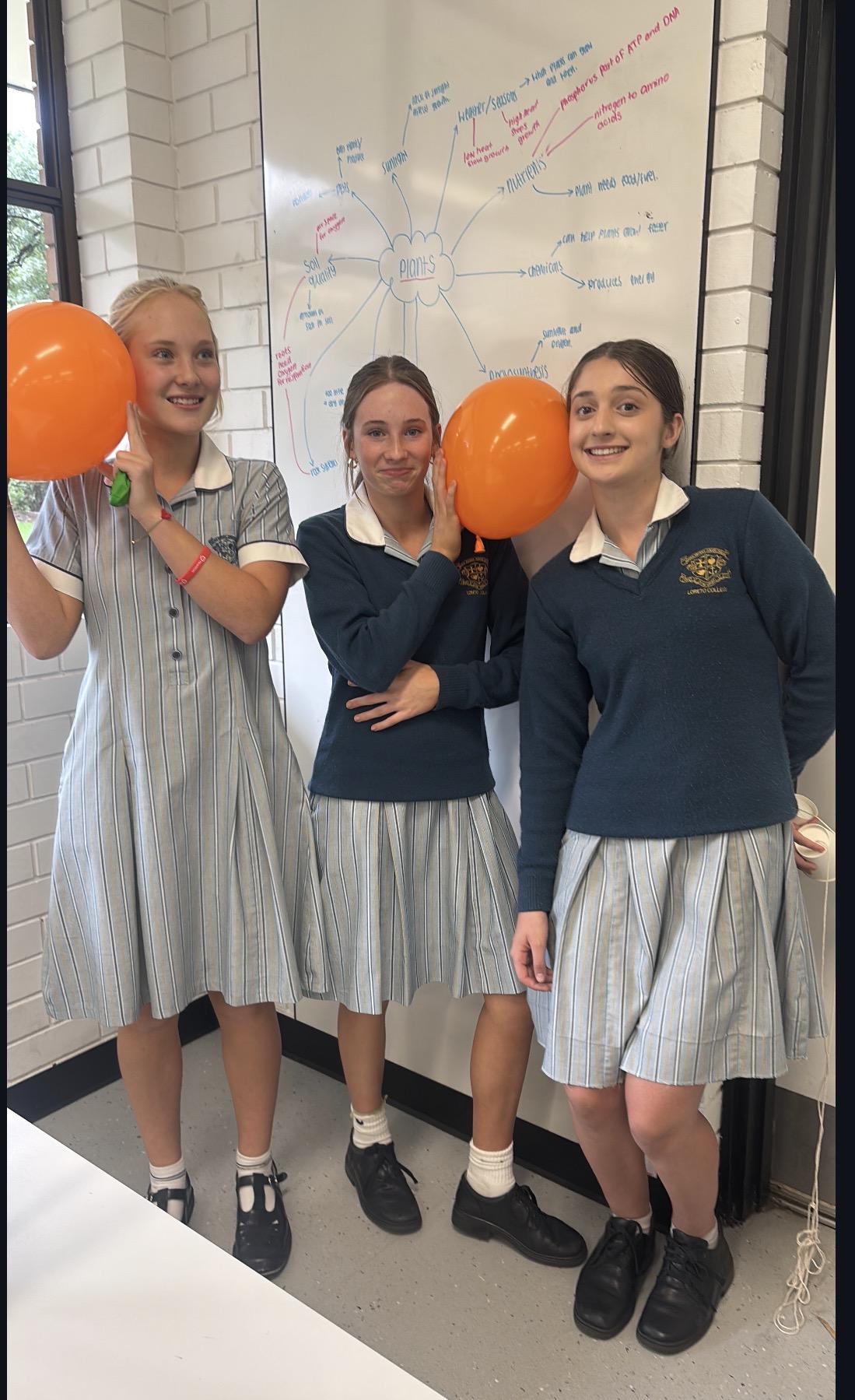
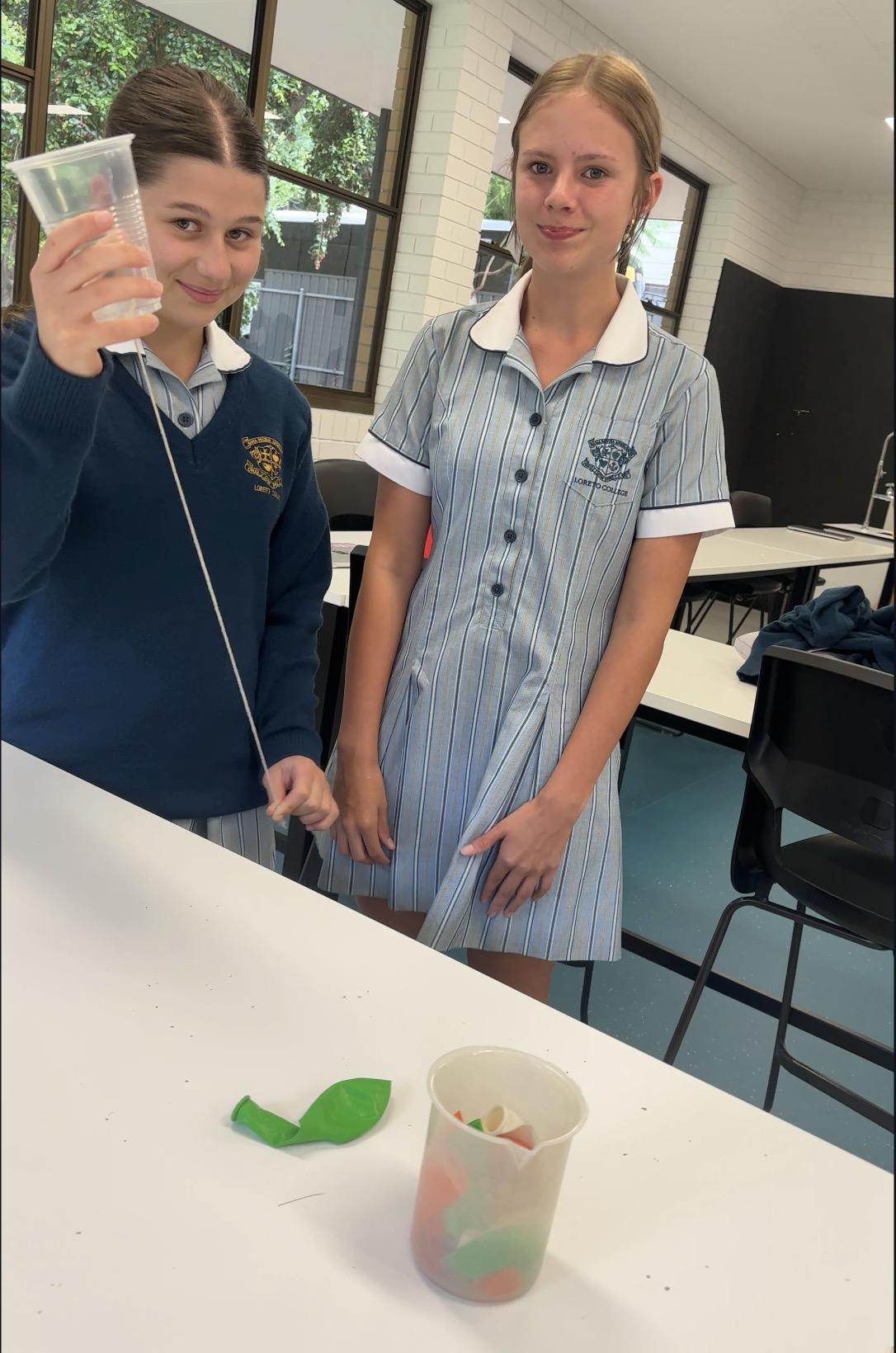
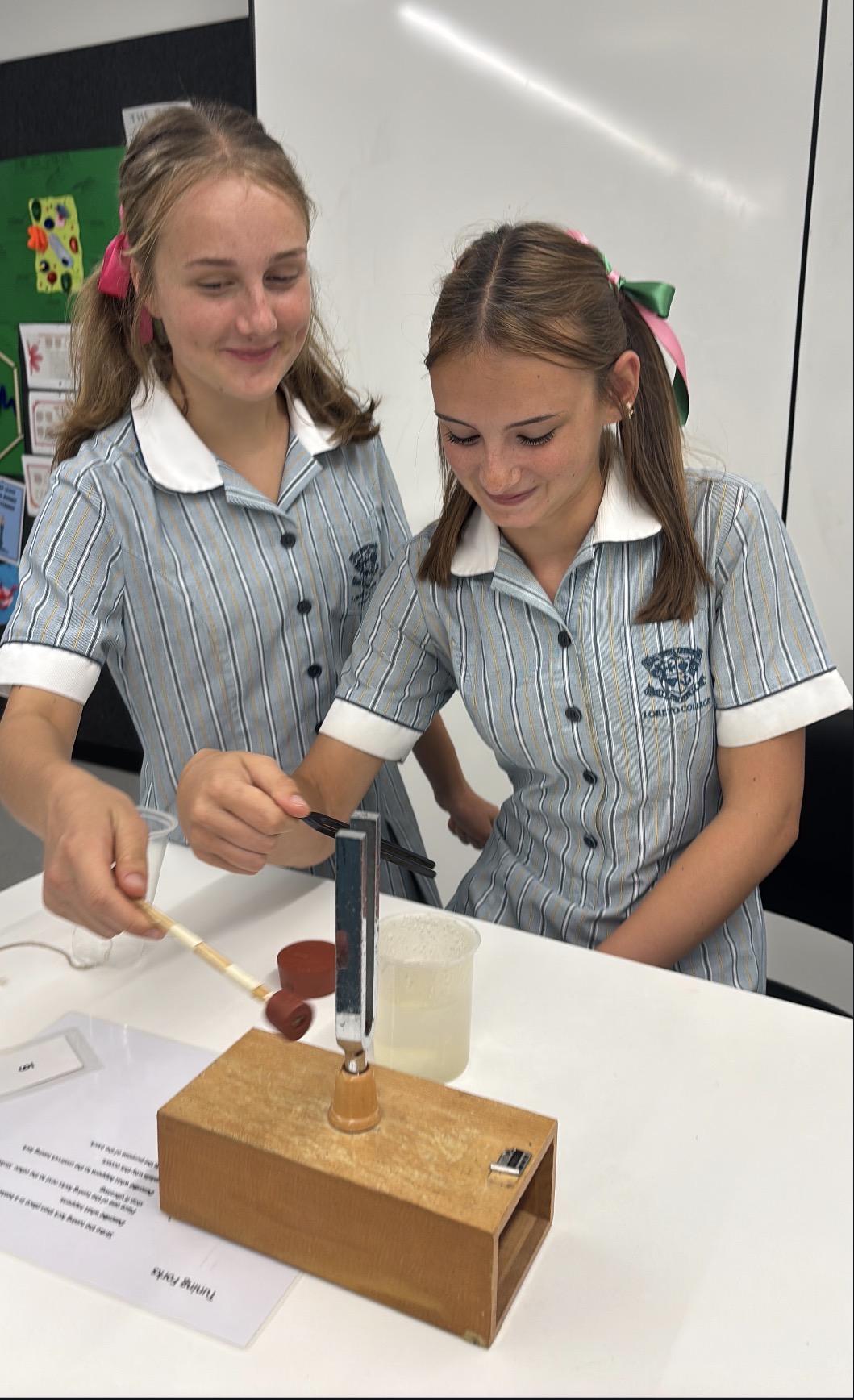
Our Year 9 Science students brought the study of sound waves to life through a series of engaging and hands-on experiments. From creating spooky sounds with a cup and wet string to watching water ripple as a vibrating tuning fork was placed inside, each activity made sound both visible and memorable.
A sound cannon dramatically extinguished a flame, while tapping a balloon resting against the ear amplified sound for a real “wow” moment. A slinky helped demonstrate otherwise ‘invisible’ sound waves, and students revisited Twinkle, Twinkle Little Star as they explored pitch using a glass organ with varying water levels. Creating simple “phones” with cups and string sparked plenty of conversation, and experimenting with straw lengths to make flutes provided a lively (and noisy!) way to understand how frequency changes sound.
Patty Warrender
Biology/Science Teacher
The Oliphant Science Awards is an annual competition for South Australian school students that aims to support, encourage and celebrate science education within South Australian schools.
The competition provides students with an opportunity to expand their scientific literacy and develop a deeper understanding of the world around them.
The Awards recognise the excellent work of students with prizes in each age group and category, along with Sponsor and school prizes for outstanding achievements.
Come and see me at lunch time Wednesday and Thursday Week 6 in BBG.2
to get involved.
Find out more today by visiting https://www.oliphantscienceawards.com.au/
To register, please visit:
https://events.humanitix.com/oliphant-science-award-participation-lc-2026
Dr. Sarah Giles
Leader of Learning ‑ Science