
Ruby Saltbush News
DIERDRE AILA, FARISHTA YOUSAFZAI
Ruby Saltbush News
DIERDRE AILA, FARISHTA YOUSAFZAI
Breathe in, breathe out. Look inwards, look outwards. Nourish the inner life, nourish the outer life. This is the rhythm of a Steiner education.
Beginning in our early childhood classes and extending through the middle school years, rhythm plays an integral role in our children’s lives. A predictable cycle of outbreaths and inbreaths allows children to meet life’s challenges with confidence and to engage their senses fully in the tasks at hand. Rhythm inspires healthy habits, positive inward reflection, and enthusiastic exploration of the outside world.
So, how does The Alice Springs Steiner School establish rhythm from an early age? We go about our days and weeks with a predictable routine that balances outbreaths with inbreaths, time to engage socially in the world, and time to reflect in the inner world.
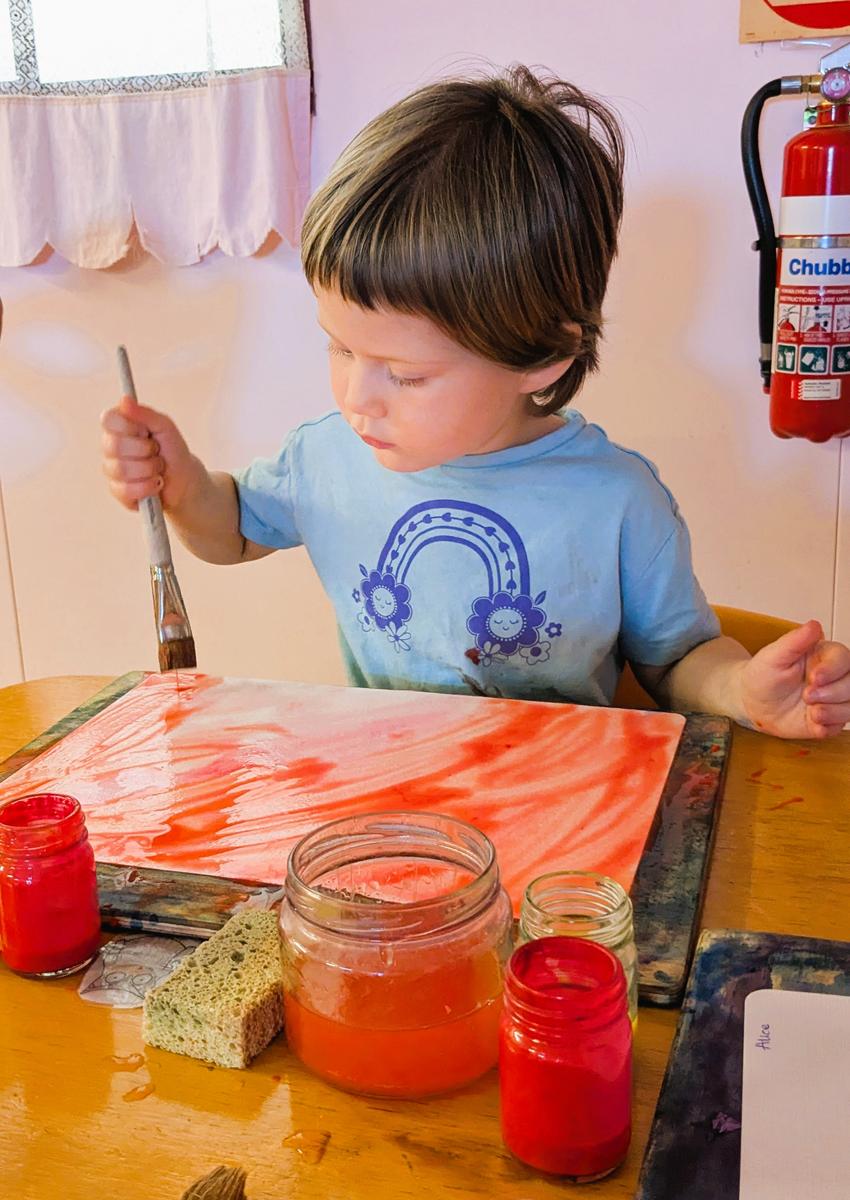
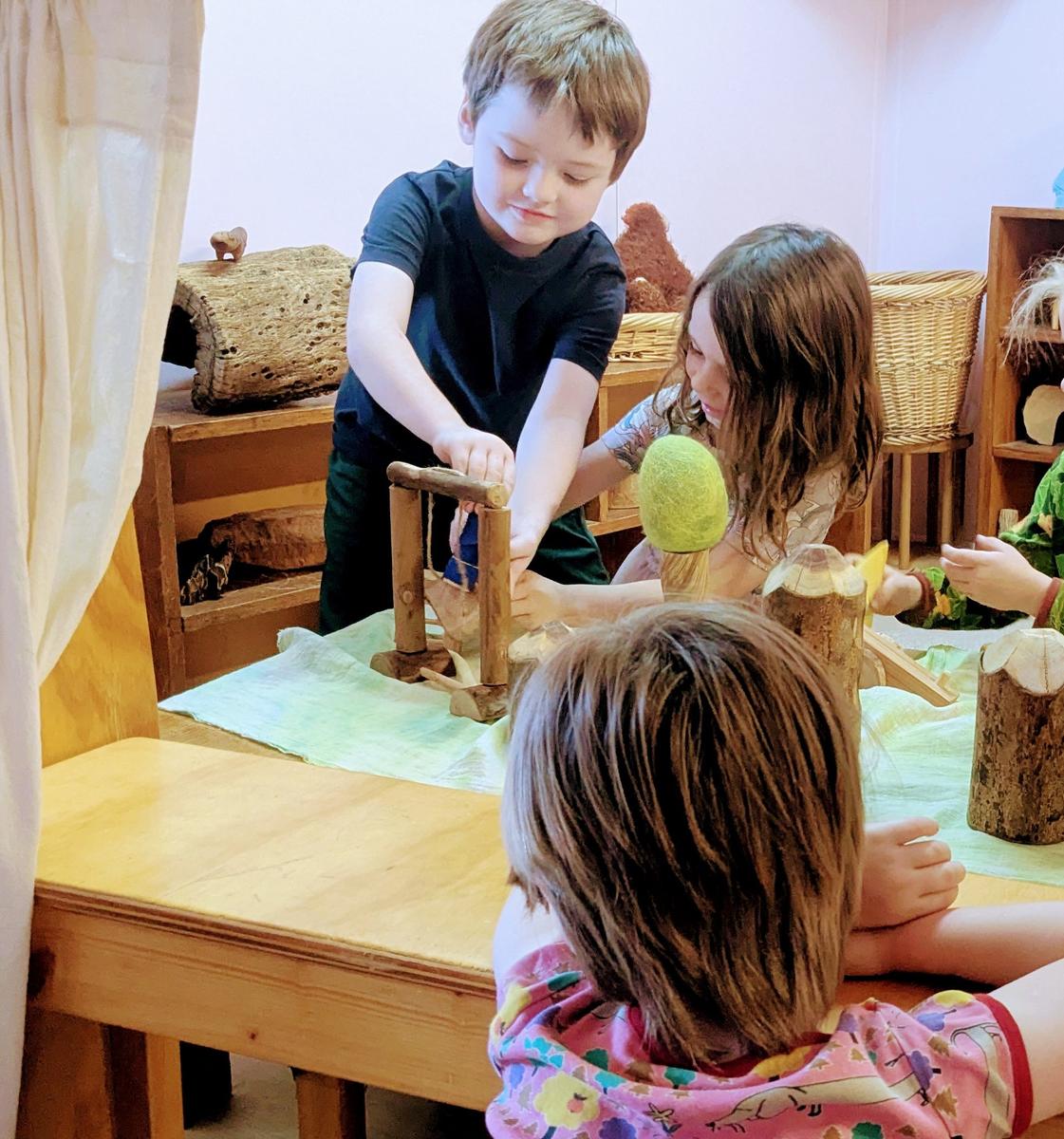
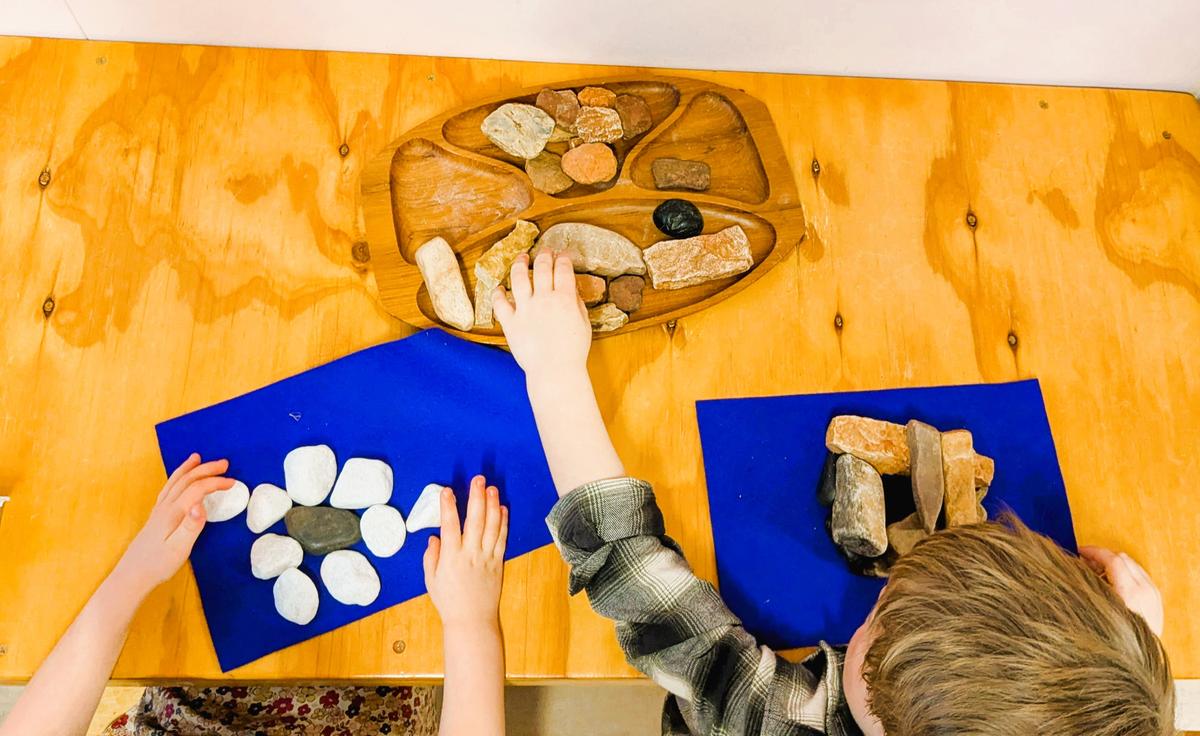
For our young preschool children in Ruby Saltbush and Billy Button, as well as older Cassia classes, an outbreath can be expressed through a period of free play inside. With our teachers reflecting a loving presence, the children are free to play – to demonstrate their capabilities without direct instructions, to make sense and to make joy of the world in their own unique ways.
The children then come together for an inbreath; they may come together peacefully to gather for circle time.
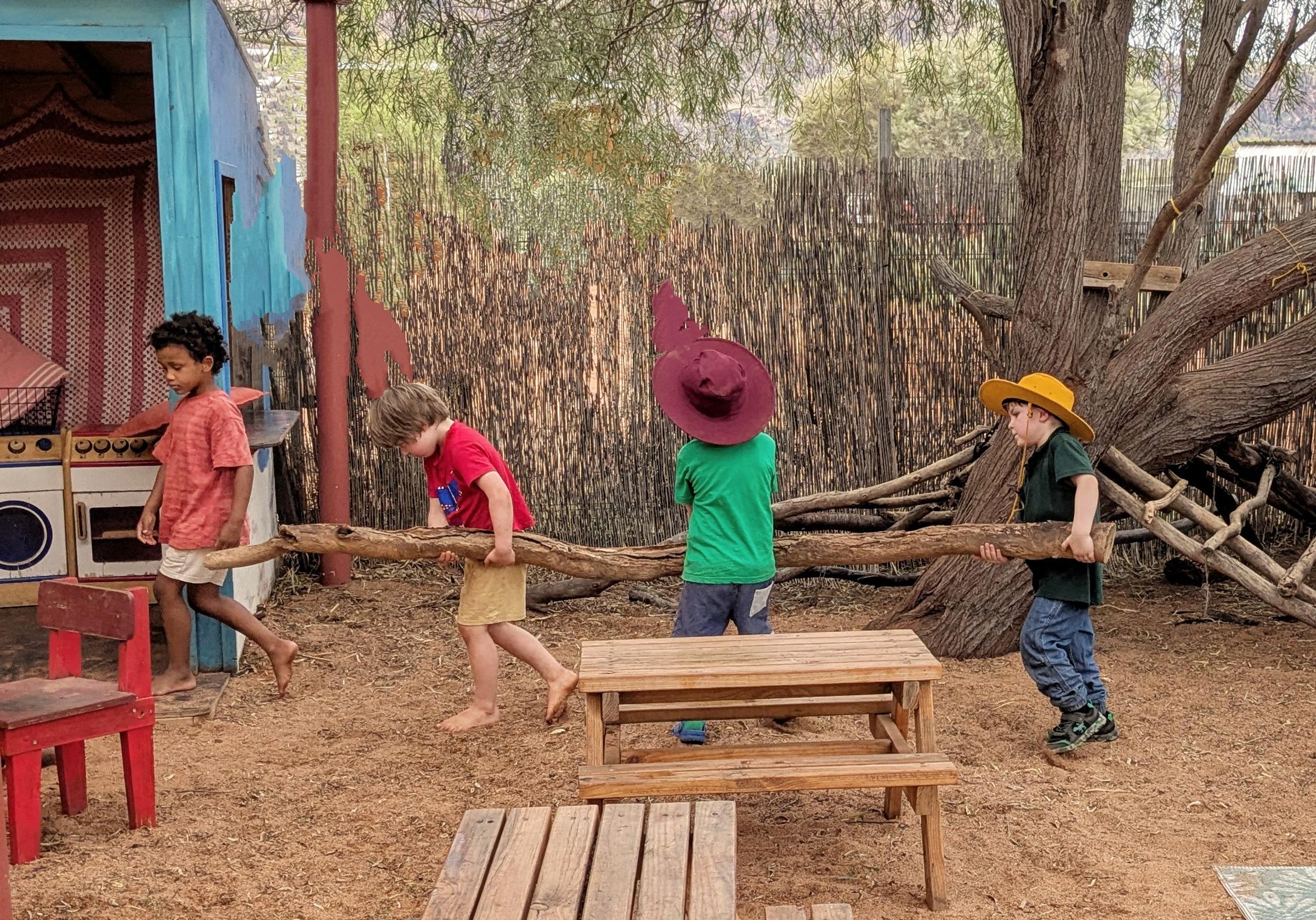
The outbreath returns for outside play – to feel the sun’s warmth, to just get those little legs and hearts pumping with running, climbing, digging, jumping and gardening.
For their next inbreath, the teacher may light a candle, narrowing their focus from all that is going on outside to that single point of warmth inside. Now it’s time for a story to be told, to hold onto the inner imagination of each child.
And so the day continues in our early childhood classes – bread is baked, play is embraced, stories are told, songs are sung. A natural flow carries us from activity to activity.
There is also rhythm within our week. The children often know the days of the week by the dedicated morning tea or activity of the day – is it “rice day” or is it “muesli day?” There is predictability and consistency, which helps foster a sense of comfort and security within the children.
And this rhythm, this predictable balance, continues throughout the primary and middle school years. While the expressions of inward and outbreaths change with the students’ maturity, the importance of establishing a rhythm continues.
In fact, the ebbs and flows of a daily rhythm are crucial for the well-being of teachers and parents as well. Finding a comfortable rhythm helps us to remain centred and grounded when life becomes unpredictable. A daily rhythm can help us reset our focus and build our resolve.
Knowing how to breathe in deeply and exhale fully are life skills that stay with our children for all their years to come.
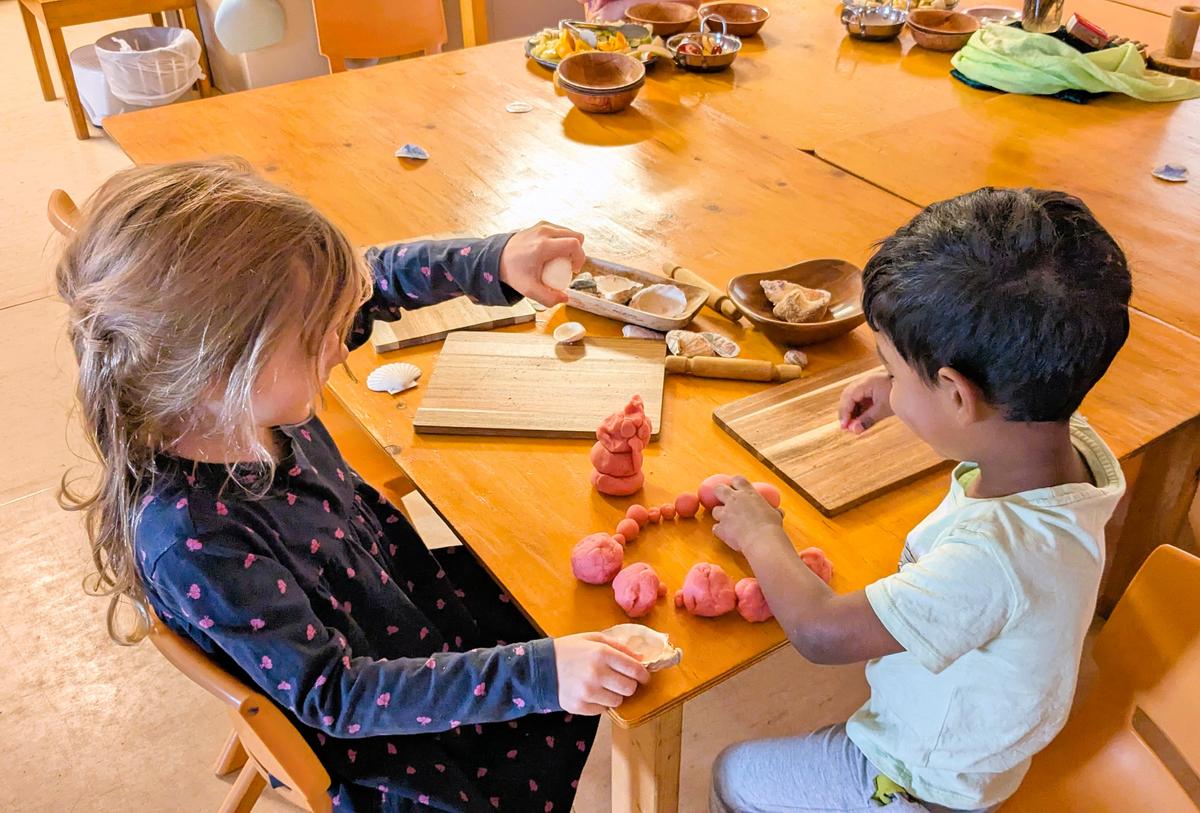
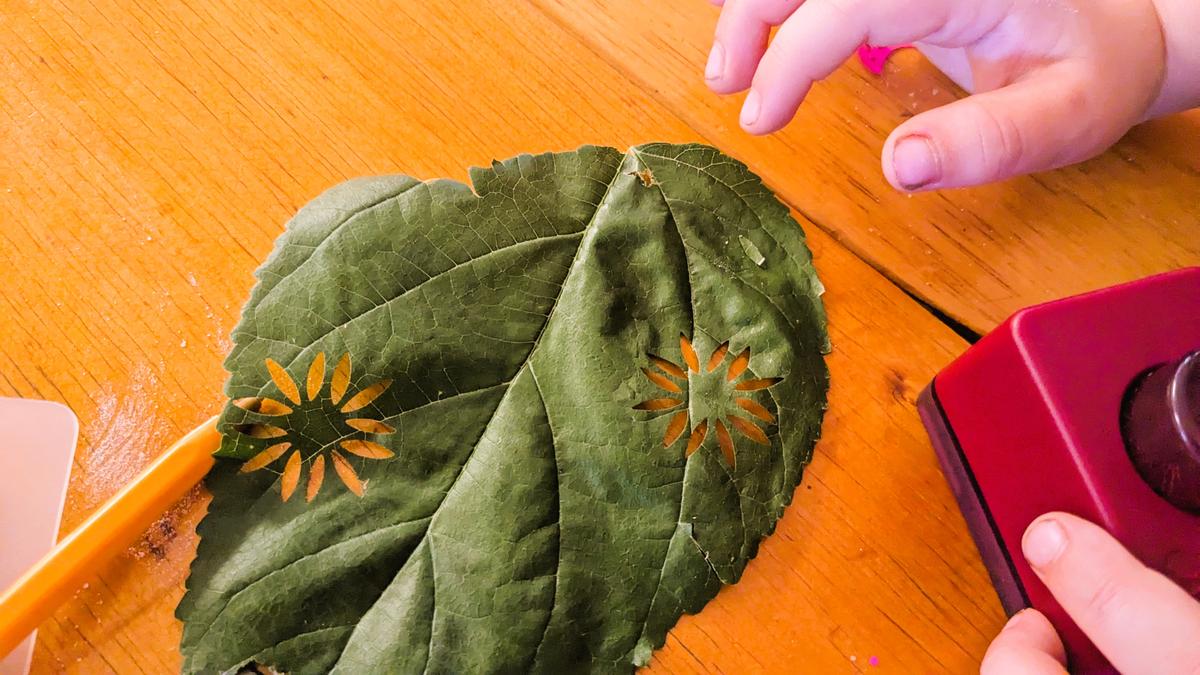
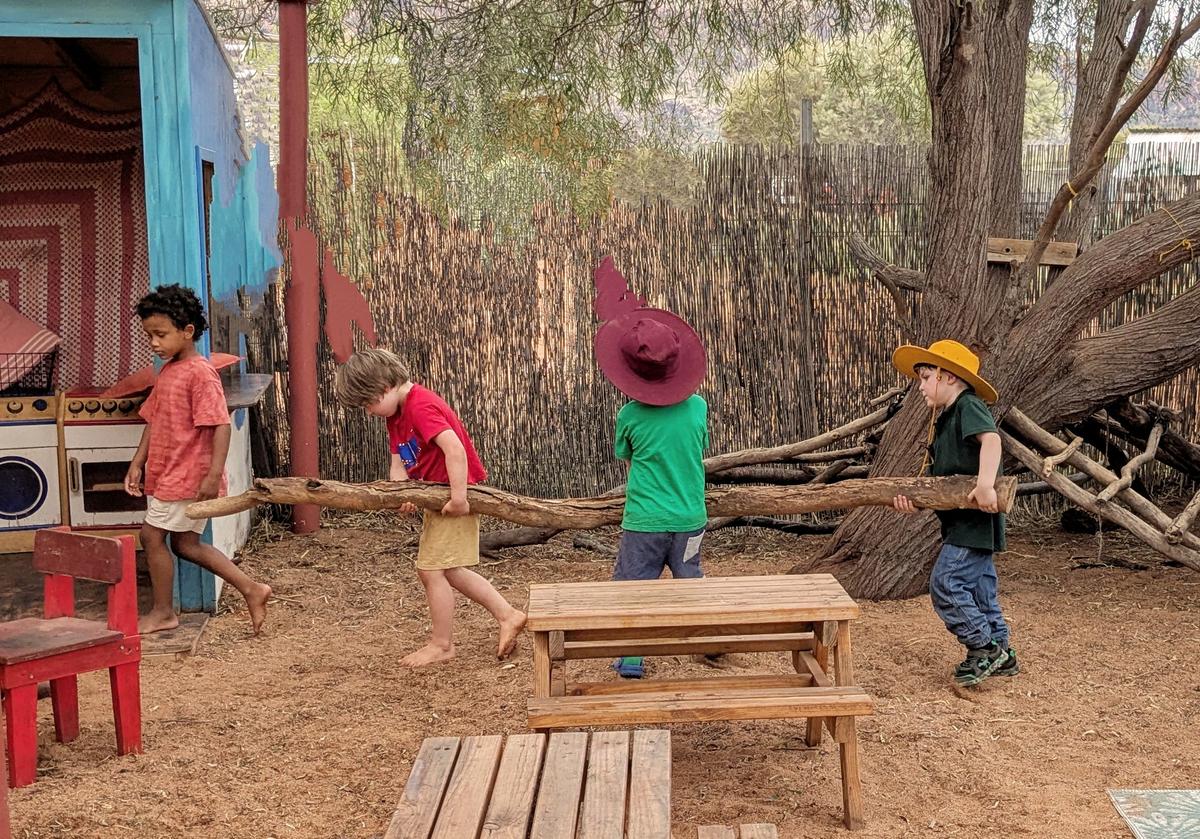
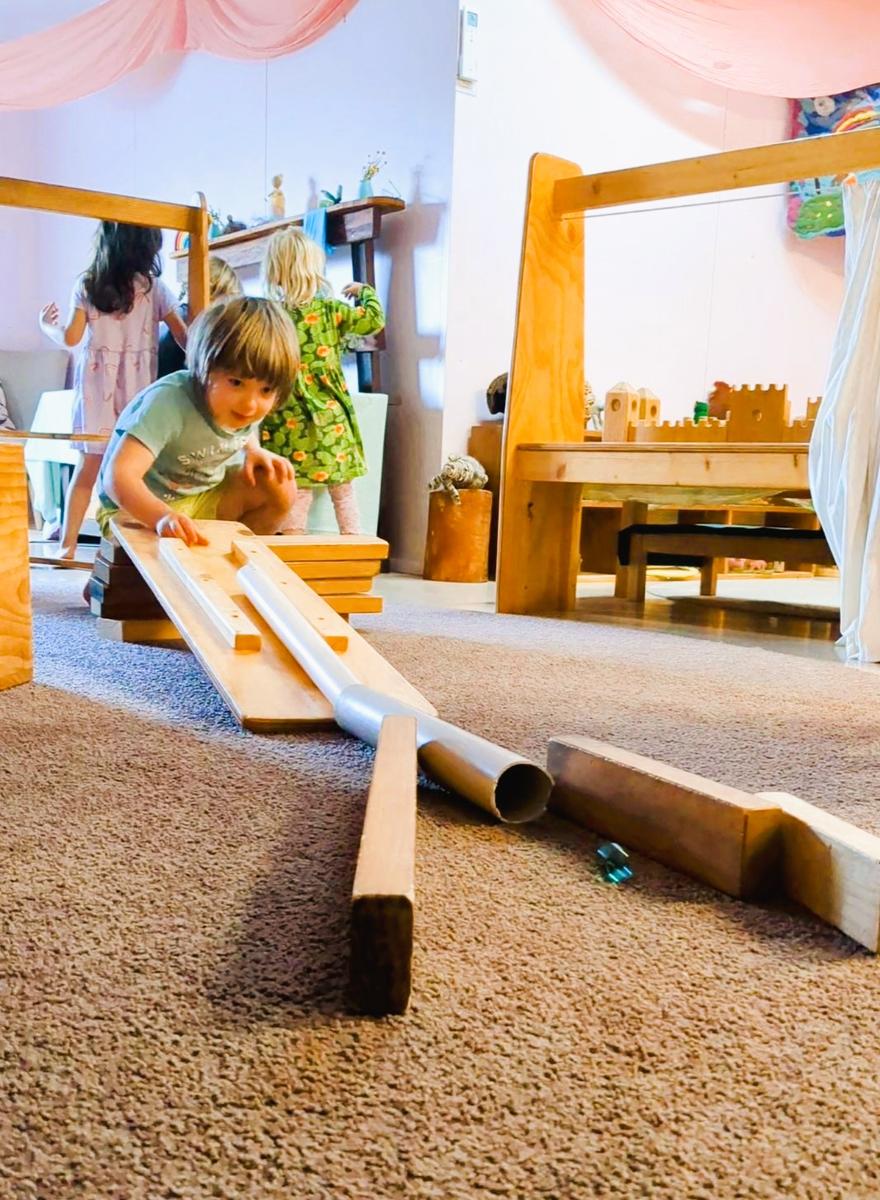
How to keep a rhythm during the holidays
It’s a daunting challenge during the holiday period when everyone wants to come over and your family has been invited to an array of events. But keeping a routine helps provides stability and normality to your child’s life which allows them to feel comfortable and not stressed or fearful. Keeping the routine over the summer holidays also reduces the likelihood of your child burning out or ending up in tears.
Sleep is one of the most important aspects of a child’s development. Sleep helps your child grow and learn and is critical as your child needs time to wind down.
It is incredibly important that parents set limits around watching TV or playing on an iPad. Studies have shown that too much screen time exposure can result in your child being sleep-deprived, inattentive and unable to self-soothe. Play is a crucial part of a child’s development as it enables them to reach milestones in problem solving, creativity and social skills.
By providing similar breakfasts and lunches every day, your child is less likely to indulge heavily in tempting treats. Keeping a routine and eating healthy meals also promotes the idea that foods such lollies or cake are a treat and something to be treasured. Everything in moderation.
Play is one of the best ways to keep them entertained and happy over the summer holidays and one of the ways you can help your child develop even further. During the holiday period take trips to the park, get outside and run around. Let them dress up and explore and plan different activities to keep them excited.
Thank you for all your support and for your trust in the care we provided for your children this year. May your holidays be filled with warmth, love, and laughter.
Warmest wishes,
Dierdre
P.S. Thank you to all the parents who managed to make it to our Parent Talk: Parenting with Boundaries and Warmth with Susanne Doecke.
As promised, please see the following resources she wanted to share with you:
Tuesday January 27th, 9:30–10:30amWe invite all returning families and new families to come to familiarize your child and you with the space, the teachers and with each other.
Wednesday January 28thPrimary School starts with a Welcome Ceremony for the new class one.There is no Cassia class this day as the Cassia teachers are involved in the ceremony.
Cassia has a staggered start to allow the children to settle in gently.
From week 2 onwards: all young Cassia children (those turning 5) go home on Thursdays at 12:30pm.
Friday February 6, 13, 20, 27 – NO Cassia classes as the teachers do home visits.
Thursday January 29th, 7:30–9pm for ALL Cassia families. What is this year in Cassia about? How can I help my little child, who is finding her/his way into the world, to get the most out of this year? We ask that every child be represented at this evening – it sets the scene for the year ahead.
Saturday February 7th from 8–10amA great time to meet and mingle and create an interesting and beautiful learning environment for the children.