Diverse Learning
Ms Janelle Schembri | Diverse Learning Coordinator
















 Our Lady of Fatima Catholic Primary School
Diverse Learning
Ms Janelle Schembri | Diverse Learning Coordinator

There are many children who have difficulty telling stories, even though in other ways they seem to speak very well. they may find it difficult to tell stories as well as other children the same age.
This is because storytelling involves so many different skills. If your child have difficulties with one or more of these skills, they may find it difficult to tell stories as well as other children the same age. This may make their stories seem awkward or confusing.
Story telling (& story writing) also use many of the same skills as are used to write essays and reports. This means that if your child has difficulties with news telling or storytelling in primary school, they may have difficulties with other types of writing later on. These difficulties can often be easily helped.
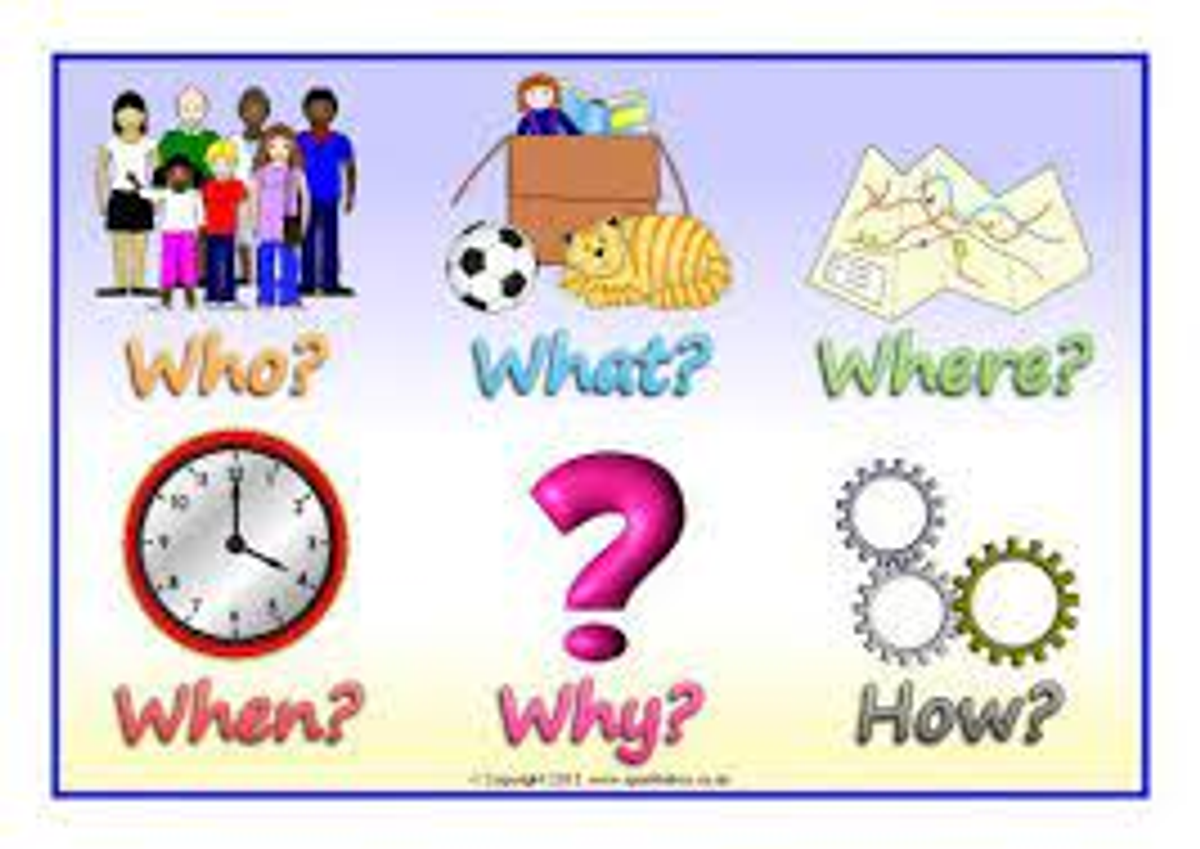
To be a good story teller your child will need to be able to:
Form creative ideas
Put those ideas into clear thoughts and sentences
Put the sentences together into a logical order to form a story
Below are listed suggestions on how you can help your children develop their skills in each of these areas.
1.Forming Creative Ideas
Creative ideas involve lots of description and unusual characters and events.
You can help your child to think of interesting things to put in a story by having an "Idea Bank". An idea bank is a book (or piece of cardboard) where children draw or write ideas for stories.
Before you start to tell the story, ask your child to close their eyes and imagine that they are the main character. Ask them to describe to you what they see, hear, smell and taste etc. This should help your child to be much more inventive and descriptive in their stories.
Encourage your child to use describing words to make their stories more interesting. Eg. instead of saying that they can see "an alien" encourage your child to be more descriptive: "I can see a three eyed, purple alien with sweaty skin and an evil look on his face."
2. Forming Sentences
This involves using the correct vocabulary and grammar.
Some useful ways to help your child include:
Encourage your child to find a balance between calling everything "he" "she" or "it" (without properly explaining who those words refer to eg. "She did it" - who was she?) and never using them at all (eg John did this then John did that & then John...). Both these extremes can make the story uninteresting and difficult for the listener to follow.
Encourage your child to use correct grammar. Many children make errors such as saying "I runned home" (instead of "I ran home"). If your child makes a mistake like this, you could repeat their sentence in the correct way and continue the story.
Help your child to choose the correct word to describe their subject. Many children over use words such as "it" and "there" in their stories (Eg. "She went over to it to look for it but it ran away over there"). As you can see, "it" can refer to more than one thing. This can sometimes make it difficult to work out exactly what your child is talking about. Children may do this because they find it difficult to quickly think of the real name of an object.Help your children make clear sentences by asking them to more fully describe objects, places and people that they refer to as "it" or "there"
Encourage your child to join their ideas together by linking short sentences. Eg. Instead of "John cried. He hurt his foot." your child could say "John cried because he hurt his foot". If you find that your child is overusing "and" in their stories, encourage them to use other linking words such as "because" "then" "while". "so" etc
3. Story order and structure
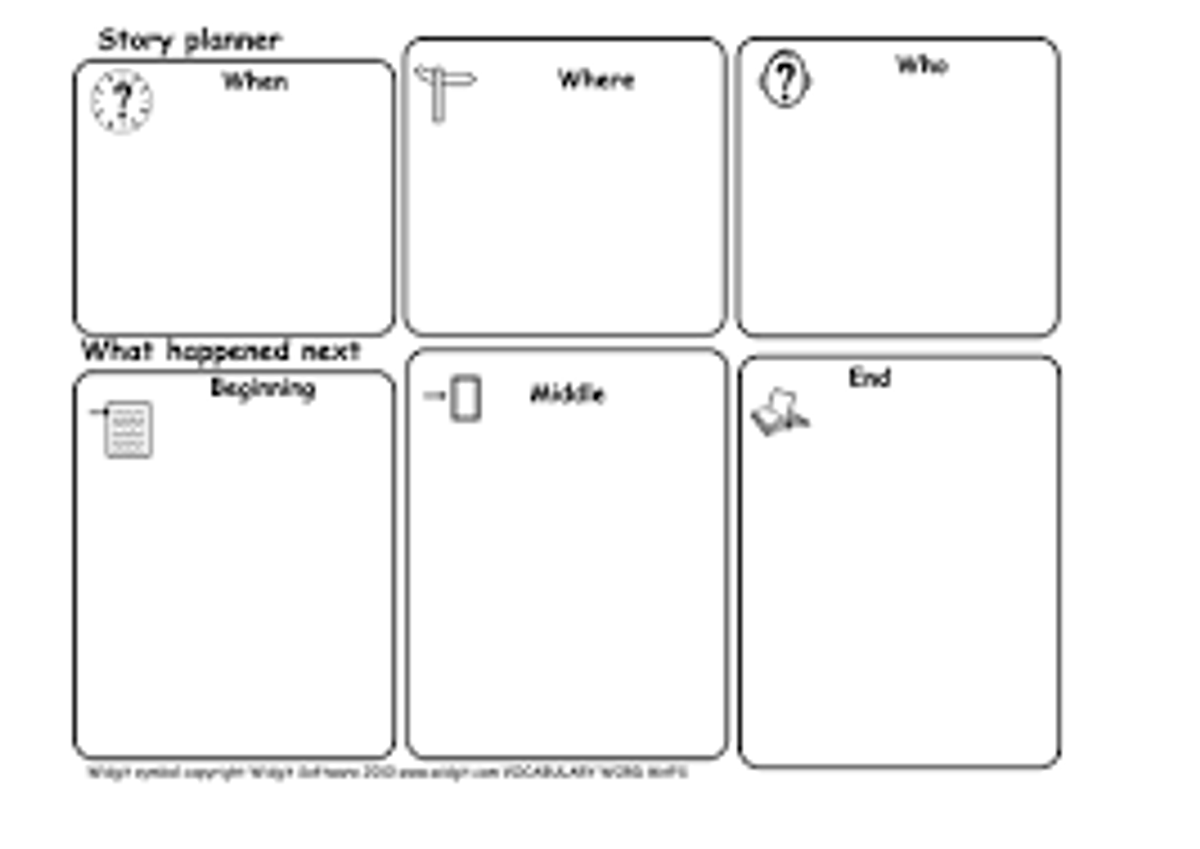
There are certain parts that all stories should have. These include:
a beginning stating
Who the story is about
Where the story happens
When the story happens
a middle including faced
What problem the characters eg. they saw a ghost
How they felt eg. they were terrified
How they tried to fix the problem eg. they ran to the nearest public phone and called Ghost Busters
Long stories have more than one problem and solution to the problem.

An end
This wraps up the details of the story and tells you what happens to the characters. Eg. They received a reward from the police and said they would never go back into a haunted house again
One of the most helpful things that you can do to develop your child's story telling skills is to regularly read stories with them, or to them, and talk afterwards about the story structure (eg. Who was it about? What happened to them? What was the house like?). You can also practice this by talking about what happened in videos that you
have watched.
Remember that story telling should always be fun. The more your children enjoy story telling time, the more likely they are to practice their story telling skills. This will help their stories to continue to improve.
If you have any further questions about difficulties that your child is having with story telling (and how you can help them) please contact speak to your child’s teacher about the possibility of seeing a Speech Pathologist.
Ms Janelle Schembri | Diverse Learning Coordinator