Year 1/2
Assembly
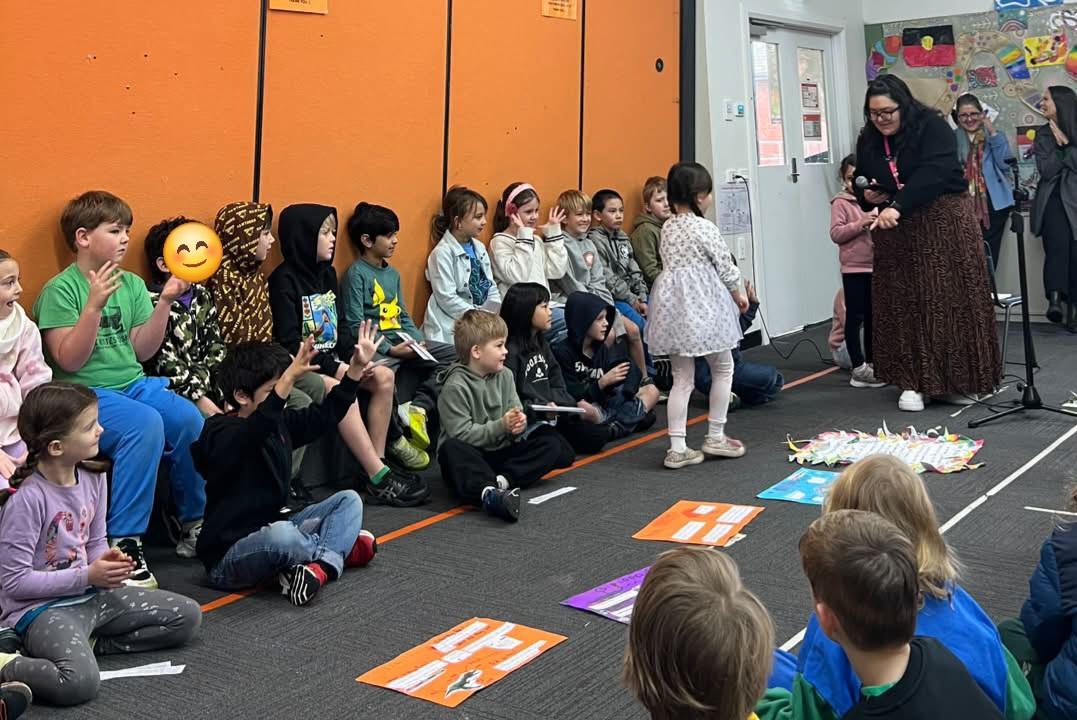
Congratulations to the Gattini group for an amazing effort at their assembly! Please stay tuned for our other upcoming assemblies.
Term 3: Orsetti assembly
Term 4: Pulcini assembly
Phonics/Sillabe
In English, the Year 1/2 students have been revising long vowel sounds and the different graphemes (letter patterns) that spell them.
Long ‘a’ vowel, eg. play, train, make, eight: ay/ai/a_e/eigh
Long ‘e’ vowel, eg. tree, meat, piece, athlete: ee/ea/ie/e_e
Long ‘i’ vowel, eg. night, kite, kind: i/igh/i_e
In Italian, the students have been revising the following syllables: ‘ge’ and ‘gi’ (both with a soft ‘g’ like in gel and giraffe); ‘vo’; and ‘che’ with a hard k sound like in kettle.
How you can help at home:
Reading at least 5 nights per week is essential to helping your child improve their phonics skills. Point out words with the sounds your child has been learning and ask them, ‘What part of the word makes the ___ sound?’ to see if they can identify the letters that spell that sound.
Reading/Lettura and Writing/Scrittura: Poetry
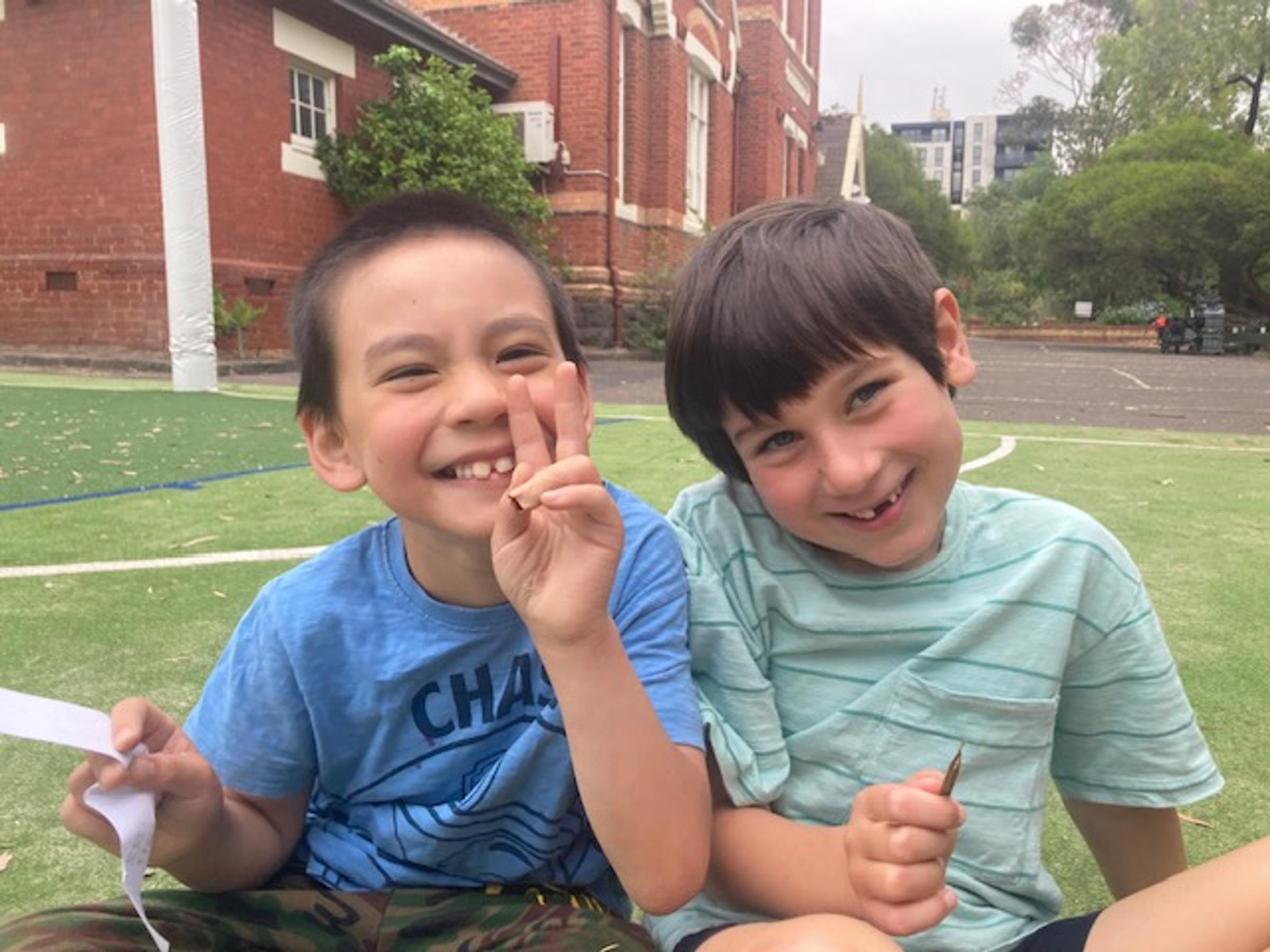
The Year 1/2 students are beginning to explore poetry and the different ways a poem can be written, such as with rhyming words, as an acrostic poem, or something with rhythm like a nursery rhyme!
The students will begin working on their own poetry books, complete with a front cover that they designed for themselves. Students will add poems they already know, new poems they learn and original poems that they will write themselves.
Here are some things our students already know or that they wonder about poems:
- “I know acrostic poems that are vertical.”
- “I wonder when the first poem was written?”
- “I wonder what the longest and shortest poem in the world is?”
How you can help at home:
Teach your child some nursery rhymes from your own childhood, including in your home language if it is different from English! At the dinner table, you can make a game out of brainstorming as many words that rhyme in a row as possible. Example: Wall, ball, fall, stall, tall…
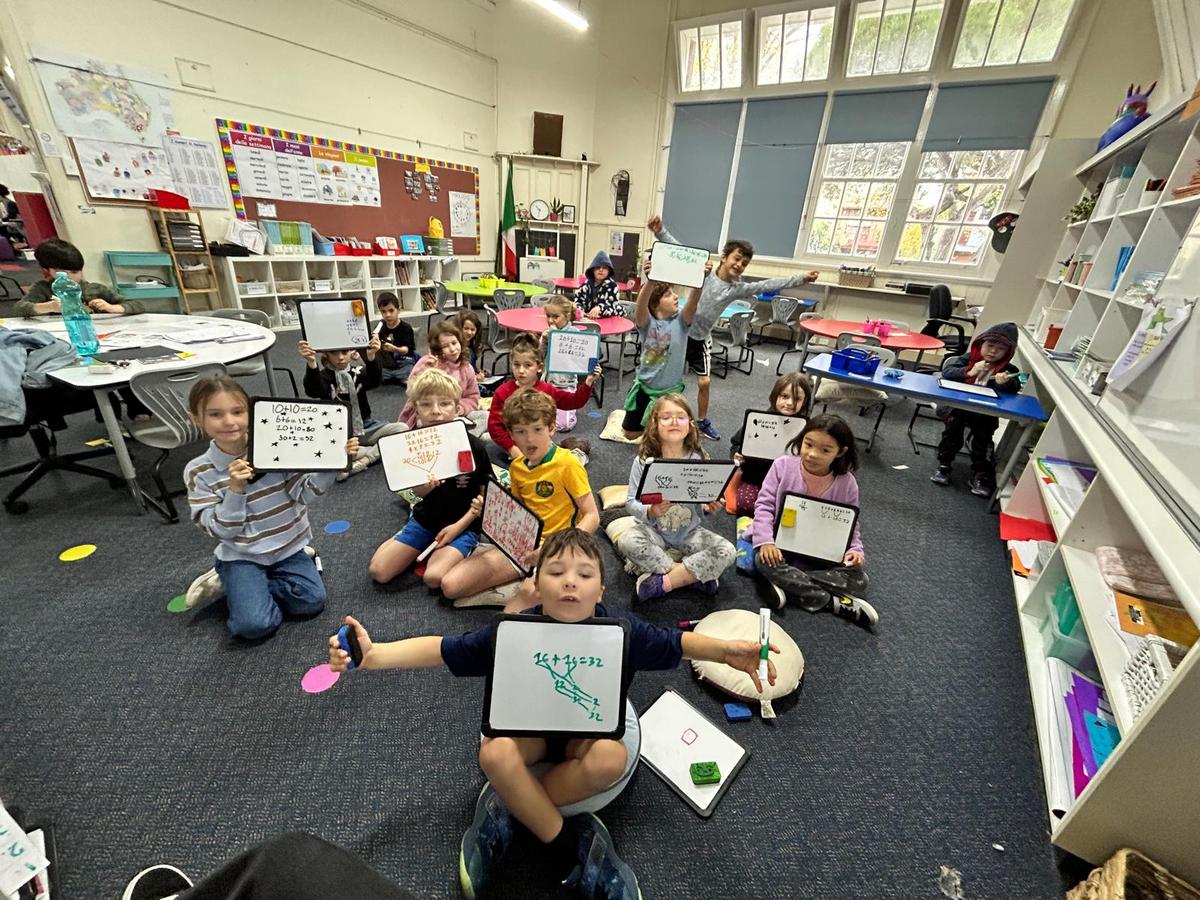
Maths: Addition and Subtraction
We are revisiting addition and subtraction for the next few weeks and into Term 3 to continue helping students develop the most efficient strategies to get answers to mathematical problems.
Some strategies we have been working on are:
- Knowing our doubles facts, eg. 2+2, 7+7, 12+12
- Bridging through 10. Example: 8 + 5 = ?
- Find the Bigger Number: Start with the larger number (8).
- Make it Ten: Figure out how many more are needed to reach 10. Since 8 + 2 = 10, borrow 2 from the other number (5).
- Add the Rest: Since 5 was split into 2 and 3, add the remaining 3 to the 10 (10 + 3 = 13).
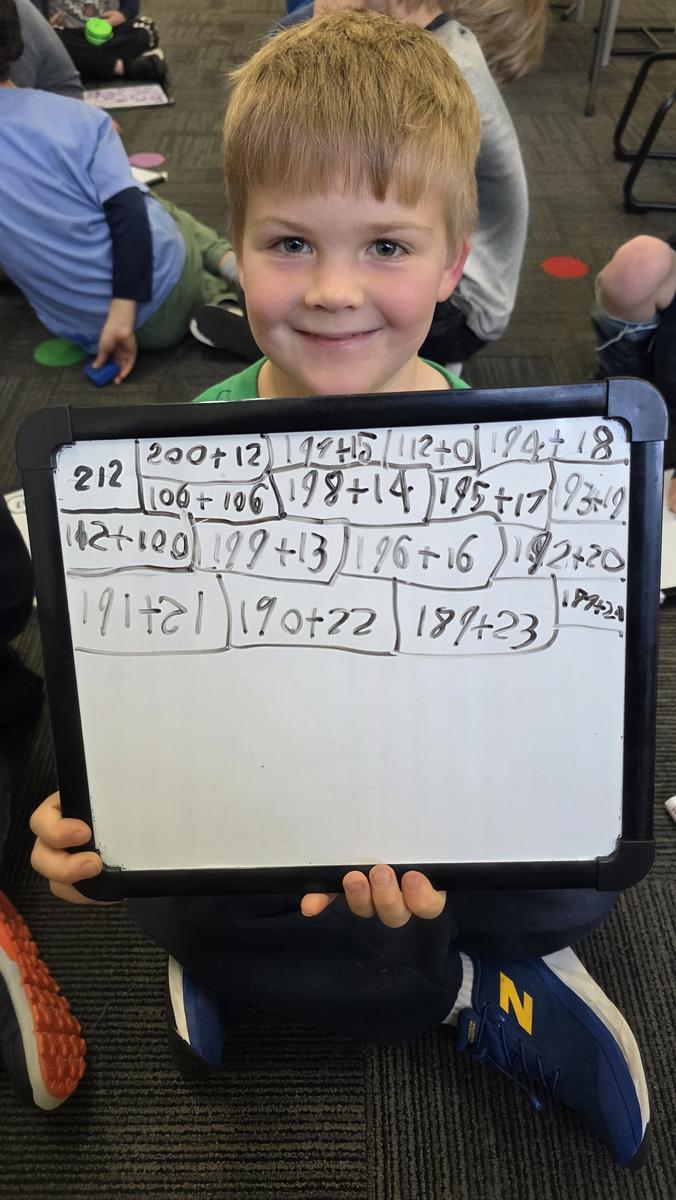
- Split Strategy, eg. 32 + 44 is the same as 30 + 40 + 2 + 4 (splitting the numbers into their tens and ones parts).
How you can help at home:
Try the following online game. Note: Sit together with your child and guide them as they try this game for a set amount of time (ie. 10 minutes).
Practise doubles facts: Dinosaur Dentist - near doubles
Car drive quiz! Build up their fluency with splitting numbers into their place value (tens and ones) parts by doing lightning-round or hot-potato quizzes in the card. A quick call and response game:
Parent: “How do you split 24?”
Child: “20 plus 4”
Parent: “How do you split 153?”
Child: “100 plus 50 plus 3”
Use two-digit numbers to start with. Make the numbers bigger if your child is confident!
As always, feel free to get in touch with your child’s teacher if you have any questions!
Nadia
Year 1/2 Co-Team Leader
School EAL Coordinator