Foundation

Maths in Foundation
At BSPS, Mathematics lessons are planned collaboratively across the Foundation team, enabling students to build their mathematical understanding in both English and Italian.
Over the last few weeks, our Foundation students have been busy exploring patterns through hands-on investigations and play. Using materials such as Unifix blocks, teddy bears and coloured buttons, students have been creating, copying and extending repeating patterns while developing their mathematical thinking.
Patterns are an important part of early mathematics. Learning to recognise and describe repeating sequences helps students develop the skills they will need later when working with numbers, algebra and problem solving.
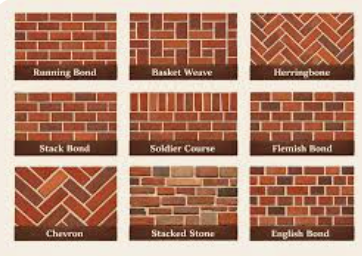
Our learning began by exploring repeating patterns using colours and shapes. Students then became pattern detectives, searching for examples around the school. They discovered repeating designs in brickwork, fences, clothing and classroom displays. It was wonderful to see students beginning to notice that patterns are all around us.


Recently, we have been focusing on identifying the core element of a pattern, the part that repeats over and over again. For example, in the pattern red, blue, red, blue, the core element is red, blue. While this can be a challenging concept and students have been developing their understanding through many investigations and collaborative learning activities.
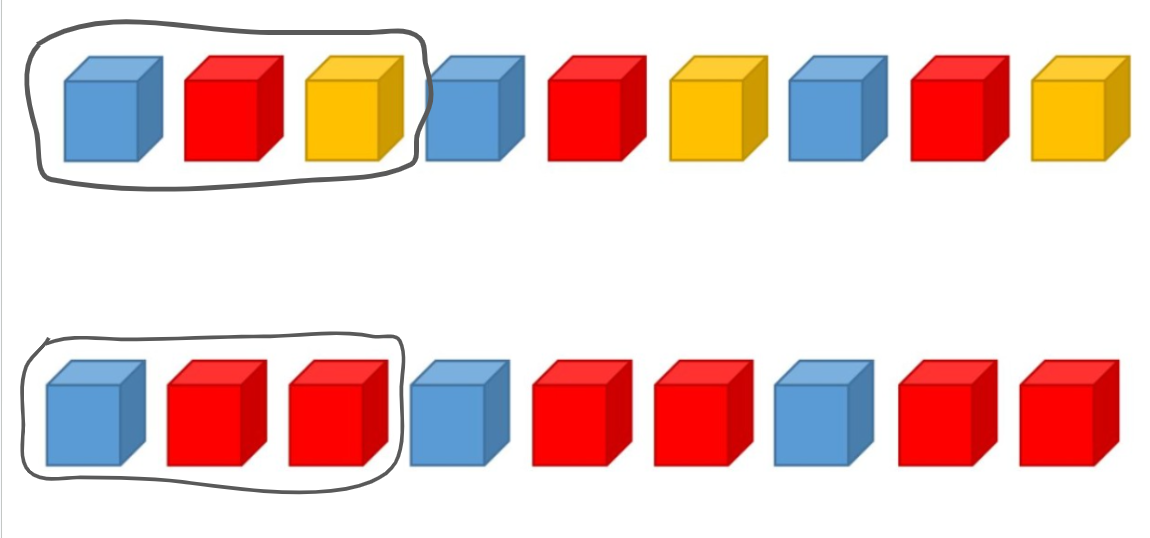
Identifying the core element of the pattern
Ways to help your child at home learn about patterns:
- Go on a pattern hunt around the house or when you are out for a walk
- Encourage your child to create patterns with everyday objects around the house or garden
- You make a pattern and ask your child to continue the pattern
- Encourage your child to say what comes next in the pattern
- Make a pattern and ask your child to identify the core element that is repeated over and over
If you want to learn more about patterns, then check out this video, which also includes some ways that you can support pattern understanding at home.
Italian vocabulary
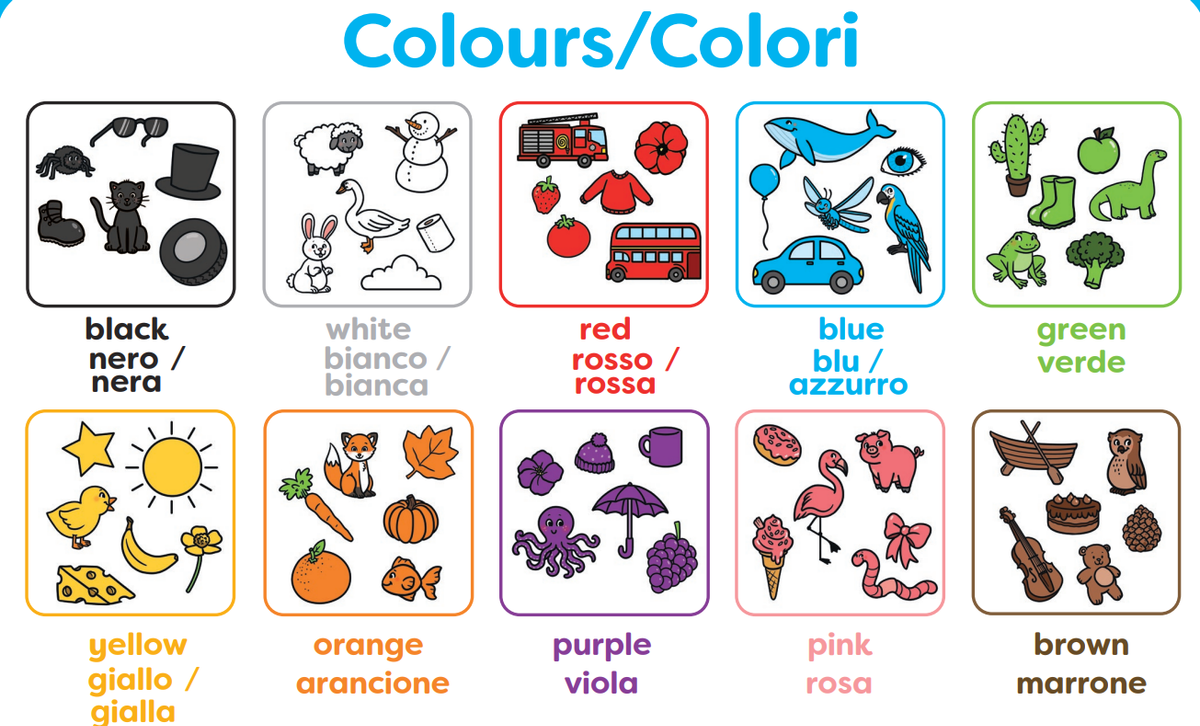
Our pattern investigations have also provided many opportunities to build Italian vocabulary, particularly colour words. Students have enjoyed using Italian to describe and create patterns, and we encourage families to practise these words at home. Using Italian in everyday conversations helps strengthen students' confidence and supports their bilingual learning.