Wellbeing & Inclusion
DIGITAL LITERACY & WELL-BEING WEEKLY
From Influence to Inspiration
We're living in the age of "influencing." People with points of view, a talent, a hunger for online attention, or something to sell find an audience on one or more platforms, and … influence. 🗣So it's easy to see how this term has grown to encompass a wide range of people and posts.
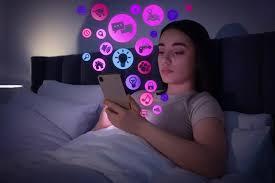
Those who remember the "before times" mostly had to contend with obvious advertising, but YouTube and social media have completely changed the game. Now, those who are internet famous can start with, for example, their seemingly innocuous morning routine but end up promoting empty-promise products, "self-improvement" practices, and entire belief systems that developing brains are less able to evaluate. This means that algorithms and recommended content can turn a kid's search for Roblox videos into something else completely. 🔀 Our research shows (from Common Sense Education) that two out of every three boys are served masculinity-related posts without searching for them, and that 60% find influencers "inspirational." Girls are similarly served beauty and "wellness" content they never asked for. The question is, who do we really want influencing our kids?
This isn't to say there are no positive influences online, because there are! But what we often see is a competition for people's attention that doesn't stem from a purely positive place. The efforts to grab and hold us can involve manipulative tactics, inflammatory perspectives, and a hustle to make money without much regard for the people on the other side of the screen.
Because interests, admiration, and parasocial relationships can all combine into a potent potion, helping kids back up and see these connections can give them more perspective, independence and skills around media interpretation. Start with who they watch or follow, and why. Follow up with, "What have you learned from them?" Kids might argue "It's not that deep," but challenge them to think more critically. What other messages might be embedded in what an influencer says, does, and sells?
Once kids have that perspective, take the next step: Ask where they find inspiration. Who or what inspires them to learn new things, be creative, build community, and help others? Who makes them feel energized and enough, just as they are? 💪🏼When it comes to inspiration, it should be that deep, and kids need to get it from someone or somewhere. That could mean reducing the bloat of online influence to make room for inspiration. 🌟
Sharing positive reels, Instagram posts and YouTube clips can help kids see positive online content. Also sharing content that is age appropriate but that is used to manipulate or persuade can create some great conversations. You can review the content together and discuss how the information is used to lead or convince people to do or buy something.
At school, the influence of online media is regularly discussed, but we aren’t around the students when they are scrolling or on screens at home. Your influence in this area is paramount for them to learn these tricky skills.
Information gathered from the Common Sense Education site. This site is American but has some extremely good information about the online trends. Parents can make a free account and receive their email. Take a look at Common Sense Media: Age-Based Media Reviews for Families | Common Sense Media