STEM
Welcome to STEM for 2026!
We have had a wonderful start to the year, with all classes engaging in some hands-on activities to explore what STEM means and how we can think and act like scientists and engineers.
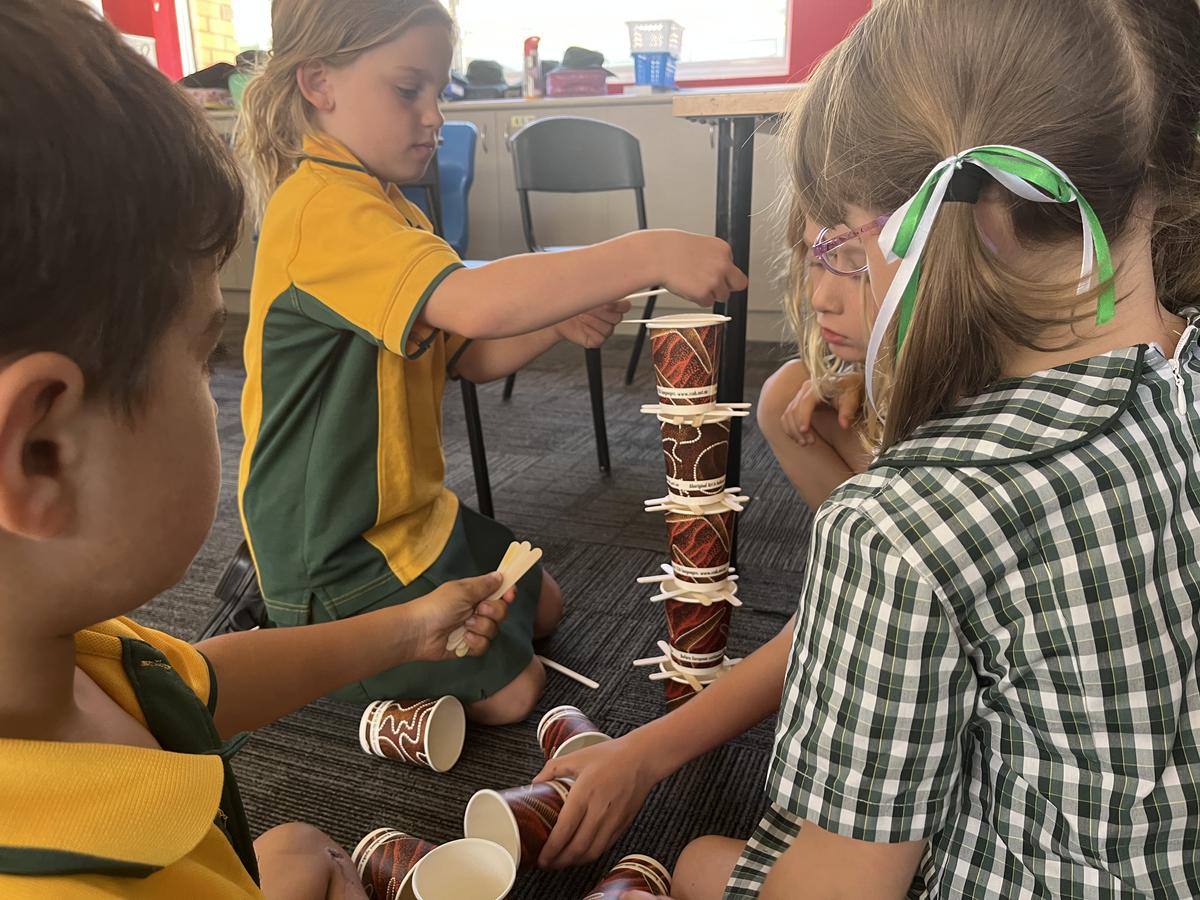
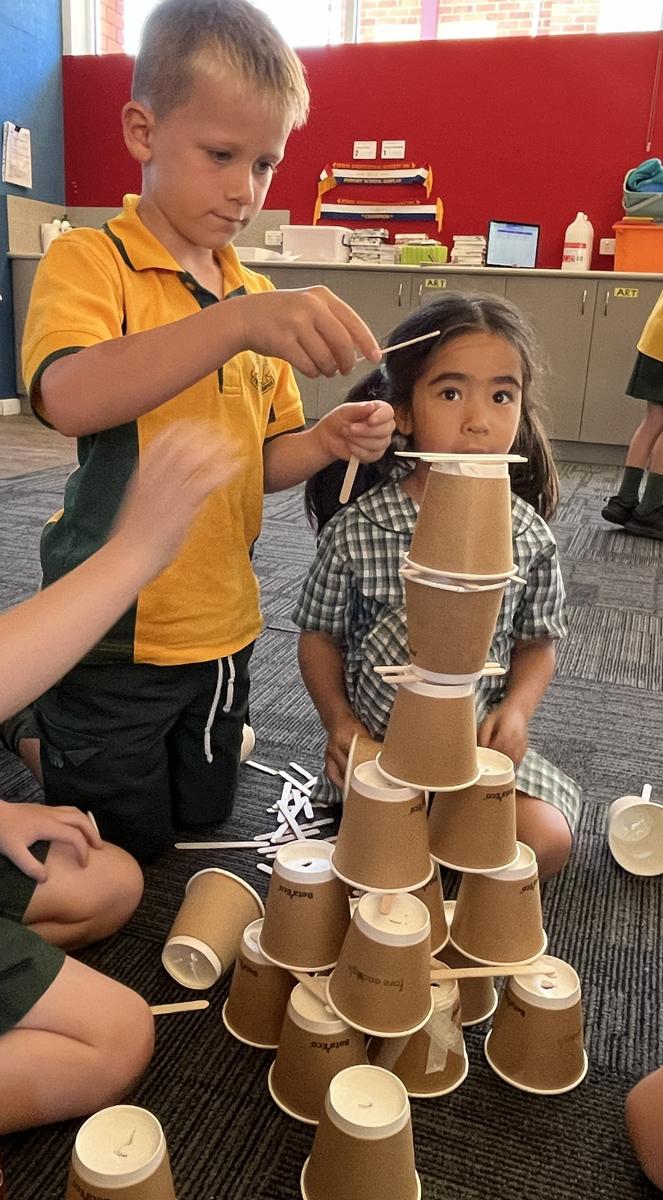
In Week 2 we began with a building challenge, which provided opportunities to:
- Work collaboratively in groups.
- Develop ideas.
- Ask questions.
- Test ideas.
- Make predictions.
- And persist when things didn't go to plan.
Foundation - year 2 students used paper cups and popsicle sticks to build the tallest tower.
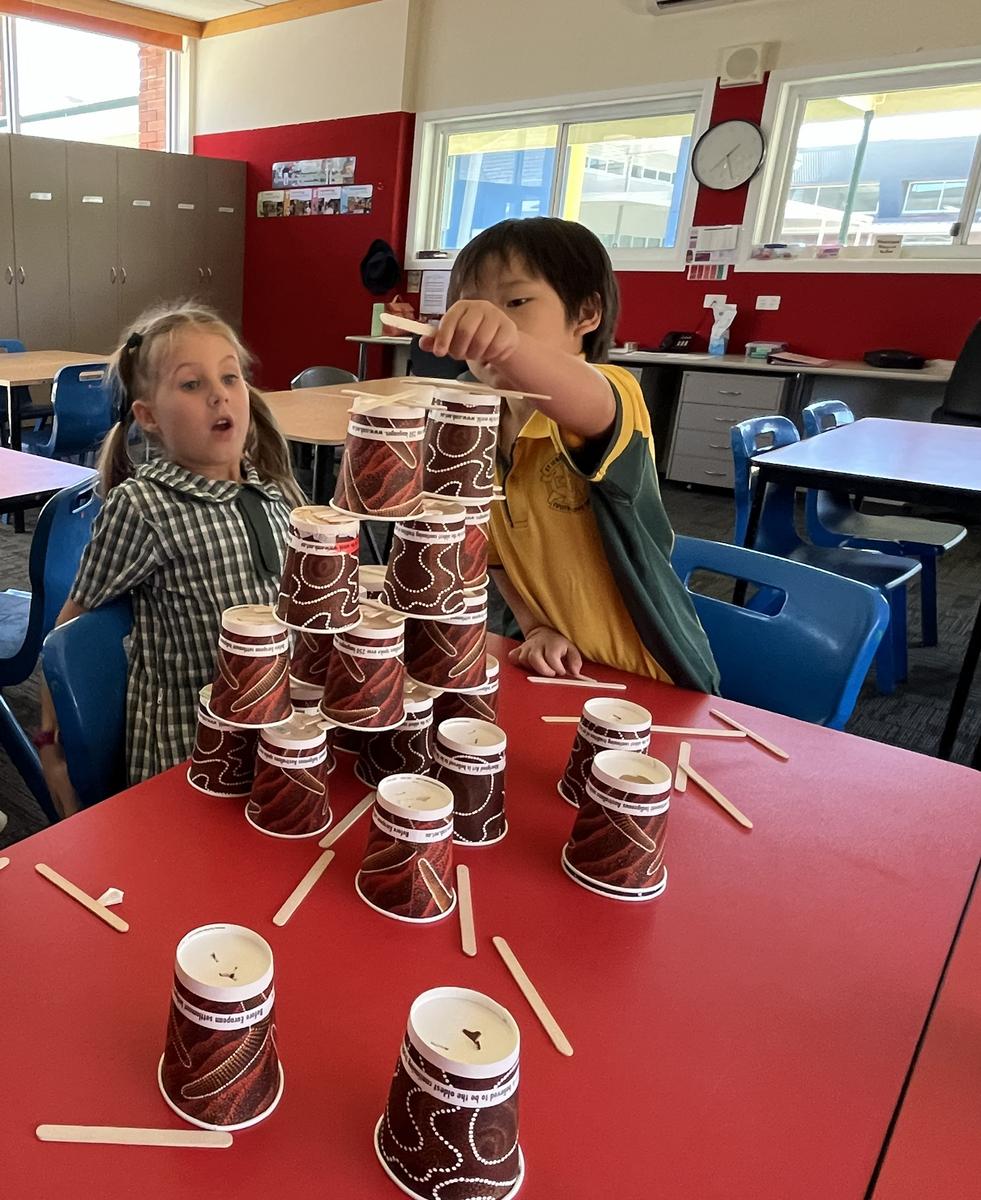
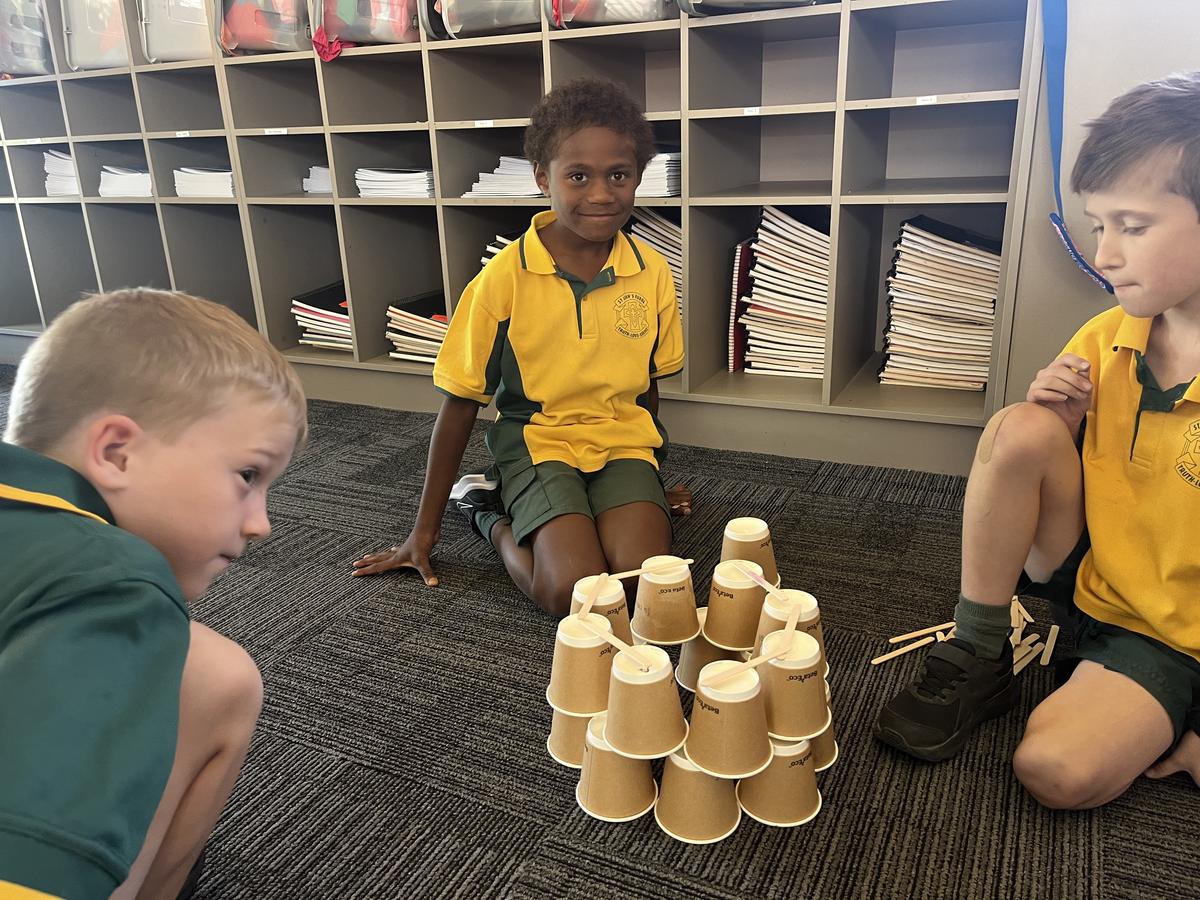
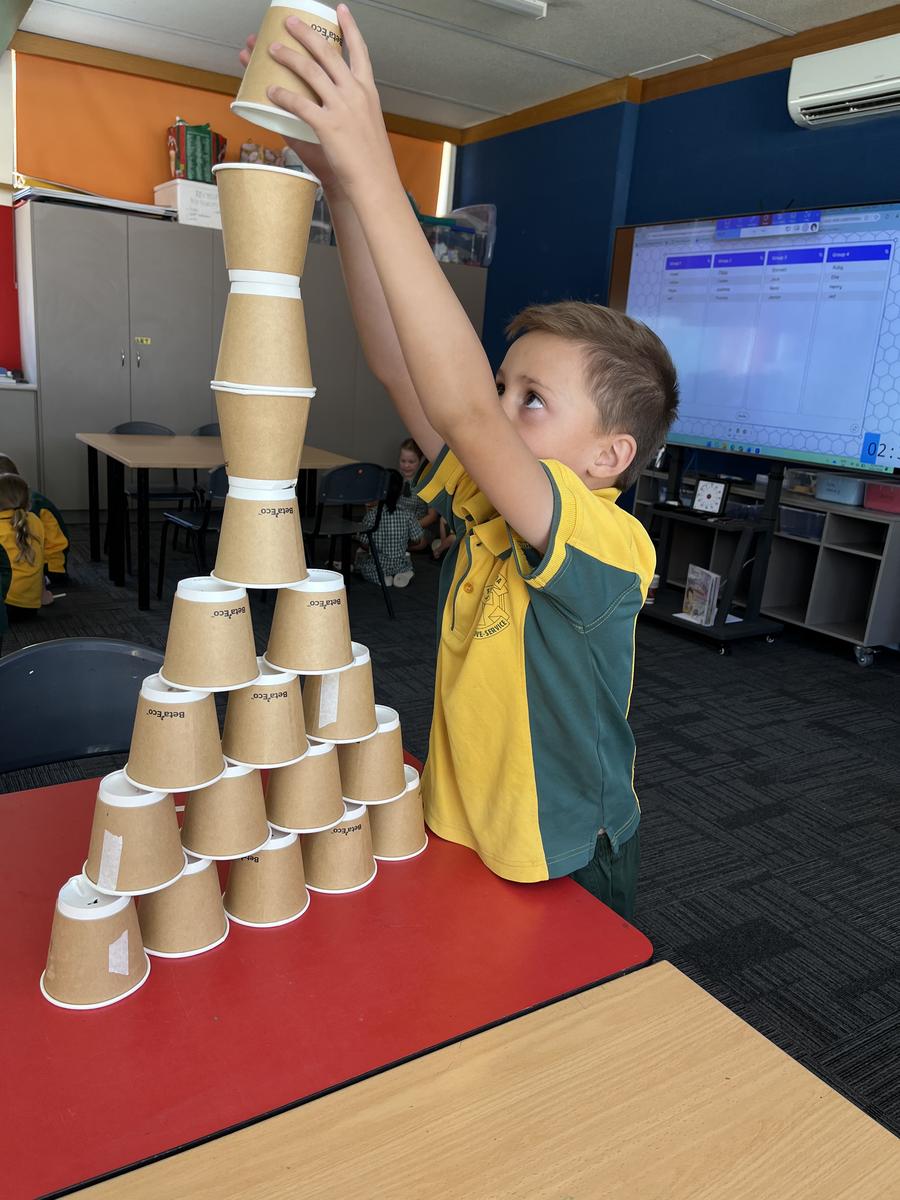
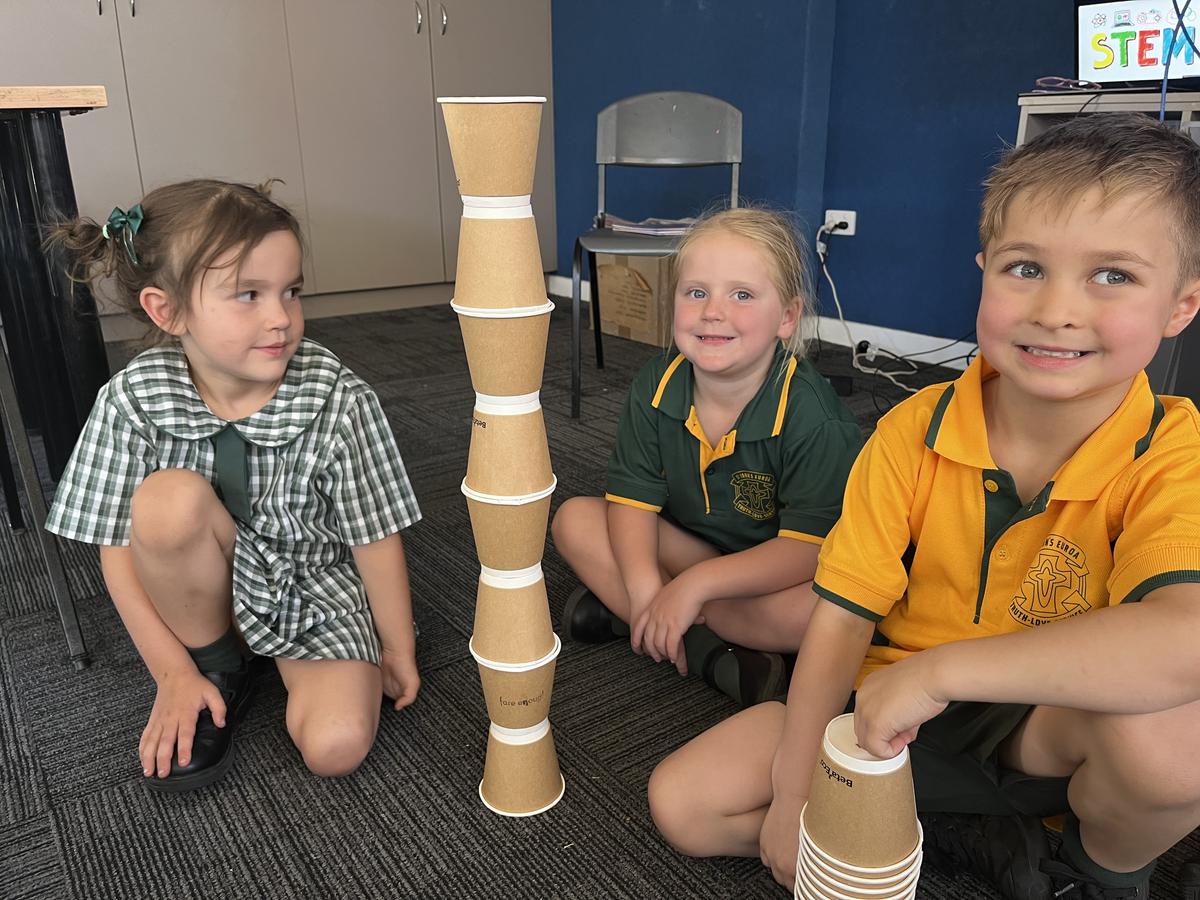
Year 3-6 students used index cards to build the tallest structure.
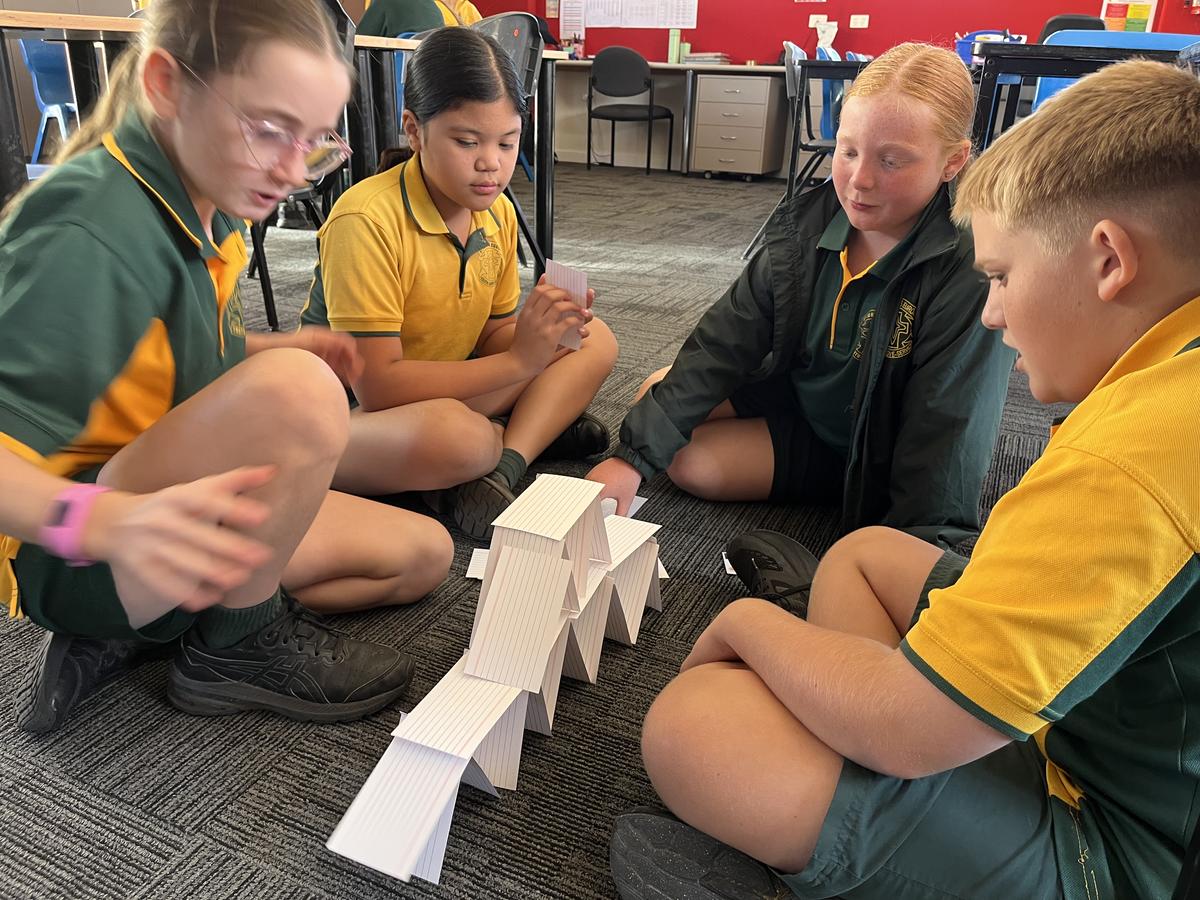
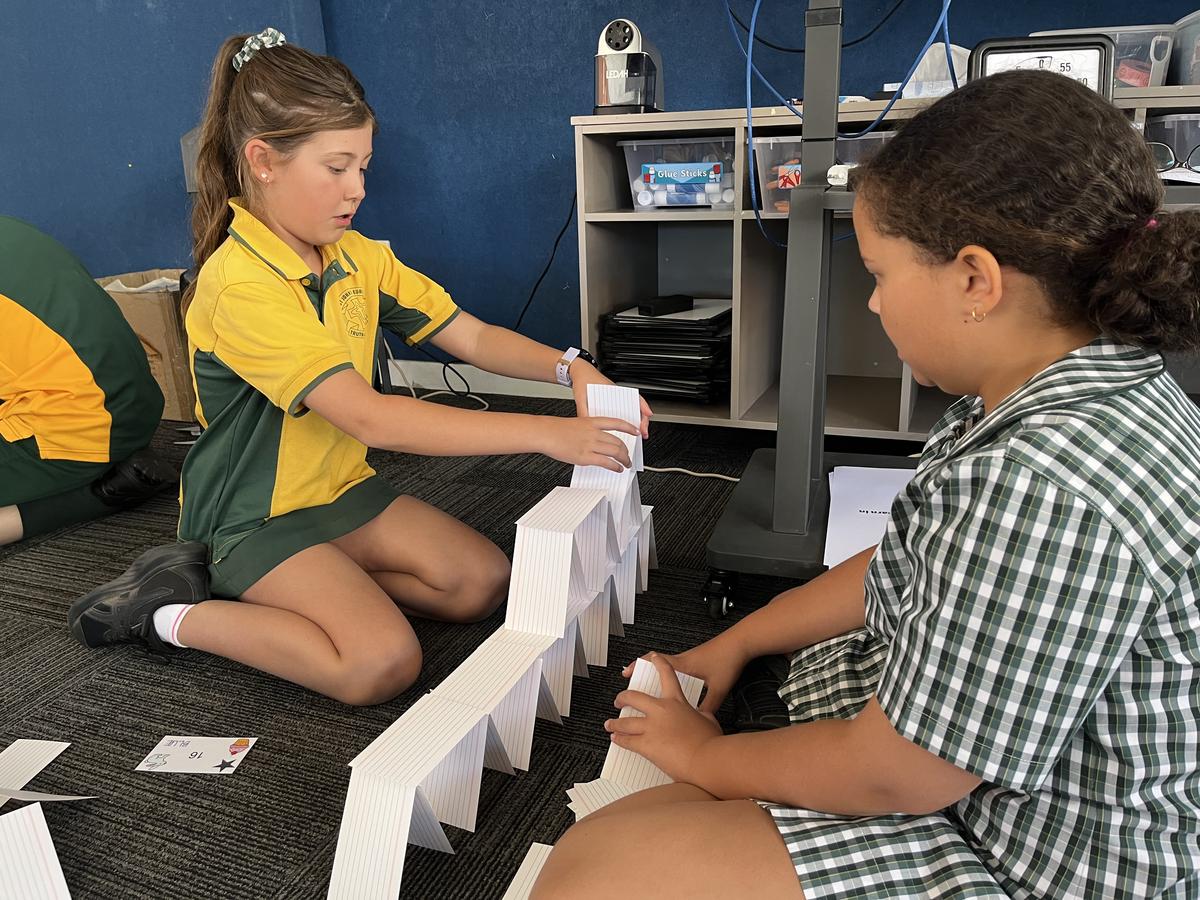
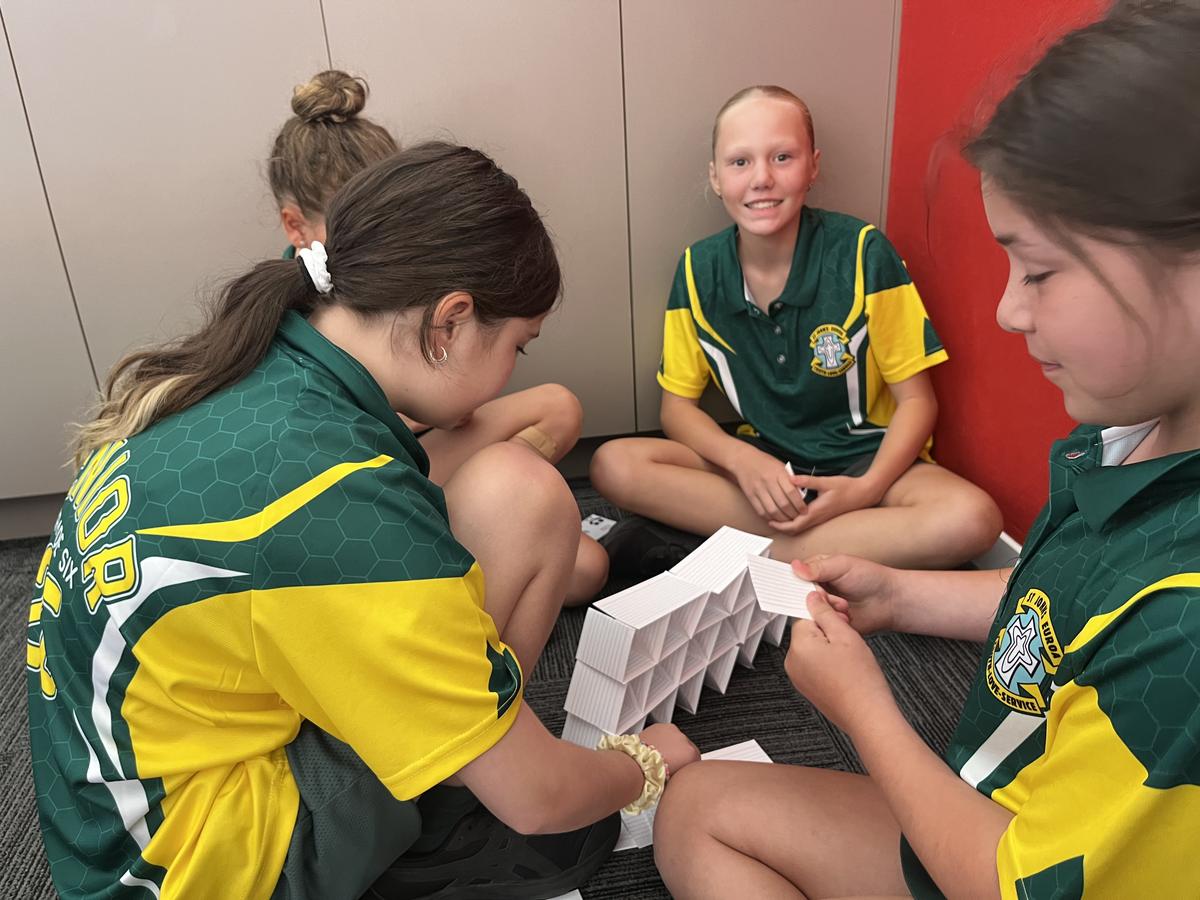
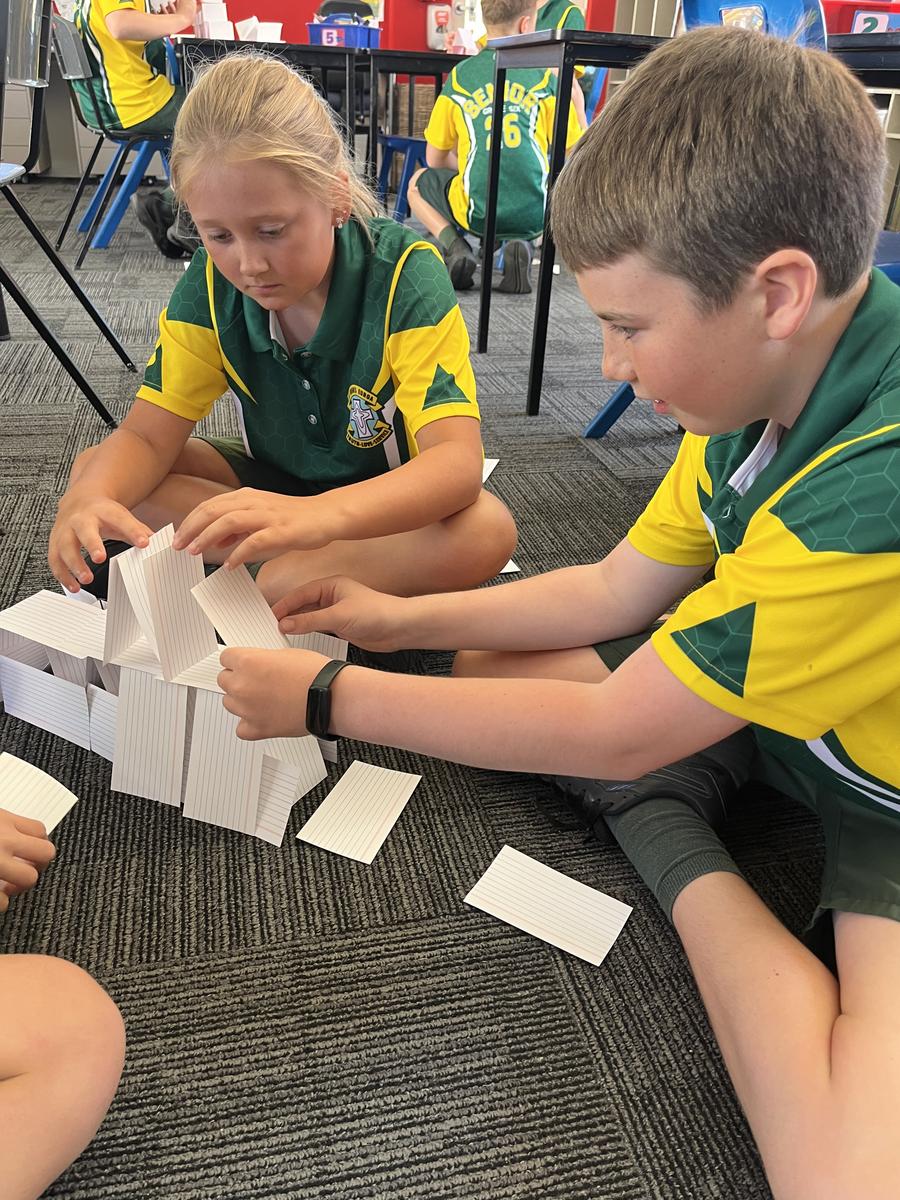
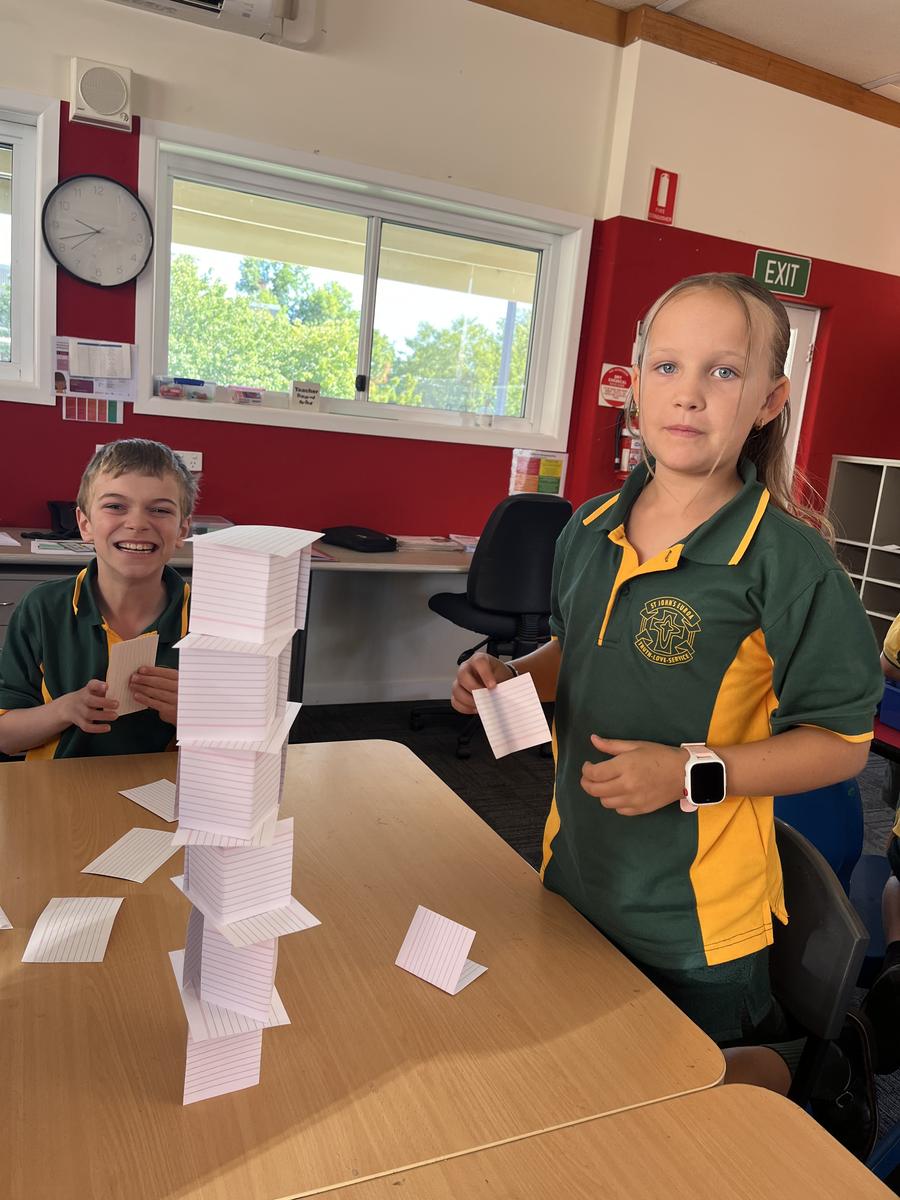
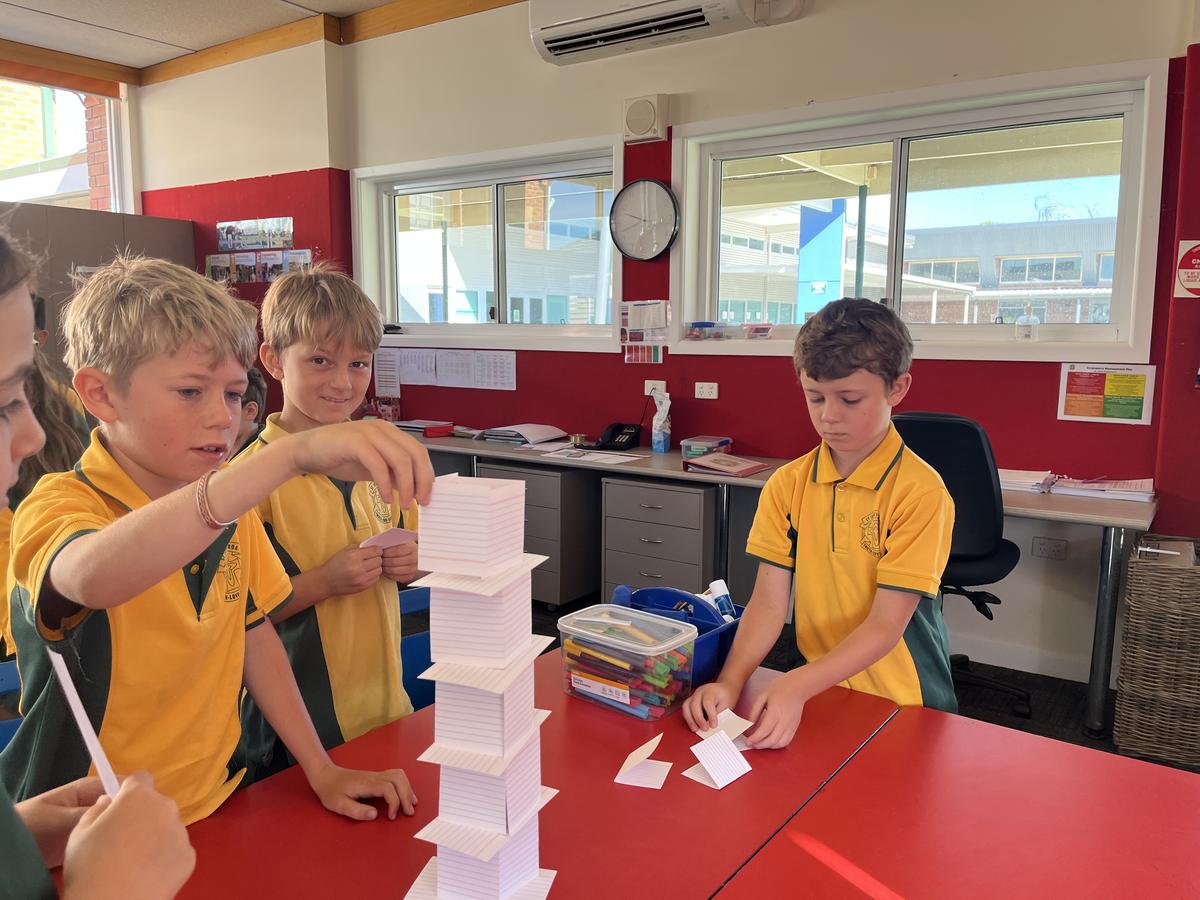
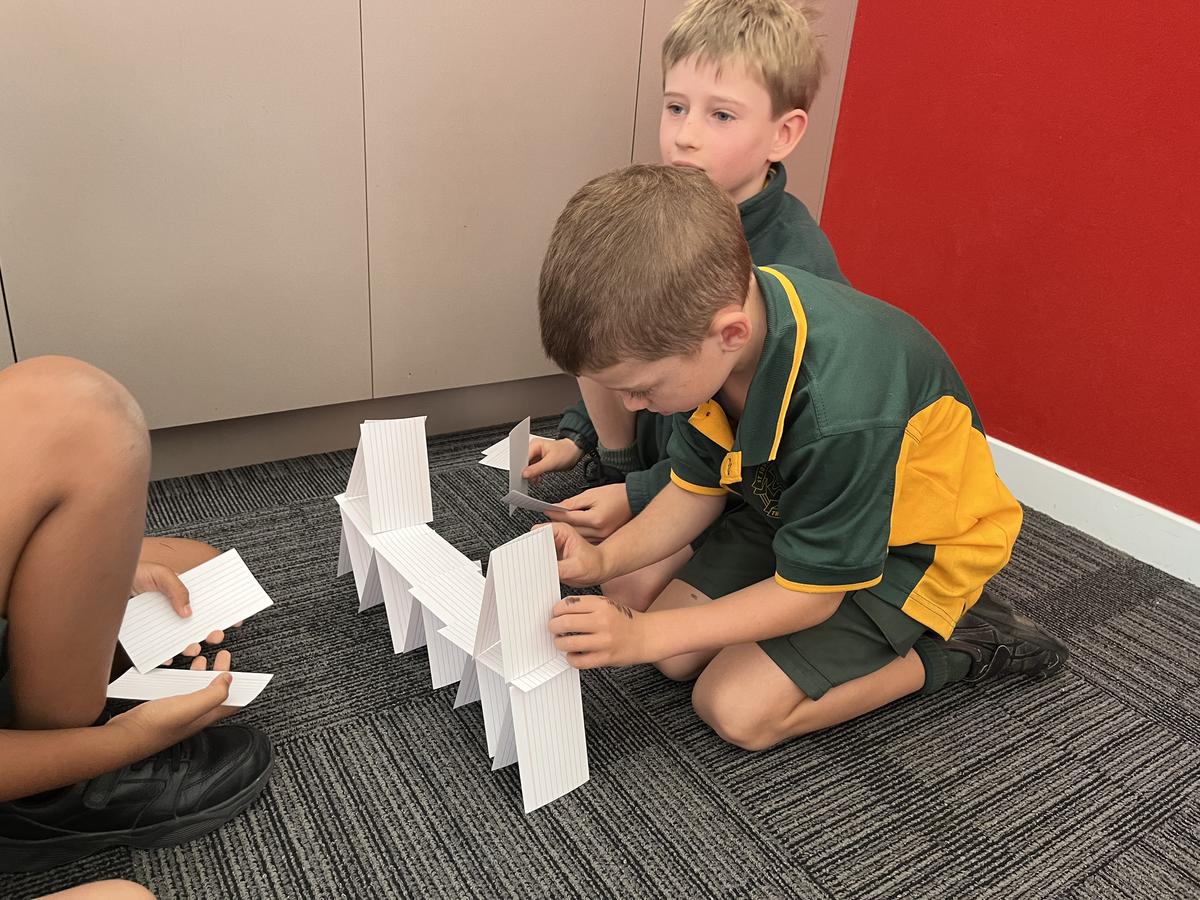
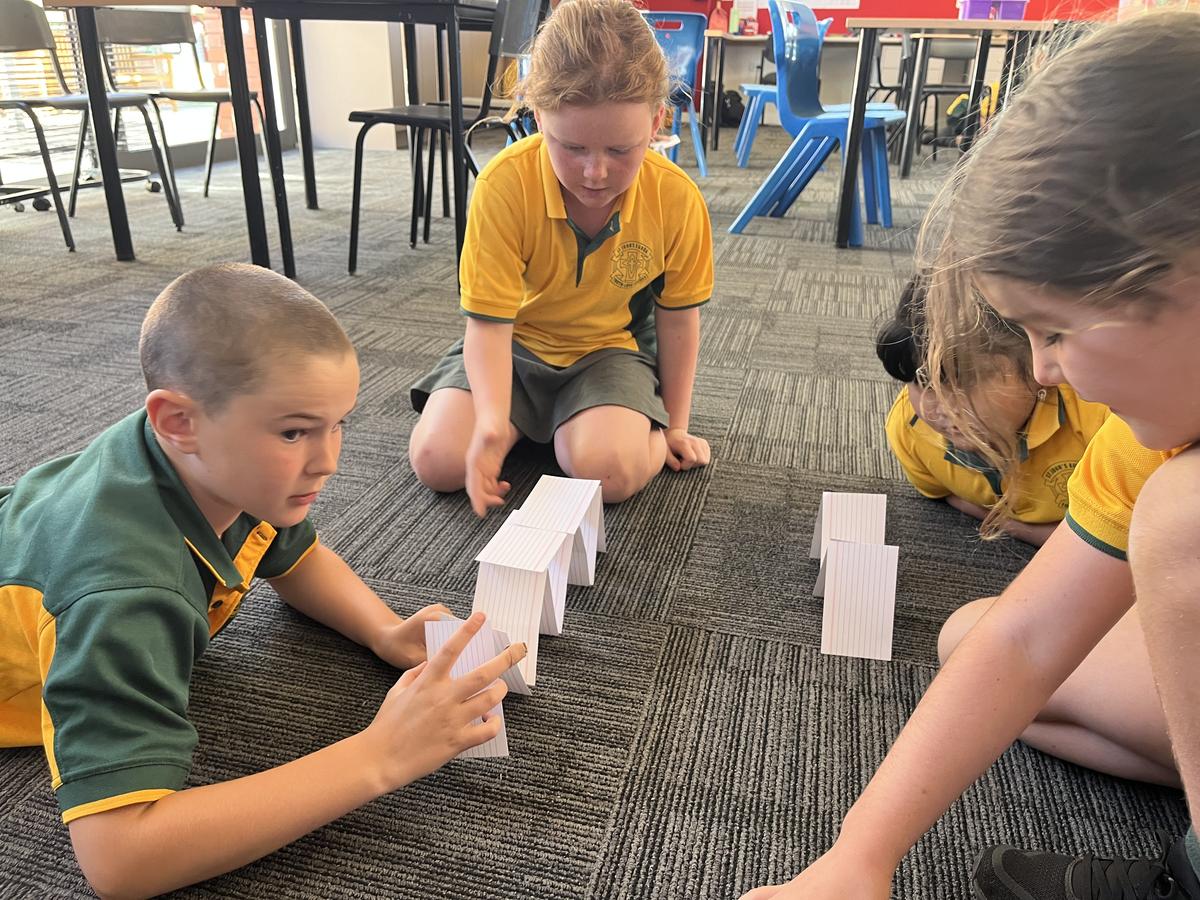
We saw a range of strategies and ideas being tested, with some strategies more successful than others.
In Week 3 we began units of work that will be the focus of the remainder of term 1.
Foundation: The Five Senses
Each week, students will be exploring and investigating each of the 5 senses, considering how we can use our senses to observe and learn about the world around us.
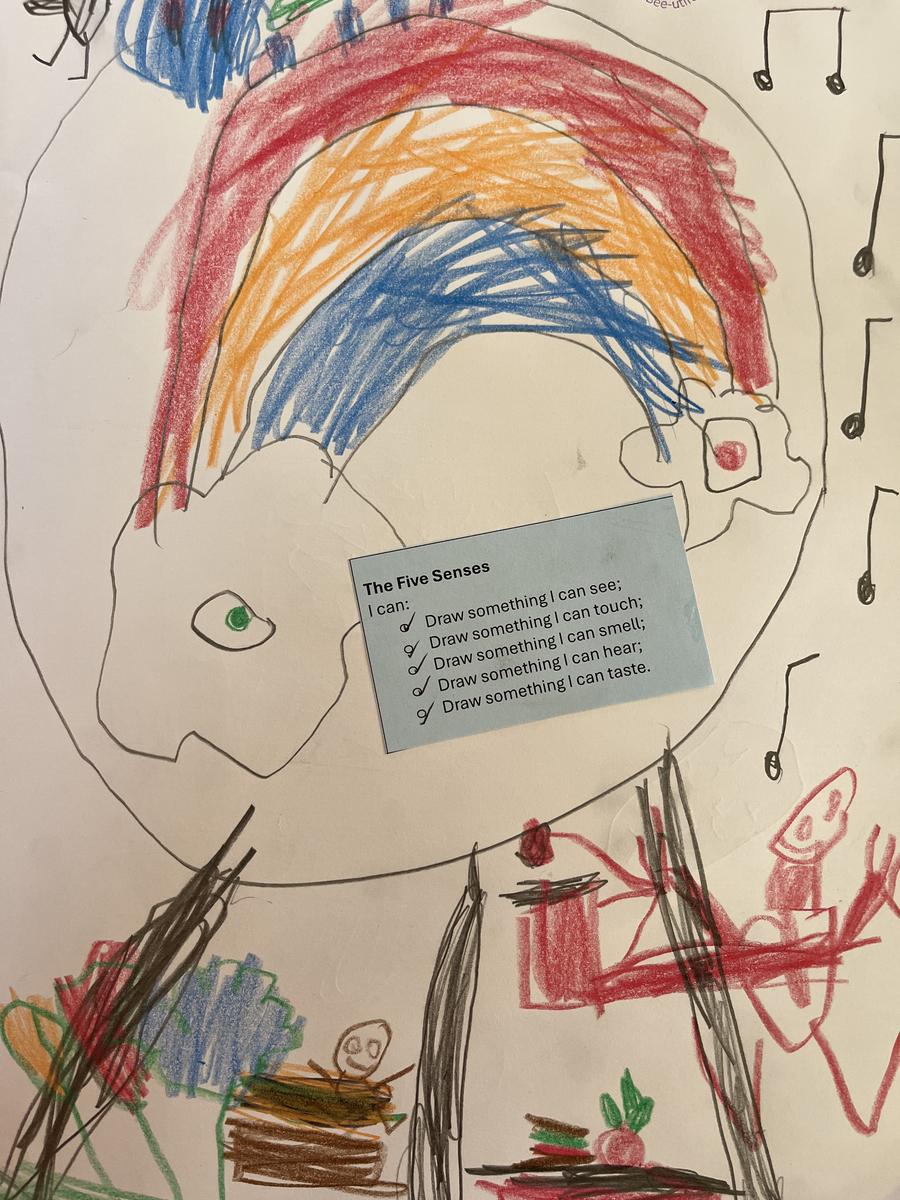
Things I can see, hear, touch, smell and taste
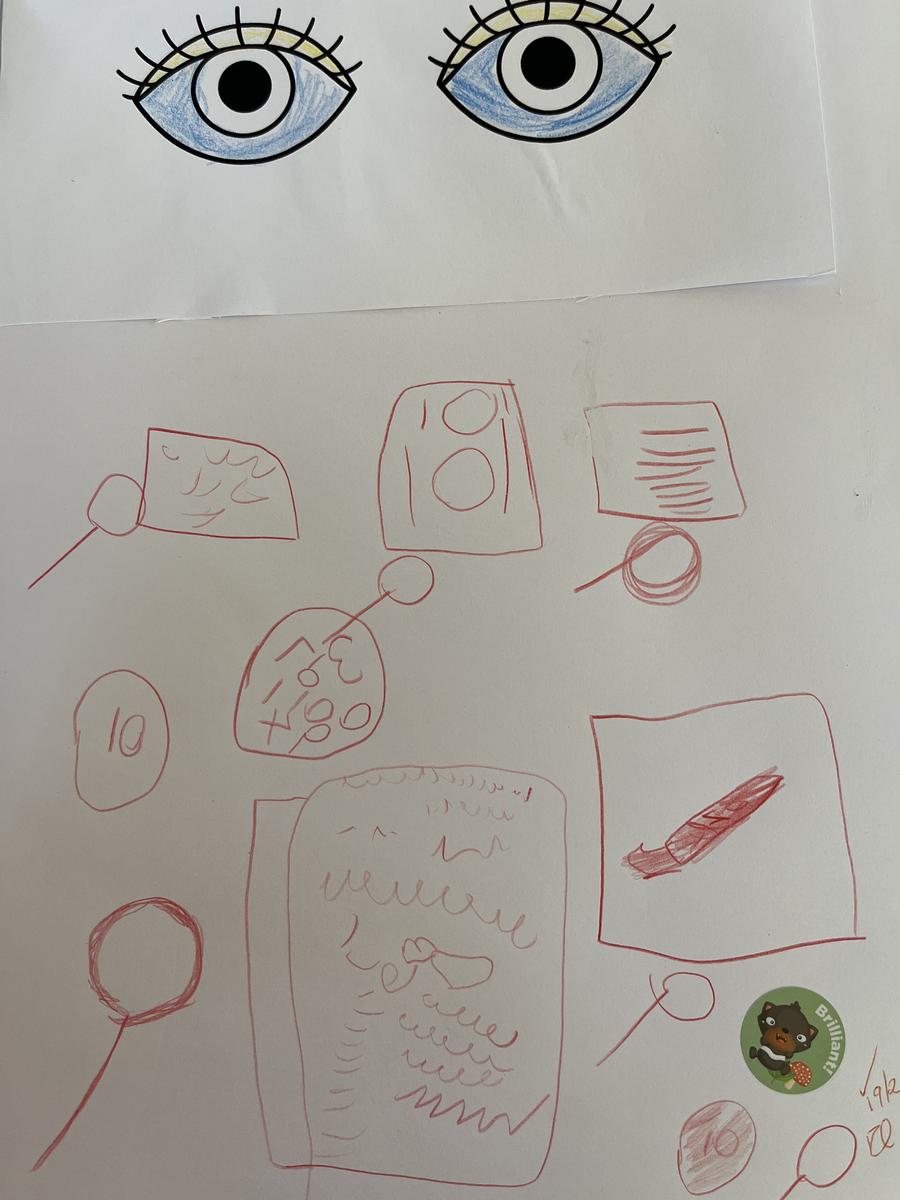
Things I can see
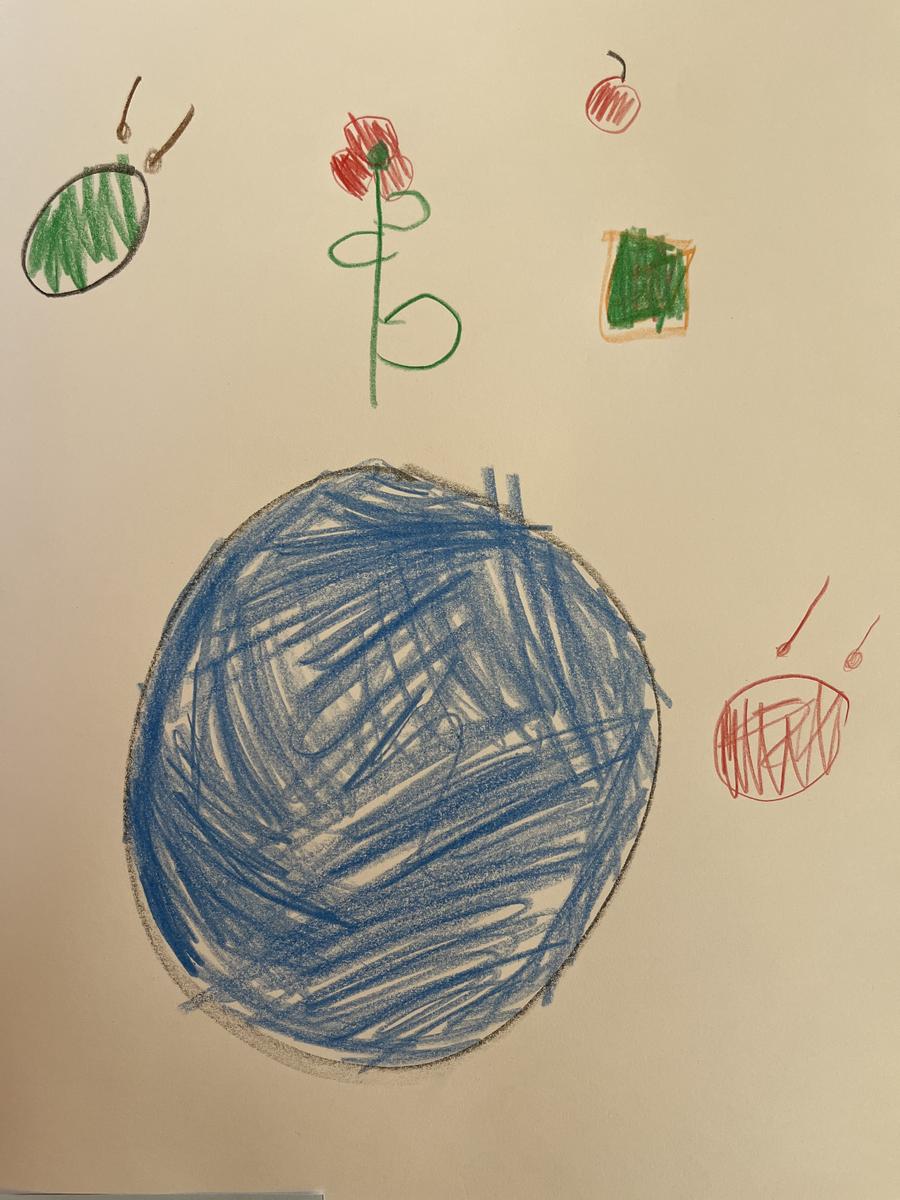
Things I can see, hear, touch, smell and taste
Things I can see, hear, touch, smell and taste
Things I can see
Things I can see, hear, touch, smell and taste
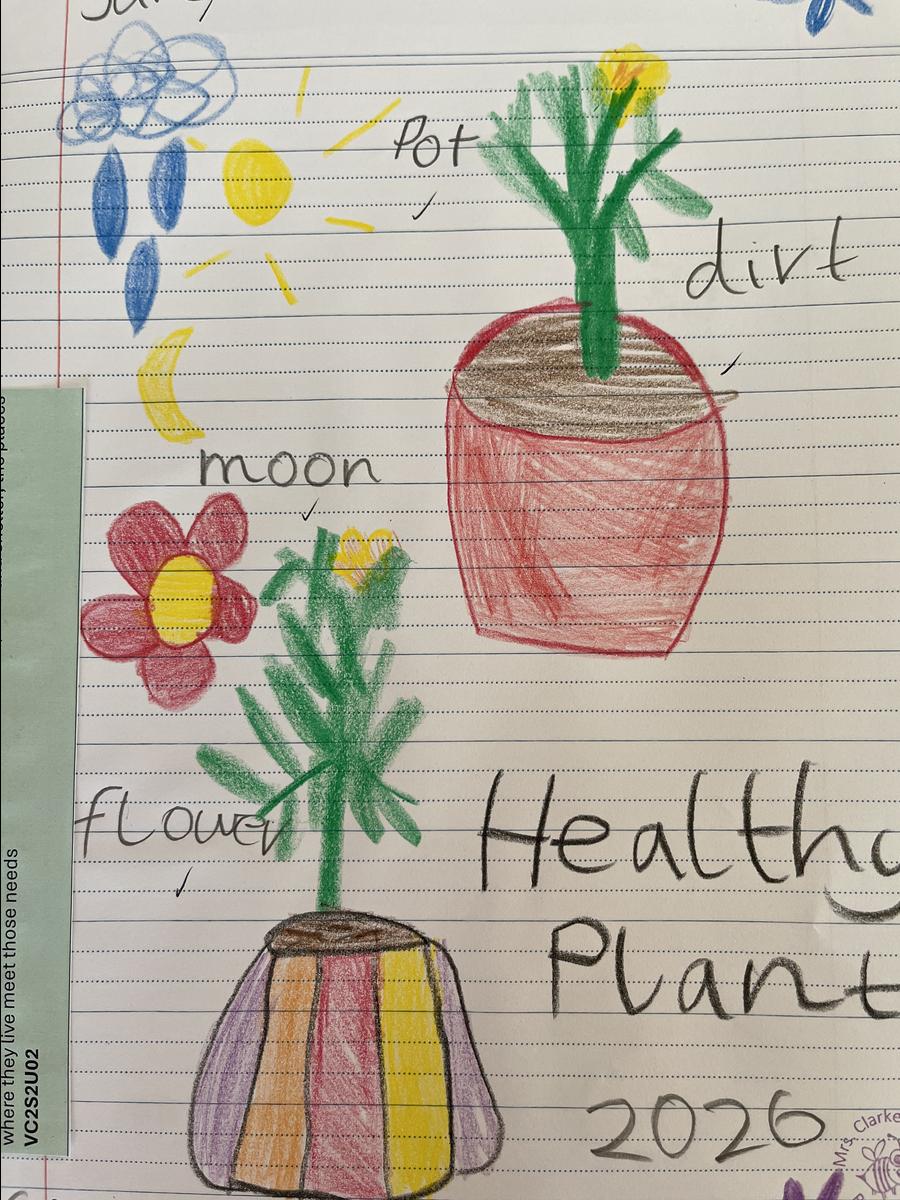
Year 1 and Year 2: Survive & Thrive (Needs of Living Things)
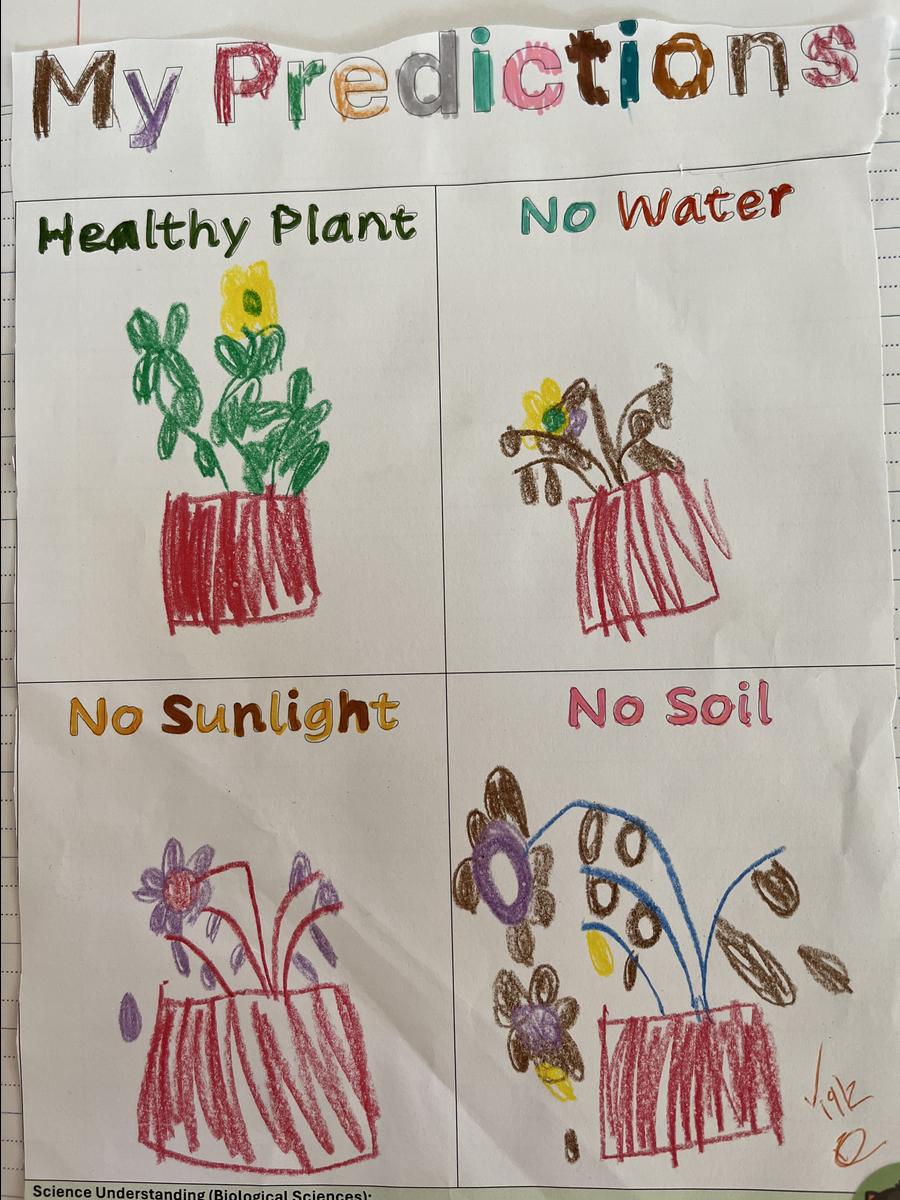
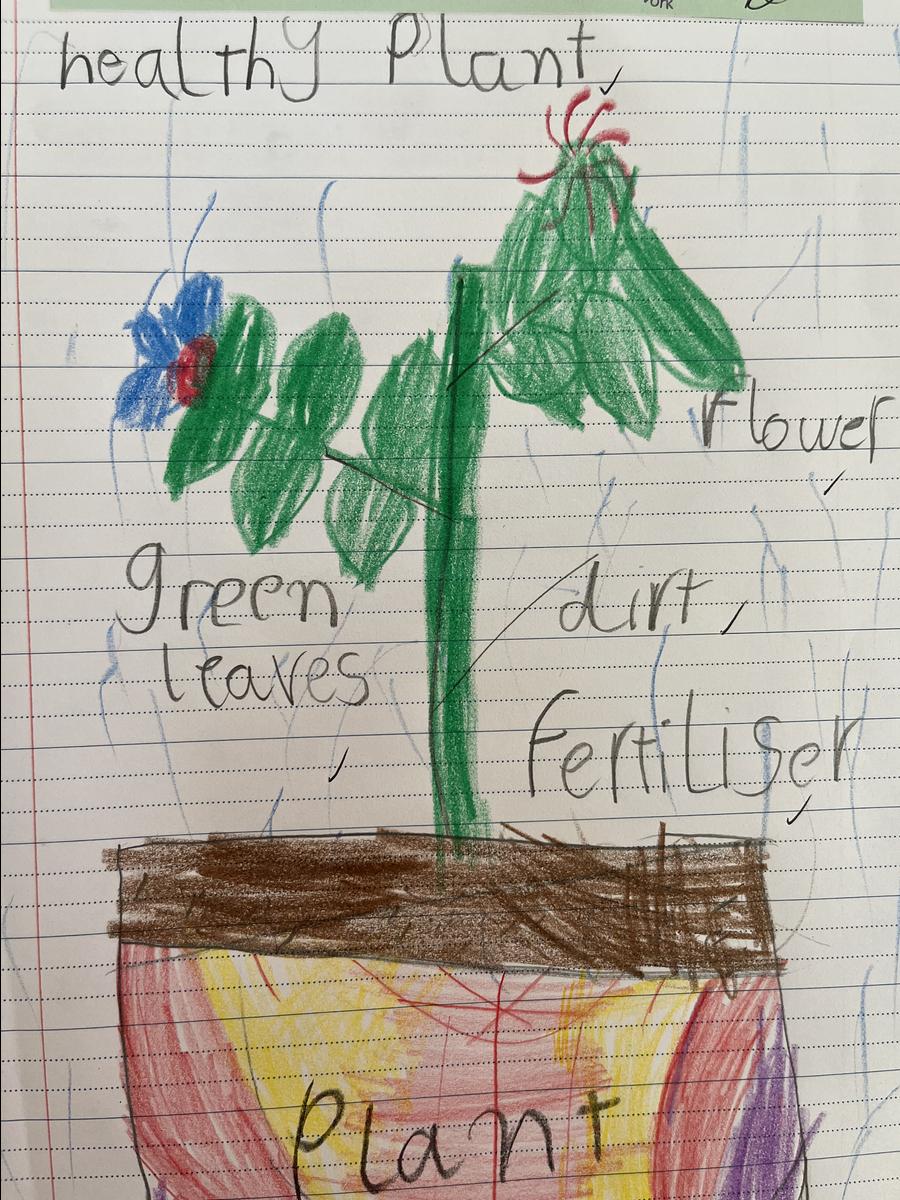
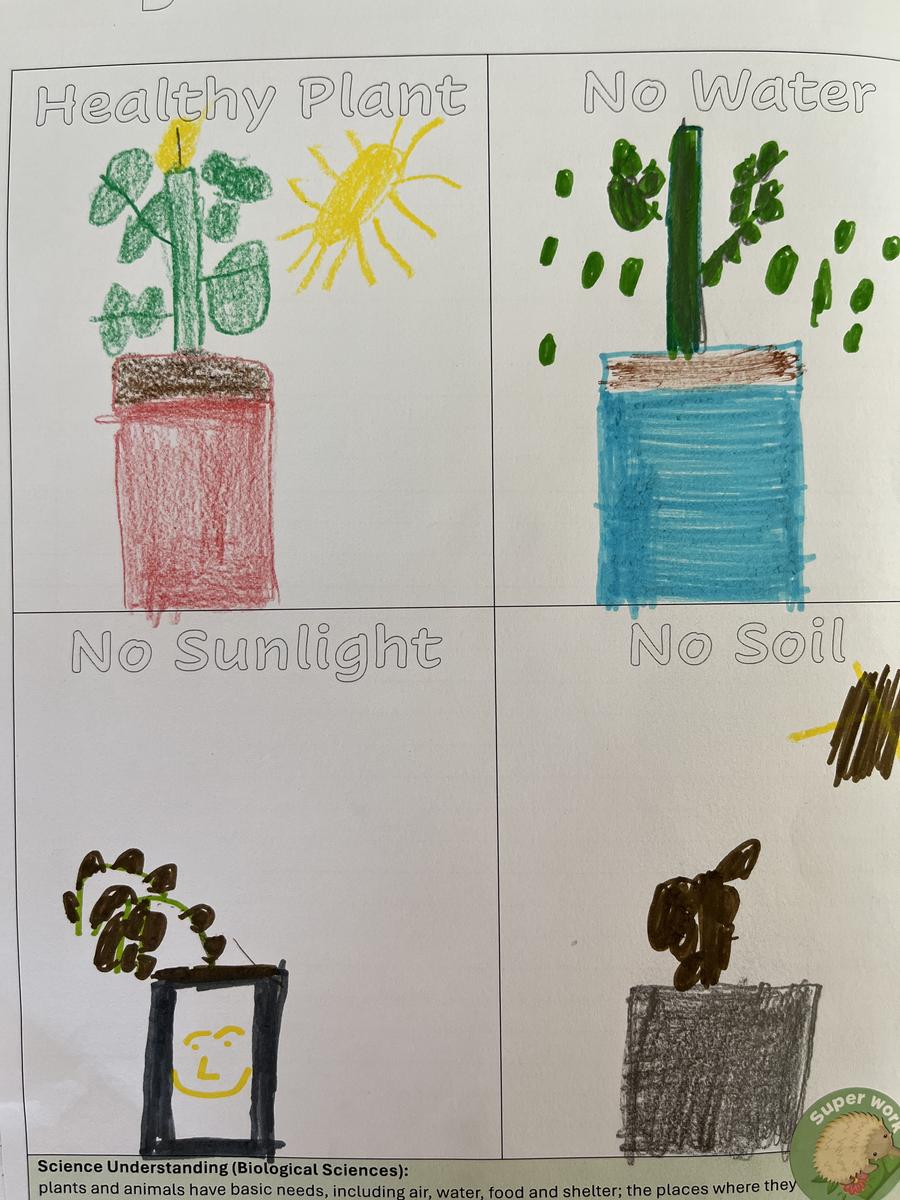
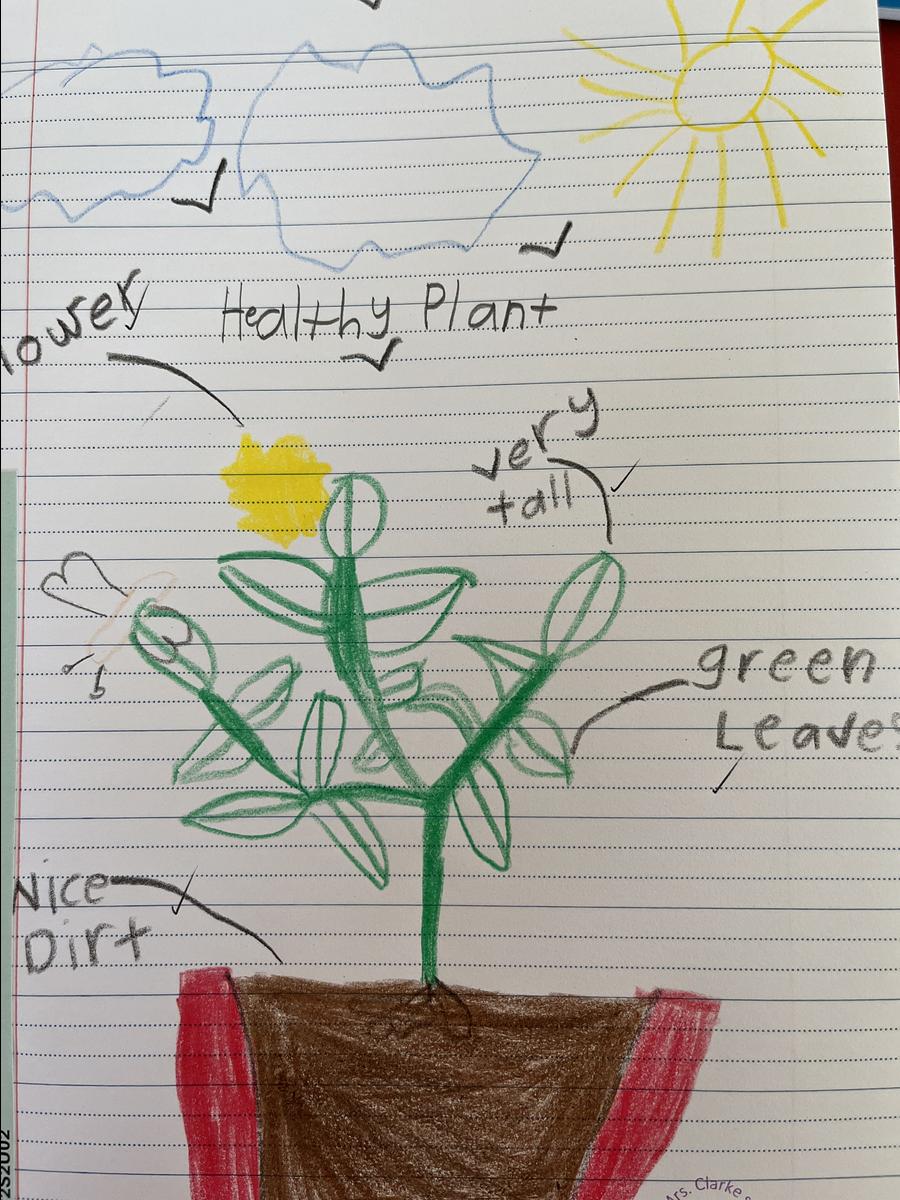
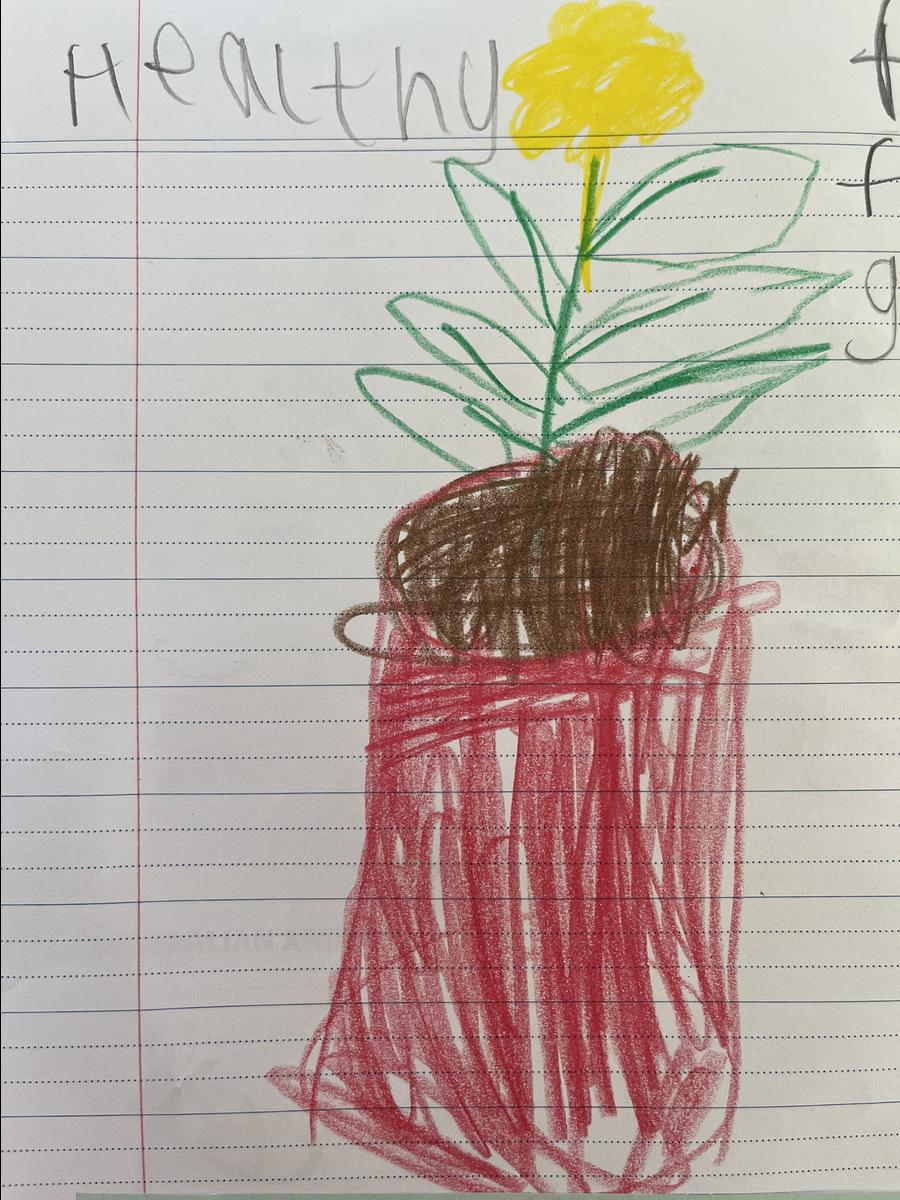
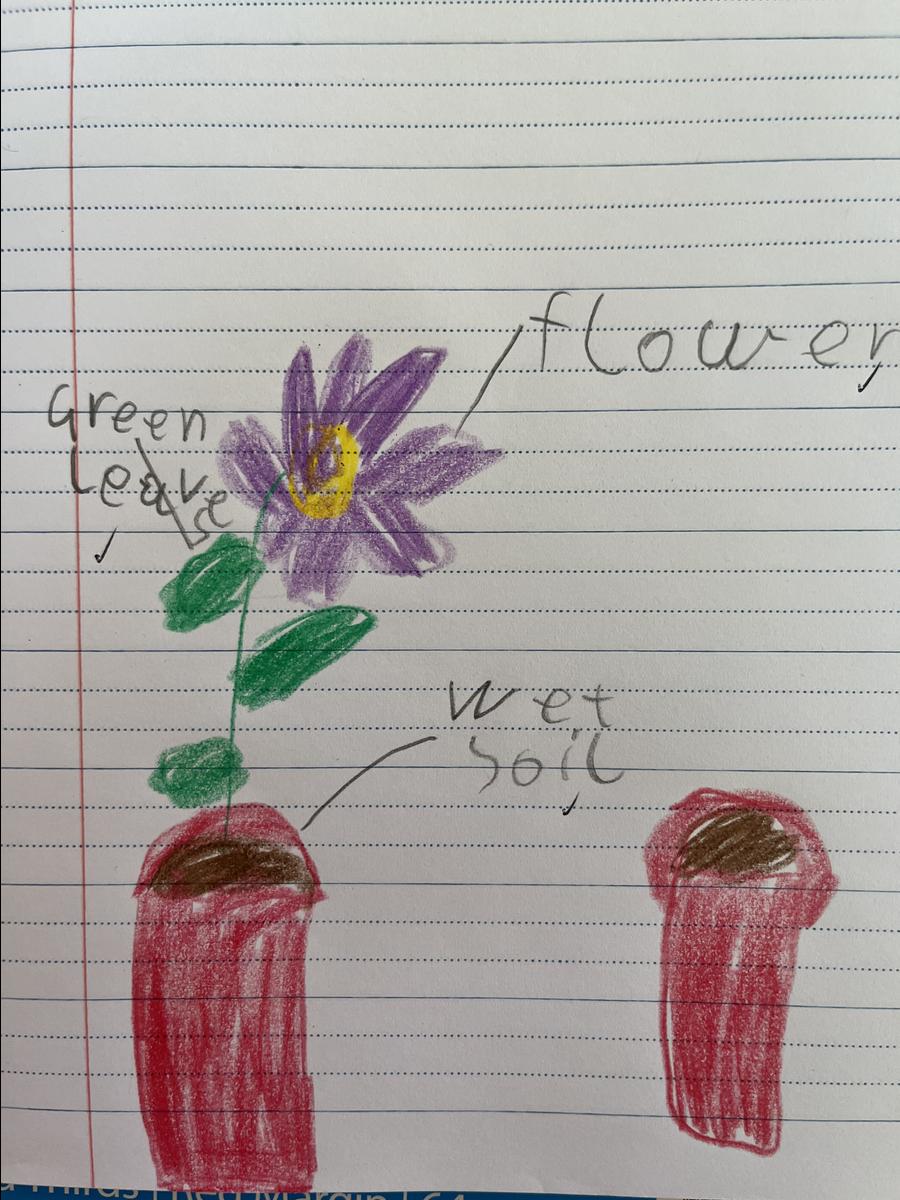
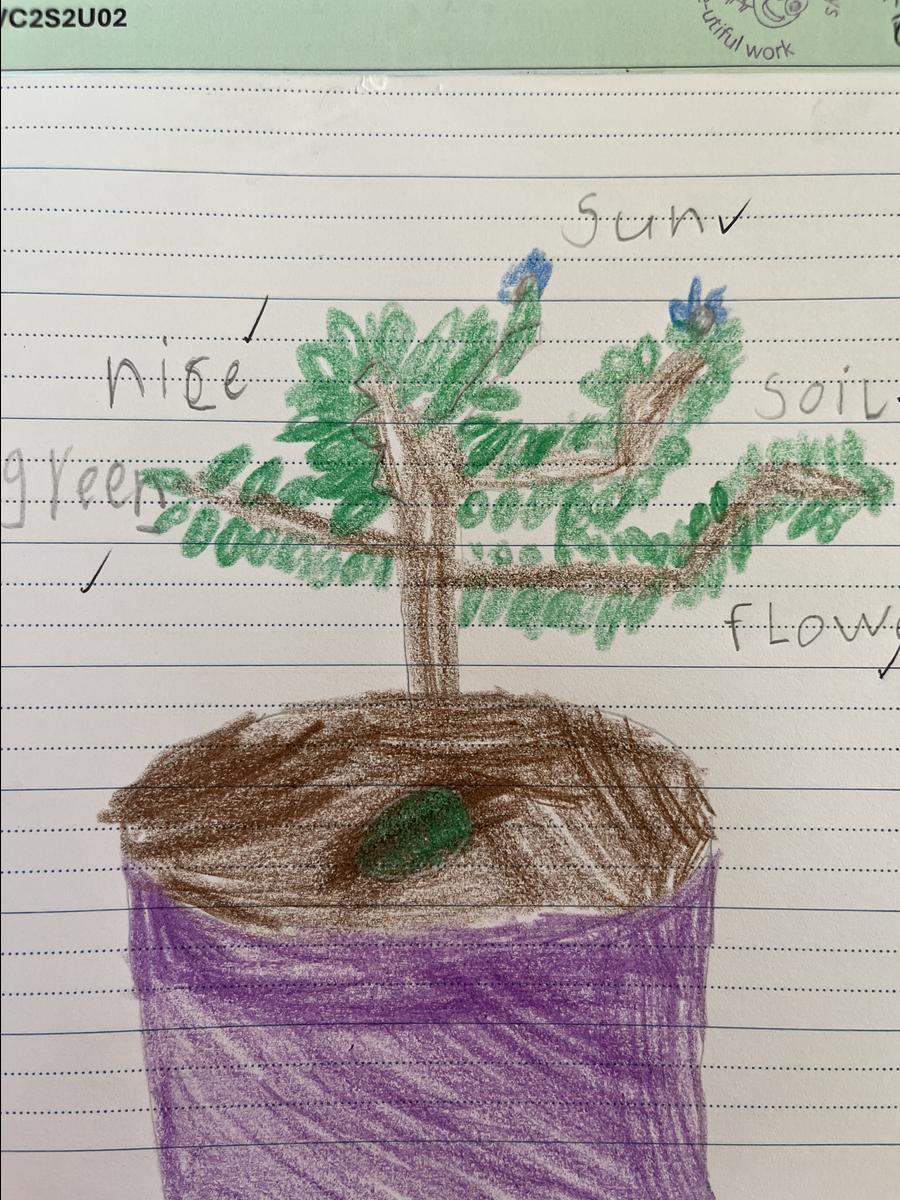
In this unit, students will learn about the needs of plants and animals, including humans. We are currently investigating what a plant needs to survive. Together we designed a 'fair test' to determine if a plant needs water, sunlight and soil to survive, and what happens if plants don't have those things.
Year 3 and Year 4: Living or Not Living?
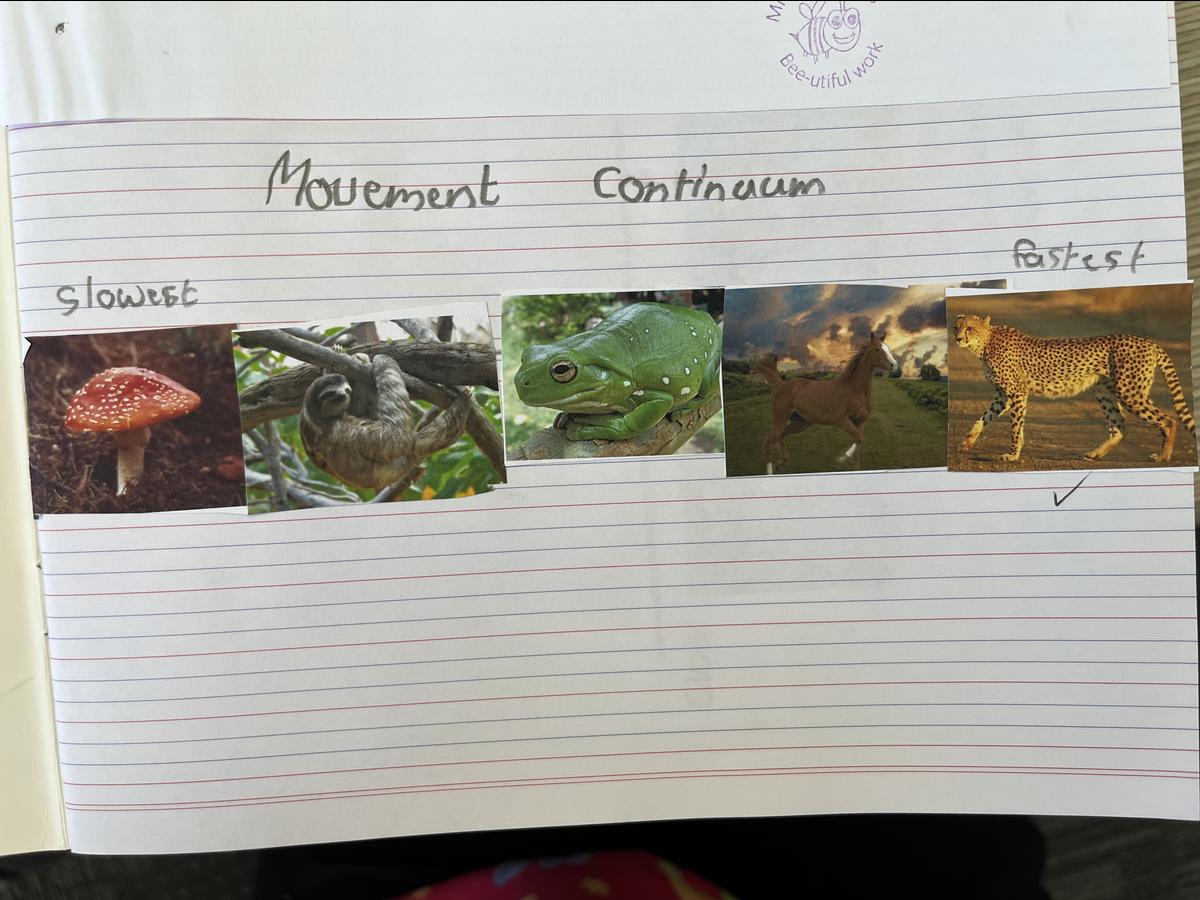
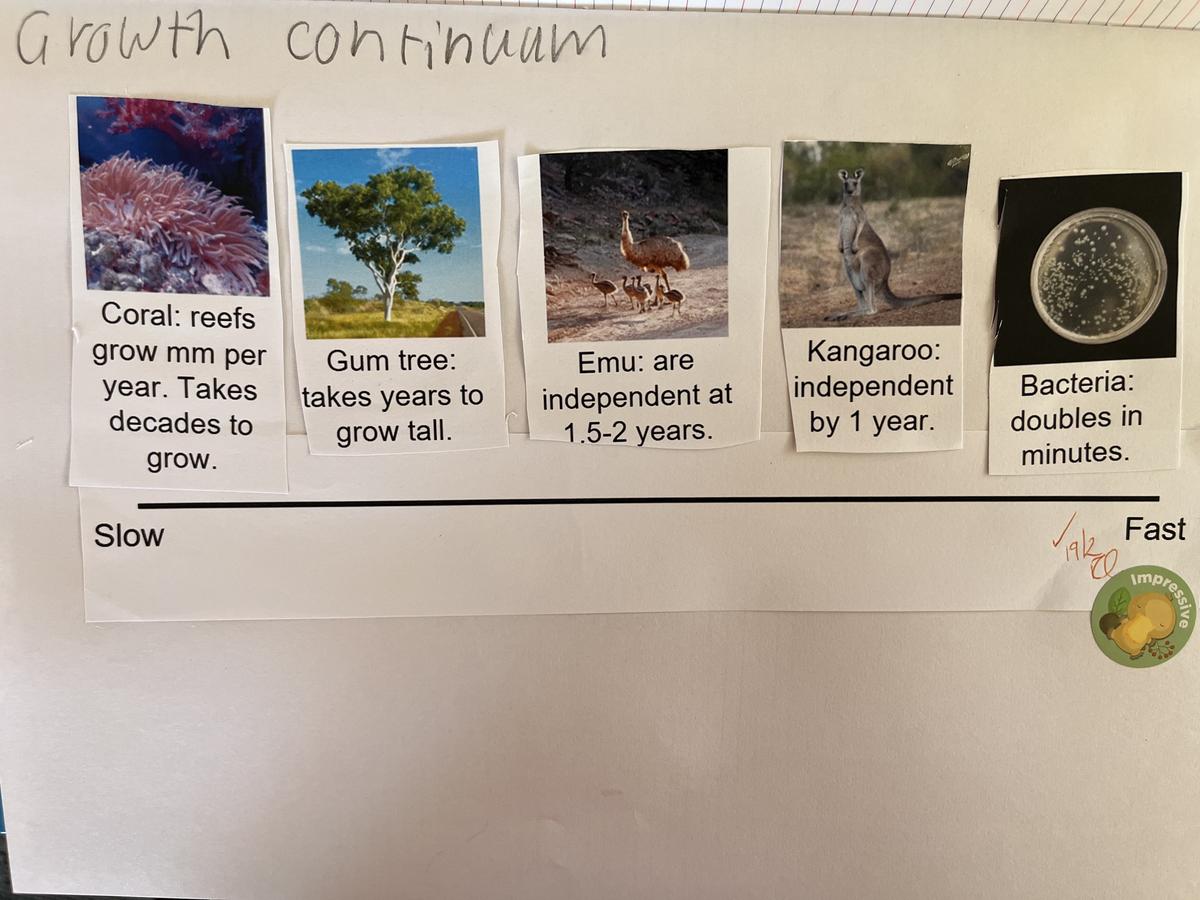
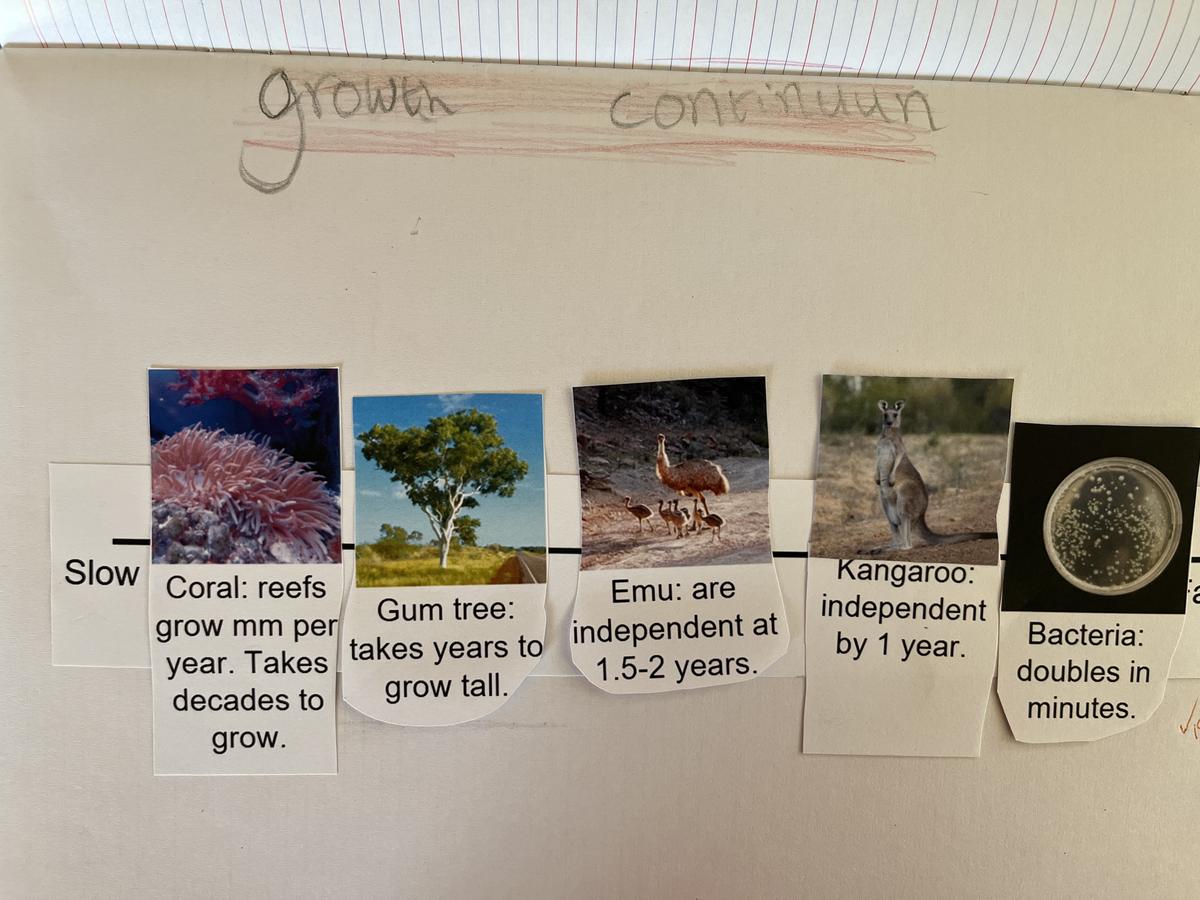
In this unit, students will be exploring features of living and non-living things, life cycles and the important work of biologists. We have learnt about the etymology of the word 'biology' and connected this to our learning. We have also learnt that there are some features that all living things (organisms) share and that these can be placed on continuums. For example:
Movement Continuum: very little movement - lots of movement
Growth Continuum: slow growing - fast growing
Year 5 and Year 6: Animal Survival
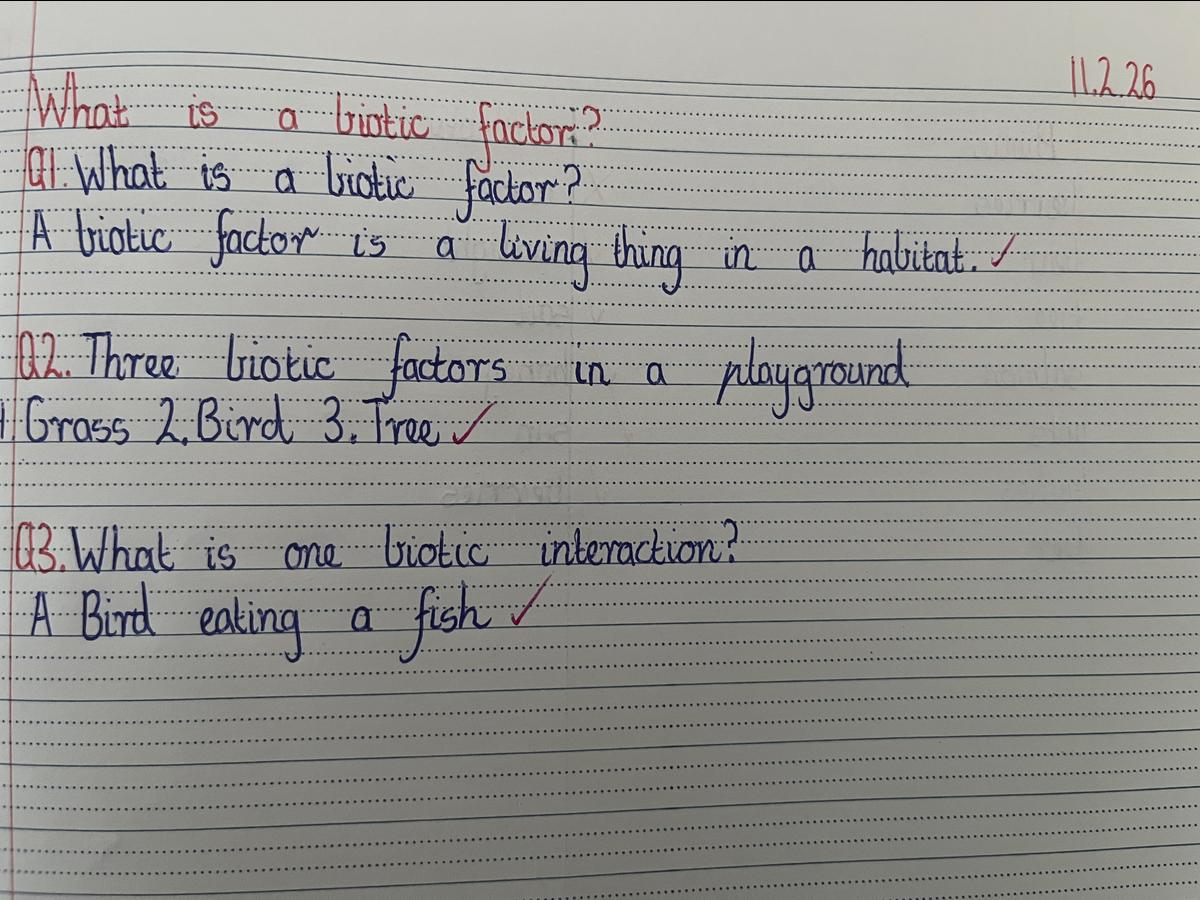
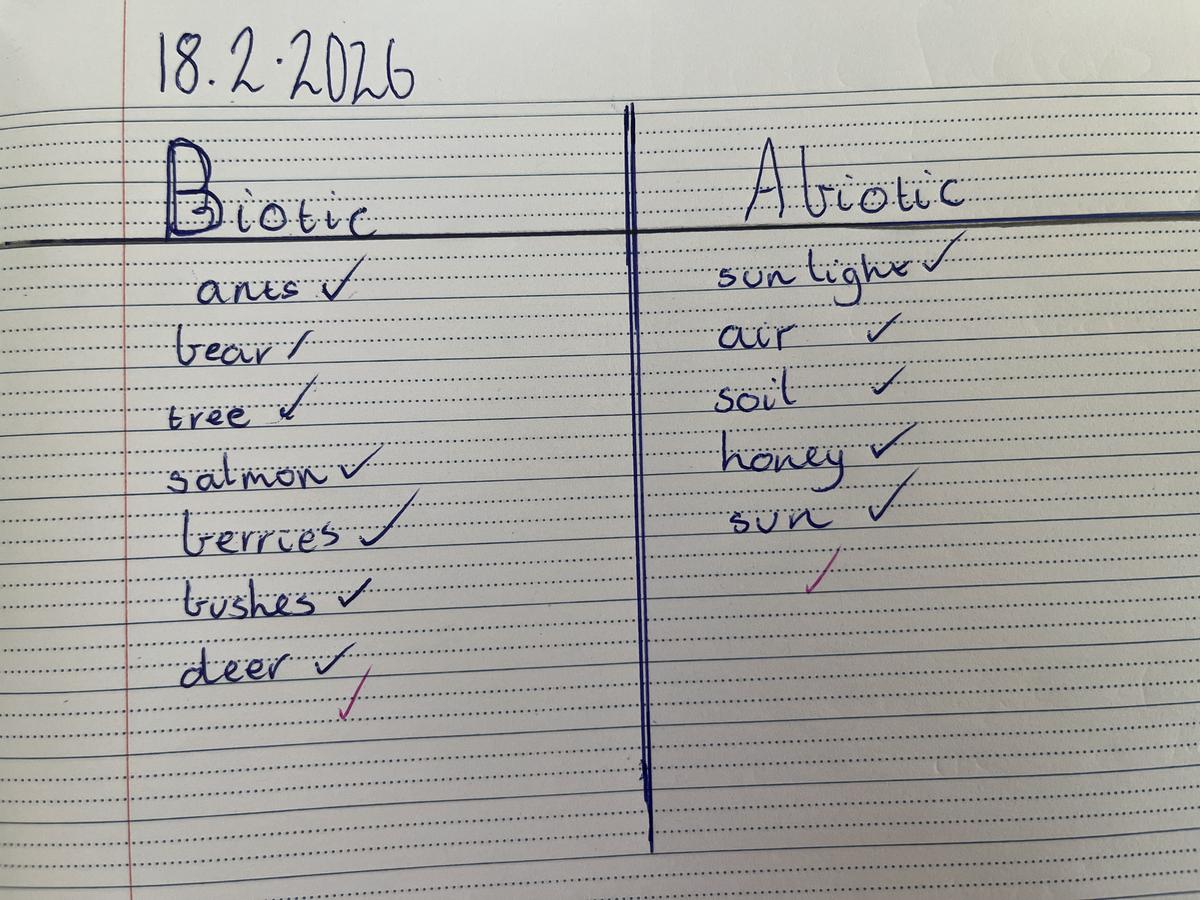
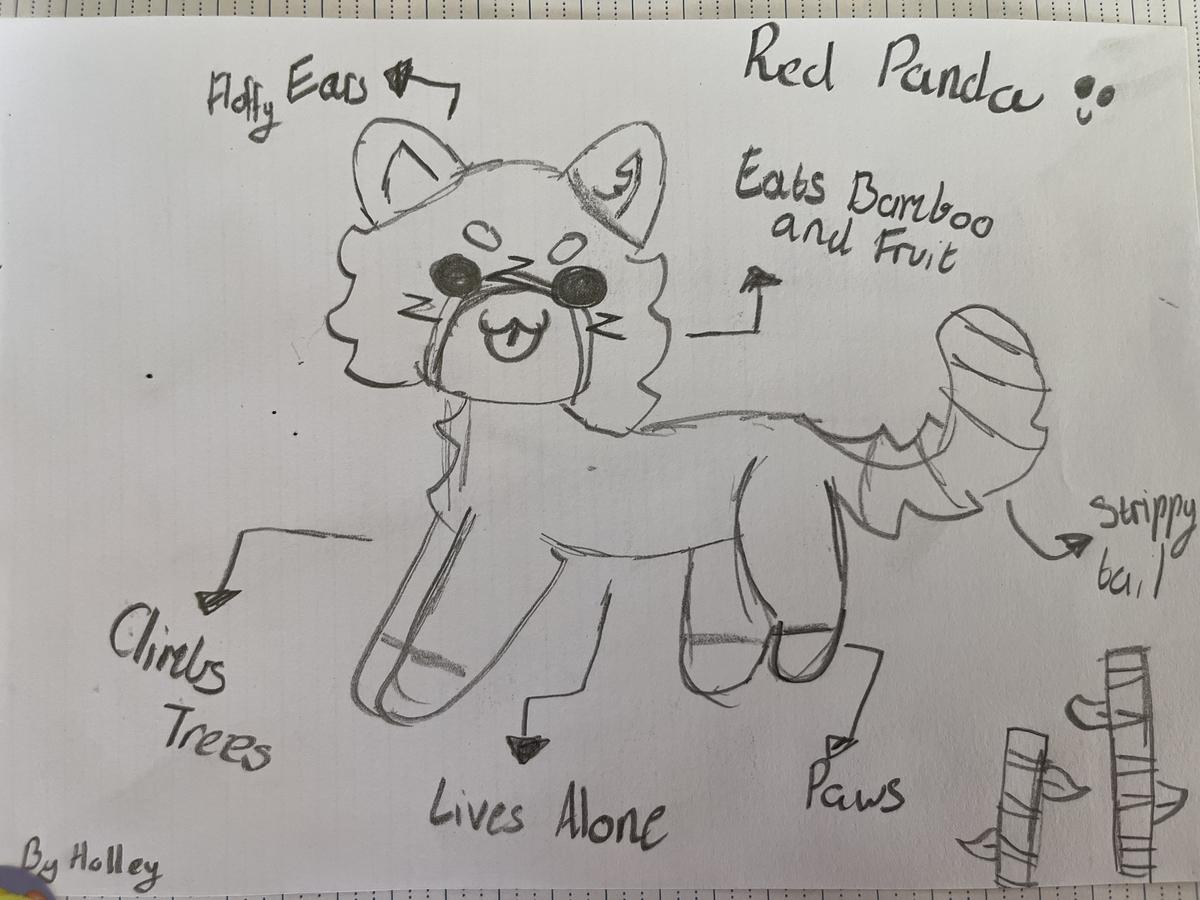
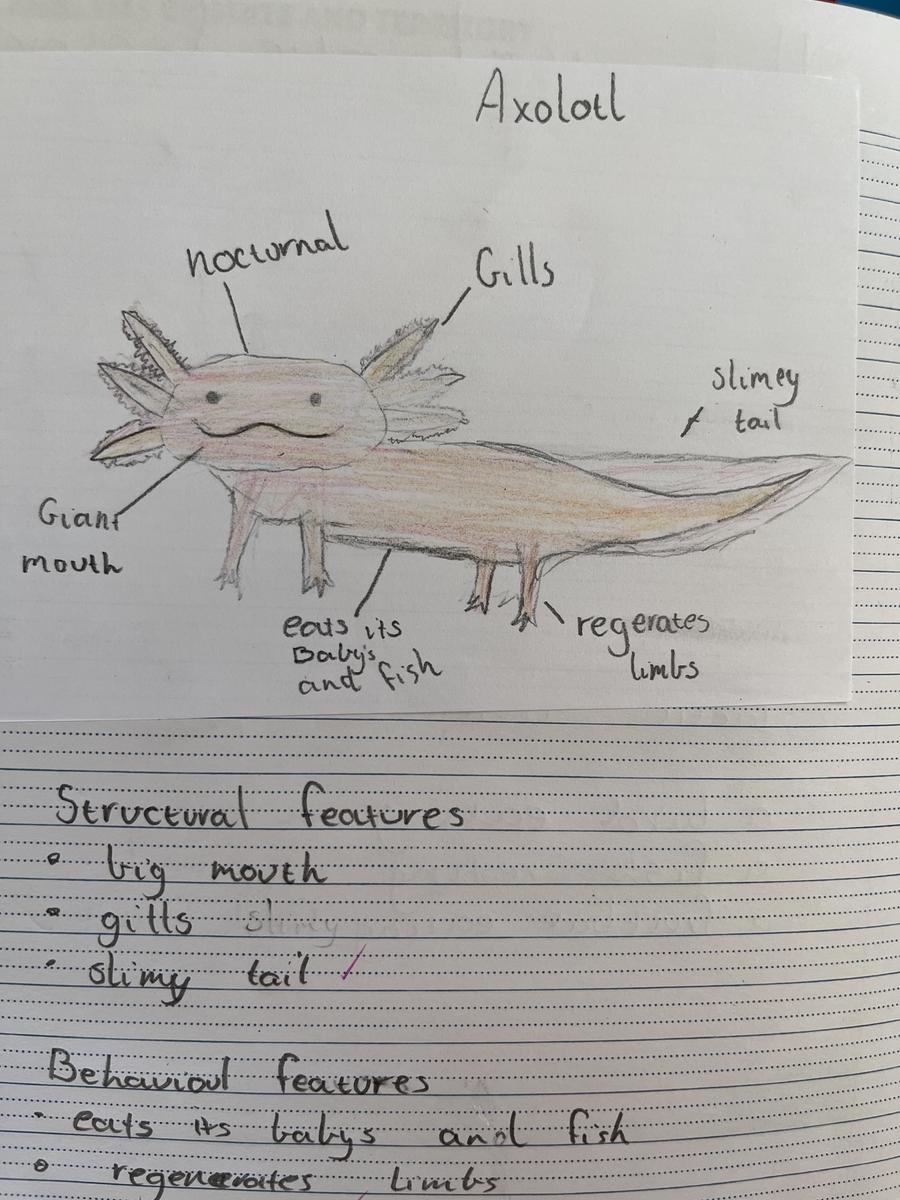
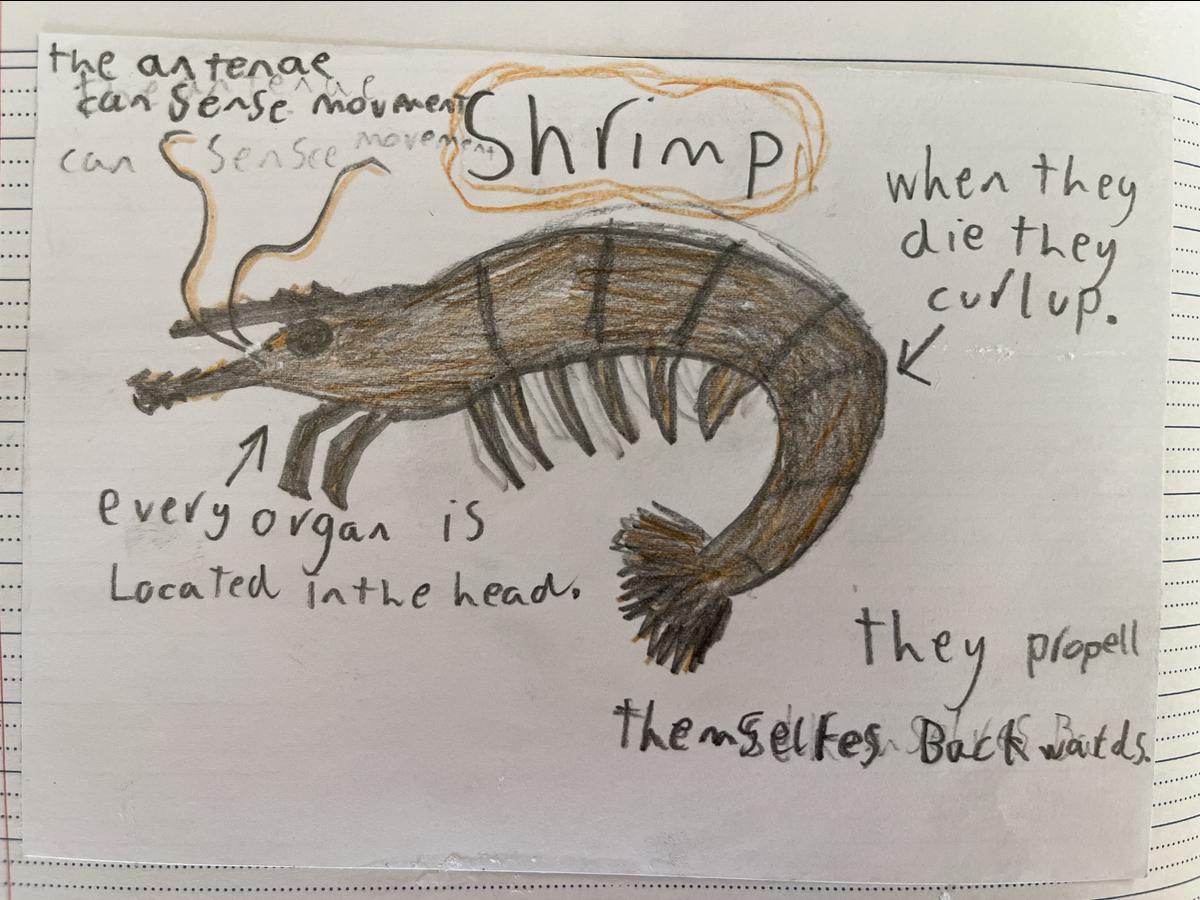
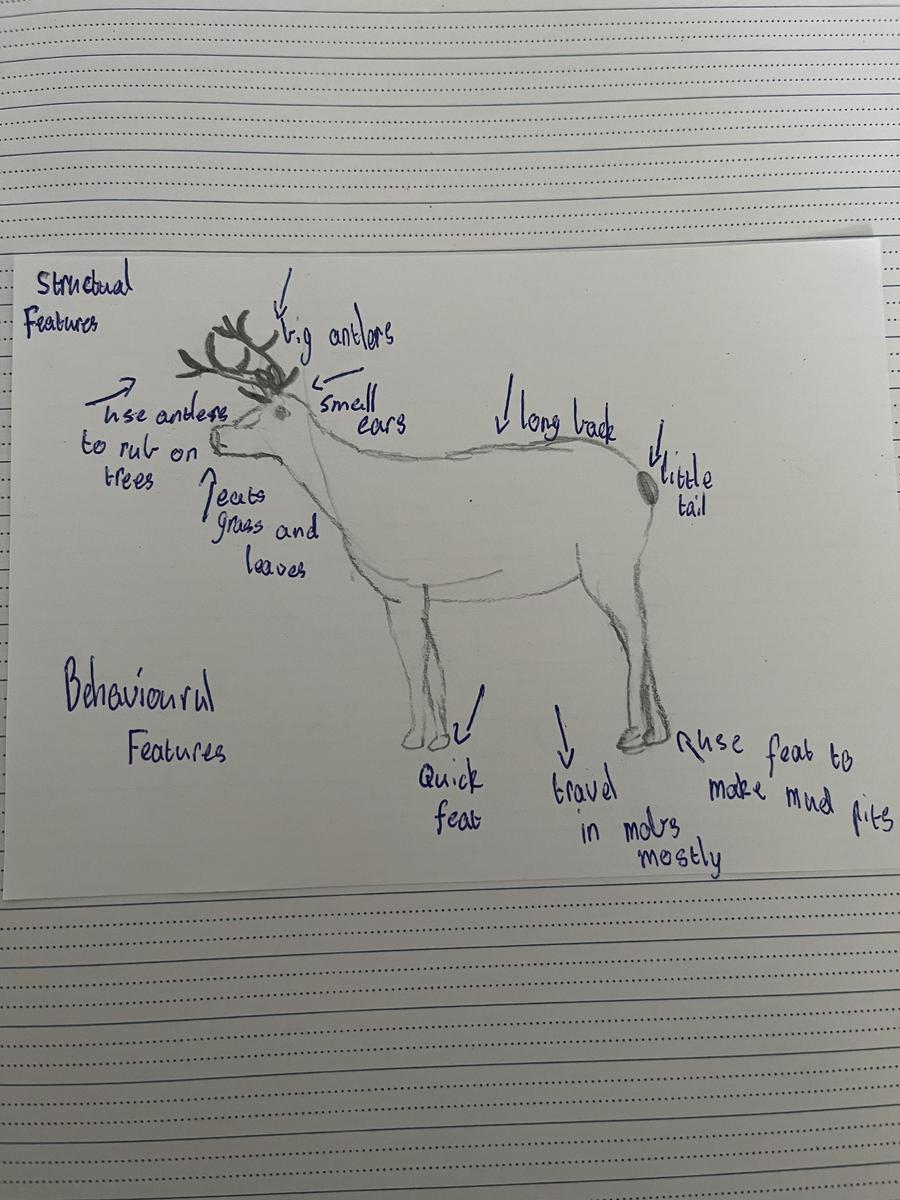
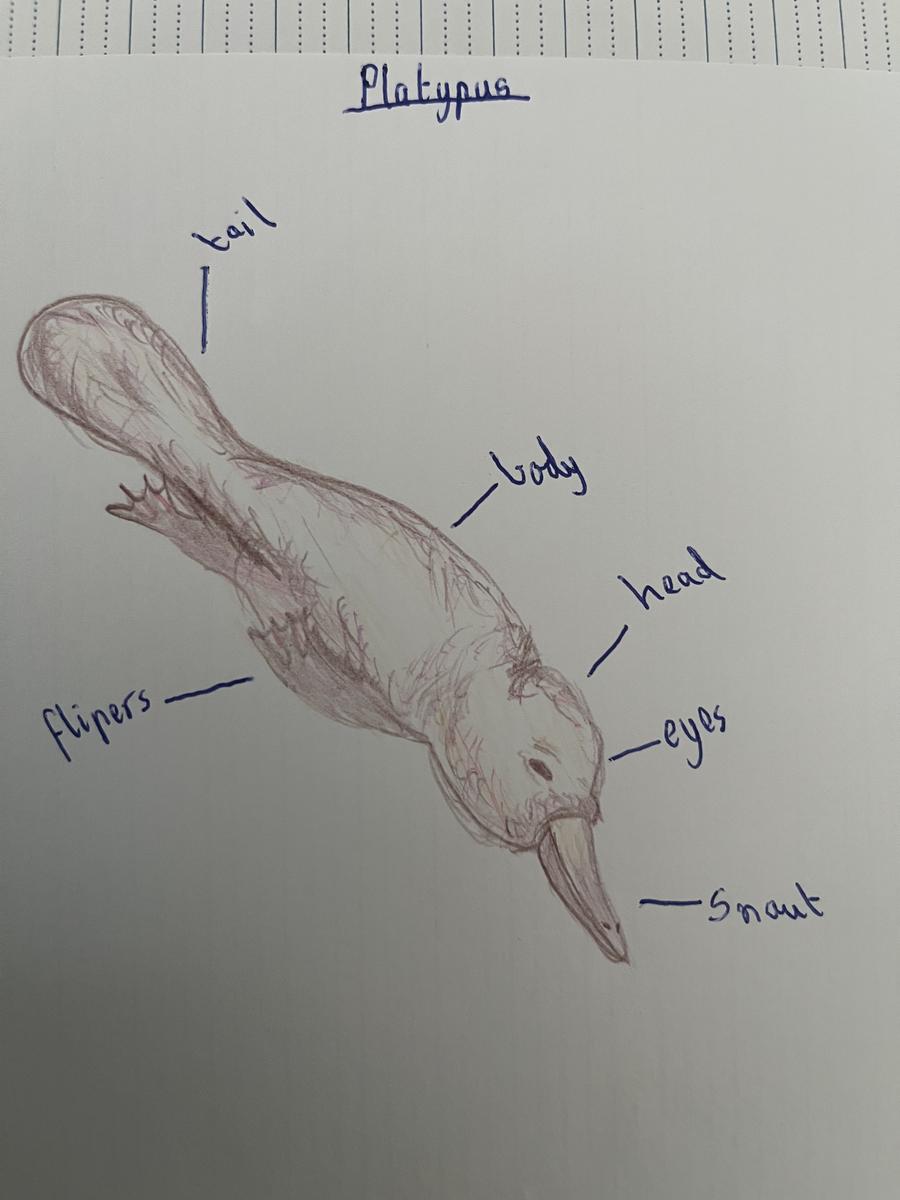
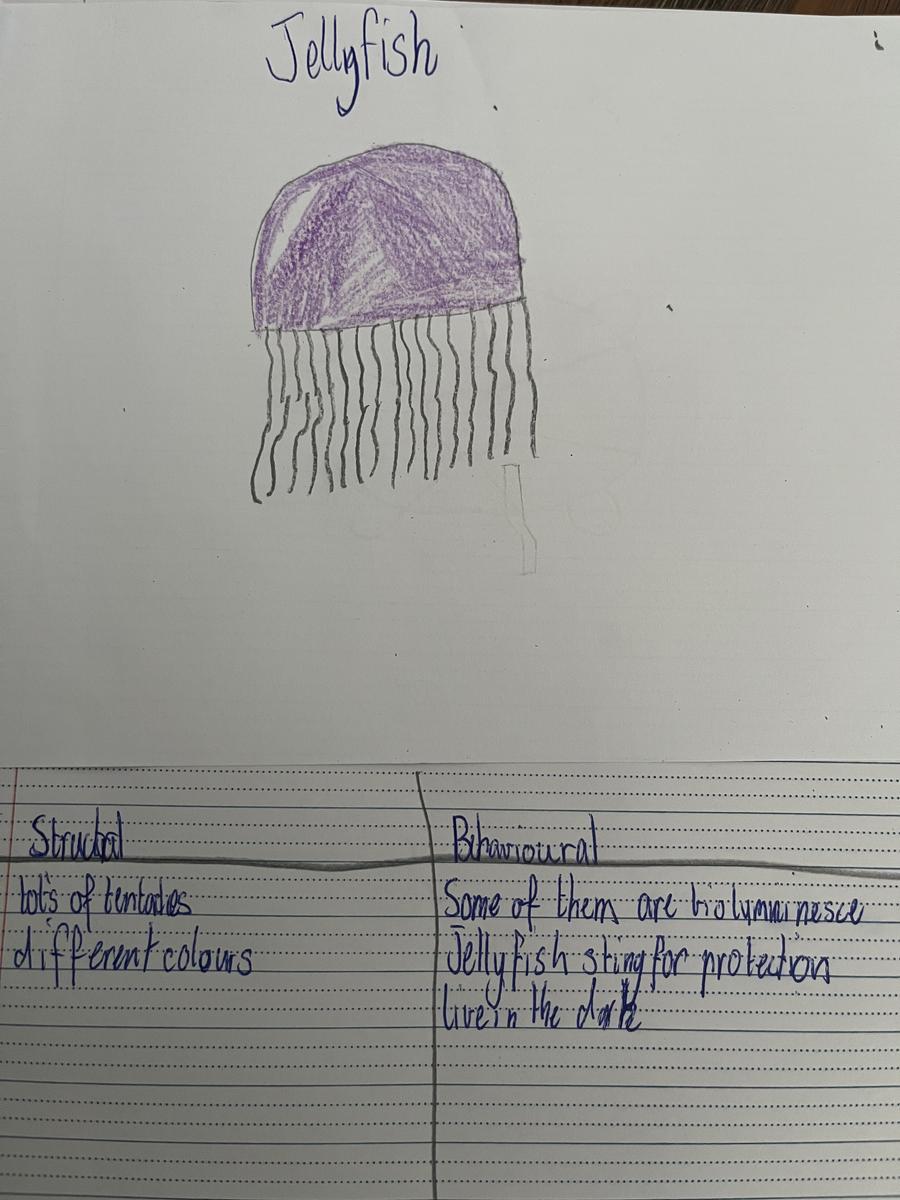
In this unit, students will explore habitats, features of living things and adaptations of animals. To begin, students compared features of salt-water and fresh-water crocodiles, identifying both similarities and differences. We have learnt about biotic and abiotic factors and the structural and behavioural features of animals.