
Learning Specialist News
Be Kind
Be Responsible
Be an Active Learner

Learning Specialist News
Be Kind
Be Responsible
Be an Active Learner
This year, as part of our staff professional development, we have been focusing on embedding practices that we began introducing in 2025. Teachers have re-examined Cognitive Load Theory and the important role of attention, in supporting students to focus and think carefully about their learning.
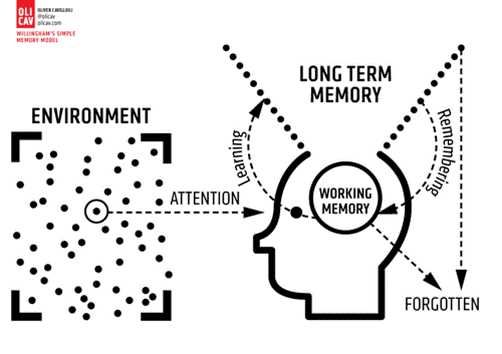
Cognitive Load Theory states that students need to first of all, pay attention to their learning, in what can be many distracting pieces of other information in their environment. Teachers support the environment by making considered classroom set up decisions, using consistent routines, presenting information clearly and creating a safe, calm and learning focused environment.
Once students attend, their new learning sits in their Working Memory. To support students to learn and embed their new understandings in their Long Term Memory, it is important for students to interact or do something with their new ideas. Teachers use Engagement Tools in their classroom to support both attention and learning, such as having students pronounce new vocabulary, read aloud, use gestures and answer questions in full sentences.
Mini-Whiteboards are also used across subject areas to support learning. Teachers are able to ask students to respond to a range of questions, with students answering and chinning their whiteboards. This provides an opportunity for all students to respond and the benefit of the teacher seeing all their students’ thinking. Teachers are then able to be responsive in their teaching, noticing if a topic needs more clarity or re-teaching, or if their students have a strong understanding and are ready for a challenge.
Over the course of the year, we will continue to embed our understanding of Cognitive Load Theory and how we can best support students' learning, with a focus on planning and teaching Mathematics.
NAPLAN 2026
The National Assessment Program - Literacy and Numeracy (NAPLAN) is a literacy and numeracy assessment that students in Years 3 and 5 sit, across the whole of Australia. The purpose of the test is to assess the literacy and numeracy skills that students are learning through the school curriculum, and allow parents and carers to see how their child is progressing against national proficiency standards.
This year, NAPLAN will take place after the Labor Day long weekend. Students will sit the Writing, Reading, Language Conventions and Maths tests, from Wednesday, March 11th to Monday, March 16th.
To support your child undertaking NAPLAN, reassure them that NAPLAN is just a part of school and that all we ask is they try their best. It is also one test on one day, so at both home and school, we know that every student has a lot of different strengths, and that NAPLAN might only capture some of them. At SMPPS, teachers have been reiterating this message, as well as helping students become familiar with the layout of test questions, and the test environment to be more comfortable with the format of the tests.