
Wellbeing Team
Welcome to the Wellbeing space!

Wellbeing Team
Welcome to the Wellbeing space!
Epsom Primary School has two full time staff members dedicated to wellbeing:
Kellie Macrae, Leading teacher of Wellbeing and Engagement and Tania Peirce-Whyte, Disability Inclusion Profile (DIP) / Inclusive Education as part of our leadership team to support a whole-school wellbeing approach.
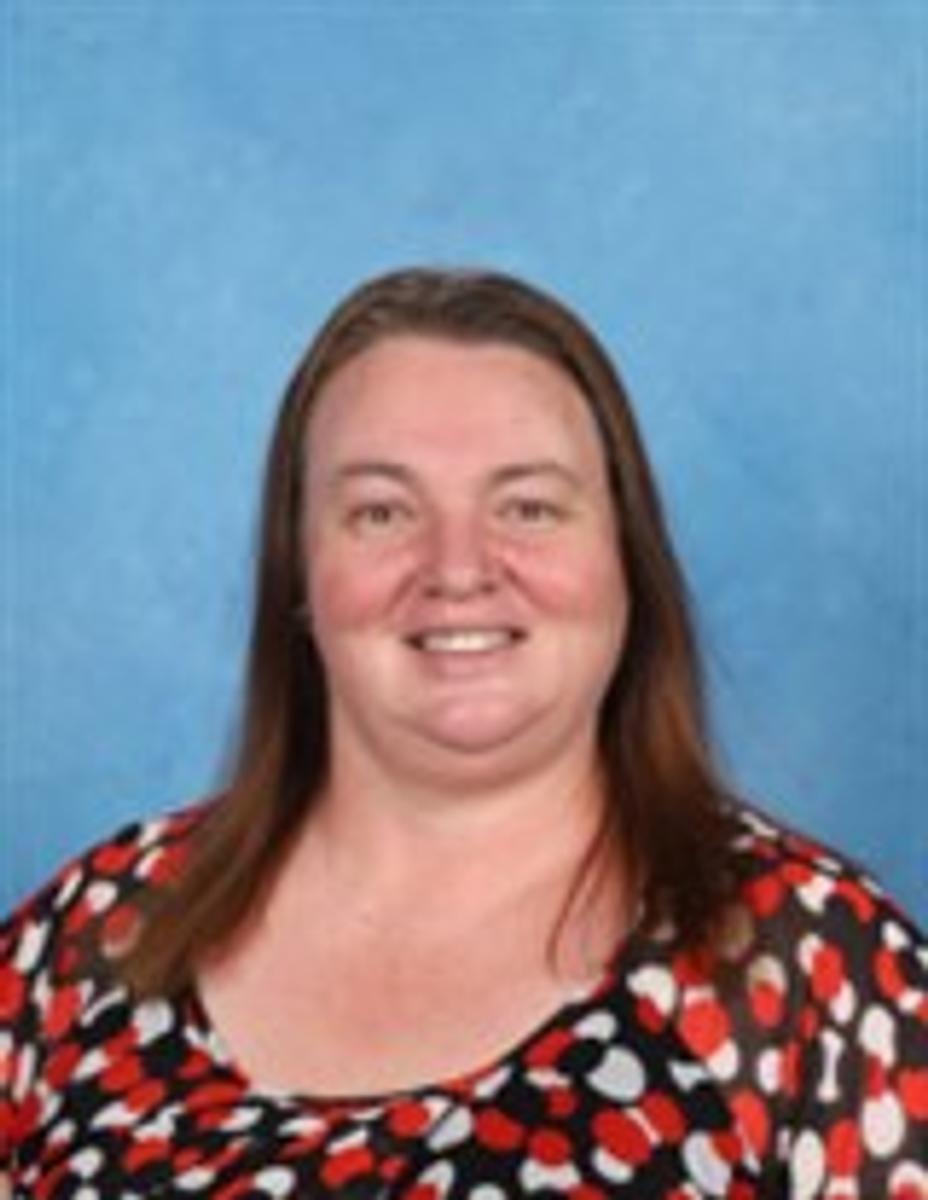
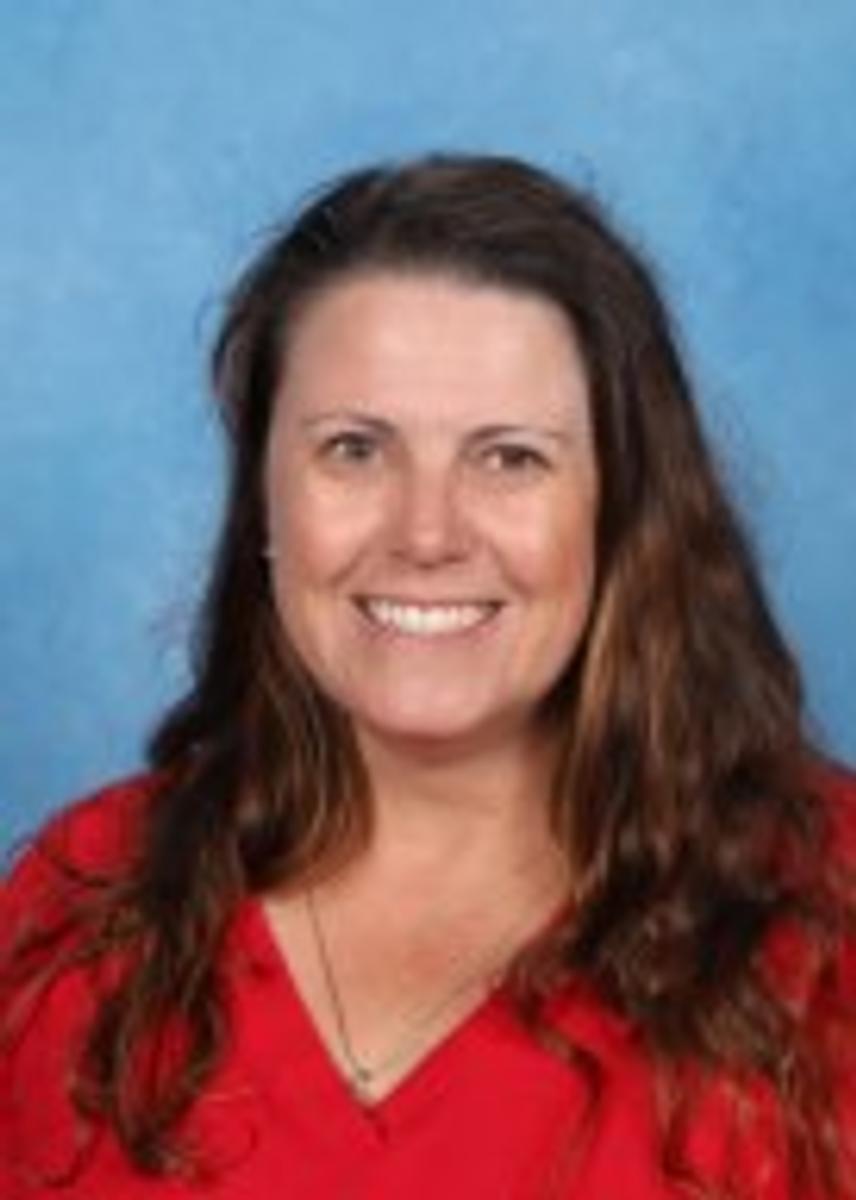
The team includes two part time staff members: Kaiden Antonowicz (Wed-Frid), Mental Health and Wellbeing leader (MHWL) and Clarissa Power (Mon-Tues), Student Counsellor.


All wellbeing staff are available to meet with students or parents to provide support or referrals to additional services.


Our amazing Student Wellbeing Team:
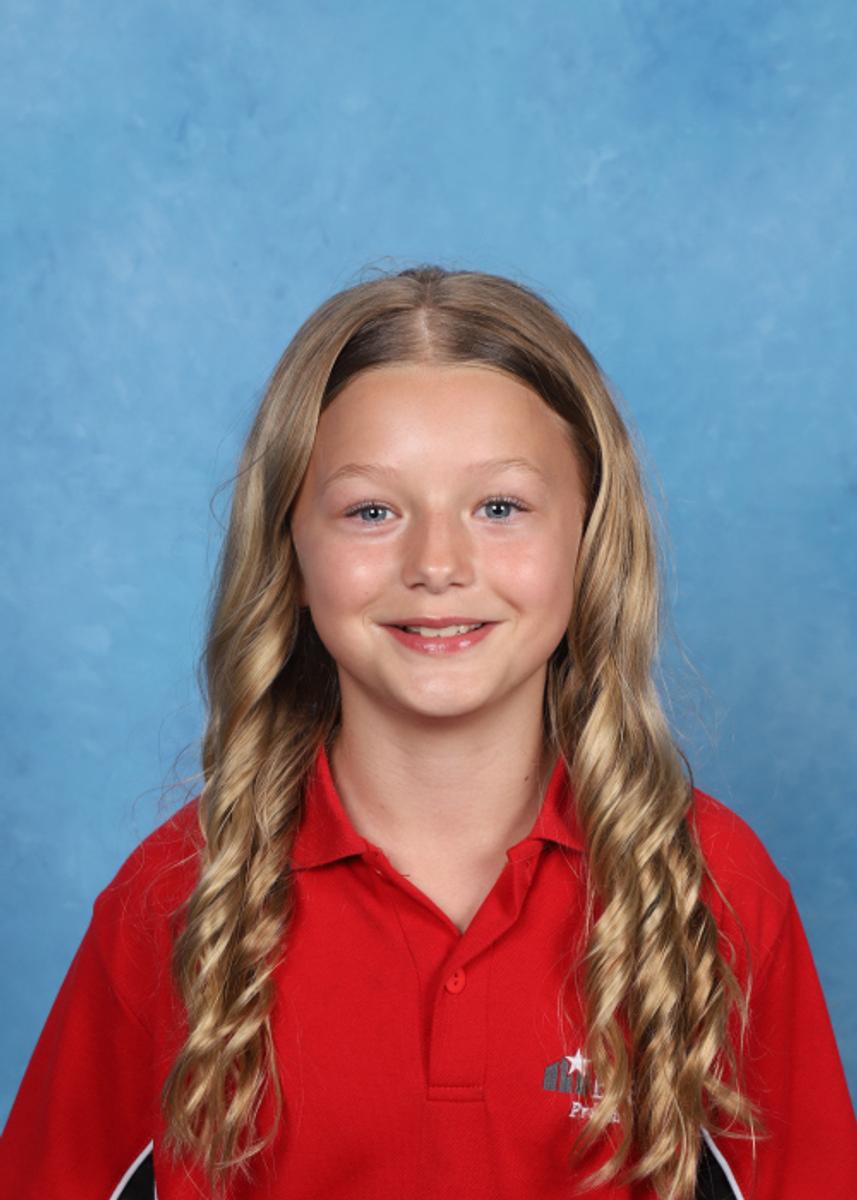
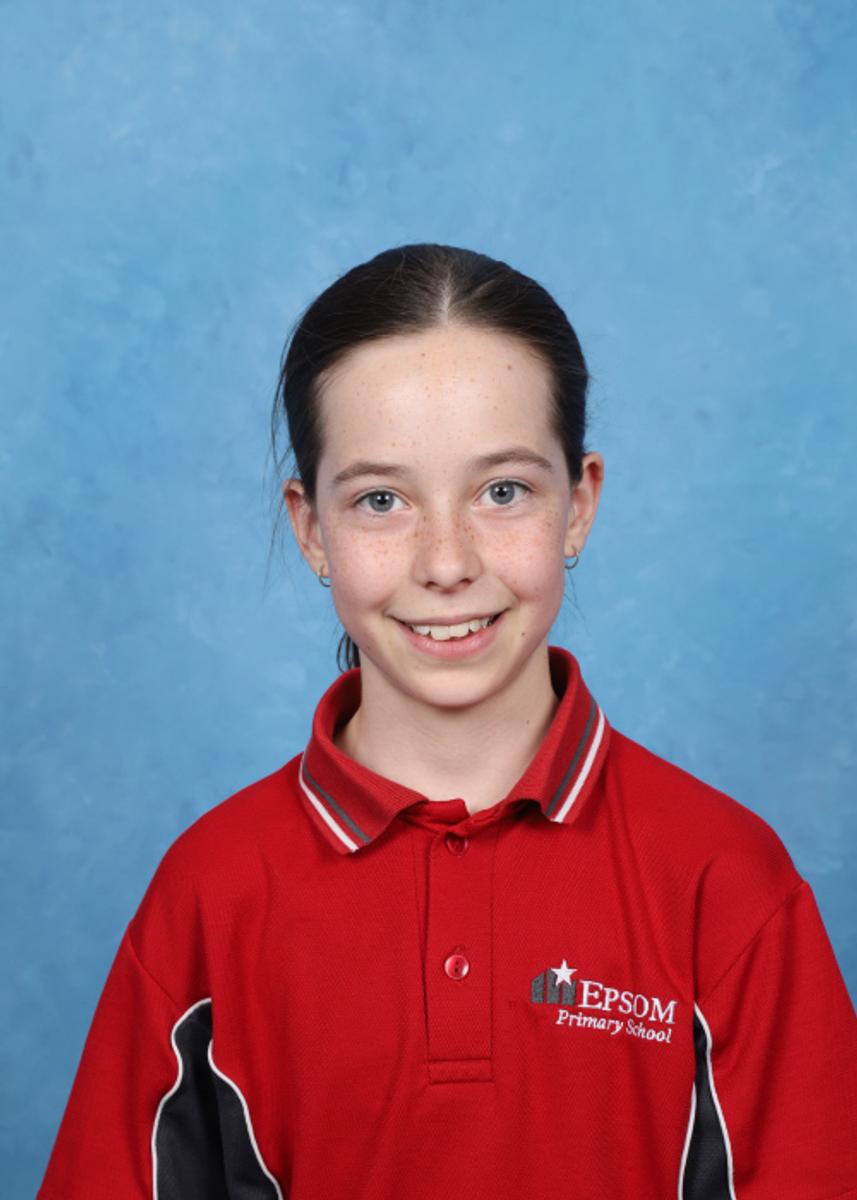
- Hannah S - Delilah V-P - Hunter C- Knox M - Chloe W
- Amelie W - Hayley P - Chelsea R - Amelia B - Lucy J
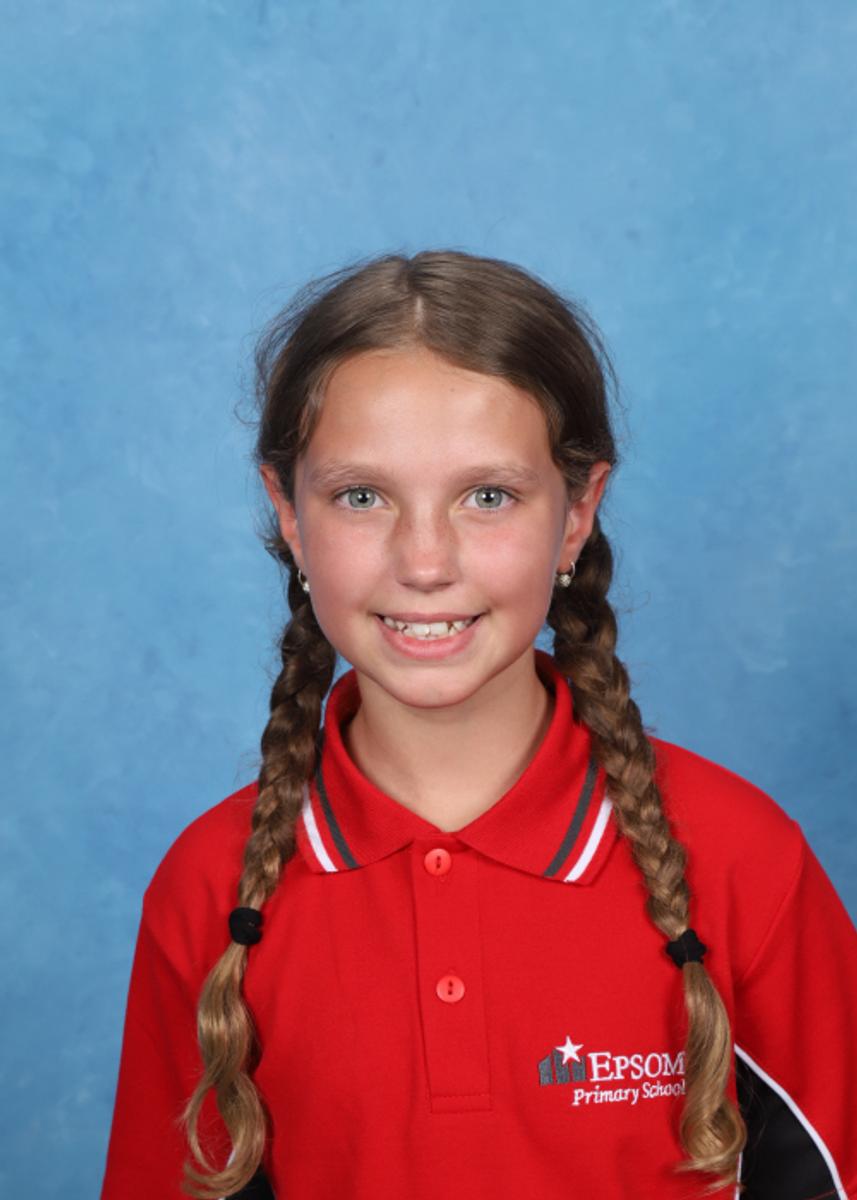
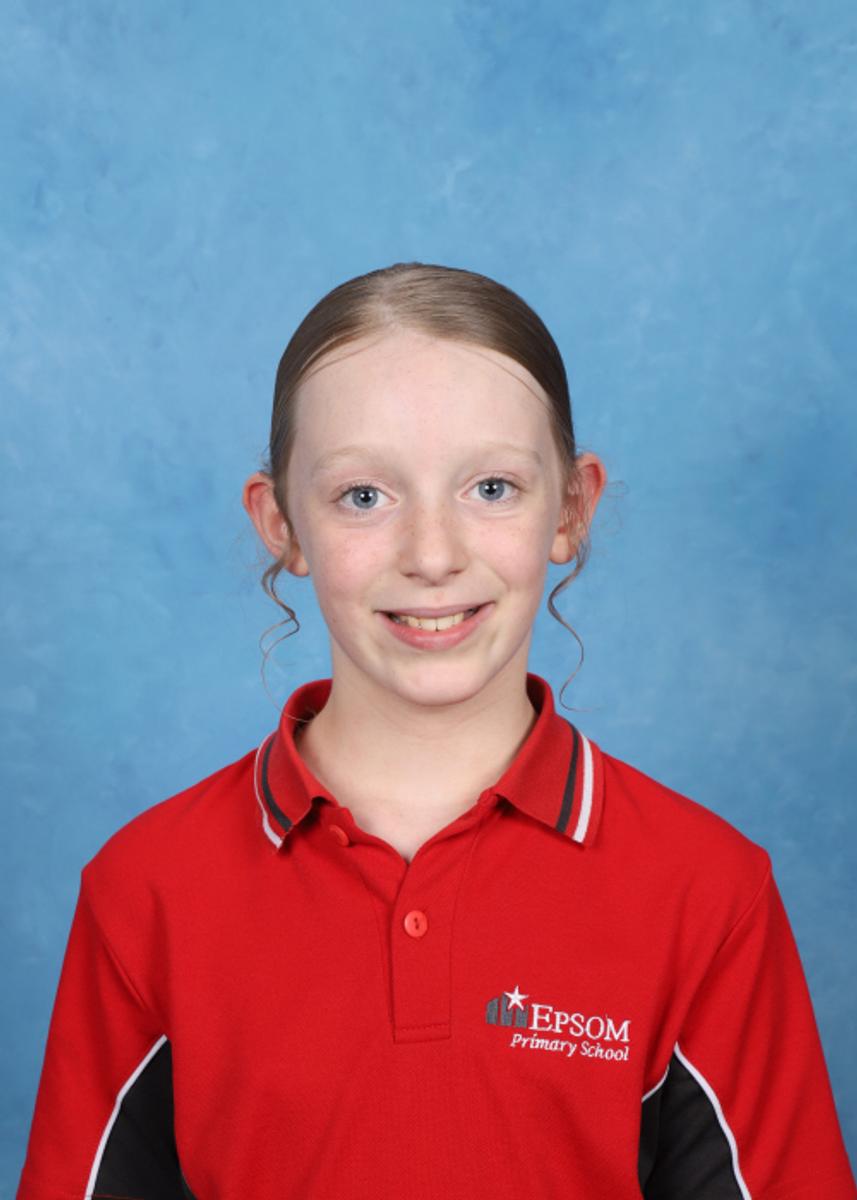
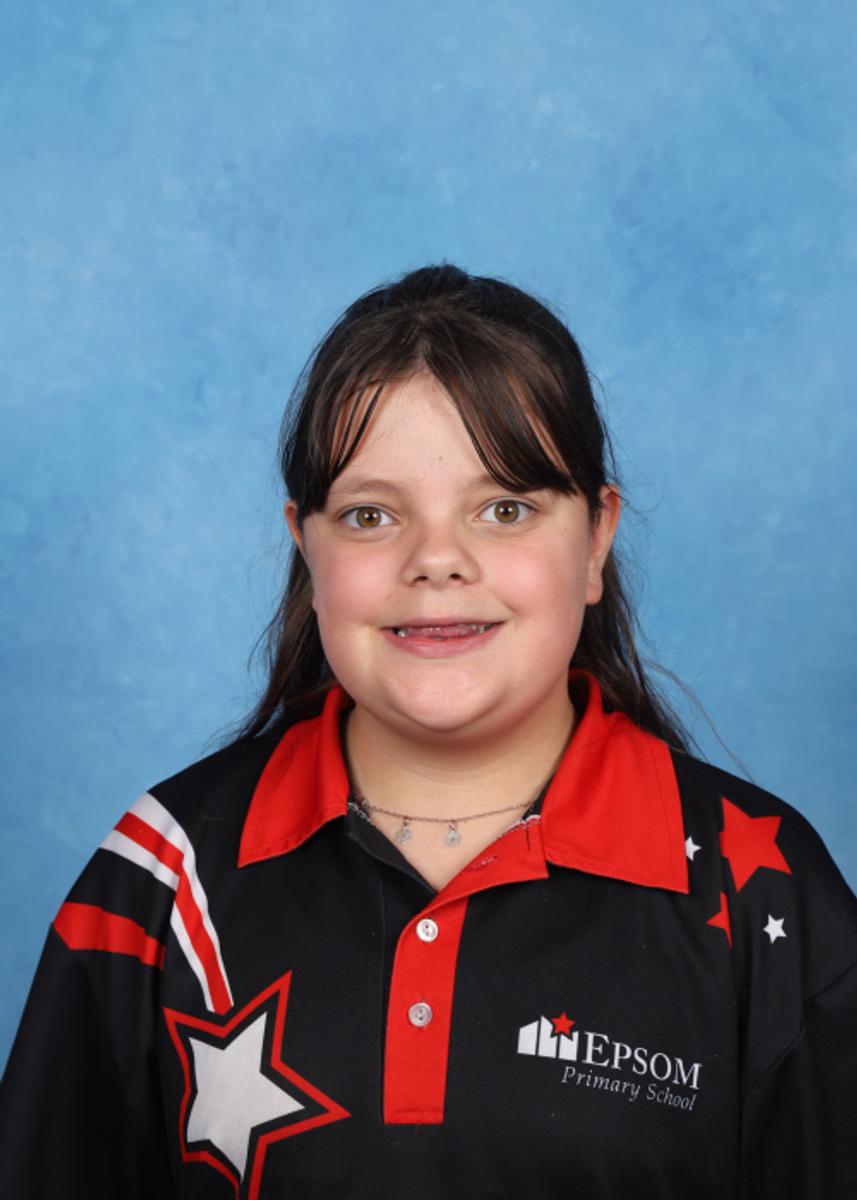
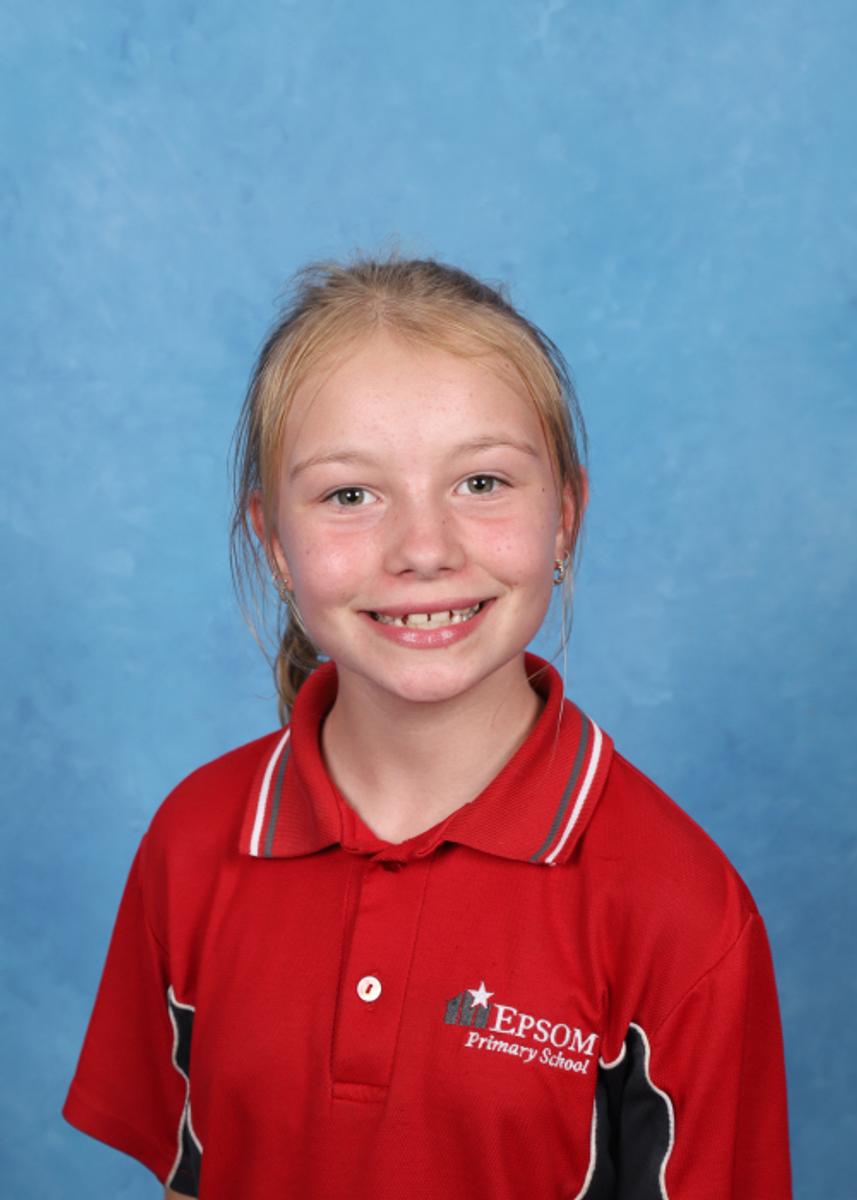
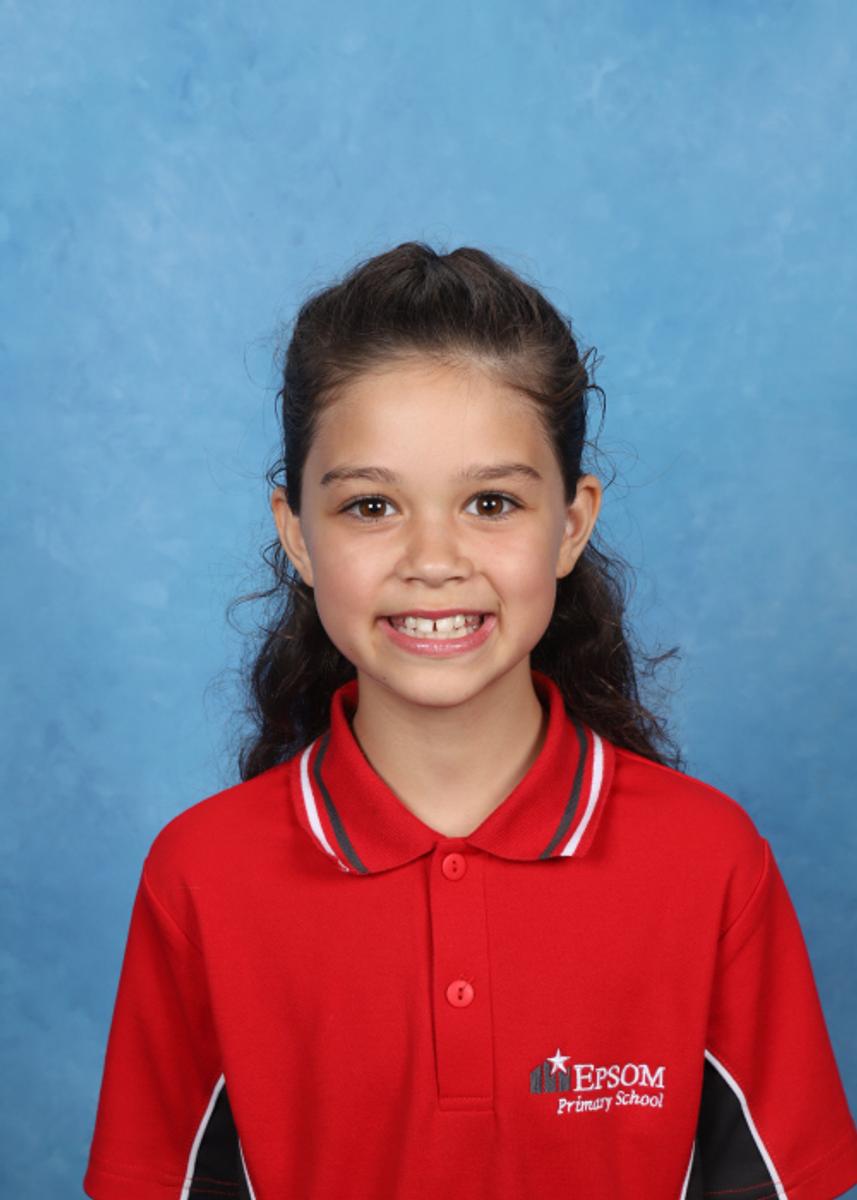
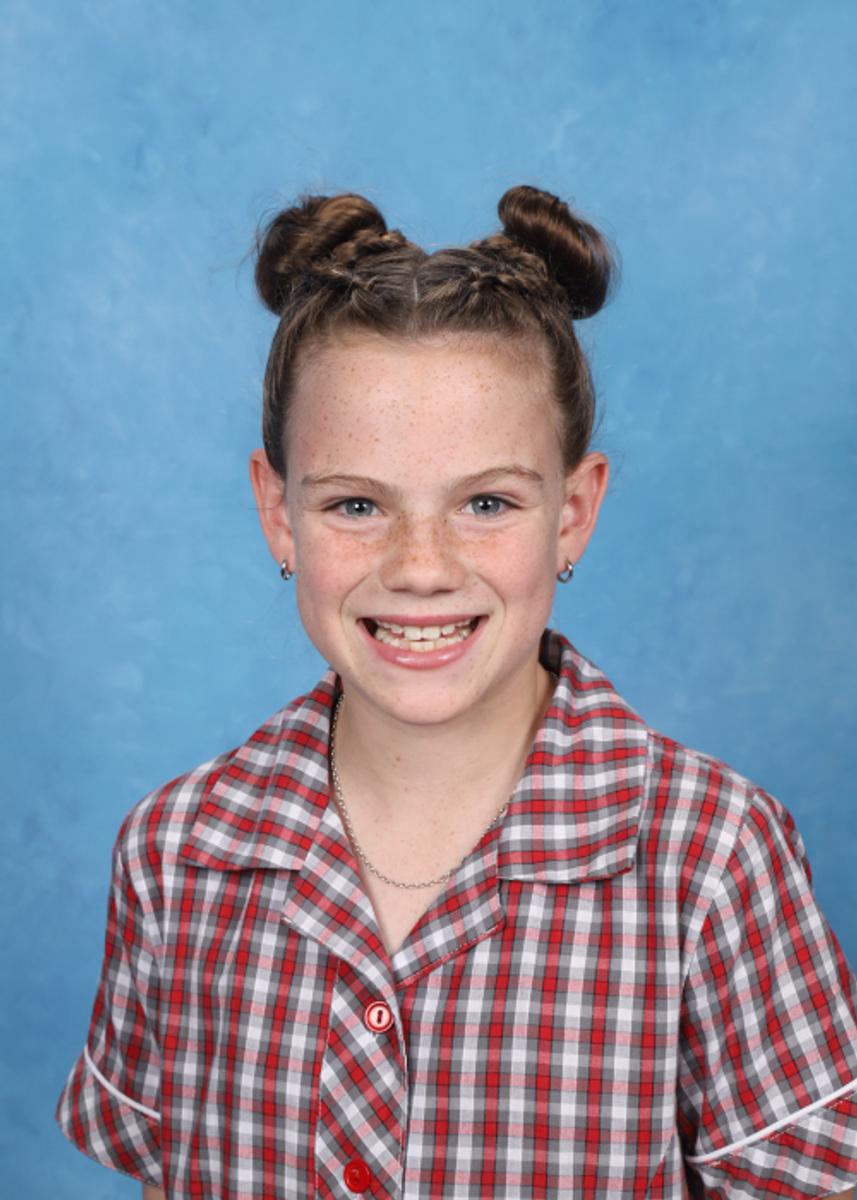
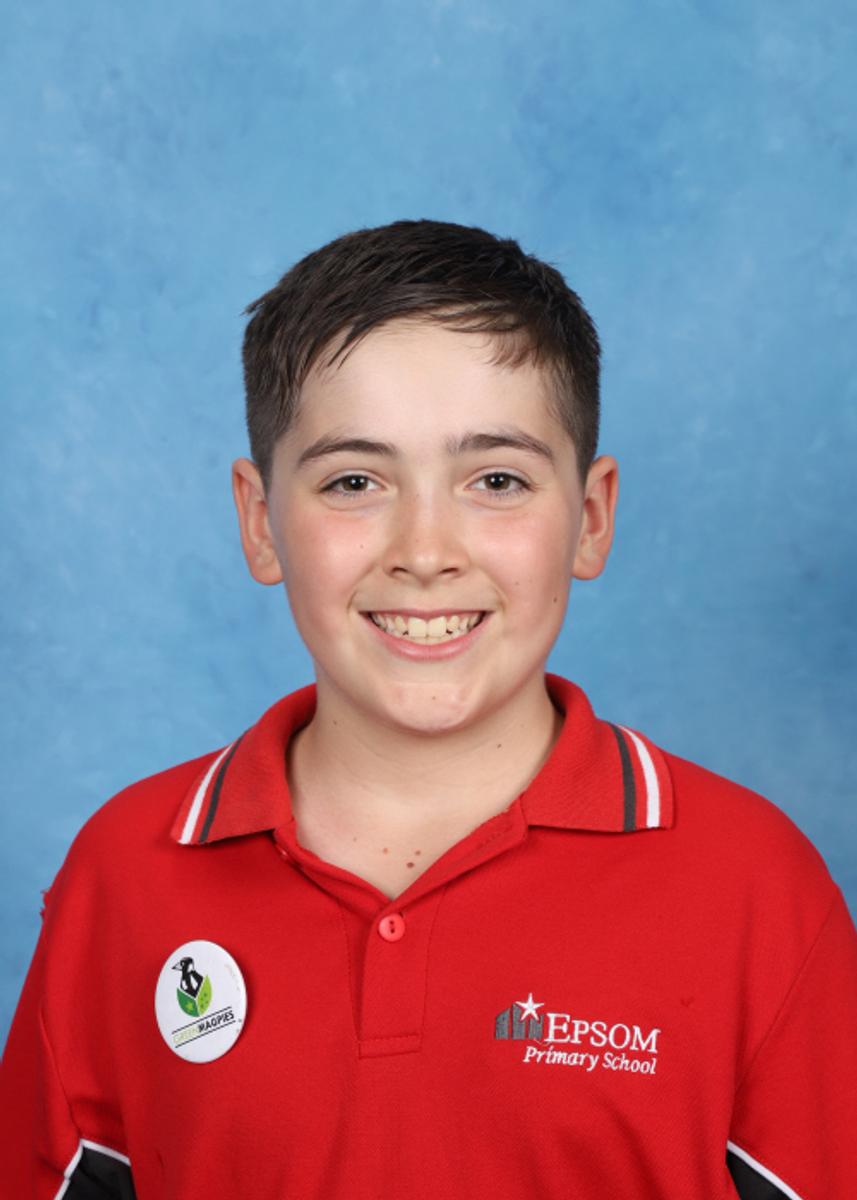
Thank You Student Wellbeing Team
A big thank you to our amazing Student Wellbeing Team for all their hard work this term. You’ve probably spotted them around the school in their purple vests, always ready to check in on other students, lend a hand, and spread kindness across the yard.
This team has also taken fantastic care of our school guinea pigs, making sure they’re fed, clean, comfortable and safely transported each day. Their commitment and responsibility has been outstanding.
On top of this, they’ve continued to support Breakfast Club, helping students start the day with a full tummy and a friendly welcome.
We’re so proud of the leadership, care and teamwork our Student Wellbeing Team shows every day. Thank you for everything you do to make our school a happier, safer and more connected place.









Looking forward to 2026, we would love to hear from you. If there are particular topics you’d like us to explore or areas where you feel extra support would be valuable, please reach out. Your feedback helps us shape sessions that are most relevant for our community. I'm looking to seek feedback on how you believe the school made be able to support you individually or as a collective in our wellbeing space.
Email: kaiden.antonowicz@education.vic.gov.au
What is this all about?
Each year, the Youth Voices Project is an opportunity for our young people to have a strong voice in the wider community, by expressing their thoughts and ideas on particular topics. The information is collected during a focus group discussion at schools and then passed, anonymously, onto relevant agencies at local or state levels.
What has this got to do with Epsom Primary School?
This year, our school was selected to take part in the 2025 survey. In mid-November, several grade 5/6 students were selected to take part in the Youth Voices Project and were active participates in the forum.
What was the topic this year and why was the information collected?
Student attendance rates across Bendigo government schools particularly at secondary level have been decreasing over time, leading to disengagement and students leaving school early (before completing Year 12 or equivalent).
The forum provided valuable research on student attendance, disengagement and early school leaving.
The purpose of the 2025 forum is to investigate, by listening to the voices of young people, why a high proportion of students are not attending school regularly, disengaging and leaving school early and what can be done to address these issues.
The research seeks to answer these questions:
1. How do students experience school?
2. What are the factors that cause students to leave school early?
3. What school-based interventions are effective in increasing school completion?
4. How can the Department and schools better support students to be engaged and successful learners?
Epsom Primary School values the voices of our young students. We are proud of the students who participated in this survey as the representatives for many schools across our region. We are sure that the opinions and ideas provided by our students will have an impact on providing solutions for school attendance across the state.
Congratulations to Epsom Primary Schools Youth Voices Project 2025 participants:
* Vaeda M
* Daniel R
* Chelsea R
* Elli G
* Lucas S
* Alex S
* Zali Ford
* Thatcher FR

Our CEO Gail McHardy was kept busy responding to media enquiries on 16 October, when Education Minister Ben Carroll announced changes to the provision and use of electronic devices in Victorian public primary schools. Due to be implemented in 2027, the main changes are:
See our website for more on this issue, including media comments from our CEO Gail McHardy.The Department of Education's Digital Learning Policy is available in the Policy and Advisory Library. What do you think? Do you welcome this announcement? Do you have any concerns? Please take a few minutes to fill in our parent survey.

Article by Dr Michael Carr-Gregg: (Dr Michael Carr-Gregg is an adolescent psychologist, a well-respected speaker and one of Australia's leading authorities on teenage behaviour. ) NOVEMBER 2025
Australia’s online world is no longer an optional risk. It’s the default arena for young people’s social lives, identity experiments, peer pressure, and – ominously – mental-health damage. So, when our government steps up and says, “Yes, we’ll regulate platforms such as Kick and Reddit,” I applaud it. Finally, someone is saying that if you create a place where kids gather, we have a right to ask: “What are the rules? What are the risks? And what are you doing about them?”
Why Kick and Reddit deserve regulation
Let’s be clear: Kick is not just “another live-streaming site”; it’s a platform where anonymous chat, unmoderated comments, and paid-for “raids” can breed harmful behaviours. Reddit is not simply benign “forum talk”; it hosts adult sub-communities where myths, self-harm encouragement, extremism, and exploitative content go unchecked.
The government is right to say: if you provide a public stage, you bear public responsibility. Too many platforms have enjoyed “wild west” conditions: minimal age checks, minimal moderation, and maximum profit. Meanwhile, kids are sinking into anxiety, self-harm, distorted body image, addiction to “likes” and “views”. I’ve watched it for three decades. The lights are flashing red. (Central News: Read here »)
Regulating Kick and Reddit isn’t about censorship—it’s about accountability. If you open the door to children, you should not slam the door on safety. The legislation must ensure platforms:
• verify ages properly and effectively;
• moderate high-risk content (self-harm, exploitative streaming, sexualisation);
• ensure privacy, but not at the cost of kid-protection.
So why is Roblox still outside the fire-hose?
Here’s the kicker: for many children, one of the most dangerous digital environments remains unregulated: Roblox. It’s marketed as “safe for kids”. It looks like a game. But the lines between play, social chat, live micro-transactions, user-generated content, and peer pressure are blurred. Let’s unpack the risks:
• Millions of under-16s are on Roblox. It’s their social space, entertainment space, chat space.
• They encounter unmoderated “rooms”, user-generated games with scant oversight, avatars that push cosmetic purchases, peer-led pressure: “buy this, join this, get likes”.
• The environment conditions them for the same problematic behaviours we see on “adult” platforms—addiction, comparison, social isolation.
• Yet current policy treats Roblox like a toy, not a platform. It’s outside the regulatory gaze.
That’s unacceptable. If the message is “we’ll regulate platforms that influence young minds”, then leaving Roblox exempt is a glaring inconsistency. It’s like regulating violent video games for adults but exempting candy-floss because kids “like it”.
We must match policy to reality.
To the policymakers: you’re on the right path. But take the next step. The logic that brought Kick and Reddit into scrutiny must apply everywhere young people gather online—including “games” that double as social platforms. If you’re worried about over-reach, fine—let’s carefully carve definitions: “platforms where minors engage in chat/live transactions”, “user-generated content with peer network features”, “in-game monetisation targeted at children”. But carve them consistently, not with loopholes.
And to parents and educators, I say: regulators can legislate, but you still hold the frontline. Talk about online spaces not as “fun” or “harmless” but as social zones with rules. Ask children: “Who are you talking to? What are you buying? What are you doing for likes? How often do you stop?” Keep the conversation alive.
Because at the end of the day, the biggest risk isn’t the platform—it’s the young mind unprotected, unmonitored, thinking “this game/social space couldn’t hurt me”. It can. And unless we bring policy, platforms, and parenting into alignment, we’ll keep putting kids at risk.
Regulate the wild west. Level the playing field. Protect the young.
Australia is doing the right thing by calling out Kick and Reddit. Now let’s finish the job and include Roblox — because our kids’ safety doesn’t get exemptions just because the logo is cute.
2026 Prep and Year 7 Uniform Packages for CSEF Recipients
Applications are now open for incoming Prep and Year 7 students who qualify for CSEF funding, once their school submits an application for welfare support. Where a uniform can’t be supplied directly, students receive a voucher – redeemable at the school uniform supplier – that subsidises the cost of their uniform. Please note: SSR uniform provision is in addition to CSEF payments. If you’re aware of a Prep or Year 7 student who is in need of uniform support but not a CSEF recipient, please contact our Customer Service Team to discuss how we can help. More information and order forms are available on our website.
As we approach the summer school holidays, it's important to ensure you have and know where to access mental health supports, if needed.
24/7 Crisis Support Services:
Online and Chat Support:
Family Support:
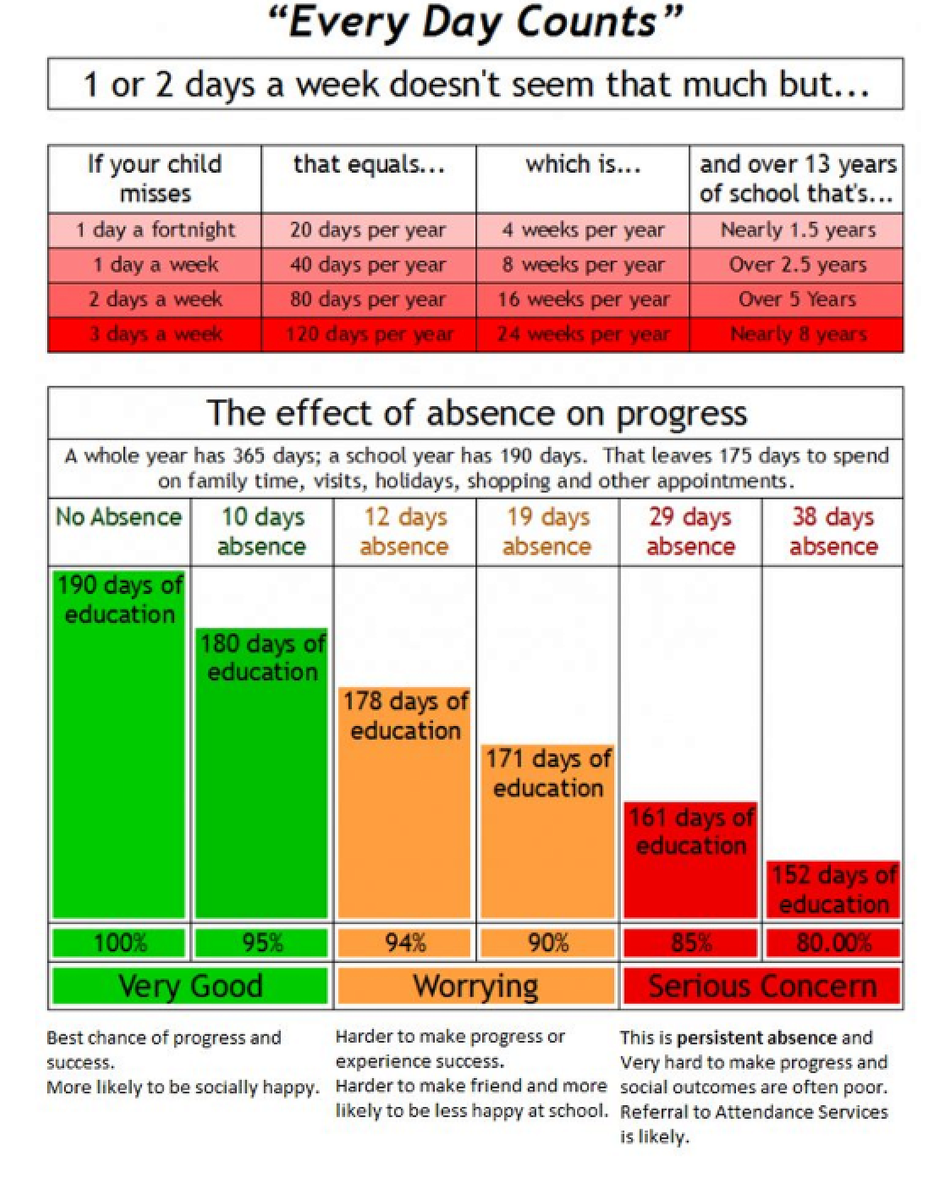
Every Day Counts – The Importance of School Attendance
Did you know that missing just one day of school a fortnight adds up to nearly 1.5 years of lost learning over 13 years of schooling?
Regular attendance is essential for students to stay connected, achieve success, and feel happy and engaged at school. Even a small number of days missed each term can add up quickly, impacting academic progress and social development.
Here’s a quick look at what absence can mean over time:
1 day a week = 40 days a year = Over 2.5 years of missed learning by Year 12
2 days a week = 80 days a year = Over 5 years lost
3 days a week = 120 days a year = Nearly 8 years missed
Attendance Matters:
190 days (100%) – Best chance of progress and success
90% attendance or below – Attendance begins to affect progress and friendships
80% or lower – Serious concern; likely to need intervention and support
There are 175 non-school days a year — plenty of time for holidays and family events. Let’s work together to make every school day count.