
Mental Health and Wellbeing:
Supporting Inclusion and Respectful Curiosity at School
Mental Health and Wellbeing:
Supporting Inclusion and Respectful Curiosity at School
Supporting Inclusion and Respectful Curiosity at School
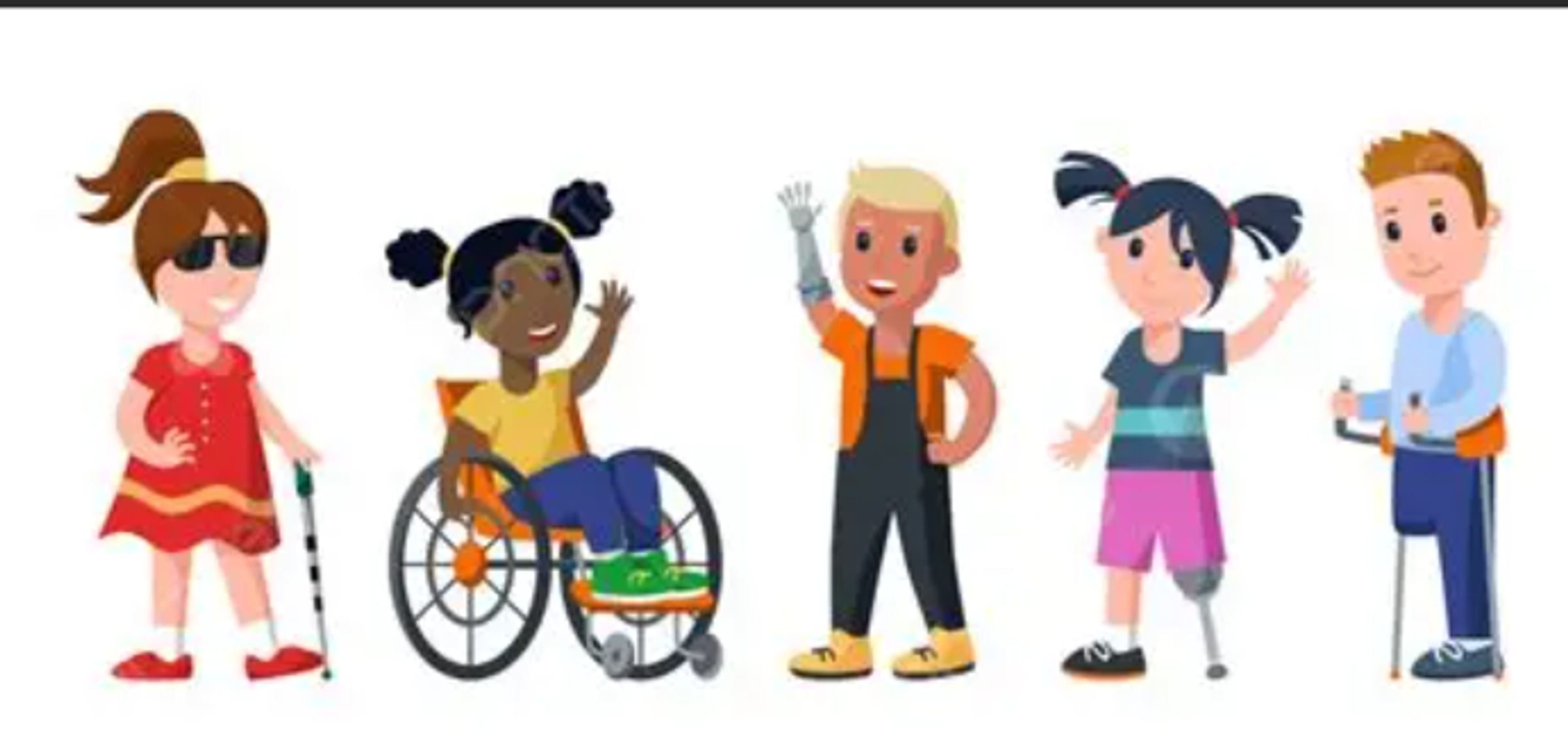
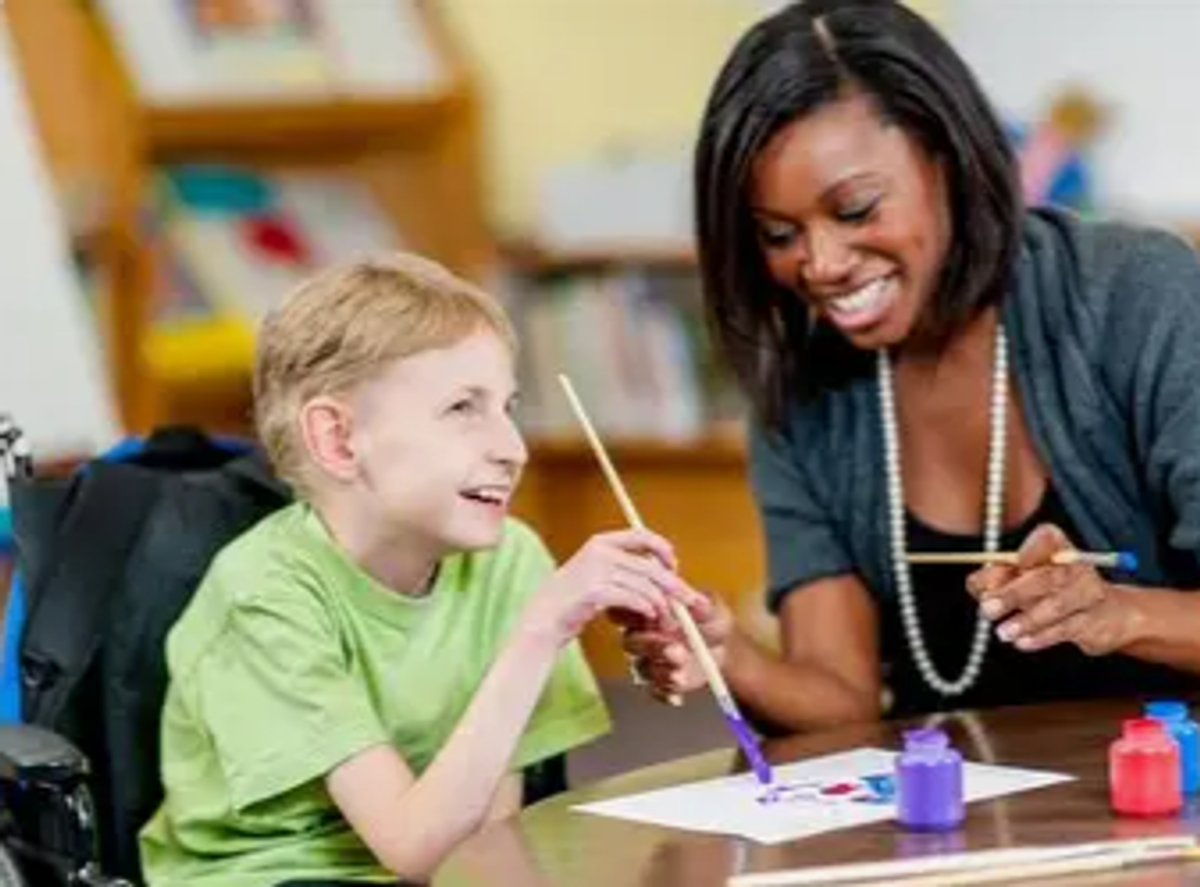
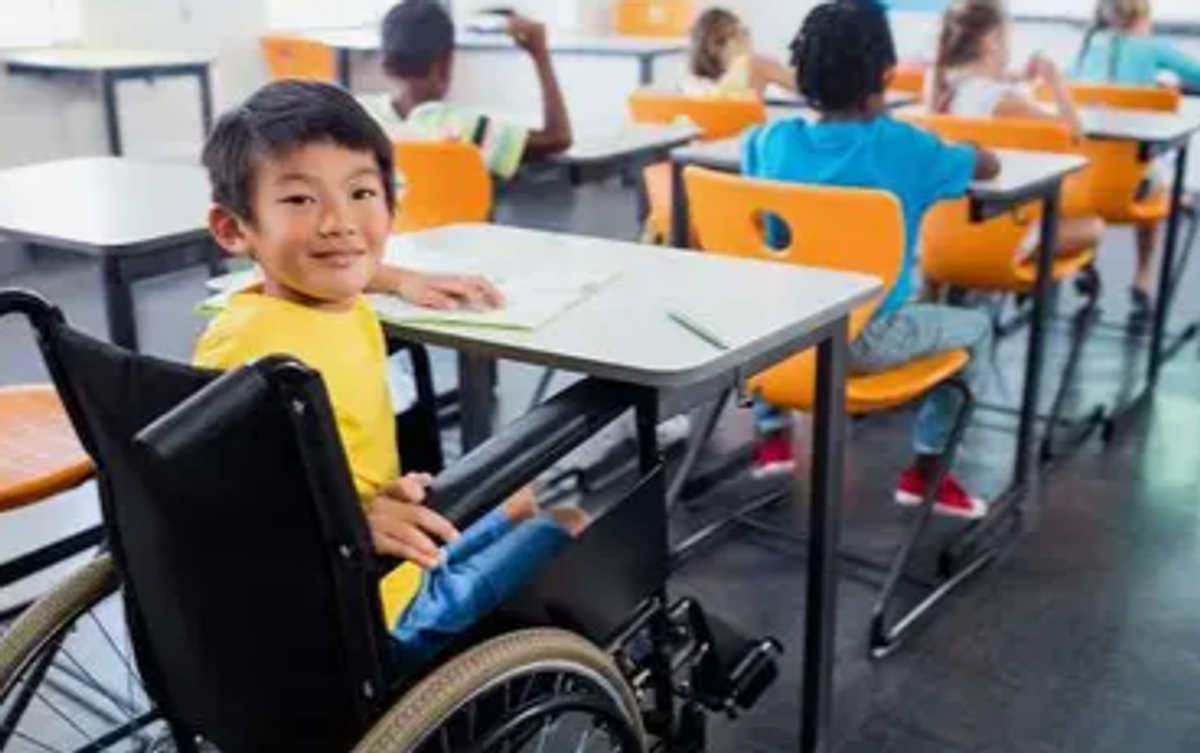
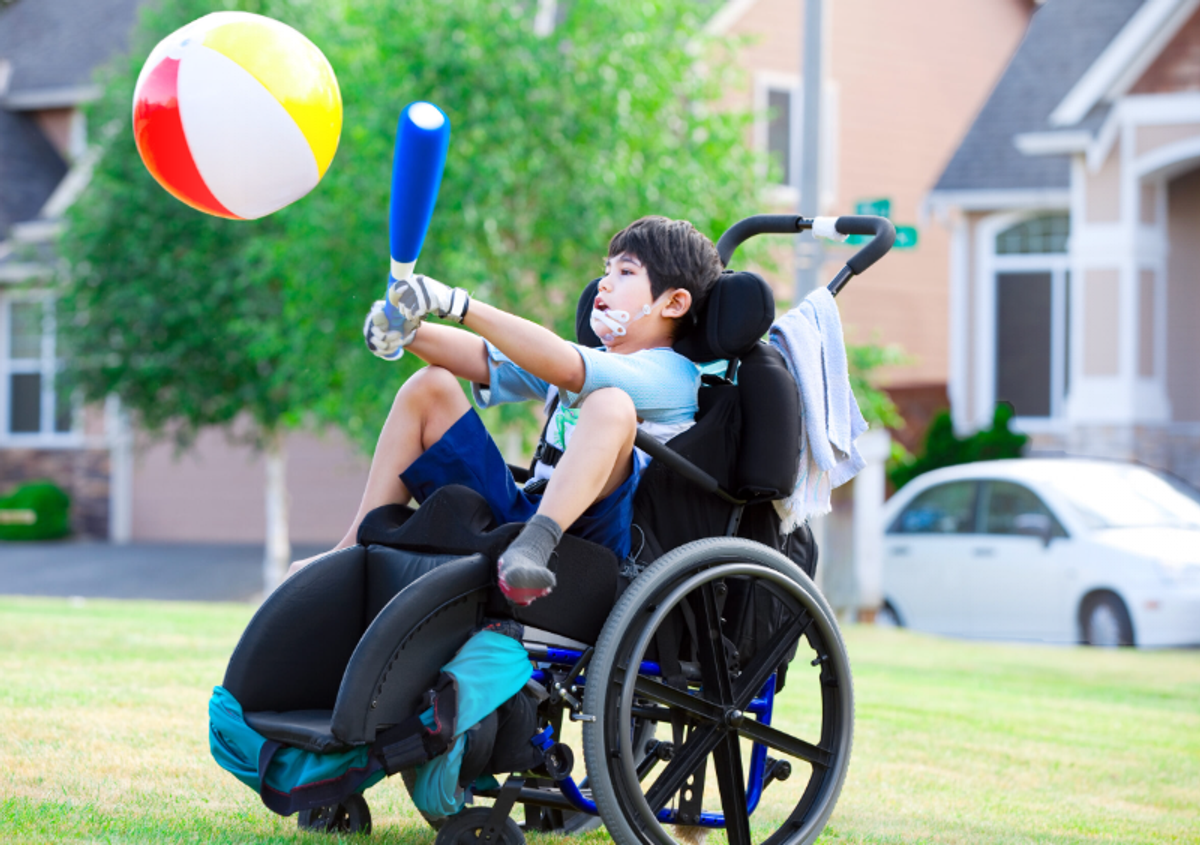
At our school, we are committed to helping students learn how to treat one another with kindness, empathy and respect—especially when they notice differences in how people look, move, communicate, or behave.
Young children are naturally curious. They often observe things they don’t understand and may ask blunt or very direct questions. While their intent is usually innocent, these questions can sometimes feel hurtful or uncomfortable for the child involved.
To support all students, we teach our classes about the importance of:
⭐ Inclusion
Everyone belongs. People learn, communicate, and move in different ways. These differences make our community stronger.
⭐ Respectful Curiosity
It’s natural for children to wonder about things they notice. However, some questions—especially those about someone’s body, medical needs, or private routines—should not be asked at school. We are helping students learn the difference between kind questions and private questions.
⭐ Privacy and Dignity
We’re teaching students a simple rule: If a question is about someone’s body or medical needs, we don’t ask it. Instead, we focus on kindness and connection.
⭐ What to Say Instead
Students are learning positive ways to interact without focusing on differences, such as: “Hi!” “Do you want to play?” “Can I help you with anything?”
These are the kinds of questions that help children build friendships and show respect.
⭐ Supporting Children Who Feel Upset
Some children may feel sensitive when peers ask personal questions about themselves or a family member. We want parents to know that we are here to support them through:
⭐ How Families Can Help
You can support these conversations at home by:
We deeply appreciate the partnership between home and school in helping all students feel welcomed, respected, and supported. If you ever have concerns about your child’s social experiences or wellbeing, please reach out—we are here to help.
🌟 FACT SHEET FOR PARENTS: Supporting Respectful Curiosity at Home
Children are naturally curious about the world around them—including how people look, move, communicate, or behave. Curiosity is normal and healthy, but sometimes children’s questions can unintentionally hurt or embarrass others, especially when they’re about someone’s body, disability, or private needs.
This fact sheet is designed to help families guide children toward kind curiosity and respectful conversations.
1️⃣ Why Children Ask Personal Questions
Your reassurance and guidance make a big difference in helping them learn what is appropriate to say.
2️⃣ Talking to Your Child About Differences
You might say:
Reinforce that all people deserve kindness, privacy, and respect.
3️⃣ Teaching the Difference Between Curiosity and Privacy
Curiosity is normal. But not every question needs to be asked — especially in public.
Teach children:
👉 If a question is about someone’s body, medical needs, or toileting, it is private. 👉 If you think a question might make someone embarrassed, don’t ask it.
Instead, focus on:
4️⃣ What to Do When Your Child Asks an Inappropriate Question in Public
Stay calm, and gently redirect. For example:
“That’s not something we ask about. Let’s talk about it later.” “Some things are private. We don’t comment on people’s bodies.” “Let’s be kind instead.”
Later, in private, explain why the question might have been hurtful or inappropriate.
5️⃣ Helping Your Child Respond When They Feel Uncomfortable
Children may also experience unwanted questions or comments about themselves or a sibling.
Teach them simple responses like:
Encourage them to seek help from a teacher if they ever feel upset or unsafe.
6️⃣ Encourage Inclusive Behaviours
Families can support inclusion by modelling:
An inclusive attitude at home helps build an inclusive school environment.
🌟 CHEAT SHEET FOR PARENTS & CHILDREN
Simple language for quick use at home or school.
✨ For Parents: What to SAY in the Moment
When your child asks a personal question about someone:
✔ Quick Redirects
✔ After the Moment (when you're alone)
✔ When comforting a child who feels embarrassed or upset
✨ For Children: What to SAY When You’re Curious
Teach your child:
❌ Don’t ask:
✔ Instead, you CAN say:
✨ For Children: What to SAY if Someone Asks Them Something Personal
Useful if a child or their sibling has additional needs:
And: 👉 “I can ask a teacher for help if I feel upset.”




Click to access past resources