
WELLBEING
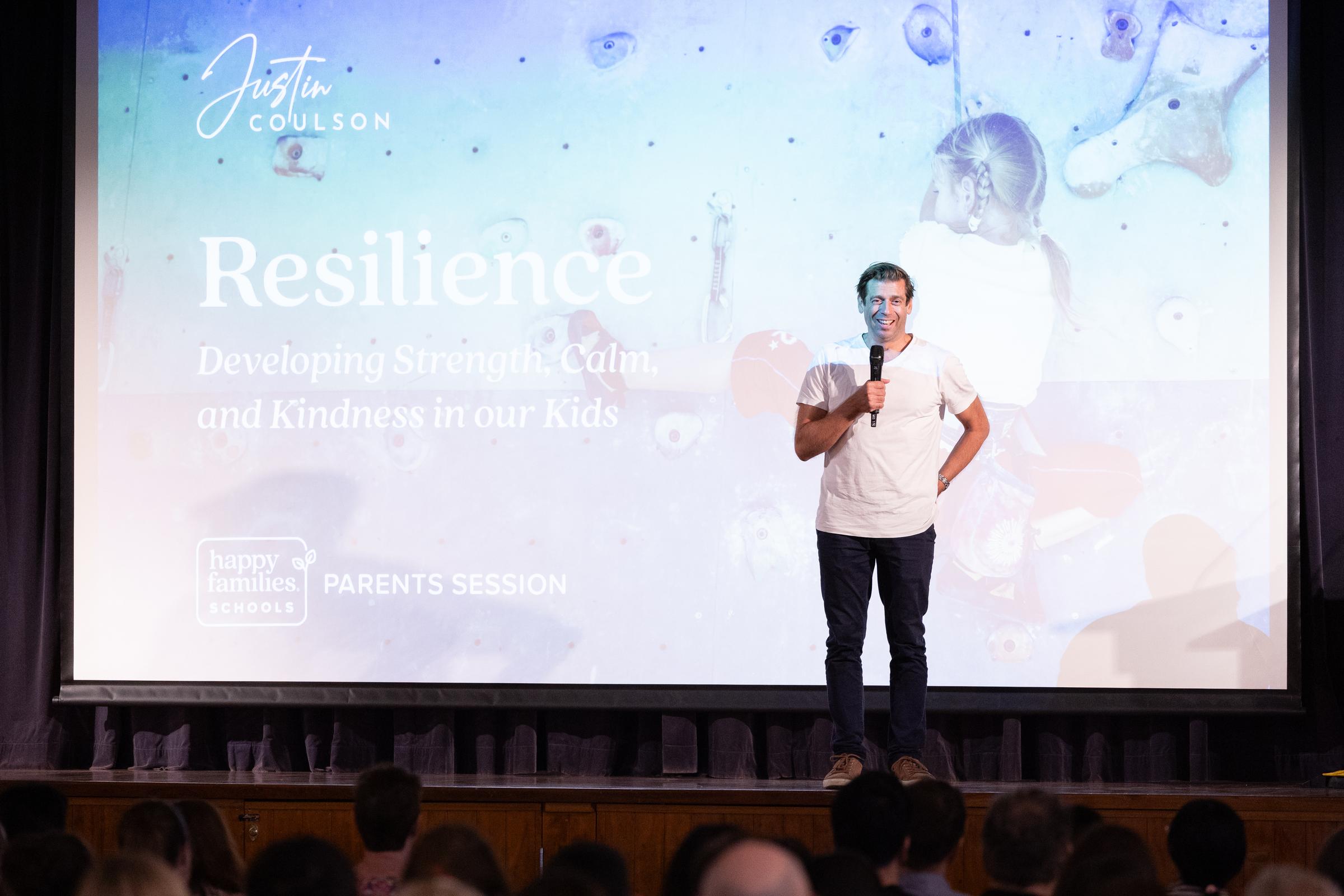
PARENT EVENING – DR JUSTIN COULSON
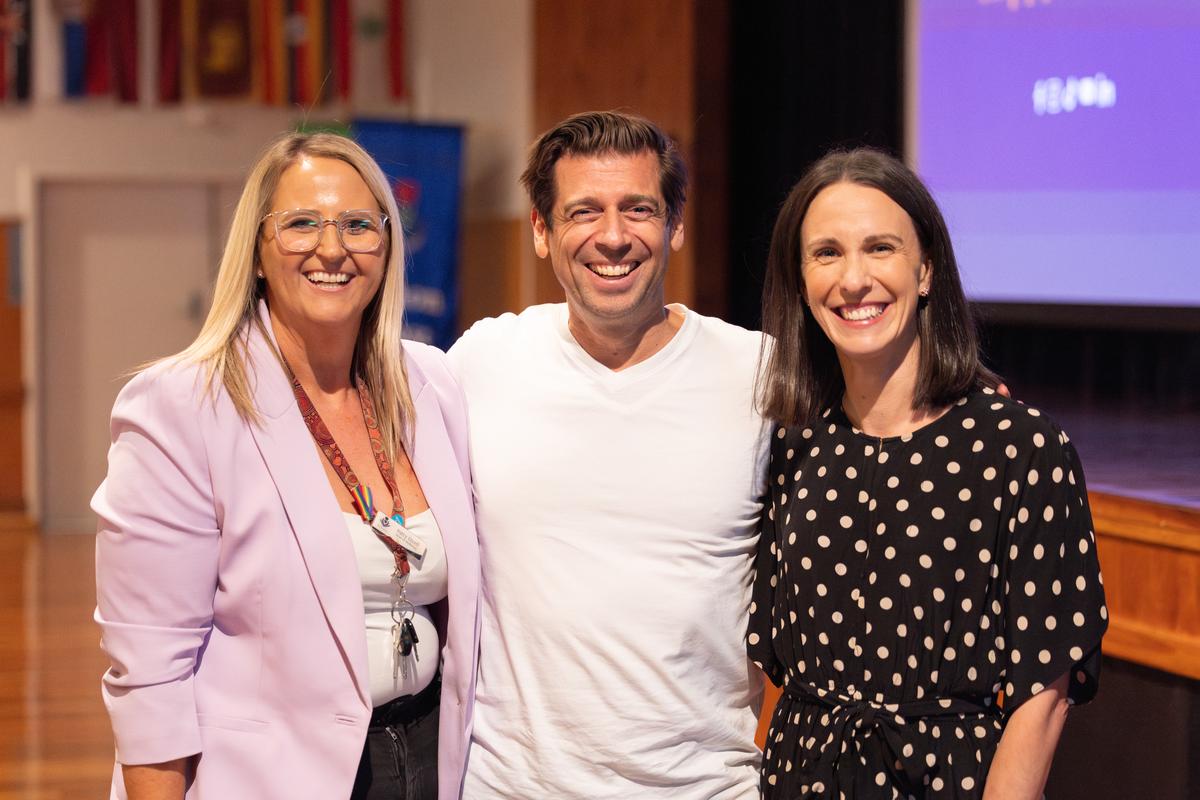
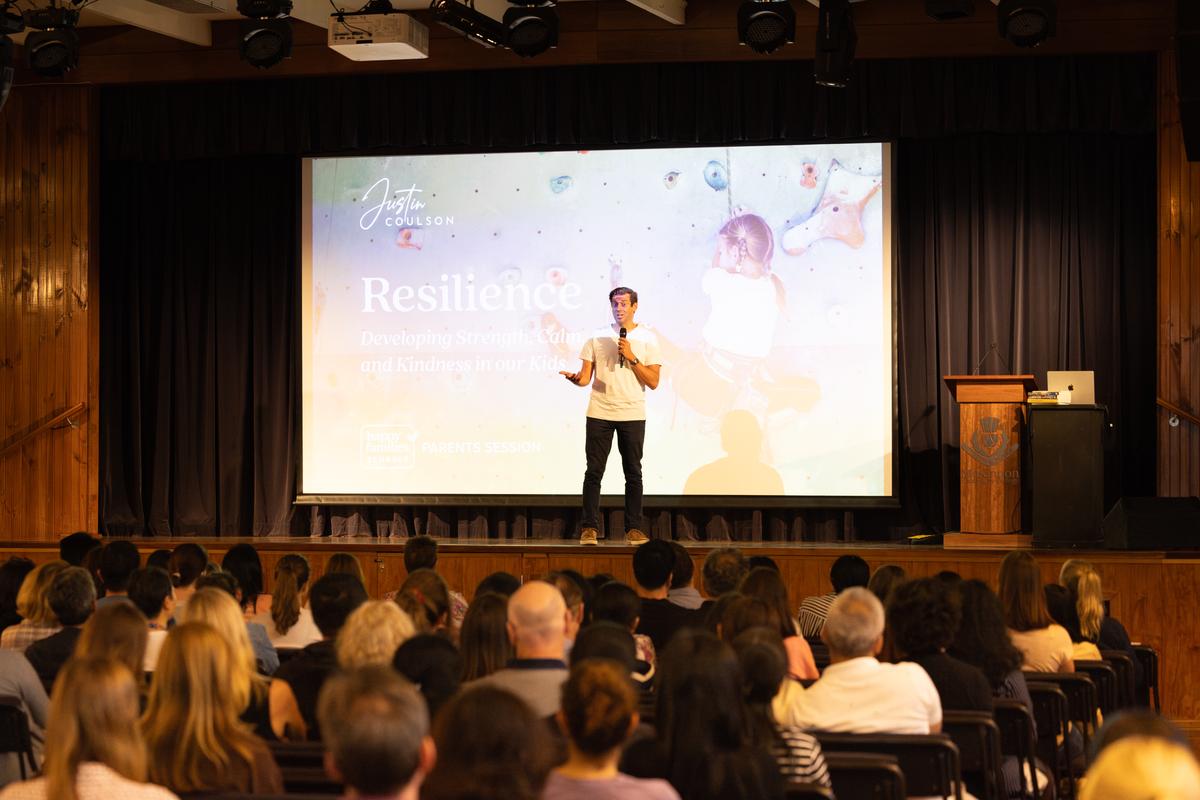
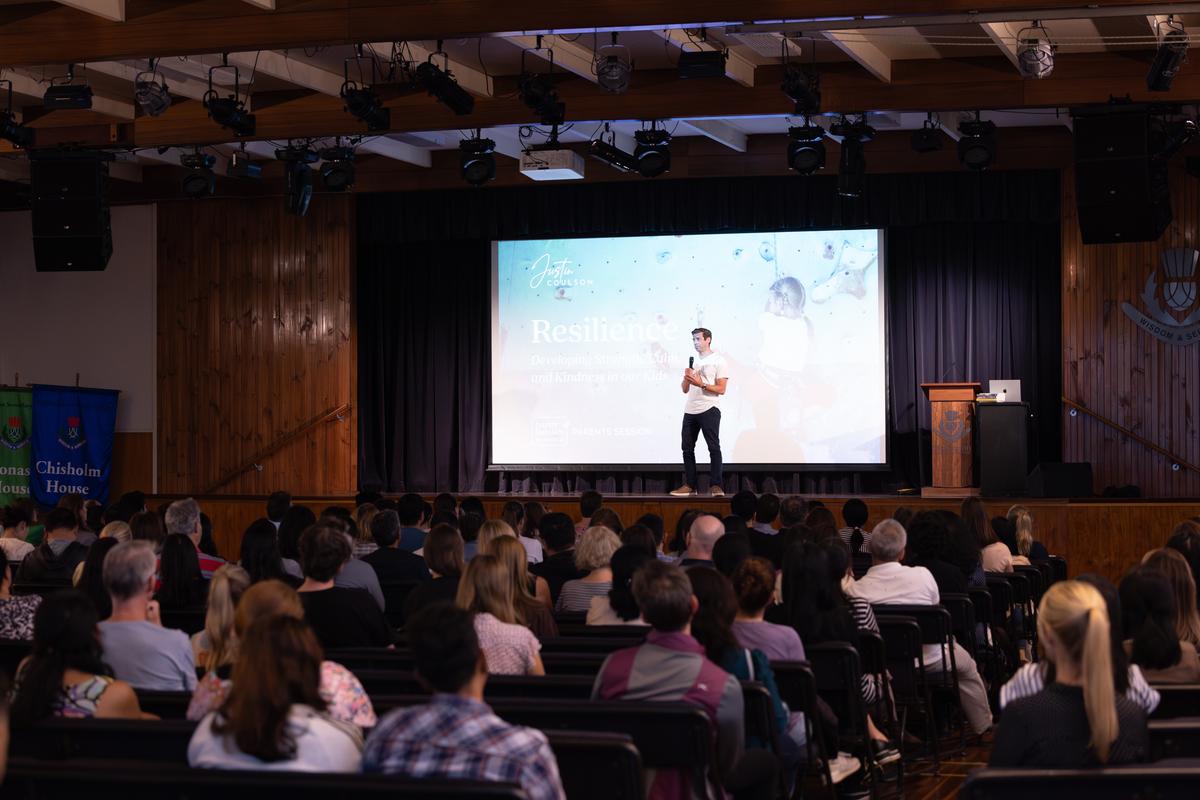
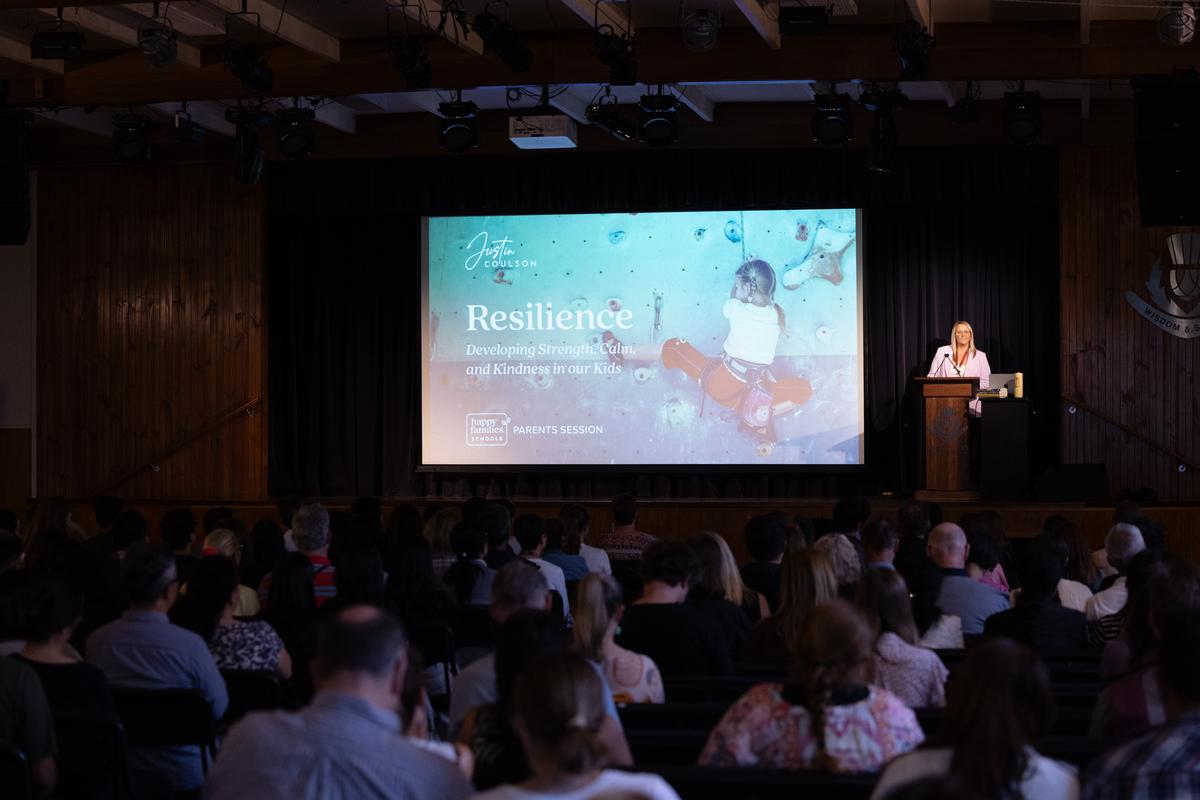
On Wednesday 25 March, we were delighted to welcome Dr Justin Coulson to McKinnon Secondary College for a parent evening, with almost 400 members of our community in attendance. It was a wonderful opportunity to come together and reflect on how we support young people to build resilience and character.
As a community, we also reflected on what resilience really looks like in practice, particularly in those moments when it feels hardest to access, and how this connects to our wellbeing framework and our core value of resilience.
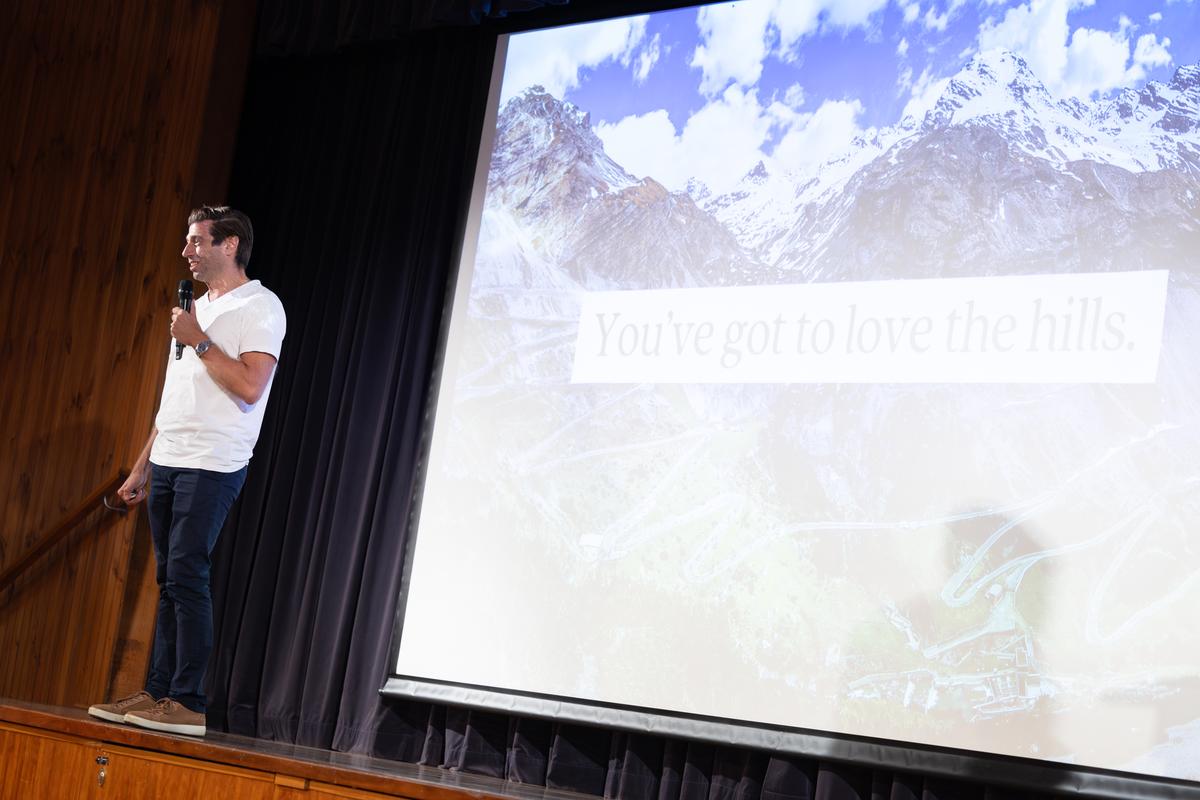
Justin spoke about the importance of helping young people not just reach the “mountain top,” but to learn to navigate and even appreciate the climb, reminding us that growth often comes through challenge. He reinforced that resilience is deeply relational and grounded in strong values and character, and that it often doesn’t feel like resilience when we are in the middle of it. His message that there is no triumph without trial resonated strongly, encouraging us to stay alongside our young people as they navigate the complexities of growing up.
We thank our parent community for their strong attendance and support of the evening.
THIS MONTH ON SCHOOLTV - ONLINE GAMING
Games are an integral part of human behaviour. It is normal and healthy for young people to engage in play as a part of their daily lives, including playing games online. And like most activities, online gaming can have both positive and negative outcomes. It can be intimidating and confusing for carers trying to understand a young person’s online experiences with many considering that staring at a screen is an unhealthy habit. However, the World Health Organisation does believe that as well as the risks, there are also many positive benefits associated with online gaming, and these could be key in nurturing bonds with others.
During the pandemic, there was an explosive growth of gaming as people sought much needed connection during isolation. In the media, gaming often gets bad publicity because most coverage tends to concentrate on the minority of gamers who play to such an extent that it compromises all other areas of their life. However, online gaming can teach young people many skills including teamwork, concentration, communication and problem-solving. It requires a level of interaction and skill from the player; unlike watching television, which is more passive.
Online communities provide opportunities for young people to feel socially connected and have a sense of belonging. At healthy levels, gaming can increase their self-esteem and social acceptance. However, any behaviour, when taken to extreme, can also have a negative impact on a young person’s everyday life. Understanding what your young person experiences online and knowing the warning signs if they are at risk, will help nurture a more positive relationship with online gaming and help your family find the right balance.
If you are concerned about your young person’s online gaming habits, it’s important to consider a number of factors. This edition will provide strategies in how to deal with any issues you may be experiencing. We hope you take time to reflect on the information offered in this month’s edition, and we always welcome your feedback.
If you do have any concerns about the wellbeing of your child, please contact Student Wellbeing at wellbeing@mckinnonsc.vic.edu.au for further information or seek medical or professional help.
Here is the link to this month's edition https://mckinnonsc.vic.schooltv.me/newsletter/online-gaming
Kind Regards,
Patty Etcell
Head of Wellbeing