Learning Across the
Senior School

Learning Across the
Senior School
We’ve all asked a young person a question such as “What do you want to be when you grow up?” and for many adolescents, they are uncertain of their answer. The aim of our Careers Week was to invite our students to explore possibilities rather than feel pressured to decide on a single “forever” career. Our messaging encouraged the girls to turn the tables, and to take opportunities to query the adults in their lives about their own career pathway successes and challenges. Numerous staff shared their own career journeys during Careers Week Assembly, with the message highlighted that whilst past generations have often followed a fixed, linear path, modern careers are typically flexible and evolve over time, making skills like adaptability and curiosity essential.
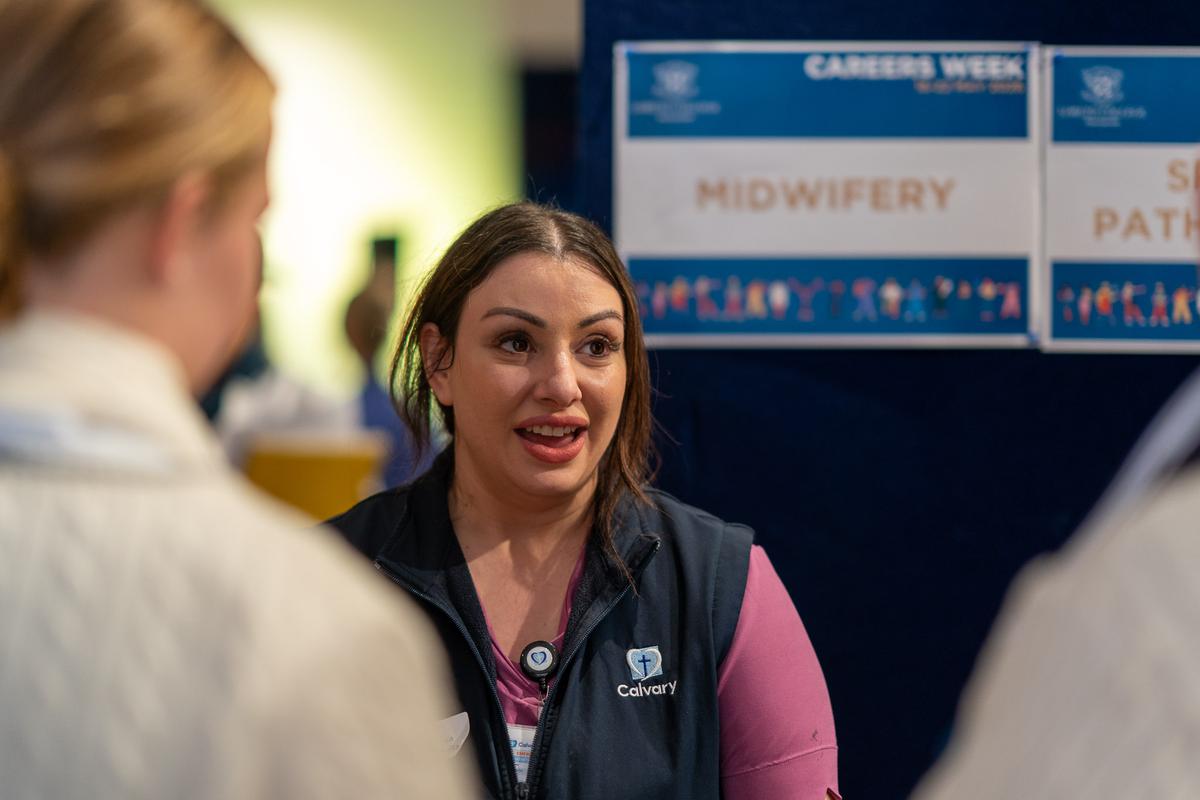
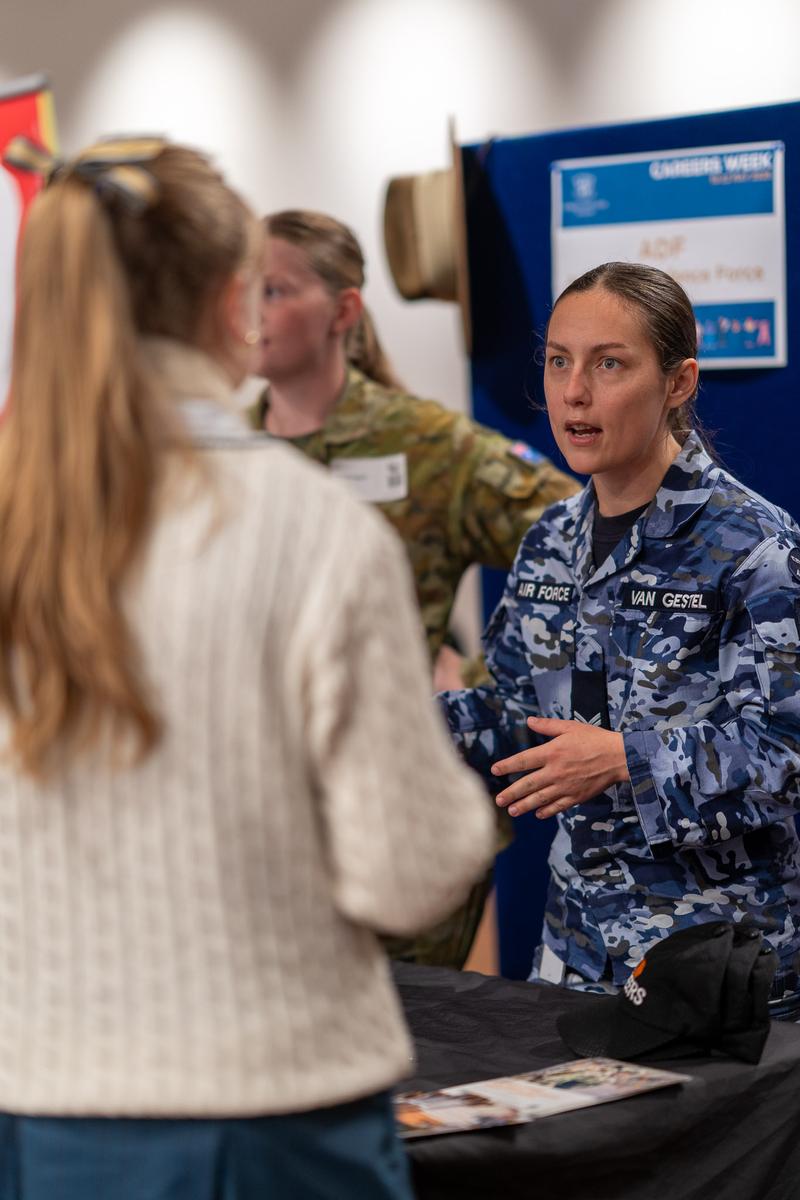
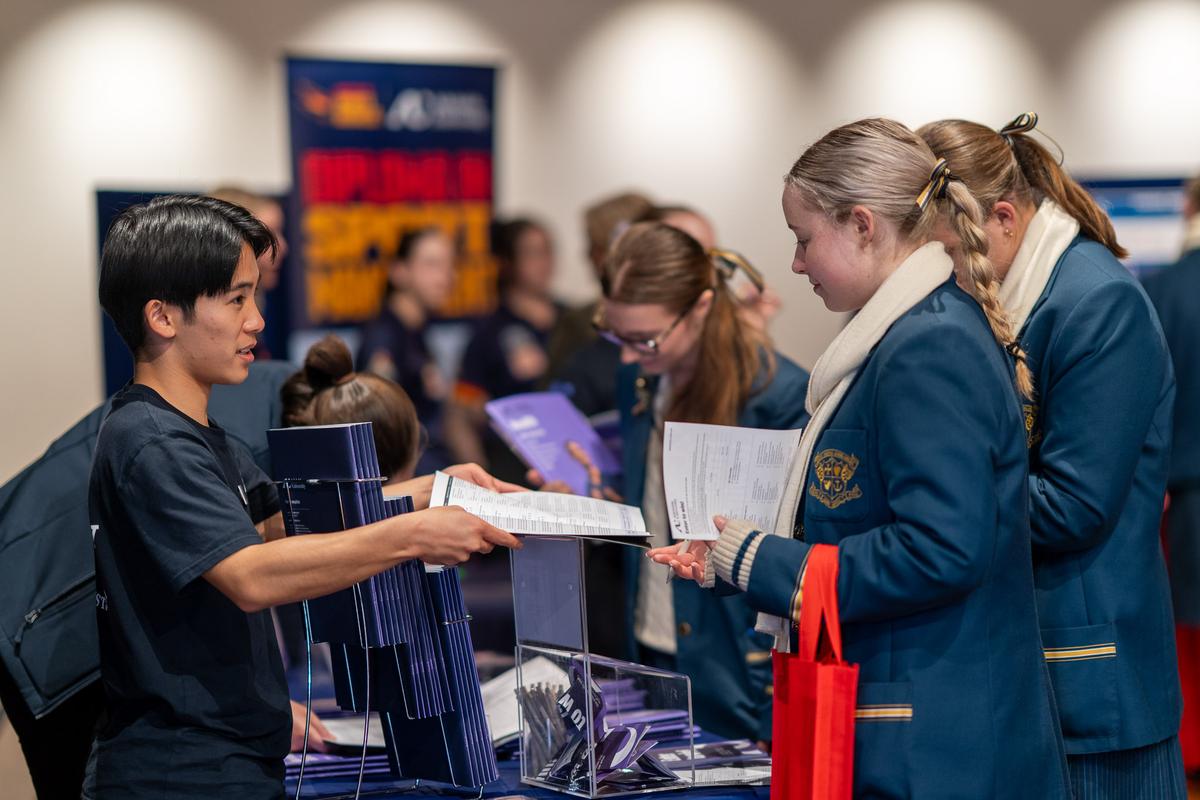
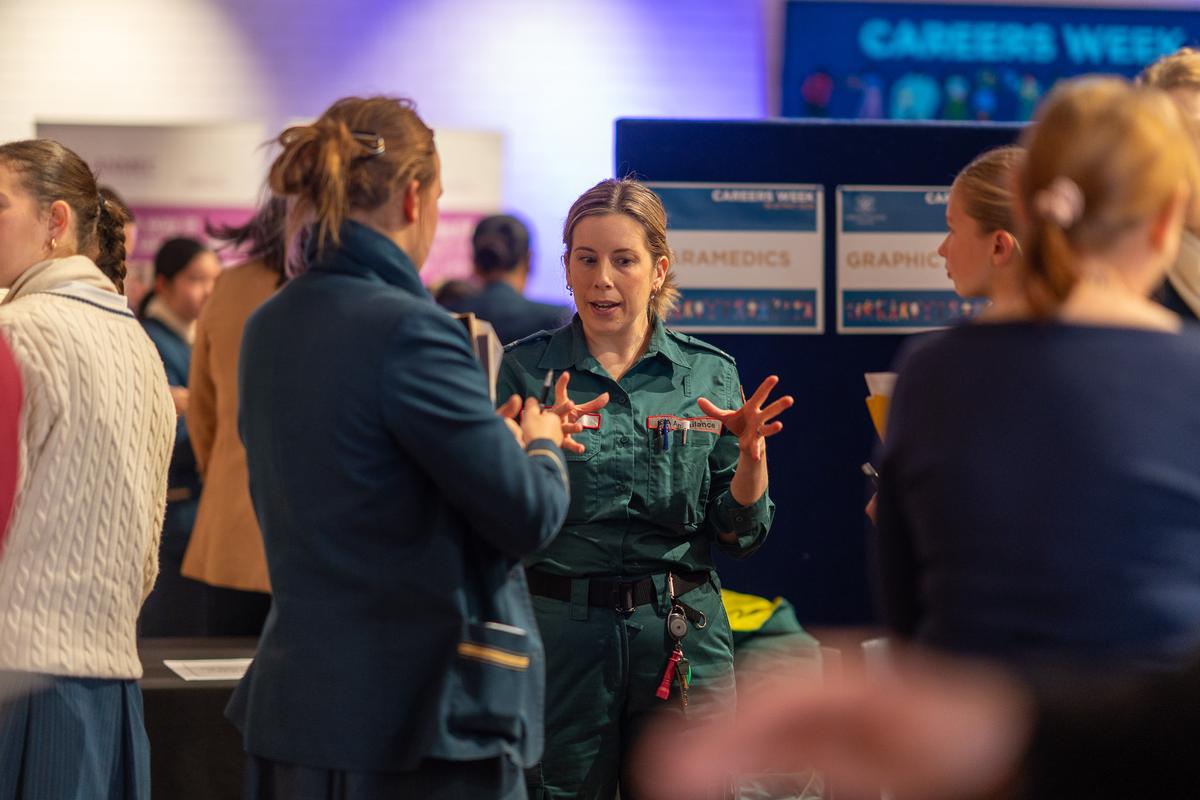
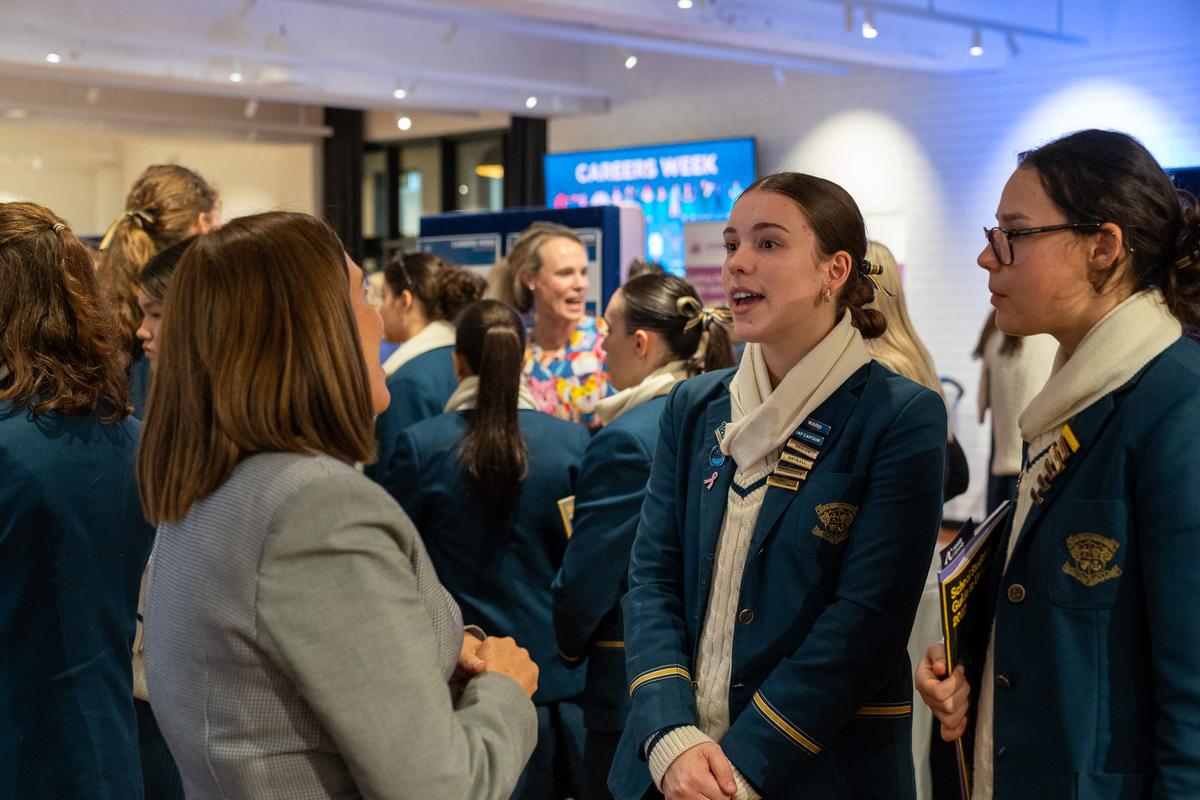
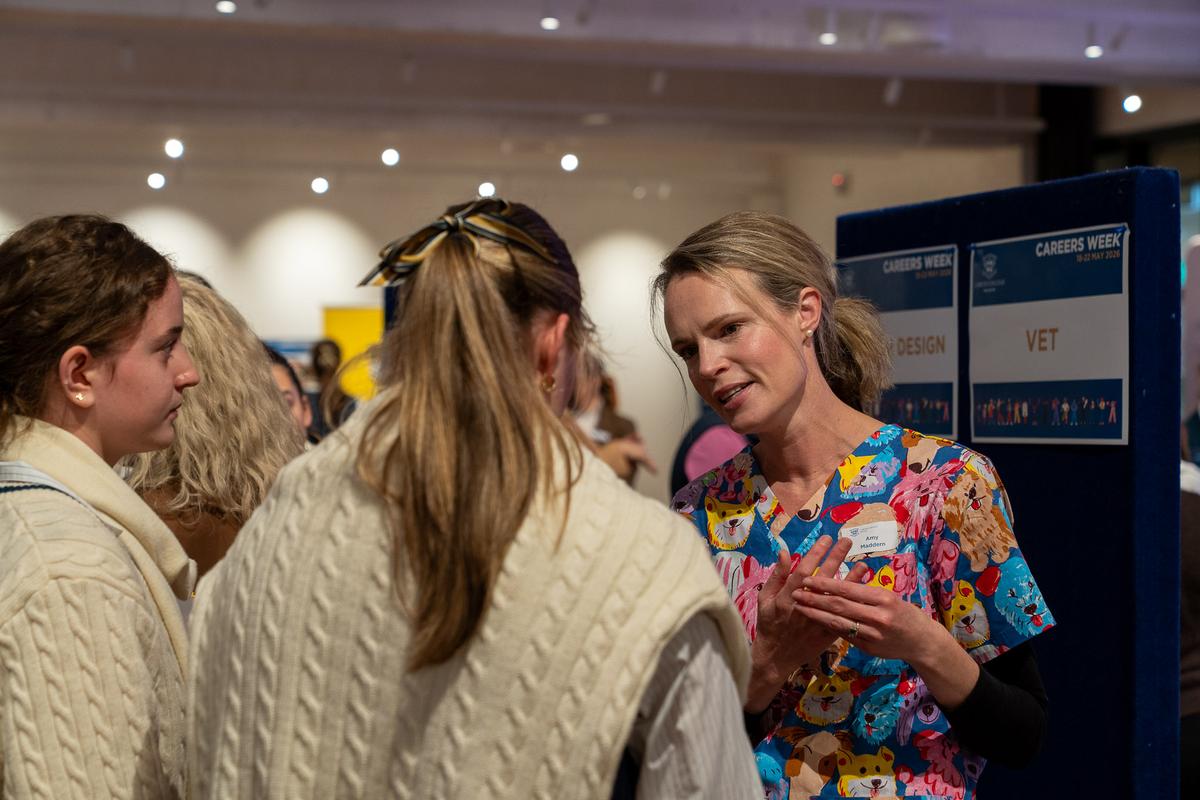
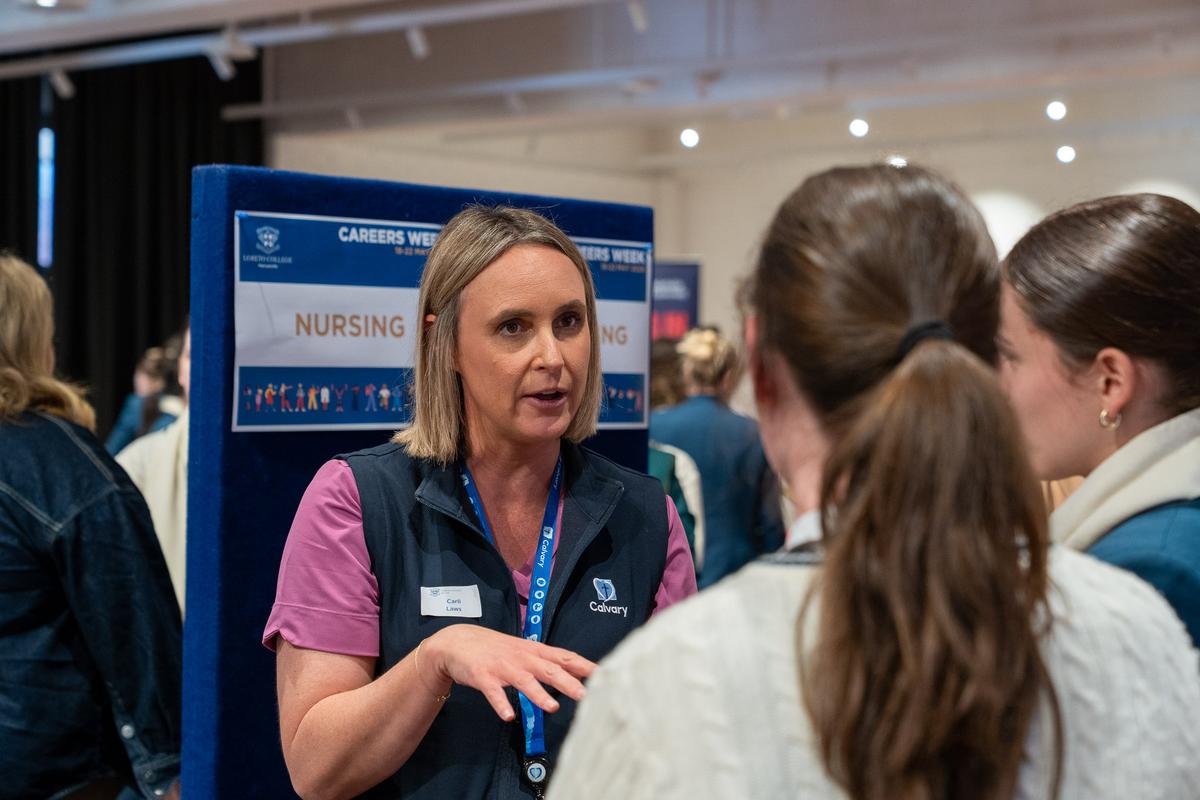
Following some self-discovery of strengths and interests, utilising the Morrisby Career Profiling Survey, a highlight of the week was our onsite Careers Expo for our Senior School students. Students connected with Old Scholars, tertiary institutions and industry professionals across fields including law, psychology, medicine, engineering, agriculture, business and more. We were extremely grateful to our LOSA attendees and community members whose presence added a more personal touch to this informative event.
In addition to learning about future study options and courses, it was wonderful to observe our students proactively engaging in individual and meaningful conversations with the Old Scholars. These conversations provided rich and relevant inspiration and insight, giving our students a glimpse into the many and varied pathways that await them beyond school.
Robyn Scott
Director of Academic Programs
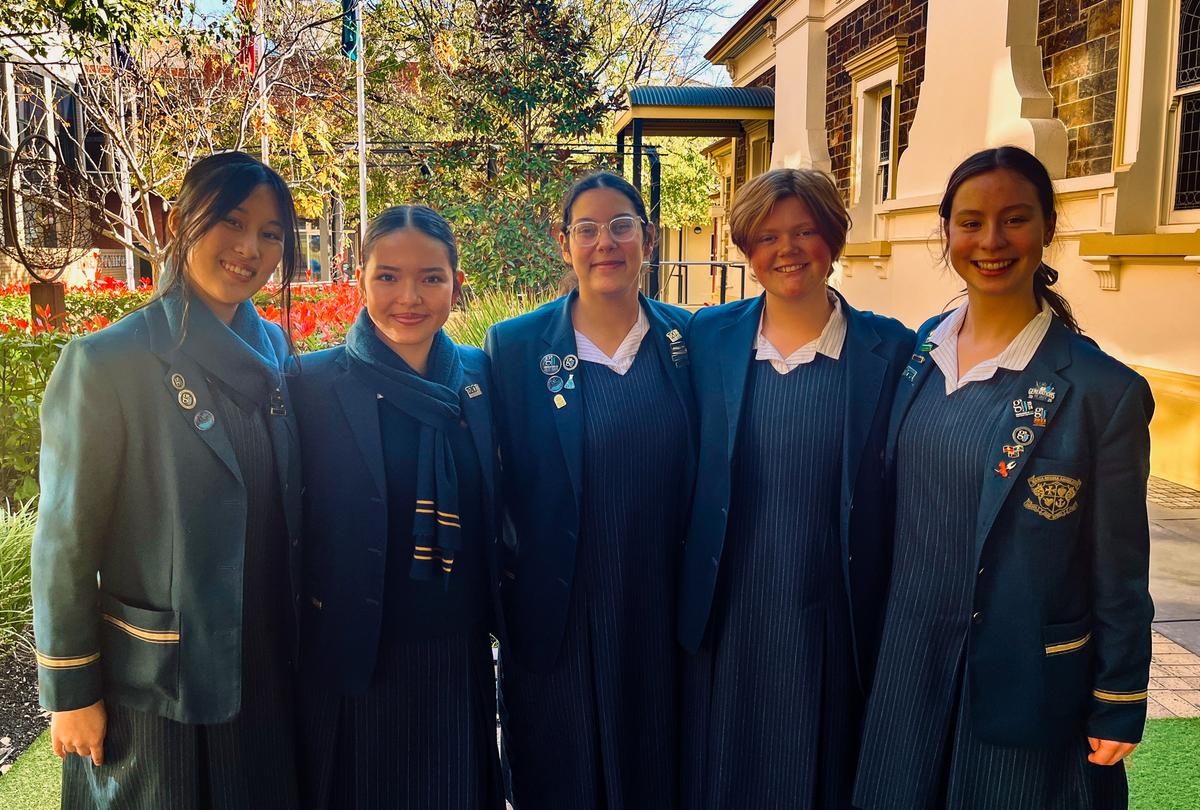
Watching the girls compete in the South Australian Ethics Olympiad was incredibly inspiring, particularly in the way they approached difficult ethical questions with thoughtfulness, maturity and respect for one another’s ideas. The competition demonstrated that ethics is not about finding one ‘correct’ answer, but about listening carefully, thinking critically, and being willing to challenge personal assumptions. Throughout the Olympiad, the girls worked tirelessly while competing against a variety of schools from across South Australia, analysing complex ethical dilemmas that often had no simple solution and balancing differing perspectives, values and consequences with impressive insight.
The topics included:
Digital Afterlife Management: Who owns and controls the digital avatars and personas of deceased individuals?
Redefining Humanity: Using germline editing (changing DNA in sperm, eggs, or embryos) to stop life-threatening or inherited conditions from being passed to children.
In-Vitro Meat: The morality, environmental impact, and animal welfare implications of lab-grown meat.
A Phenotypic Prometheus? Ethical debates surrounding human genetic enhancement and designer babies.
Salacious Gossip: The responsibility of influencers, citizens and media outlets in spreading rumours.
Ode to a Scab: The ethical tension between an individual's right to work and the collective solidarity of labor unions during a strike.
A Monthly Subscription to Brutality: The morality of consuming and monetising murder docuseries or true-crime content.
University Scholarships: Evaluating fairness and equality when taking spots vs. "earning" them in competitive academic admissions.
Their conversations showed not only strong reasoning, but also empathy and an understanding of others. The Olympiad highlighted the importance of teamwork, as success depended on the girls working together to develop thoughtful responses rather than one person leading the discussion. Their ethical dilemma discussions showed not only academic skill, but also ethical reasoning, teamwork and open-mindedness.
Megan Lumsden
Gifted and High Potential Learners
Our Loreto education fosters and develops the holistic child - academically, physically, and spiritually. During Reconciliation Week in SEAD lessons, Year 9 and 10 students have actively engaged in discussions and activities focusing on the importance of National Reconciliation and their own personal journeys, particularly as they navigate friendship issues, and acknowledging their part and the importance of forgiveness. SA Government’s Keeping Safe Child Protection Program also underpins all that we teach in SEAD, as does Wellio, our online resource which is insightful and evidence-based. Throughout 2026, and to complement our Year 9 and 10 SEAD programs, the students will engage in discussions and activities relating to personal and online development. Year 9 students will focus on identity and self-discovery through conversations about keeping safe and protective strategies.
Additionally, Year 10s will also engage with Wellio, while also acknowledging their personal and online responsibilities, with the focus on living a purposeful life, measuring self-worth and taking ownership. With exams approaching this term in week 9, Learning & Academic Success will also target student organisation, being efficient workers and undertaking exams in a safe and productive manner.
Fi Donnelly
Leader of Student Wellbeing and Academic Care – Years 9 and 10
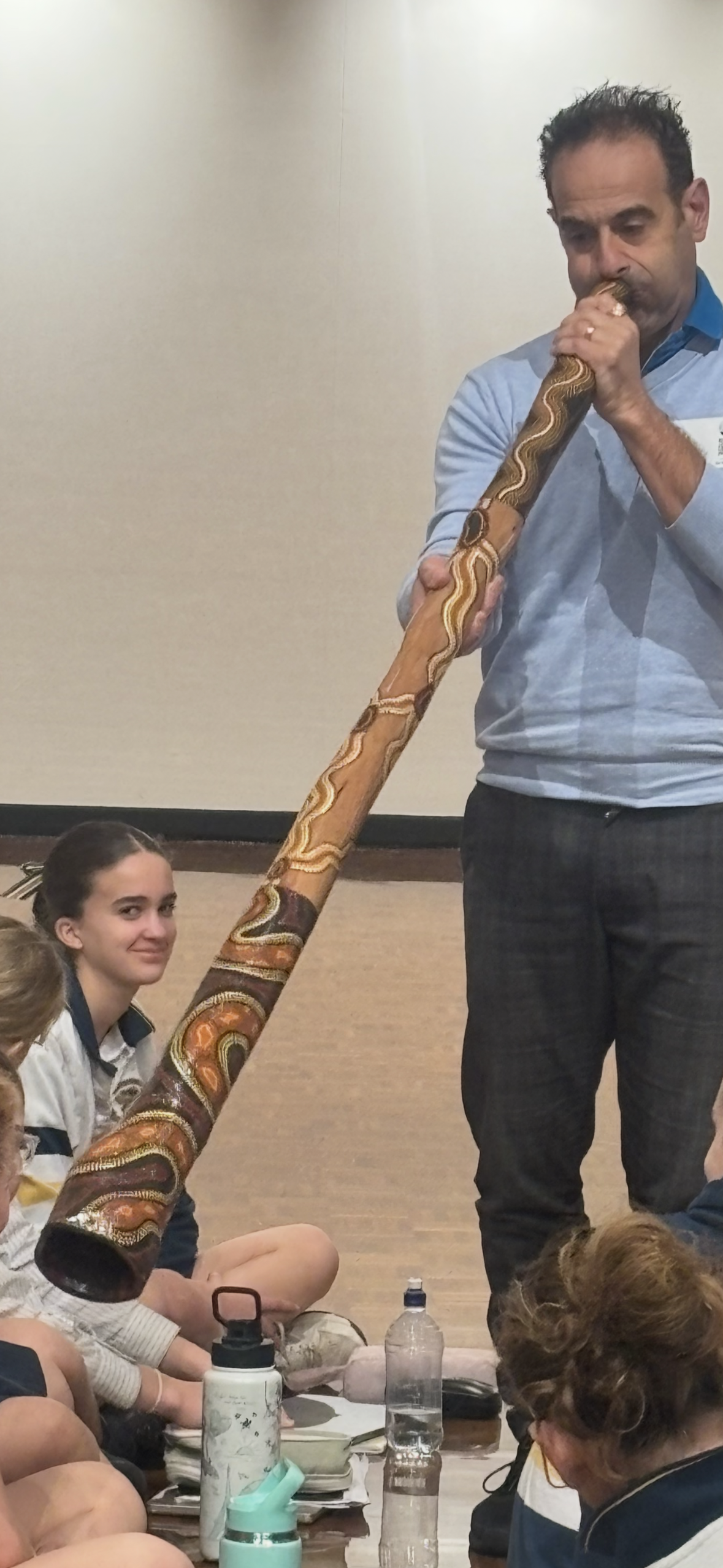
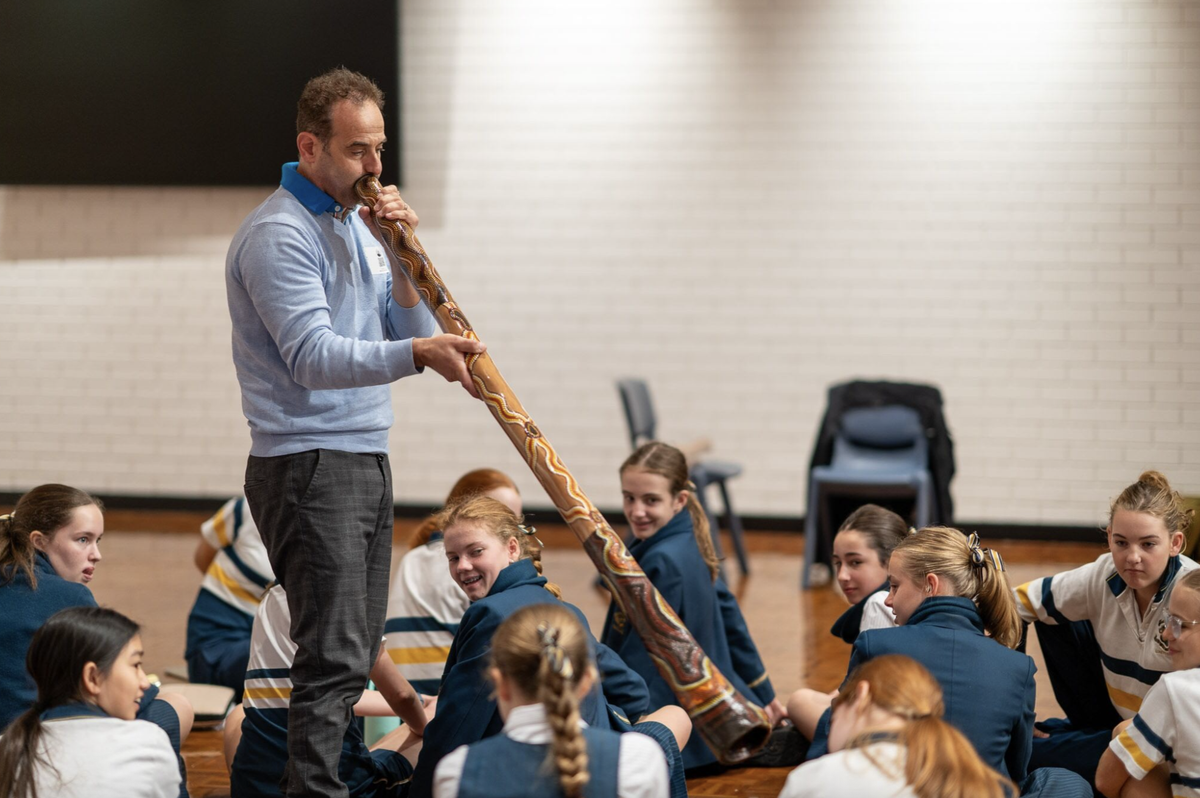
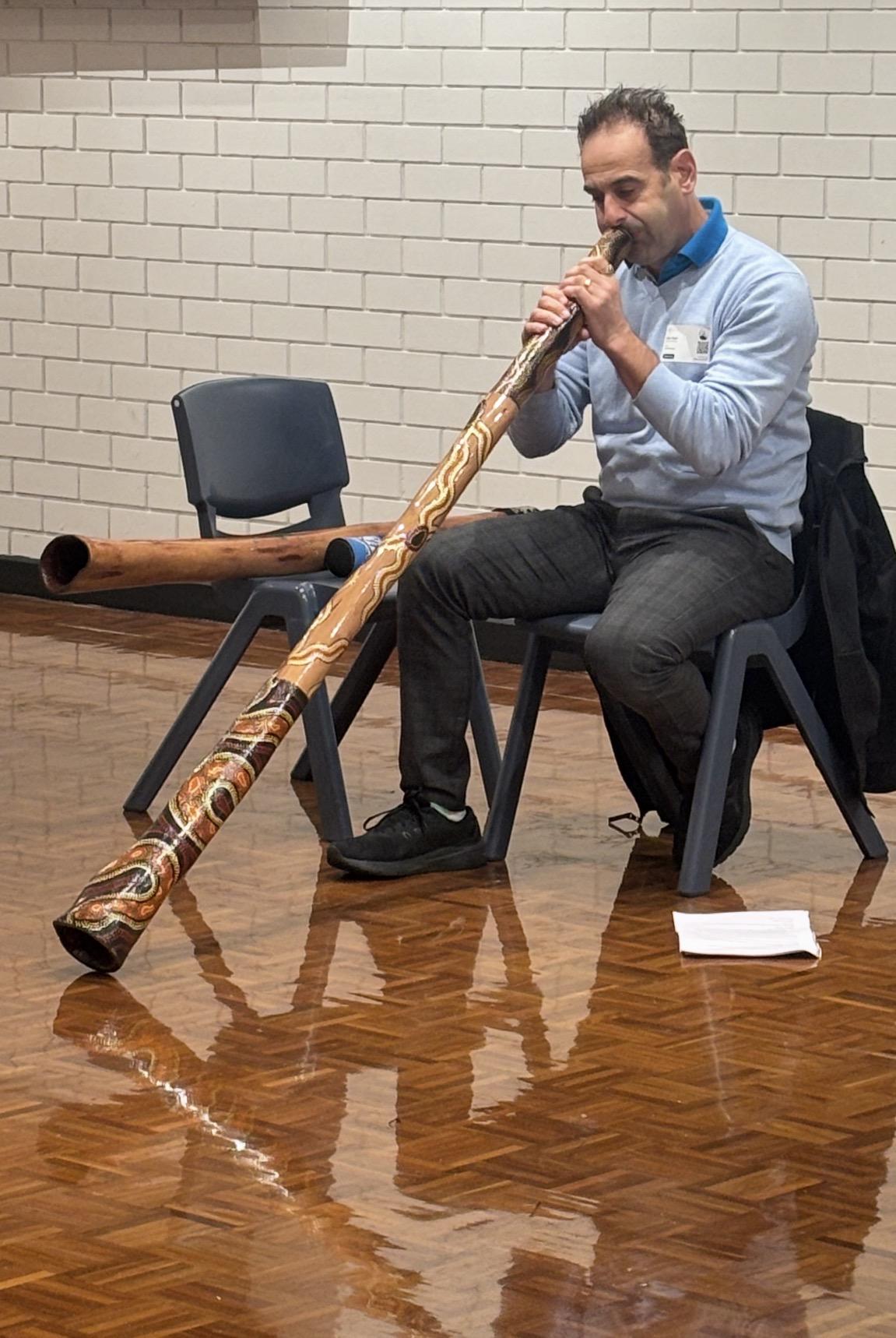
The didgeridoo is an excellent instrument of Australian Indigenous significance that can also be used for teaching sound energy as it clearly demonstrates how vibrations create sound and how energy transfers through a medium. Our guest delighted the Year 8 Science students by playing the didgeridoo and by mimicking the sounds of the kookaburra and the kangaroo hop. The vibrations were even sensed by the girls, adding a powerful sensory element to their understanding of sound energy.
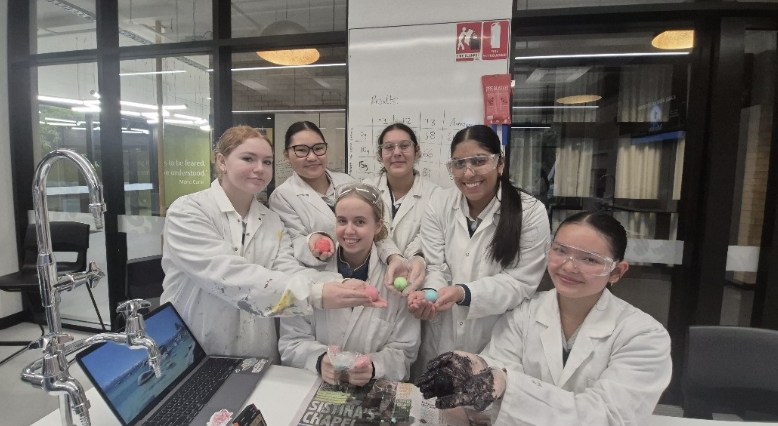
The SACE Stage 1 Chemistry students explored polymers through a design and deconstruction task investigating the factors that influence the quality of a bouncy ball.
Students applied their understanding by creating their own bouncy balls and testing how varying the amount of a single ingredient influenced the ball’s bounciness. This hands-on investigation allowed students to develop their practical skills, while also linking scientific theory to a real-world application.