
History of University Campus
Alex, Year 9, Univeristy Campus
Ivanhoe Grammar School established its innovative University Campus in Macleod as part of a unique partnership with the LaTrobe University. The campus was created to provide Year 9 students with an early experience of university-style learning and establish greater independence. Students from the School's Ivanhoe and Plenty campuses spend their entire Year 9 at University Campus, participating in a specialised program designed to prepare us for senior secondary studies and future university life. What began as occasional visits to LaTrobe University, evolved into a dedicated campus with more than a decade of successful collaboration between the two institutions.
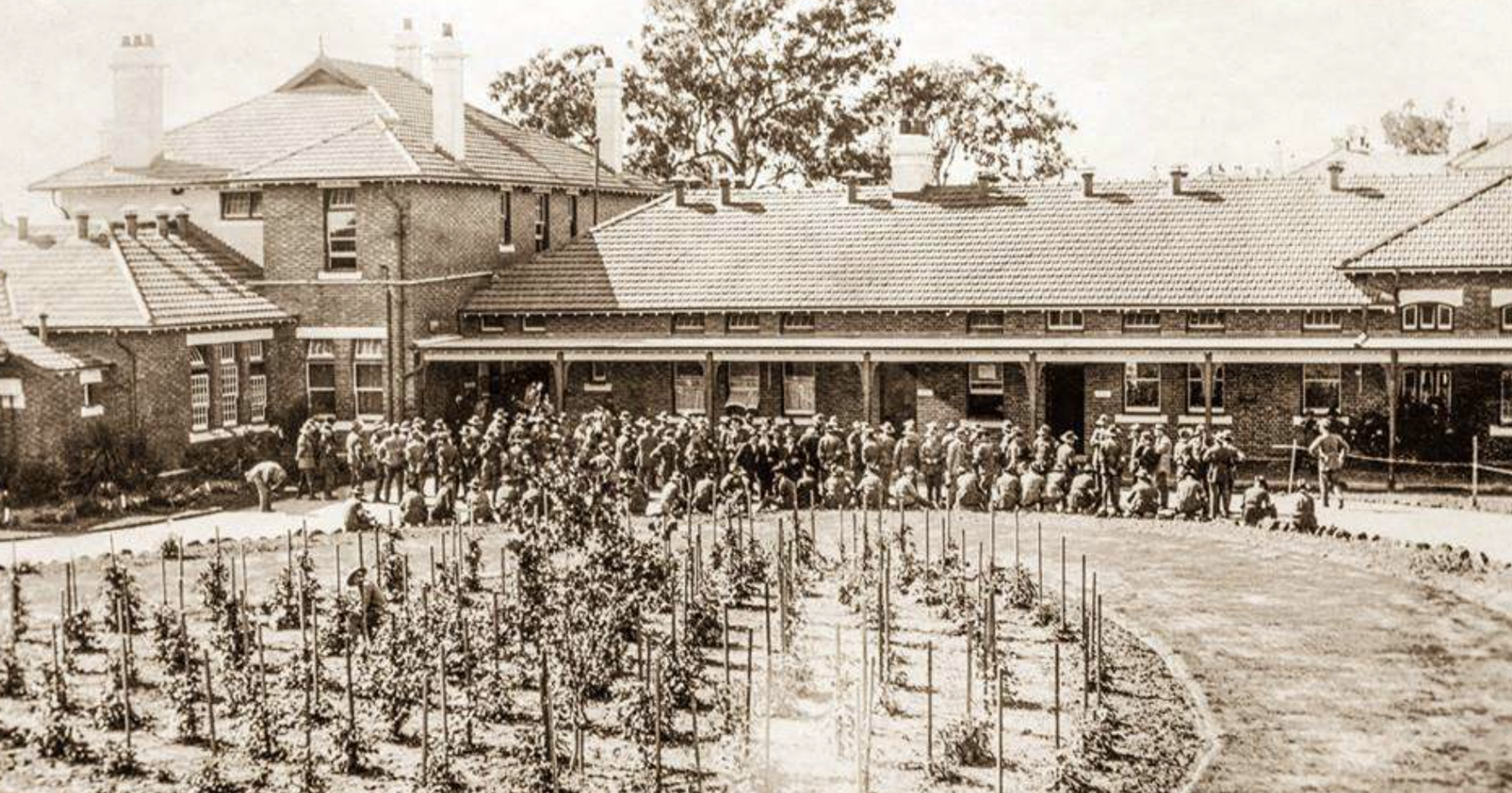
University Campus is located at Terrace 1 and 2, Terrace Way, Macleod. These terrace buildings were originally constructed as residential accommodation connected to the former psychiatric hospital precinct that occupied much of the surrounding area. The site was historically part of the large mental health facilities that operated in the area during the twentieth century, including the former Mont Park and Larundel Psychiatric Institutions. Many of the terrace-style residences were built to house nurses, medical staff and other workers employed at the hospitals. Over time, as mental health services were restructured and the hospitals closed, the buildings were repurposed for educational and community uses.
Today, the restored terraces have been transformed into modern classrooms, science laboratories, music facilities and student learning spaces while retaining much of their historic character. The combination of historic architecture and contemporary educational facilities gives University Campus a unique atmosphere unlike a traditional secondary class. Students also spend two days of their week studying in facilities within Glenn College on campus at LaTrobe University, further strengthening the university-learning experience.
The Macleod and Bundoora area was once home to one of Victoria's largest mental health precincts. While the hospitals have disappeared, many heritage buildings remain and have found new purposes, including education. The former terraces that once supported a mental health institution now help educate hundreds of Year 9 students each year, representing a remarkable transformation of the site's history.
This story shows how a site once associated with healthcare and treatment has been successfully adapted into a place of learning, growth and opportunity for future generations.