
Learning Diversity
Understanding Neurodiversity
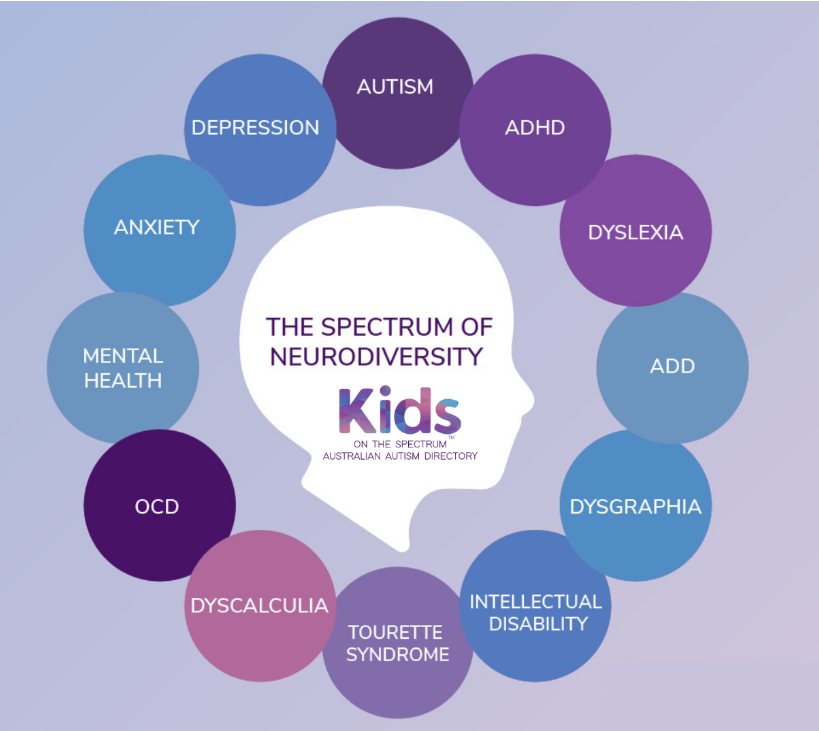
Neurodiversity refers to people’s brains working in different ways, and these differences should be recognised and respected just like any other form of human diversity. Because our brains are wired differently, people may think, learn, move, process information, and communicate in unique ways.
The term neurodiversity is often used as an umbrella to describe differences such as Autism, Attention Deficit Hyperactivity Disorder (ADHD), Dyslexia, Dyspraxia (DCD), and Dyscalculia. Around 15–20% of people have a neurological difference. Rather than focusing only on challenges or labels, neurodiversity encourages us to recognise both the strengths and challenges individuals may have.
Each neurodivergent person has their own unique profile, and many may experience more than one difference. By taking a person-centred approach, schools and communities can support students in ways that build confidence, highlight strengths, and help every learner thrive. Recognising and valuing different ways of thinking helps create inclusive learning environments where all students can flourish.
At our school, we believe every child learns in their own special way. St. Fidelis promotes understanding, kindness, and inclusion. We encourage everyone to embrace differences and celebrate the incredible diversity in our community!
Over the next few months, I will also be sharing further information in the newsletter about different neurodivergent profiles within the neurodiversity umbrella, helping our community better understand the strengths, challenges, and ways we can support all learners.
At St. Fidelis, we support neurodiverse learners by:
- Clear, predictable routines that help students feel safe and understand what to expect throughout the day.
- Breaking tasks into smaller, manageable steps so students can approach learning with confidence and clarity.
- Providing extra processing time to allow students to think, respond and complete tasks at their own pace.
- Flexible seating options, such as wobble stools, cushions, or standing desks, to support focus and comfort.
- Regular check-ins with teachers or support staff to guide students, clarify instructions and build confidence.
- Opportunities for movement or sensory breaks to help students regulate their energy and maintain concentration.
- Celebrating individual strengths and interests to build confidence, motivation and a positive sense of identity.
In our school community, understanding neurodiversity means helping every child feel seen, supported and valued—just as they are.
Let’s make our school a place where everyone feels valued and supported—because different minds make the world brighter!
Vira Pirrotta | Learning Diversity Leader