
This Week At OOPS
Athletics Carnival
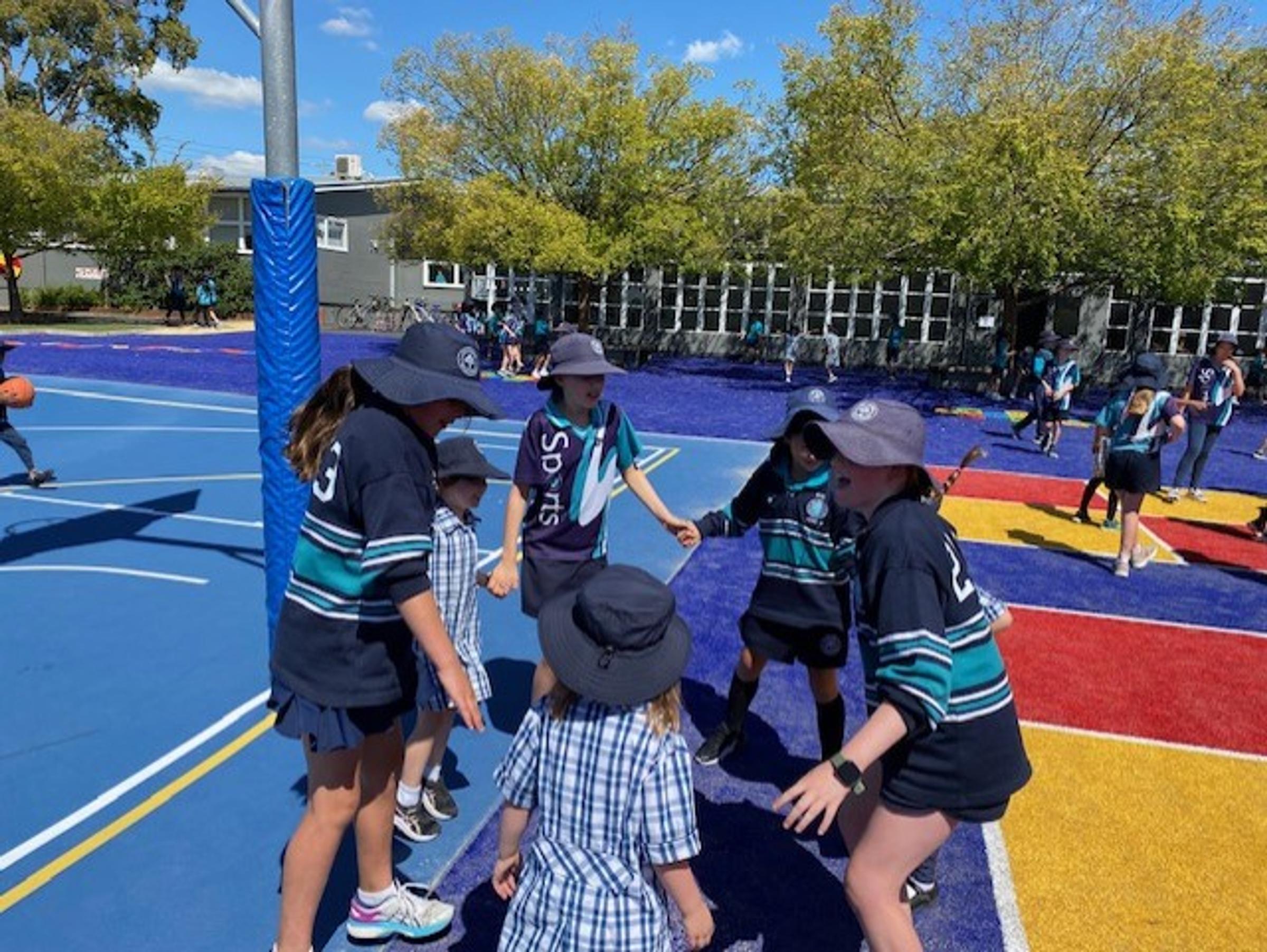
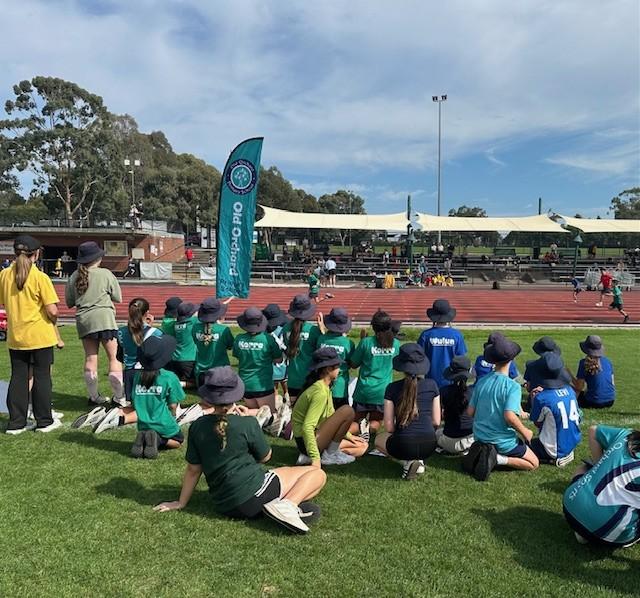
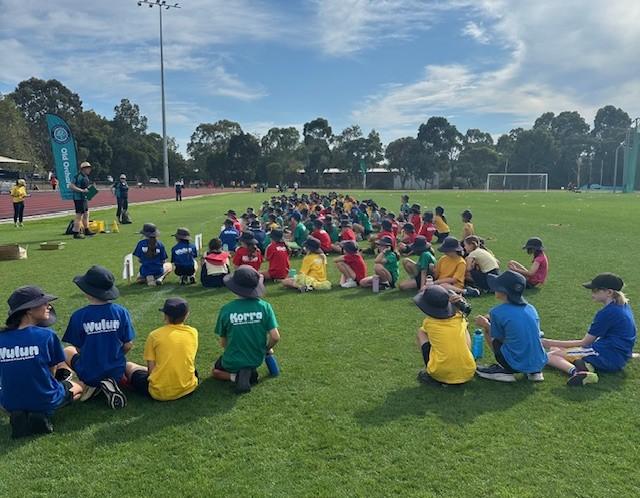
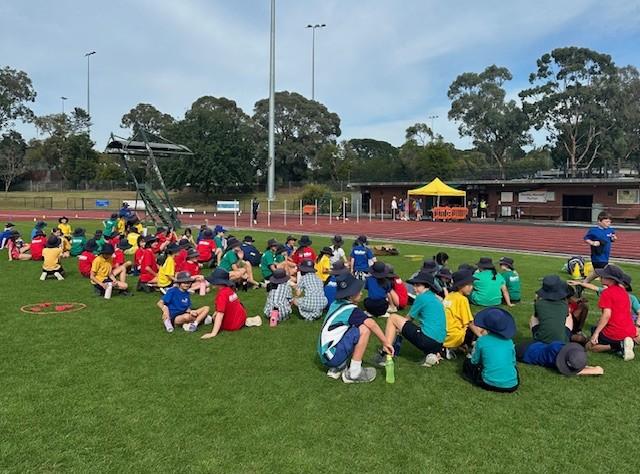
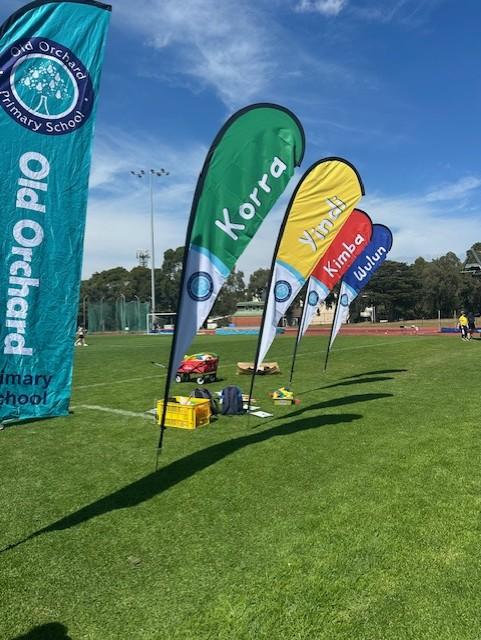
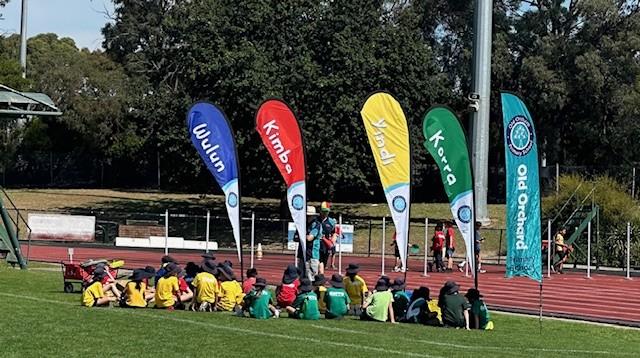
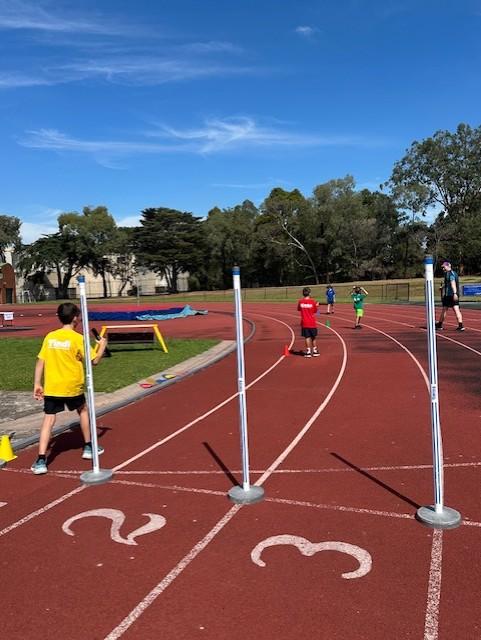
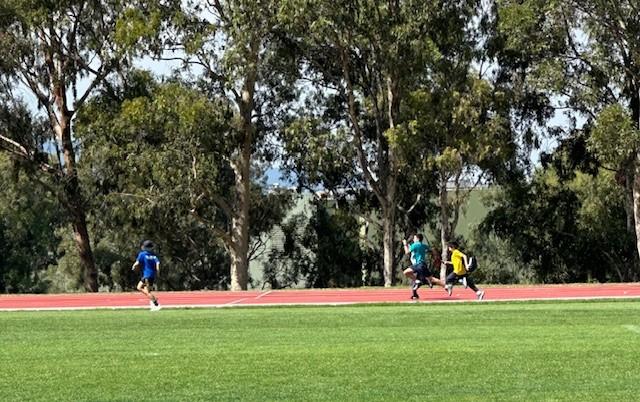
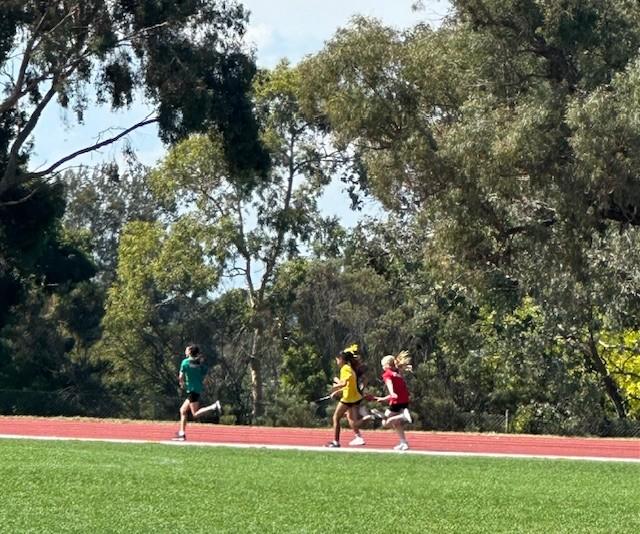
What a fantastic day we had at our Year 3–6 Athletics Carnival! It was wonderful to see so many students participating, trying their best, and showing great sportsmanship throughout the day.
A big thank you to our staff for their organisation, flexibility, and hard work in running events and supporting students. Events like this simply cannot happen without the teamwork and effort from all staff involved.
We would also like to sincerely thank our parent and community volunteers who gave up their time to help on the day. Your assistance with events, recording results, and helping things run smoothly was greatly appreciated.
Finally, well done to all of our students for their effort, behaviour, and house spirit. It was great to see so much encouragement, resilience, and positive attitudes across the day.
Thank you again to everyone who helped make the day such a success.
Wellbeing Wagon
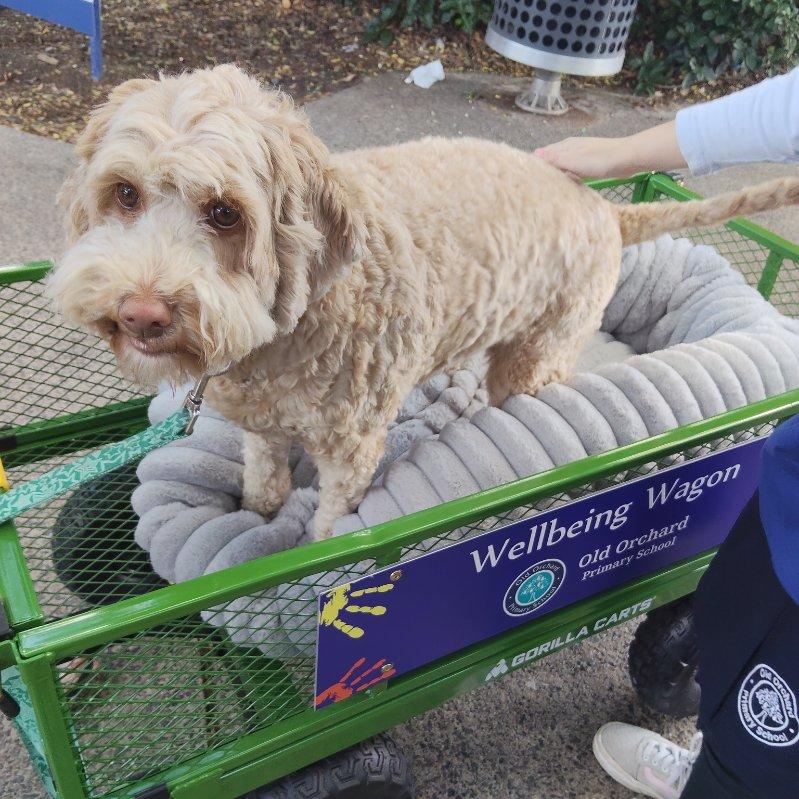
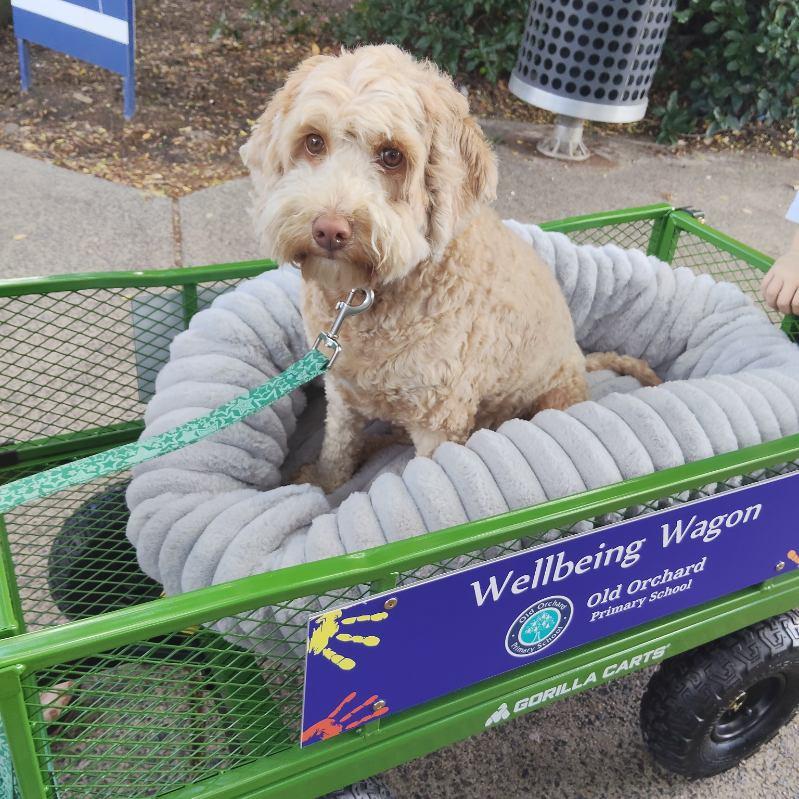
Ginger was a very popular addition to our wellbeing wagon during break time today!
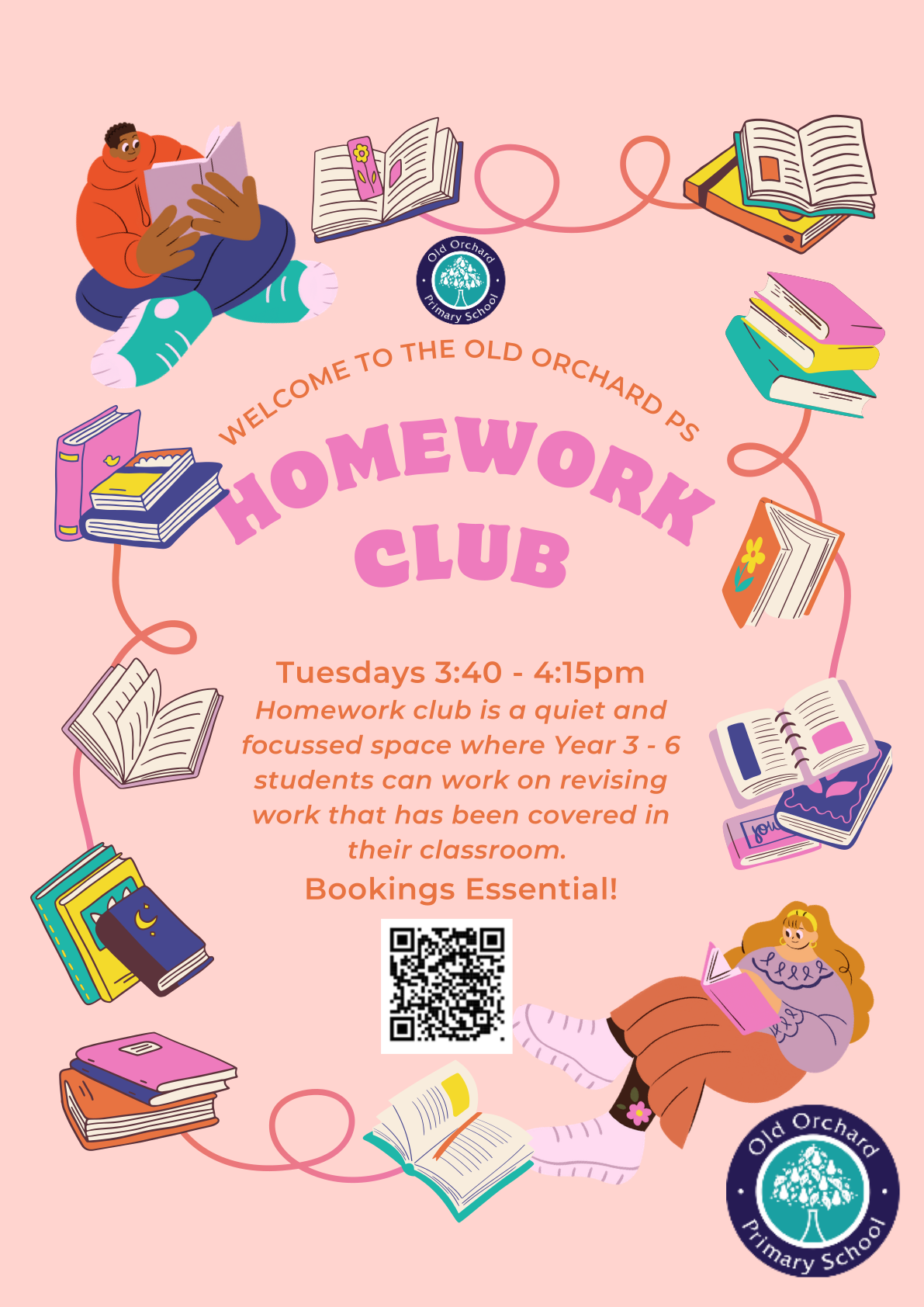
Launching Old Orchard Homework Club!
In term 2 we will be trialling Old Orchard’s first ever Homework Club! We will provide a classroom environment to support students in developing regular independent homework routines.
Homework expectations and capacity look quite different from family to family and student to student. For these reasons we understand that one size does not fit all. What we do know though is that repeated practice consolidates learning, builds neural connections, supports the transfer of learning to new situations and builds on long term memory.
Our new Homework club aligns with our Home learning Policy.
The details –
Students must be booked in via try booking (bookings are limited)
Students must be collected from the classroom (A7) at 4:15 sharp.
Our expectations –
Homework club is a quiet and focussed space where students can work on revising work that has been covered in their classroom. Students will be in years 3 – 6 only. Students will work independently during the club. We encourage students to bring along their daily reading text, to bring in work they have covered in class for review, to bring along extension or support work they may have been directed to in an IEP (individual education plan) or to develop their mental maths work with times tables practice.
Students will be supervised by a teacher each week however that teacher will not be providing additional instruction or individual support.
Dates available –
Tuesday 21st April
Tuesday 28th April
Tuesday 5th May
Tuesday 12th May
Tuesday 19th May
Tuesday 2nd June
Tuesday 16th June
Please note - Bookings will open the at 9am the week prior to the Club session
If you have further questions about the Club please reach out to either Clare Murray (clare.parsons2@education.vic.gov.au) or Jen McCann (jennifer.mccann@education.vic.gov.au )
Homework Club (reference information)
We use the Victorian Teaching and Learning Model 2.0 (VTLM 2.0) to guide our practice at Old Orchard Primary School
Elements of learning
The four elements of learning in the VTLM 2.0 are based on insights into the process of learning from cognitive science, neuroscience and education psychology.
The four elements of learning in the VTLM 2.0 represent these key findings from the evidence-base:
- Attention, focus and regulation: Learning requires students’ active engagement and focused attention in order to move new information from working memory to long-term memory. Student learning can be supported by minimising distractions, setting appropriate levels of challenge, using rules and routines, and establishing learning environments where students feel accepted, valued and that they belong.
- Knowledge and memory: Working memory is the active workspace for engaging with knowledge, skills and concepts. Learning happens when new knowledge moves from working memory to long-term memory. Long-term memory is where information, including our memories, are stored and new knowledge is linked to existing mental models.
- Retention and recall: As working memory has limited capacity, it is best supported if new information is introduced in small, manageable chunks, a task is not too difficult for the current level of knowledge, there are no visual or auditory distractions and there are clear expectations and consistent rules and routines. Practice using new information facilitates transfer to long-term memory and retention. Recalling new knowledge strengthens the connections in long-term memory and makes it easier to apply.
- Mastery and application: Spaced, varied and repeated practice consolidates learning, builds neural connections, supports transfer of learning to new situations and leads to ever more complex mental models in long-term memory. This in turn supports retrieval and application of knowledge. Students can more effectively engage in problem solving and generate new learning once they have acquired the relevant knowledge

We are looking for some volunteers to look after our chickens over the school holidays. Jobs include:
- Checking food and water
- Bringing any scraps from home for them to eat
- Cleaning out the nesting boxes as needed
- Collecting (and enjoying!) any eggs
If you can help out for a few days please Sheree or Mandy know.
Thank you!