
Specialist
STSS - Science, Technology, Sustainabilty and Stewardshp
Foundation – Year 2
This term, Foundation to Year 2 students explored the features and characteristics of different living things. They investigated the observable features of birds and fish, while learning what living things need to grow and stay healthy. Throughout the term, students explored a variety of birds and fish, including the unique characteristics of flying fish, pufferfish and clownfish.
Digital Technology
Students continued to build their skills using iPad apps and Chromebooks. Foundation and Year 1 students learned how to access and use different functions to sort and compare living things. Year 2 students further developed their ability to use trackpad “drag and drop” features and text boxes in Google Slides to explain their thinking about different living things.
Design Technology
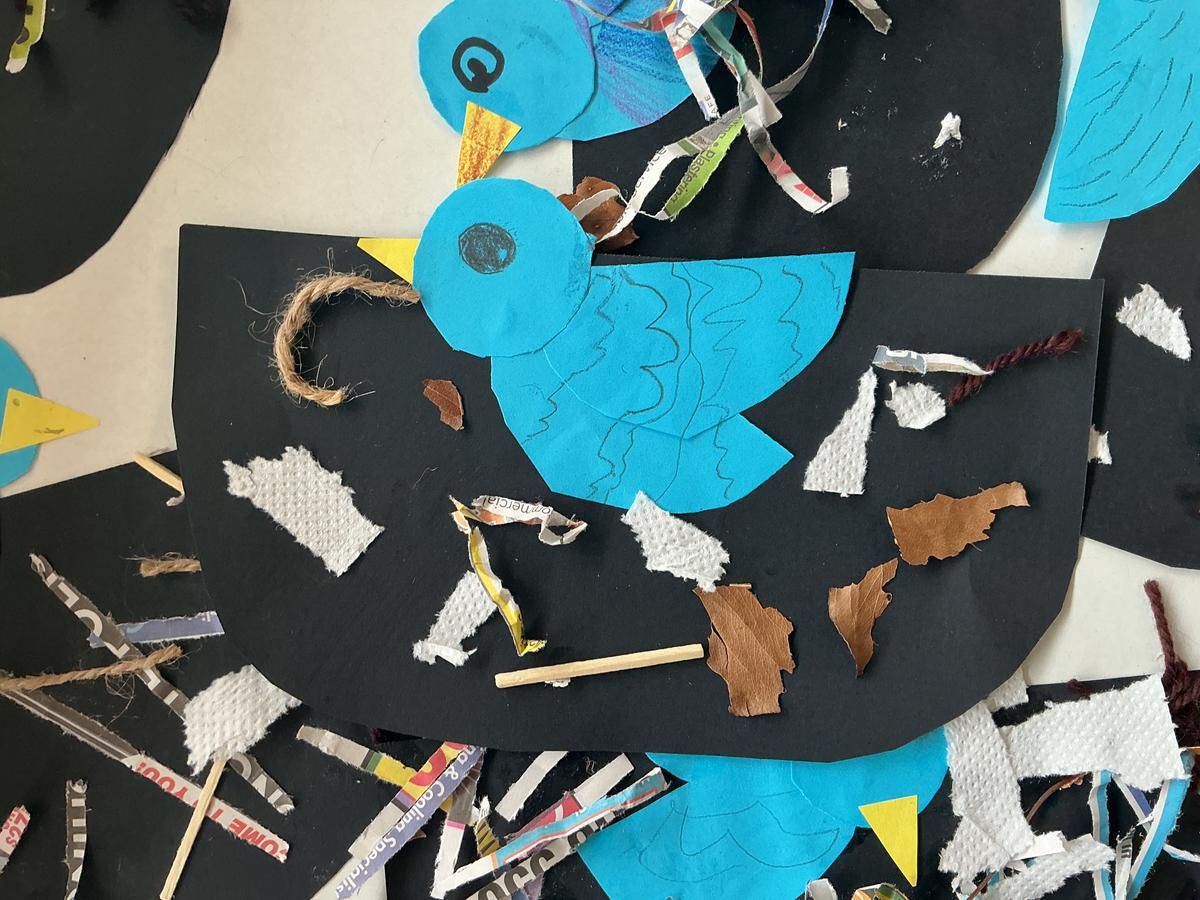
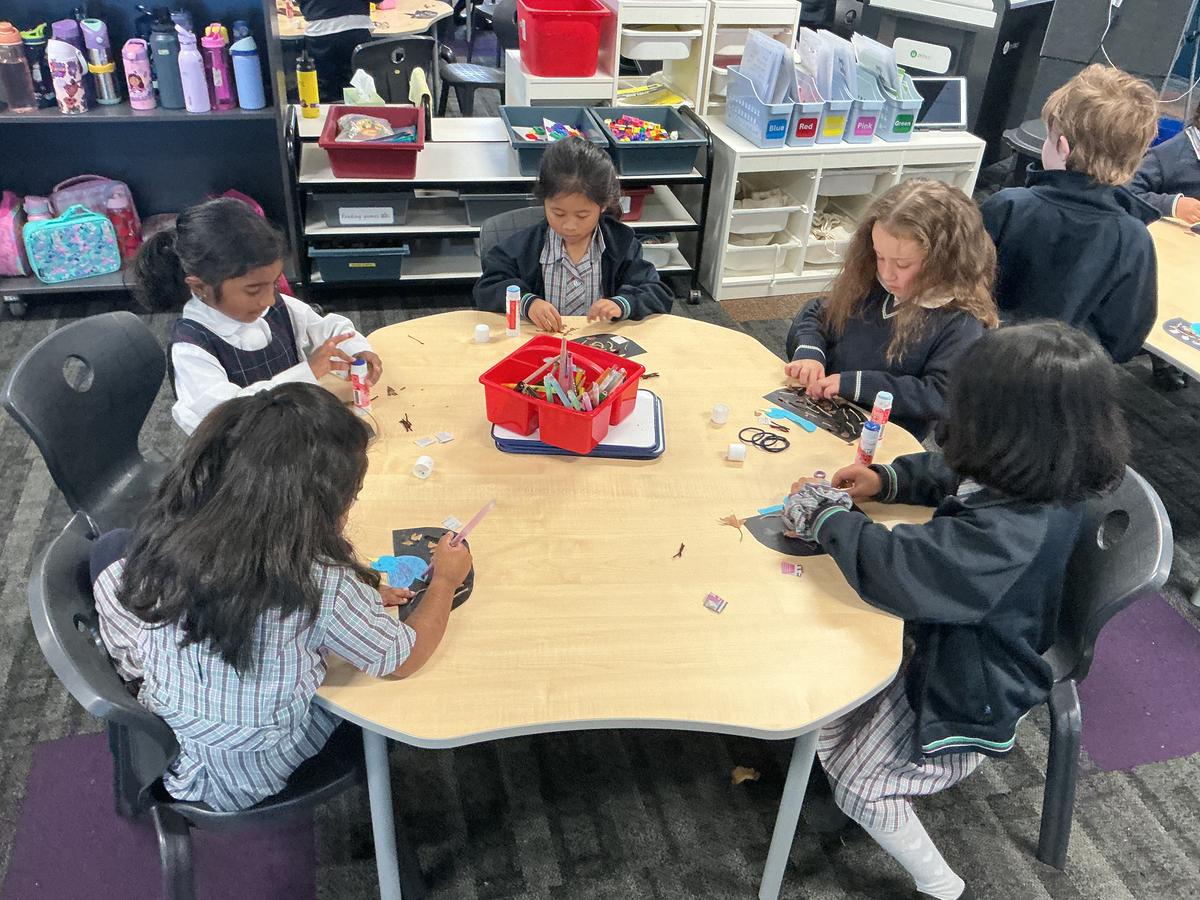
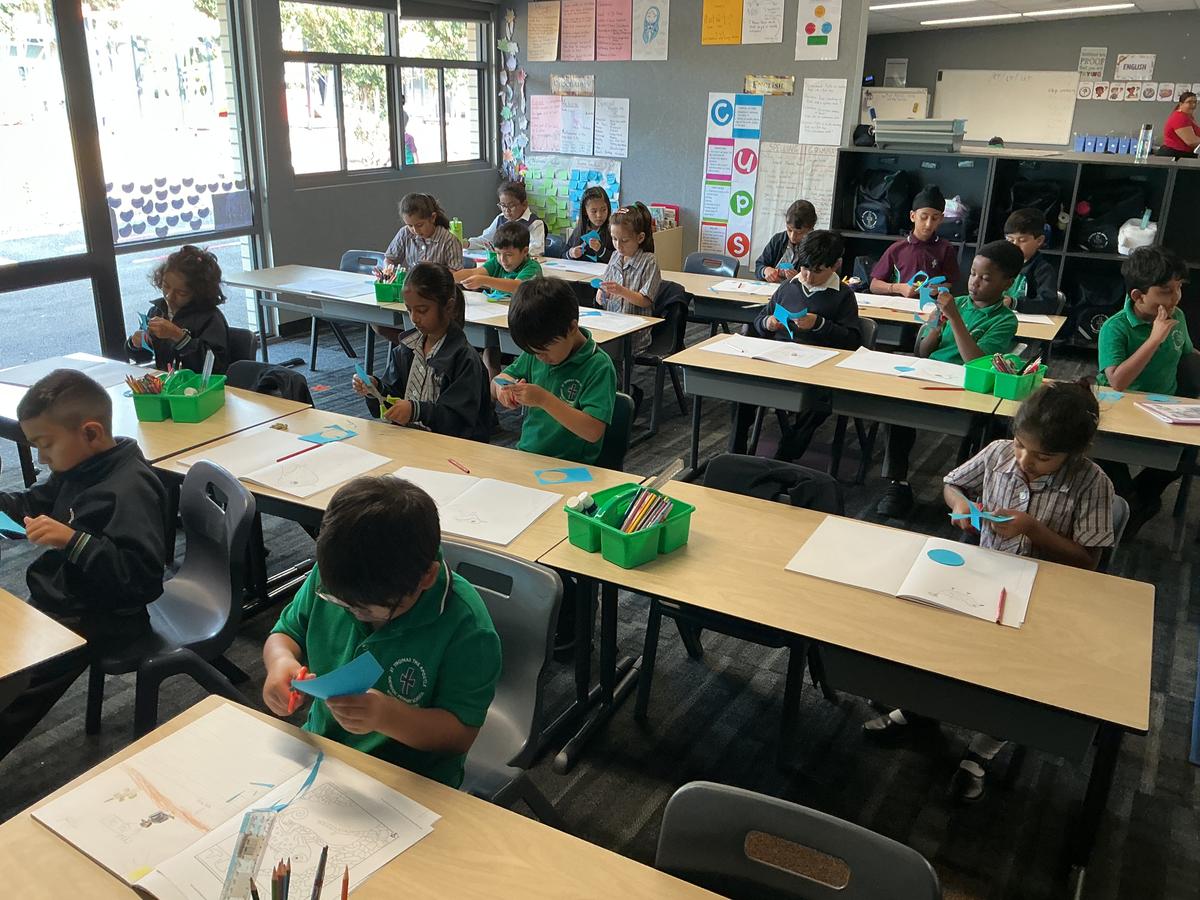
Students developed design plans and selected suitable materials to create models of birds in nests. They also combined their learning about fish to design and test a model fish in a science experiment to see if they could make it swim.
Year 3 – 4
Students explored the differences between living things, non-living things and once-living things by identifying their characteristics and needs. They investigated how scientists use fossils and other evidence to learn about once-living things and discovered what fossils can tell us about plants, animals and environments from the past. Students also developed an understanding of life cycles by identifying and describing the key stages of growth and change in living things. They represented life cycles using labelled diagrams and explored metamorphosis through examples such as butterflies and frogs.
Digital Technologies
Students learnt about being safe and responsible online by identifying trusted adults and explored different support resources that can help them, including kids helpline. They discussed strategies for staying safe online and how to respond appropriately in different situations. Students also identified input and output peripheral devices and explored how these devices interact with digital systems to perform specific functions. They recognised examples such as keyboards, mice, speakers and printers and explained how information is entered, processed and displayed.
Design Technology
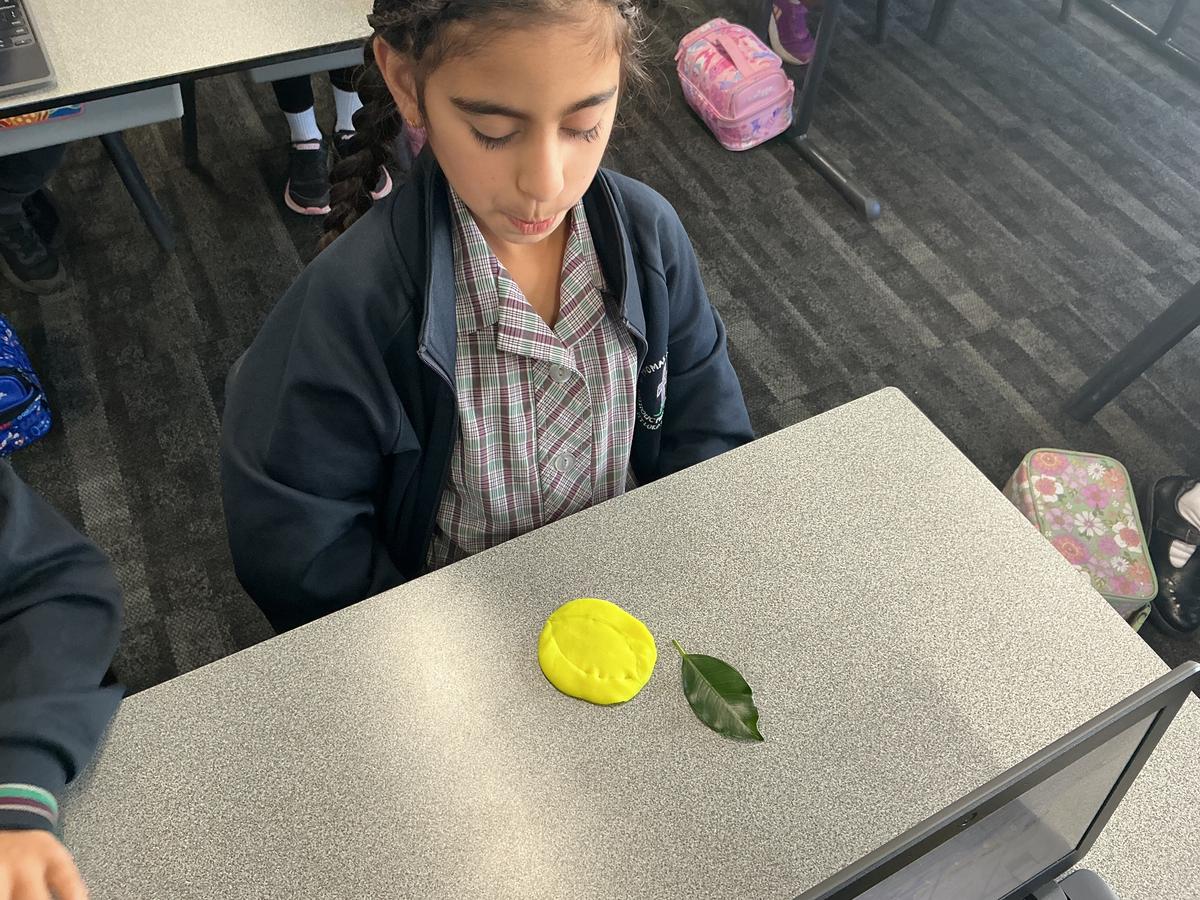
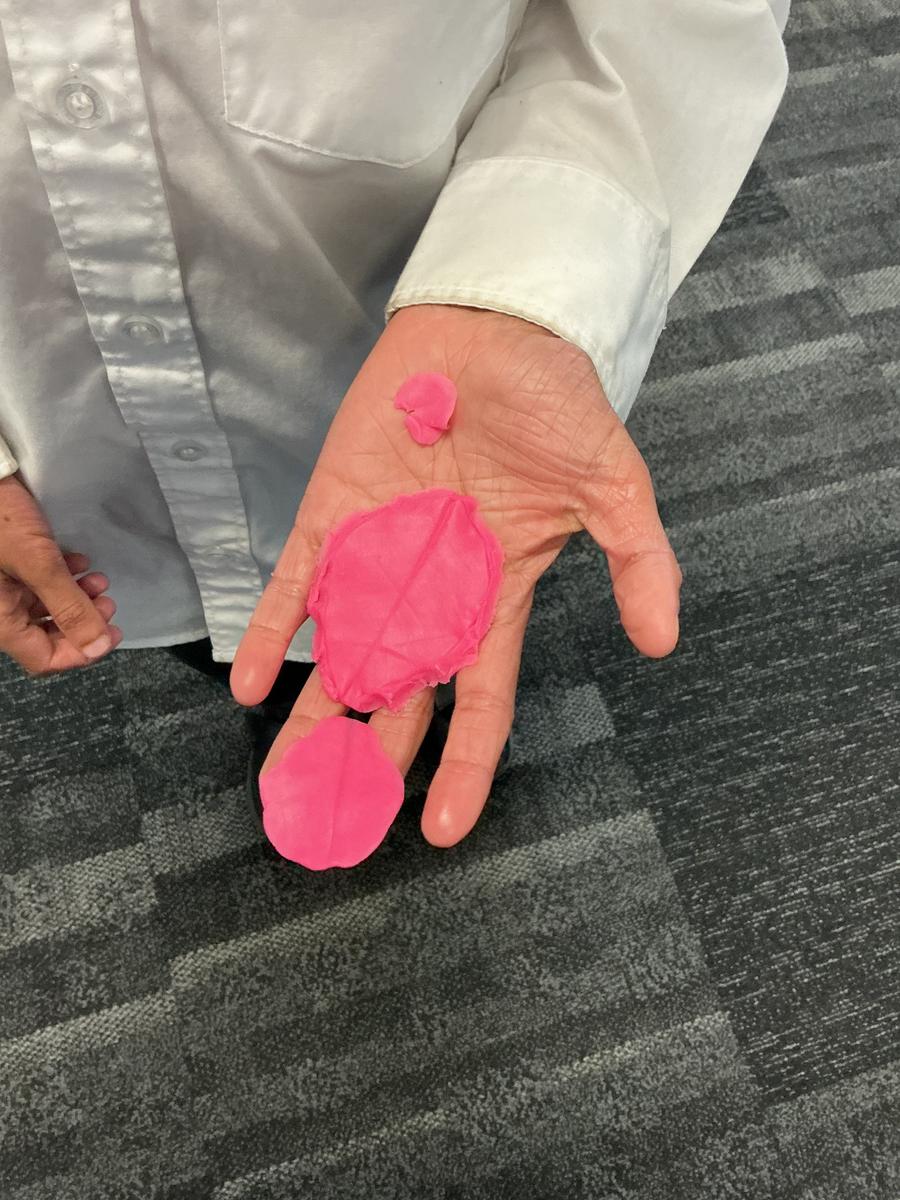
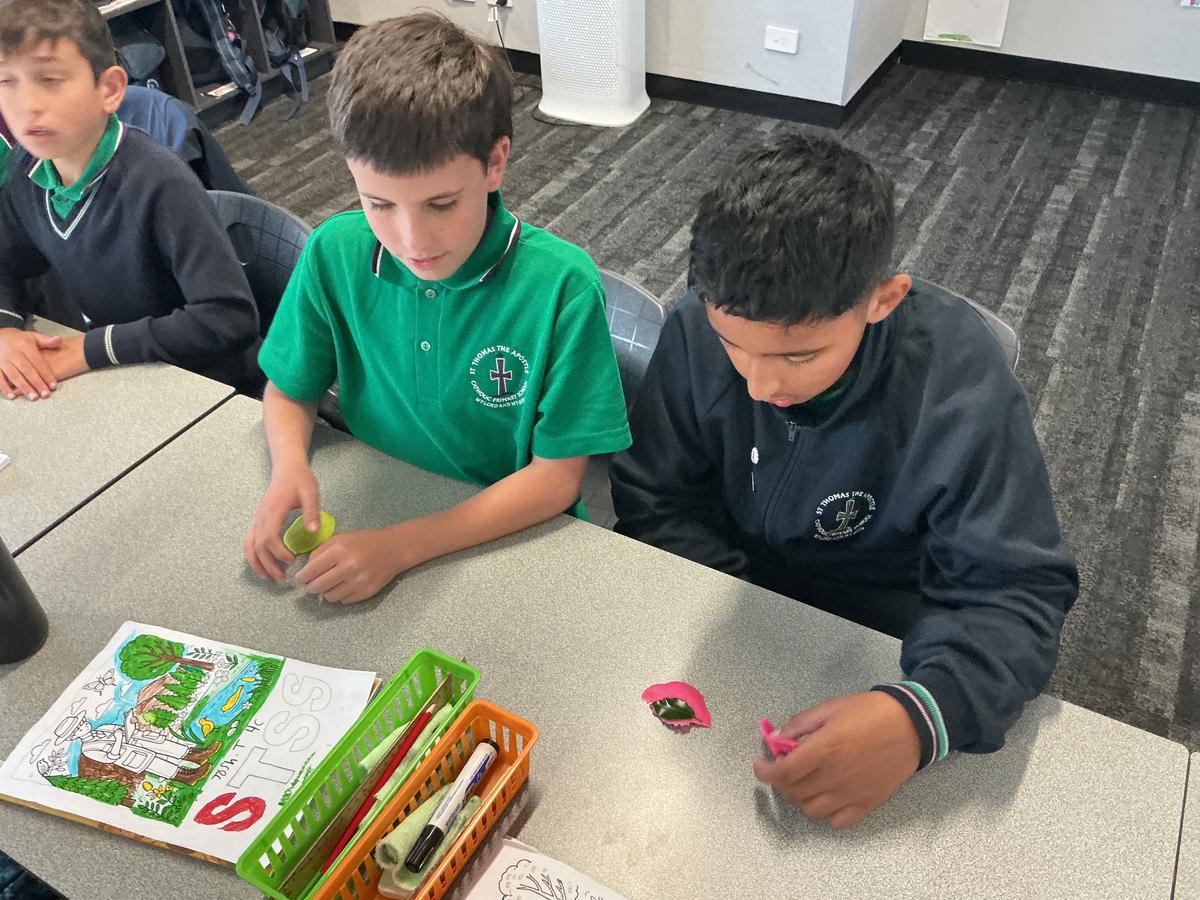
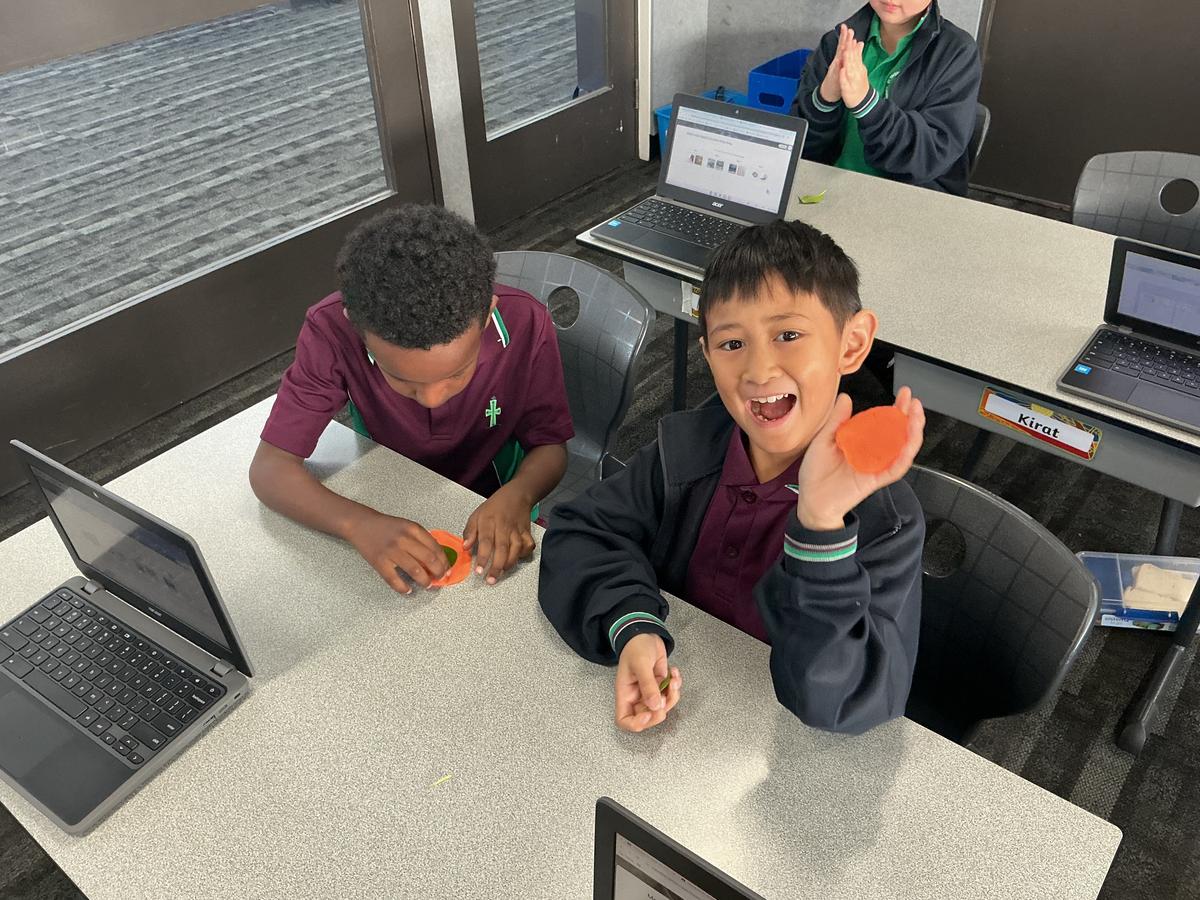
Students had the opportunity to create their own leaf fossils using leaves and playdough to model how fossils are formed.
Year 5
Students explored how food can be produced sustainably and investigated why sustainable practices are important for people and the environment. They considered nutrition, food safety and sustainability when designing and producing a healthy meal. Students also investigated how different types of water affect the germination and growth of seeds and described how changing physical conditions in the environment can impact the growth and survival of plants.
Digital Technologies
Students developed an understanding of how the components of a digital system work together to create, process, store, control and share data. They explored the roles of the CPU, memory (RAM), and input and output devices, and identified the main internal and external components of computers. Students compared the internal components of computers and smartphones and connected each component’s function to how digital systems receive input, process information and produce output. Students also created a poster in Canva to represent what an ideal internet looks like.
Design Technologies
Students worked collaboratively on a group project to plan todesign a healthy light meal or snack. They considered healthy food choices, sustainability and safe food preparation practices while developing their ideas. Students used the design process to plan, create and reflect on their final product.
Year 6
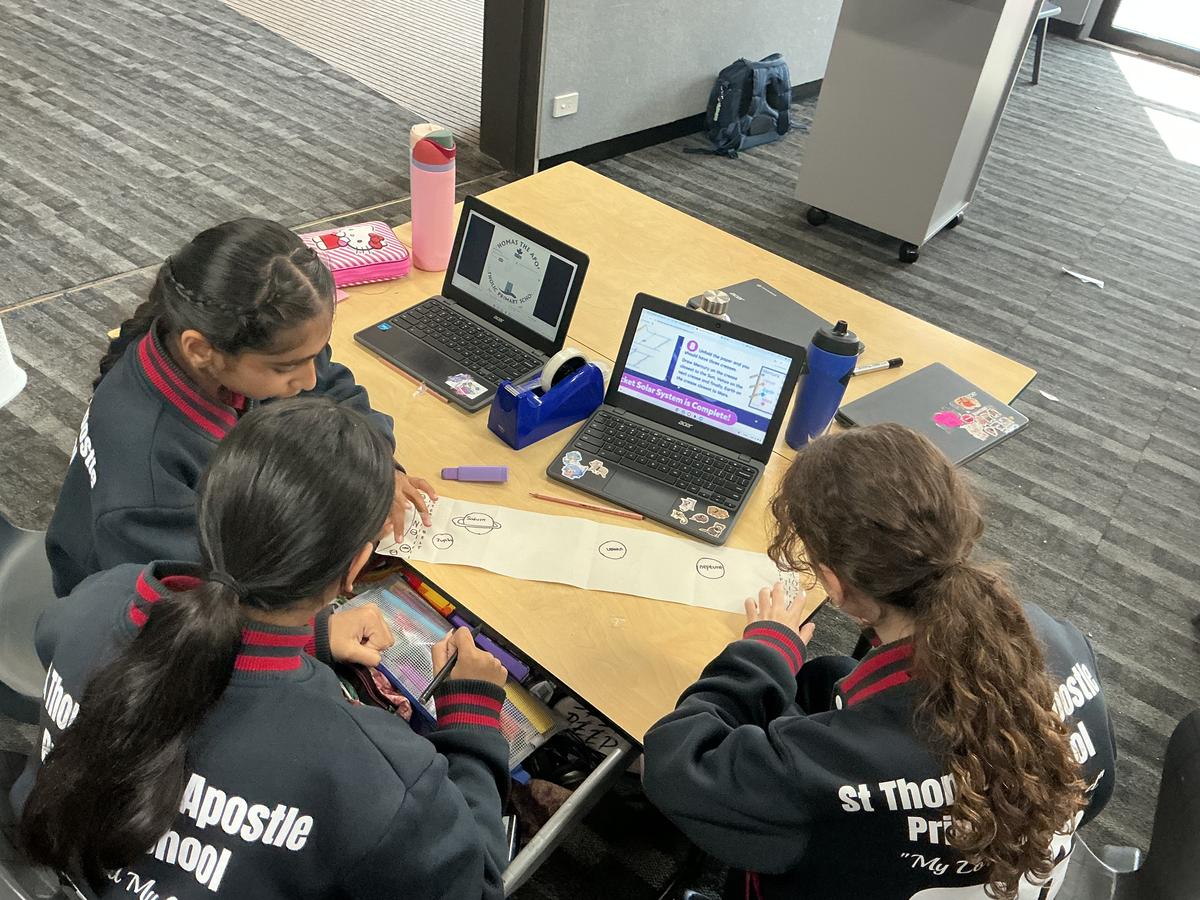
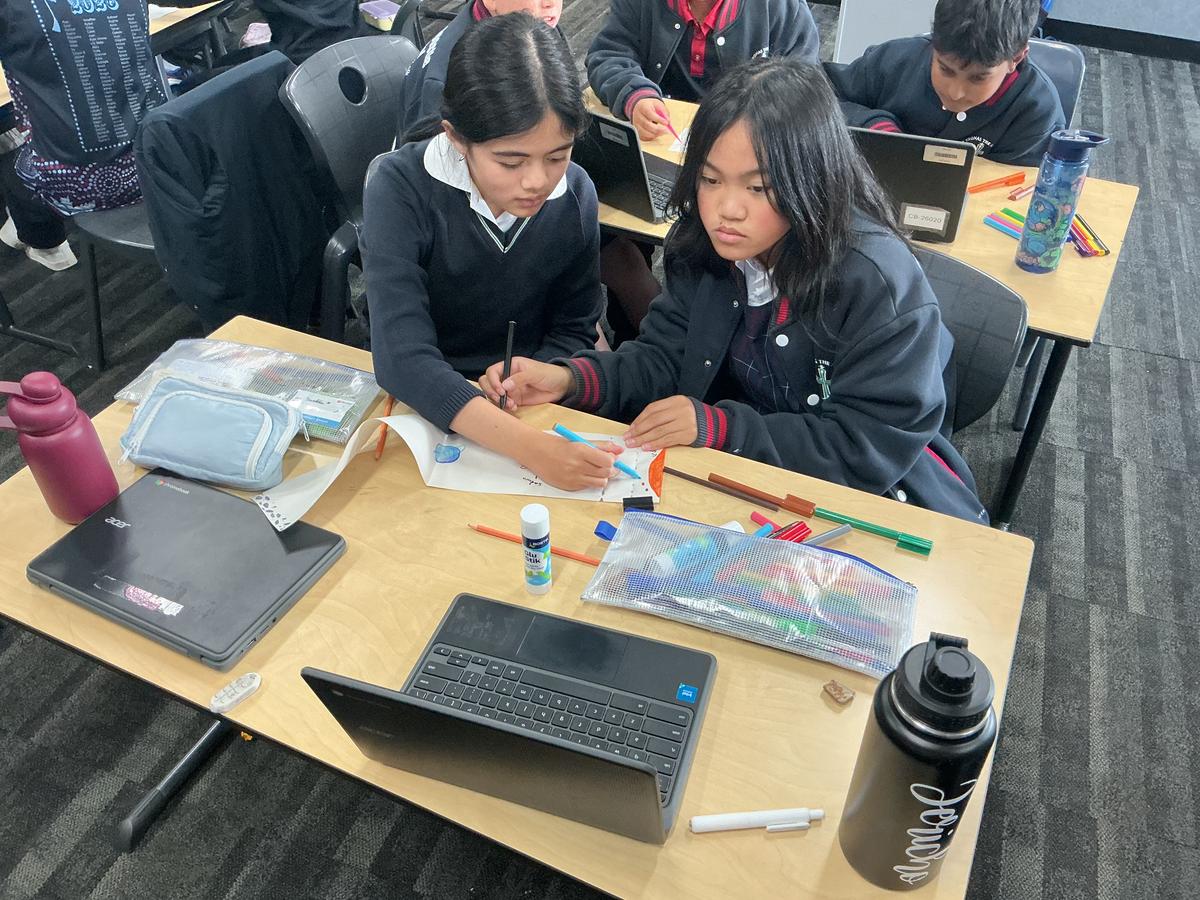
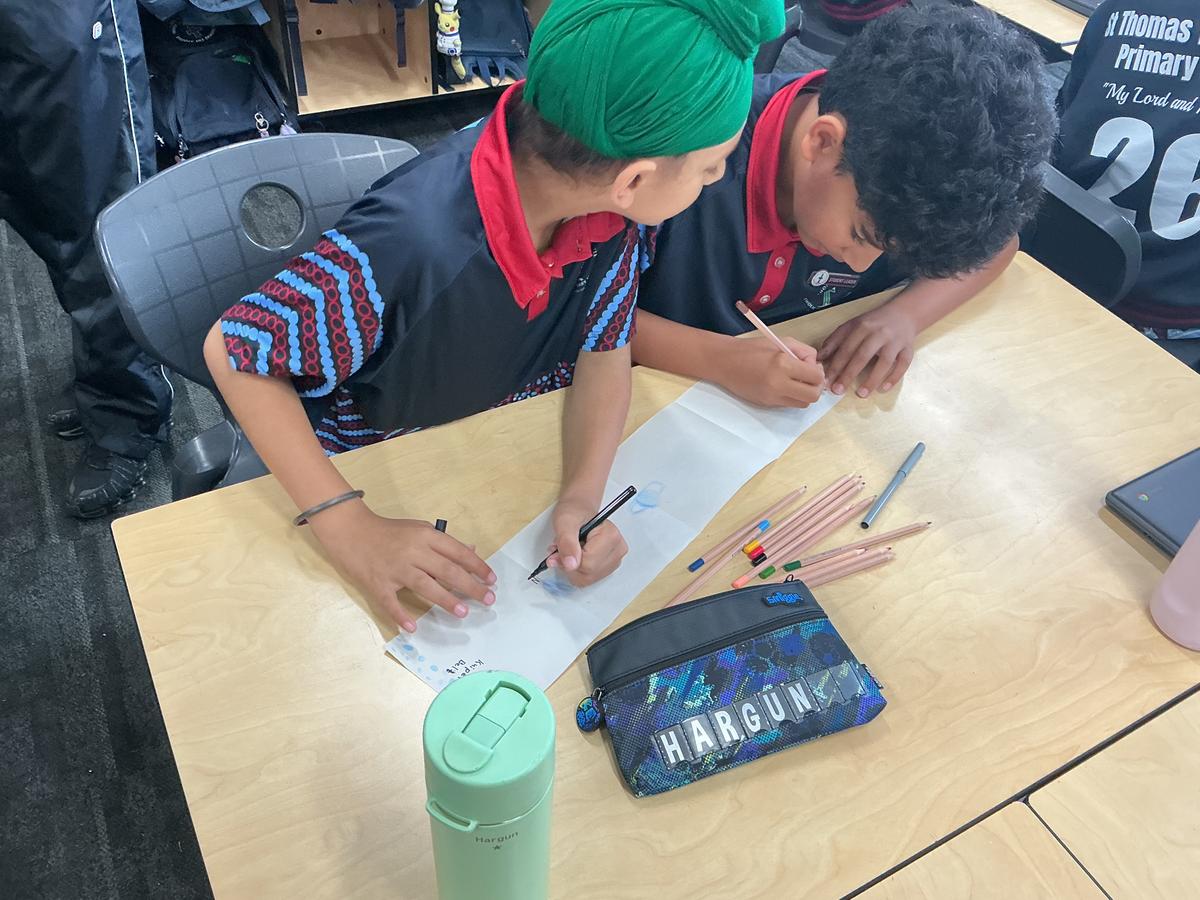
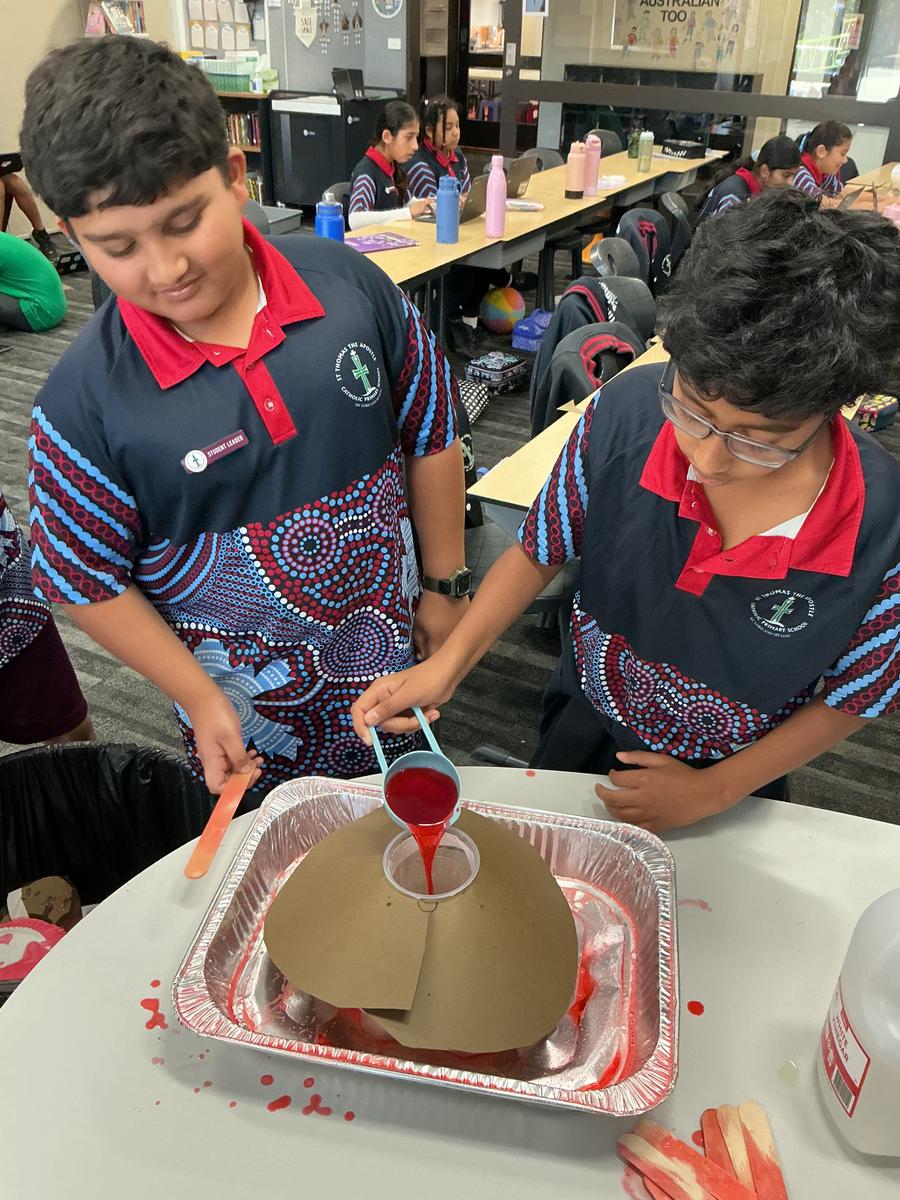
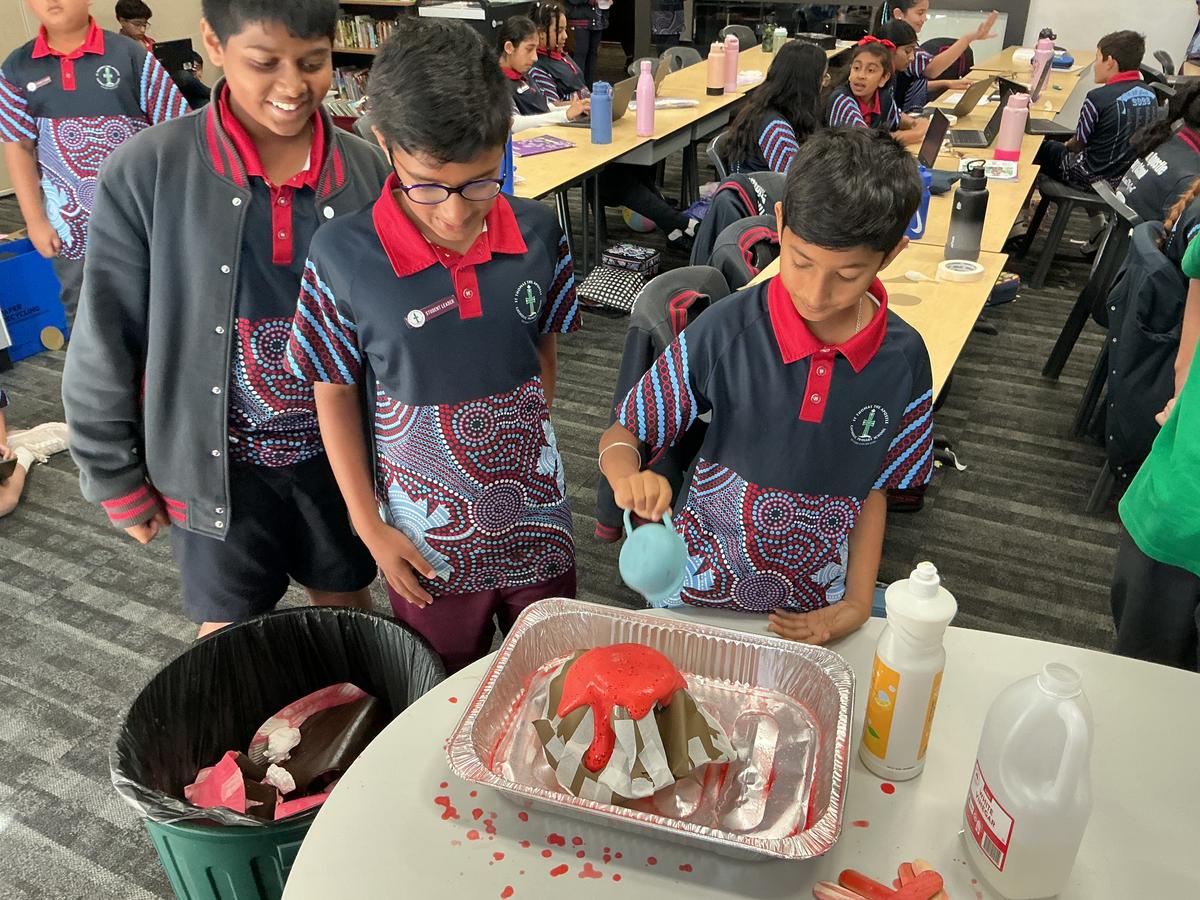
Students investigated the relationship between the Earth’s tilt and the variation in day and night lengths throughout the year. They explored the meaning of rotation and revolution and developed an understanding that the Earth’s rotation causes daytime and night-time. Students observed models of the solar system to learn about the orbital paths of planets and reflected on how gravity and momentum keep planets in orbit around the Sun. They also investigated how volcanoes can affect Earth’s surface and explored the impact volcanic activity can have on the environment.
Digital Technologies
Students developed an understanding of how the components of a digital system work together to create, process, store, control and share data. They explored the roles of the CPU, memory (RAM), and input and output devices, and identified the main internal and external components of computers. Students compared the internal components of computers and smartphones and connected each component’s function to how digital systems receive input, process information and produce output. Students also created a poster in Canva to represent what an ideal internet looks like.
Design Technologies
Students designed and created a three-dimensional model to demonstrate how the Earth’s rotation causes daytime and night-time. They also planned and constructed their own volcano models, applying their understanding of volcanic features and eruptions while developing their creativity and design skills.
Contact Us
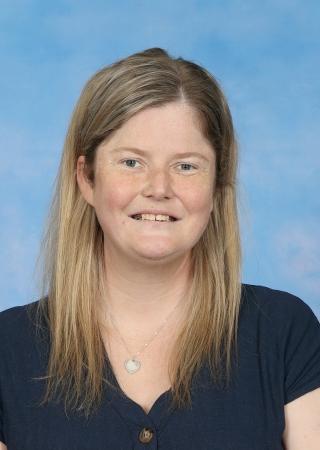
Brittany Madders
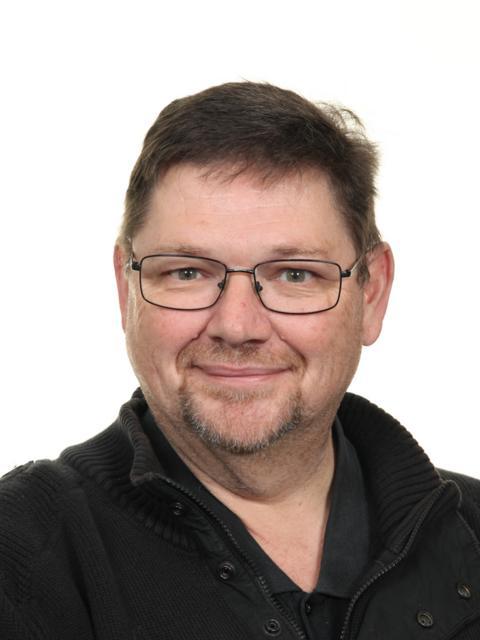
Lance Rooney
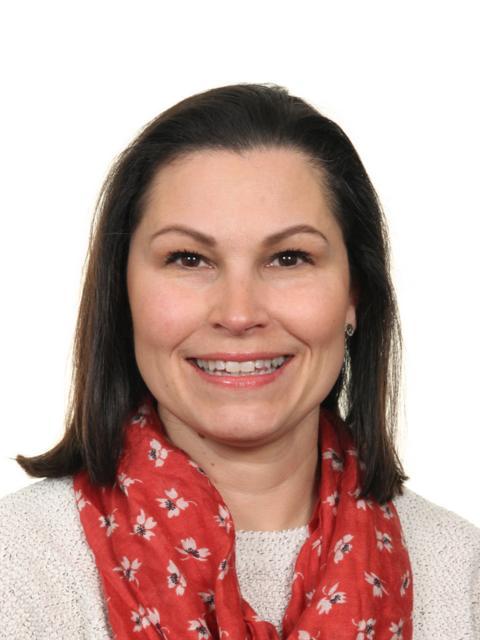
Wendy Silvester
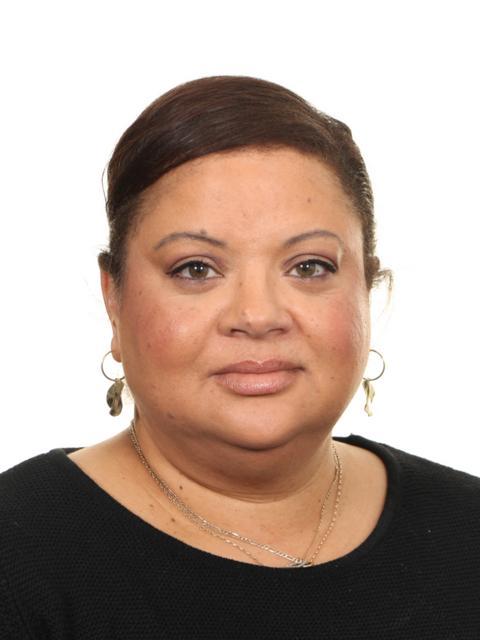
Chantel Prince
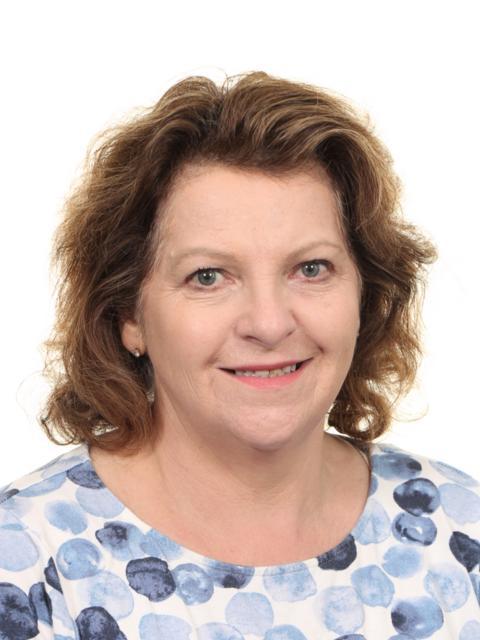
Pauline Whelan
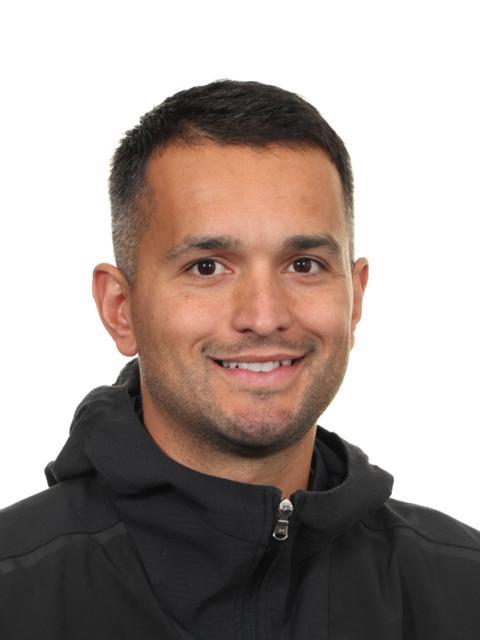
Anthony O'Rourke
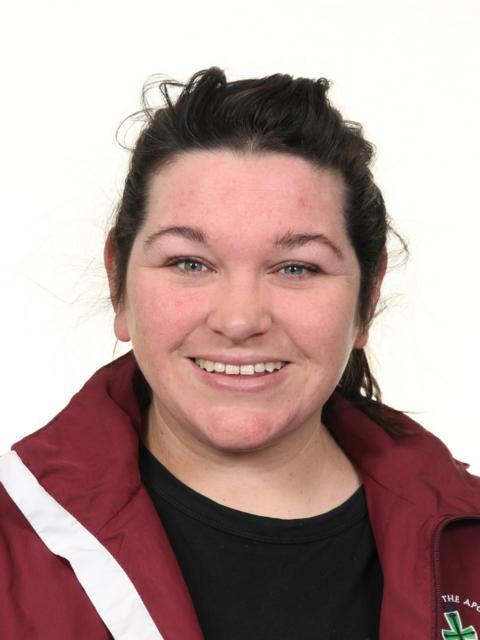
Sarah Rietwyk
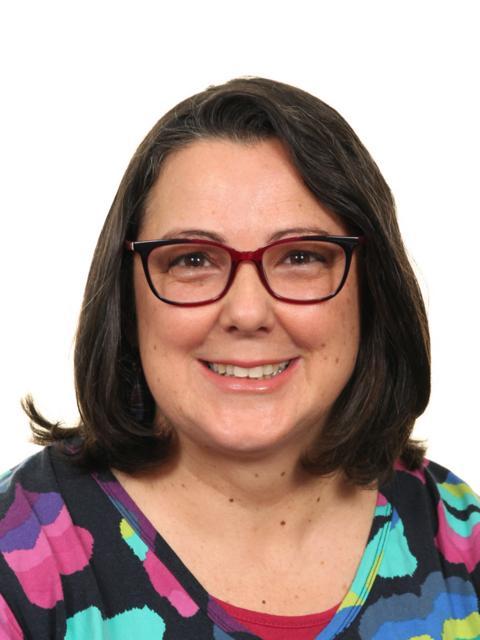
Helina Walker
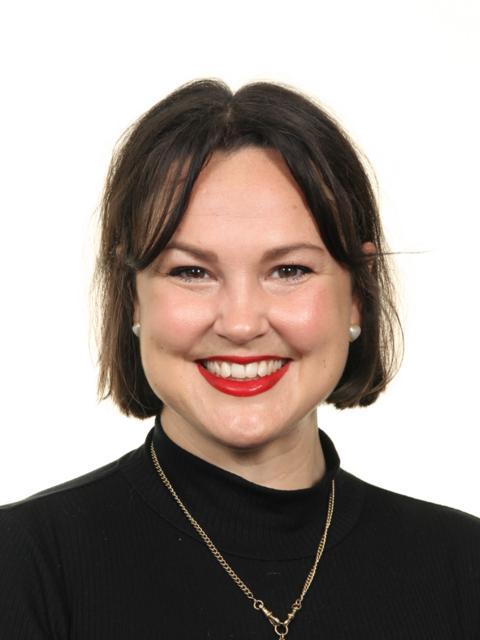
Emily Robertson
Brittany Madders
Lance Rooney
Wendy Silvester
Chantel Prince
Pauline Whelan
Anthony O'Rourke
Sarah Rietwyk
Helina Walker
Emily Robertson
specialist@cranbourneeast.catholic.edu.au (all teachers) or
| Staff Members | Email Address |
|---|---|
| STSS A - Brittany Madders | bmadders@cranbourneeast.catholic.edu.au |
| STSS B - Lance Rooney | lrooney@cranbourneeast.catholic.edu.au |
| STSS C - Wendy Silvester | wsilvester@cranbourneeast.catholic.edu.au |
| STSS D - Chantel Prince | cprince@cranbourneeast.catholic.edu.au |
| STSS E - Pauline Whelan | pwhelan@cranbourneeast.catholic.edu.au |
Physical Education - F, 1, 2, 5 + 6 Anthony O'Rourke | aorourke@cranbourneeast.catholic.edu.au pe@cranbourneeast.catholic.edu.au |
Physical Education - 3 + 4 Sarah Rietwyk | srietwyk@cranbourneeast.catholic.edu.au pe@cranbourneeast.catholic.edu.au |
| Visual Art - Helina Walker | hwalker@cranbourneeast.catholic.edu.au |
| Media Art - Emily Robertson | erobertson@cranbourneeast.catholic.edu.au |