Teaching and Learning

Learning at Caulfield Primary School
Presented by our School Improvement Team Leaders

Olivia Gibson (Literacy English Learning Specialist)
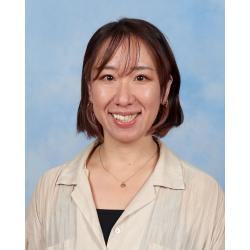
Asami Onda (Numeracy Learning Specialist)

Takako Morita (Bilingual Leader)
We are excited to introduce a regular “Learning at Our School” feature in our school newsletter. Each edition, one of our curriculum leaders will share insights into teaching and learning across the school, highlighting what students are exploring in the classroom and how we support their growth.
This edition is about English Literacy.
As we approach the end of Term 2 and the school holidays, teachers are often asked, “What can we do to support our child’s learning over the break?”
While it is not a requirement at Caulfield Primary School for students to complete schoolwork during the holidays, we are fortunate to have many supportive parents and carers who are keen to engage with and support their child’s learning. The holidays provide a wonderful opportunity to incorporate literacy learning into everyday activities at home.
Prep–Year 2
In Prep to Year 2, students learn to read and write through a systematic synthetic phonics approach. A key component of this learning is developing phonological awareness, an understanding of the sounds within words.
You can support your child’s phonics learning by:
- Building rhyme awareness through reading or singing nursery rhymes.
- Playing rhyming games: “Fan rhymes with man. What else rhymes with fan, man?”
- Counting the sounds in words on your fingers, for example: o-ff (2 sounds), t-i-p (3 sounds).
- Counting, clapping, stepping or jumping out syllables in words, such as ba-na-na or re-mem-ber (from Year 1 onwards).
- Playing “I Spy” using beginning sounds: “I spy with my little eye something beginning with the sound /s/.”
For more ideas, visit:https://www.vic.gov.au/how-build-your-childs-literacy-skills-birth-grade-2
Years 3–6
In Years 3–6, students continue to build on their phonics knowledge and increasingly begin to “read to learn”. We continue to support reading and writing at the word level through the development of morphological awareness, an understanding of the meaningful parts of words, such as prefixes, base words and suffixes.
These skills can be supported at home through:
- Counting, clapping, stepping or jumping out syllables in words. Syllable awareness remains important as it helps students decode and spell unfamiliar words.
- Playing “add a prefix or suffix” games. Start with a base word such as act and see how many related words you can create, for example: react, actor, acting and action.
- Discussing current affairs using resources such as Kids News or Behind the News (ABC). Encouraging children to develop and justify their opinions supports the persuasive and analytical writing skills they will continue to build into secondary school.
- Talking about the “main message” of books, articles or other texts to strengthen comprehension and summarising skills.
For more ideas, visit:https://www.vic.gov.au/how-build-your-childs-literacy-skills-grade-3-6
Most importantly, continue to role model and enjoy reading, talking and learning together. These everyday interactions play a significant role in developing your child’s literacy skills and fostering a lifelong love of learning.
Olivia Gibson (Literacy English Learning Specialist)