
Sleep Matters: Supporting Wellbeing and Learning
As we begin a new school year, one of the most powerful ways we can support young people is through something very simple and very human: sleep. Quality sleep underpins wellbeing, learning and emotional balance, and it plays a particularly important role during adolescence.
Why sleep matters for adolescents
Adolescence is a time of rapid growth and change. The teenage brain is still developing, especially the areas responsible for emotional regulation, decision-making, attention and learning. At the same time, natural biological changes mean many adolescents feel more alert later at night and find early mornings more challenging.
When young people do not get enough sleep, everyday demands can feel harder. Tiredness can affect concentration in class, memory, mood and motivation. It can also make it more difficult for students to manage stress, regulate emotions and respond positively to challenges.
This transition can be especially challenging as students return from the holidays, when routines may have been less predictable and screen time increased. Your support at home plays an important role in helping students re-establish healthy sleep patterns as the school year begins.
Most adolescents need between eight and ten hours of sleep each night to feel their best.
The impact of screens and devices
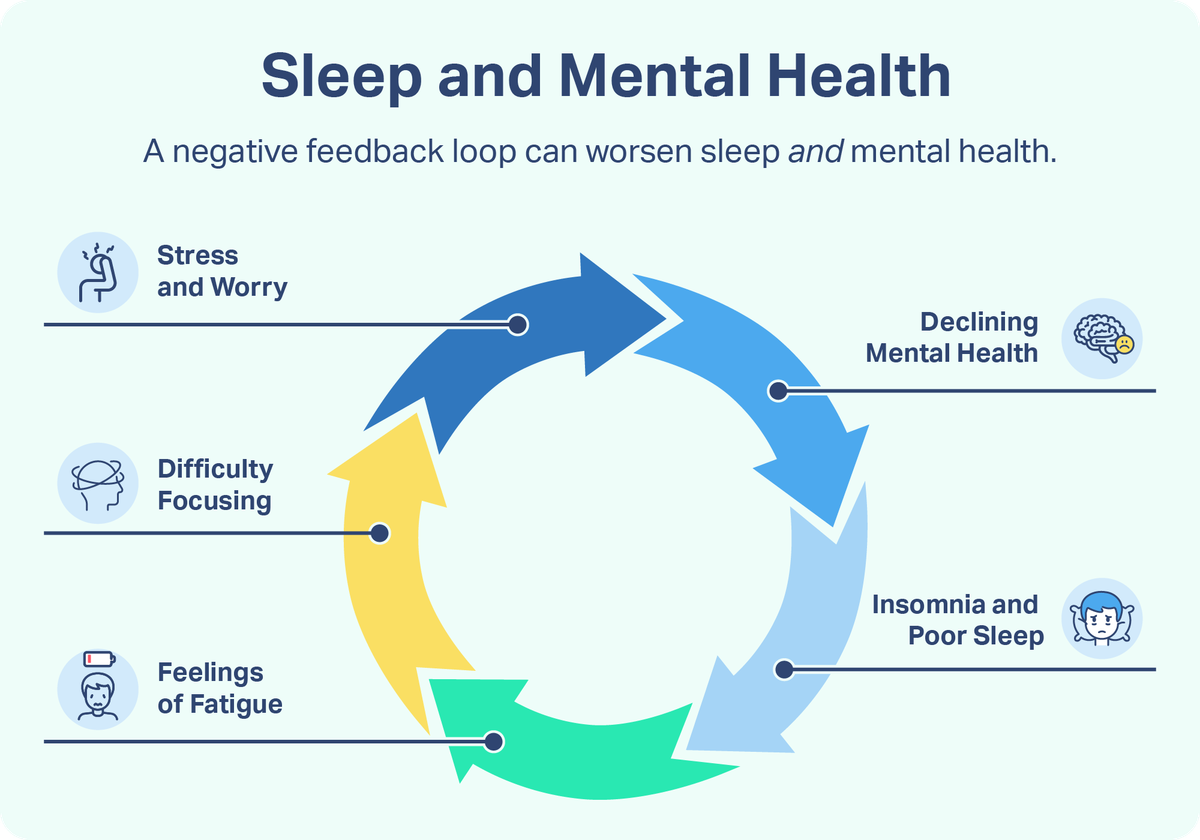
Late-night use of phones, gaming consoles and streaming services is one of the most common barriers to healthy sleep. Devices can keep the brain alert when it needs time to slow down, and the light from screens can interfere with natural sleep rhythms.
Even small reductions in evening device use can support better sleep quality and help young people feel more settled at bedtime.
How families can support healthy sleep routines
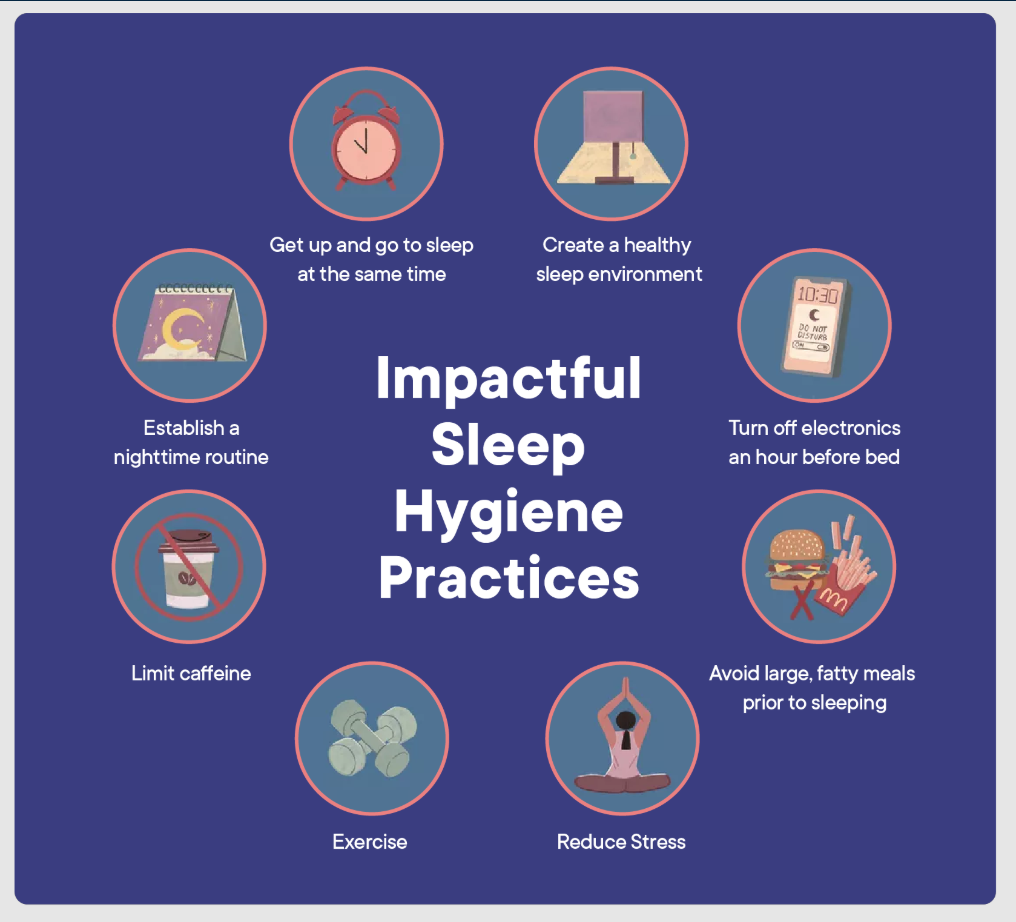
We recognise that sleep habits are shaped at home, and we appreciate the important role families play in supporting their young people. Small, consistent steps can make a meaningful difference, especially early in the school year.
Families may wish to consider:
- keeping regular bedtimes and wake-up times, including on weekends
- encouraging device-free time before bed, ideally for the hour before sleep
- charging phones and devices outside bedrooms overnight
- establishing calming bedtime routines such as reading, listening to music or quiet conversation
- modelling healthy sleep habits as adults
These routines help young people feel safe, settled and ready for rest.
Working together to support students
At TGSHS, we see sleep as a foundation for wellbeing, learning and positive engagement. When students are well rested, they are better able to learn, connect with others and manage the demands of school life.
Thank you for your ongoing partnership as we support our students to feel ready, capable and confident as the year begins.