Health | Parent Support
The Risks of “NANGS”
What Every Student and Parent Needs to Know
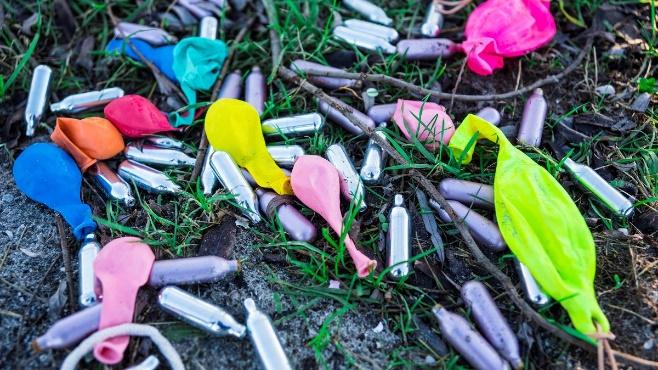
Recently, there’s been increasing concern across Queensland schools about the use of “nangs” (small silver canisters of nitrous oxide). While they’re sometimes seen as harmless or just a “quick laugh,” the reality is that using "nangs" can have serious and long-lasting consequences.
What Are the Risks?
Short-term dangers:
- Dizziness, fainting and falls
- Nausea and vomiting
- Risk of accidents while intoxicated
- Loss of oxygen to the brain
Long-term or heavy use risks:
- Permanent nerve damage
- Loss of feeling in hands and feet
- Difficulty walking
- Memory problems
- Vitamin B12 deficiency leading to serious neurological issues
Hospitals across Australia, including here in Queensland, have reported cases of young people suffering serious nerve damage after repeated use.
Is It Legal?
In Queensland, the sale of nitrous oxide for inhalation is illegal. Supplying "nangs" for recreational use can result in significant fines. Supplying or using "nangs" in the school environment is a breach of the The Gap State High School’s Student Code of Conduct and students will face serious consequences.
Where to Get Help
If you or someone you know is struggling with substance use, support is available:
Kids Helpline 1800 55 1800 (24/7) https://kidshelpline.com.au
Free, confidential counselling for young people aged 5–25.
Headspace https://headspace.org.au
Local centres across Brisbane offering mental health and drug & alcohol support.
Alcohol and Drug Information Service (ADIS QLD) 1800 177 833
Confidential advice about alcohol and other drugs.
Look After Yourself and Each Other
Adolescent brains and bodies are still developing during the teenage years. Choices that are made now can affect health for life. If students need assistance, make an appointment at Wellbeing Hub#2 to speak to the School Youth Health Nurse.
Staying informed is powerful. Making safe choices is even more so.
Sun Safety
Last week, Nurse Emma promoted sun safety at the swimming carnival.
It was great to see so many young people applying and re-applying sunscreen, having SPF 50+ sunscreen in their bags, and sitting in the shade when out of the pool.
Nurse Emma tested students sun safety knowledge with some trivia and was impressed at how many young people knew the 5 S’s of Sun Safety.
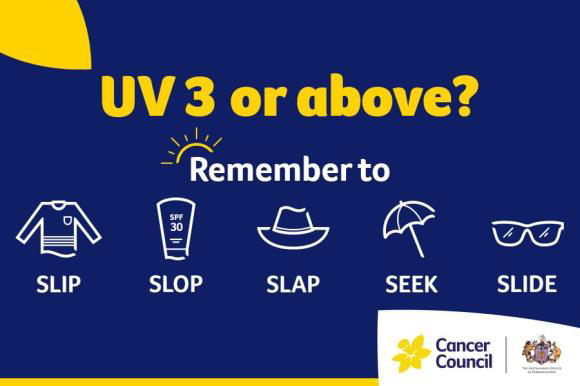
Australia has the highest rate of skin cancer in the world, with approximately 2 in 3 Australians diagnosed with skin cancer during their lifetime. Coined our ‘national cancer’, sadly, around 2,000 Australians will die from skin cancer this year, and it is estimated that almost twice as many men as women will die from melanoma this year alone.Fortunately, most skin cancers can be prevented by using all five forms of sun protection when the UV level is 3 or higher:
• Slip on sun protective clothing that covers as much skin as possible.
• Slop on broad spectrum, water resistant SPF30 (or higher) sunscreen. Apply 20 minutes before going outdoors and every two hours afterwards. Don’t forget sunscreen expires – so check the expiry date!
• Slap on a hat – broad brim or legionnaire style to protect your face, head, neck and ears.
• Seek shade – man made shade, natural (i.e. trees), and umbrellas.
• Slide on sunglasses – make sure they meet Australian Standards.
To make an appointment to see the nurse, students can:
Self-refer on the student site -> wellbeing hub #2 -> nurse tab
Email: nurse.thegap@health.qld.gov.au
Visit your School Based Youth Health Nurse office on Tuesdays located in Wellbeing Hub #2