Wellbeing


Respectful Relationships
In Respectful Relationships this week, students learned about positive, negative and mixed emotions. They discussed how all emotions are important and valid. Students explored how their bodies can feel different when they experience certain emotions, such as feeling tense when worried or relaxed when calm. They also learned how to notice other people’s body language to help understand how someone might be feeling.
Foundation, Year One and Year Two students talked about how they want to feel in the classroom and what they can do to keep our classroom happy and harmonious. They drew three ways they can show kindness this week at St Mary’s.
Year Three and Year Four students drew pictures of our classroom, showing how they would like it to feel.
Year Five and Six students discussed how everyone is on their own journey and how people can have different emotional reactions to the same situation. After looking at the artwork of Bronwyn Bancroft, they created their own artwork to show the journey they are on and the emotions they are feeling.
Looking After Our Children’s Mental Health
At St Mary's we care about the whole child. This means not just their learning, but also their feelings and wellbeing. We have many initiatives to promote mental health and mental health literacy. These include the Respectful Relationships program, Breakie Club, lunchtime social groups, and dedicated teacher–student wellbeing check-ins. These programs help children feel connected, supported, and ready to learn.
Mental health is about how we think, feel, and cope with everyday life. Just like we look after our bodies, we also need to look after our minds. When children feel happy, safe, and supported, they learn better and enjoy school more.
Sometimes children can feel worried, sad, angry, or overwhelmed. This is a normal part of growing up. But if these feelings last a long time or start to affect school, friendships, sleep, or behaviour, it may be a sign they need extra support.
Why Early Support Matters
Early help makes a big difference. When we notice changes early and support children straight away, small problems are less likely to become big problems. Early intervention helps children build strong coping skills that can last a lifetime.
You know your child best. If you notice changes in their behaviour, mood, friendships, sleep, or appetite, please let us know. Talking early is always better than waiting.
We Are Here to Help
If you have any concerns about your child’s mental health or wellbeing, please speak to your child’s classroom teacher or a member of the school leadership team. We are here to listen and work together with you.
Helpful Resources for Families
There are many excellent free resources available for parents and carers:
- Beyond BlueSupport and information about anxiety, depression and wellbeing.https://www.beyondblue.org.au
- HeadspaceMental health support for young people and their families.https://headspace.org.au
- Raising Children NetworkTrusted parenting information, including children’s emotional wellbeing.https://raisingchildren.net.au
- Kids HelplineFree phone and online counselling for young people.Phone: 1800 55 1800https://kidshelpline.com.au

Working together, we can make sure every child feels safe, supported, and ready to learn. Our children’s mental health matters — and early support can make all the difference.
St Mary’s is excited to celebrate Harmony Week Eight. Throughout the week, students will participate in activities that promote inclusion, foster a sense of belonging, and celebrate the unique way each of us is made in God’s image.
Steph Sefton
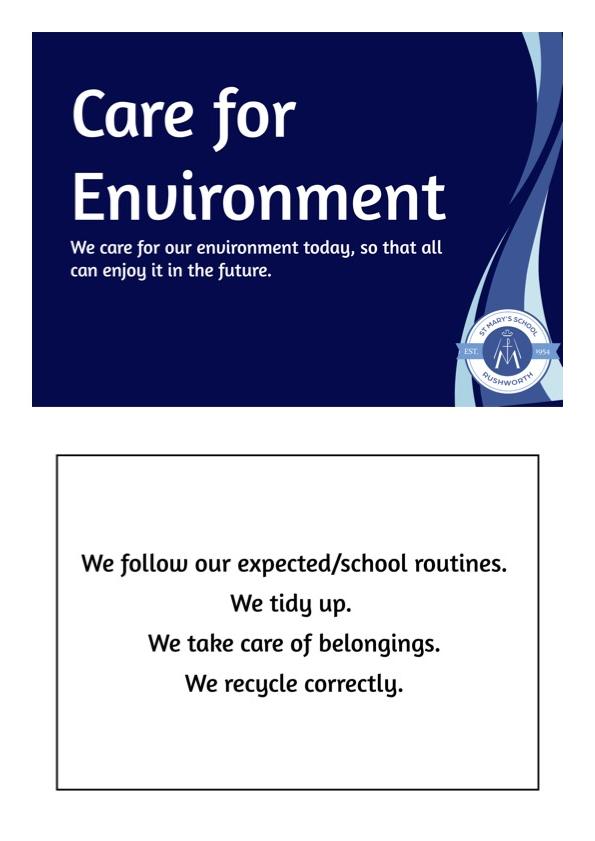
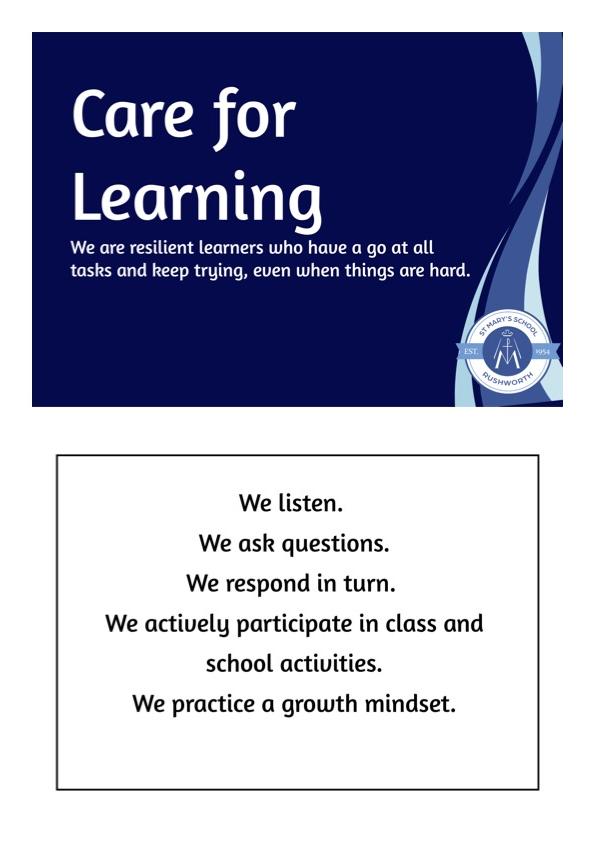
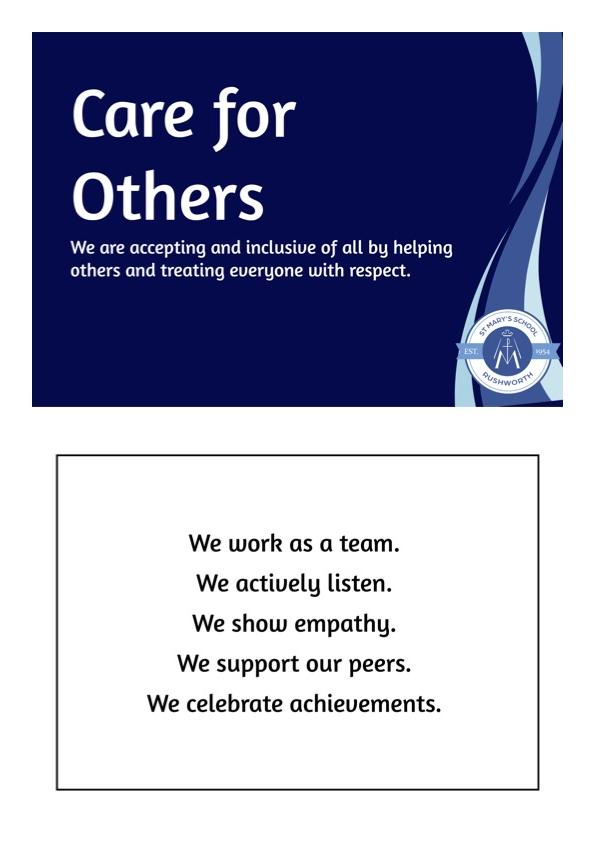
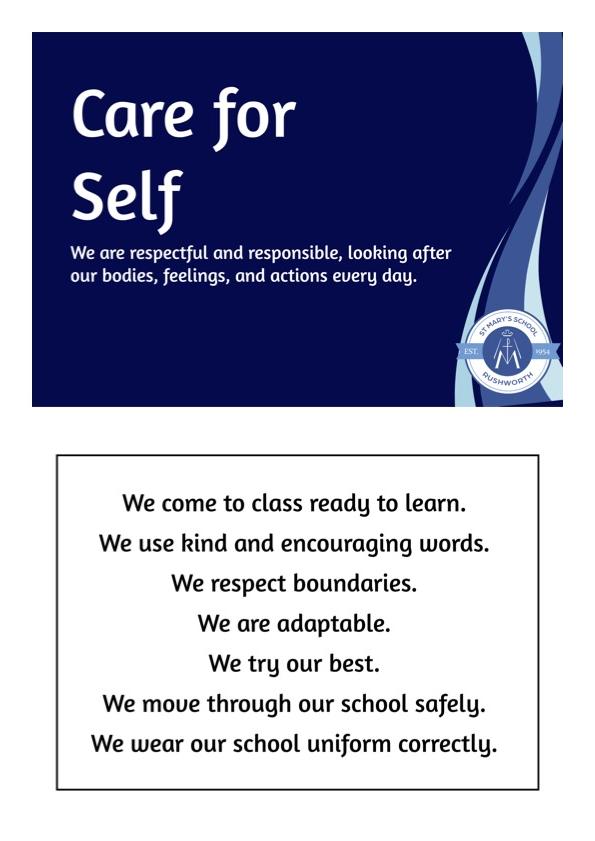
St Mary's Behaviour Expectations
Our expectations guide how we learn, interact and grow together at St Mary’s. They are built around our four key areas: Care for Self, Care for Others, Care for Learning and Care for Environment. These areas provide a clear and consistent framework for students, helping them understand what positive behaviour looks like across all aspects of school life.
By explicitly teaching and reinforcing the behaviours connected to each area, we create calm, predictable learning environments where every child feels safe, supported and ready to learn. When students understand what is expected and why it matters, they are better able to make positive choices, build respectful relationships and develop confidence in themselves.
We value working in partnership with families to reinforce these expectations, as consistency between home and school plays an important role in helping every child thrive.