
Child Safety & Student Wellbeing News
St Agatha's is committed to complying with Ministerial Order 1359
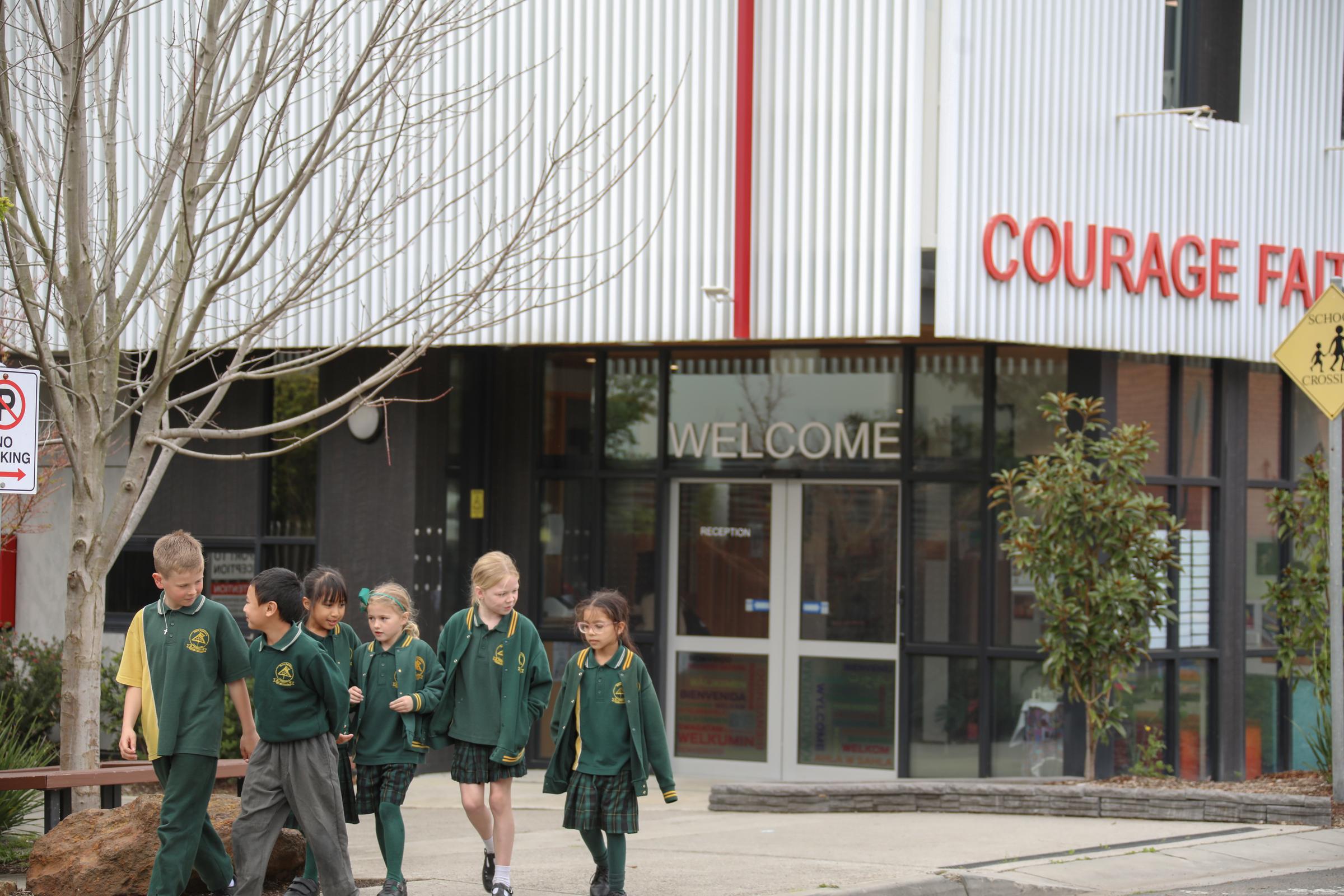
Child Safety & Student Wellbeing News
St Agatha's is committed to complying with Ministerial Order 1359
The Nationally Consistent Collection of Data on School Students with Disability (NCCD) takes place every year. The NCCD is a collection that counts:
the level of adjustment they are receiving to access education on the same basis as other students.
Students are counted in the NCCD if they receive ongoing adjustments at school due to disability. This ‘help’ allows them to access education on the same basis as a child without disability. The NCCD uses the definition of disability in the Disability Discrimination Act 1992.Schools provide this information to education authorities.
Please see attached the Fact Sheet for parents.
All visitors, volunteers and contractors must sign in at the office with a valid Working With Children Check. Inductions must be completed before working or volunteering at the school.
TOILETS
Please ensure adults and visitors do not access the student toilets. A toilet for adults and visitors is available in the office foyer.
CAR PARK
Parents are reminded to not drop off or pick up students from the no standing areas outside the school office. This causes a significant safety issue and also disrupts the flow of traffic.
Please ensure adherence to all signs in the car park to ensure our school is accessible for all visitors.
a { text-decoration: none; color: #464feb; } tr th, tr td { border: 1px solid #e6e6e6; } tr th { background-color: #f5f5f5; }
Student voice is an essential part of a positive and inclusive school culture. When students are given opportunities to share their ideas, opinions and experiences, they feel valued, respected and connected to their school community. Encouraging student voice helps schools better understand the needs and perspectives of learners, leading to improvements in learning, wellbeing and school programs.
Student voice also empowers students to take an active role in their education. By participating in discussions, decision-making and leadership opportunities, students develop confidence, communication skills, responsibility and a sense of ownership for their school. They learn that their contributions can make a meaningful difference and that they have the power to create positive change.
Through student representative programs, students can collaborate with peers and staff to advocate for the needs of others, strengthen school culture and ensure diverse perspectives are heard. By listening to and acting on student voice, schools create environments where every student feels included, engaged and capable of making a difference.
Student Representatives Strengthening Student Voice
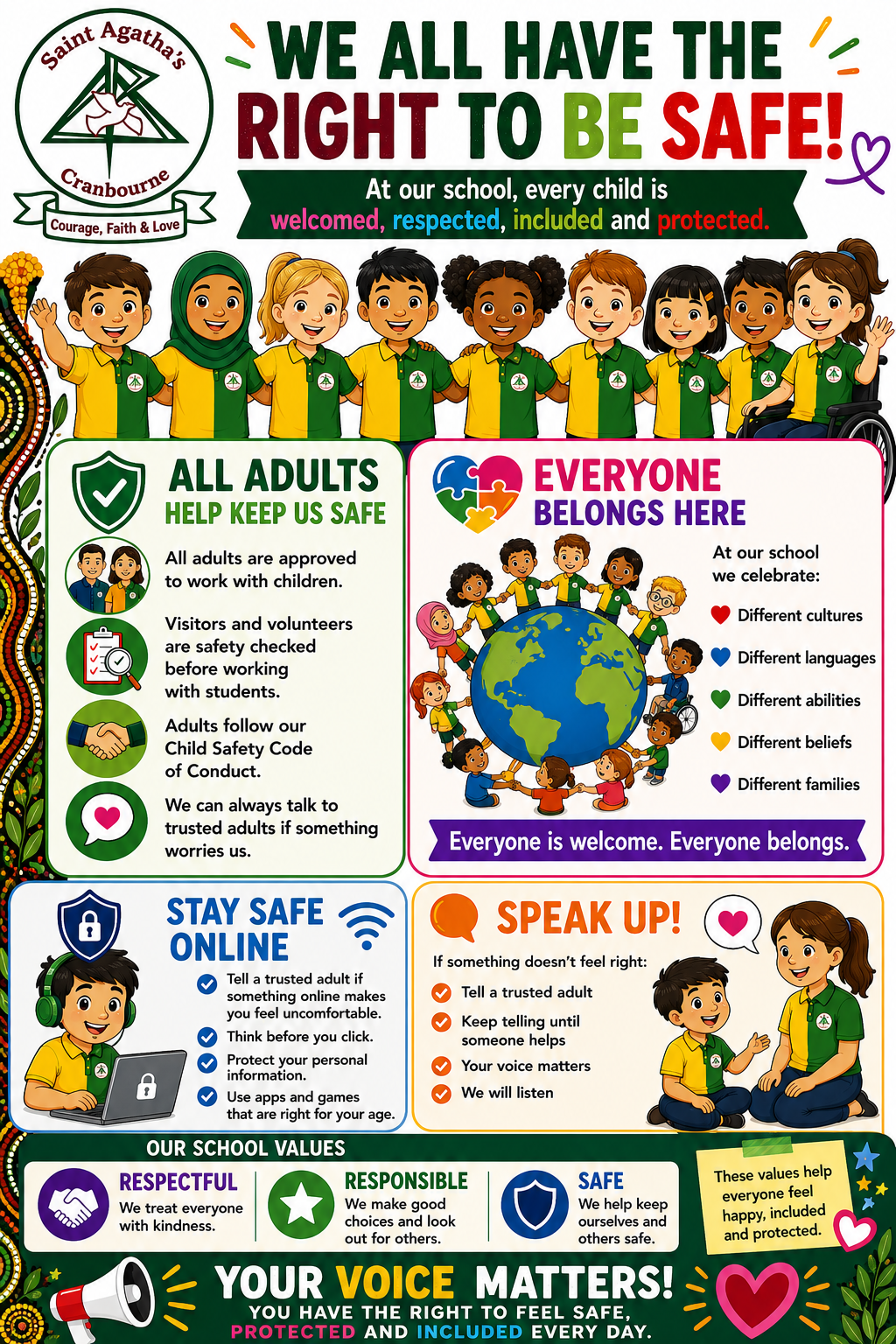
Our Primary Student Representatives play an important role in ensuring every student's voice is heard across the school. By gathering ideas, concerns and suggestions from their classmates, representatives help students contribute to decisions that affect their learning and school experience. This leadership opportunity develops confidence, communication and teamwork skills while creating a stronger sense of belonging and ownership within our school community. Through regular meetings and collaboration with staff, student representatives help make positive changes that reflect the views and needs of all students. Our Student Representatives have worked on presenting Child Safety protocols to students in a manner that all children can understand. They will speak with classes next term and present this poster to easy reference.
Supporting the mental health of primary‑aged children is an increasingly important focus for schools and families. The 2024 Resilient Youth Australia State of the Nation Report surveyed almost 150,000 students aged 7–18 years from more than 800 schools and found ongoing concerns about student mental health, life satisfaction and wellbeing, particularly for students experiencing disadvantage. Research from the Australian Education Research Organisation (AERO) notes that student wellbeing is strongly linked to learning engagement, attendance and academic achievement.
Why Student Voice Matters for Wellbeing
Current Australian research shows that student wellbeing remains a key priority in schools. Large-scale surveys of Australian students indicate ongoing challenges related to mental health, engagement and school connectedness. When students are given meaningful opportunities to share their ideas and contribute to school decisions, they develop a stronger sense of belonging, confidence and ownership of their learning. Student voice initiatives, such as Primary Student Representative programs, help create a positive school culture where every child feels heard, valued and supported.