
Literacy News
Naomi Glasby
Literacy Leader
Literacy News
Naomi Glasby
Literacy Leader
Dear Parents and Carers,
We are thrilled to announce a significant enhancement to our literacy curriculum! Our school is officially adopting UFLI Foundations (University of Florida Literacy Institute) as our core instructional program for F-2 reading and spelling in 2026! This week, myself and our 2026 junior teachers attended a UFLI training session with SPELD Victoria and we all came away buzzing with excitement!
This change reflects our commitment to providing your child with the most effective, research-backed and evidence based foundation for reading success in line with the MACS Vision for Instruction.
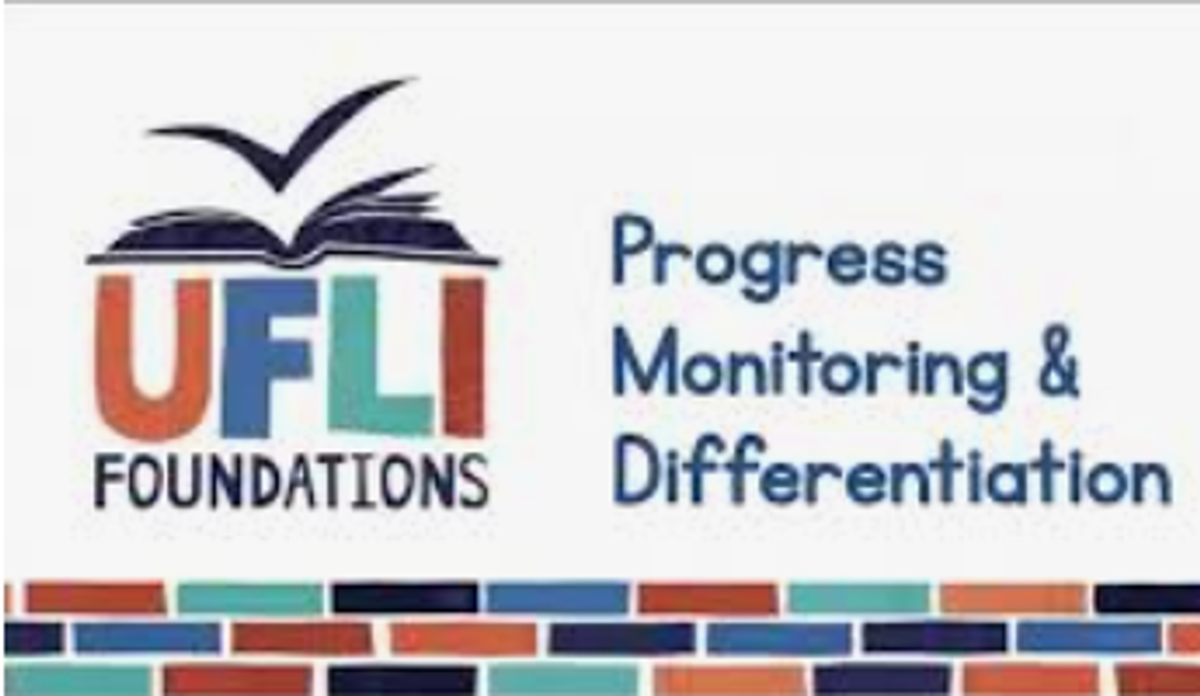
UFLI Foundations is an explicit and systematic program created by the team at the University of Florida Literacy Institute (UFLI—pronounced “you fly”) adapted for our Australian school contexts. The program introduces students to the foundational skills necessary for proficient reading and spelling. It follows a carefully developed scope and sequence designed to ensure that students systematically acquire each skill needed and learn to apply each skill with automaticity and confidence.
What specific skills are targeted in the program?
UFLI Foundations targets the following foundational reading and spelling skills:
o Phoneme blending and segmentation practice
o Accuracy and automaticity of sound/letter correspondences
o Decoding automaticity of words with previously learned concepts
o Explicit instruction in handwriting
o Decoding (reading) and encoding (spelling) practice
o Reading and spelling irregular words
o Reading and spelling connected text to teach fluency
In addition to daily lessons, UFLI has weekly progress monitoring built in and time allowed for daily small group instruction to ensure children are working to meet their individual needs.
In the classroom, your child will:
You are a vital partner in this journey! You will notice a change in the home reading materials your child will bring home next year.
Decodable Passages:
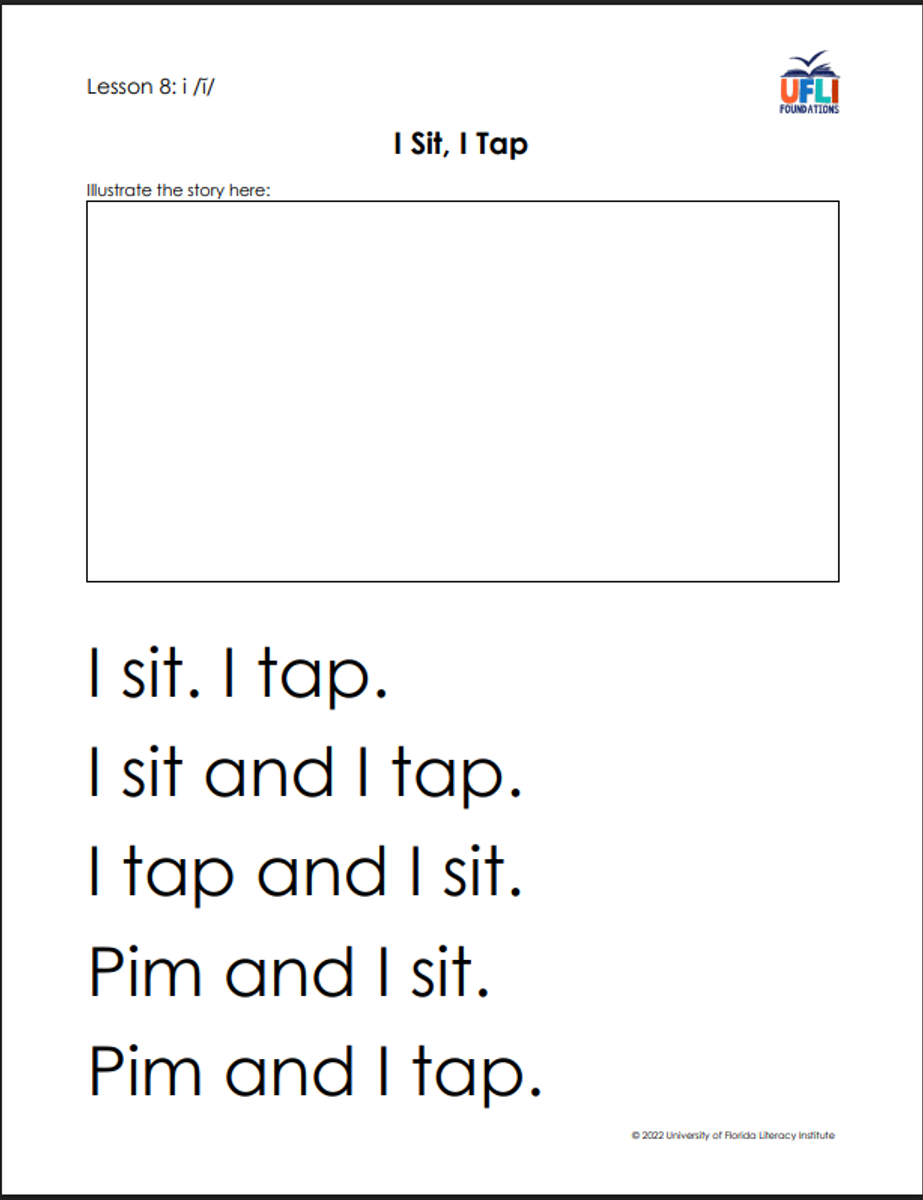
From the middle of Term 1 2026, we will begin sending home UFLI-aligned decodable passages to replace the levelled books your child used to bring home for home reading. These passages only contain the sounds and spelling patterns your child has already learned in class that week. These passages start very
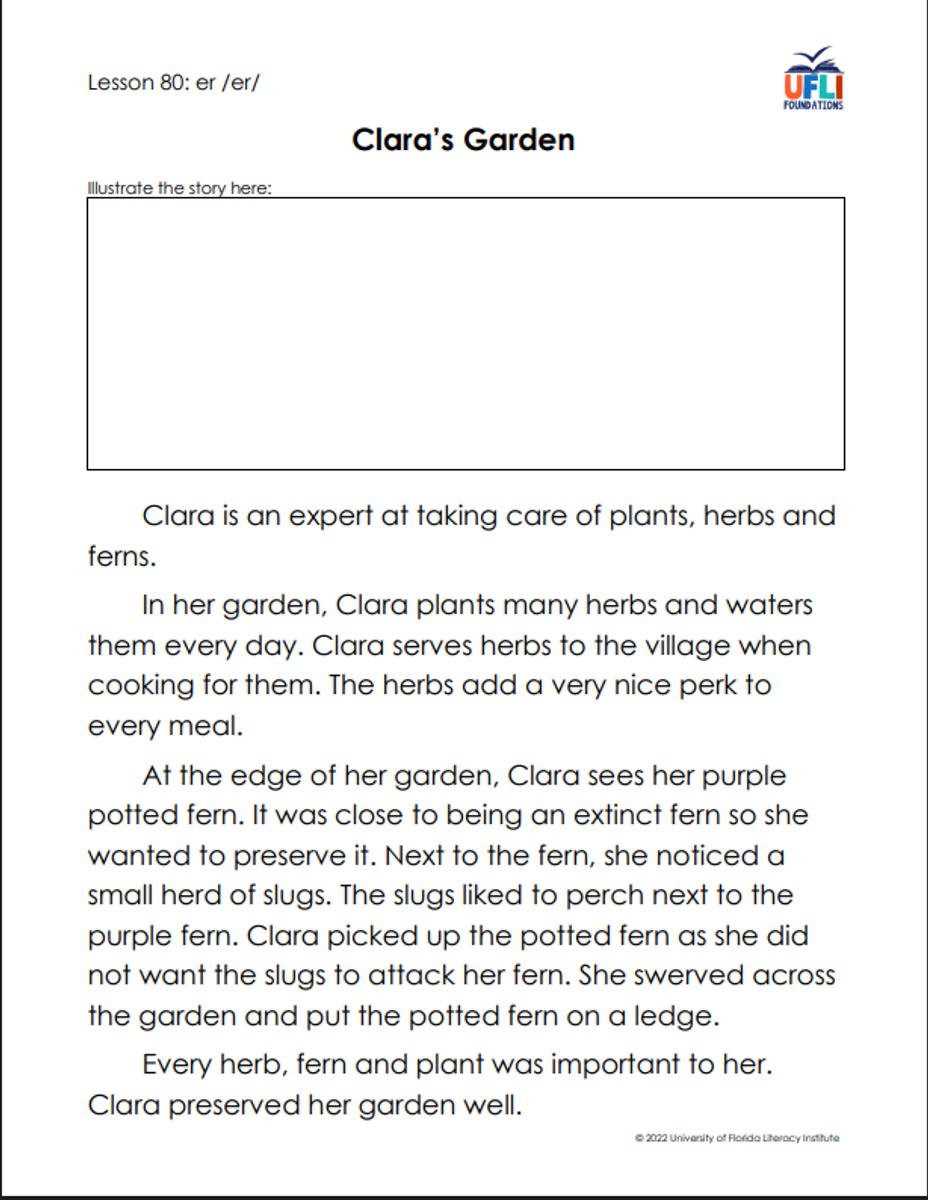
simply in Prep and build up in complexity through the sequence. The research around decodable texts is extremely strong. When children ‘guess at the pictures’ when reading - which was the practice in years gone by- little to no mapping of the words happens in the brain, making learning to read a much slower, more difficult process. Please encourage your child to sound out any words they don't know, rather than having a guess.
Authentic Texts for vocabulary and comprehension:
In addition to the decodable passages, your child will also bring home 1-2 books from the library each week. The purpose of these texts is to improve vocabulary, comprehension and reading for enjoyment. You may need to read these books to your child if they are too hard for them to read on their own. Don’t forget to ask them some questions about the story at the end.
If your child can read the passage very easily and fluently on the first read, you don't need to keep rereading it all week. Feel free to move on to enjoying their library book together instead!
Starting in 2026, we will be updating our sight-word instruction to match the UFLI Foundations approach, which is grounded in strong reading science and supports how children truly learn words. Teachers will no longer be sending home the sight word rings in the children's home learning packs.
Why the Change?
What This Looks Like in Class:
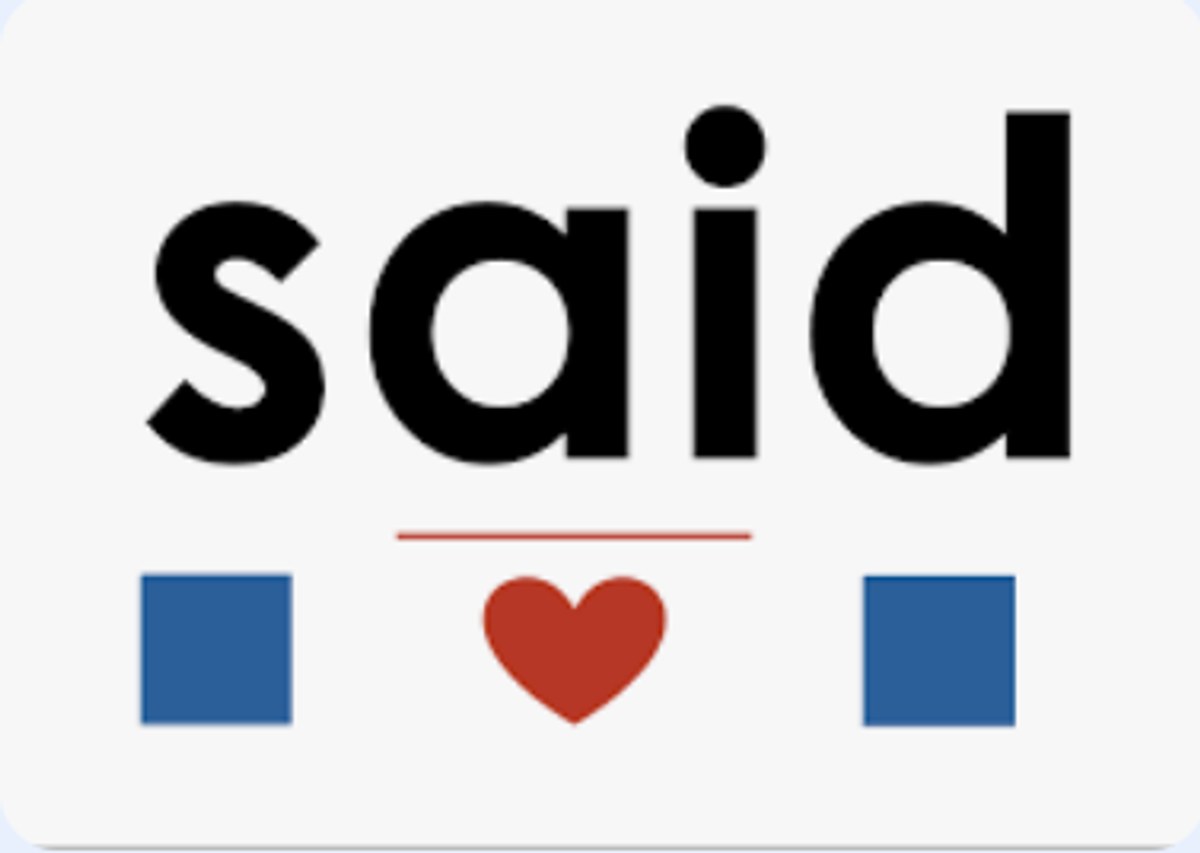
Using the UFLI routine, students will:
How You Can Help at Home:
When practicing words, encourage your child to:
We are incredibly excited to launch UFLI Foundations at Mother Teresa and look forward to seeing the accelerated progress in our students' reading abilities. We believe this program will empower every child to unlock the code of reading!
Happy reading!
Naomi Glasby