
Year 5/6 Bulletin
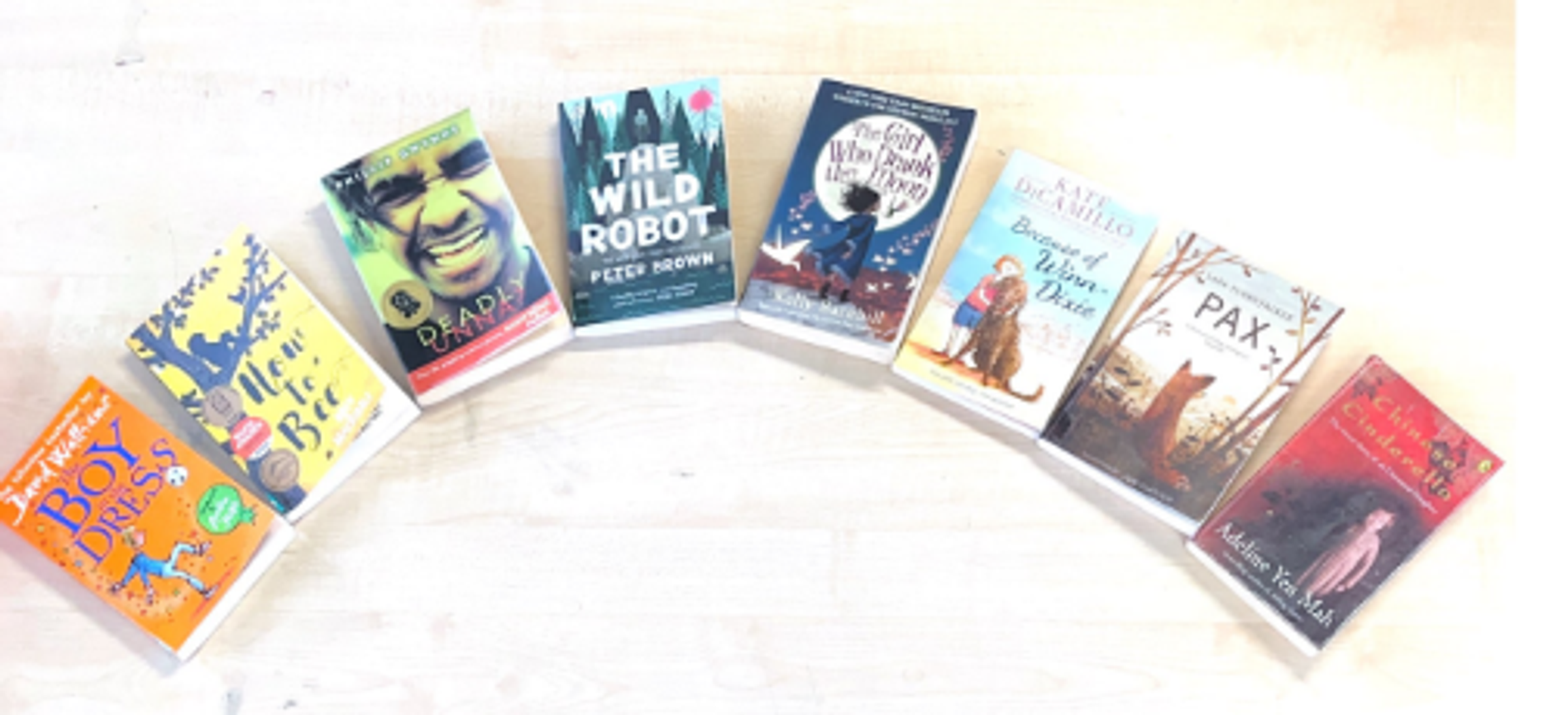
Book Club
Throughout this year, our students have participated in Book Club, a program based on the Literature Circles approach. It’s designed to help students grow as confident, independent readers who think deeply about what they read and enjoy sharing ideas with others.
What is 'Book Club'?
It works much like a real book club. Small groups of students read the same book, talk about what’s happening, share ideas and questions, and make connections to their own experiences. Each group’s text is chosen through our 'Book Tasting' sessions, where students sample a variety of titles, and select their three top choices.
Groups are formed by the teacher, taking into account the students' book choices, reading abilities, and social dynamics. The aim is for students to work independently, developing ownership of their reading and learning collaboratively through discussion.
Why do we do this?
Research shows that when students talk about what they read, they understand it more deeply and become more motivated to read. 'Book Club' gives students a meaningful way to use all of their reading strategies , predicting, questioning, connecting, clarifying, summarising, and visualising, as they read, rather than practising each one separately.
In other words, students are moving beyond learning strategies in isolation to applying them naturally, the way skilled readers do.
Through this approach, students learn to:
- think critically and creatively about what they read
- make connections between texts, ideas, and real life
- listen, respond, and build on each other’s thinking
take increasing responsibility for their learning
What this looks like in class
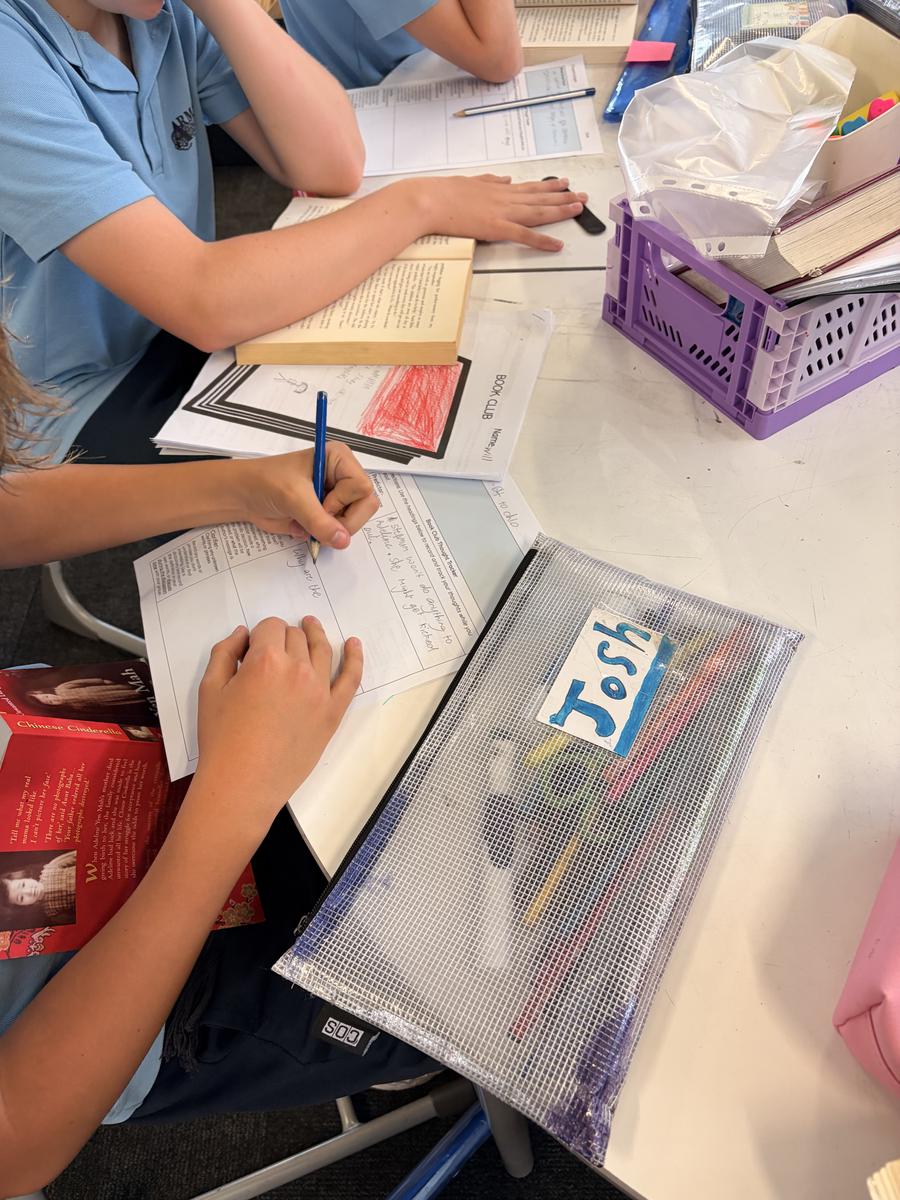
Each student keeps a 'Book Tracker', where they record what they’ve read, reflect on key moments, and note examples of how they’ve used reading strategies to make sense of the text. Discussions are student-led, and as the year progresses, groups become increasingly independent, deciding their own reading pace, discussion focus, and ways of responding to the book.
Why it matters
When students have choice and ownership, they become more engaged. When they share ideas, they develop a richer understanding. And when they see themselves as readers, not just students completing a task, they build habits that last long after primary school.
Reading Lesson-Book Club
Whole:
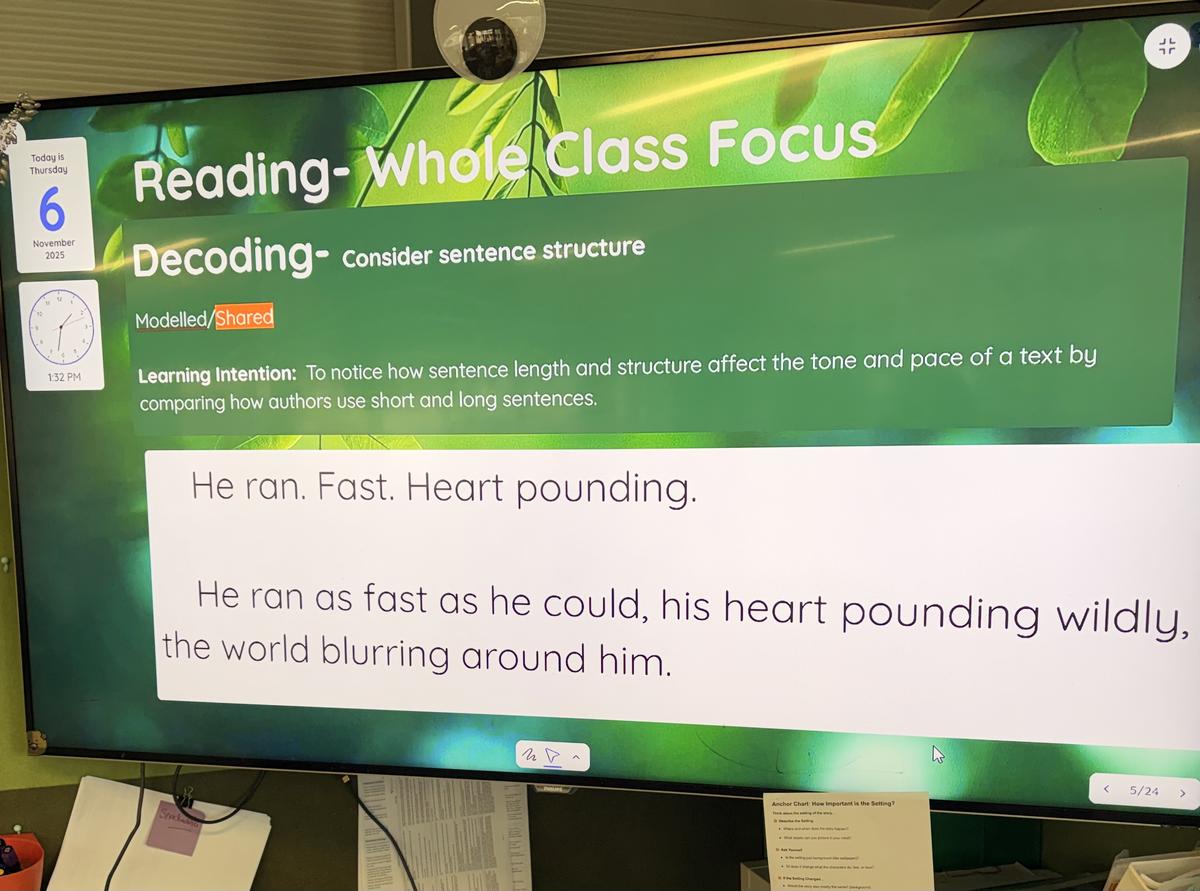
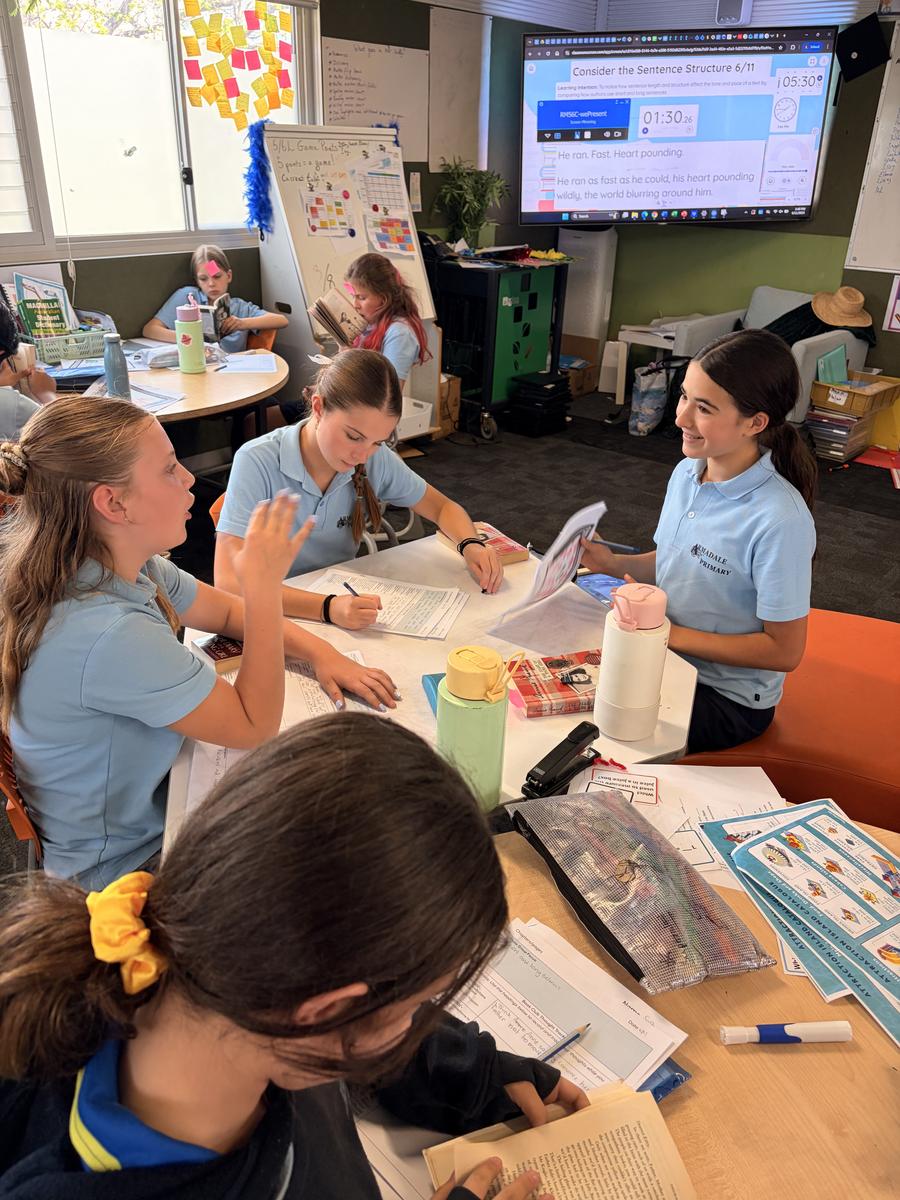
This week in Reading, our Year 5/6 students explored how sentence length and structure can change the tone and pace of a text. The learning intention for this lesson was "to notice how sentence length and structure affect the tone and pace of a text by comparing how authors use short and long sentences", whether it’s fast and exciting or calm and descriptive.
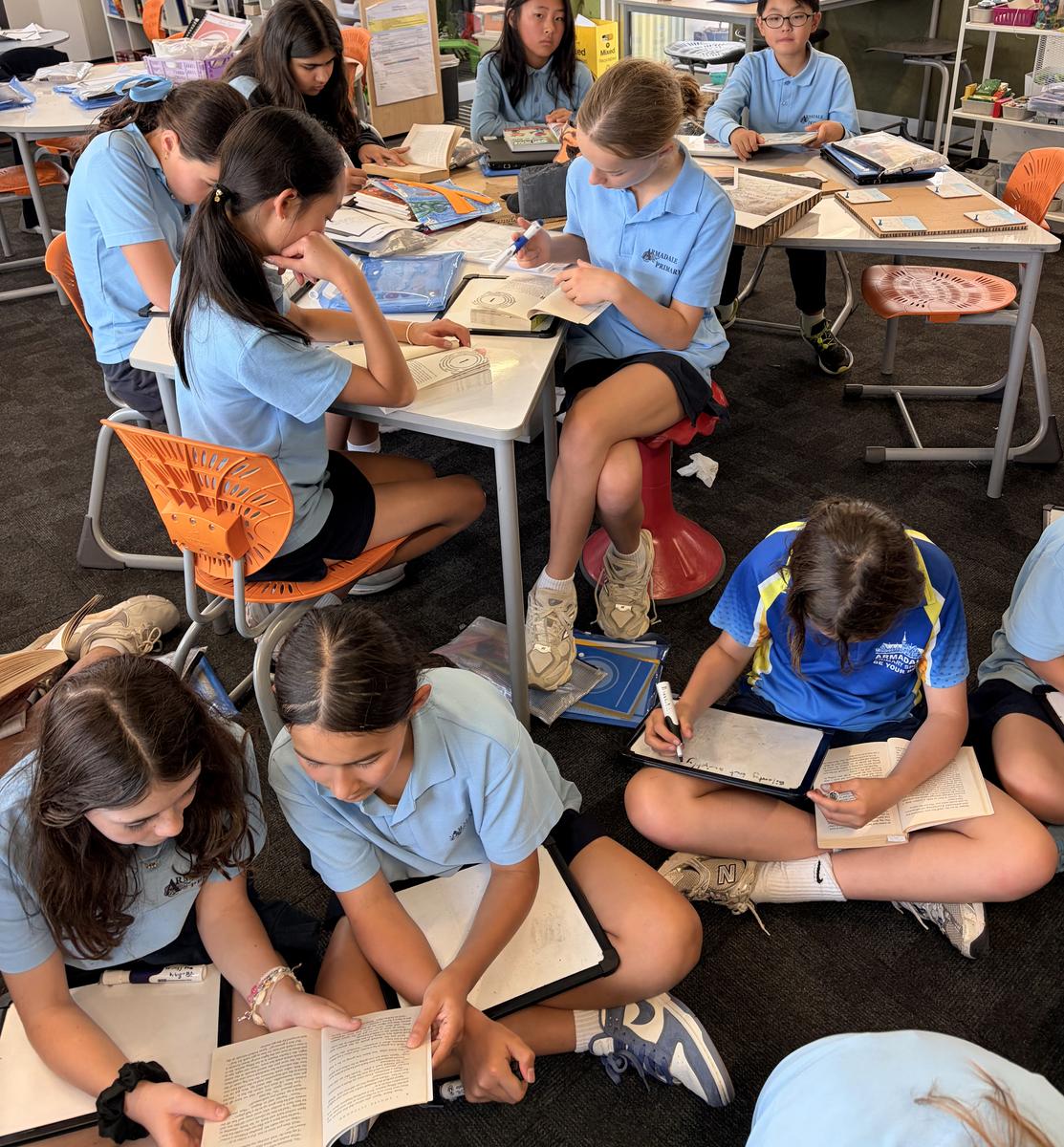
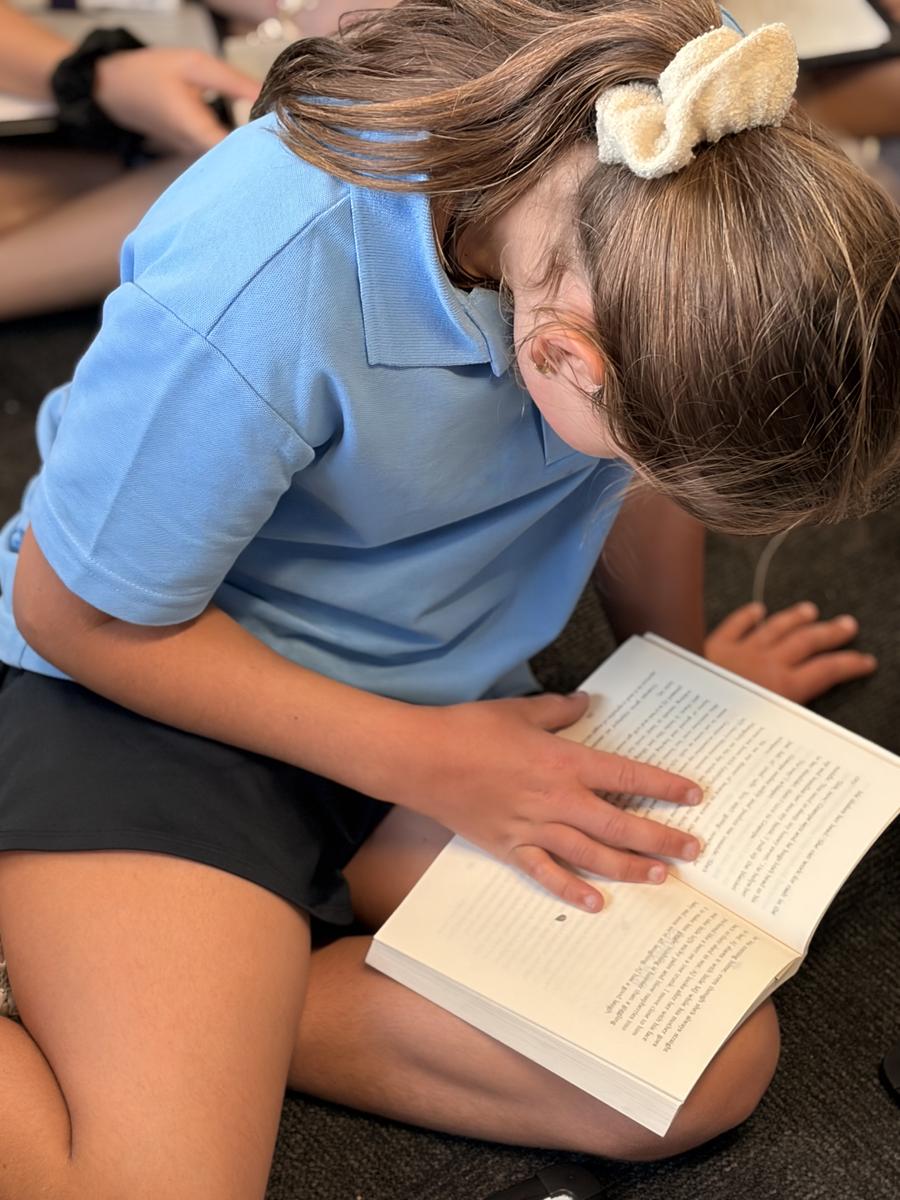
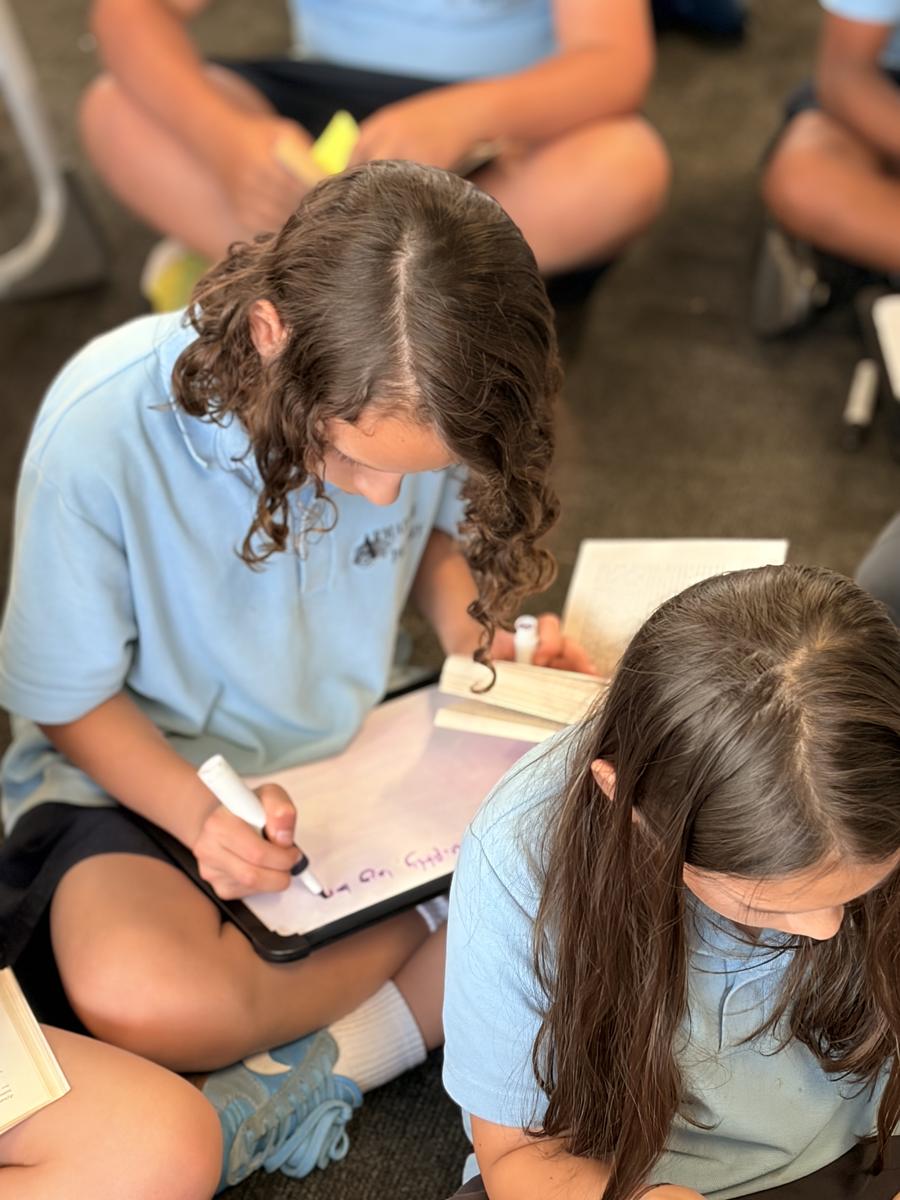
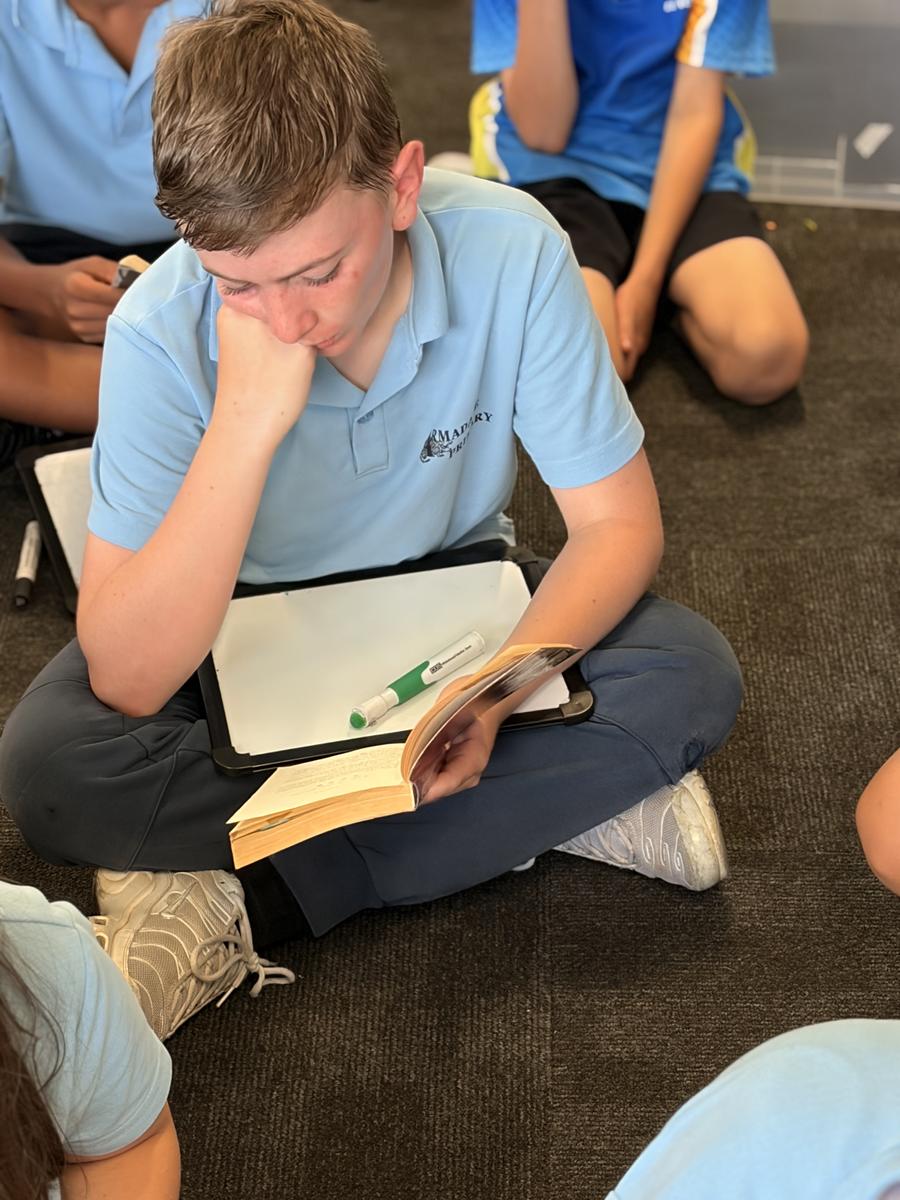
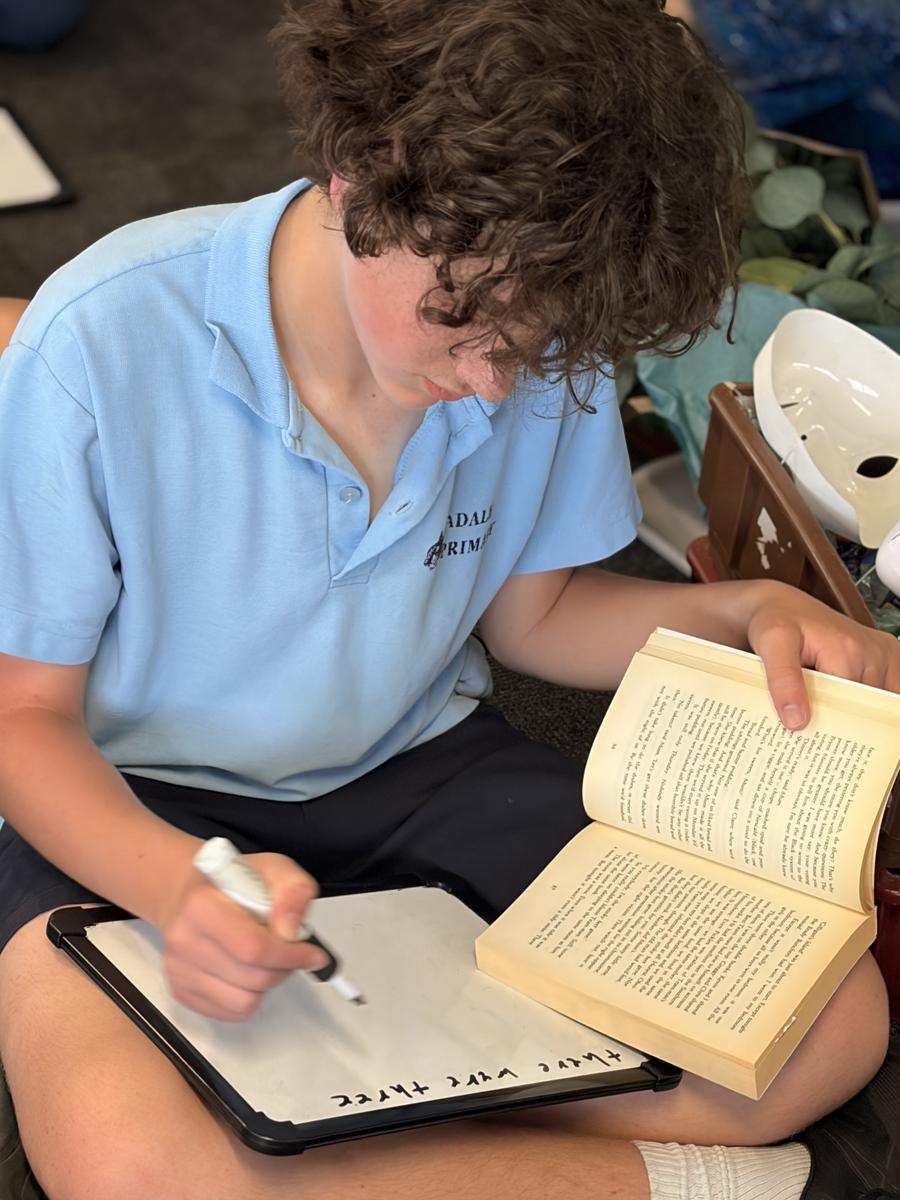
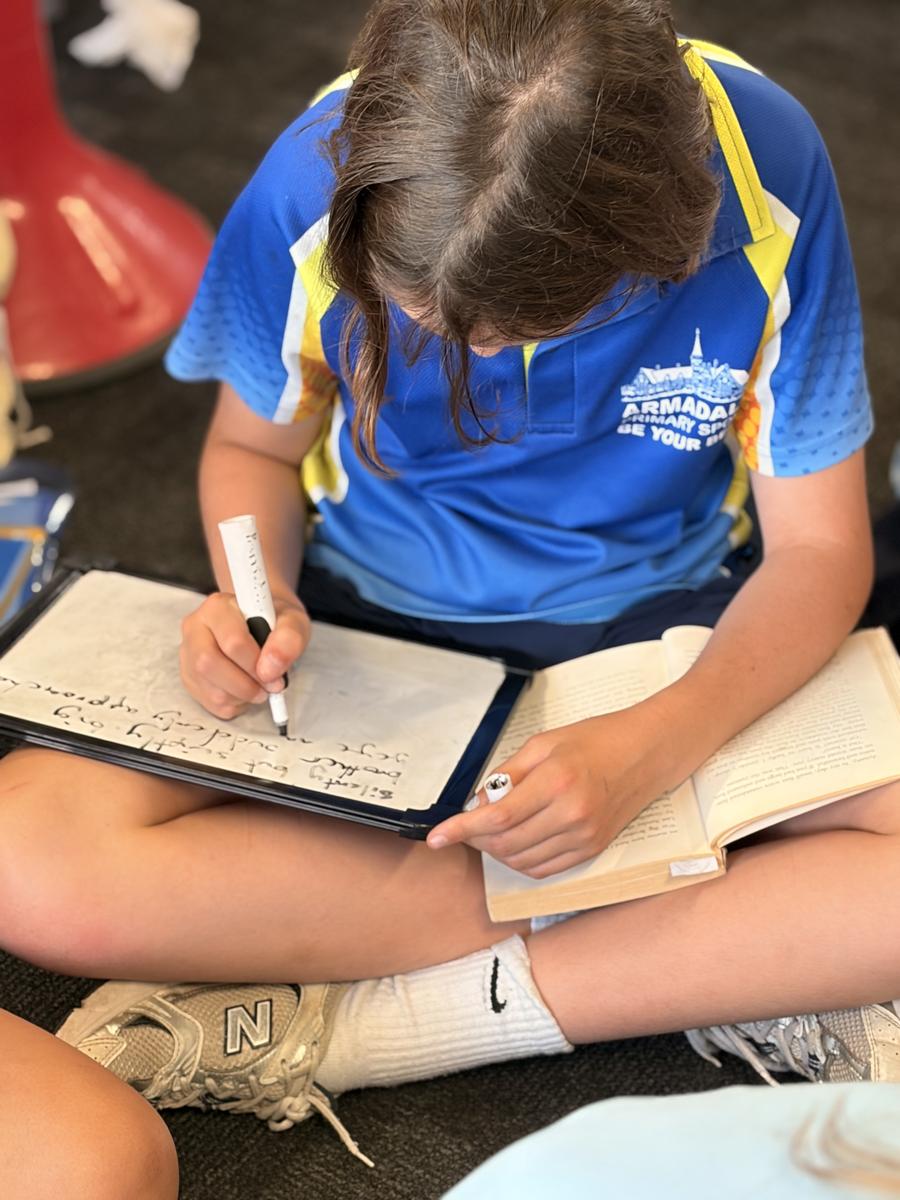
To begin, students compared two short examples on the board: "He ran. Fast. Heart pounding." and "He ran as fast as he could, his heart pounding wildly, the world blurring around him." Together, we discussed which version felt more rushed and which felt slower or more detailed, and why that might be the case. Students then flipped through their Book Club novels, identifying examples of both short and long sentences. On their whiteboards, they made quick notes about how each type of sentence changed the mood or rhythm of the text. Finally, students shared some of their findings with the class, noticing how authors use sentence variety to keep readers engaged.
Small:
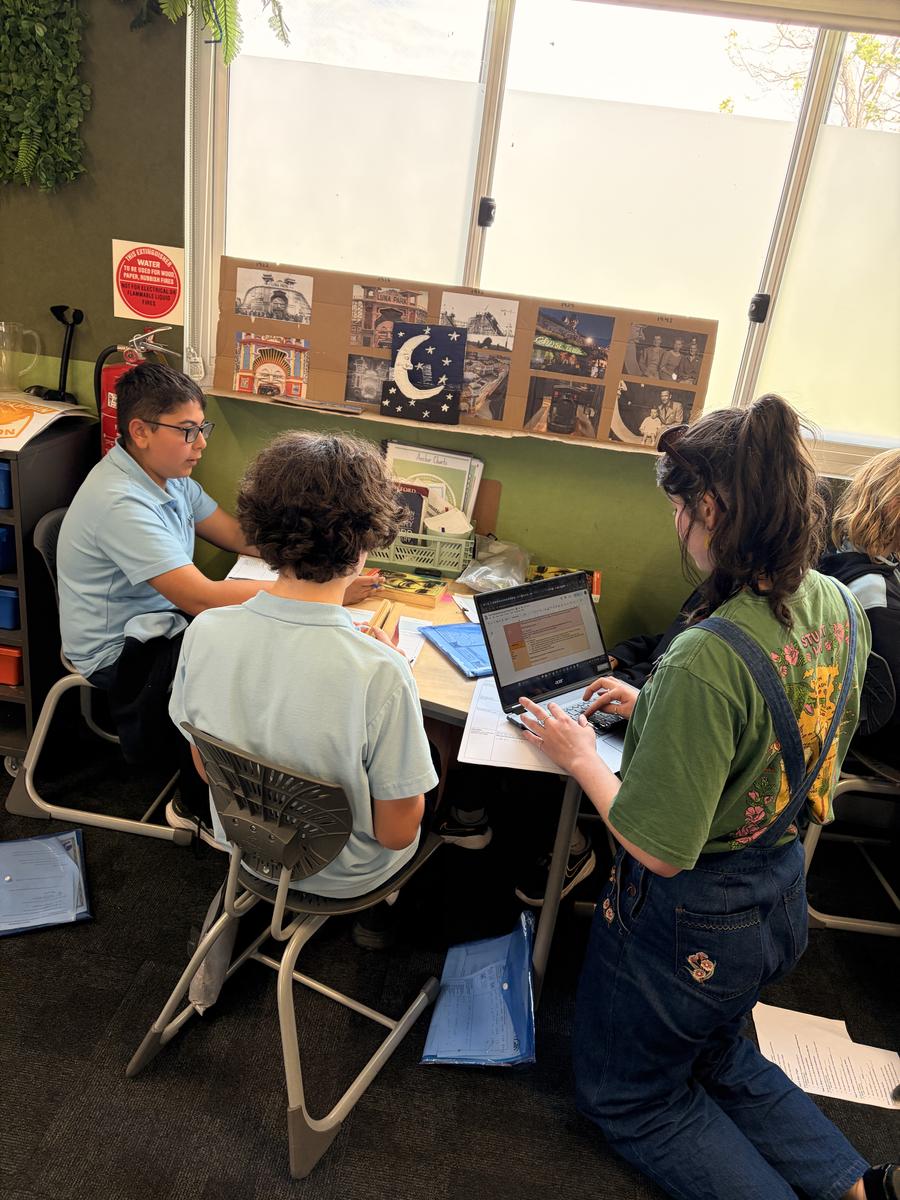
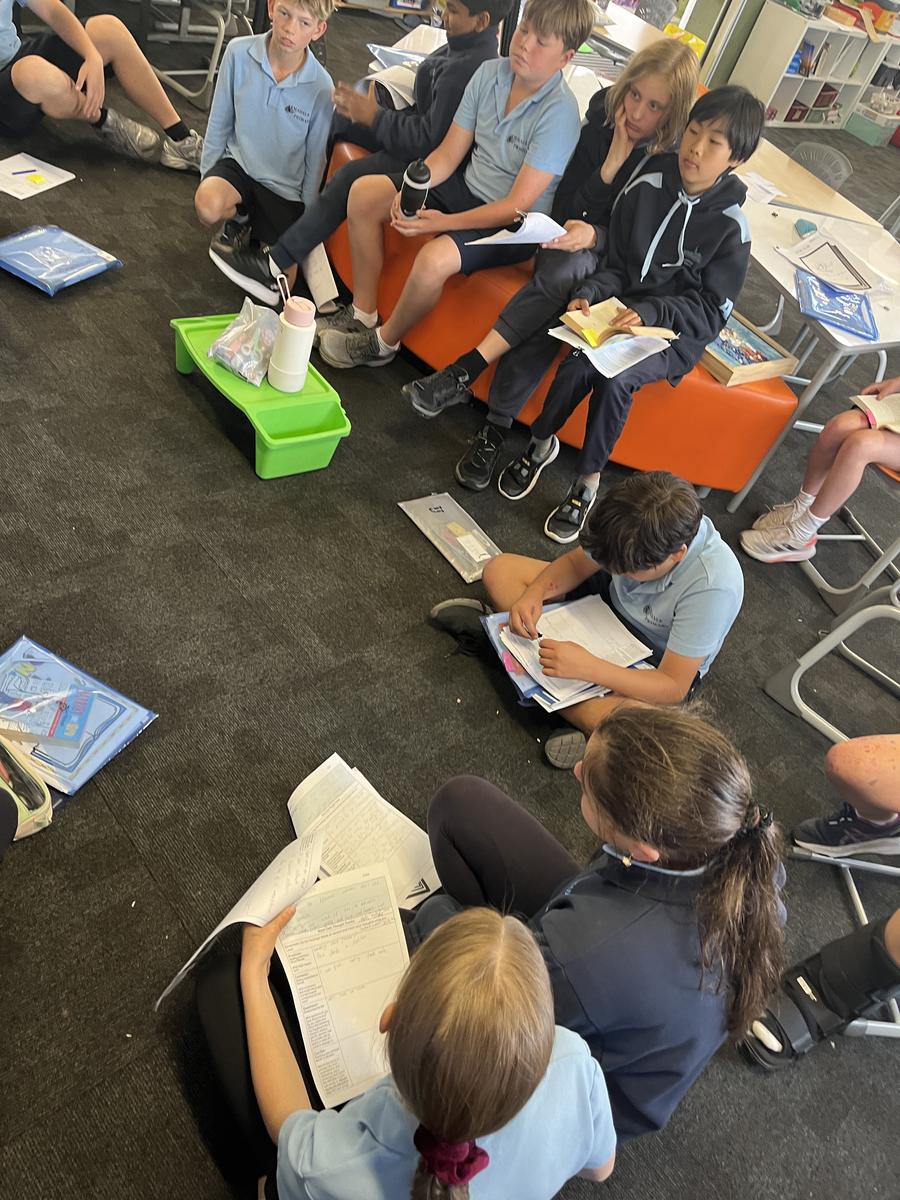
Students then moved into their book club groups to continue reading up to their agreed chapter or to discuss what they had read earlier in the week. As groups shared their thoughts, we visited each one to check their progress, support their discussions, and extend their understanding of the text. While reading, students also recorded their progress in their reading trackers and noted any examples of short or long sentences they discovered, ready to analyse how these choices affected the story’s tone and pace.
Whole:
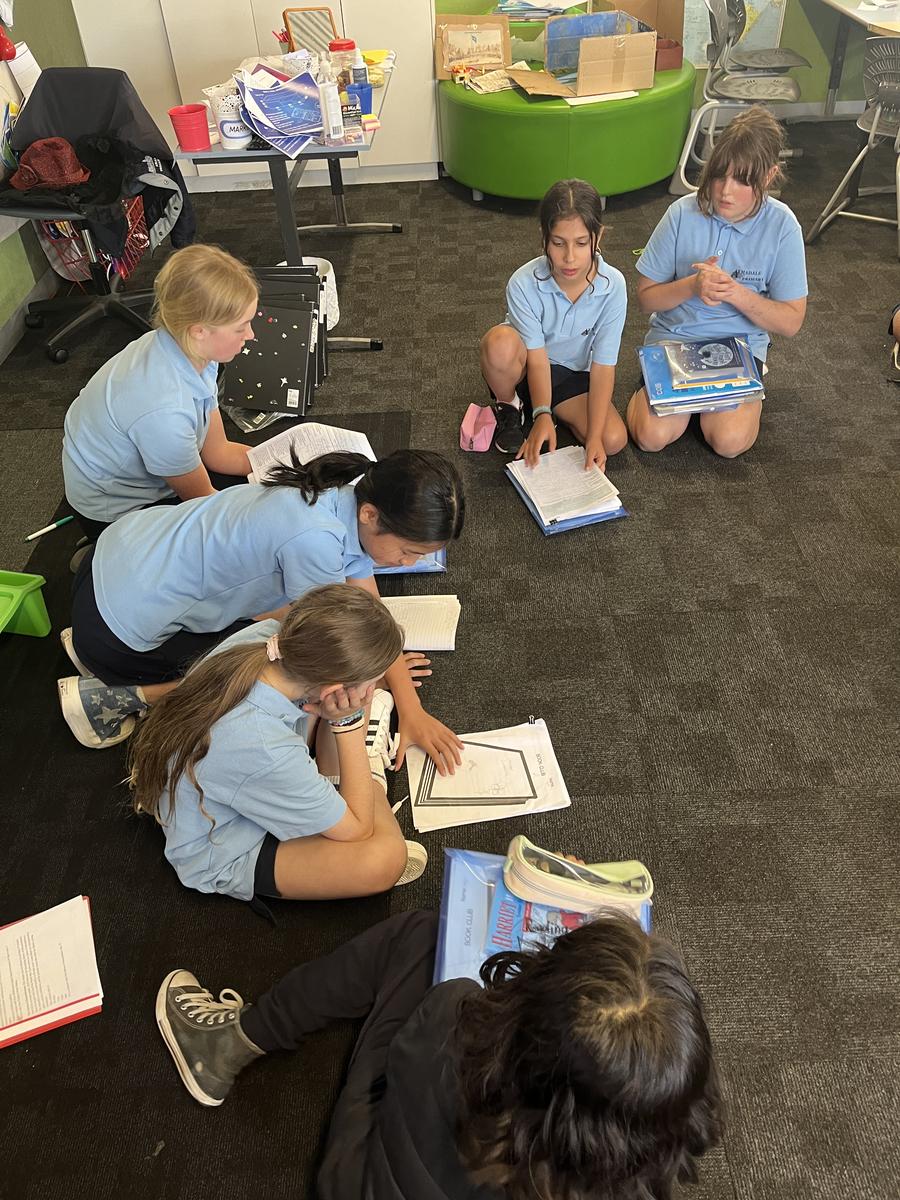
Students then went back to their classrooms with their example sentences and had a whole-class discussion of their findings. This activity helped students develop their awareness as both readers and writers, encouraging them to think carefully about how sentence structure can shape a story’s pace and emotional impact.
Thank you for your continued support,
Jenny and Luca.