Year 3/4 Bulletin
BIG IDEA
Significant events, symbols, and diverse perspectives have shaped Australia’s history and influenced how we understand its change over time.
Driving Questions
- What are some significant events and symbols in Australia’s history, and why are they important to communities today?
- How have different people’s experiences and perspectives influenced the way we understand Australia’s past?
- In what ways has Australia changed over time, and what has stayed the same in our communities?
Learning Intention: To use the strategy of “zooming in” to focus on details in an image.
Whole
This week during reading, students explored the strategy of “zooming in” to focus on details within an image. We began by completing a "shared" whole session together as a class, looking closely at a single picture and discussing everything we could notice, think, and wonder. Students were encouraged to use precise language when describing what they saw and to explain their thinking using evidence.
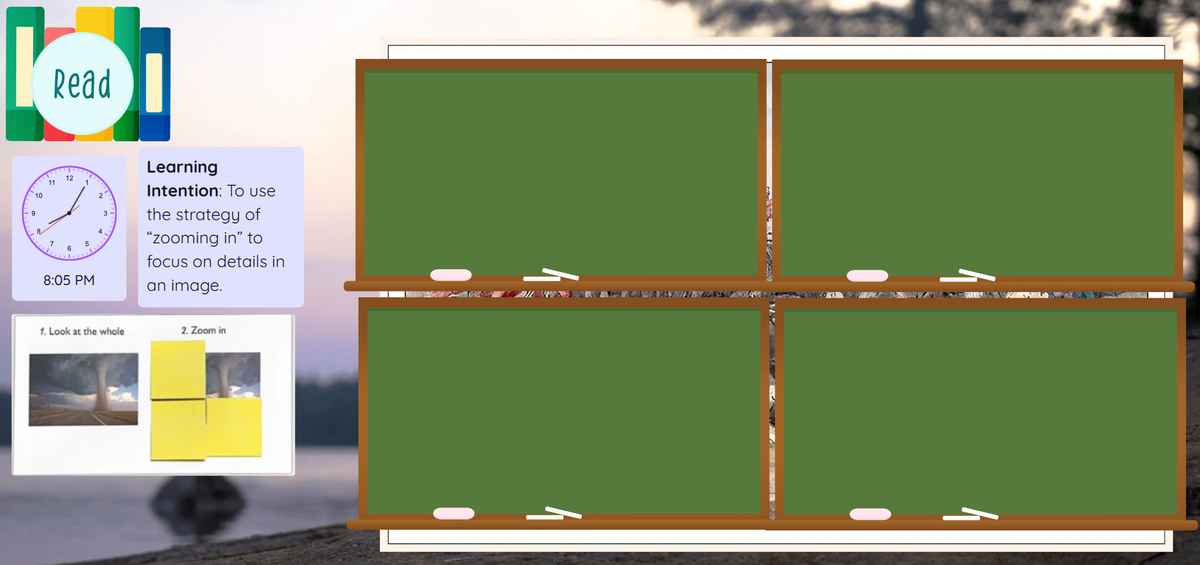
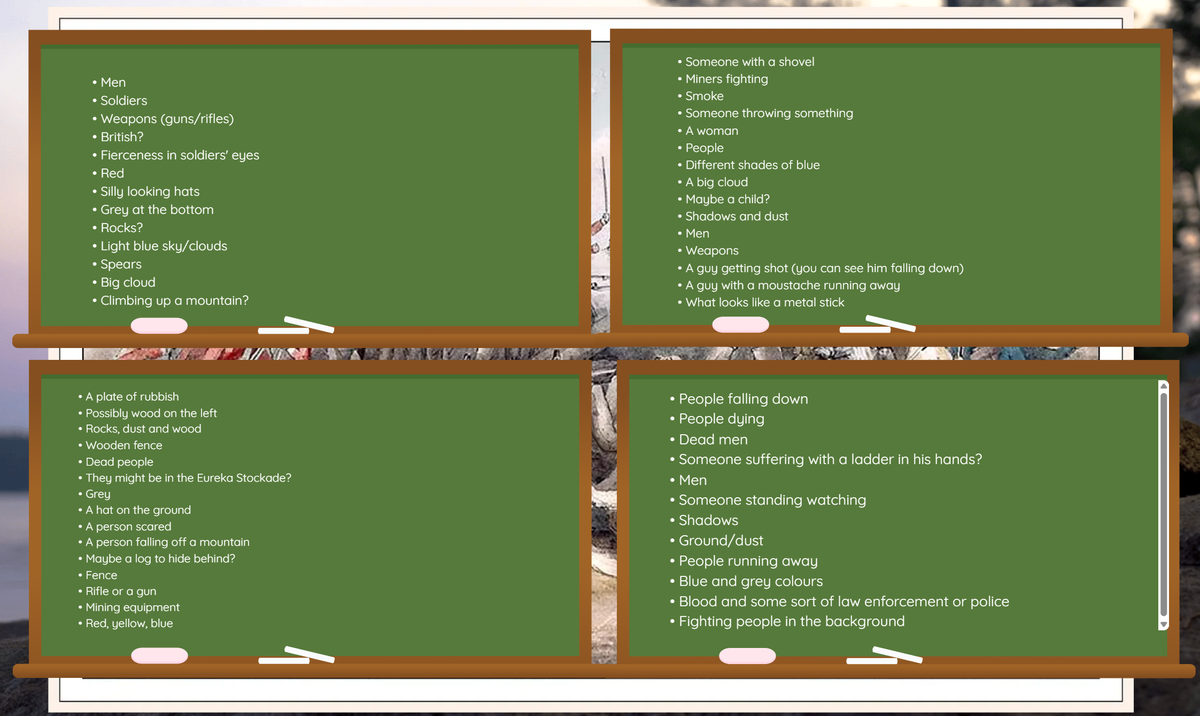
After completing the process together, each table group received a different section of a larger painting showing life on the goldfields. Students examined just their quarter of the image, recording what they could see, think, and wonder before sketching and labelling what they noticed. Groups then compared notes, upgraded their vocabulary from general to specific words, and reconnected their pieces to reveal the complete image.
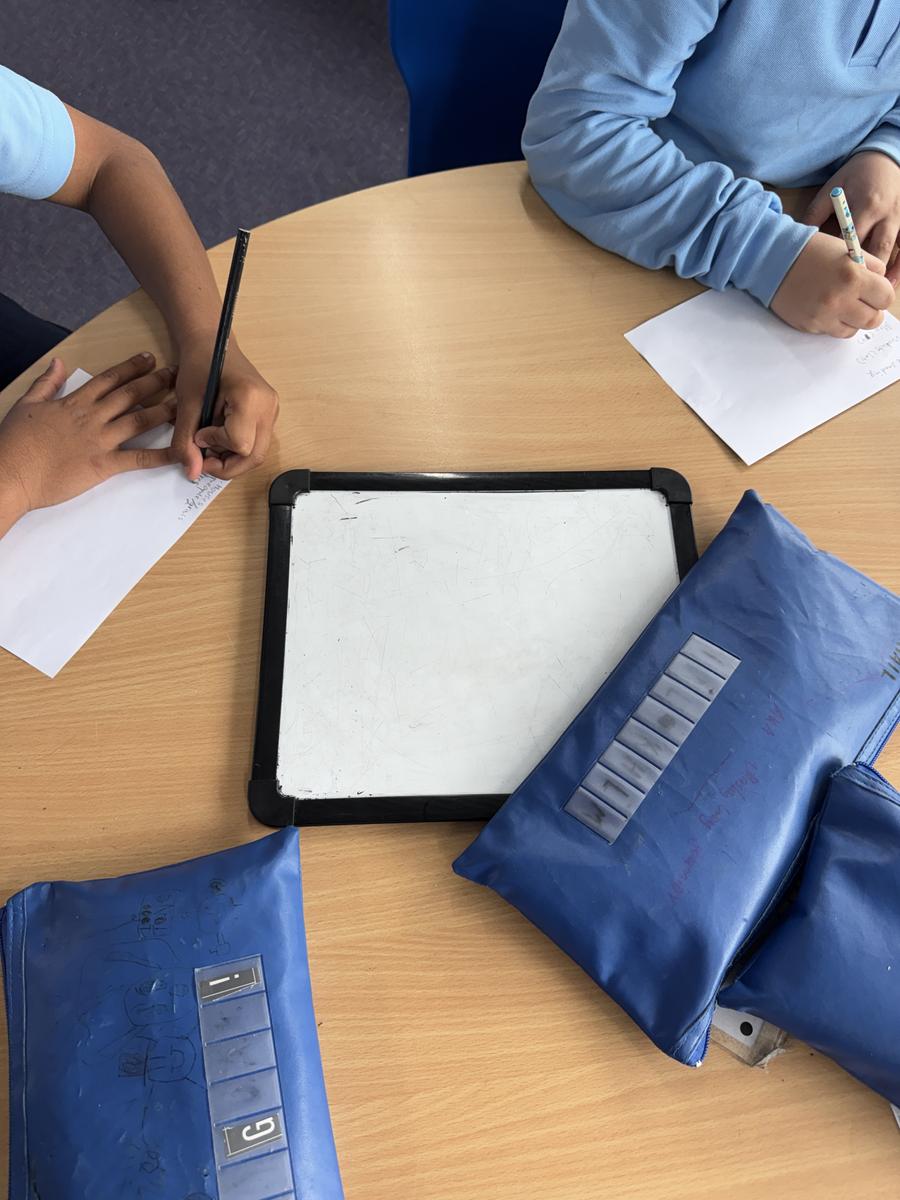
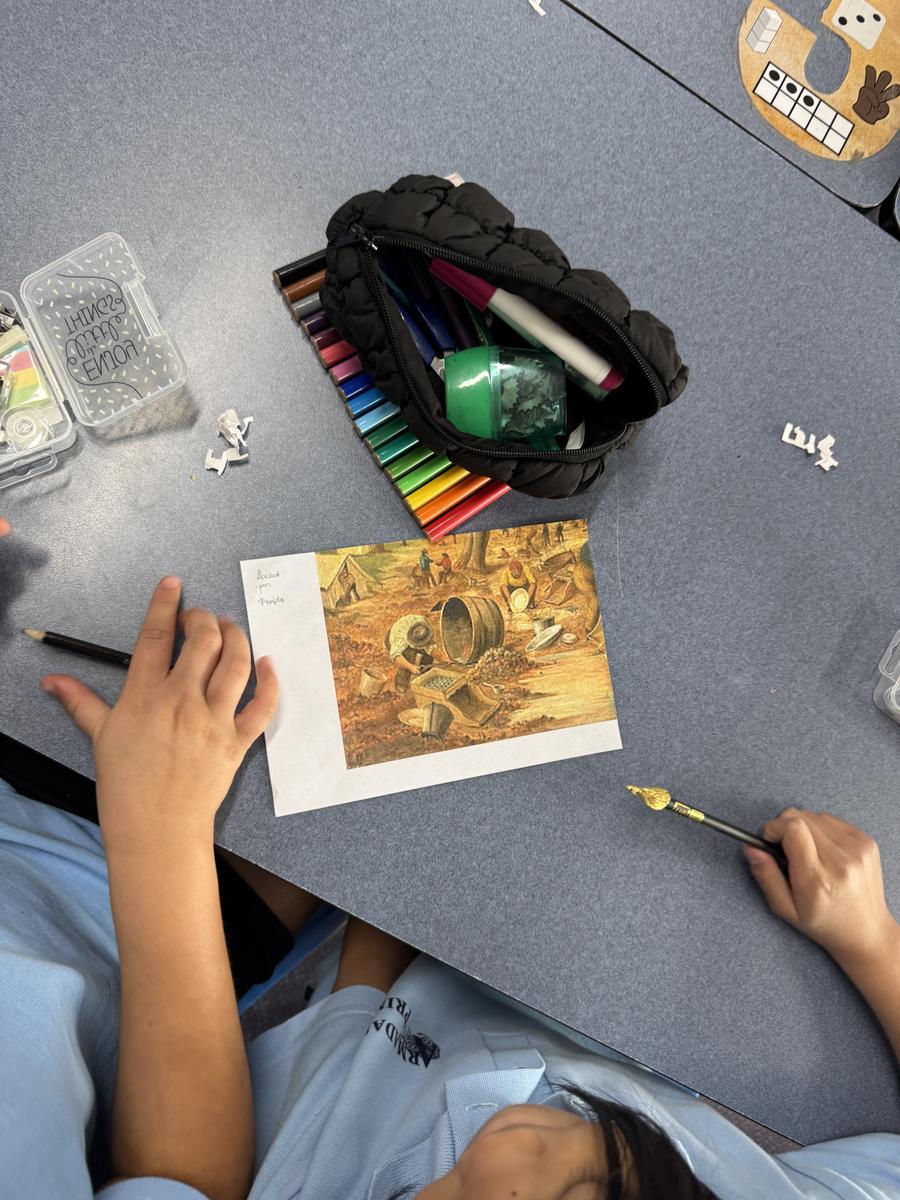
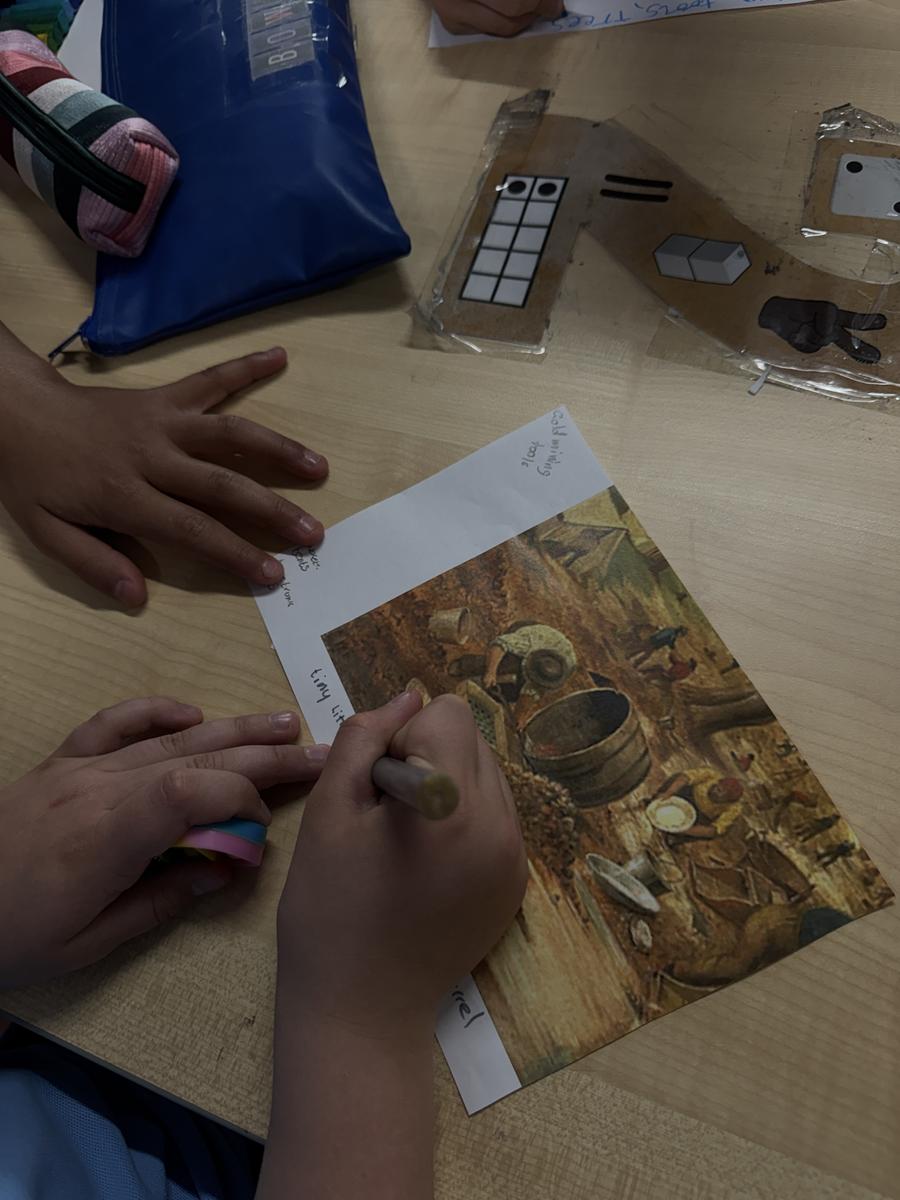
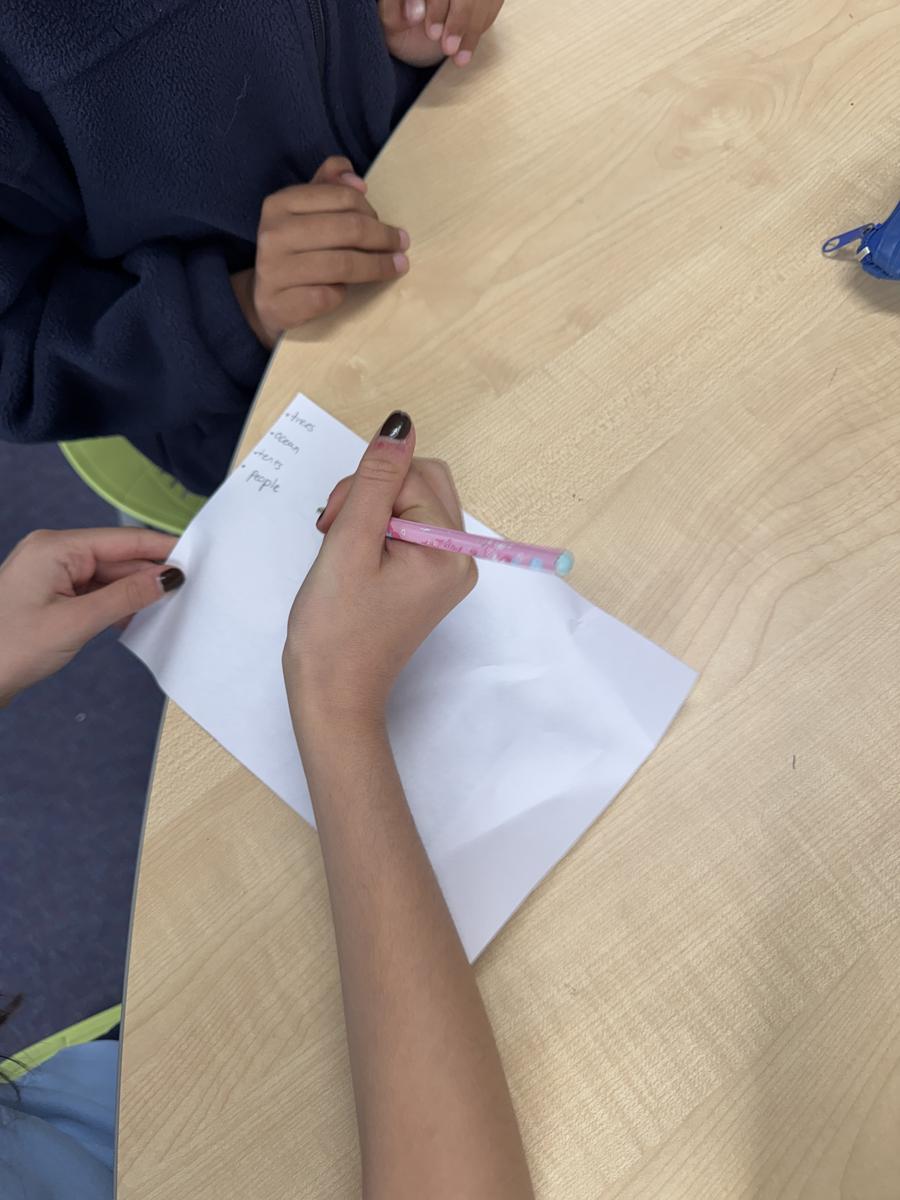
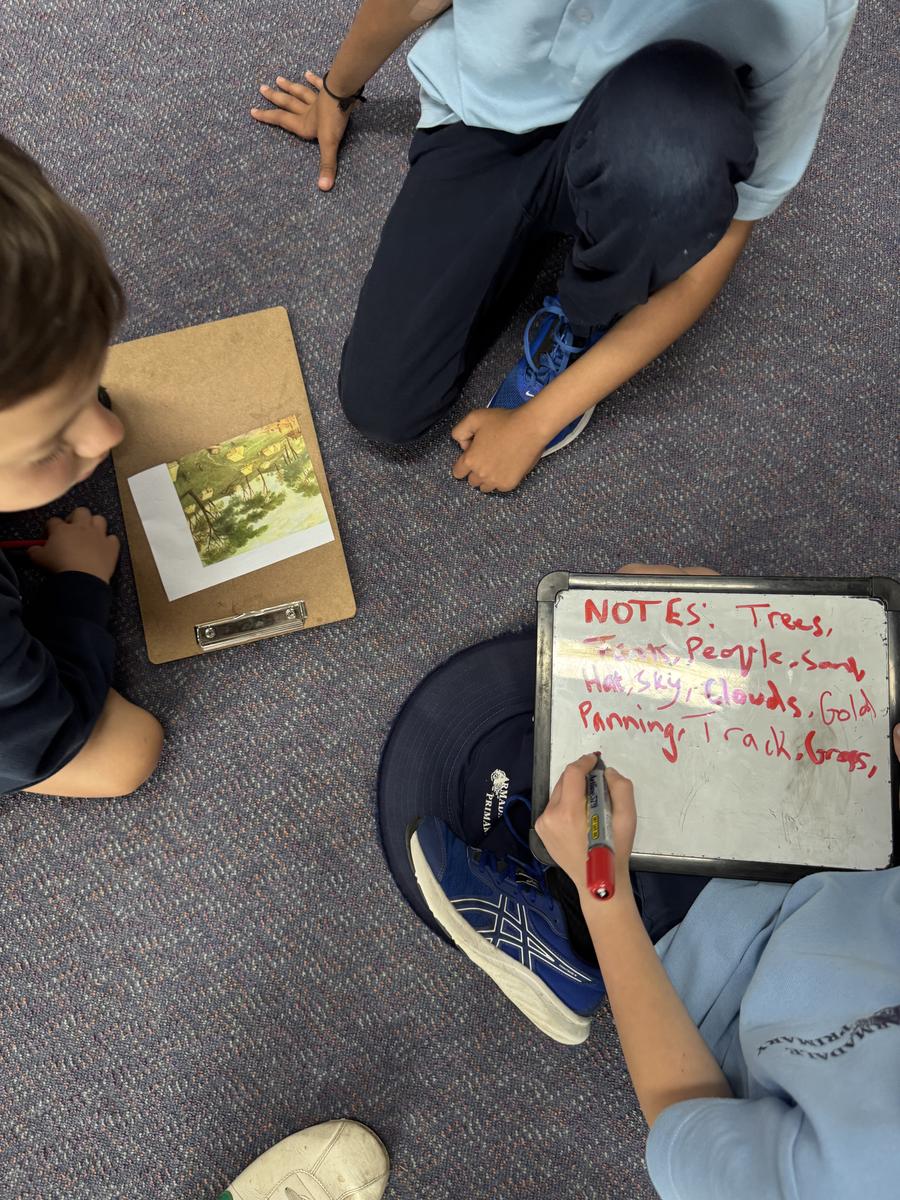
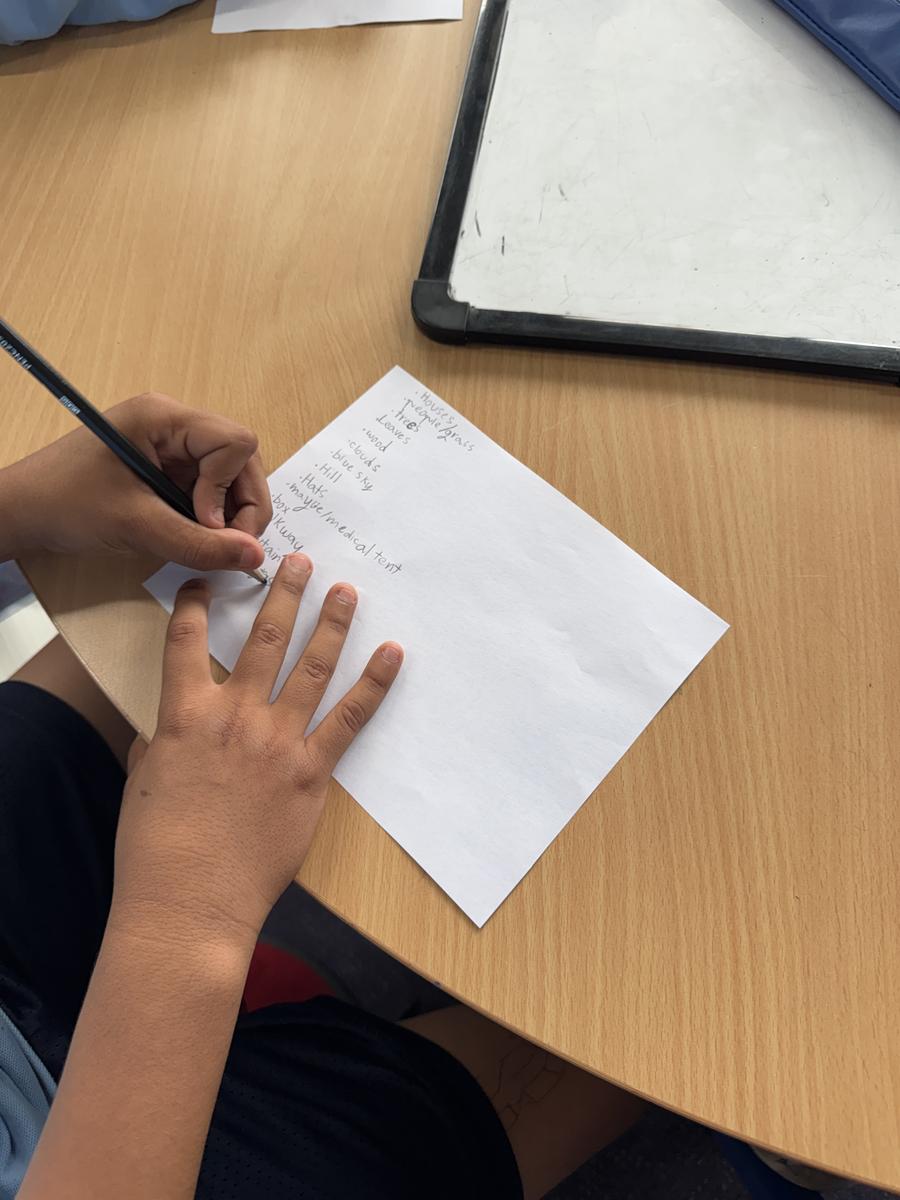
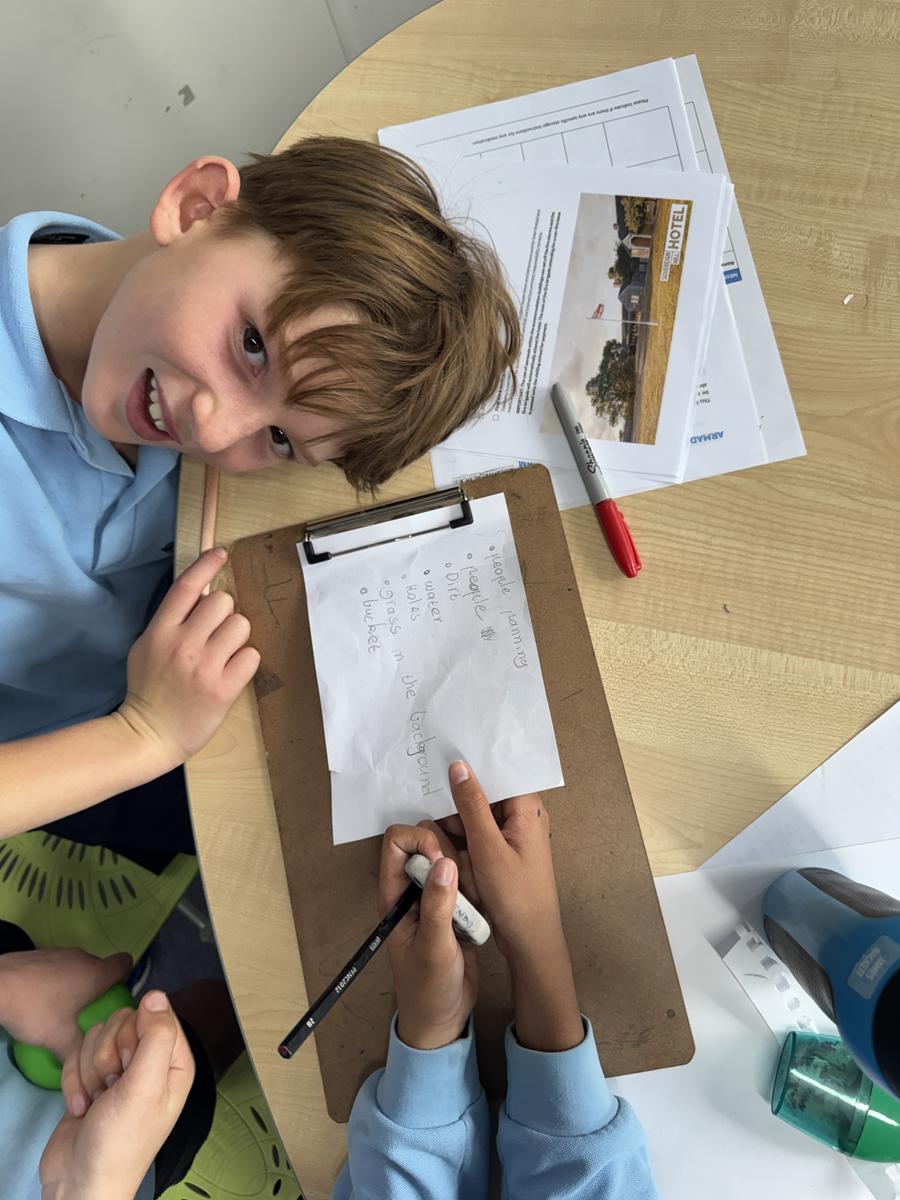
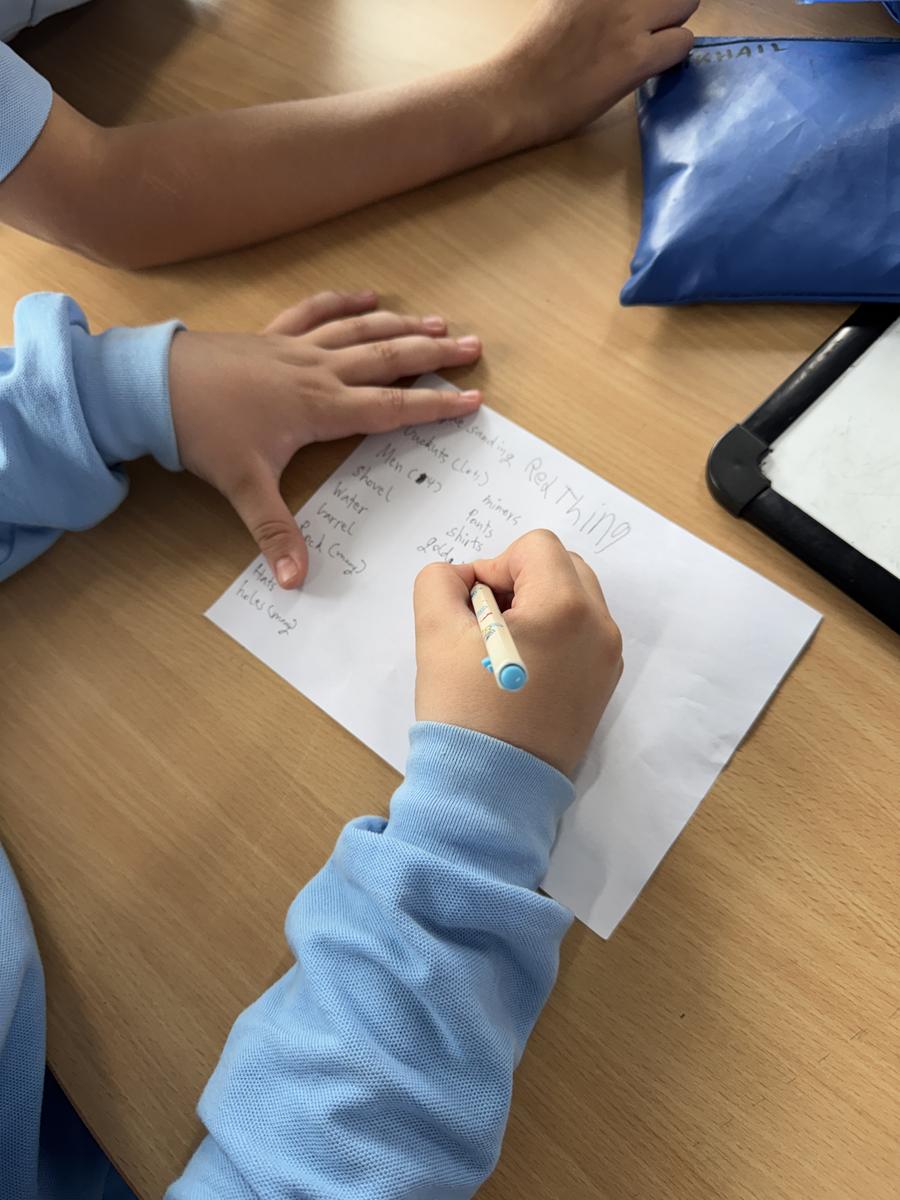
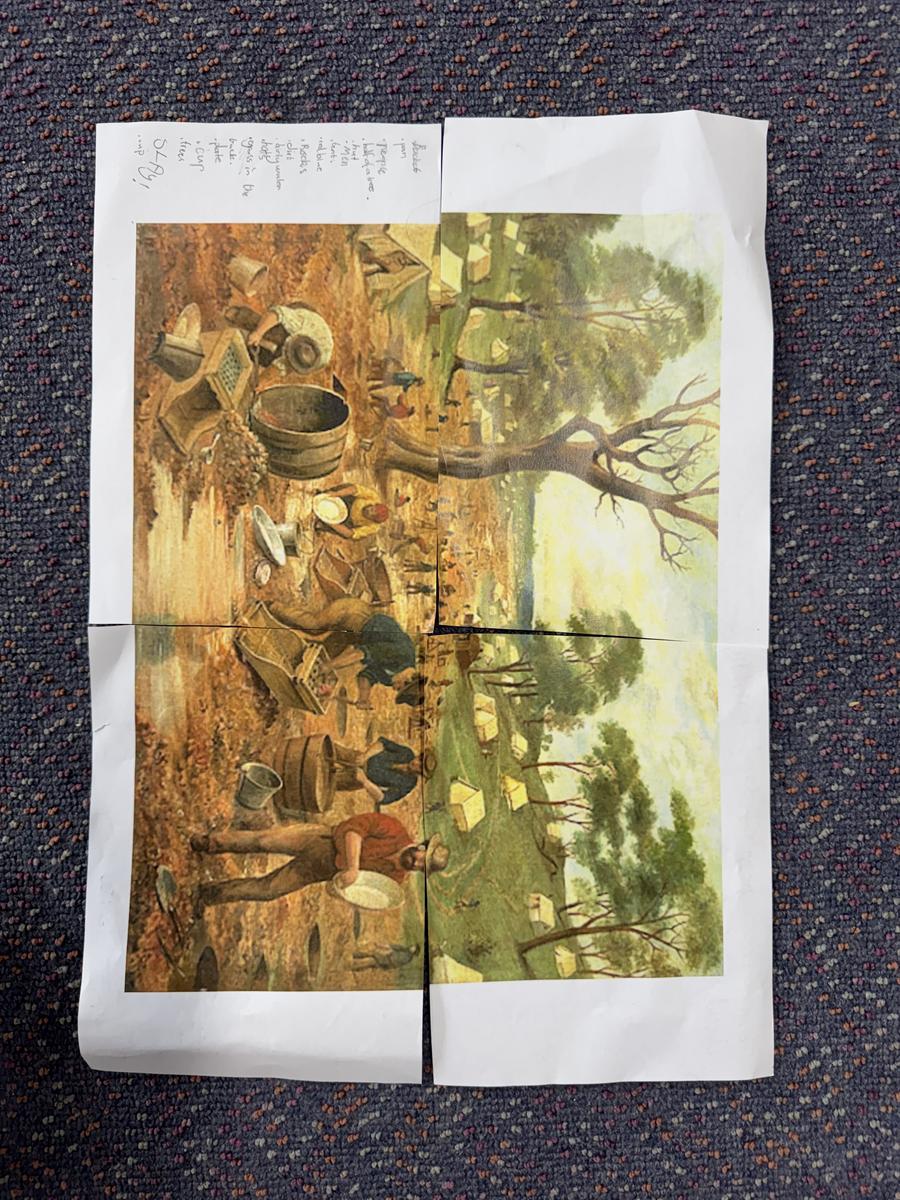
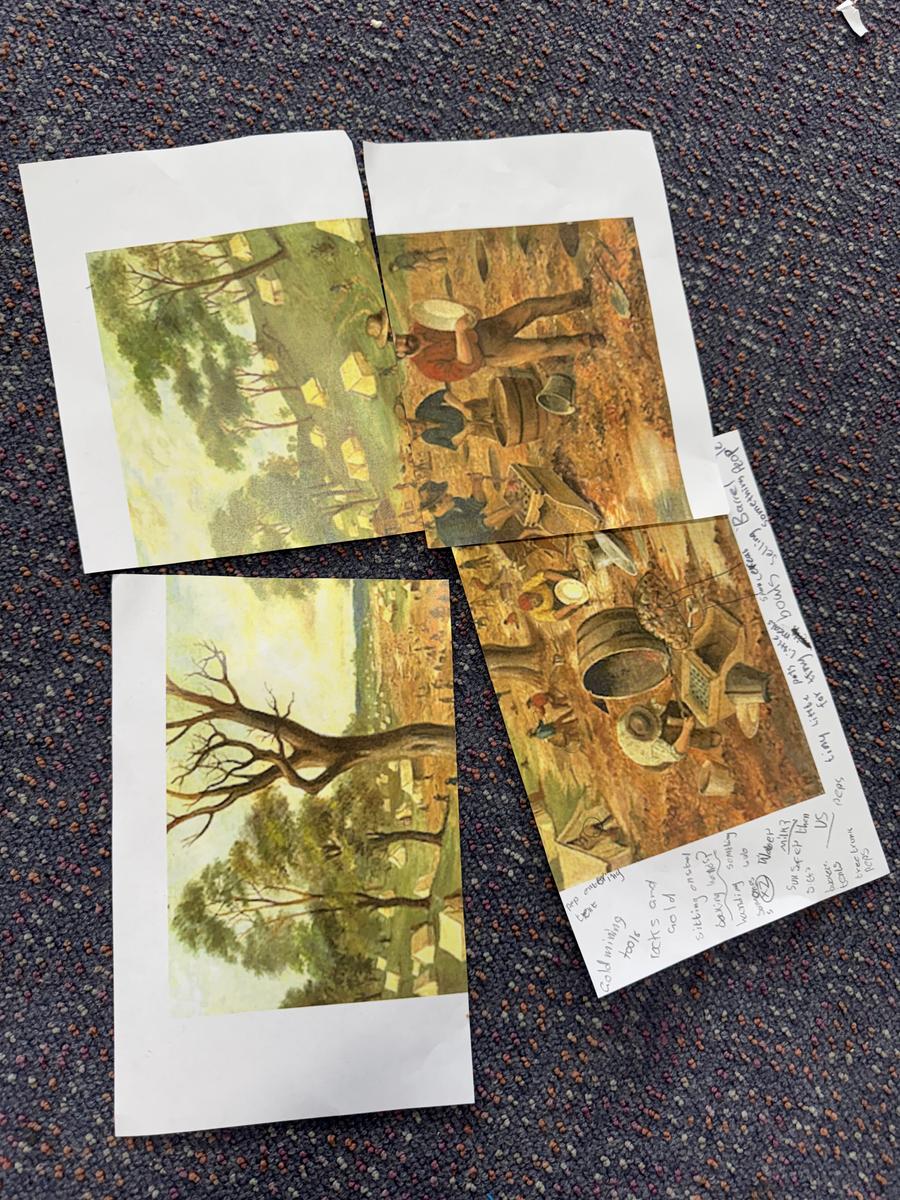
This shared session helped students understand how close observation leads to stronger inferences. By looking carefully at one part before seeing the whole, they developed a clearer picture of daily life during the gold rush and strengthened their visual literacy and historical understanding.
Here are the three tasking questions students focused on while watching the teacher model the strategy on the classroom screen:
What specific details can I see in this part of the image (objects, people, actions, setting)?
What do these details make me think or infer about what is happening?
How does the evidence in the picture support my thinking?
Small
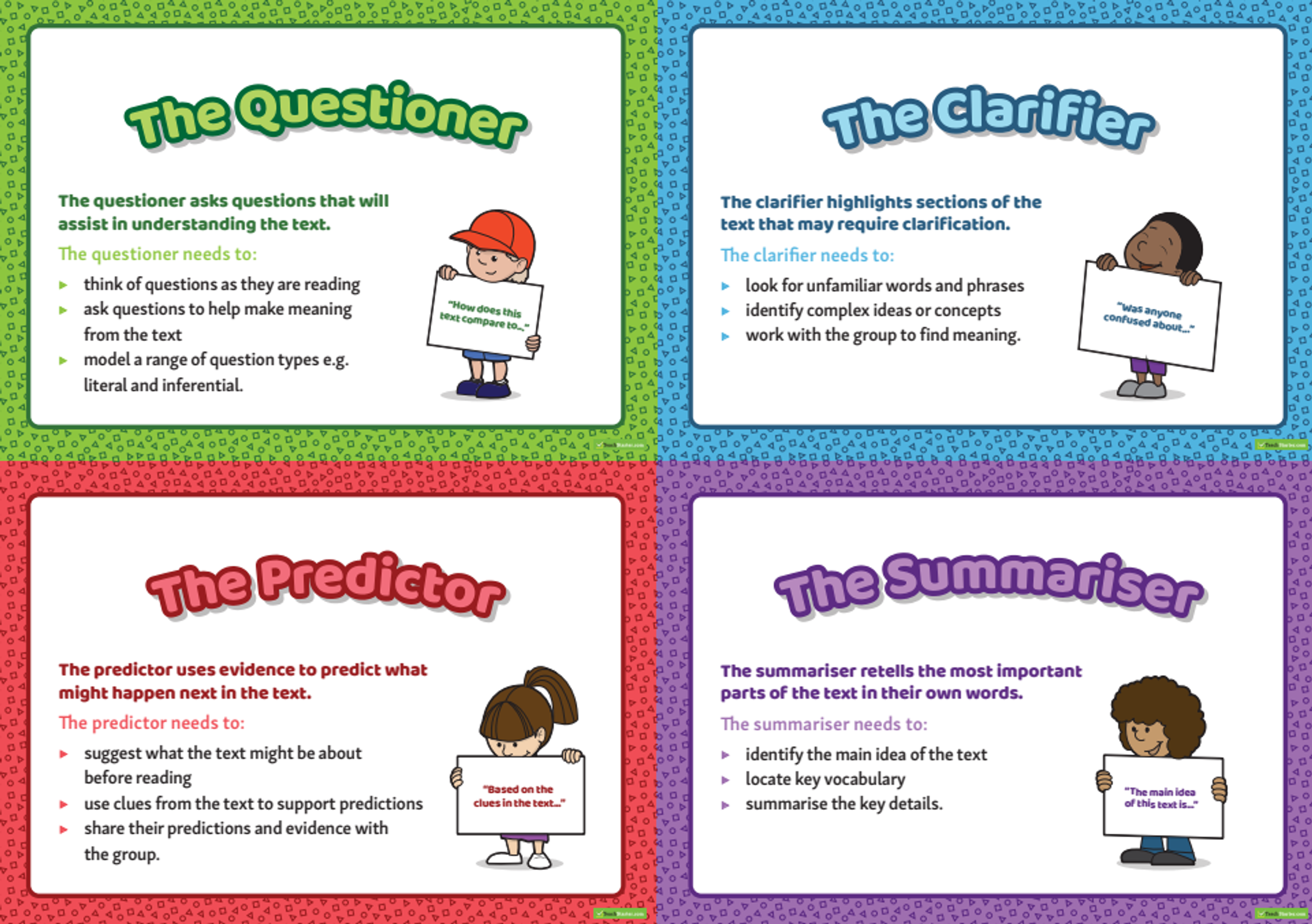
During the small reading rotations, students work in smaller groups to apply and deepen the skill introduced in the whole session. Each rotation focuses on a different aspect of reading — text, letter, word, and sentence — giving students multiple entry points to practise comprehension, fluency, and language awareness.
In the text group, students explore meaning and ideas within short passages or picture books, using strategies like predicting, summarising, or inferring. The word group focuses on vocabulary and spelling patterns, helping students recognise how words build meaning. In the sentence group, students work on structure and grammar, noticing how sentences connect ideas and create tone. Finally, the letter group builds accuracy and fluency through focused phonics and decoding tasks.
This structure allows students to experience reading in different ways each week — sometimes analysing, sometimes creating, and always practising how careful attention to detail strengthens understanding.
Explicit small group
Alongside the rotations, we take an explicit small group during each reading session. This allows us to work closely with students on a targeted point of need based on their current reading comprehension level. Through these groups, every student is seen once a week in a focused setting. At the moment, we are conducting one-to-one reading comprehension assessments, using prompts such as summarising, predicting, questioning, and making connections. These sessions help us monitor each child’s growth over the year and gain a clearer understanding of how to support them in future small group work.
By hearing each student read and discuss their thinking in detail, we can identify the specific strategies they use and plan purposeful next steps to strengthen their reading comprehension.
Allira, Richard, Cli
Year 3/4 Team