
School Nurse Update

Hay fever
It’s that time of the year again! Yes, Spring has sprung, the sun is slowly coming out more, but that pesky wind keeps blowing!
While most of us enjoy the start of Spring, there is a major group of our population that dread this season…the Hay Fever sufferers.
Hay Fever is a common allergic reaction that affects the nose, eyes, throat, ears and sinuses. It can be mild lasting a few hours – to quite moderate lasting a few days – to severe cases of Thunderstorm Asthma. The causes of this allergic reaction generally include pollen, dust mites, grass and trees.
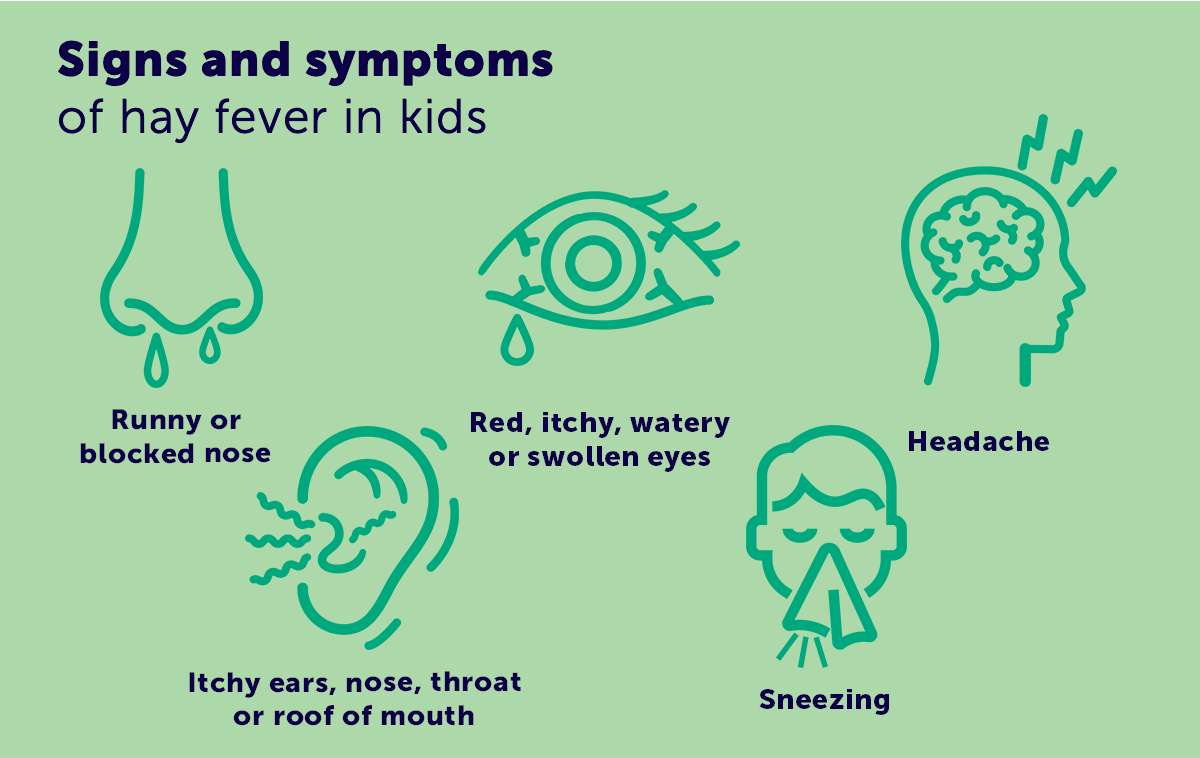
Signs and symptoms of Hay fever include:
runny or congested nose
red, itchy, watery eyes
itchy ears, nose and throat
sneezing
It can also cause:
Headaches
Worsening asthma symptoms
Affect ability to concentrate
Unfortunately, there is no cure for Hay Fever. There are some de-sensitization programs (immunotherapy) for certain allergies, but this involves weekly injections, and the results can be varying in actually improving the allergies.
Treatment of Hay Fever aims at resolving or reducing the severity of the symptoms.
Non drowsy anti histamine can be used to help relieve the itching, sneezing and runny nose. It is recommended to watch the allergen count each day through a relevant app (i.e. Melbourne Pollen) and days of high or extreme ratings it is wise to give your child an antihistamine first thing in the morning prior to attending school.
Nasal sprays, such as Nasonex can aid to reduce inflammation in the nose and dry the runny nose.
Eye drops can be used to ease the itchiness and watery eyes.
Please remember to update the school /school nurse of any medical condition your child is diagnosed with. Be mindful that medication can not be given to your child at school without parents completing a Medication Authority Form and providing the medication to school nurse to be kept in First Aid. We appreciate you helping us to care for your child’s medical needs while at school.