
Mental Health and Wellbeing
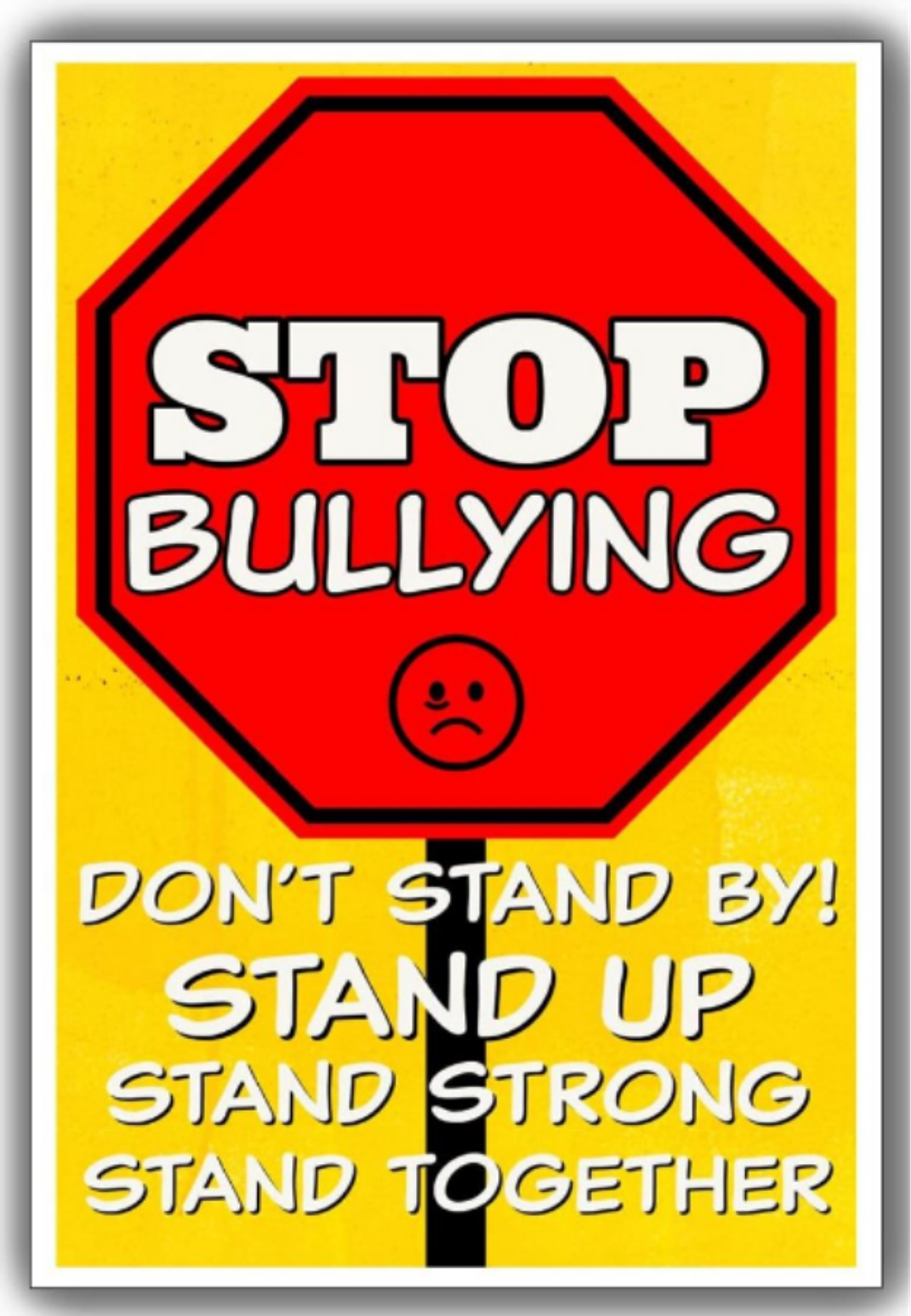
Understanding Your Child’s Behaviour: When Is It Bullying?
As parents, it’s natural to worry when your child comes home upset from school. Sometimes, children may say they are being “bullied,” and it can be alarming. However, it’s important to understand that not all conflicts or disagreements are bullying.
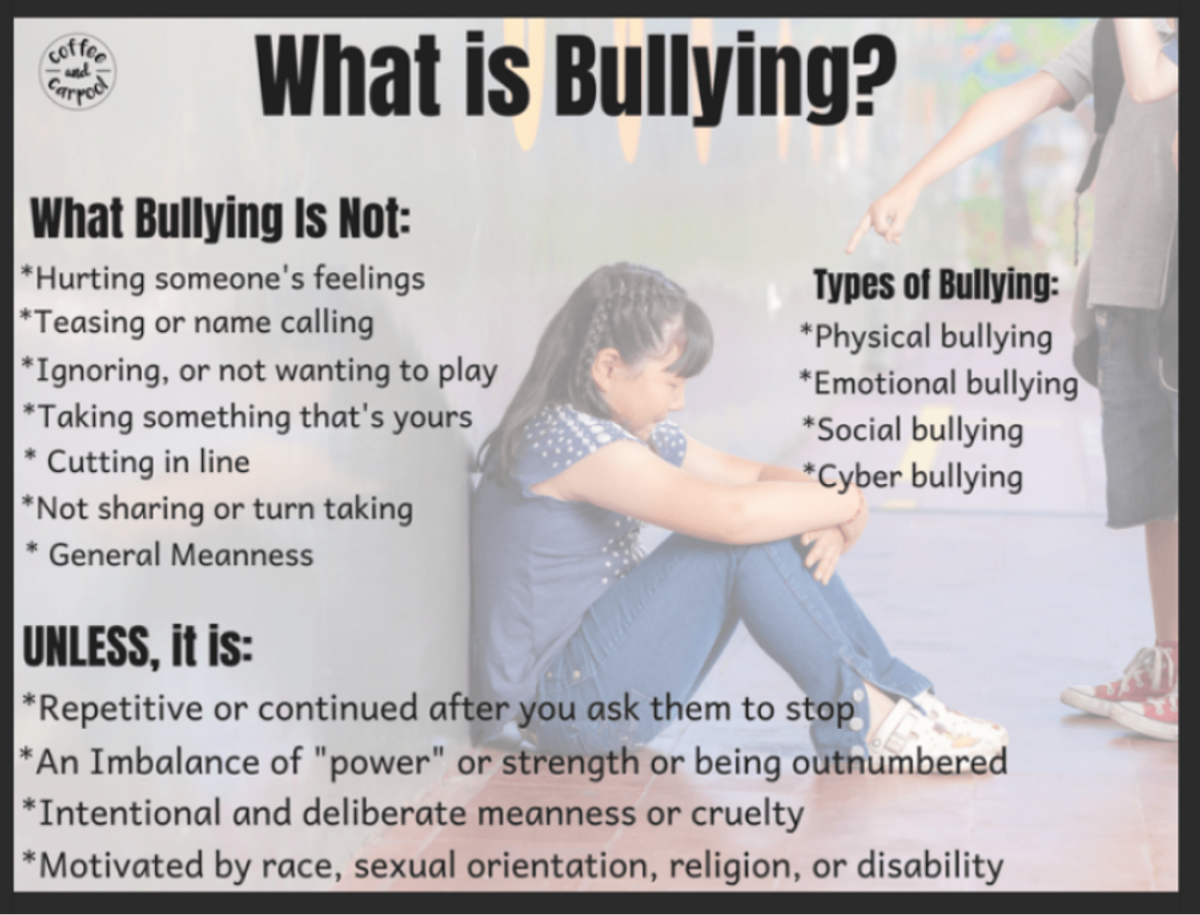
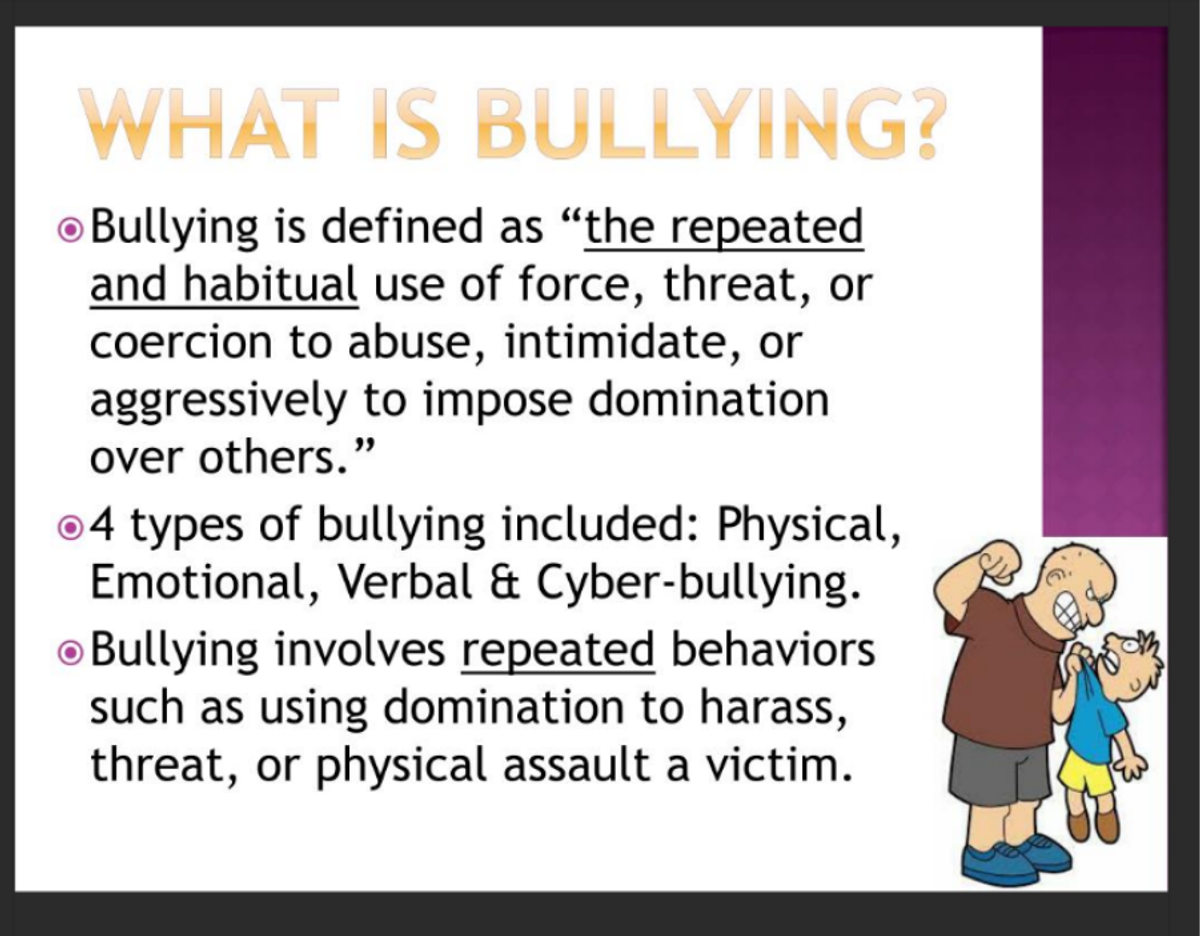
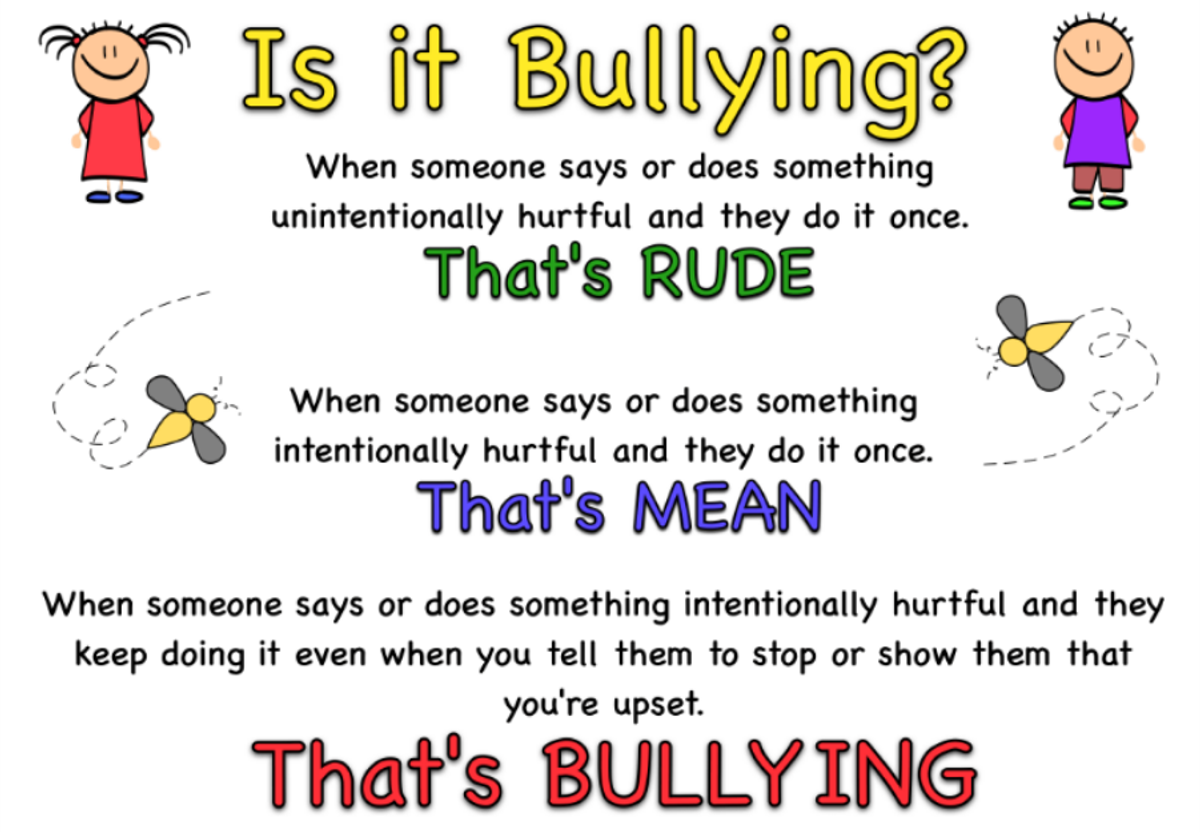
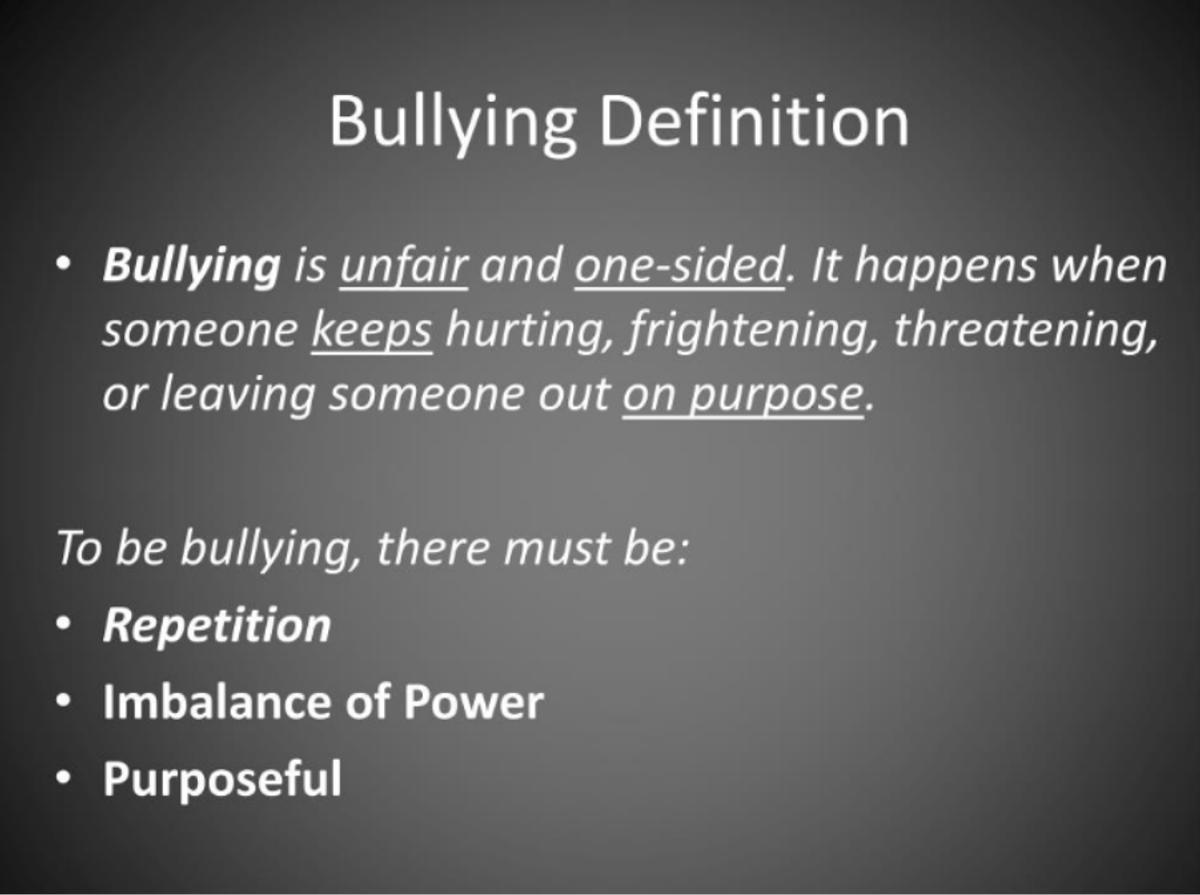
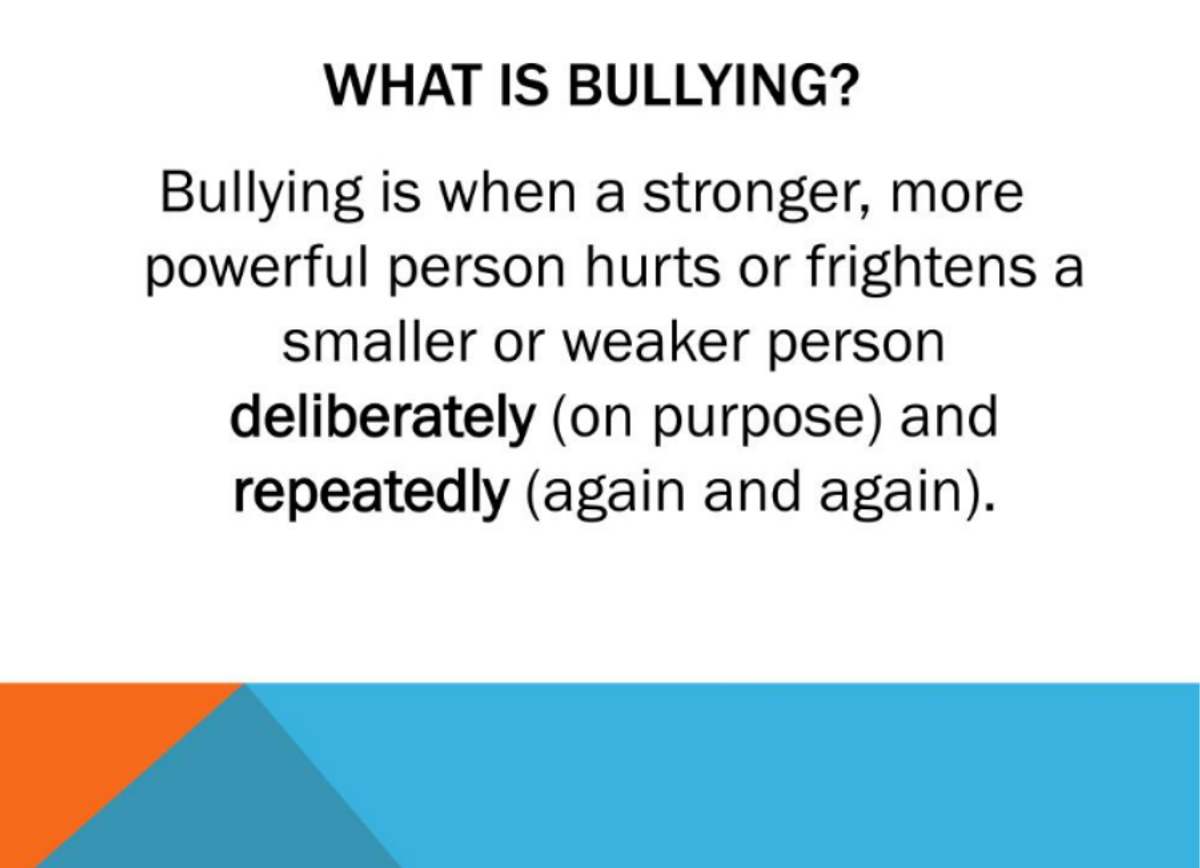
What Bullying Really Is Bullying is repeated behaviour that is intended to hurt, intimidate, or dominate another child. It usually involves an imbalance of power, and can take many forms, such as:
- Name-calling or teasing
- Social exclusion
- Physical aggression
- Spreading rumours
A single argument, occasional teasing, or one-off incident between children does not usually meet the definition of bullying. These are often normal parts of social development, especially in young children.
Other Reasons Children May Avoid School Sometimes, children resist going to school for reasons that aren’t bullying. These can include:
- Separation anxiety or difficulty with transitions (especially Mondays or after holidays)
- Feeling overwhelmed in new or busy environments
- Struggling with friendships or social skills
Understanding the context of your child’s behaviour is key to supporting them effectively.
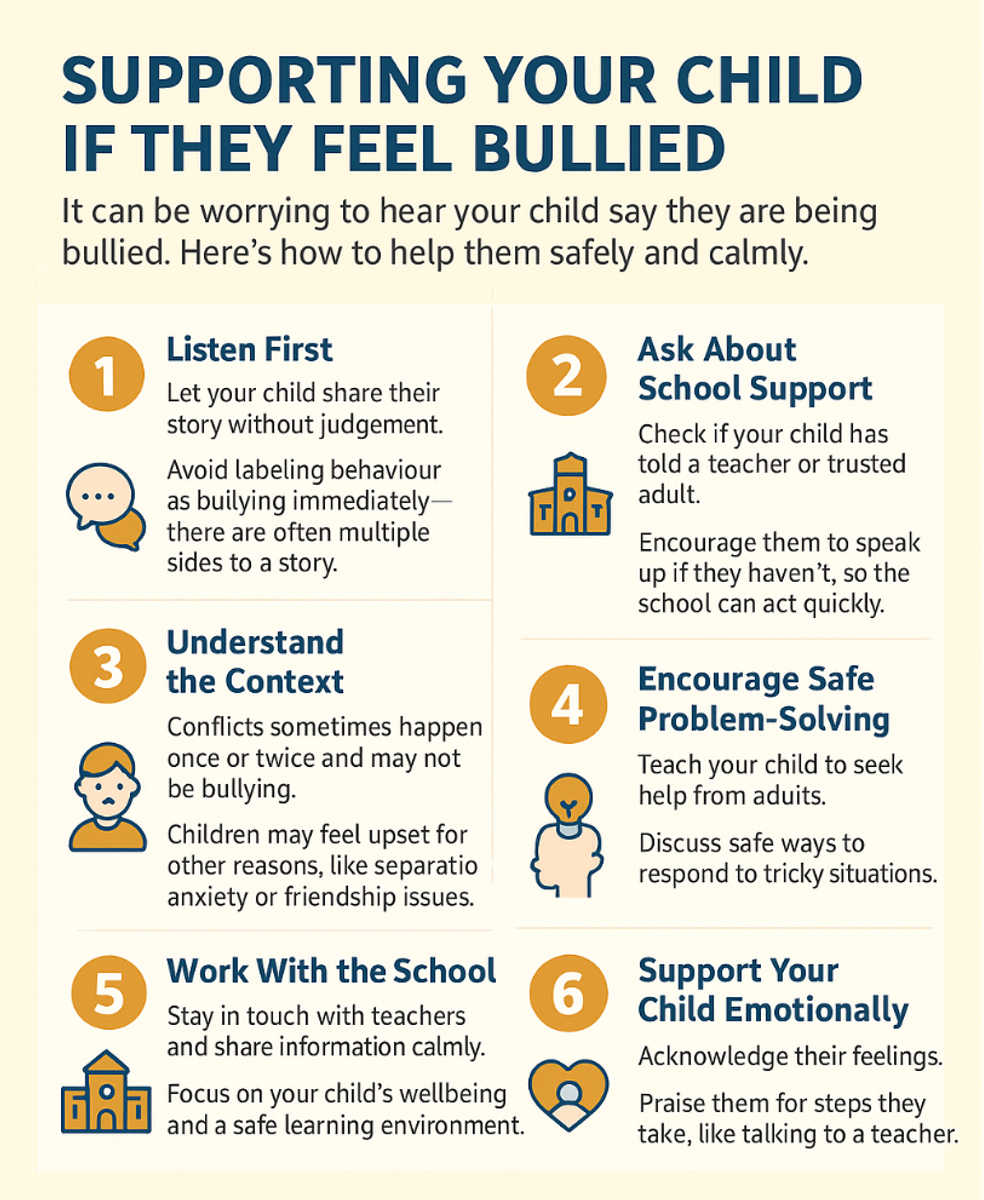
How to Support Your Child
- Encourage Open Communication Remind your child to tell their teacher if something happens at school. Teachers can intervene immediately and provide support. While it’s good to talk to you at home, reporting to staff first helps adults address issues in real time.
- Observe and Ask Questions Rather than labelling an incident as bullying straight away, ask your child to describe what happened. Check if it is repeated behaviour or a one-off conflict.
- Teach Problem-Solving and Social Skills Help your child learn to assertively respond, share feelings, and solve small conflicts safely.
- Collaborate with School Staff Work with teachers and school leaders to ensure your child feels supported and safe.
Key Takeaway: Not every disagreement is bullying. By understanding age-appropriate behaviours, being aware of other reasons for school refusal, and encouraging your child to talk to teachers, you can provide the right support without overreacting.
Sources:
- Australian Government Department of Education, Skills and Employment. (2023). Bullying prevention. https://www.education.gov.au/bullying-prevention
- Rigby, K. (2017). Bullying in Schools: Addressing Desires and Needs. Springer.
Click to access past resources