Prep
INFORMATION & REMINDERS
iPad update
•We will begin using iPads in Term 3. If your child has an iPad that they will be bringing to school, we will ask for it to be sent in during the final week of Term 2 so that Izzy, our IT technician, can help with the setup process. We will send home information about this closer to the date.
•If your child will not be bringing an iPad from home, they will have access to a small pool of school iPads that will be shared among students.
•A document regarding the appropriate use of technology, the Digital Use Agreement, will be sent home this week. We ask that you read the document with your child, help them complete the questions (through writing or drawing), and return it to school signed to acknowledge that you have read and understood the information.
All students are required to return the document, regardless of whether they will be bringing their own iPad to school.
Teddy Bears' Picnic - thank you!
Thank you for the wonderful lunches you provided for your child and their buddy/buddies. The care and thought that went into each lunch was truly appreciated and helped create a special experience for our students. We hope your child came home with lots of stories to share about their picnic!
Indigenous Culture Incursion - Wednesday 10th June
Our Indigenous Culture Incursion will take place on Wednesday 10th June. Please provide permission and payment via Sentral as soon as possible. Thank you for your support!
Reading Log Reminders
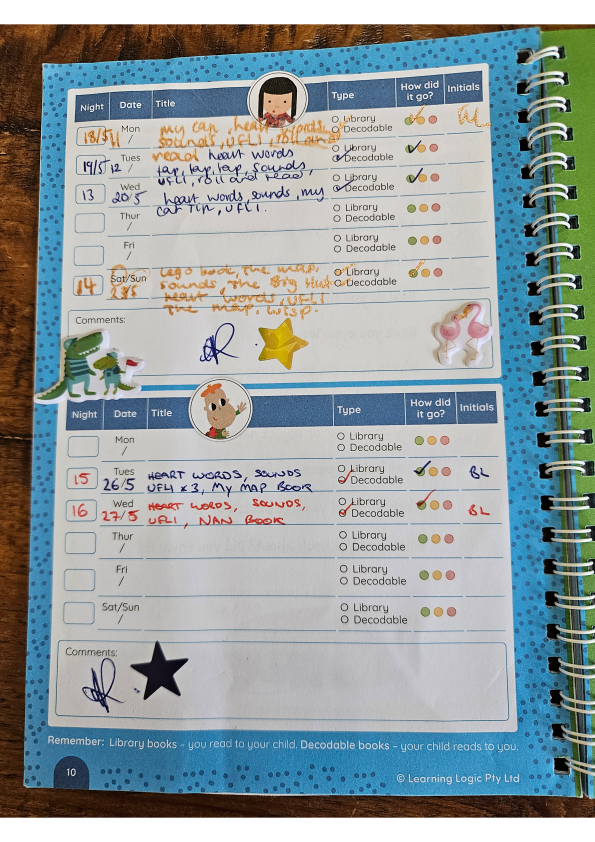
Please remember to fill in the Reading Log each time your child reads or works on their phonemic awareness. This can include their Roll and Read page, UFLI passage, take-home book or revising letters/sounds. To help, we have included a sample below showing how to complete the Reading Log. Thank you for your support with home reading.
Term 2 Specialist Timetable
CURRICULUM
*Please remind your child to go to the toilet before they enter the classroom.
Phonics and reading
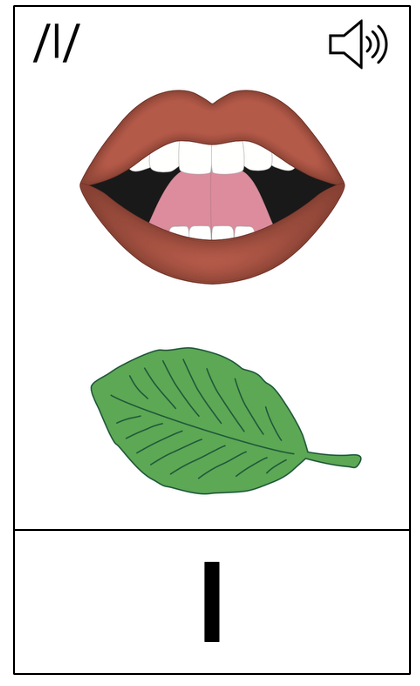
We are learning about the letter L, including recognising it as a beginning sound and reading it in four-letter words such as flag.
Our learning focus will include:
- Understanding the phonemes (the sound each letter makes)
- Learning the cued articulation for these sounds
- Identifying where we might see each letter in a word
- Practising the graphemes (the way we write the letter), including correct letter formation
- Reading and writing 3 and 4 letter words, using the sounds we know
What can you do at home?
• Support your child to read the decodable book in their Reading Pocket. Try and aim to read every day, if you can.
• The 'Roll and Read' page is a great way to practise sounding out and blending words, especially for students who find reading sentences a little challenging.
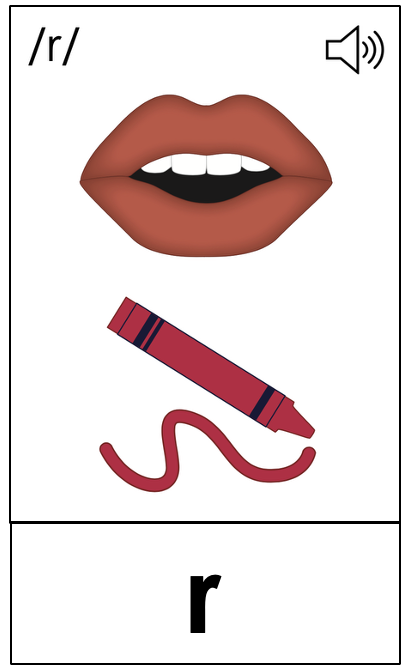
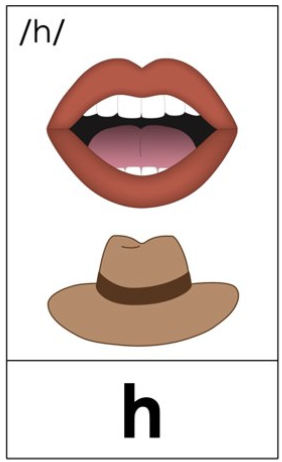
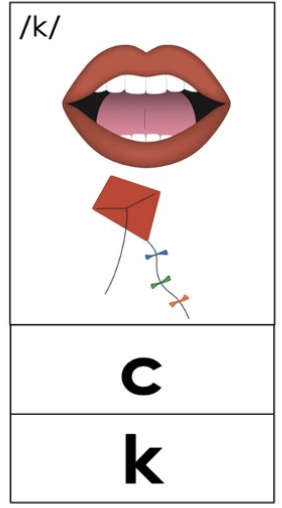
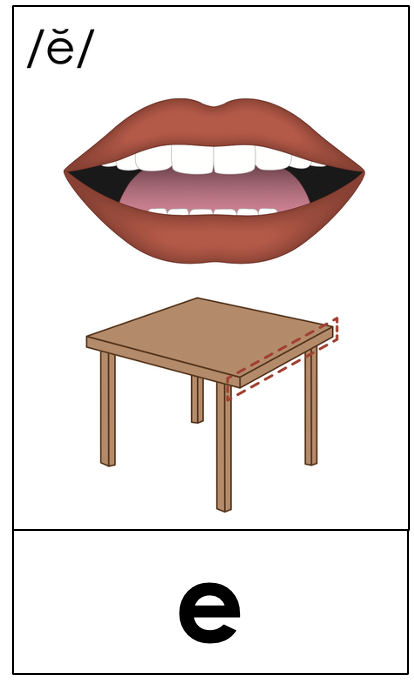
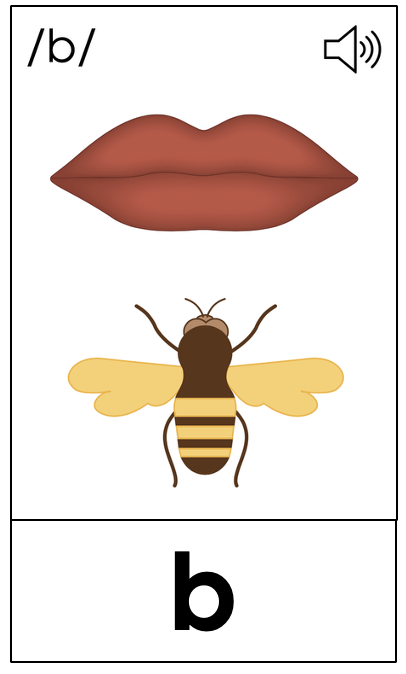
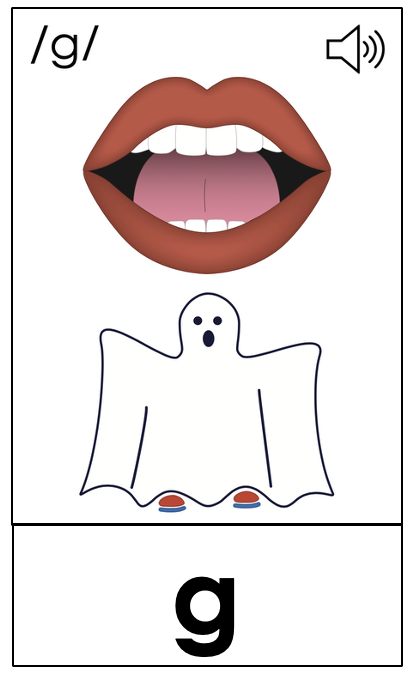
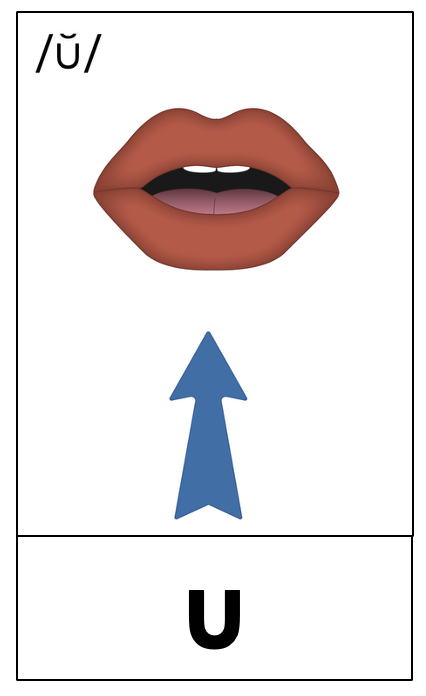
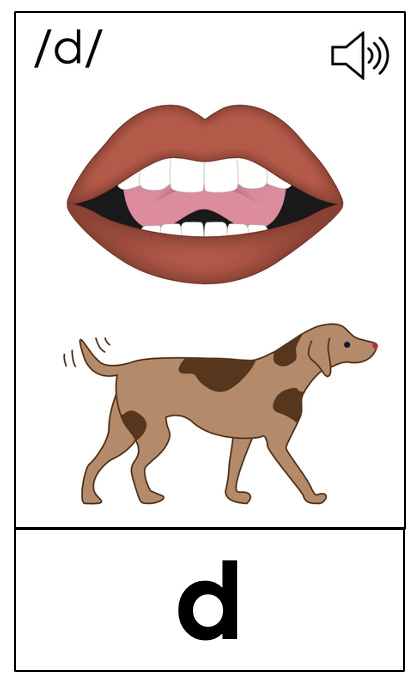
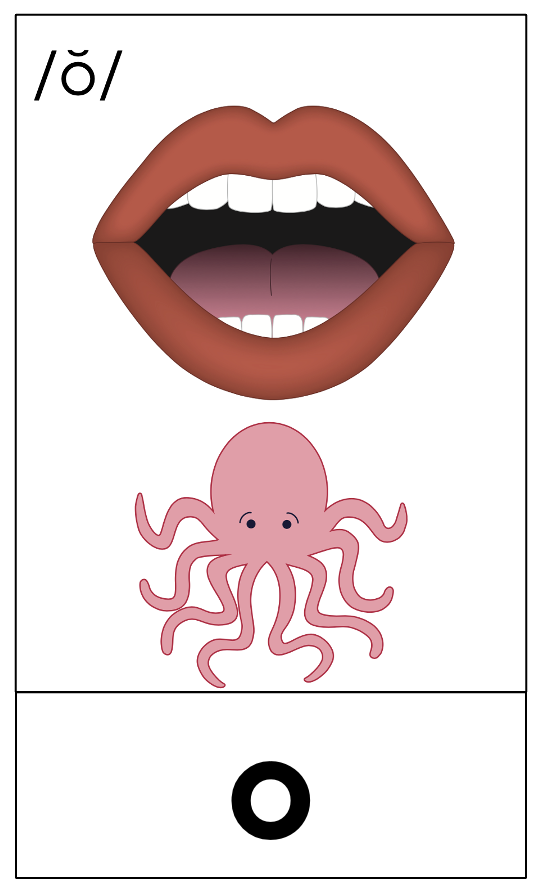
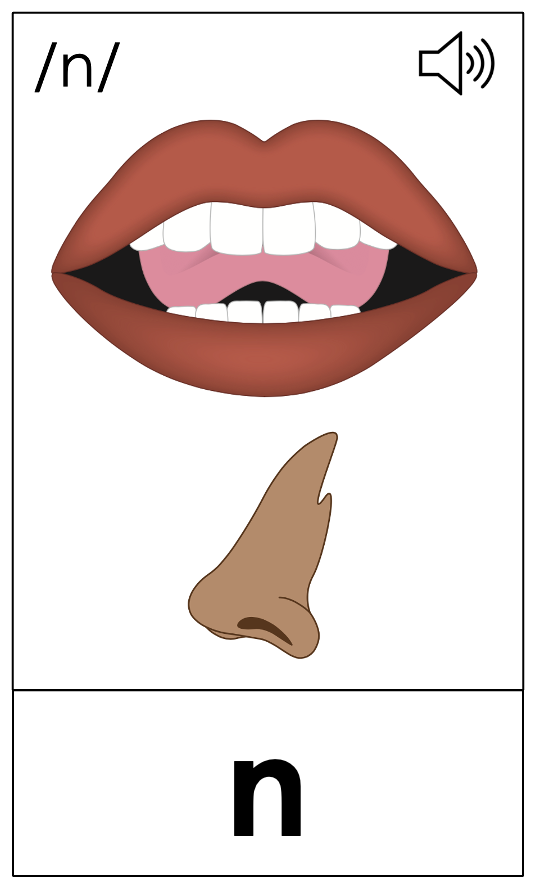
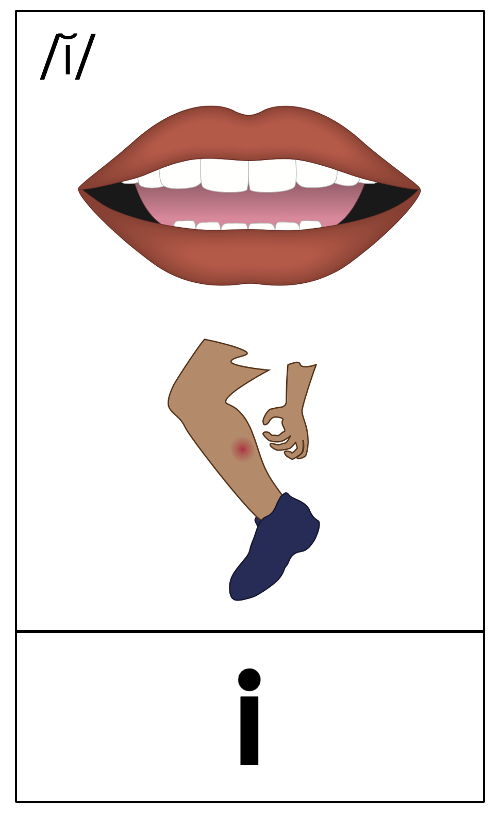
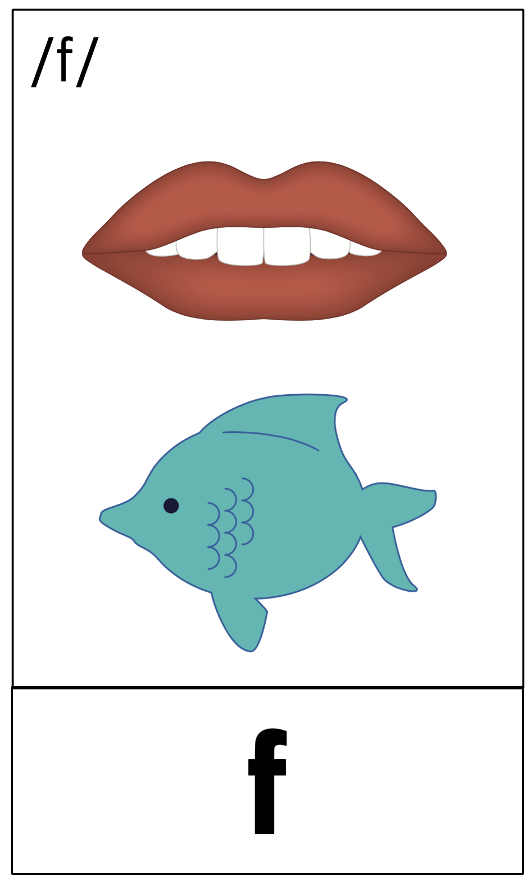
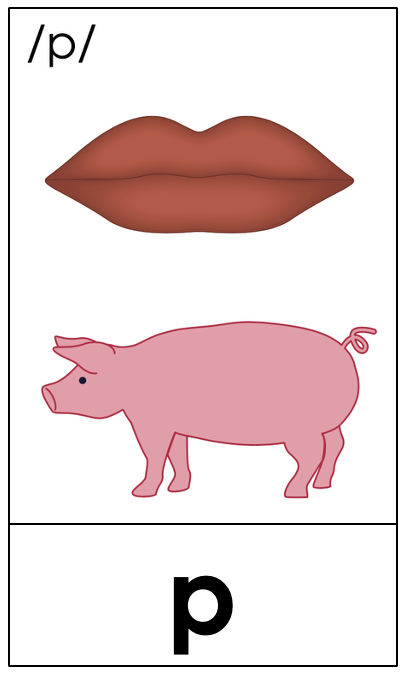
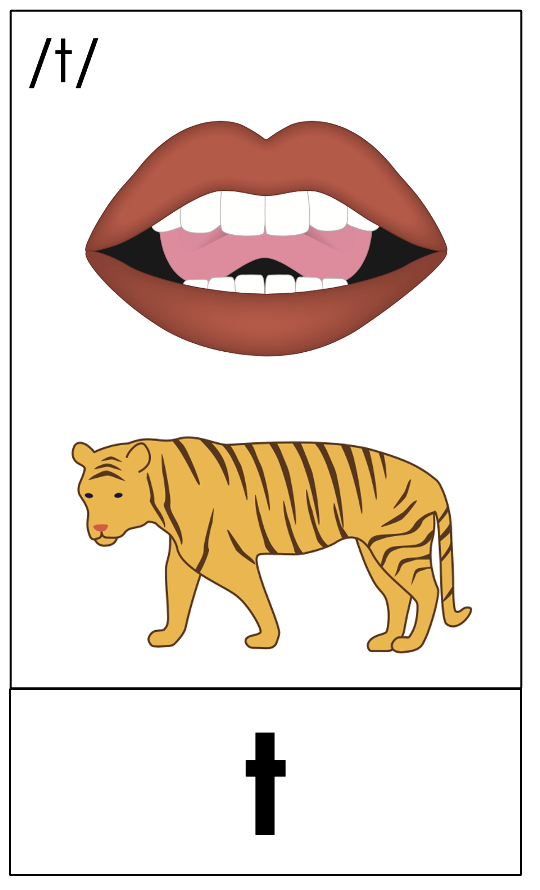
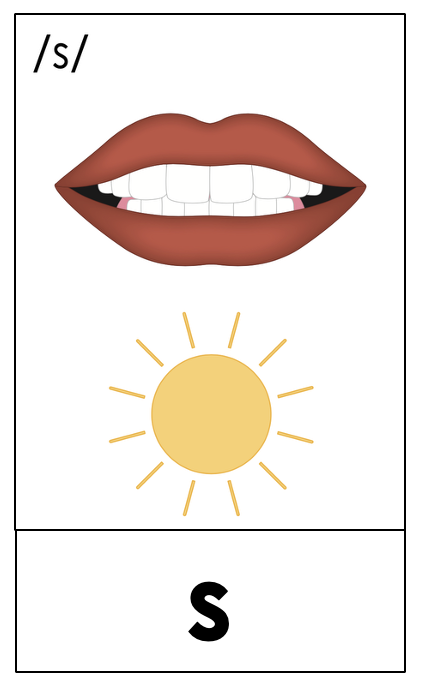
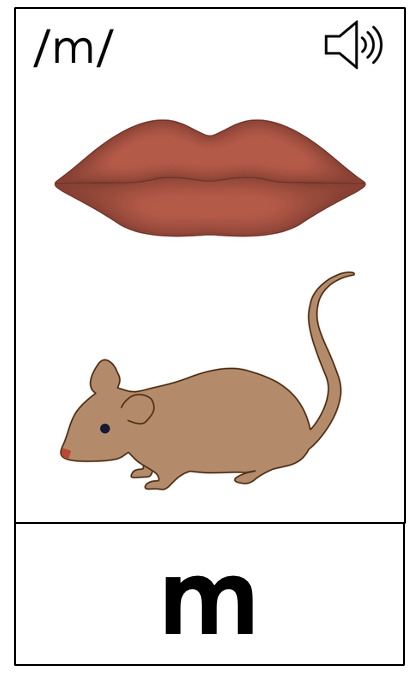
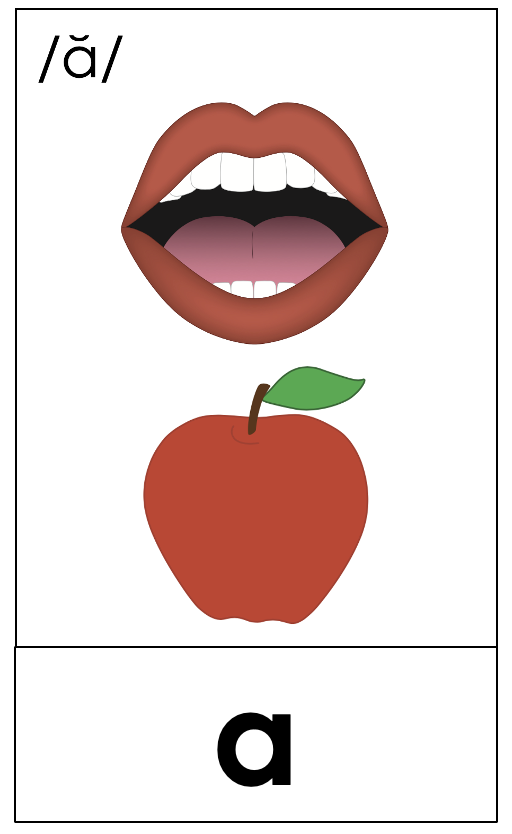
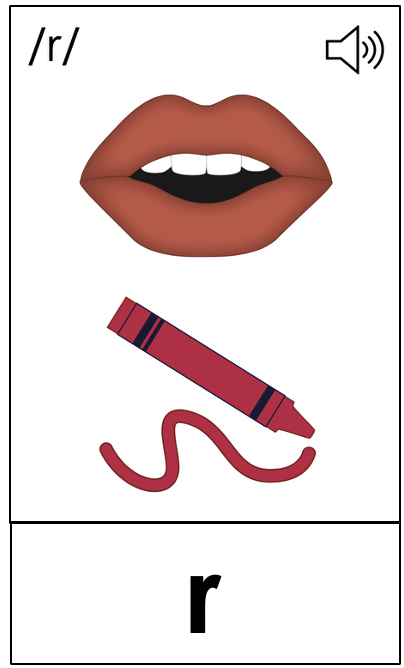
•Review the letter names and sounds for L, as well as the sounds we have learned so far using the cards below. You can also find these cards in your child's book pocket. When practising, say them like this: “A spells /a/.” Ask your child if they can show you the cued articulation for the sounds.
•Learn the Heart Words (in red booklet)
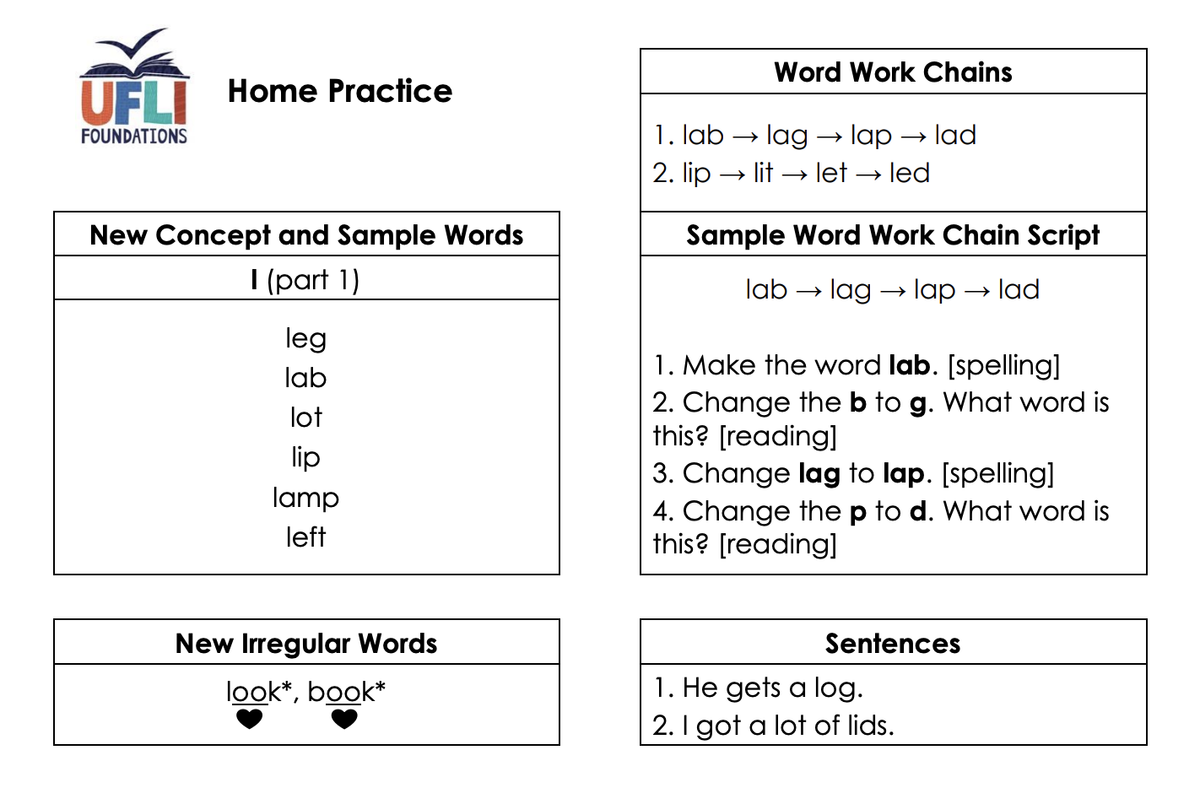
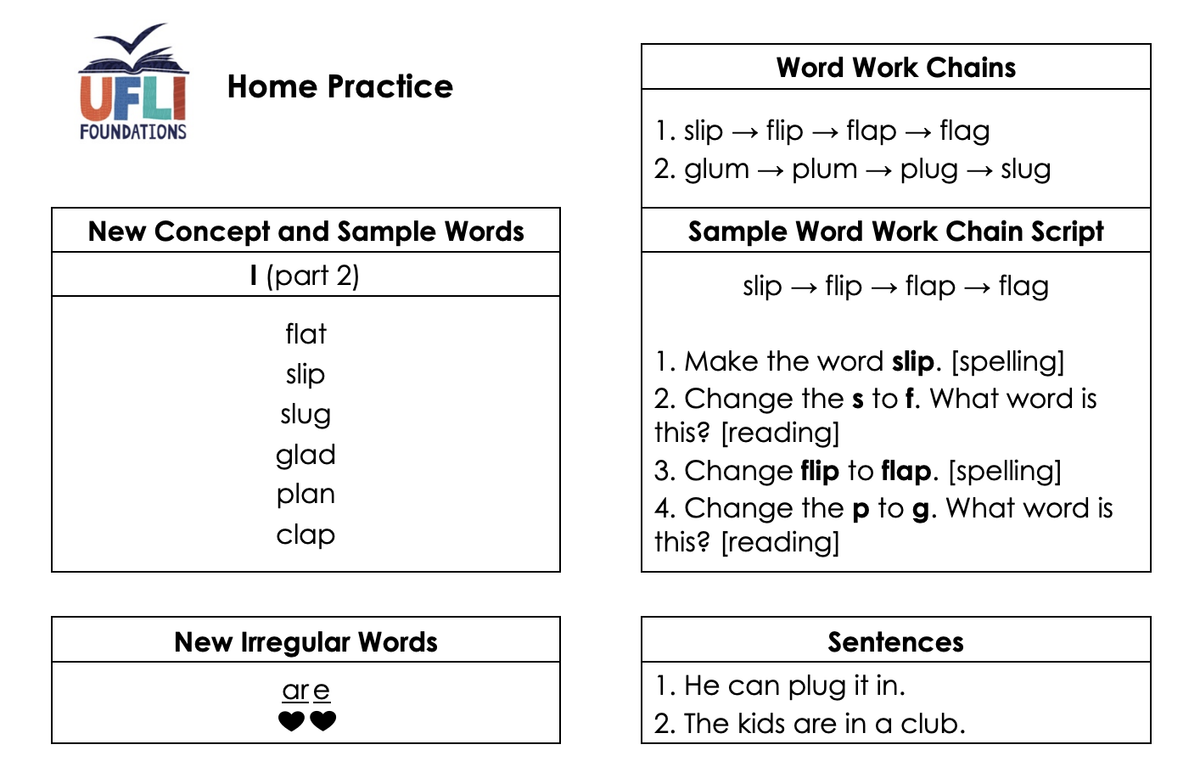
• Work through the optional UFLI pages.
Sound / Letter cards to review:
Optional UFLI Home Practice Pages:
(please see the Wonga Weekly from Term 1, Week 7 with an explanation on how to use these practise pages)
Literature: reading responses and writing
Our mentor text is Country Tells Us When, written by our very own Jocelyn Hollyman. This non-fiction text explores the seven seasons of the Kulin Nation and the changes we see and feel on Country as the seasons change. Students will learn about the signs of each season and complete their own Seasons Calendar Wheel to document and celebrate their learning.
In Writing, students will practise the formation of the letter L, as well as reviewing formation of previously learnt letters. They will sound out and write CVC words using the sounds they know, and write short, dictated sentences. They will use their lined writing books to independently write their own sentences using a picture prompt.
What can you do at home?
•Practice letter formation previously taught letters (see the picture cards above)
•Provide activities that build hand strength and coordination, such as playing with playdough, threading beads or using tweezers to pick up small objects.
•Write some 3 letter words using the taught sounds (see the picture cards above!)
Maths
Our new unit in Maths is Counting and Place Value. Students will be counting to 20, as well as reading and writing numbers to 15 and then to 20. They will also explore different ways of representing numbers to 20. In addition, students will begin to understand that teen numbers are made up of tens and ones (for example, 14 is one group of ten and four ones)
What can you do at home?
• Count and read numbers in everyday life by counting objects around the home (toys, food, steps) and point out numbers when you see them (clocks, house numbers, shopping items). Emphasise the word 'TEEN' at the end of the word!
•Build teen numbers together by using blocks, lego, or household items to show numbers like 14 or 17 as “one group of ten and some ones”.
•Practise number formation and recognition by encourage your child to read and write numbers to 20 eg. tracing them in sand, writing them in the air or using pencil and paper.
CBL
Much of the CBL learning this week will be supported through our mentor text. Students will also take part in an online session with the National Gallery, where they will learn about possum skin cloaks and their purpose and significance in Aboriginal culture.
Wellbeing
SWPBS
Our focus is working on refining our learning expectations around using learning time wisely and transitioning between activities quickly and calmly.
Cyber Safety
Students are learning about Asking Permission, by understanding the importance of asking for permission before sharing information, using devices or interacting online. They will learn that it is important to check with a trusted adult and respect others’ choices in digital spaces.