
Foundation (Prep)
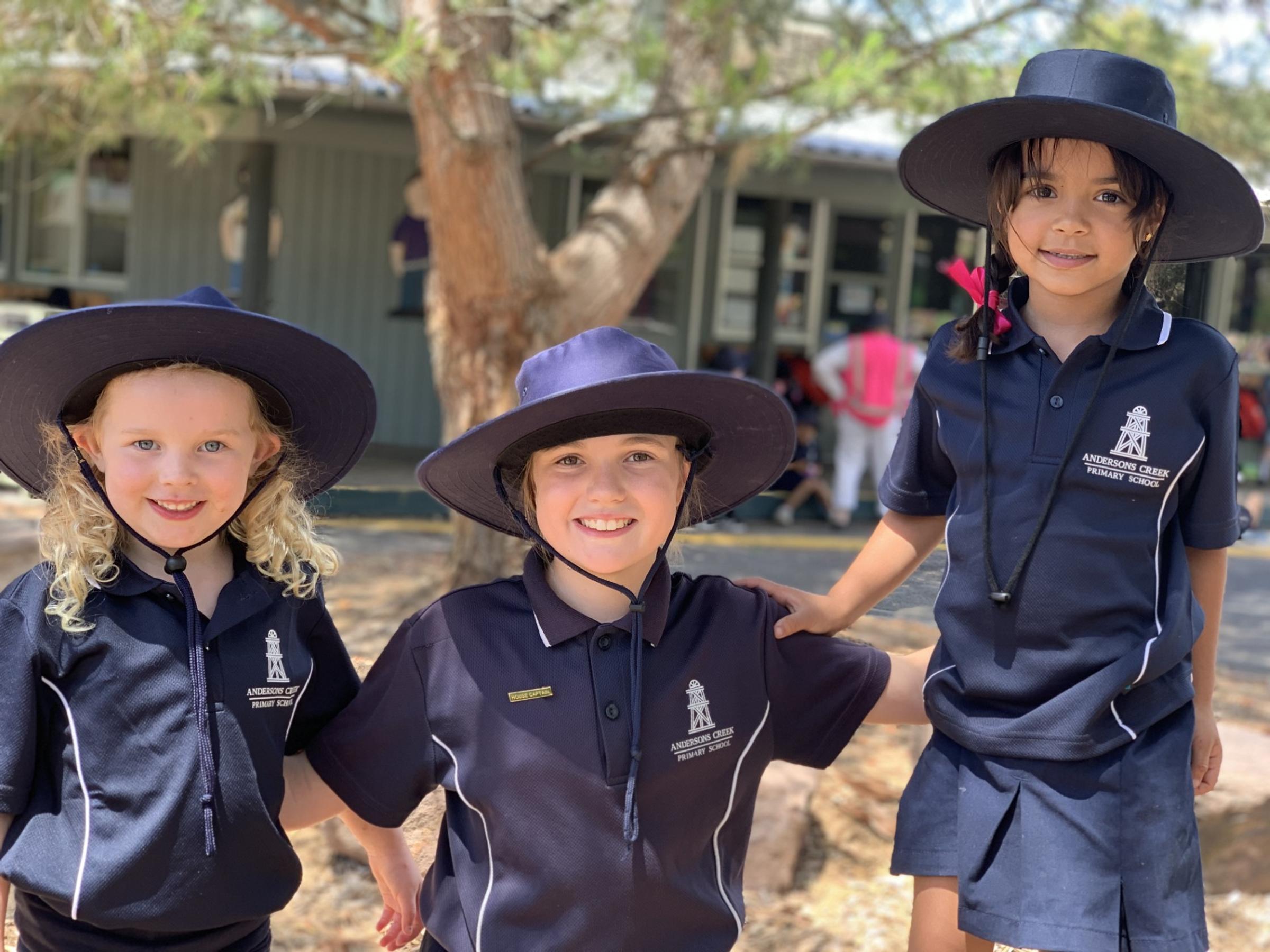
Welcome to our 2026 Prep students!
What a wonderful start to the year the Prep students have had. We have been delighted to see how well the children have transitioned to their new school routines in such a short time. The Preps have shown enthusiasm towards their learning and welcomed the attention from older siblings, and especially their Grade 6 buddies.
We are grateful to our Grade 6 students for being so supportive and nurturing towards their younger buddies. It has made a big difference to how the Preps feel in the school playground and their overall experience of school.
We understand that some children are reluctant to share what they are doing at school, so this is the place to catch up on our classroom news and get some insight to what your child is learning. If the information in our newsletter raises any questions for you, please do not hesitate to come and see your teacher.
English
The start to our English program is important, as it explicitly teaches phonological skills which prepare students for later reading and writing tasks. Early lessons are designed to be playful but purposeful as the children learn about spoken and printed words and sounds within words.
It cannot be assumed that children enter school with certain knowledge around books and print. Concepts that are obvious to adults may not be obvious to young children. Simple concepts, such as identifying spoken and written words as discrete units, differentating print from picture or differentiating a letter from a word are therefore explicitly taught.
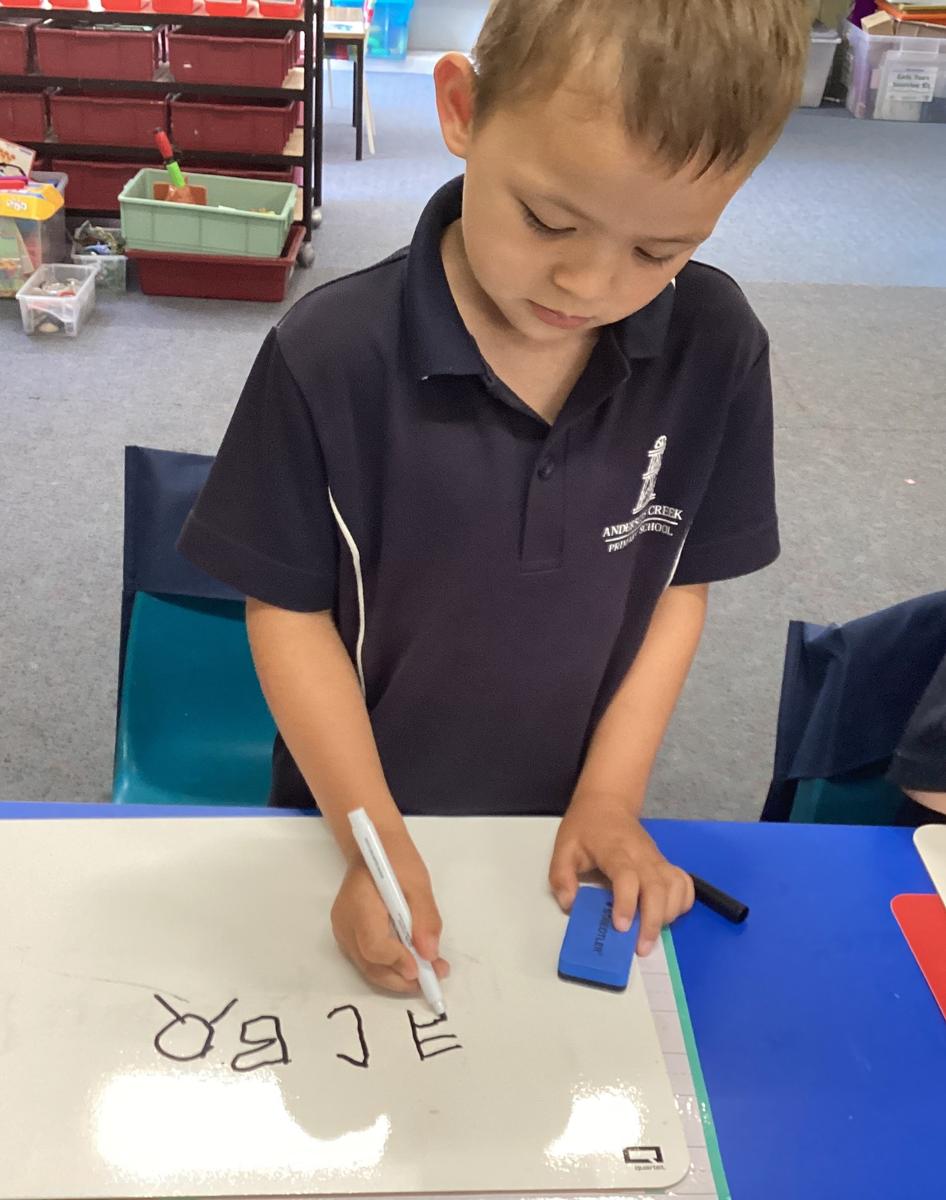
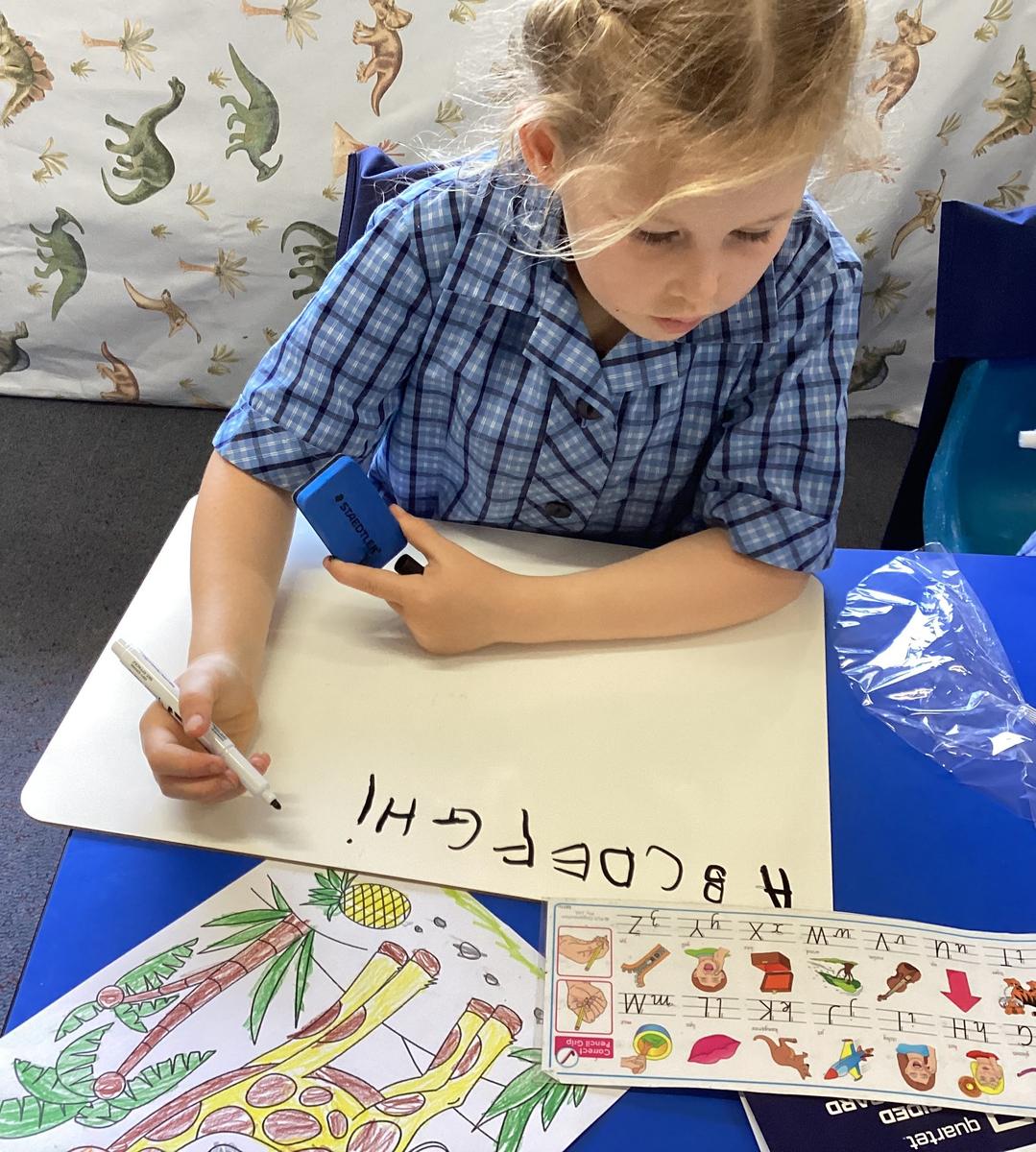
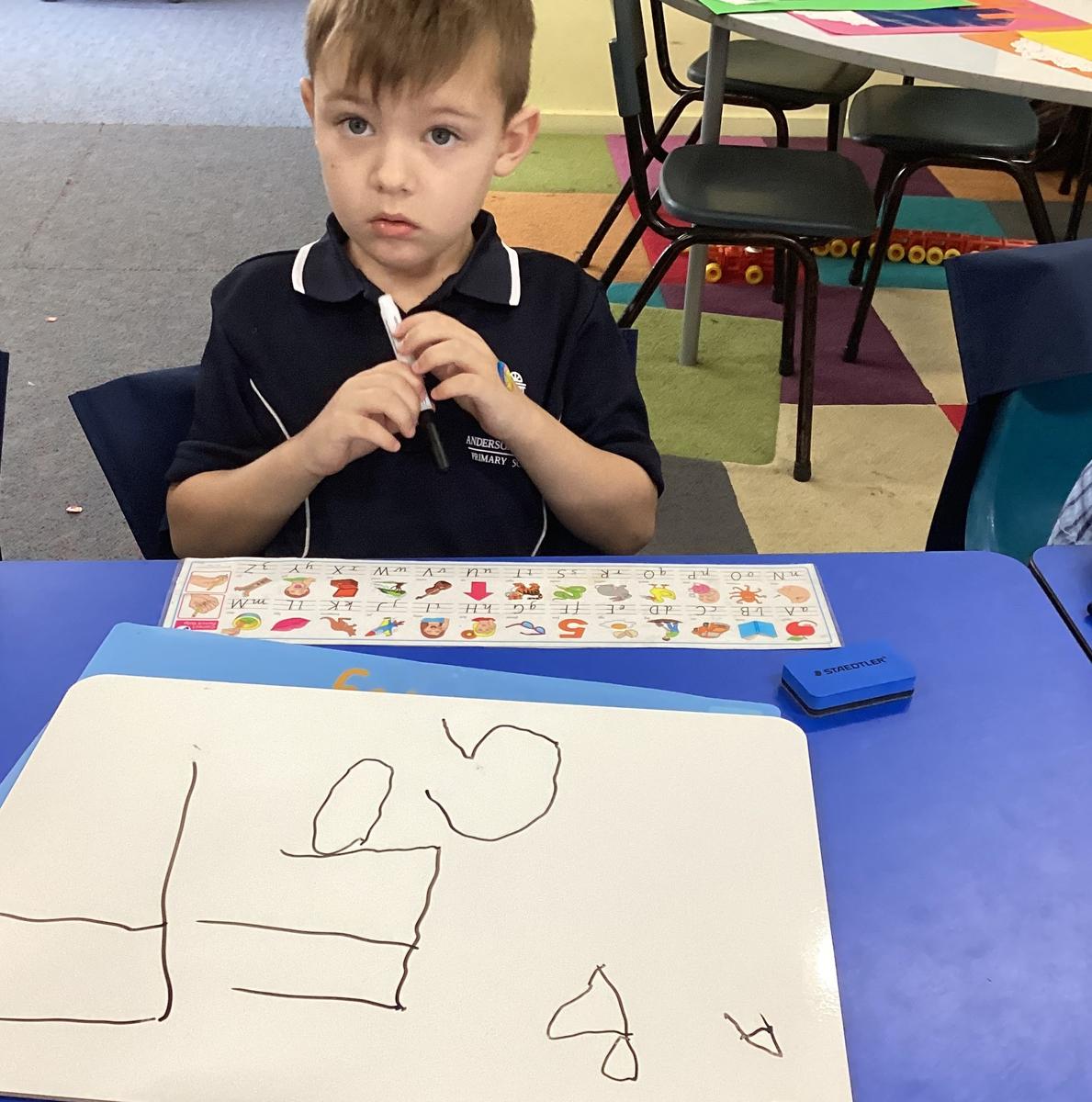
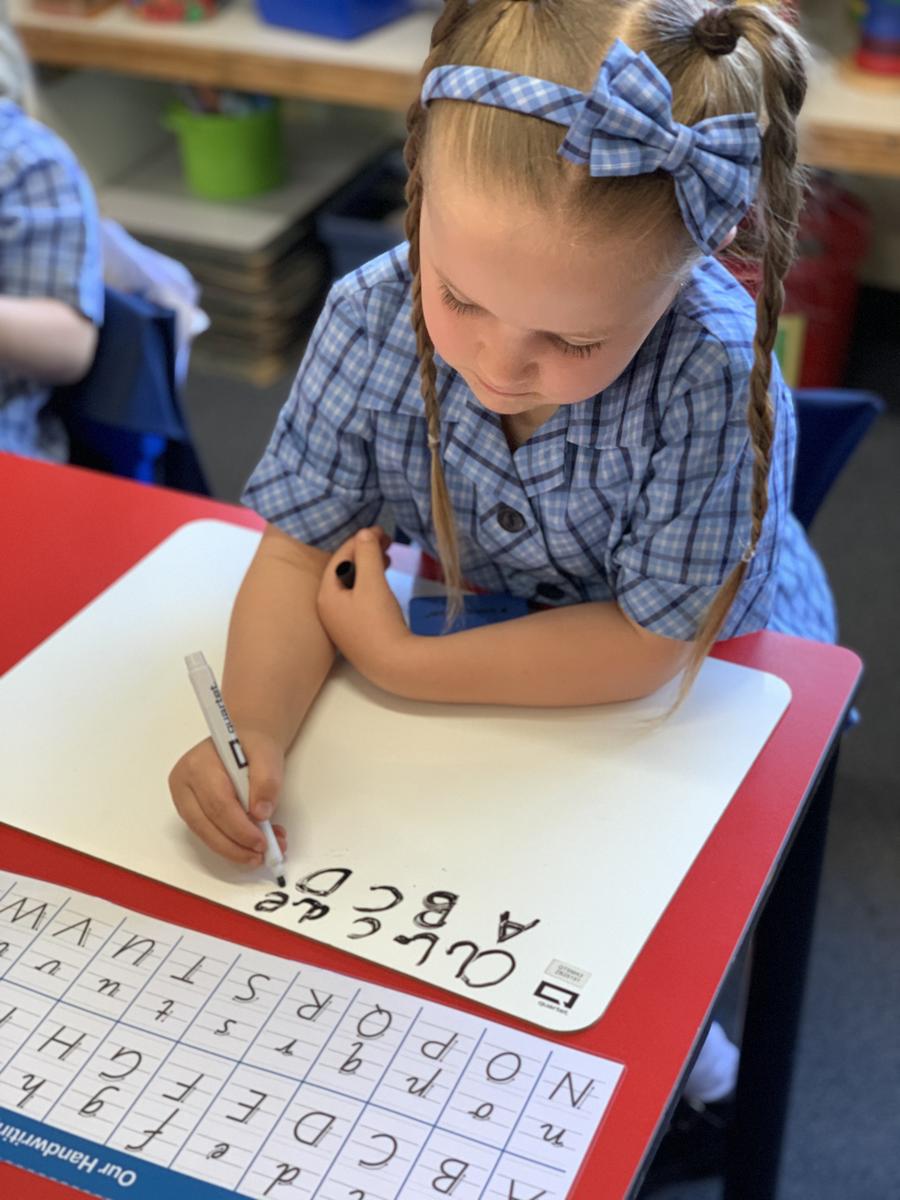
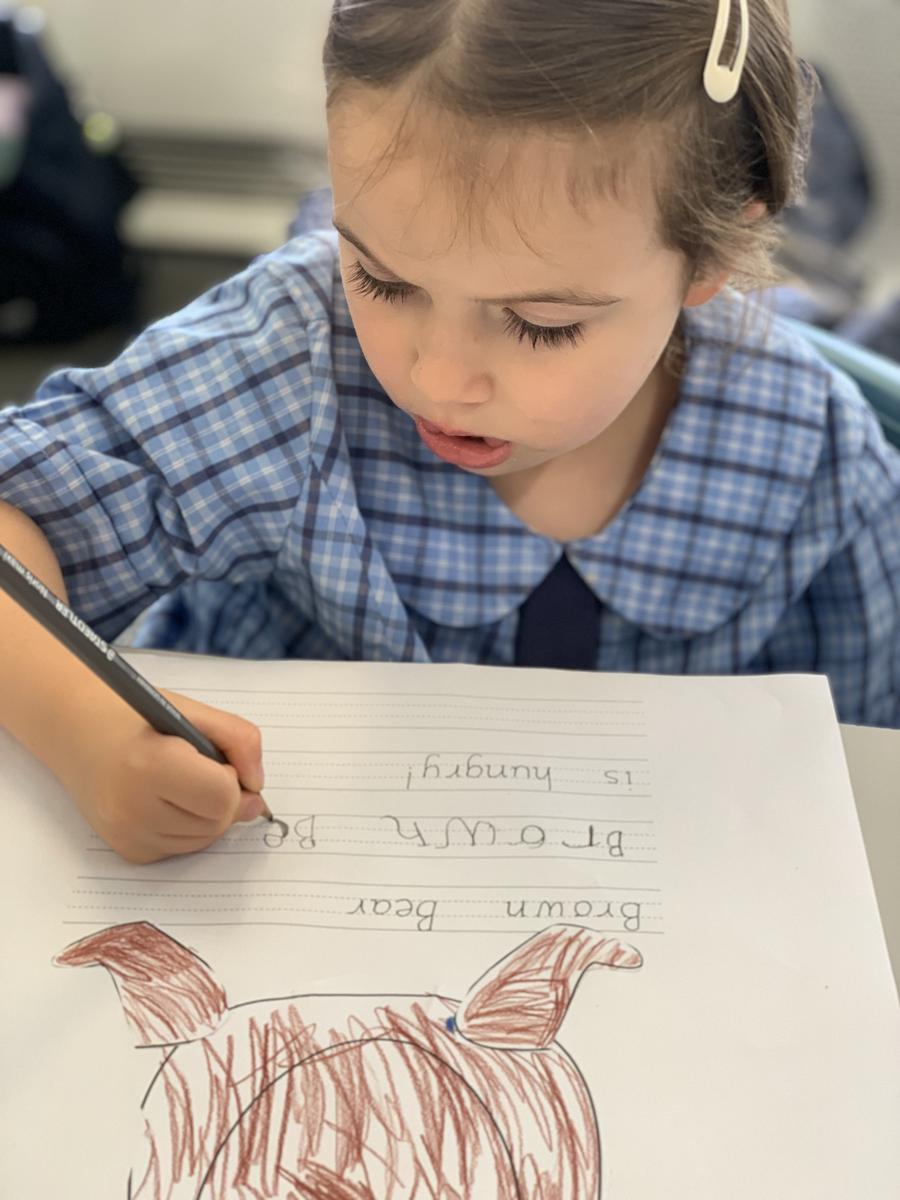
The students are currently being introduced to their first set of letters 'm', 's', 't' and 'a'. We will focus on how to articulate the sounds, and during daily handwriting lessons, we will concentrate on the starting position and direction to form the letters correctly.
Maths
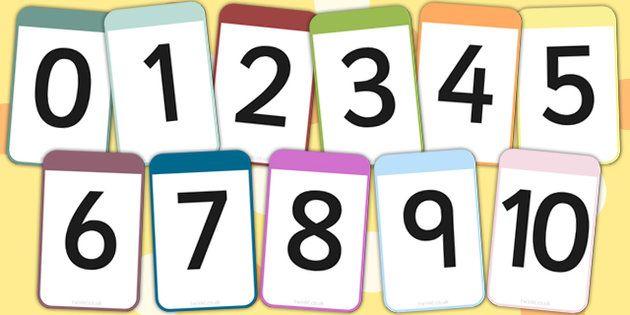
Our learning focus is on numbers and number sense. We are building strong foundations by helping students understand that numbers represent quantities and can be shown, read, written, and used in many meaningful ways. Throughout the term, students will be developing their skills in:
- Reading a numeral and selecting the matching quantity from a collection of items.
- Recognising, writing and reading numerals.
- Identifying numerals in images, texts and in picture storybooks.
- Playing games that involve reading, matching and ordering number cards to strengthen one-to-one correspondence and number sequence knowledge.
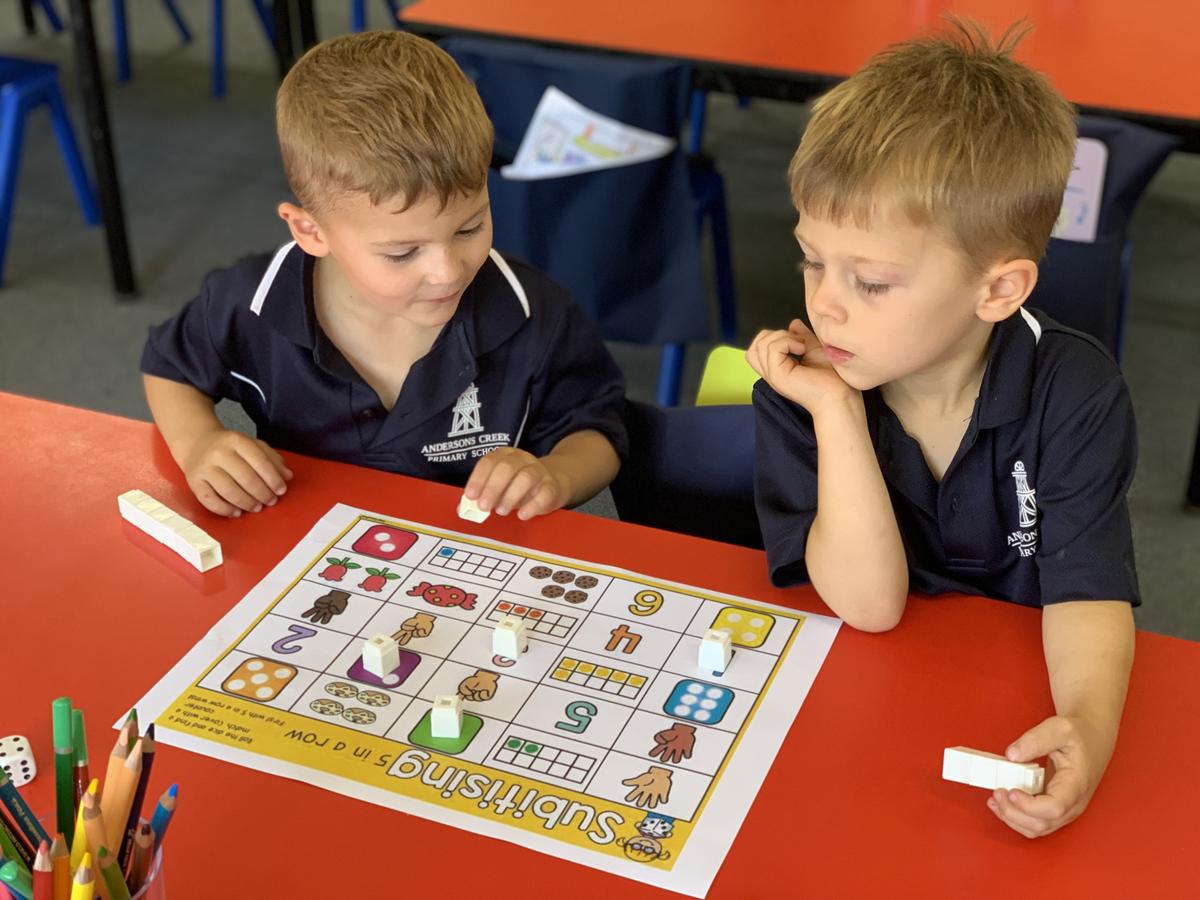
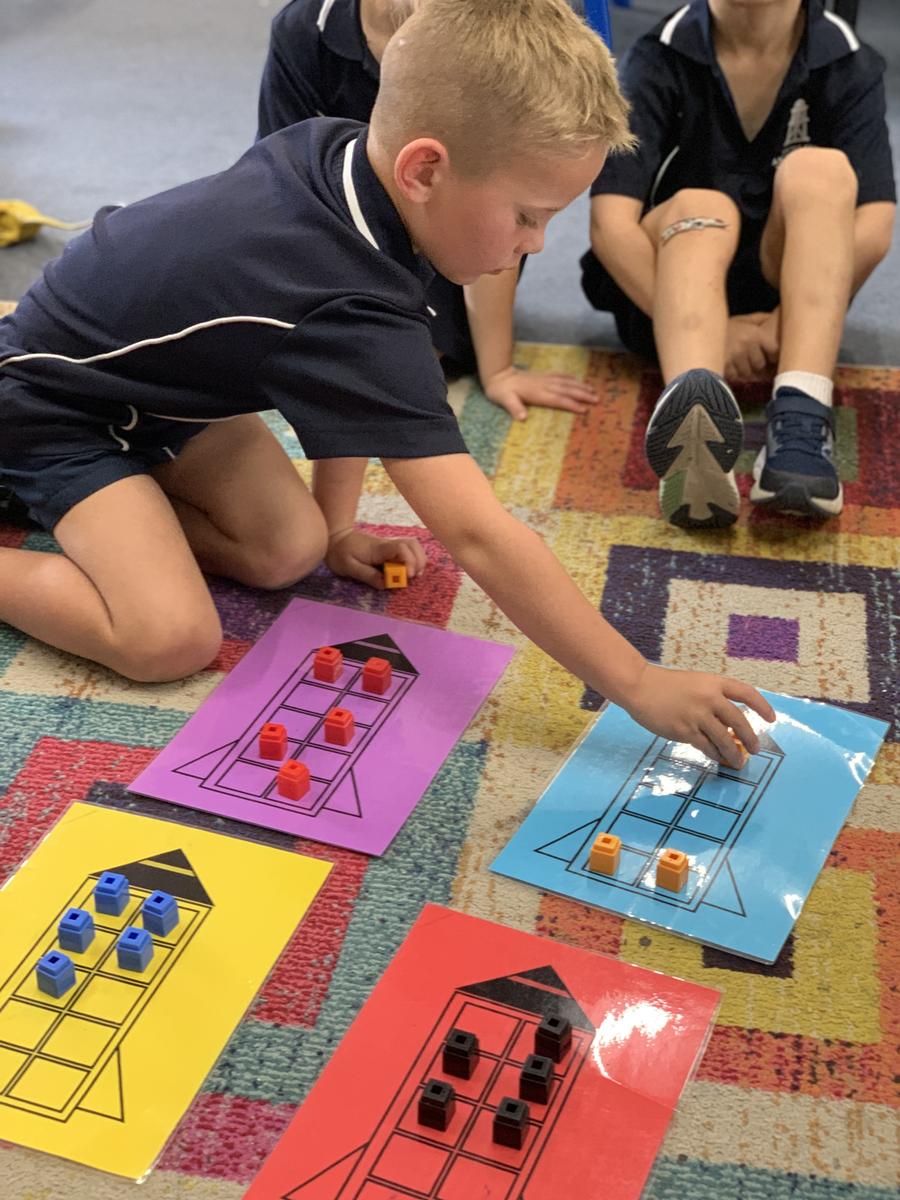
We are also developing students’ ability to subitise — recognising how many items are in a small group without needing to count. For example, when children see a dice pattern and instantly know it shows 5, they are subitising.
Subitising helps children:
- Build strong number recognition skills
- Develop mental maths strategies
- Recognise number patterns
- Build confidence with small quantities
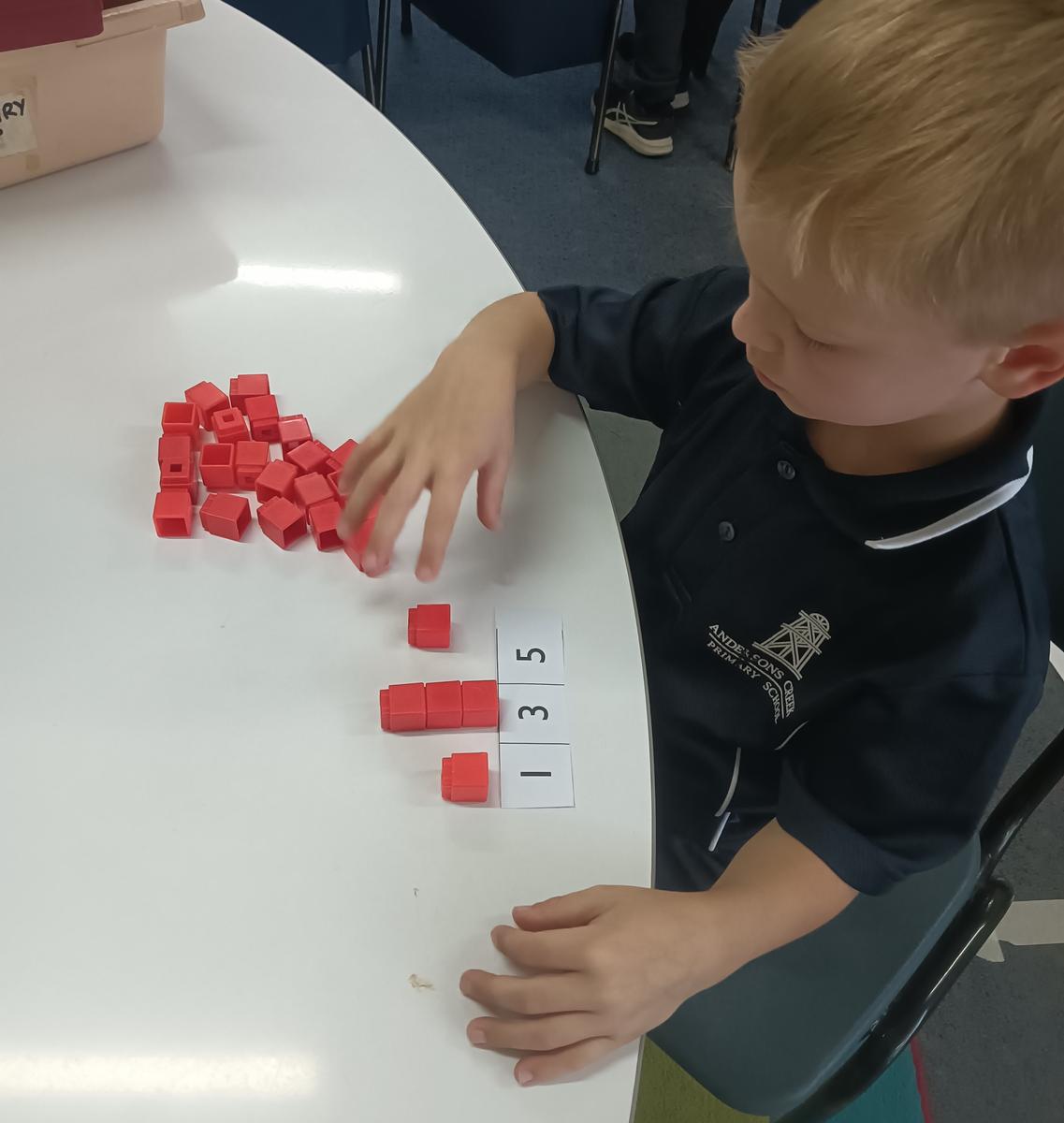
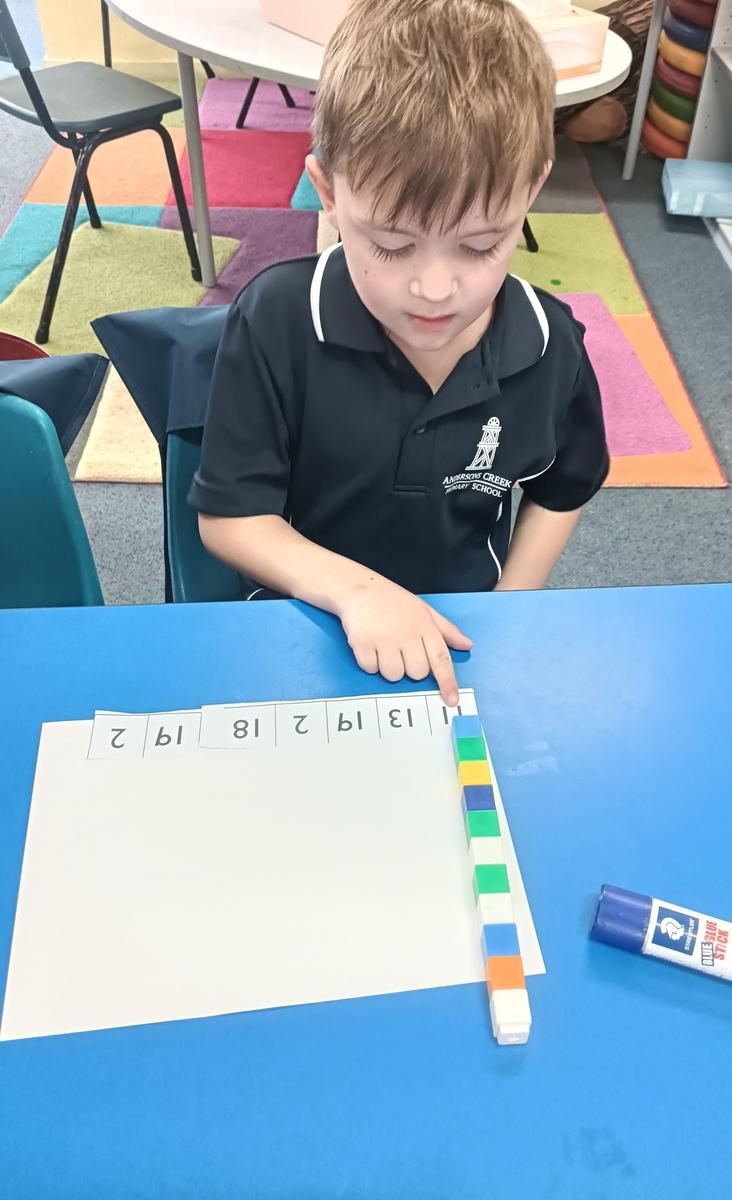
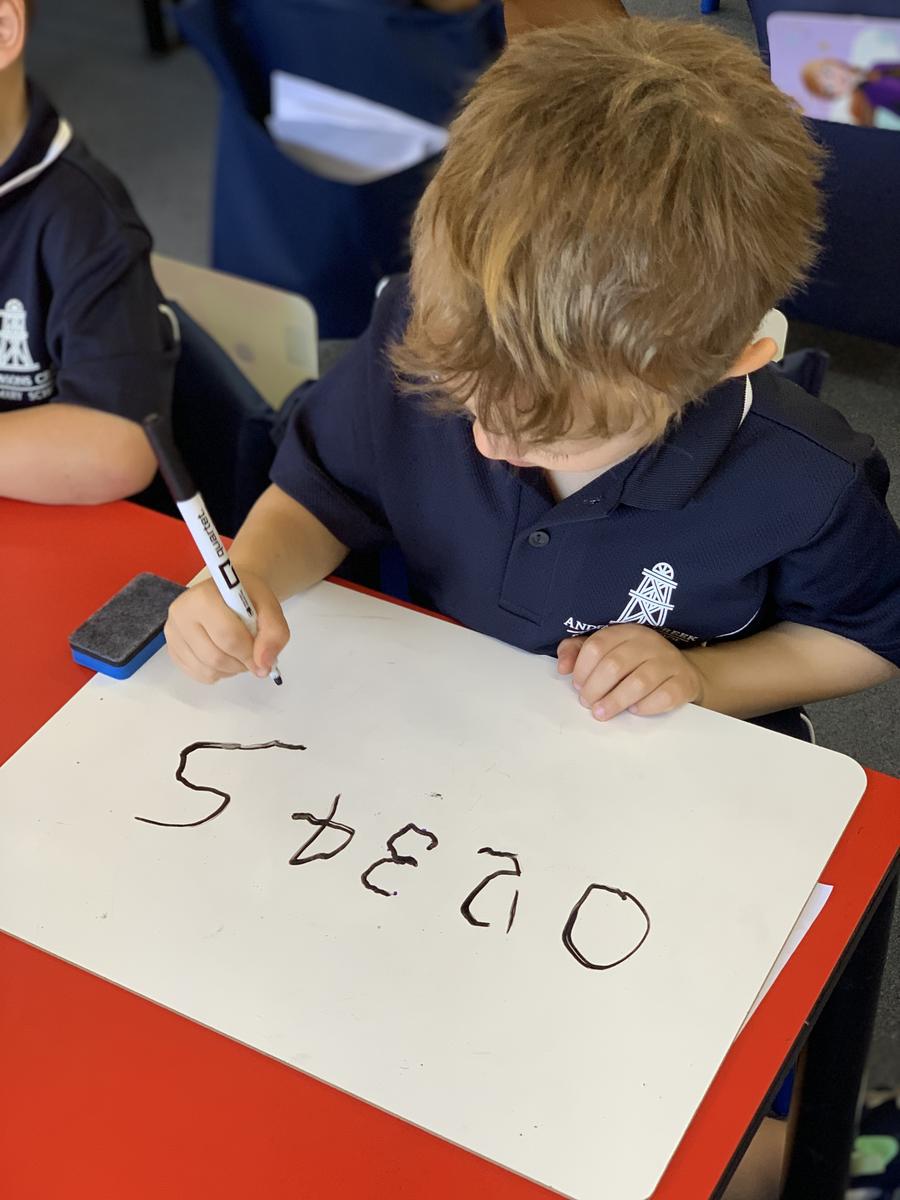
We are also learning that numbers can be made in different ways. This helps our students understand that numbers can be broken apart and put back together — an important foundation for addition and subtraction. This helps children develop flexible thinking about numbers, understand part–part–whole relationships, build strong foundations for addition and subtraction and recognise number patterns. By exploring numbers in different ways, our students are begining to see that maths is not just about counting — it’s about understanding how numbers work.
We are excited to see our students grow in confidence as they explore the world of numbers!
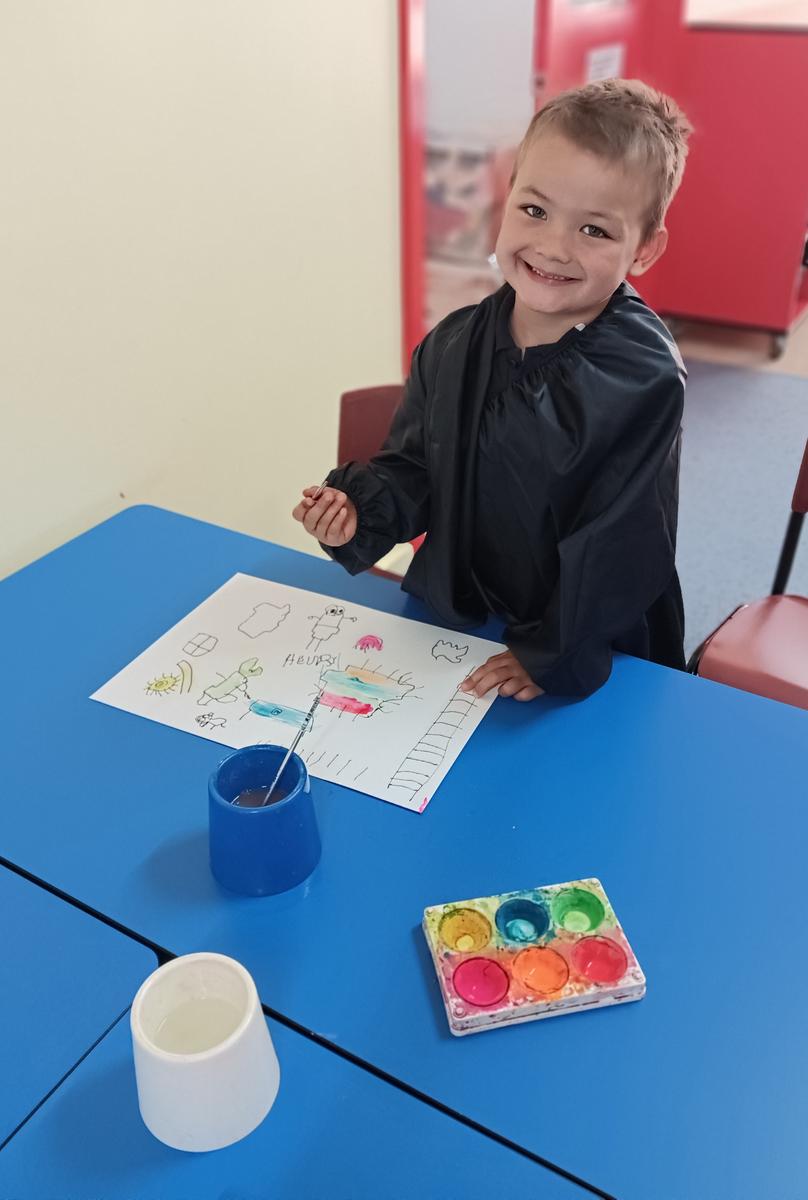
Understanding Our Big Feelings
In our Foundation Resilience Program, we have been diving deep into the world of emotions! Our youngest learners are discovering that all feelings are normal—from the brightest joys to the toughest frustrations—and that they are all a natural part of life.
What We Are Learning:
- Feelings: We’ve been reflecting on how we feel each day, noticing that emotions can change daily. Just because we feel sad or frustrated now doesn't mean we will feel that way all day.
- Listening to Our Brains: The students have been learning that our brains send us important signals (like a fluttering tummy or a racing heart). We’ve talked about how these are "messages" telling us what we might need in that moment. By acknowledging every emotion, we are helping the students feel more confident in managing them rather than being overwhelmed by them.

Giggle
1. Knock, knock. Who's there?
Wooden. Wooden who?
Wooden you like to hear another joke?
2. What musical instrument would you find in a bathroom?
A tuba toothpaste.
Term 1 Important Dates
10th March - School Photos
19th March - Thrive and Meet the Teacher afternoon
24th March - Parent/Teacher Interviews
2nd April - Harmony Day and Colour Run
We look forward to a great year with our incredible students and school community, as we navigate the exciting journey of 2026.