
Wellbeing Report
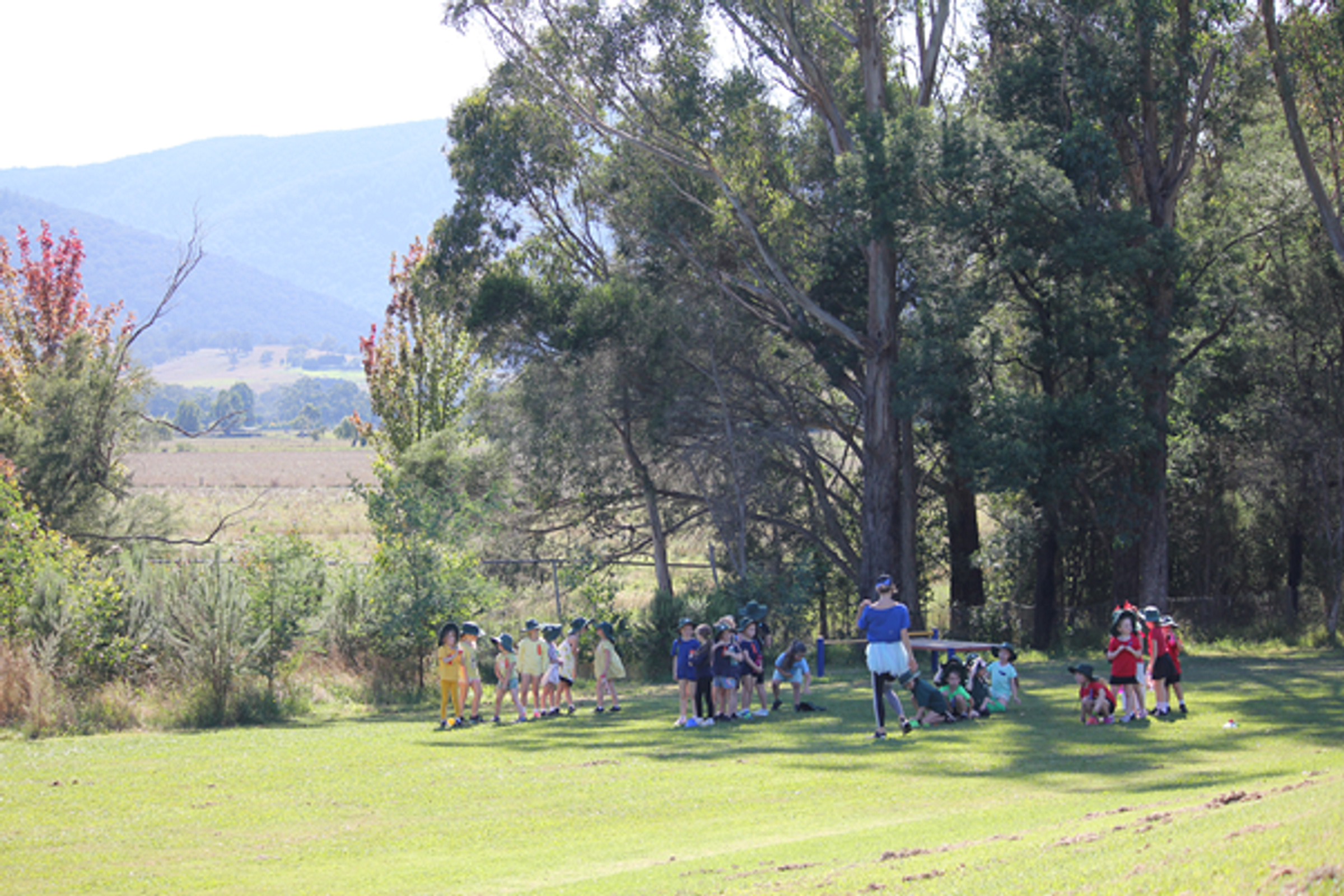

Around Wellbeing This Week
Andre has been enjoying camp this week with our Grade 3/4 students. We know camp weeks are full of new experiences, teamwork, laughter, challenges and plenty of memorable moments. The rest of the Wellbeing Team were very excited to welcome Andre back on Wednesday afternoon and hear all of the fun stories from camp!
Back at school, the Wellbeing Team has continued supporting students across classrooms, the yard and break times. A big part of our work is helping children feel connected to school, find positive ways to spend their breaks and have a safe place to go when they need a quieter activity or a little help finding someone to play with.
Friendships are a huge part of school life. They can bring children belonging, confidence, laughter and support — and they can also be confusing, change quickly and sometimes hurt. In our previous newsletter we highlighted that students can access the Wellbeing Team and friendship support across the week. This edition builds on that focus with practical ways families can help children understand friendships, manage tricky moments and develop skills that last well beyond primary school.
At school, friendship problems are not always a sign that something has gone wrong. Learning to join in, cope with disappointment, communicate clearly, repair a disagreement, set a boundary and move between friendship groups are all skills children develop over time.
Friendship is a skill — not just something that “happens”
Children are still learning what friendship looks and feels like. A healthy friendship does not mean friends agree all the time. It usually includes kindness, respect, safety, give-and-take, room for other friends and the ability to repair things after a disagreement.
Signs of a healthy friendship
|
When your child comes home upset about a friend
Our instinct is often to fix the problem immediately. Children usually benefit first from feeling heard, then from being helped to work out what happened and what they might try next.
Listen before solving: “Tell me what happened from the beginning.”
Name the feeling: “That sounds disappointing / frustrating / lonely.”
Get curious: “What do you think your friend was feeling?” “Was this a one-off or has it happened a few times?”
Separate conflict from bullying: not every disagreement, exclusion or unkind moment is bullying; patterns, power and repetition matter.
Coach, rather than take over: help your child choose a simple next step they can try at school.
Contact the school when the issue is repeated, affecting attendance or wellbeing, involves threats or physical aggression, or your child needs adult support to feel safe.
Useful friendship phrases to practise at home
Joining in “Can I play too?” •“What are you playing?” •“Can I join next round?” | Setting a boundary “I don’t like that. Please stop.” •“I’m going to play somewhere else now.” |
Repairing “I was upset before. Can we start again?” •“I’m sorry for ____. Next time I will ____.” | Handling a no “Okay, maybe later.” •“I’ll find something else to do.” |
Including others “There’s room for you.” •“Do you want to be on our team?” | Getting help “I tried to sort it out, but I need some help.” |
Friendship Focus |
Try this at home: the Friendship Check-In
Instead of asking only “Who did you play with?”, try questions that help children notice the quality of their friendships and their own choices:
Who made you feel good today? What did they do?
Did you help anyone feel included today?
Was there a tricky friendship moment? What did you try?
Did you have to say no or accept someone else’s no?
Is there a friendship you are putting lots of effort into? Is the other person putting effort in too?
If you could replay one friendship moment from today, what would you do the same or differently?
A helpful reminder for children: You do not need one “best friend” to be okay. Having different friends for different activities can make friendships more flexible and reduce pressure on one relationship.
Book recommendations for children
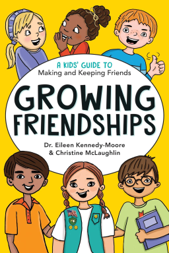
| Growing Friendships Eileen Kennedy-Moore & Christine McLaughlin | Ages 6–9: A practical, illustrated guide to reaching out, joining in, speaking up, handling conflict and learning when to let things go. |
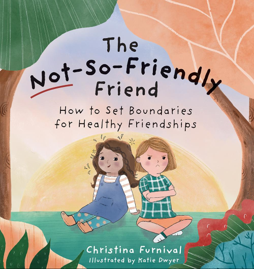
| The Not-So-Friendly Friend Christina Furnival | Primary-aged children A rhyming story that helps children recognise unkind friendship behaviour and practise kind but firm boundaries. |
|
|
Book recommendations for parents & carers
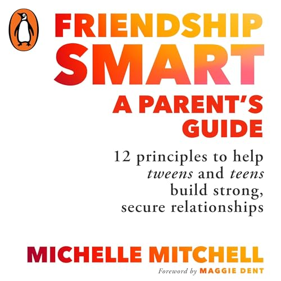
| Friendship Smart: A Parent’s Guide Michelle Mitchell A new Australian guide for parents of tweens and teens, with practical tools around friendship quality, drama, bullying, changing friendships, trust, boundaries and repair. |
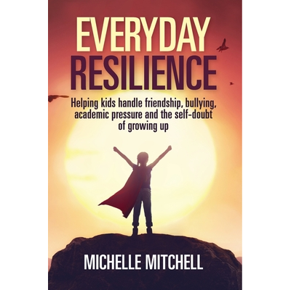
| Everyday Resilience Michelle Mitchell A practical parenting resource about helping children handle friendship drama, pressure and the everyday knocks that build longer-term resilience. |
Around School Practical reminders and wellbeing support |
Friendships at school
Across the week, students have several opportunities to access support with friendships — in the yard, through classroom staff and through the Wellbeing Team. Our lunchtime activity clubs also give students a structured place to connect, create and spend time with others, particularly when a friend is absent or the yard feels busy.
If your child is experiencing an ongoing friendship concern, please encourage them to speak with a trusted adult at school. Families are also welcome to contact the classroom teacher or Wellbeing Team so we can understand what is happening across settings and support children to build the skills they need.
A note for adults: avoid choosing sides too quickly
Children often tell the part of a friendship problem that feels most important to them. That does not mean they are being dishonest — they are describing the event from their perspective. Asking calm questions and allowing school staff to gather information from everyone involved helps us respond fairly and teach rather than simply punish.
When to step in more strongly
Your child is frightened to attend school or is regularly asking to stay home because of peer issues.
There are threats, physical aggression, repeated targeted behaviour or significant online behaviour.
Your child is becoming increasingly isolated or the friendship is affecting sleep, eating, mood or participation in usual activities.
Attempts to resolve the issue have not improved the situation.
Wellbeing Team
The Wellbeing Team are available before and after school and can help with friendship concerns, parenting worries and links to local supports. As outlined in our previous newsletter, the team works alongside classroom teachers to support children across the school day.
Amy Cleary: Amy.Cleary@education.vic.gov.au
Sally Marshall: Sally.Marshall@education.vic.gov.au
Elizabeth Martin: libby.martin@education.vic.gov.au
Andre Campbell: Andre.Campbell@education.vic.gov.au
This fortnight’s family challenge
Notice friendship in action. At dinner or in the car, ask everyone — adults included — to share one thing they did this week to be a good friend, one tricky moment they handled, and one friendship skill they are still learning. Children learn a lot when adults share age-appropriate examples too. |
Keep in mind
The goal is not to make sure our children never experience friendship problems. The goal is to help them develop the confidence and skills to recognise healthy relationships, communicate, set boundaries, repair when possible, seek help when needed and know when it is okay to step away.
Lunchtime Clubs – There Is Something for Everyone
Our lunchtime activity clubs continue to be a popular option for students. Clubs provide a relaxed, supervised space where children can meet other students, practise social skills, enjoy a shared interest or simply have a quieter break from the busy playground.
Students can join activities such as LEGO, wool craft and colouring. There is no pressure to be an expert – children can come along, have a go, create something, talk with others or enjoy working quietly alongside their peers. These clubs are especially helpful on days when a friend is away, friendships feel tricky, or a child simply needs a different kind of break.
During winter, our activities at recess and lunchtime are still going strong. For children who can’t go outside for any health reason, we do offer supervision at our activity clubs. Students enjoy doing puzzles together with their friends and helping other students make some wonderful creations. In wool craft, students can make snowflakes, turtles, pom poms, cats’ eyes and they can learn early crotchet skills. In craft club, students have been making diamond art stickers and bookmarks. Lego Club is always popular, and the children work well together on their designs.
|
|
Monday | Lego club-library & colouring |
Tuesday | Wool craft, board games & colouring-outside the specialist rooms |
Wednesday | Diamond Art, board games & colouring-outside the specialist rooms |
Thursday | Lego club-library & colouring |
Friday | Lego club-library & colouring |
|
|
Donations are always appreciated. Wool, crochet hooks, LEGO, colouring supplies, pencils, textas, jigsaw puzzles, board games and craft items can all help us keep these activities interesting and accessible for students.
Winter Sickness Season – Please Help Us Keep Everyone Well
Winter certainly brings its share of coughs, colds and respiratory illnesses. When children are unwell, the best place for them is at home where they can rest and recover. Keeping an unwell child home also helps reduce the spread of illness to classmates, staff and other families.
Please keep your child home if they are clearly unwell, particularly if they have a fever, vomiting or diarrhoea, significant tiredness, worsening cold or flu-like symptoms, or they are simply not well enough to comfortably participate in a full school day. If your child becomes unwell at school, we may contact you and ask that they are collected.
Simple Home Care for Coughs and Colds
• Encourage plenty of rest and allow your child time to recover.
• Offer regular fluids. Water, soup and other suitable drinks can help maintain hydration.
• Saline nose drops or spray may help a blocked nose.
• For children over 12 months, honey may help soothe a cough.
• Encourage good handwashing and remind children to cough or sneeze into a tissue or their elbow.
• Use tissues once, put them straight in the bin and wash hands afterwards.
• Avoid sharing drink bottles, cups and utensils while someone in the household is unwell.
• Seek medical advice if you are worried about your child, symptoms are worsening, your child is having difficulty breathing, is unusually sleepy, is not drinking enough, or you are unsure about medicines.
Most childhood coughs and colds are caused by viruses and improve with time. Cough and cold medicines are generally not recommended for children. If medication is needed for pain or fever, follow the label and speak with your doctor or pharmacist if you are unsure.
Useful health information: Healthdirect – Coughs and colds in children; Victorian Department of Health – School exclusion periods.
What’s On in the Valley This Weekend?
There is plenty of local sport happening around the Yarra Ranges this weekend, with football and netball heading into an exciting part of the season.
Saturday 22 August: Mt Evelyn Football Netball Club hosts Warburton-Millgrove in Round 18, with the published fixture listing a 10:50am start. It is a great chance to get along and support local football.
Finals are also beginning across the Outer East competition. Division 1 football and netball finals are scheduled for Saturday 22 August, with Woori Yallock hosting qualifying football and the netball qualifying/elimination program, while Powelltown hosts the football elimination final.
Families involved in junior football, netball, soccer and other community sport should also check their own club or association fixture before heading out, as finals schedules and venues can vary between age groups.
Community sport is such a great way for children to experience belonging, teamwork and connection – the same friendship skills we have focused on throughout this newsletter. Whether you are playing, coaching, volunteering or cheering from the sidelines, we hope everyone has a fantastic weekend!
From the Wellbeing Team
As always, please reach out if your child is experiencing friendship worries, having difficulty coming to school, needs support with regulation or simply needs some help feeling more connected. We are here to work alongside children, families and classroom staff.
We look forward to some more sunshine as September begins.
Enjoy your weekend.
The Wellbeing Team
Big Life Journal
The Big Life Journal is a resource that we use in the Wellbeing room all the time. They have a website that is full of parenting advice and they send free resources to email subscribers. They have some great tools to help parents prepare their children for the future. They promote 5 skills every child needs to thrive, these skills are emotional intelligence, growth mindset, resilience, adaptability and confidence. Signing up to the weekly emails will give you access to free resources such as routine activities, posters, friendship support and much more. It would benefit your family and the whole school community if you sign up to the weekly emails to help support your child as they navigate this big world. Here is the link if you want to get started: biglifejounal.com/pages/freebies

Second hand uniform
Available, contact the Wellbeing team to access second hand uniform. A uniform sale will be held again soon.
Breakfast Club
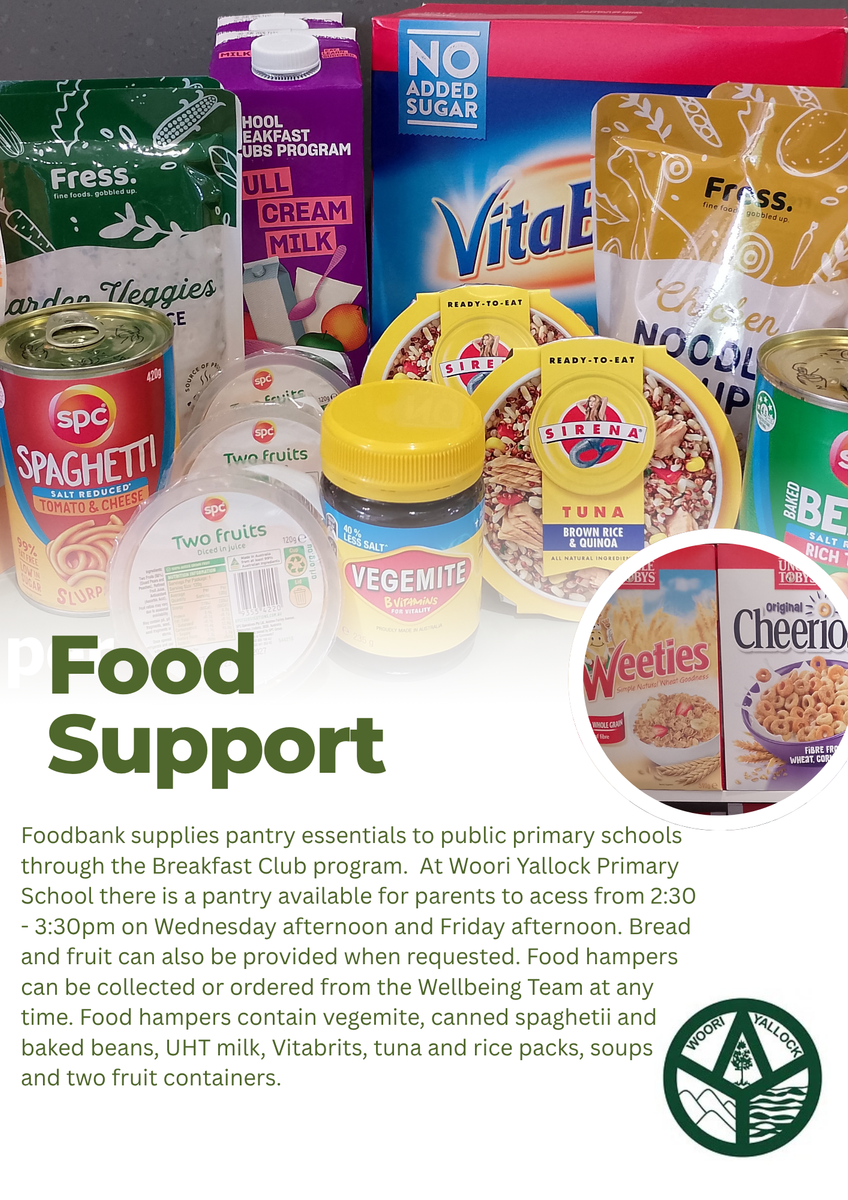
If you would like your child to make use of our yummy breakfast foods, send them to school that bit earlier so they will have time to eat and enjoy their food. We serve toast until the music is playing for the start of the school day. Please remind your child that if they want to have something to eat before school that they need to head straight down to the German Room. While the music for the bell is playing there are only fruit cups and milk drinks available. Breakfast club has been very popular with over 100 students attending. Recently we had freshly baked banana bread kindly provided by a school parent, the kids love these extra treats and we will always welcome any special food that parents would like to donate to add to our breakfast options.
Chaplaincy
During my recent Chaplaincy catch ups I have been encouraging students with a number of things including: friendship skills, resilience building, self esteem by replacing negative self thoughts with positive ones and simply but very importantly getting outside for walks, frisbee throwing and foam plane flying. The students have really appreciated the time I have spent with them and I enjoy planning our sessions with bright, colourful and engaging content. If you feel your child might need that extra emotional support during school hours please contact Sally via email
sally.marshall@education.vic.gov.au
or by phone call 5964 7258. I’m available on Monday, Wednesday and Thursday each week.