
Nurse's Notes

Constipation
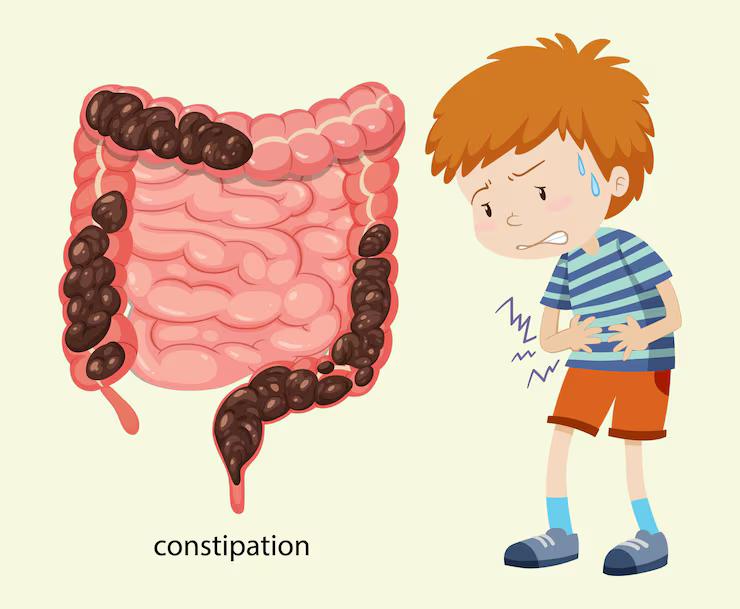
Constipation is when you haven’t been able to pass stool for a few days or cannot empty your bowels properly.
When stool moves slowly through the large intestine, the body absorbs a lot of the fluid from the stool, which would make the stool hard, dry and hard for you to pass.
You should be opening your bowels at least 3 times a week. This does vary between people- some are everyday others less often.
Constipation is very common in children and young adults. As they tend to be picky eaters and more drawn to low fibre diets. But any food is better than no food, as young children need a certain amount of food and fluid intake to help with the energy level they need throughout the day and to grow.
It’s also because we are more in doors, on screens and exercising less.
At school it is probably the most common cause of tummy pains in students that we see.
Symptoms
- Passing stool less than 3 times a week
- Hard, dry, lumpy stool
- Having to strain or have pain when passing stool
- Abdomen pain/ Cramps
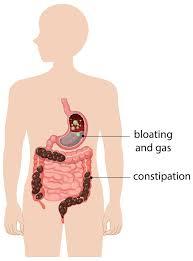
- Bloated abdomen
- Decrease in appetite
It’s considered chronic constipation if you have any 2 of these symptoms for over 3 months.
Causes
Differ from one person to the other.
- Diet intake
- Fluid intake
- Lack of exercise
- Medication
- Change in toilet environment
- Disease/ illness
Problems with pelvic floor muscles
Prevention/Treatment
- High fibre foods like vegetables, fruits, beans, whole-grain foods
- High fluid intake
- Exercise regularly
- Don’t ignore the urge to go- a lot of students go through the day holding on and refusing to go at school
- Laxatives
Type of Laxatives
Bulk-Forming Laxatives: (Fiber supplements): Which are safe to use long term.
Osmotic Laxatives: Draw water into the bowel from surrounding tissue, to help soften the stool. This is the preferred method of treatment as it is completely safe to use with no long-term side effects.
Stimulant Laxatives: Work on intestinal muscles to contract to move stool. Exp. (Dulcolax, Senna). Most people don't need this, as this is more commonly used if you've had a surgical procedure and can affect the body and make the bowel lazy.
Lubricants: Coat stool to stop water loss and ease passage.
What to Buy
- Lactulose (Osmotic laxative)
- Movicol/ Movicol Junior (Osmotic laxative)
- Coloxyl with Senna (dual-action stimulant laxative)
- Suppositories/Fleet (Lubricant Laxative)
Metamucil (Bulk-Forming Laxative)
When using medication treatment, your local pharmacist can advise you on correct age/dosage.
If your constipation is ongoing and not relieved by over-the-counter medication, or the cause of other health conditions, please seek advice from your GP. If not dealt with, it can lead to haemorrhoids, anal fissures, fecal impaction, and rectal prolapse.
For further information
Ms. Monaliza Tebeje, College Nurse