Year 1 Teaching & Learning
Term 4 2026
Year 1 Teaching & Learning
Term 4 2026
This term, teachers will continue using InitiaLit in classes to teach reading. The Term 4 InitiaLit ‘On the Mat’ program continues exploring important spelling and reading skills. Students are learning about the letter ‘c’ when it sounds like /s/ as in “ce,” “ci,” “cy” and the letter ‘g’ when it sounds like /j/ as in “ge,” “gi,” “gy”. Students will also practise spelling patterns like the trigraphs “_dge” as in “bridge” and “_tch” as in “catch”. Students will begin to understand prefixes like “un-” to change word meanings and work with multi-syllable words. These lessons strengthen students’ reading, spelling, and vocabulary, building confidence in their ability to read and write independently.
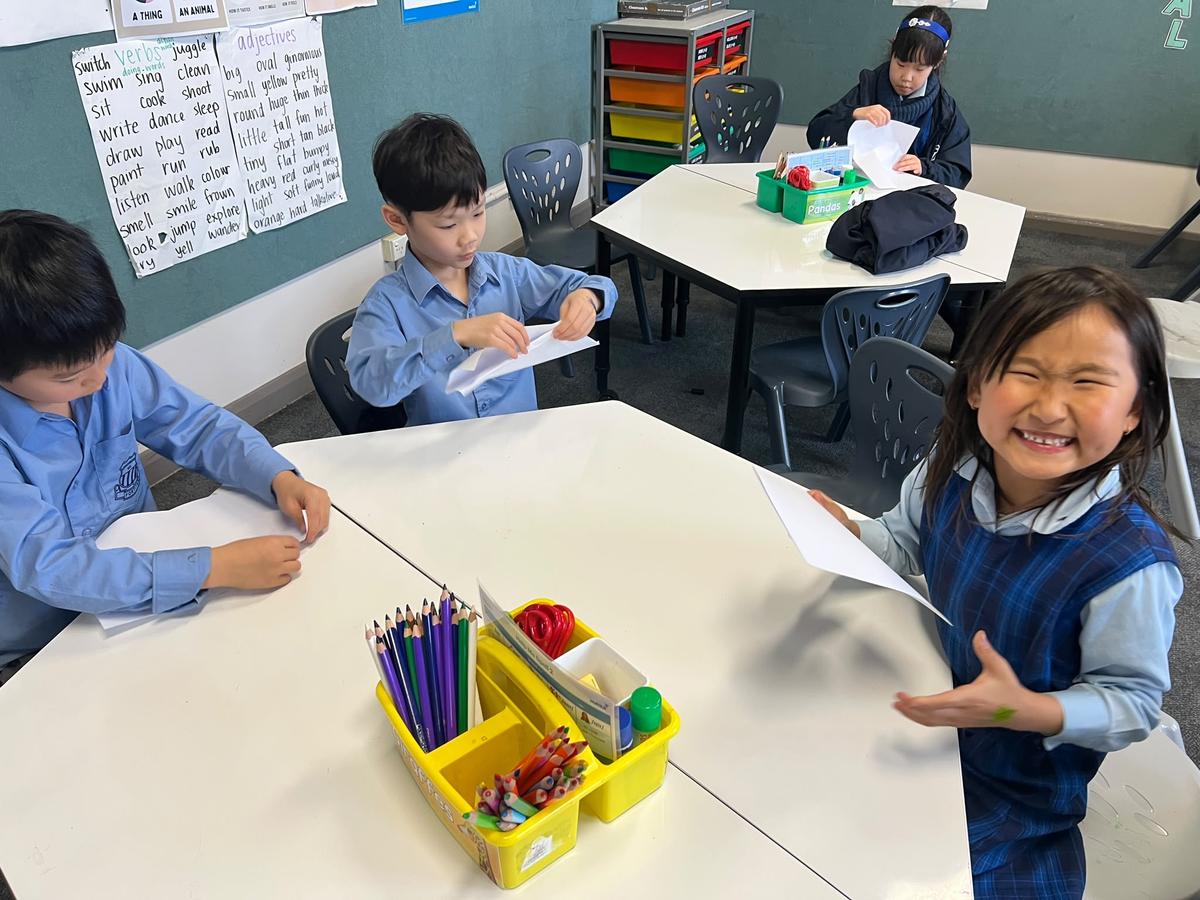
In our writing unit, students are learning about persuasive writing. They are identifying words that express opinions and exploring how pictures and writing work together to explain ideas. Students will reflect on their own experiences to share their opinions on topics. They will also learn to consider who the writing is for and what it aims to communicate. By creating their own persuasive stories, students will practise writing paragraphs that focus on one main idea supported by details. This helps them improve their ability to share their thoughts and ideas with others.
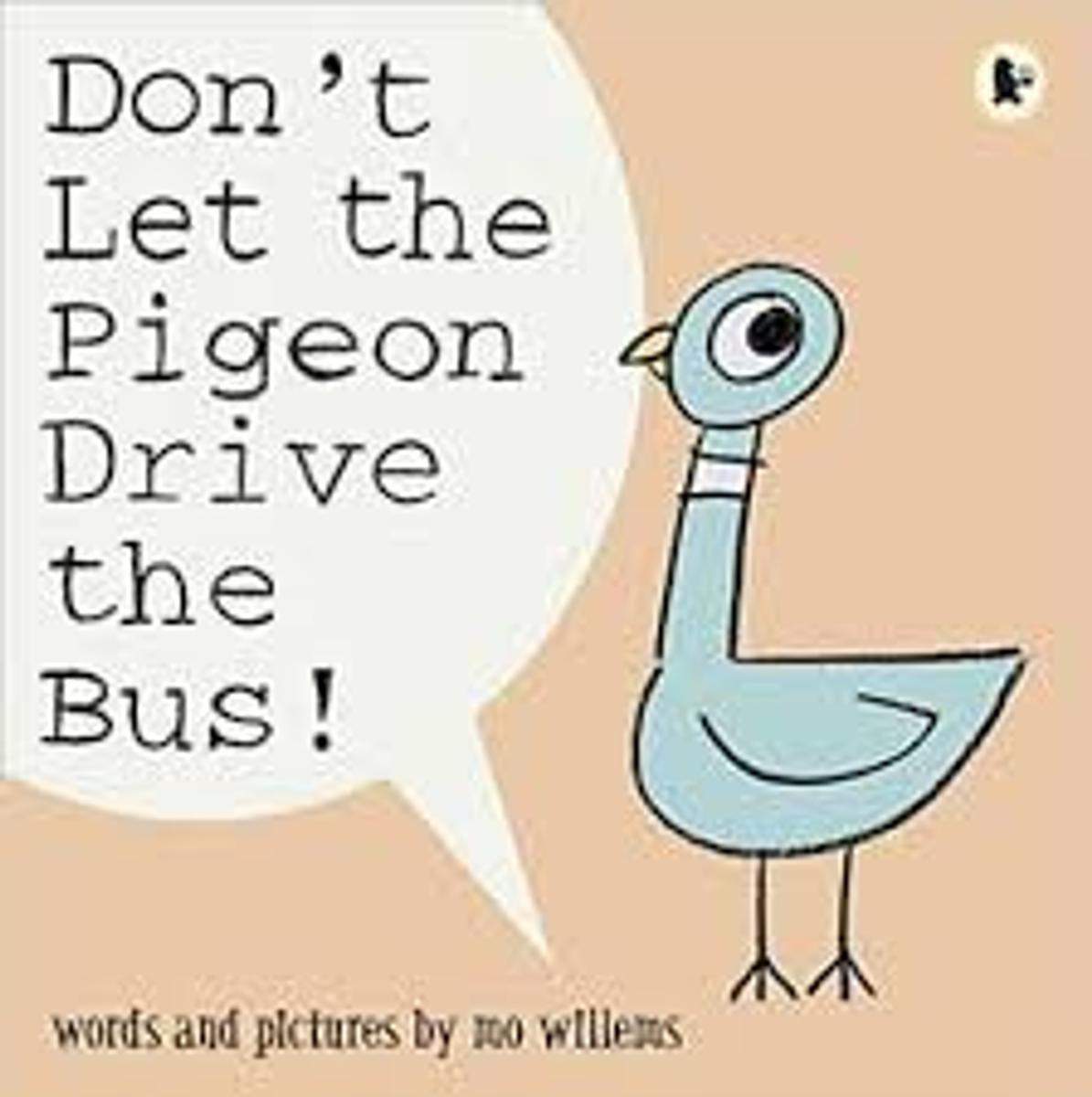
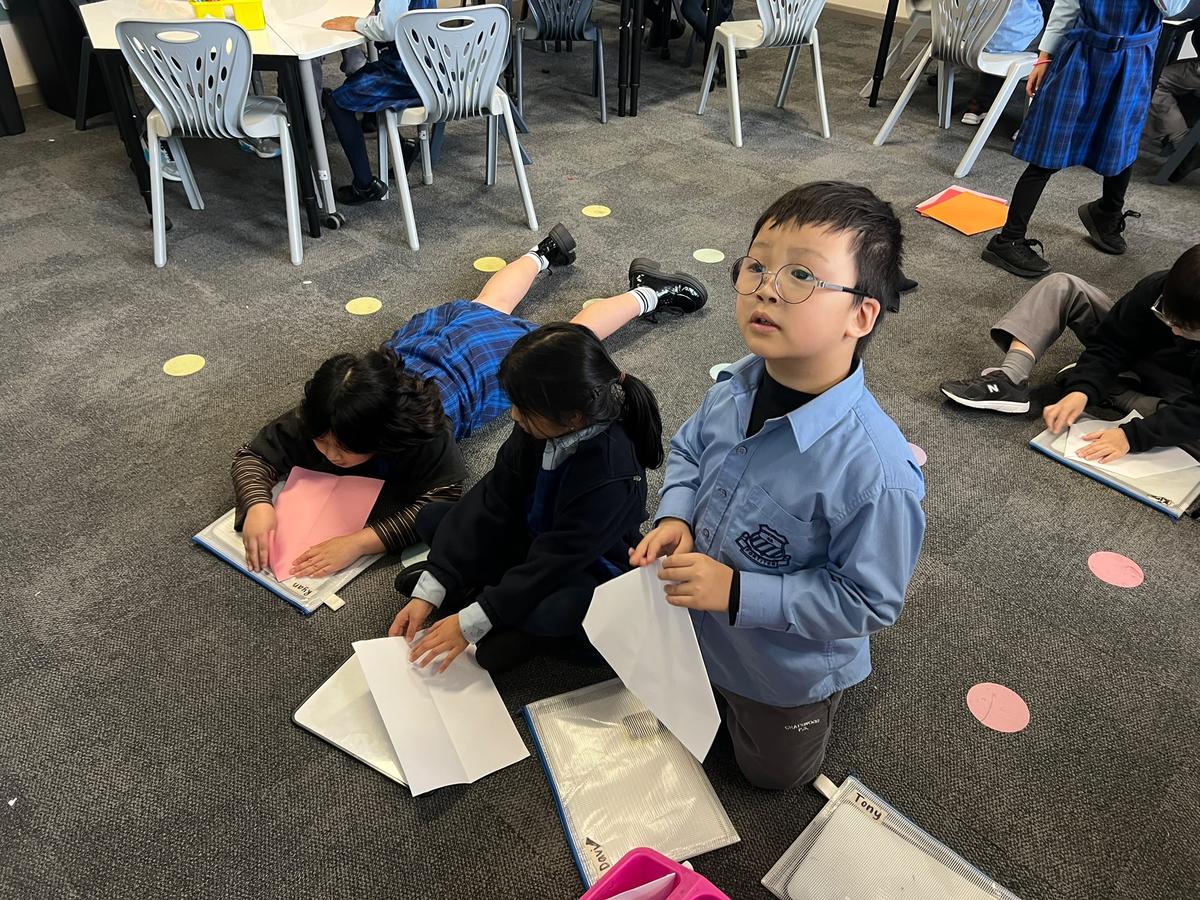
This term, we will explore a variety of mathematical concepts. Our lessons are designed to combine explicit teaching with independent activities tailored to each student's needs, ensuring challenging and engaging learning experiences.
Weeks 1-3: Representing Whole Numbers and Time
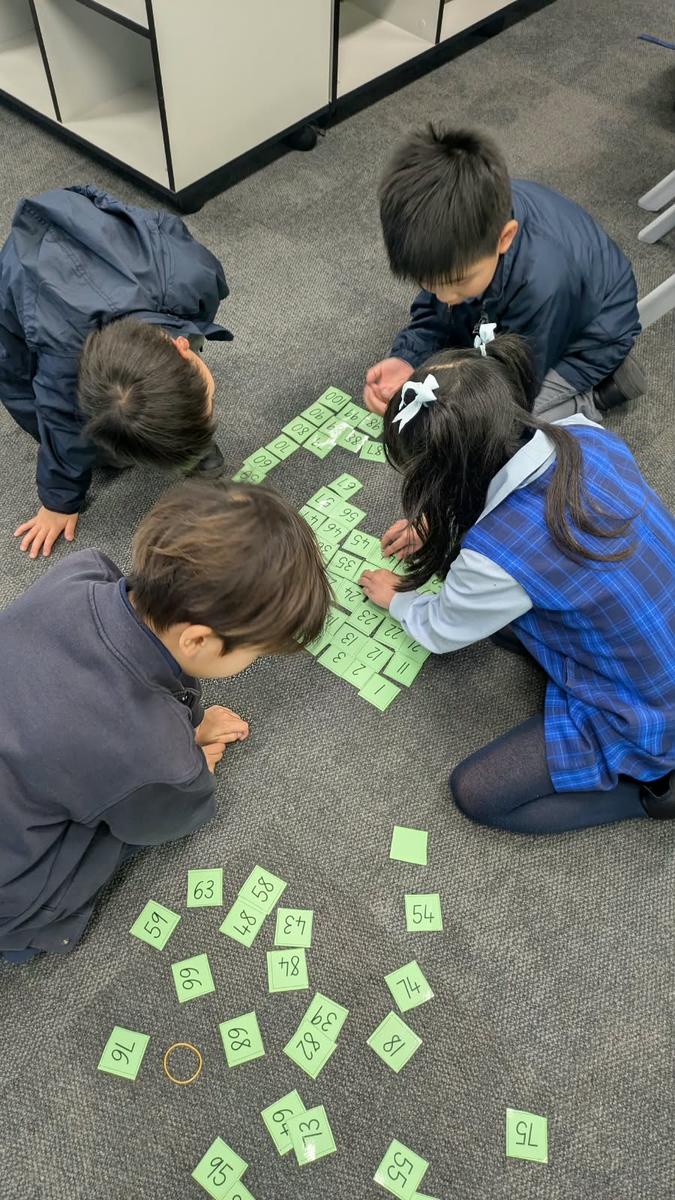
This term, Year 1 students will be developing their numeracy skills by using counting sequences of ones with two-digit numbers and beyond. They will practise identifying the number that comes before and after a given two-digit number, and count forwards and backwards by twos from any starting point. We will also focus on time concepts, where students will learn to name and order the months of the year, recall how many days are in each month, and identify days and dates using a Gregorian calendar. Through these activities, students will gain a better understanding of monthly and annual cycles.
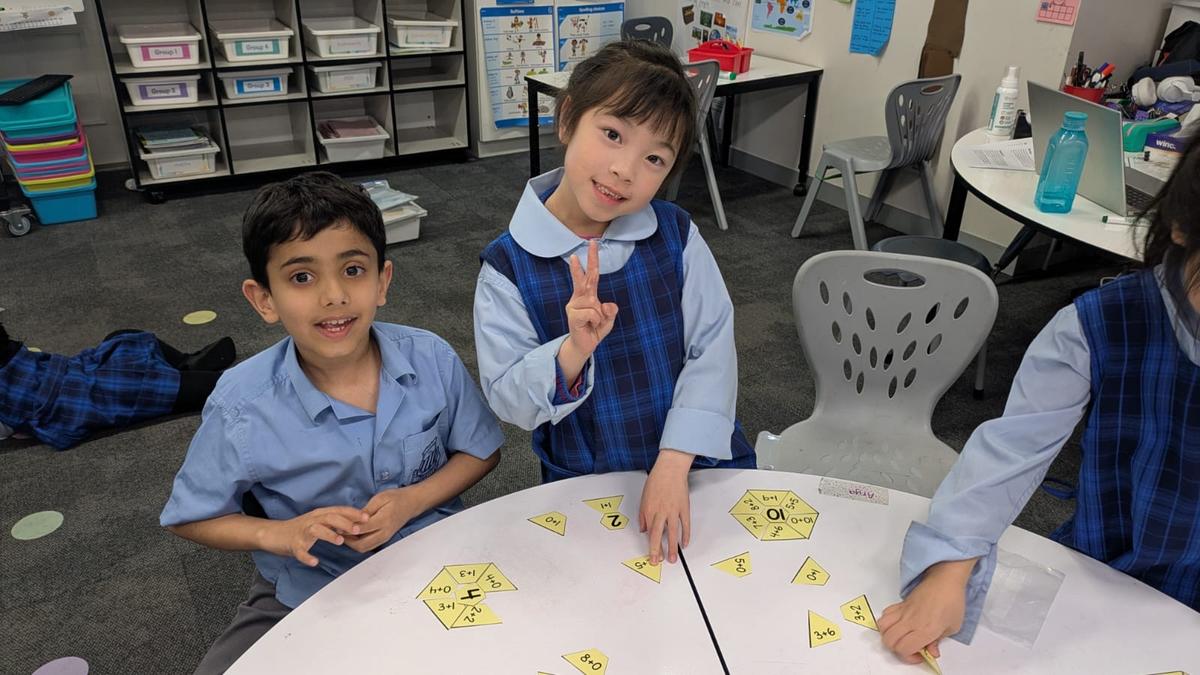
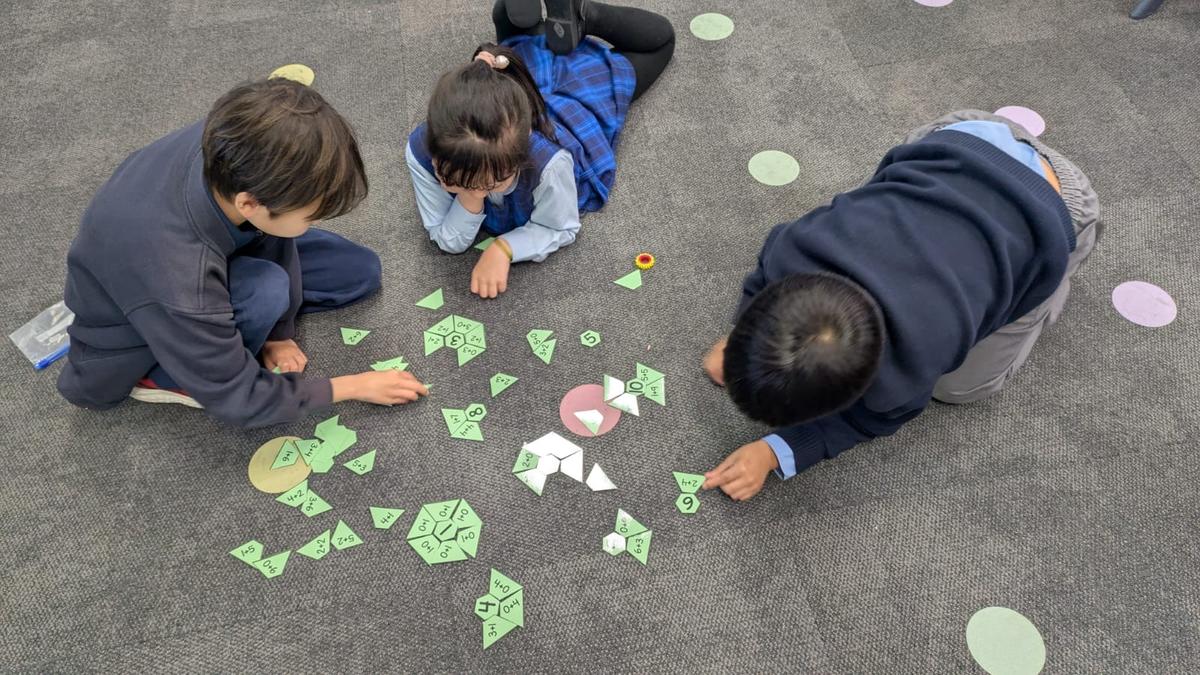
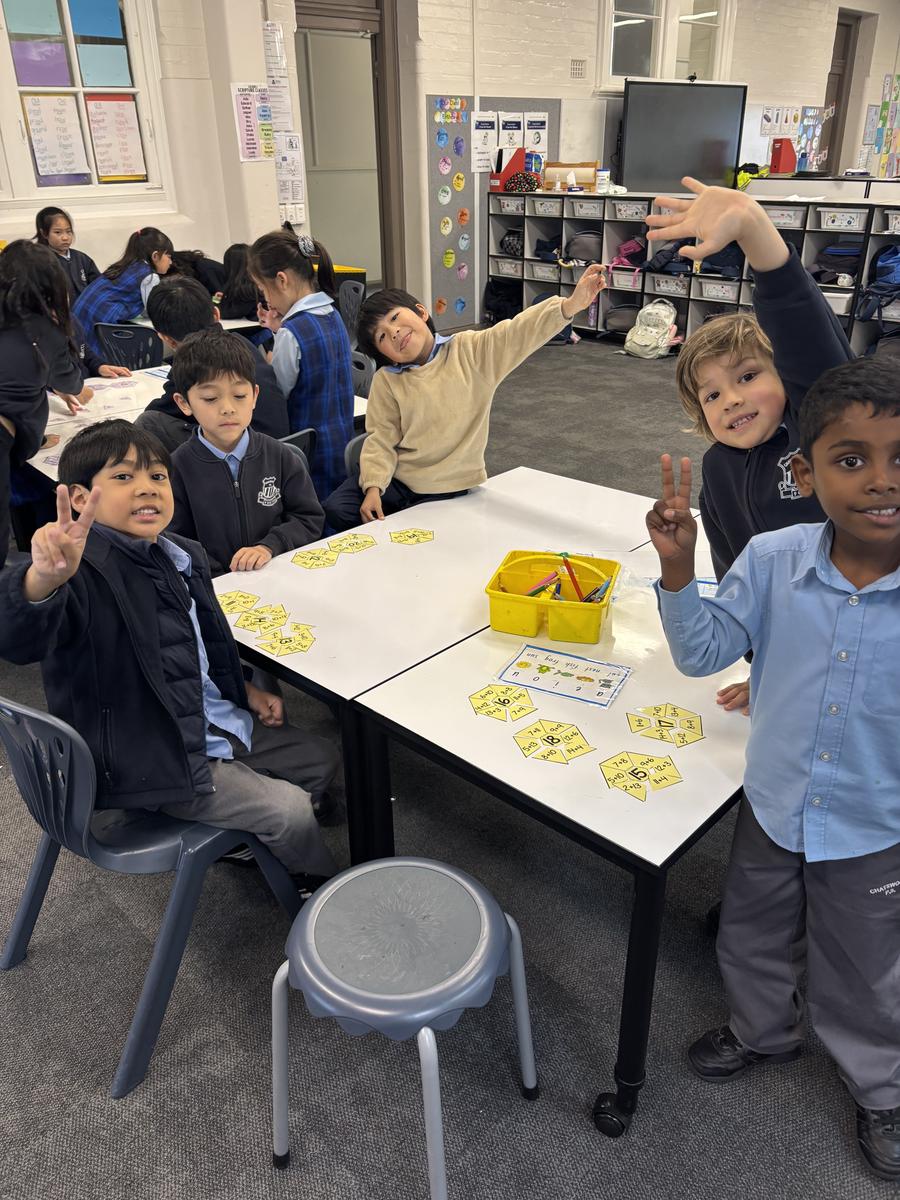
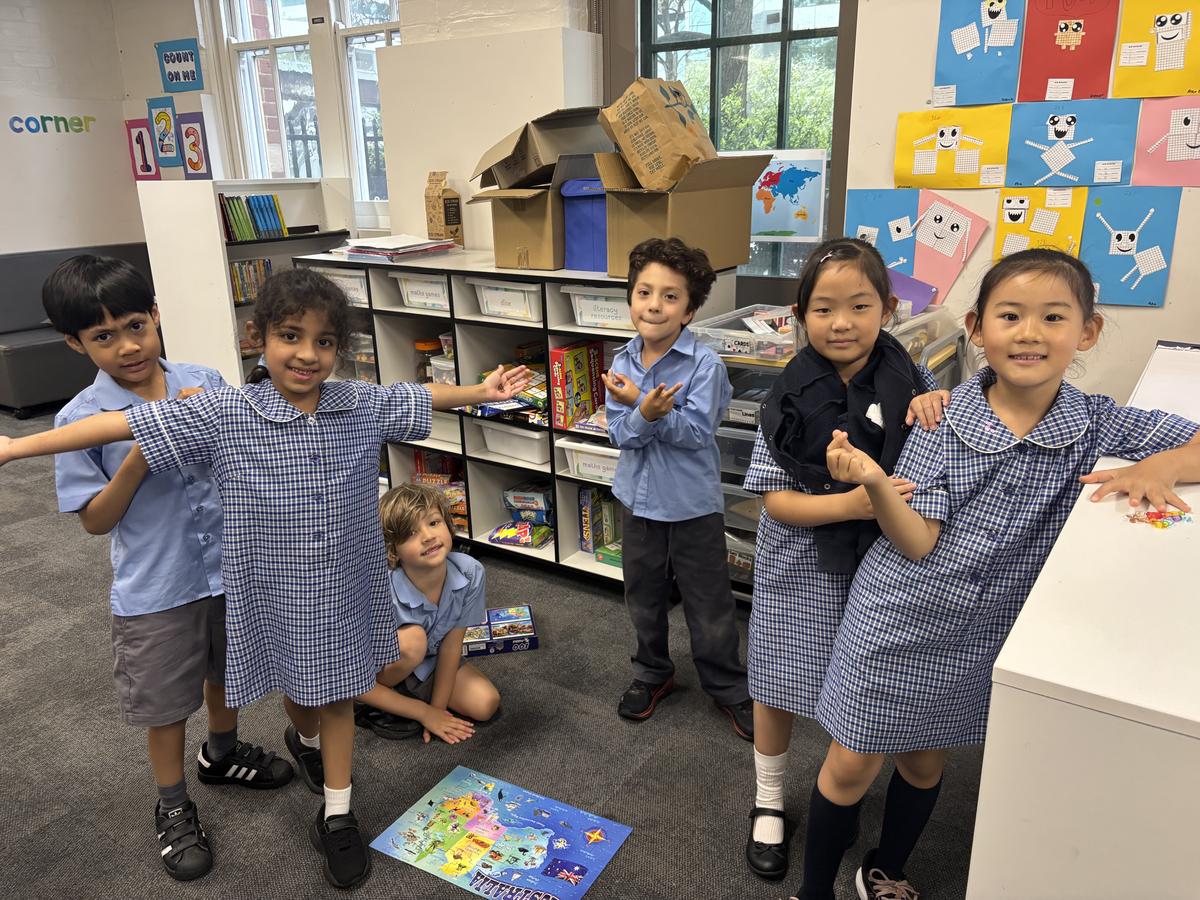
Weeks 4-6: Combining and Separating Quantities, Three Dimensional Objects and Volume
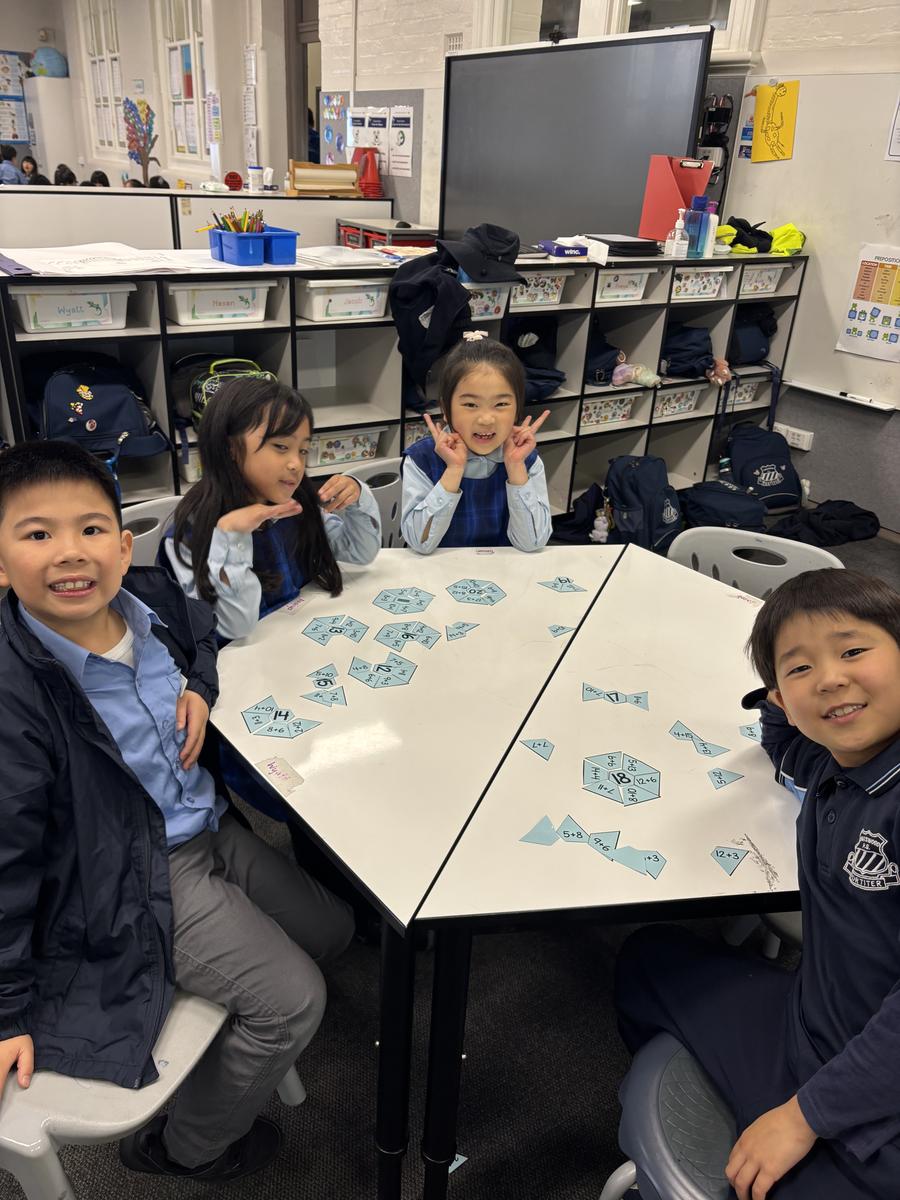
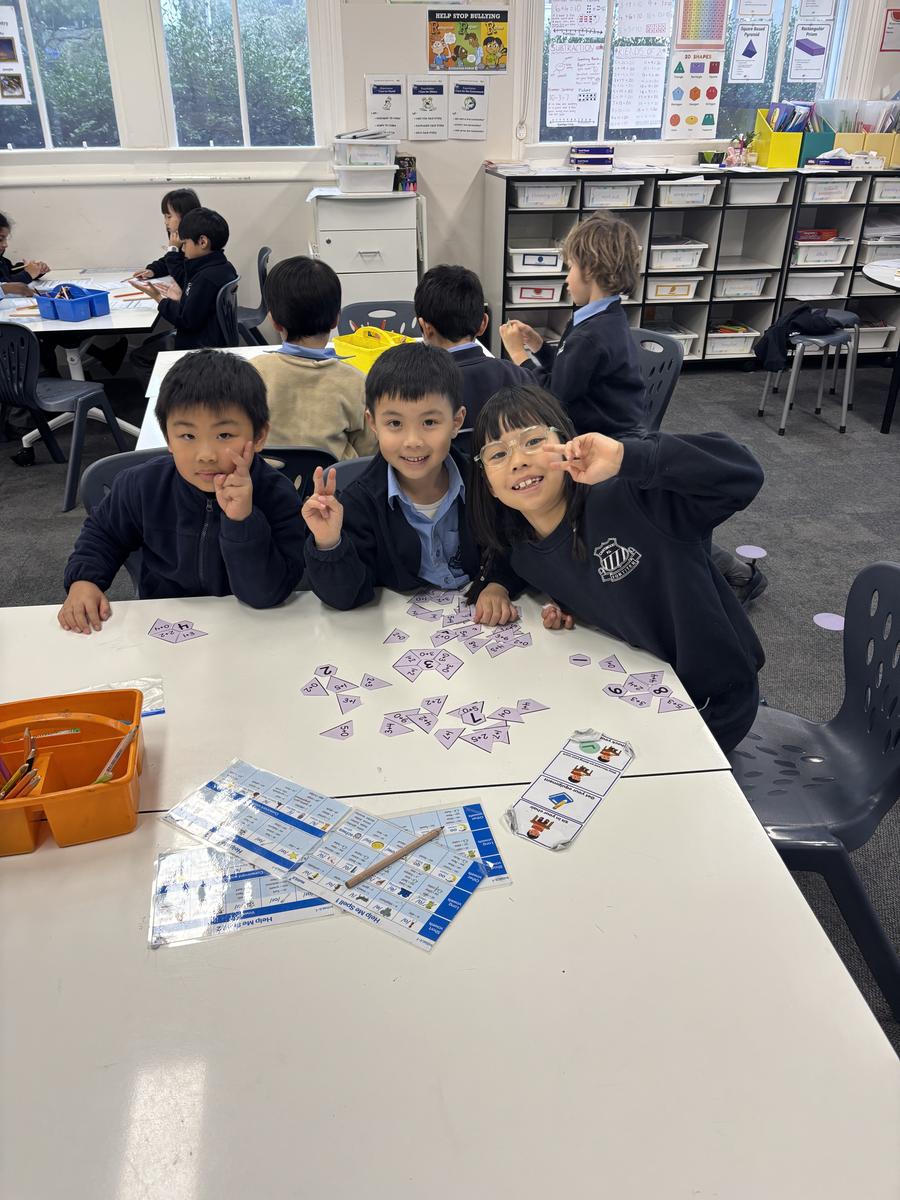
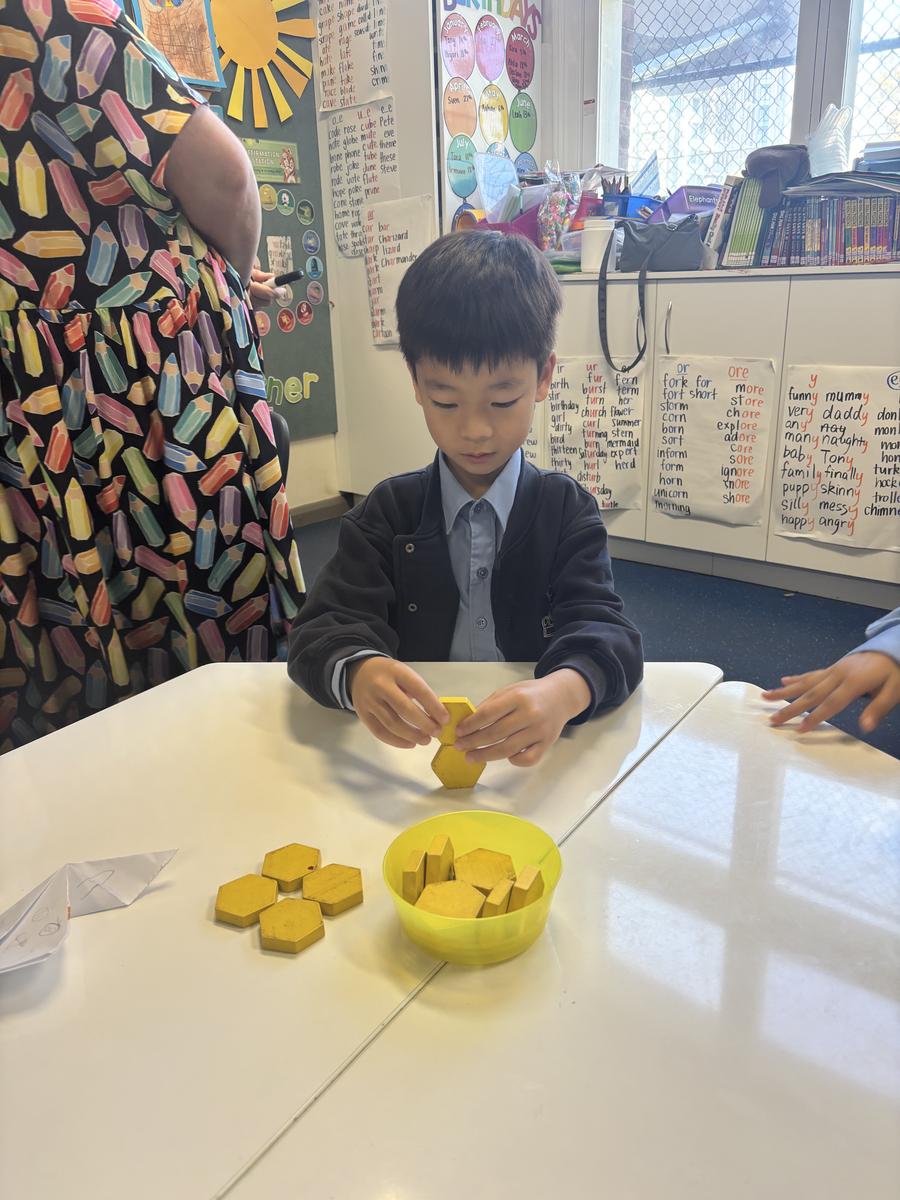
During this cycle Year 1 students will explore combining and separating quantities, learning to represent and reason about additive relationships. They’ll use strategies beyond counting by ones, such as using doubles for near doubles and combining numbers that add to ten. Students will create, model and solve word problems with number sentences, and represent the difference between two numbers using concrete materials and diagrams. In our topic of three-dimensional objects, students will sort and describe familiar shapes, use terms like ‘surface’ and ‘face’, and identify objects based on their features. For volume, students will measure and compare the capacities of different containers using informal units, and learn to explain why containers of different shapes may hold the same volume. They’ll also practise estimating, measuring, and reasoning about the relationship between unit size and the number of units needed to fill a container.
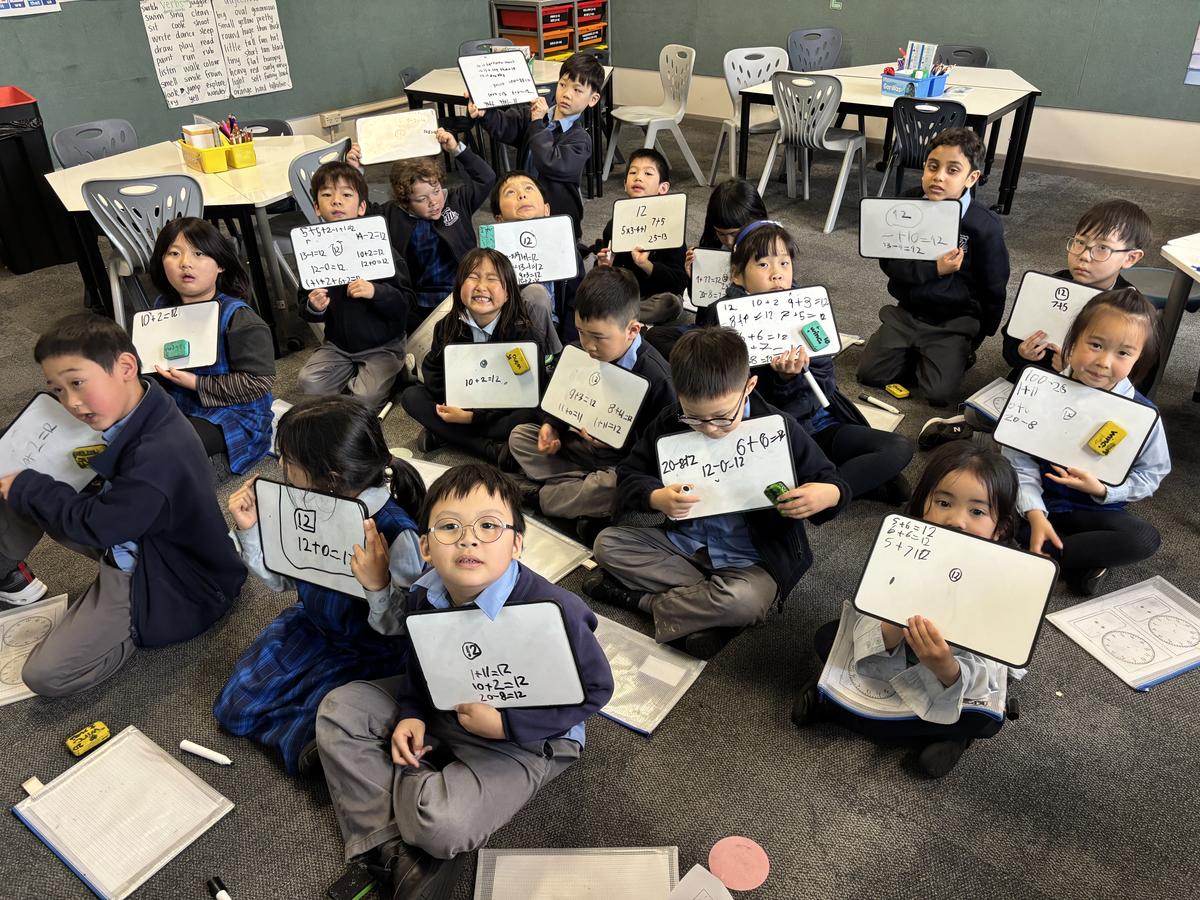
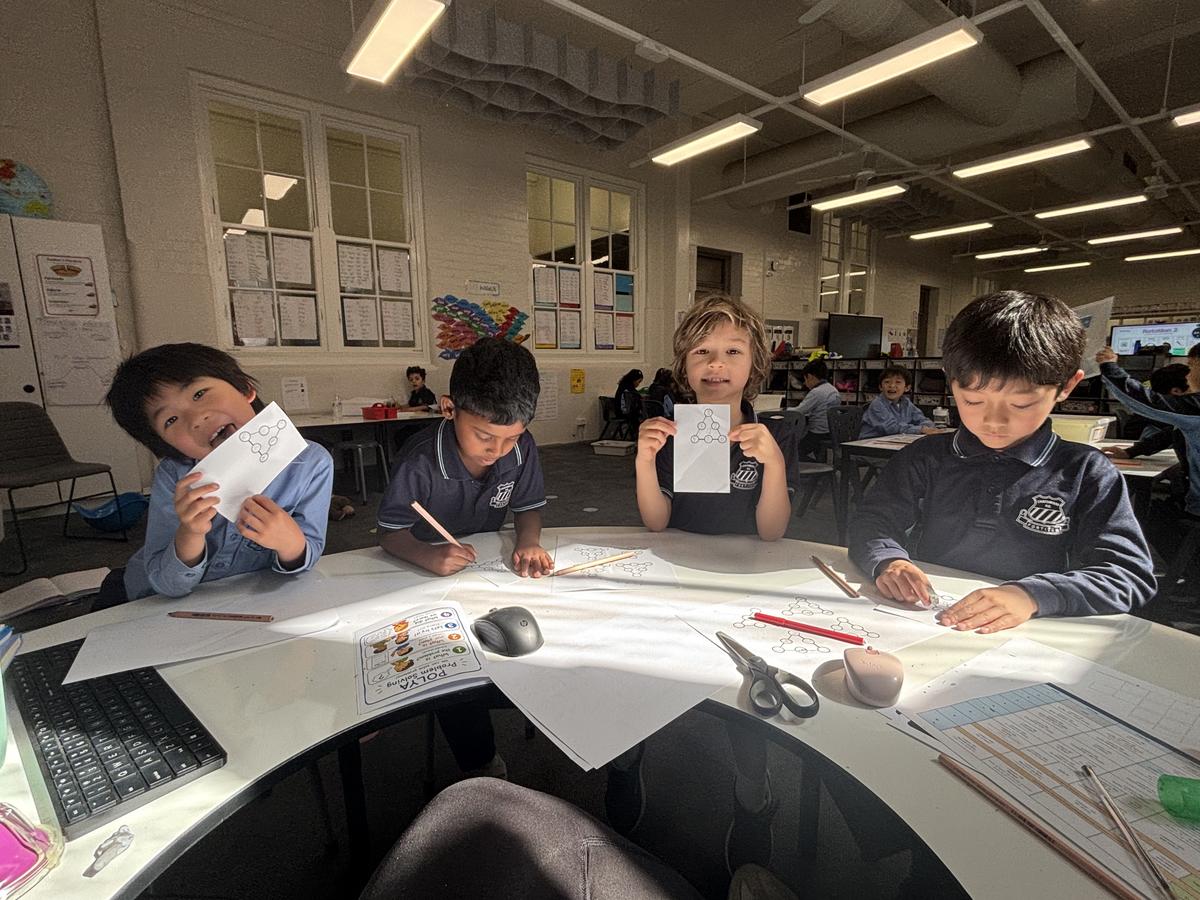
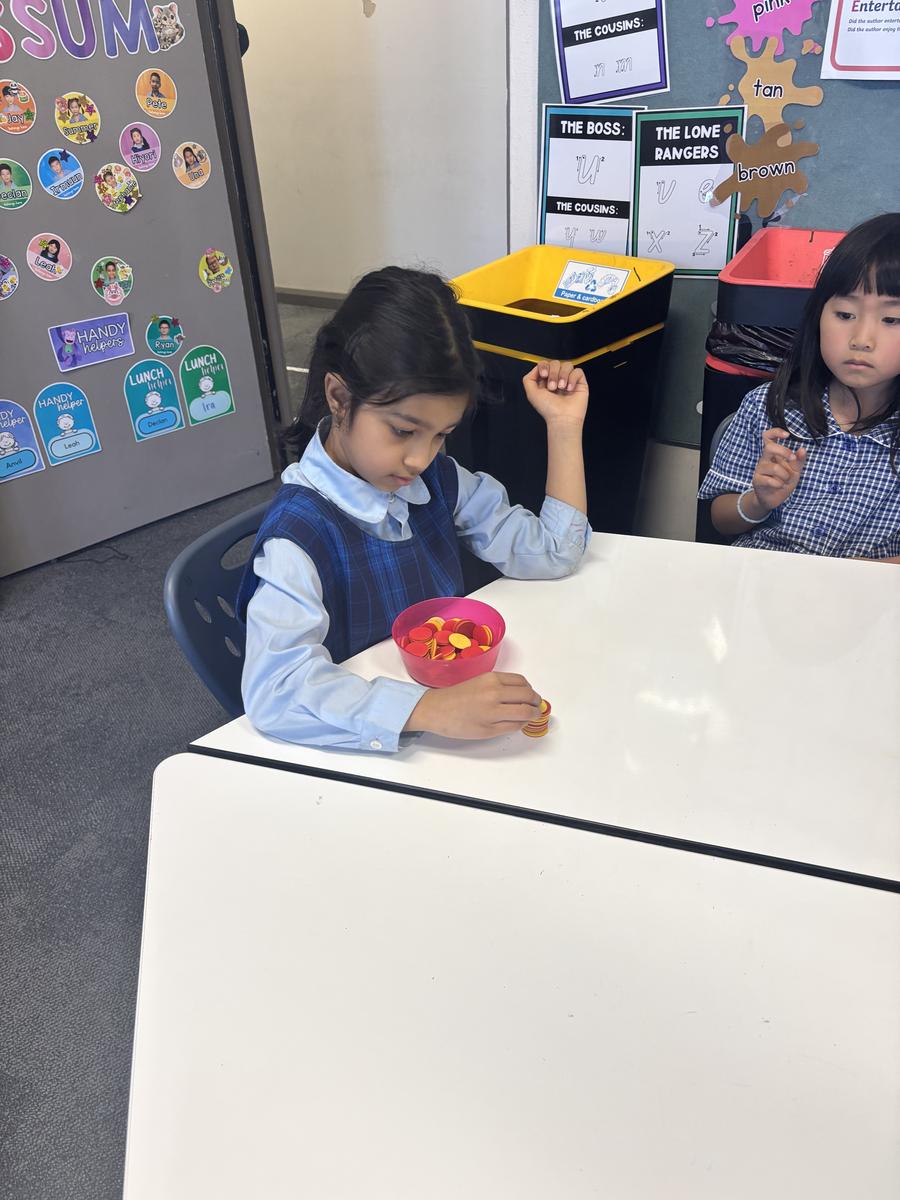
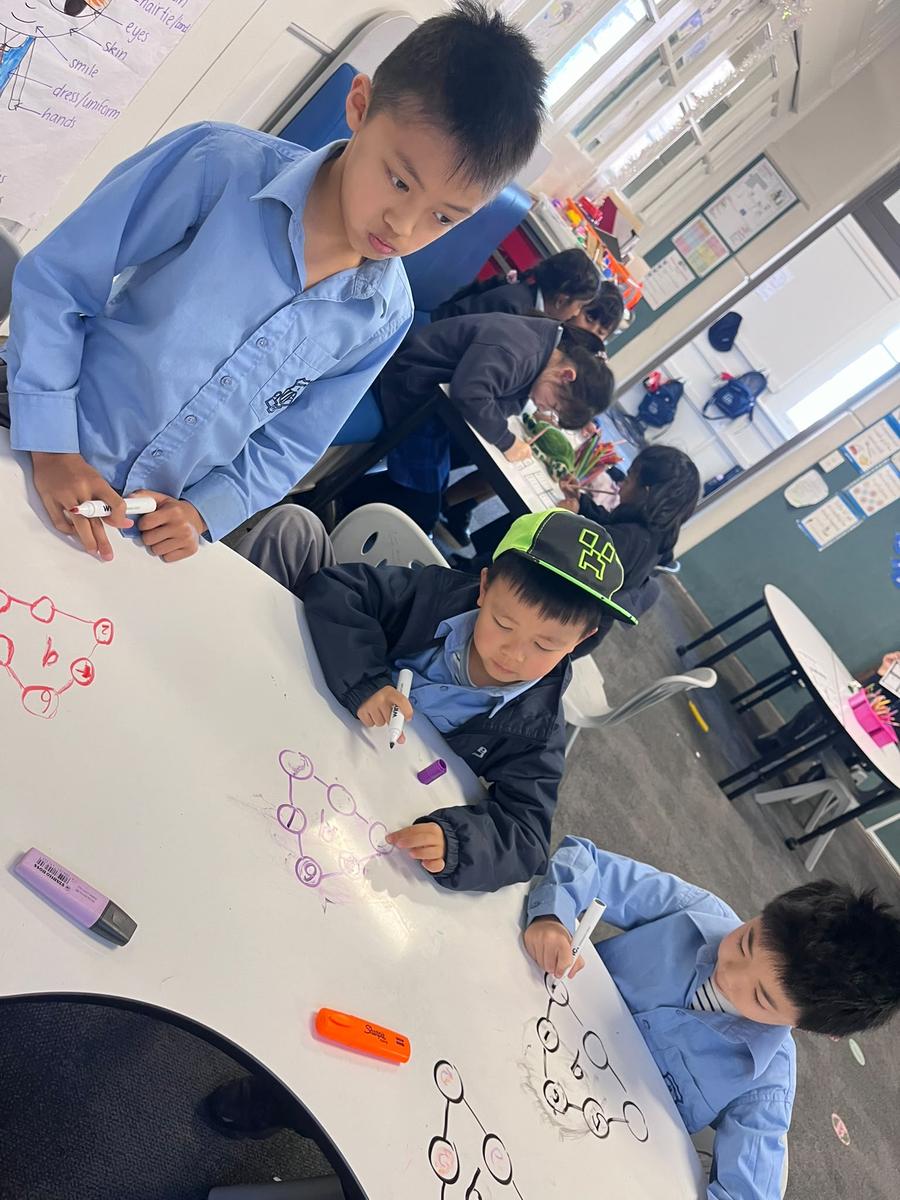
Weeks 7-9: Forming Groups and Two Dimensional Shapes and Area
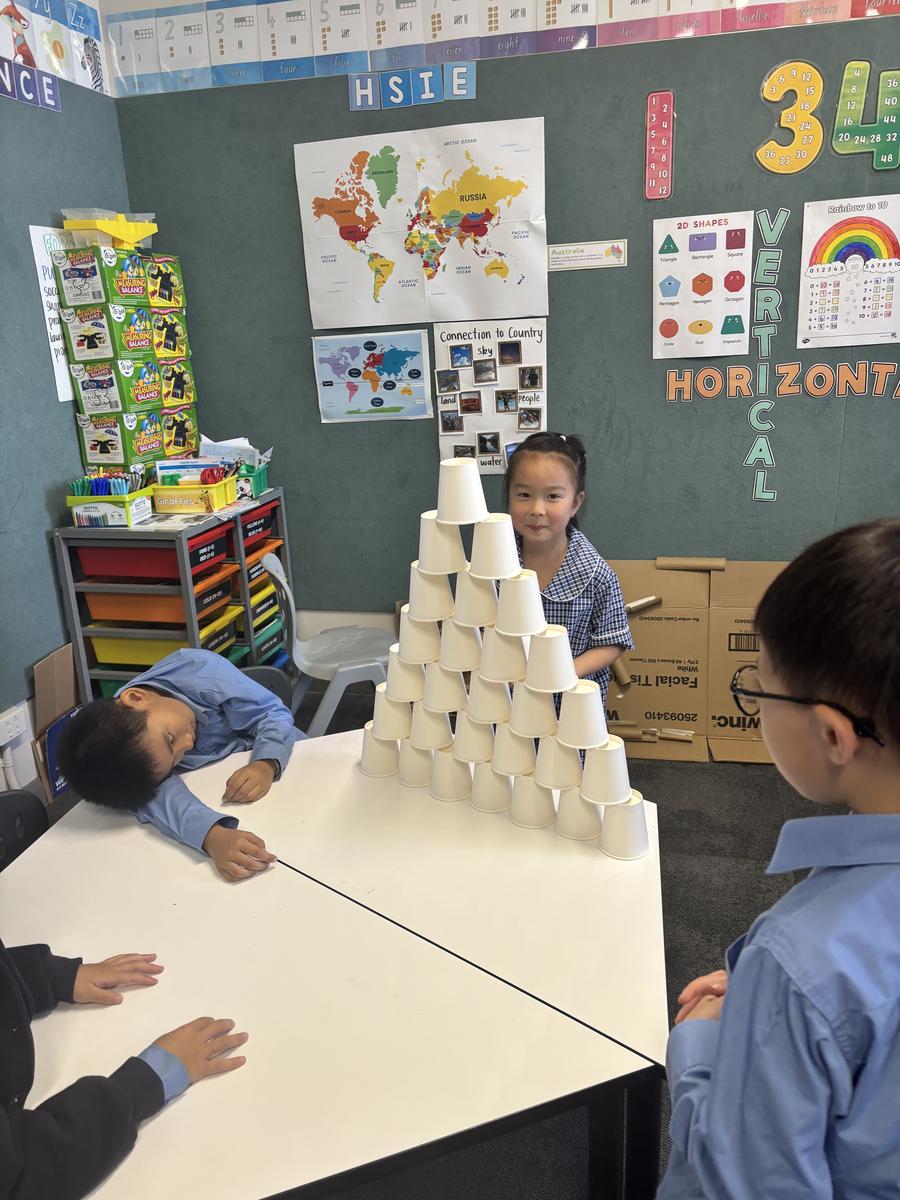
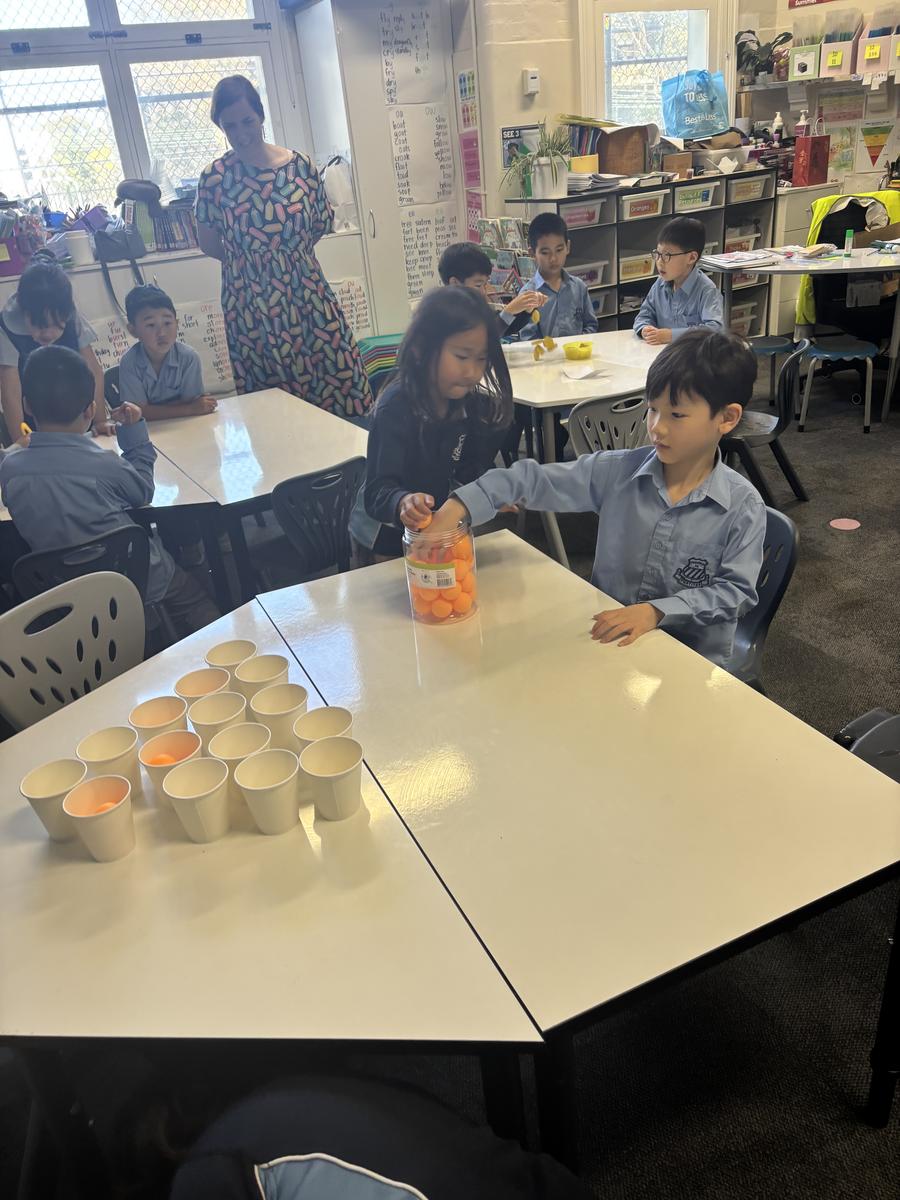
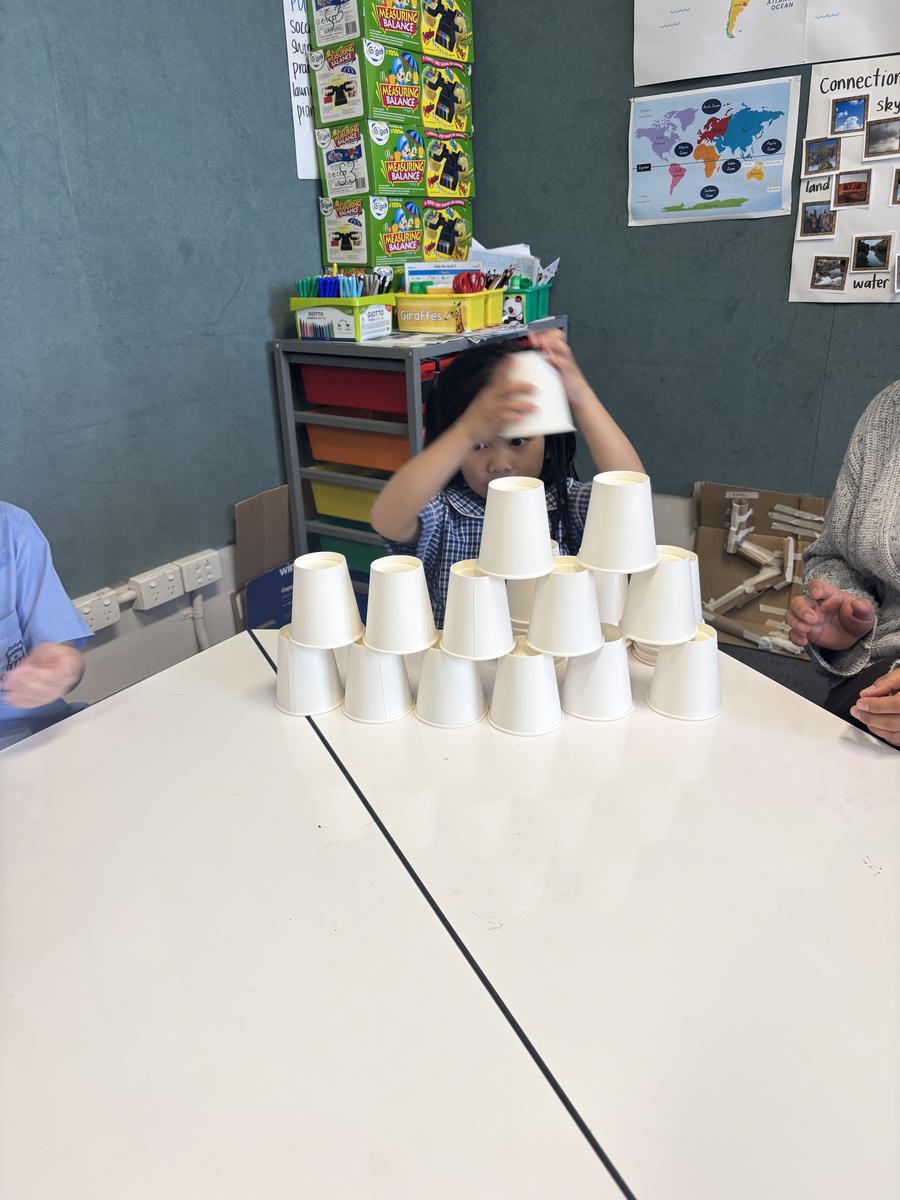
This cycle, Year 1 students will be learning about volume and how to measure and compare the internal capacities of different containers. They will use informal units, such as smaller containers, to see how many times these units can be filled and emptied into another container to measure its capacity. Students will practise selecting appropriate units for measuring, and will investigate how the size of the unit relates to the number of units needed. Through hands-on activities, students will compare containers of different shapes to discover that some may hold the same volume, even if they look different. They will also practise estimating how much a container holds and checking their estimates by measuring, building both their mathematical reasoning and practical measurement skills
.
This term in HSIE, Year 1 students will explore community connections by investigating how people are linked to places, groups, and communities across Australia. They will learn about important community roles, celebrations, symbols, and how people participate in their communities. The students will also explore the ways Aboriginal Peoples share and celebrate their cultures and histories. Through their learning, they will understand how helping others, caring for places, and taking part in community activities contribute to a shared sense of identity and belonging.
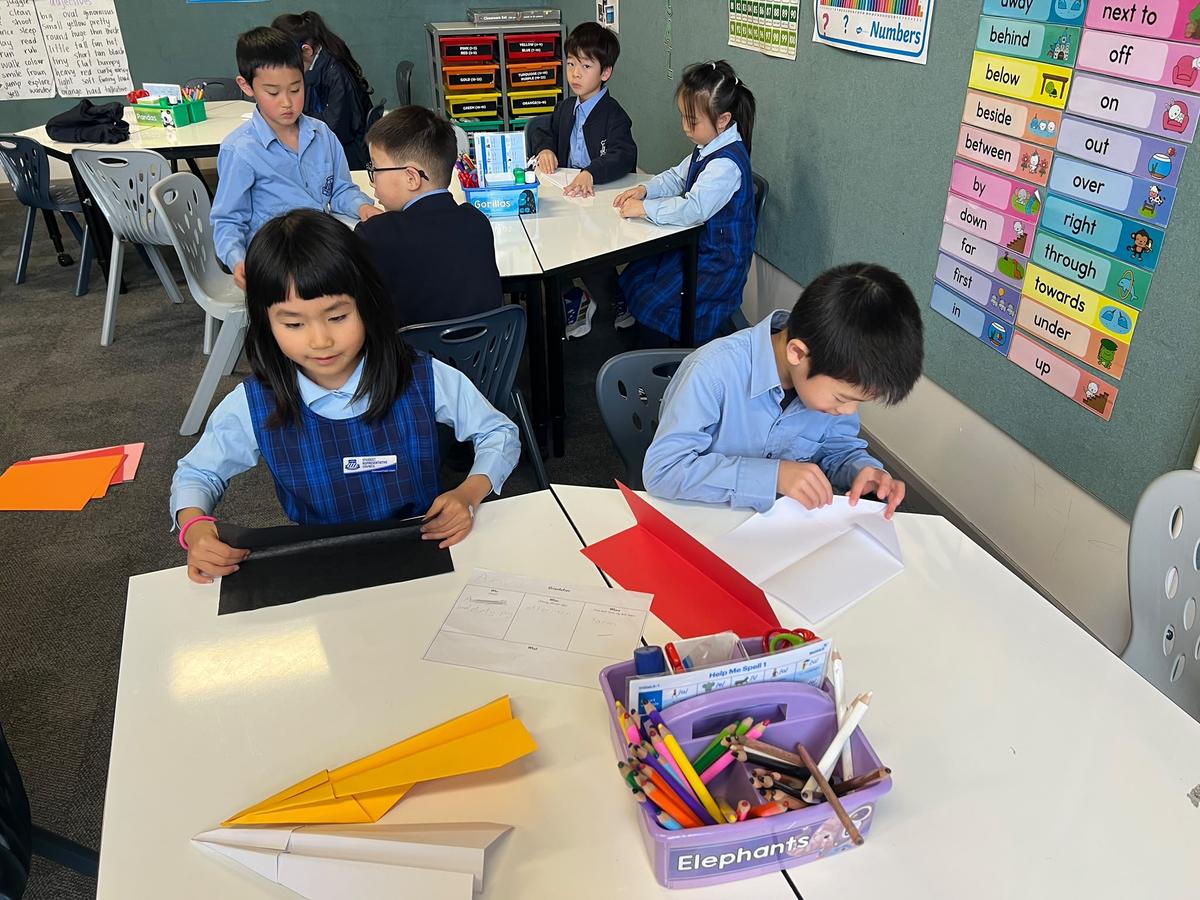
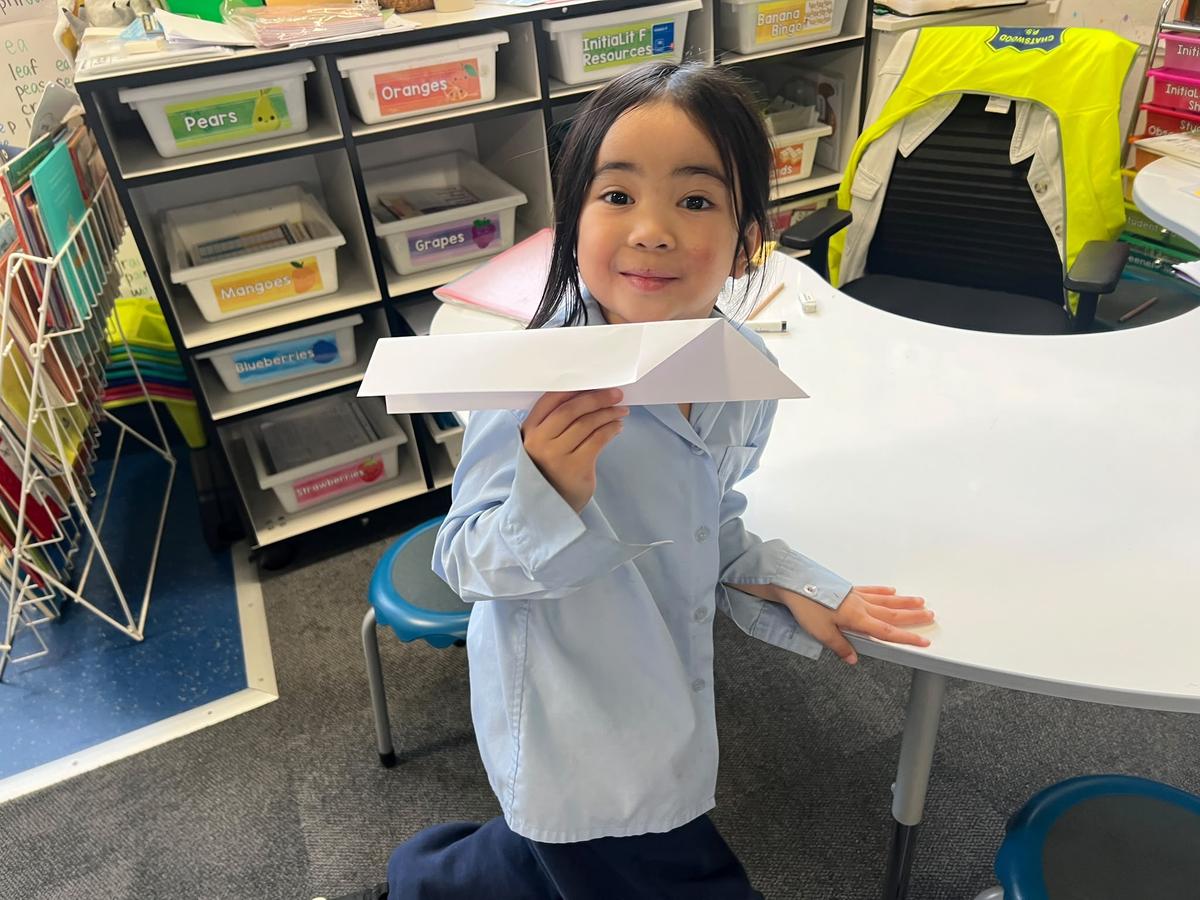
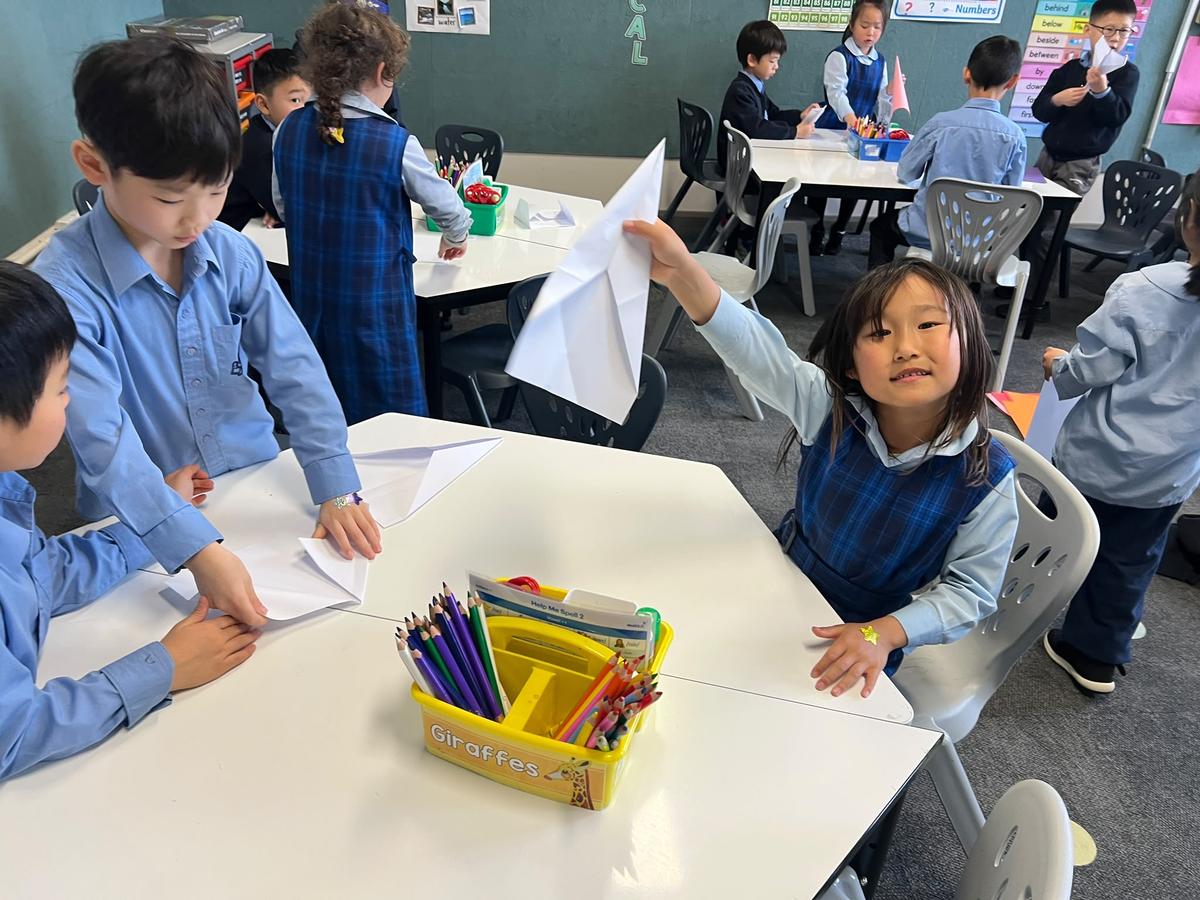
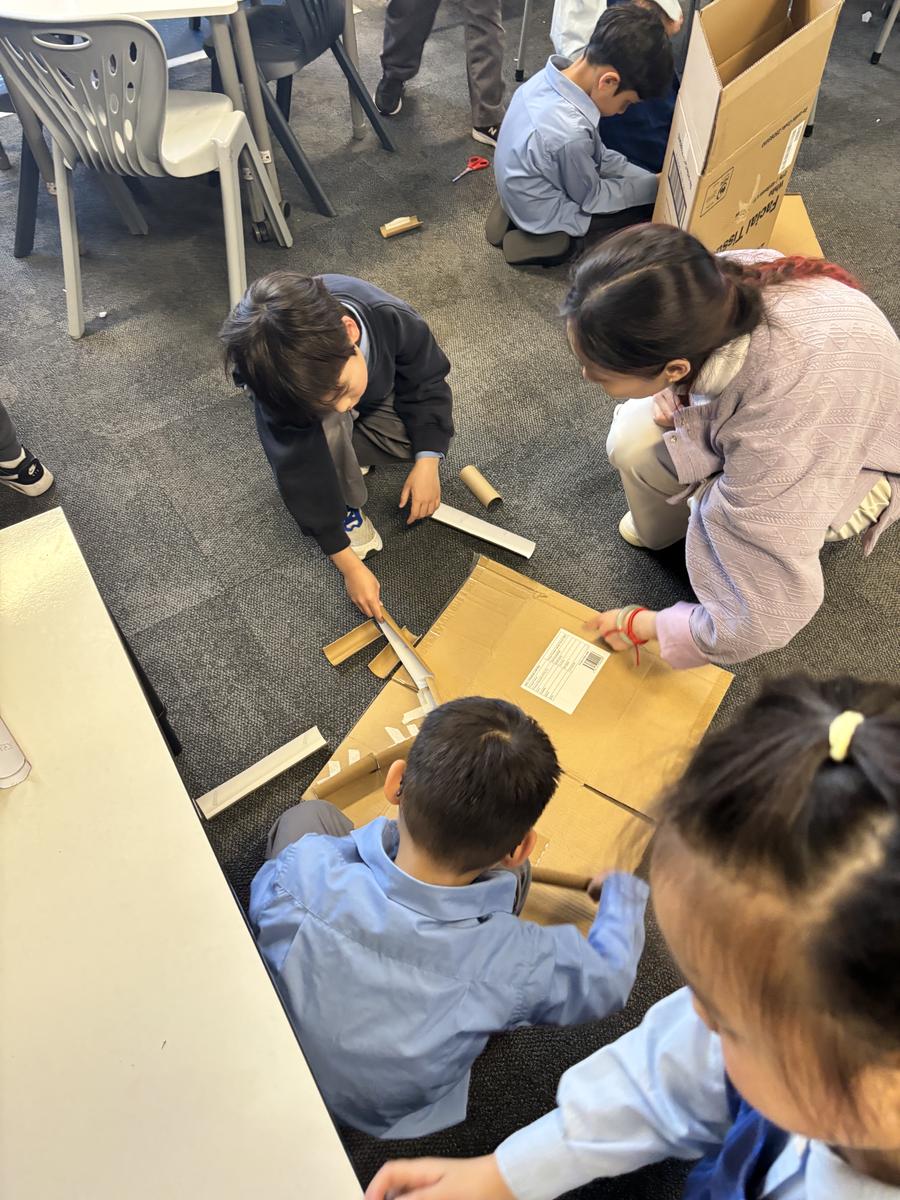
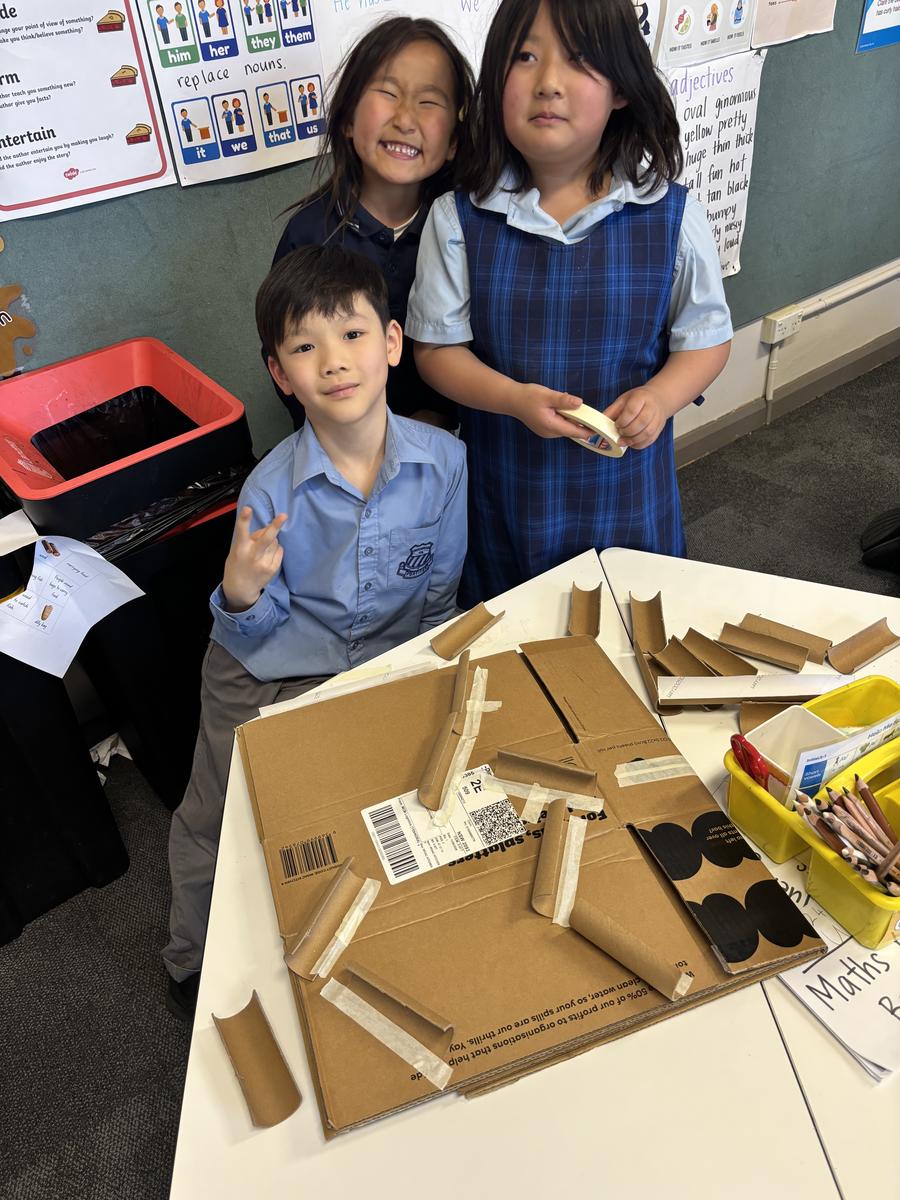
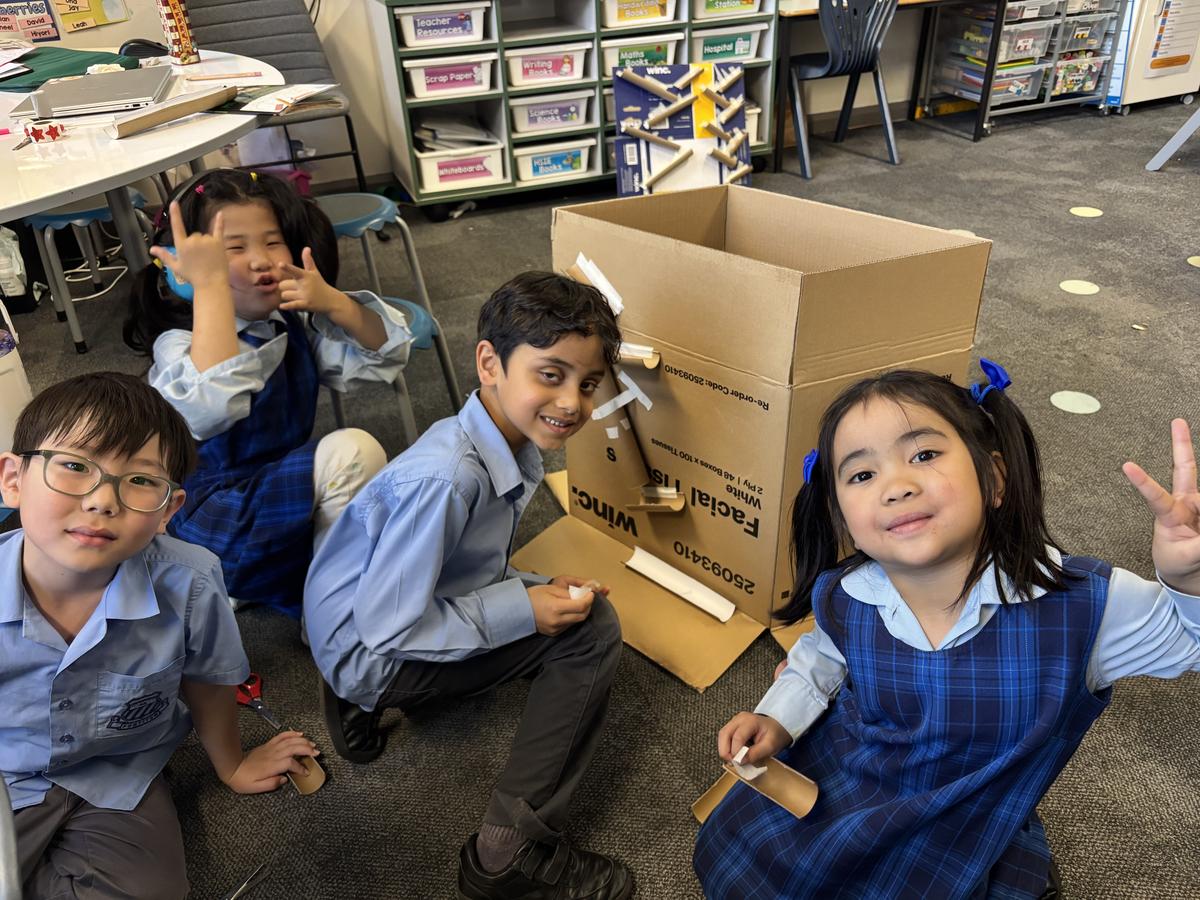
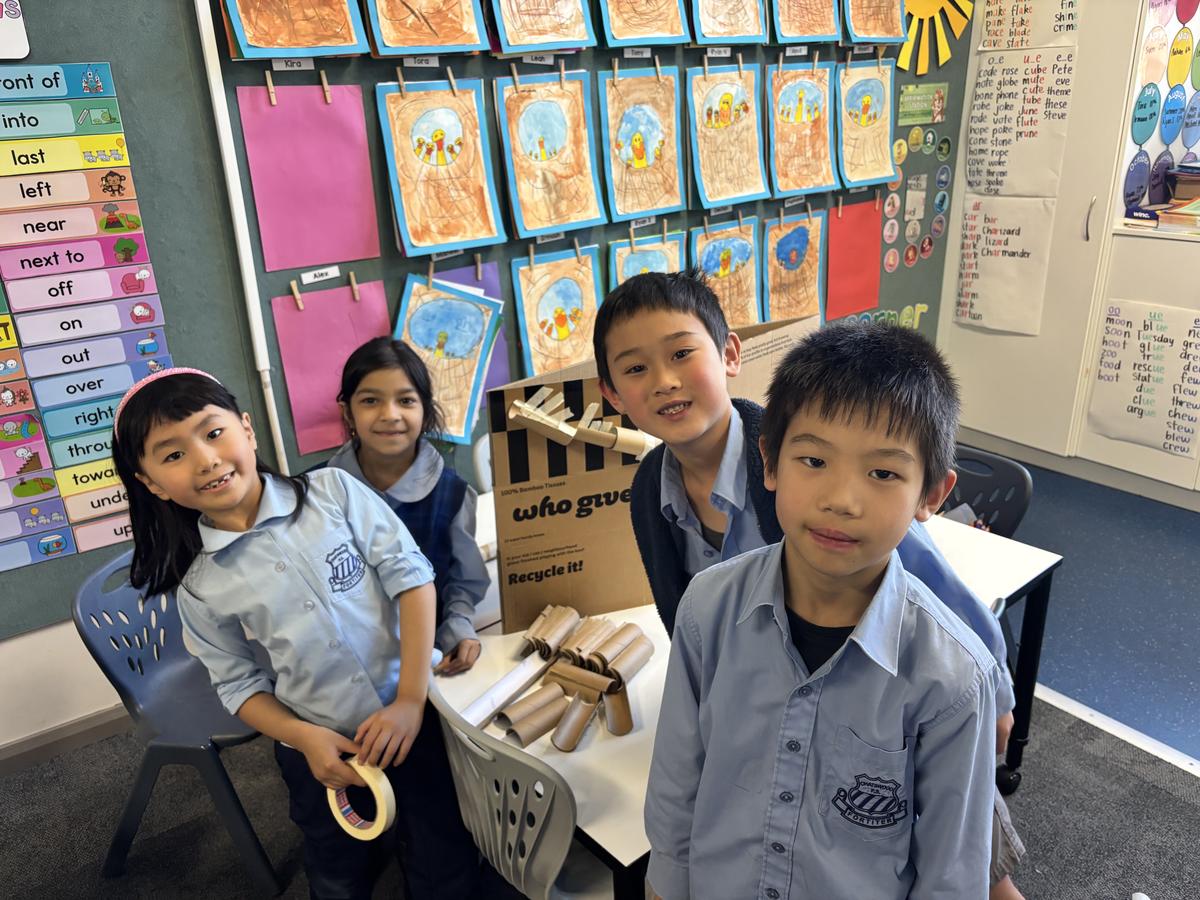
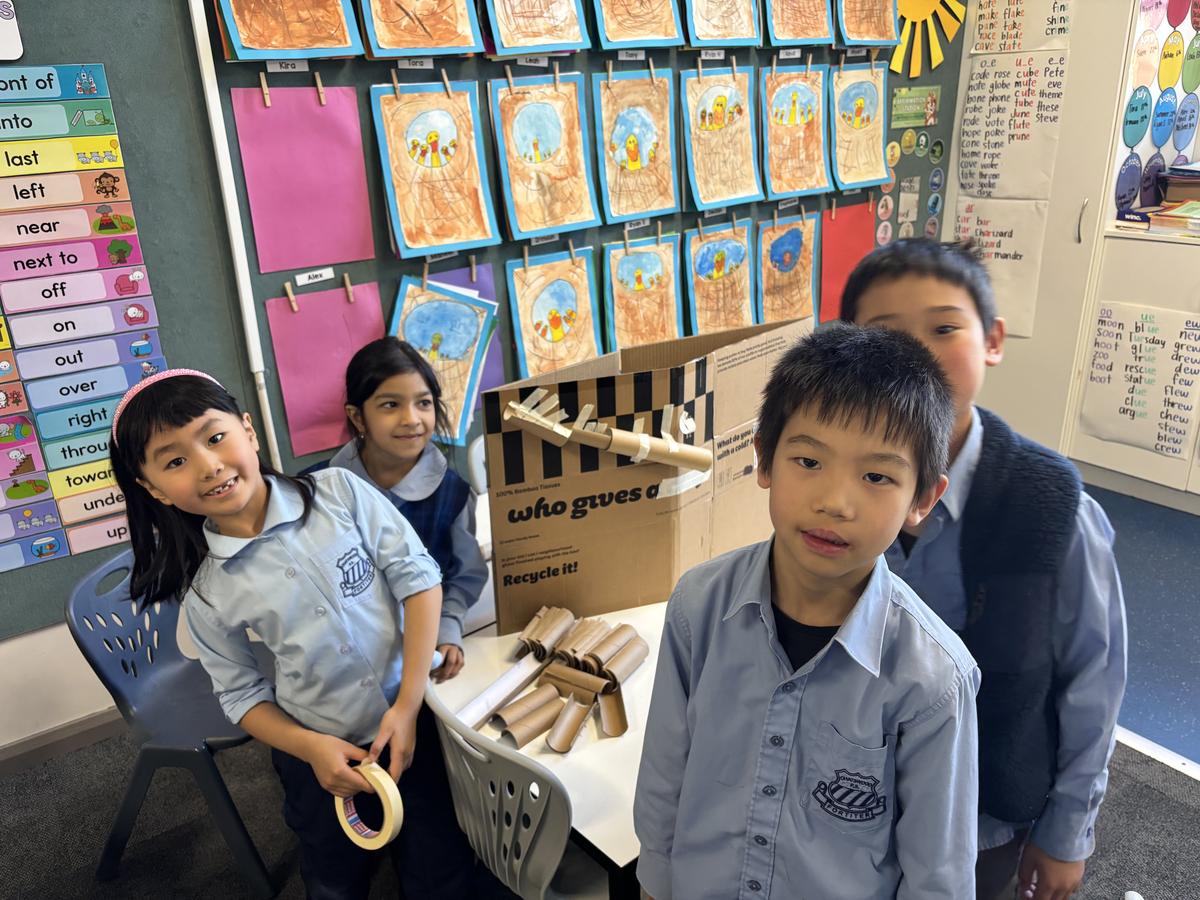
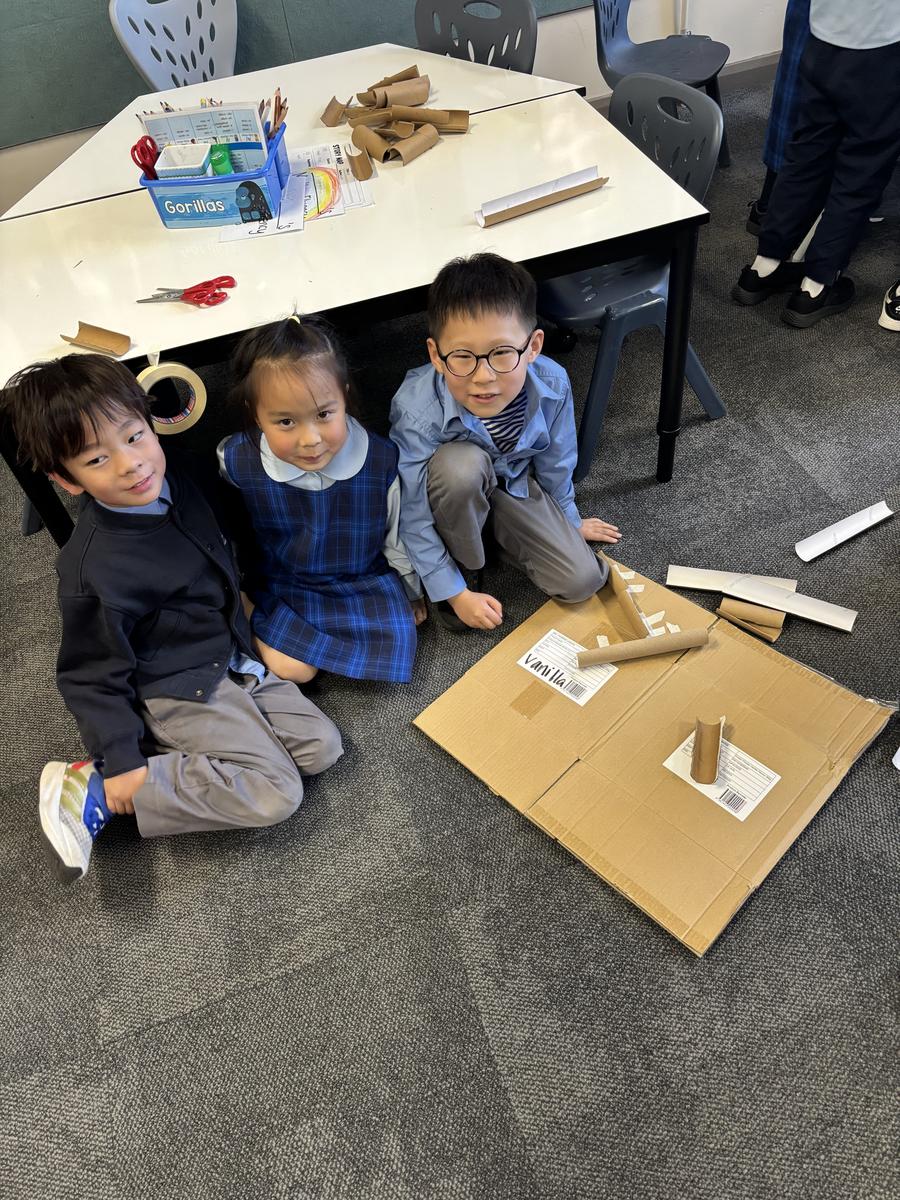
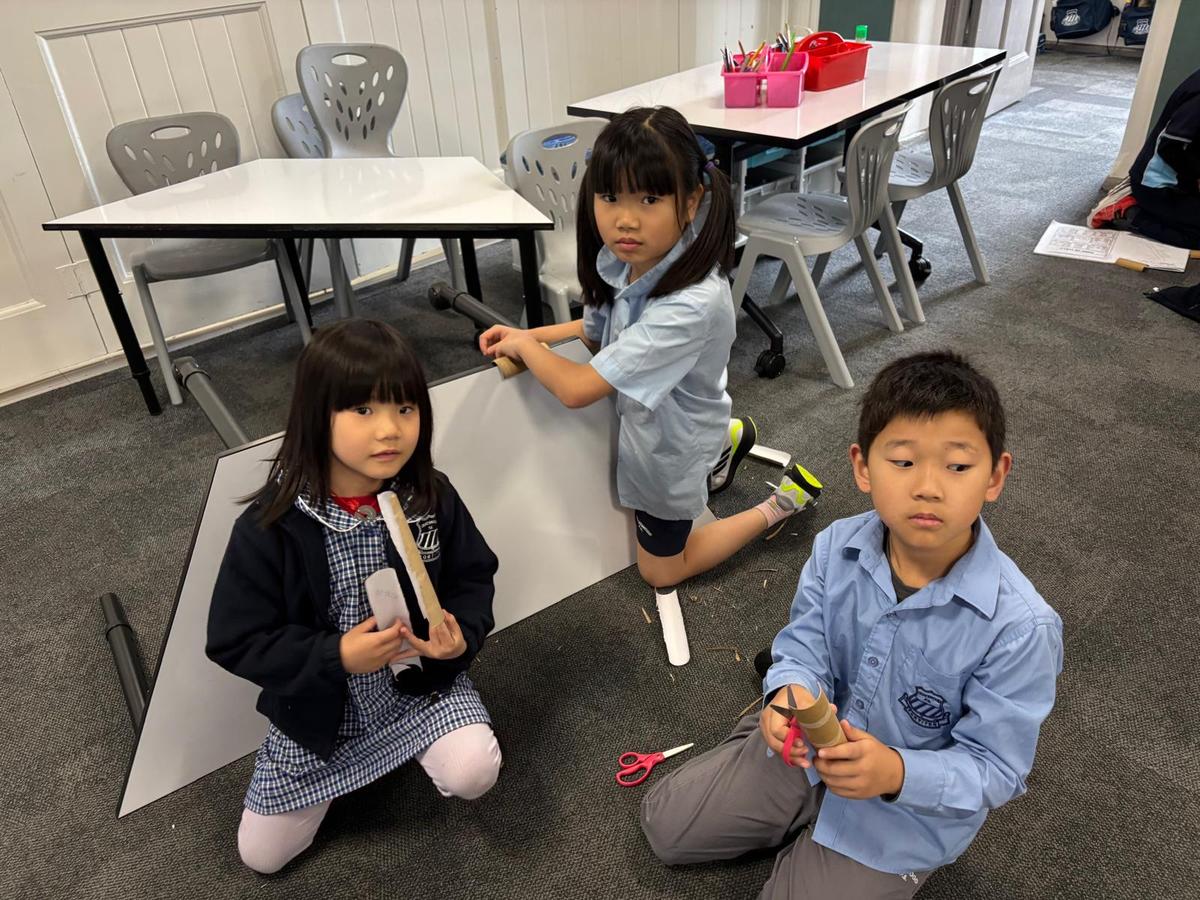
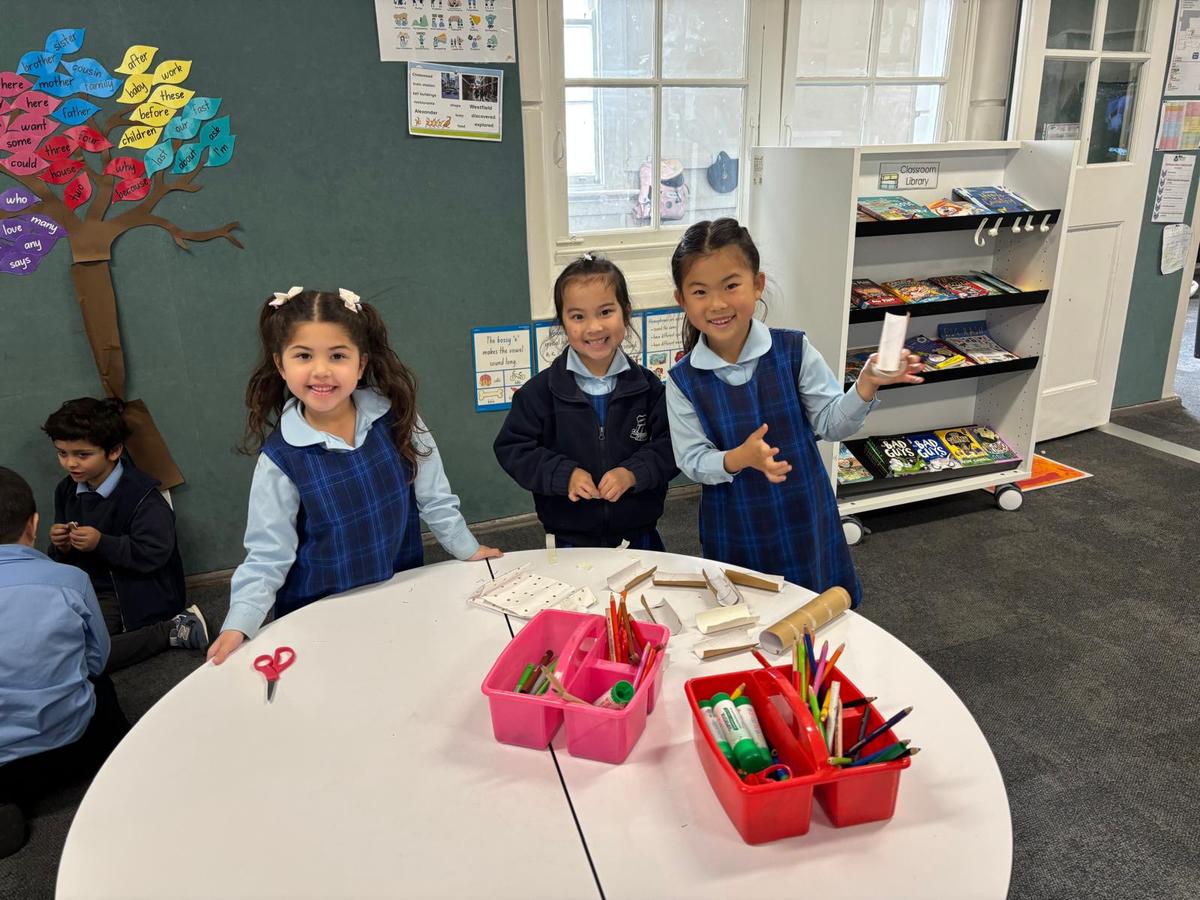
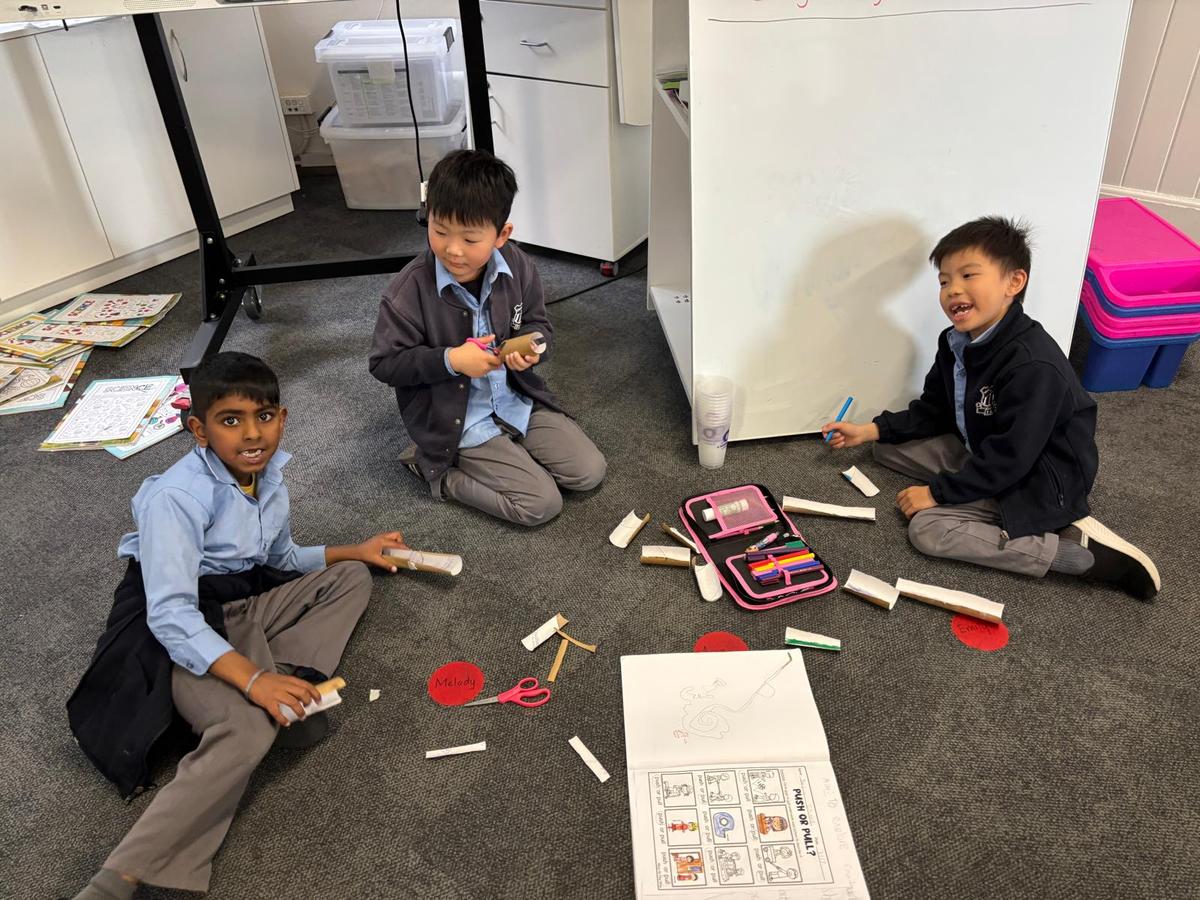
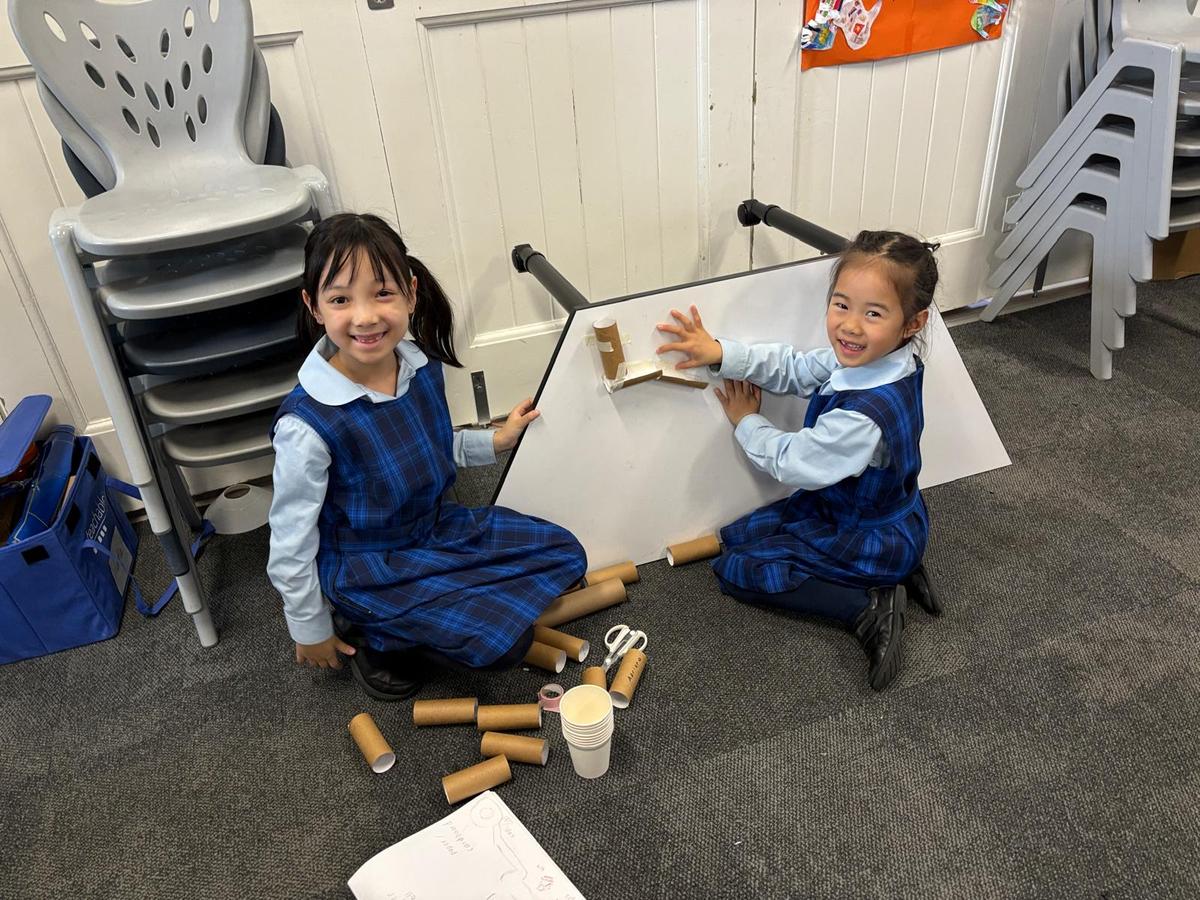
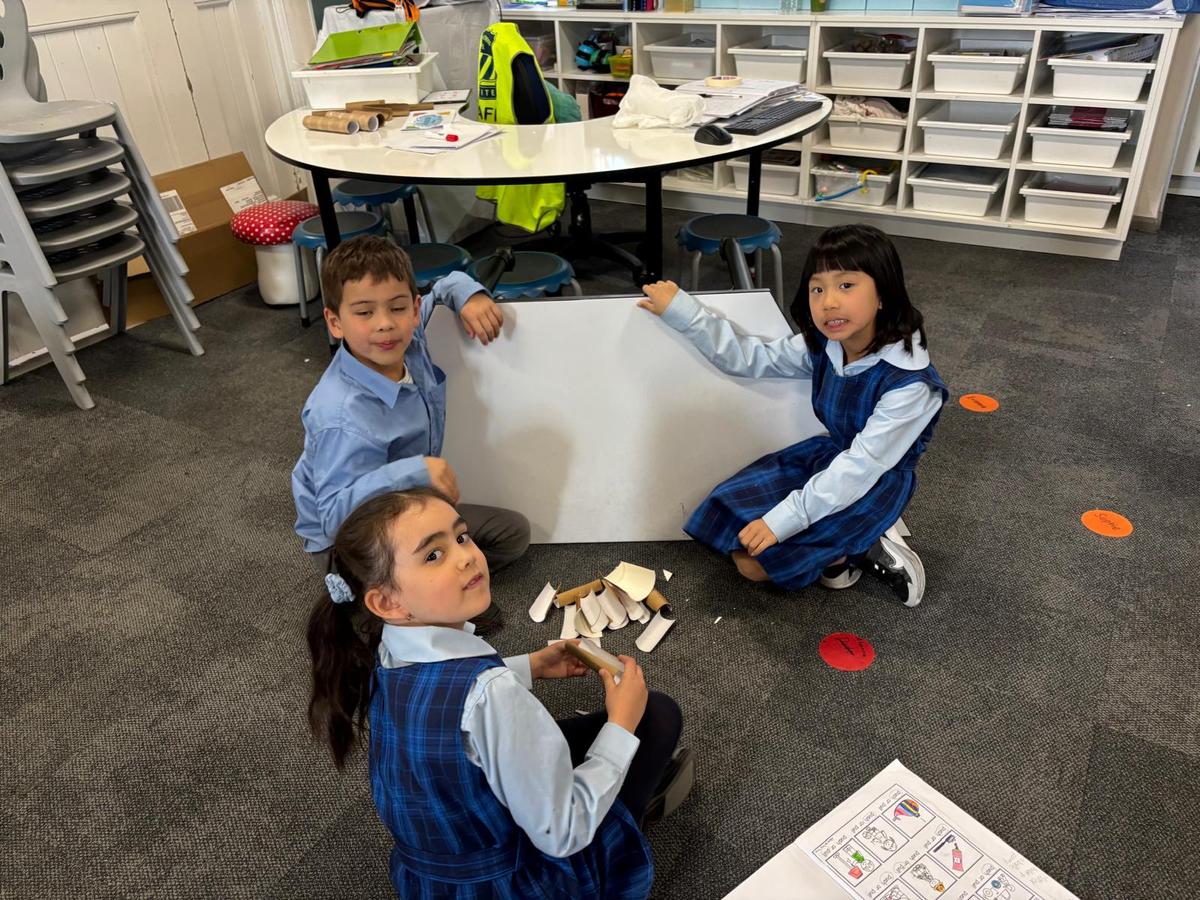
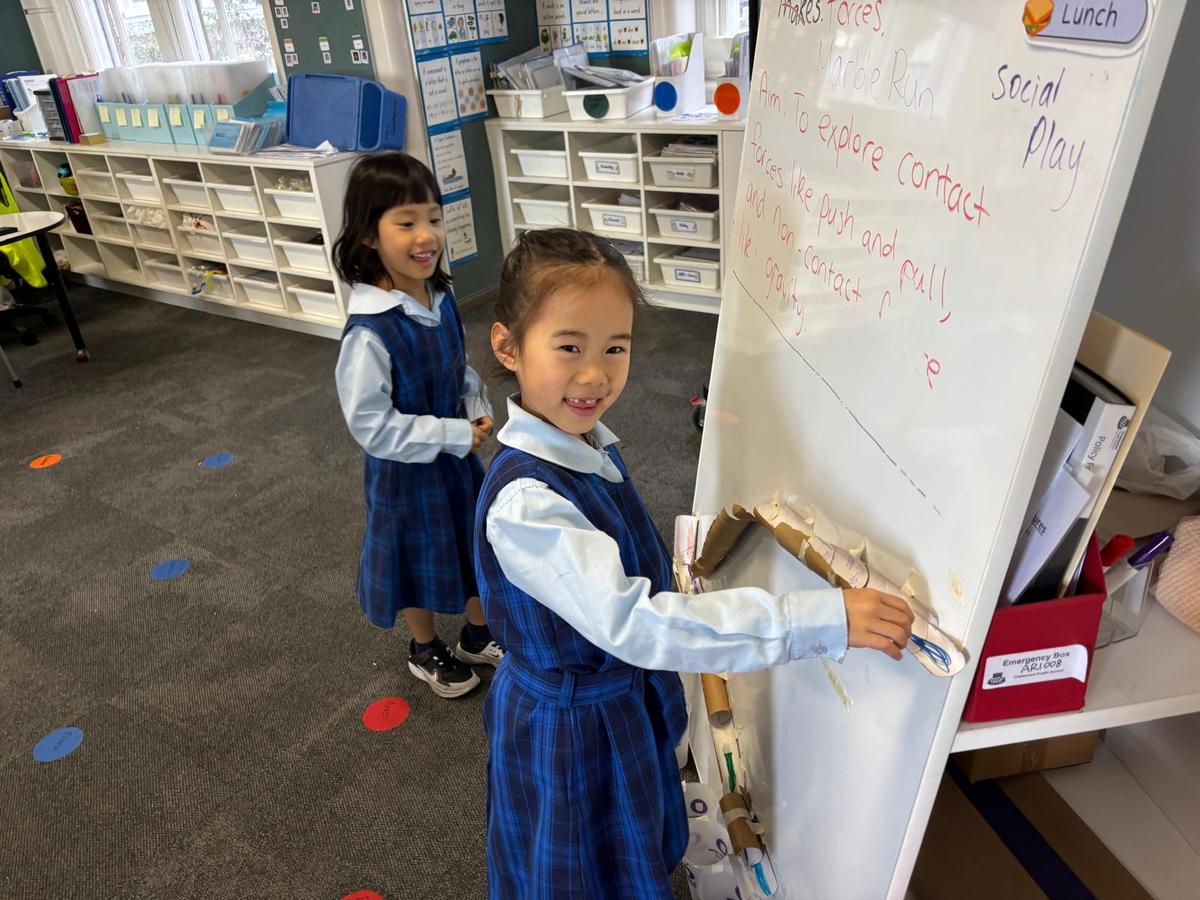
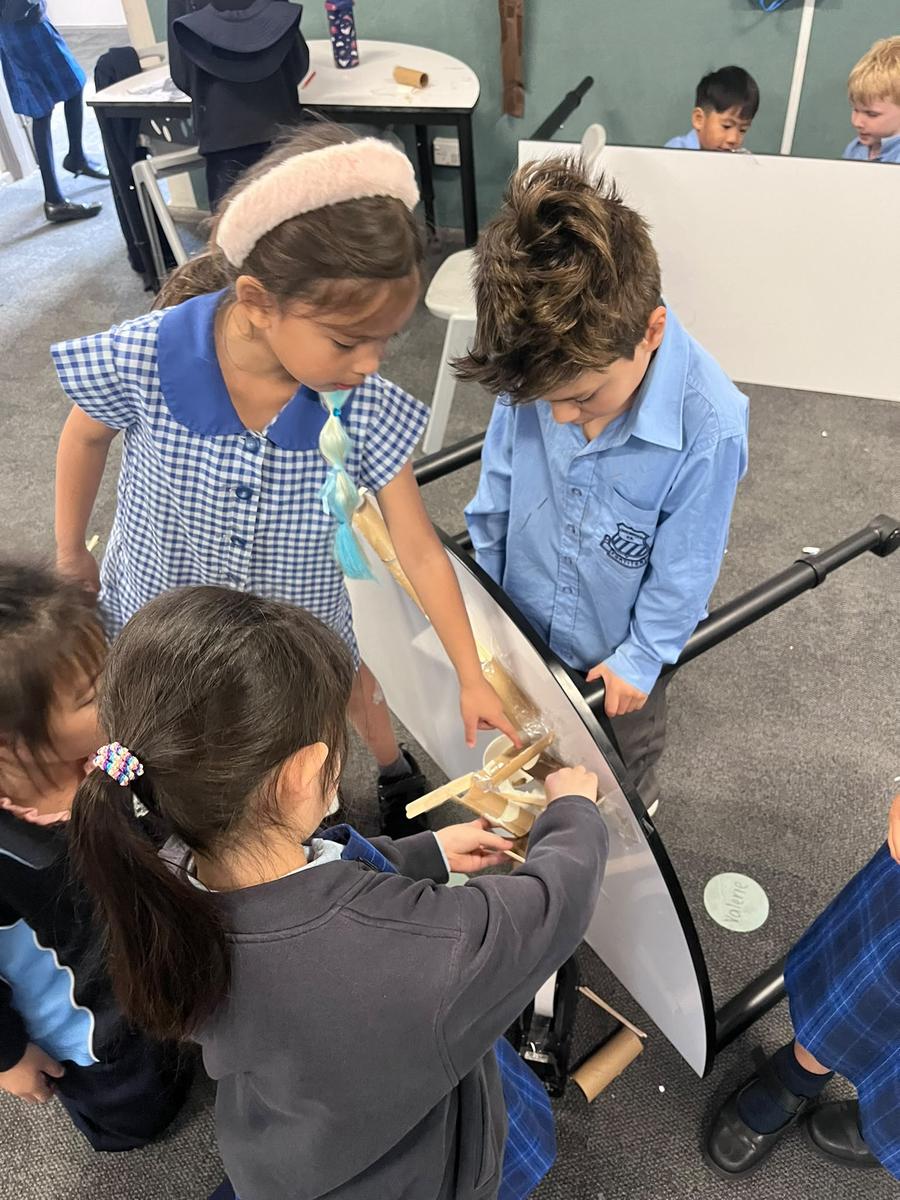
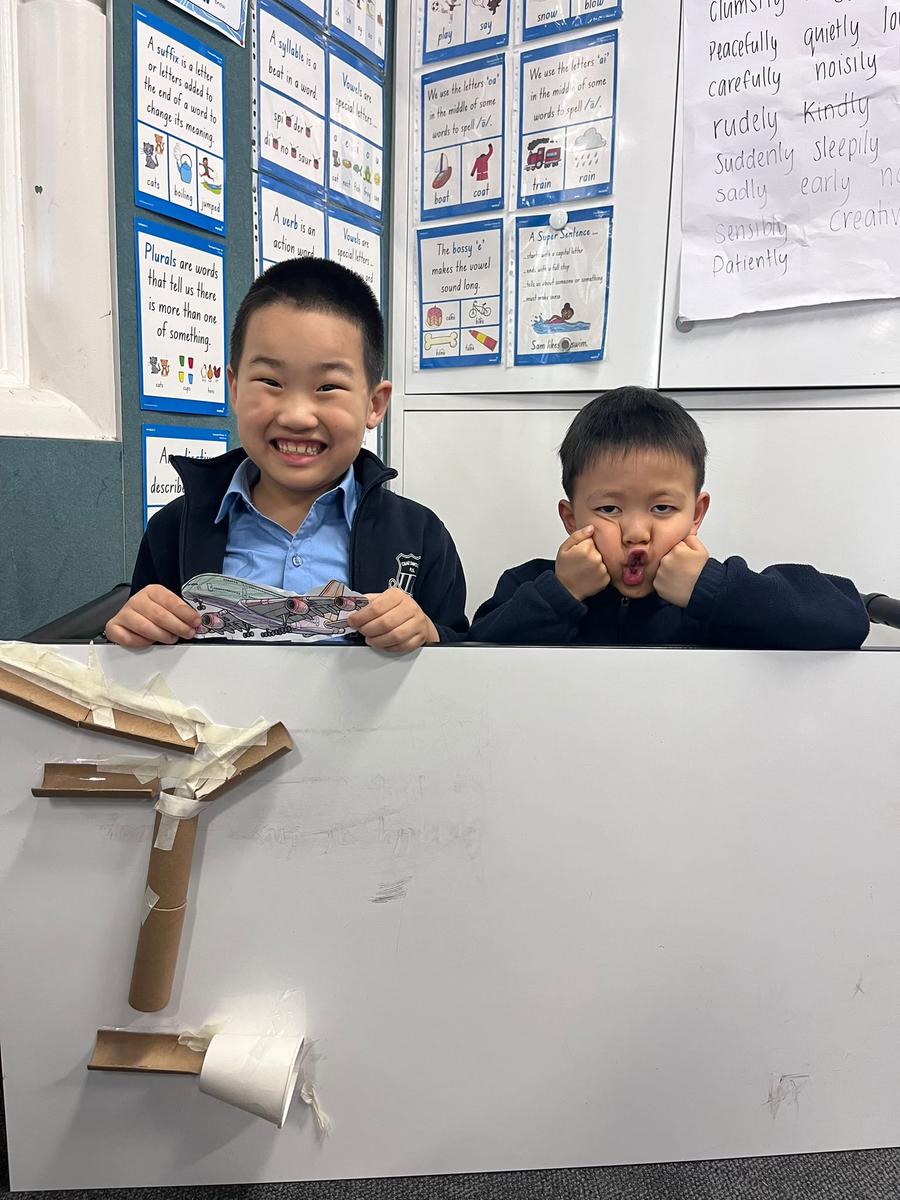
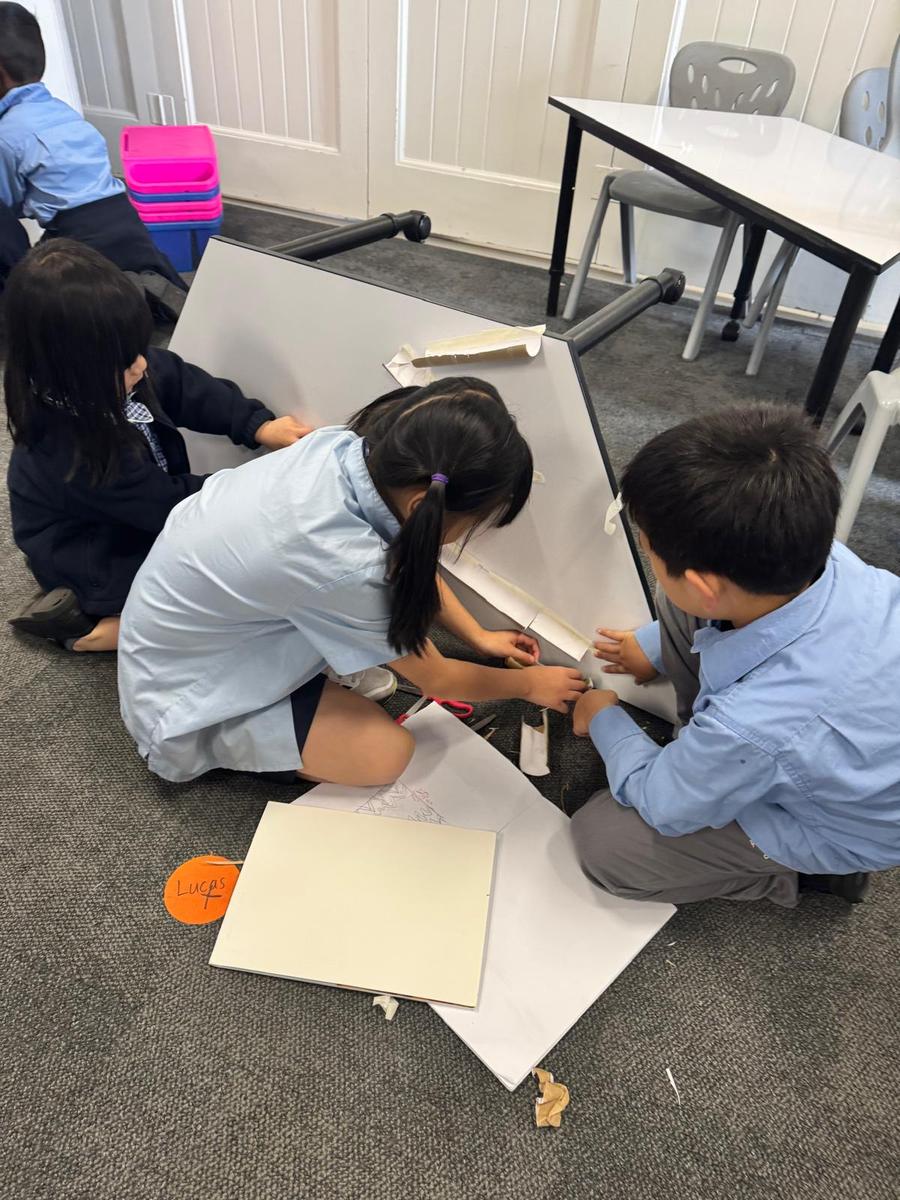
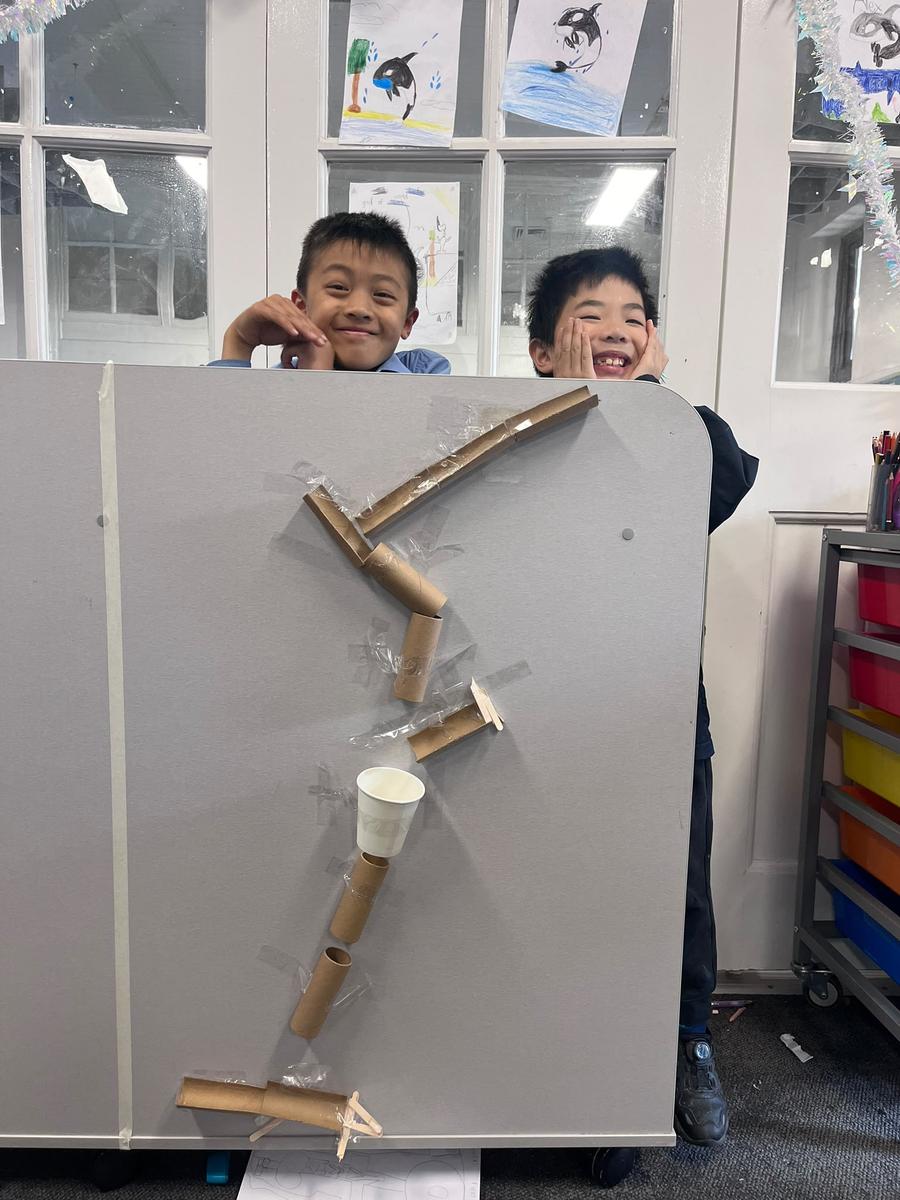
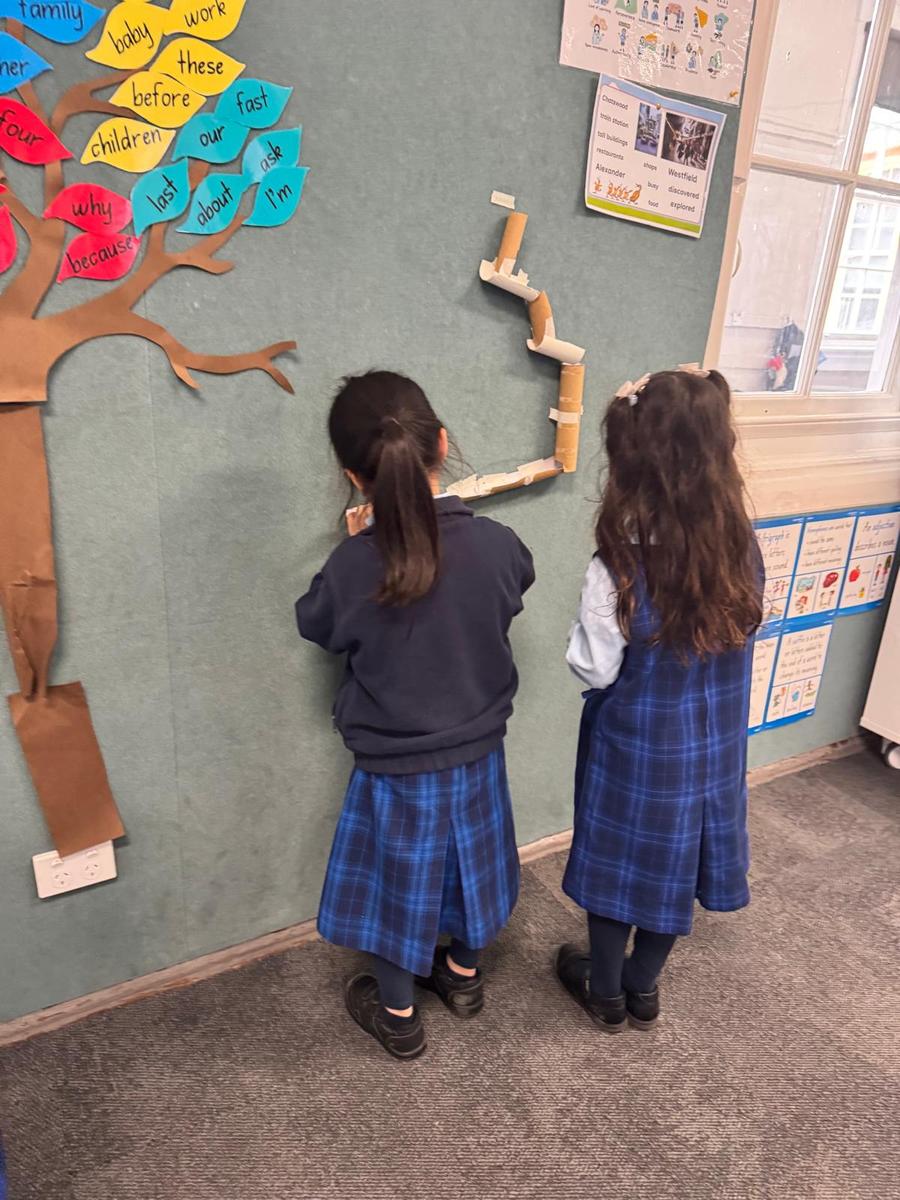
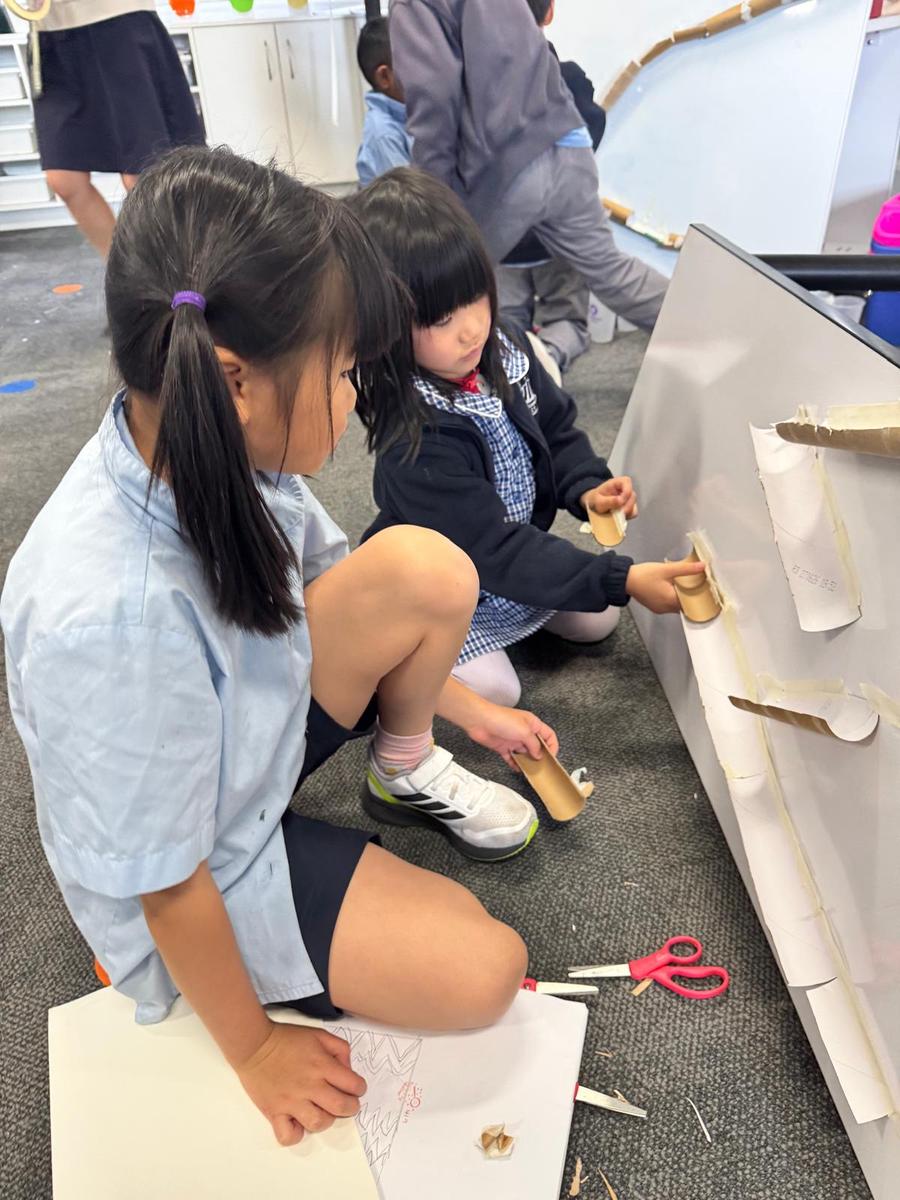
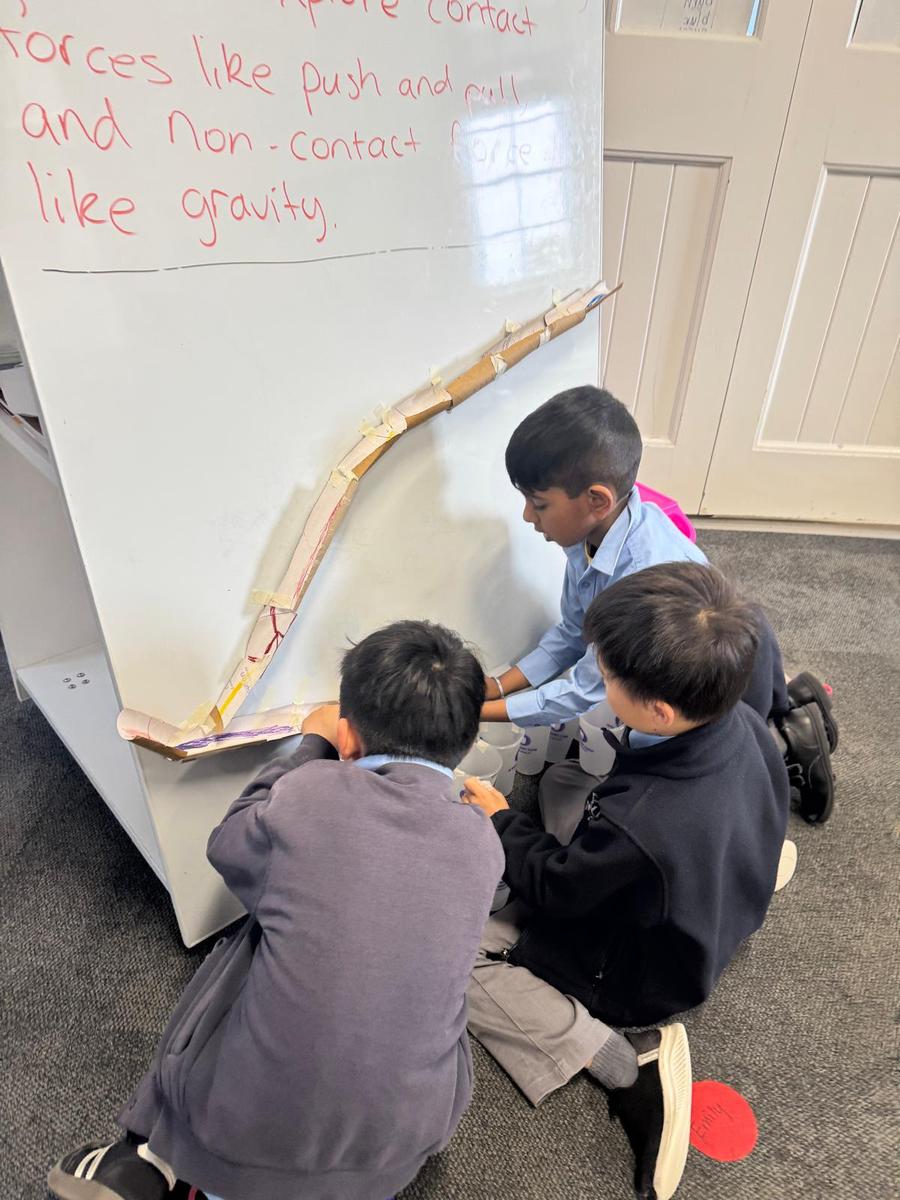
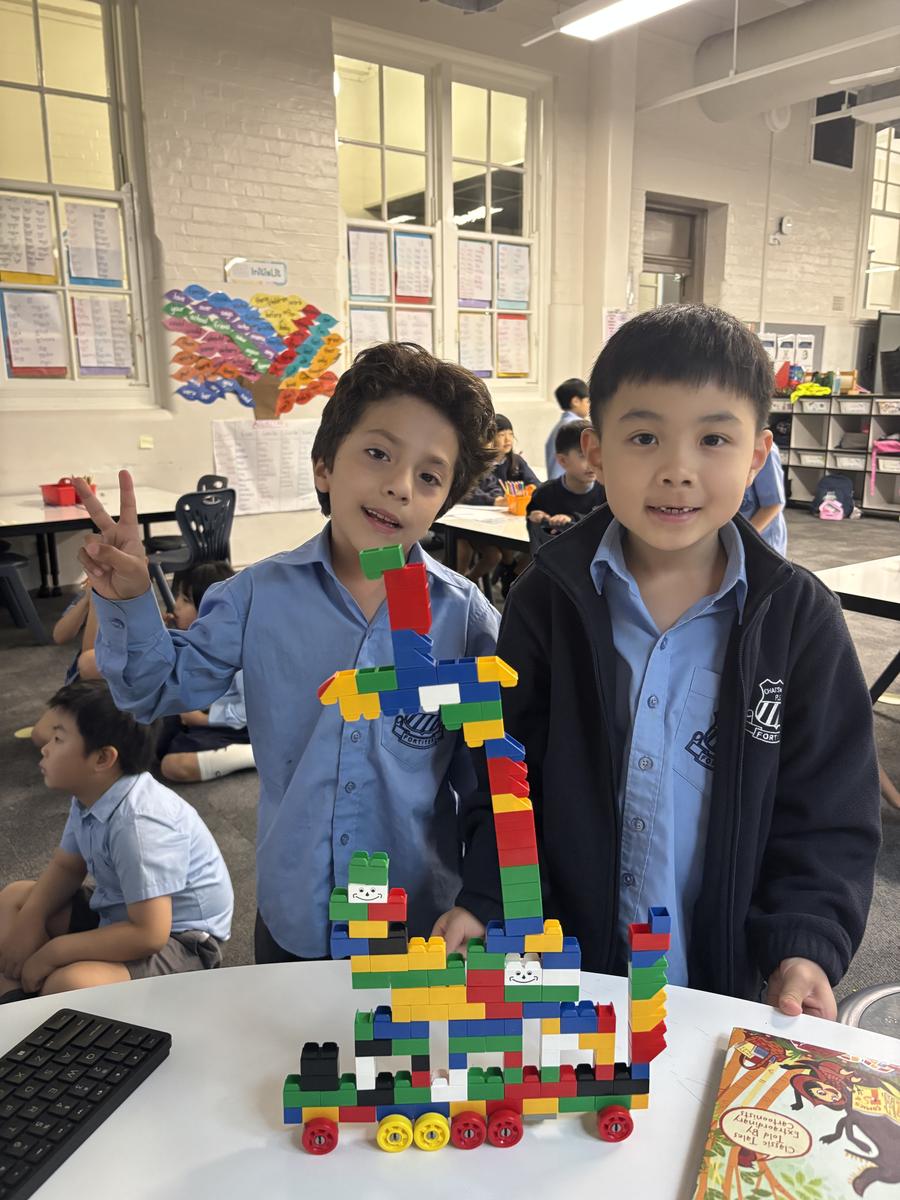
This term, Year 1 students will explore the material world by learning how the properties of different materials determine their uses. They will engage in scientific inquiry by observing, questioning, and collecting data to share and compare ideas. In design and production activities, students will use various materials, tools, and equipment to develop practical solutions to real needs. Additionally, students will investigate geographical concepts such as place, environment, interconnection, and sustainability. They will develop skills in acquiring and communicating geographical information using maps, graphs, and other tools. As part of their learning, students will participate in fieldwork at a local natural environment to deepen their understanding of the world around them.

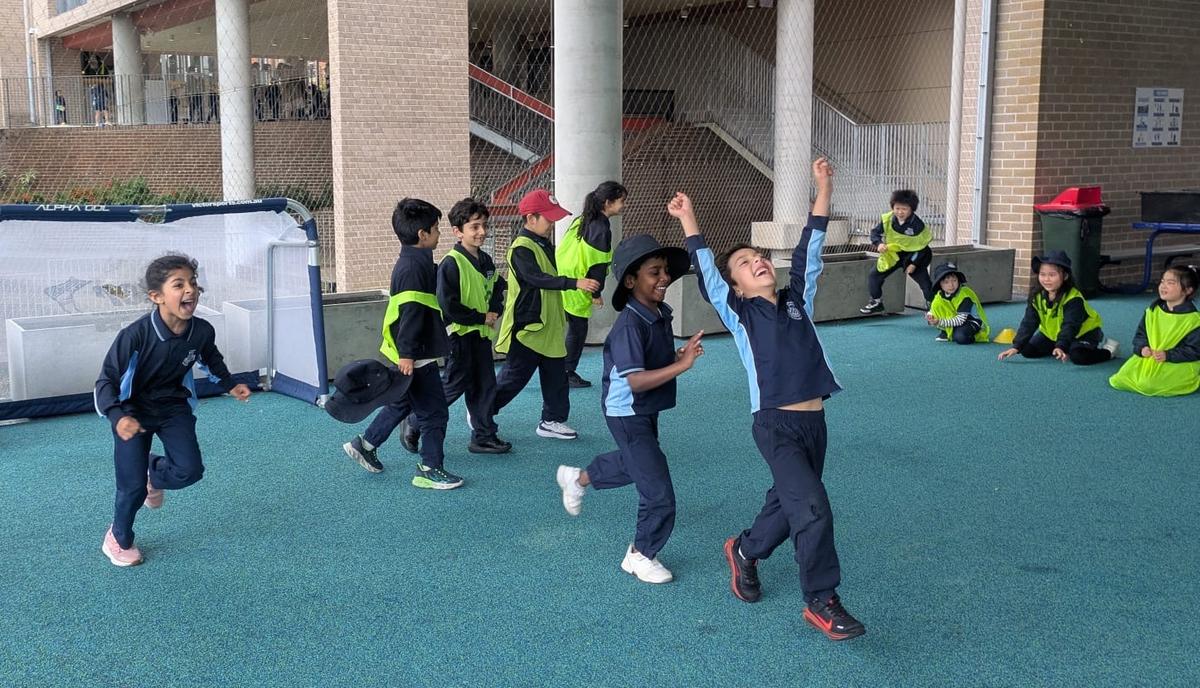
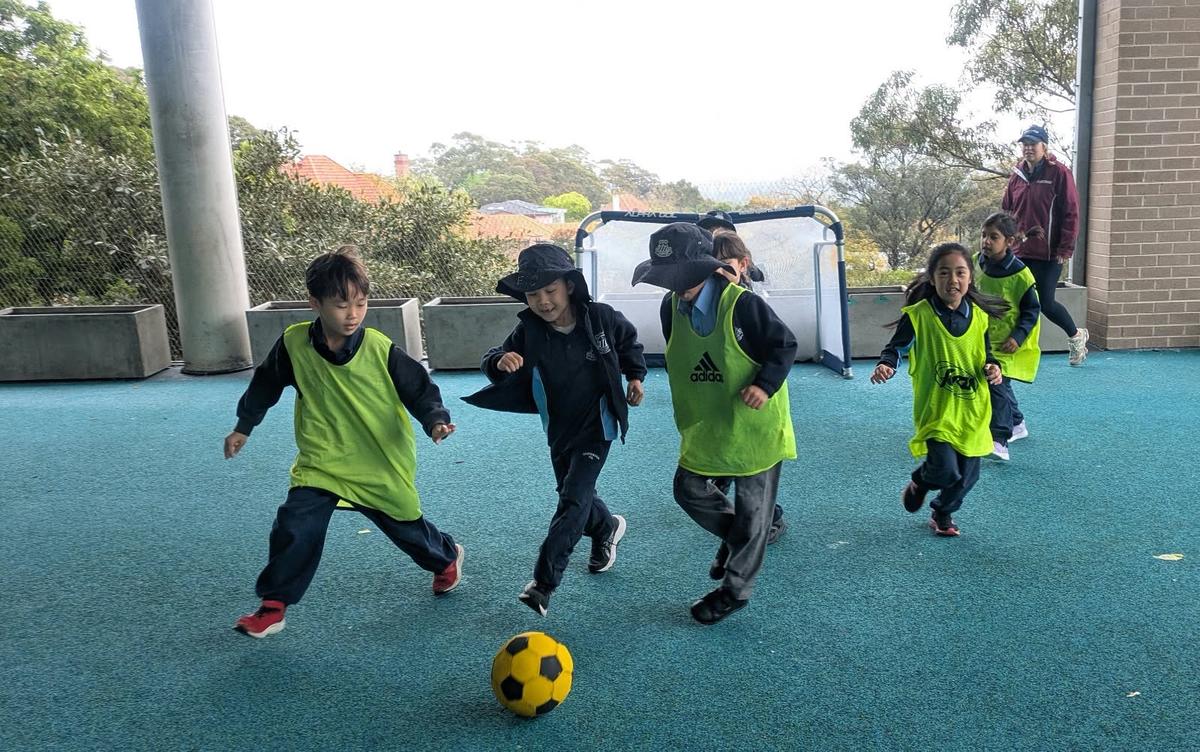
This term, Year 1 students will learn how to keep themselves and others healthy, safe, and active. They will explore personal hygiene habits, the importance of rest, healthy eating—including Indigenous bush tucker—and how their choices affect wellbeing. Students will also develop skills to make positive health decisions by understanding influences on their choices and health messages. In PE, students will participate in gymnastics activities through the Sportspro program, focusing on balance, control, coordination, and creating simple movement sequences. They will also develop dodging, leaping, and striking skills in fun games that encourage active participation. Throughout, students will build self-management skills by learning to seek and respond to feedback, fostering teamwork,
confidence, and enjoyment.
Students will learn one of the following areas of Creative and Performing Arts each term.




Drama
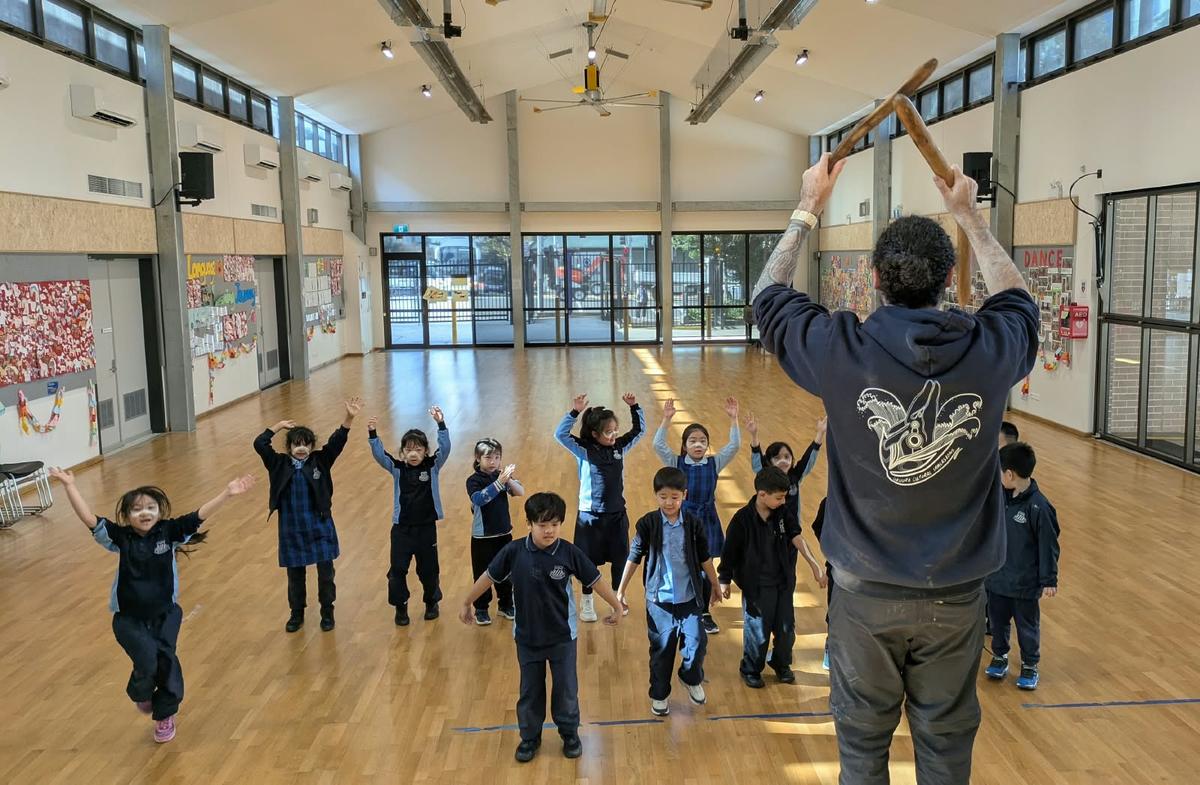
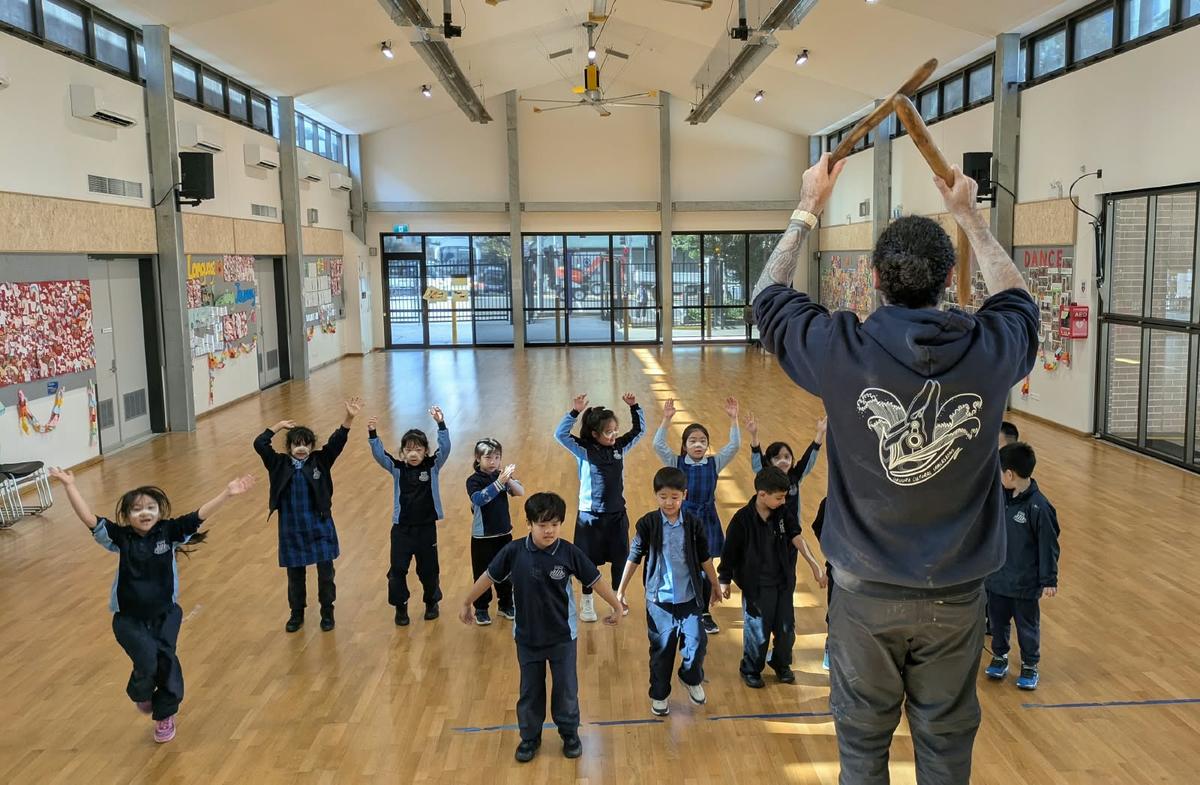
In Stage 1 drama, students use their imagination to create and perform characters, stories, and situations through play, improvisation, and storytelling. They work collaboratively to explore roles, interact with others, and use performance spaces creatively, while practicing safe drama techniques. Children also learn to reflect on their experiences and discuss how drama communicates ideas and feelings. Additionally, they explore diverse cultural stories, including Aboriginal and Torres Strait Islander performances, to deepen their understanding of connection to Country and Place.
Visual Arts
In Stage 1 Visual Arts, students create artworks that represent their world using a variety of materials and techniques, including drawing, painting, and digital tools. They explore colour, shapes, patterns, and textures to express ideas in realistic, imaginative, or expressive ways while learning about safe art practices. Children also learn about the meanings of signs and symbols in Aboriginal and Torres Strait Islander artworks and how artists from different cultures express their connection to place. They discuss and reflect on their own and others’ artworks, and have opportunities to display their creations to share their ideas with an audience.
Dance
Stage 1 Dance students will be introduced to fundamental movement skills such as balance, coordination, and spatial awareness. Lessons will involve exploring basic body actions like stretching, bending, jumping, and turning through fun and imaginative dance activities. They will learn to follow simple dance sequences and use movement to express emotions and tell stories. Emphasis will be on listening to music and responding to rhythm and tempo with appropriate movement.
Music
Stage 1 Music students will focus on recognising and maintaining a steady beat using clapping, tapping, and playing simple percussion instruments. They will explore high and low sounds, loud and soft dynamics, and fast and slow tempos. Singing simple songs and learning call-and-response patterns will help develop listening skills and pitch matching. Basic notation concepts, such as rhythmic pattern,s may be introduced through games and visual supports.
Mandarin
In Term 4, students in Stage 1 will explore places of importance in China and compare famous landmarks in both Australia and China. They will learn about how to name those places and the history behind each place. Students will participate in craft and play-based activities during Mandarin lesson time to practice how to introduce the places in Mandarin. Students with prior knowledge will learn to create longer sentences describing the selected places in Chinese characters.
Korean
In Term 4, Stage 1 students will learn about sports and recreational activities in Korean. They will identify different types of sports and describe their favourite sports. Students will also learn about traditional Korean pastimes and folk tales.
As part of our Korean Bilingual CLIL program, students will learn Science through both Korean and English. Our Science focus will be Material World, where students will investigate how the properties of different materials, such as strength, flexibility, texture and waterproofness, determine how they are used. Through hands-on investigations, students will observe, compare and test materials while developing their scientific knowledge and Korean language skills.
Students may borrow up to two books a week in Stage 1 and can borrow from junior fiction, fast fiction, and junior non-fiction. All students must have a library bag to borrow books. A library bag is any kind of protective bag that covers the books to and from school, so please use no disposable paper or plastic bags. Students may loan books from the library for two weeks at a time.
Throughout the term, students working on all phases of English as an Additional Language or Dialect will continue to be supported in their classrooms by specialist teachers and classroom teachers. Each program of learning content provides differentiated instruction and activities for all students to achieve progress in their learning.