
Mental Health and Wellbeing:
Supporting Inclusion and Respectful Curiosity at School
Mental Health and Wellbeing:
Supporting Inclusion and Respectful Curiosity at School

Over the next two weeks, students will investigate the following topics.
Over the past five weeks, all classes have explored the Catholic Social teaching of Human Dignity. In these conversations, the theme of respect has naturally emerged. Respect is more than good manners or polite words; it is a deep recognition of the value of every person. It is a foundation for healthy relationships and a key ingredient in building strong, compassionate communities.
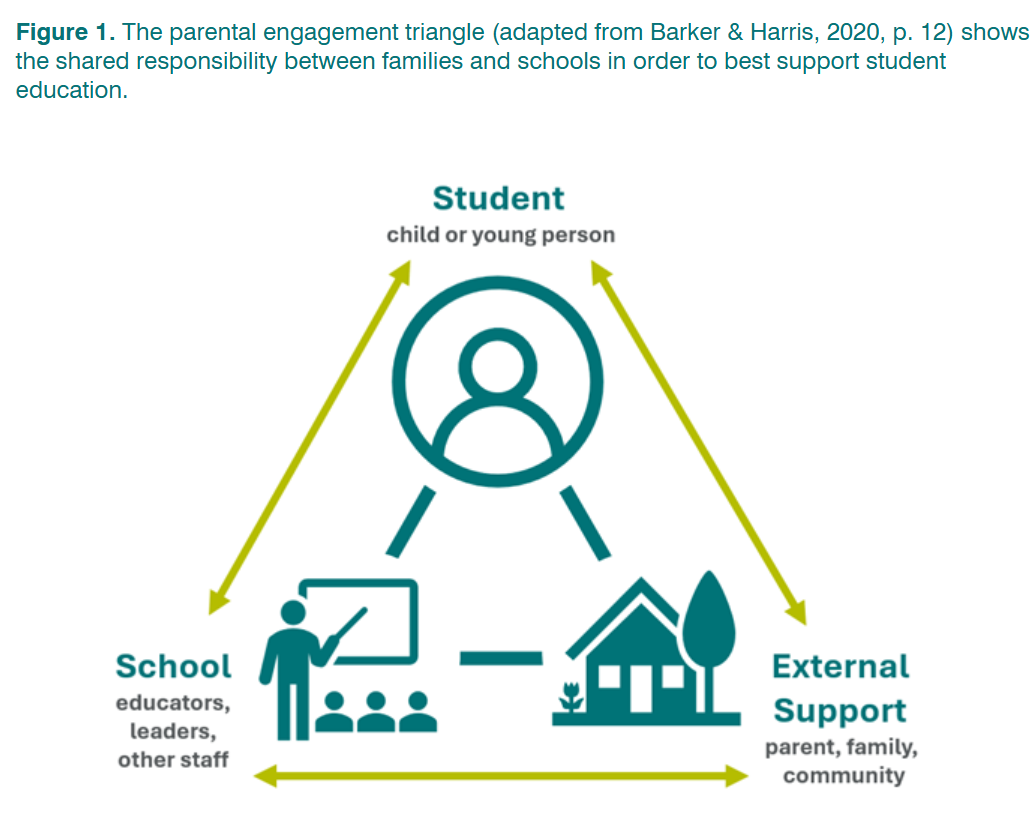
Respect develops best when children experience it consistently in the two places that shape them most: school and home. When the expectations, language, and modelling are aligned, children don’t just learn respectful behaviours—they begin to internalise them as part of who they are.
At school, students practise respect through routines and daily interactions. At home, those same skills are strengthened through family habits, conversations, and the way adults respond to challenges. When both settings reinforce the same values, children learn that respect isn’t something they switch on for teachers; it becomes a way of being with everyone.
School is one of the first places where children practise respect beyond their family circle. They experience it in the classroom, on the playground, in their friendships, in their interactions with teachers, and increasingly in the digital space. These daily moments shape how they understand themselves and how they treat others.
At school we build a culture of respect by:
These practices help children learn that respect is not just a rule—it is a way of being with others.
While school provides daily opportunities to practise respect, home is where these habits become part of a child's identity. Children learn most powerfully from the adults closest to them. When the messages at school and home are aligned, respect becomes consistent, familiar, and part of their identity. Families are naturally doing this in simple, meaningful ways, and these small moments make a big difference.
Respect is strengthened when we:
These everyday moments reinforce the same values we nurture at school.
Respect is not taught in one place alone. It grows through the combined efforts of families, teachers, and the wider community. When children see respect modelled consistently—in the classroom, at home, and in the world around them—they learn to carry it into every space they enter.
Together, we help our children understand their own dignity and the dignity of others. Together, we shape the kind of community they will one day help lead.
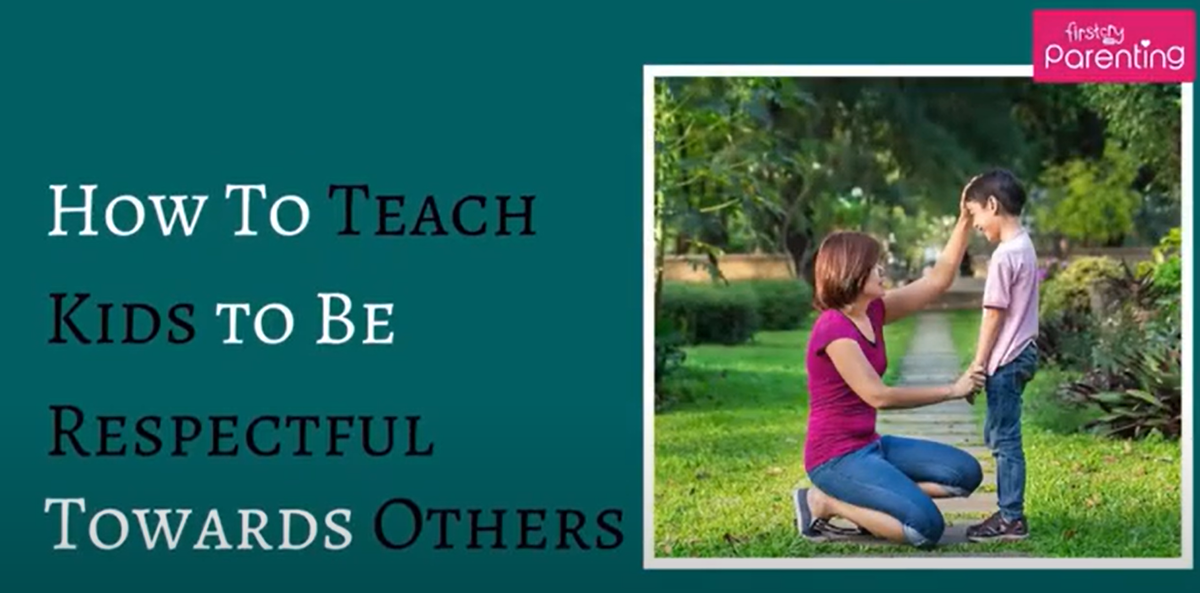
For more information on building respect at home, click on the link below.
Click to access past resources