
Wellbeing
Amanda Wilson | Assistant Principal
Wellbeing
Amanda Wilson | Assistant Principal
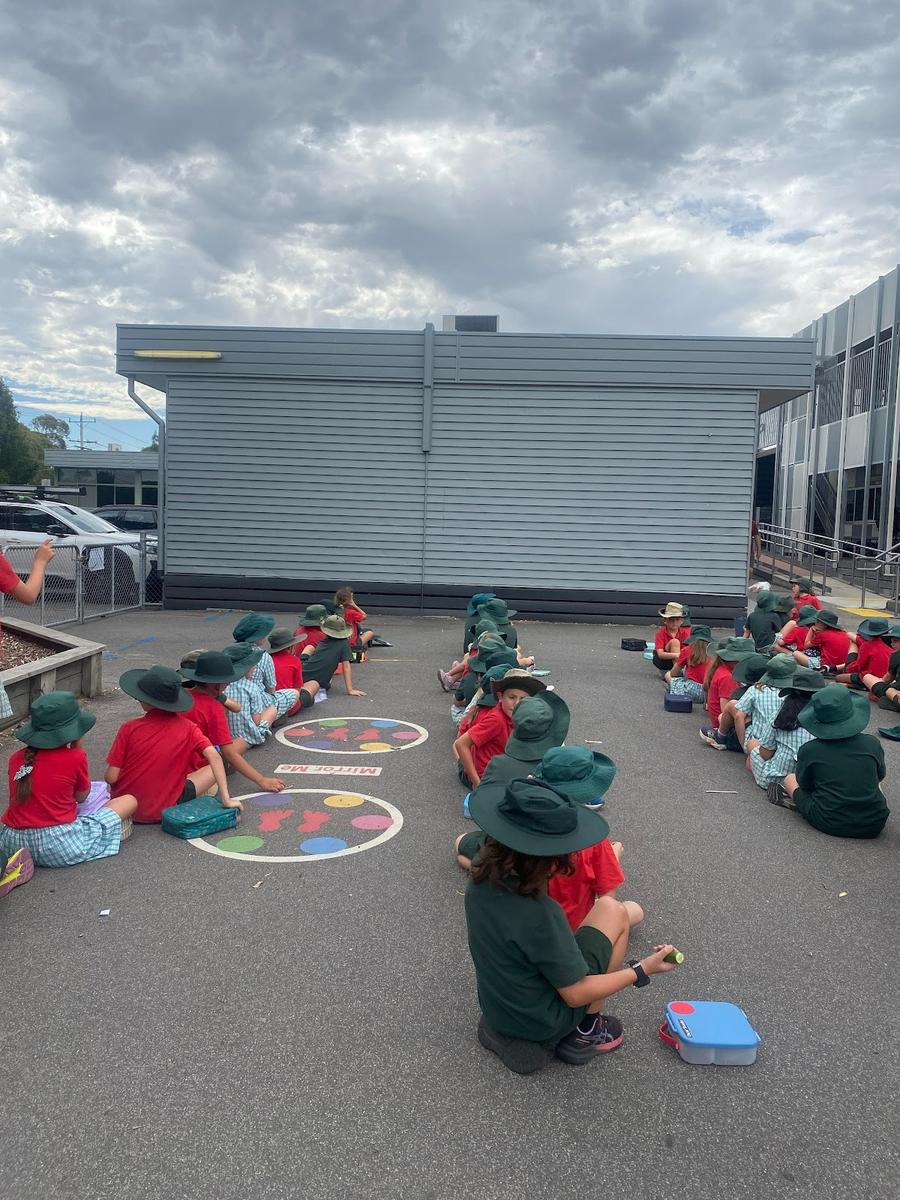
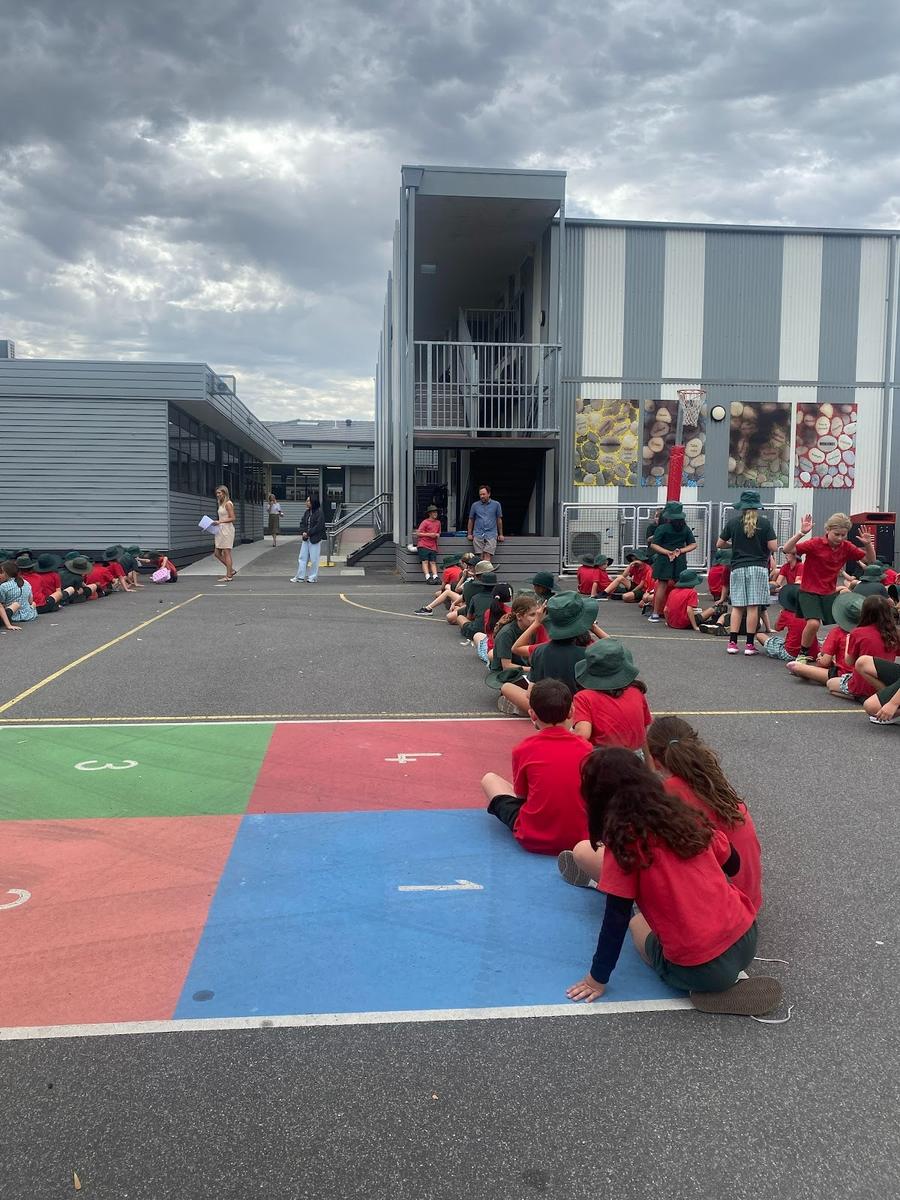
A large part of our Startup Program has been about establishing clearly defined routines and procedures. We know when children are learning in an environment that is both predictable and consistent, they have greater capacity to not only take on new information but feel safe and affirmed with their peers. The teachers have worked hard to embed, teach and reinforce these routines starting from the line up to how we exit the classroom each day.
Strongly informed by behavioural science we know that the rate of praise to correction needs to be at least >4:1 in order to experience greater rates of success. This ratio can slightly differ from student to student based on a number of factors, however when we apply this thinking to learning new skills at home or in the classroom we are thinking positively about the types of behaviour we want or expect to see. If you’d like to read any more about the 8 evidence-informed Positive Classroom Management Strategies, you can do so by accessing the link here.
To apply this thinking to our practice and encourage greater communication about positive behaviour occurring at school, we have established a new chronicle titled; ‘Hampton’s Hero.’ The aim of this chronicle is to share with families moments where teachers notice students upholding the School-Wide Expected Behaviours.
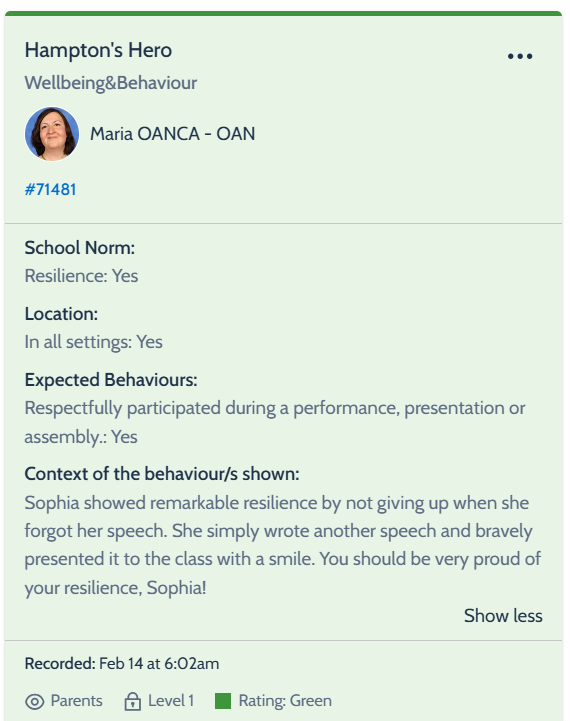
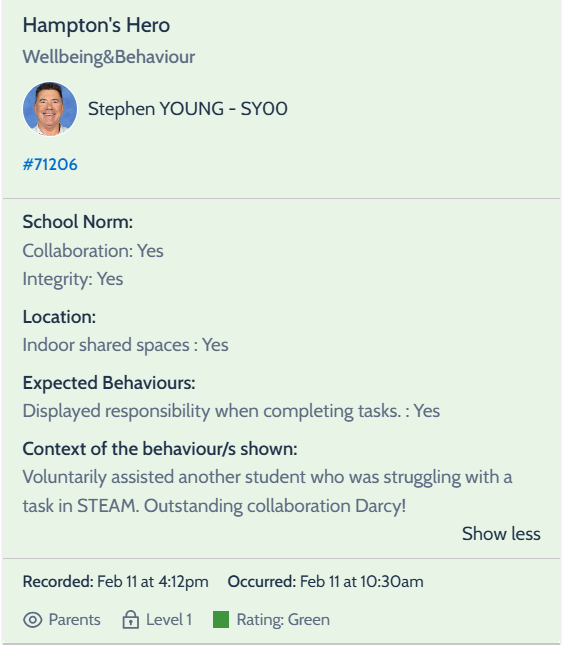
Like any new system, we are getting used to what this looks like, ways of operating it and how this is being received by our community. Here is an example of what this looks like on Compass via desktop. Please note, you will now receive an email to notify you if your child receives one of these. If accessing via the mobile app, you will need to open up the app and select your child’s face to read the chronicle to see what they were being acknowledged for.
If you have any feedback regarding this new system please feel free to share this with Madeleine Paslis via email: madeleine.paslis@education.vic.gov.au
This term, our RRRR focus is Emotional Literacy. Emotional literacy is the ability to recognise, understand and manage our own emotions, as well as respond with empathy to the emotions of others. When students can accurately identify how they are feeling and why, they are better equipped to solve problems, build positive friendships and make thoughtful choices. Developing emotional vocabulary and self-awareness strengthens resilience and supports learning, as students are more able to regulate their emotions and stay engaged in the classroom.
From Foundation to Year 6, emotional literacy is taught in age-appropriate and practical ways. In the early years, students learn to name basic emotions, recognise feelings in themselves and others, and practise simple strategies such as deep breathing or asking for help. As students move through the middle and upper years, they build a more sophisticated emotional vocabulary, explore how thoughts influence feelings, and develop skills in empathy, conflict resolution and self-regulation. Through class discussions, role-plays, literature, reflection activities and real-life problem-solving, students are supported to apply these skills in everyday situations—helping them grow into confident, respectful and emotionally aware learners.
https://raisingchildren.net.au/toddlers/behaviour/understanding-behaviour/self-regulation
https://www.vic.gov.au/easing-adolescence-resources-families