
Curriculum
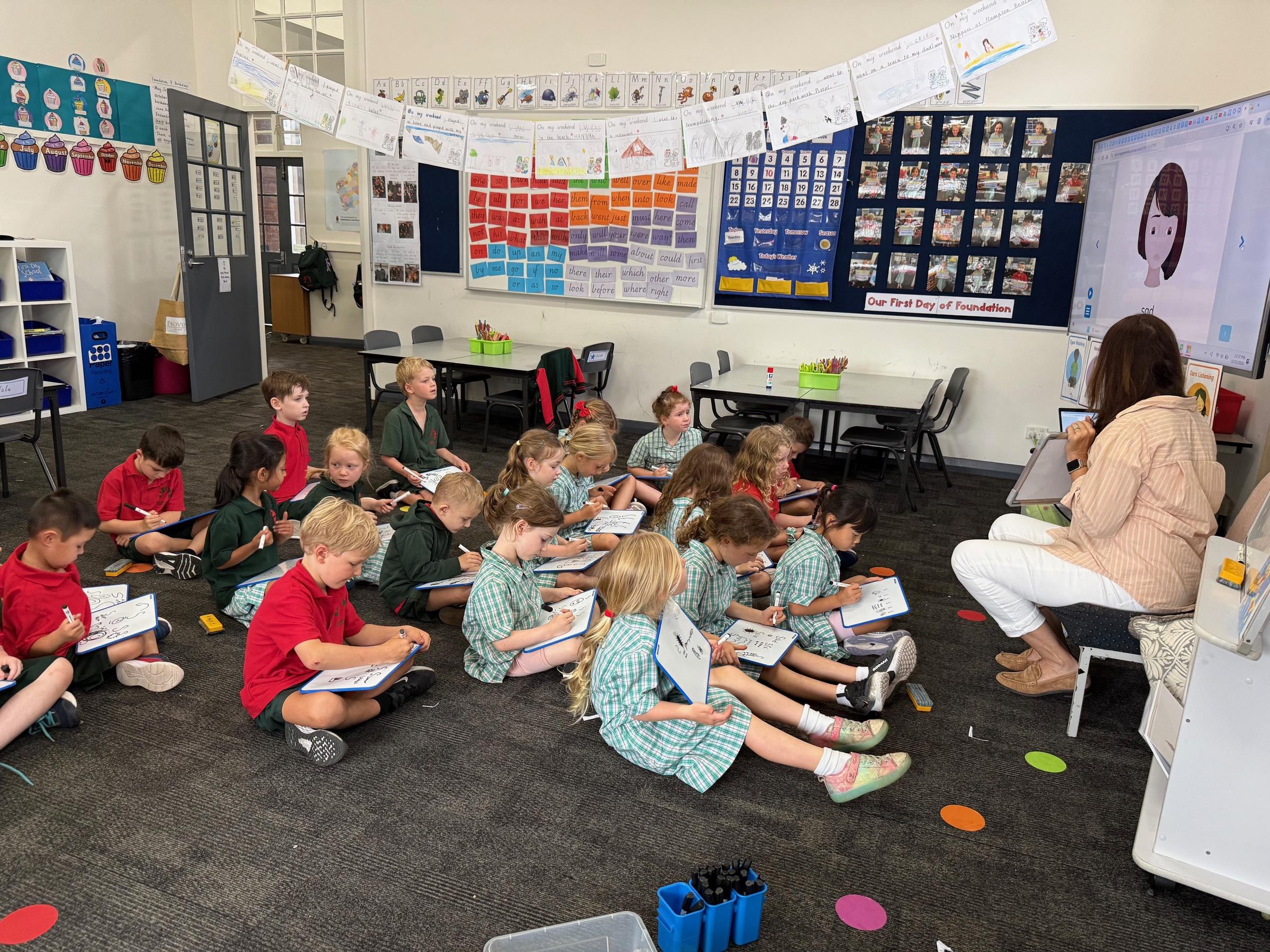
Cameron Azer | Assistant Principal Image: Foundation D learning about the letter 'S'
Curriculum
Cameron Azer | Assistant Principal Image: Foundation D learning about the letter 'S'
Reading is a foundational life skill and a source of pleasure and wonder. It is one of the most important skills children learn and the teaching of phonics plays an important role in helping them become confident, fluent readers. This guide will help you understand what phonics is, why it is important in learning to read, and how children can be supported at home to develop their awareness of sounds, and of the relationships between sounds and letters.
What is Phonics?
Phonics includes linking sounds (called ‘phonemes’) to their corresponding letters (called ‘graphemes’). Students read words by recognising the relationships between written symbols and their corresponding sounds. Phonics is one of 6 components that make up a comprehensive reading program. The other components are:
These are the foundational skills that have a reciprocal relationship and are all necessary to enable students to independently read and respond to increasingly complex fiction and non-fiction texts.
How can families support phonics learning at home?
Learning to read takes time, encouragement and support, and each young person progresses at their own pace. It’s important to celebrate small achievements in progress, and encourage children to keep trying, even when it’s challenging for them. When children enjoy learning, they are more likely to stay motivated, which helps them develop a strong foundation in reading. Making phonics practice fun is key to keeping children engaged and motivated. Here are some suggested engaging activities to support phonics development.
Further parents information on how families can best support Phonics, please click on the following link provided by the Victorian Academy of Teaching and Leadership:
This week our teachers continued their journey in deepening our knowledge in Explicit Teaching. Firstly, teachers discussed the 'why & how' of explicit teaching before moving onto creating their own visual representations of how students learn best.
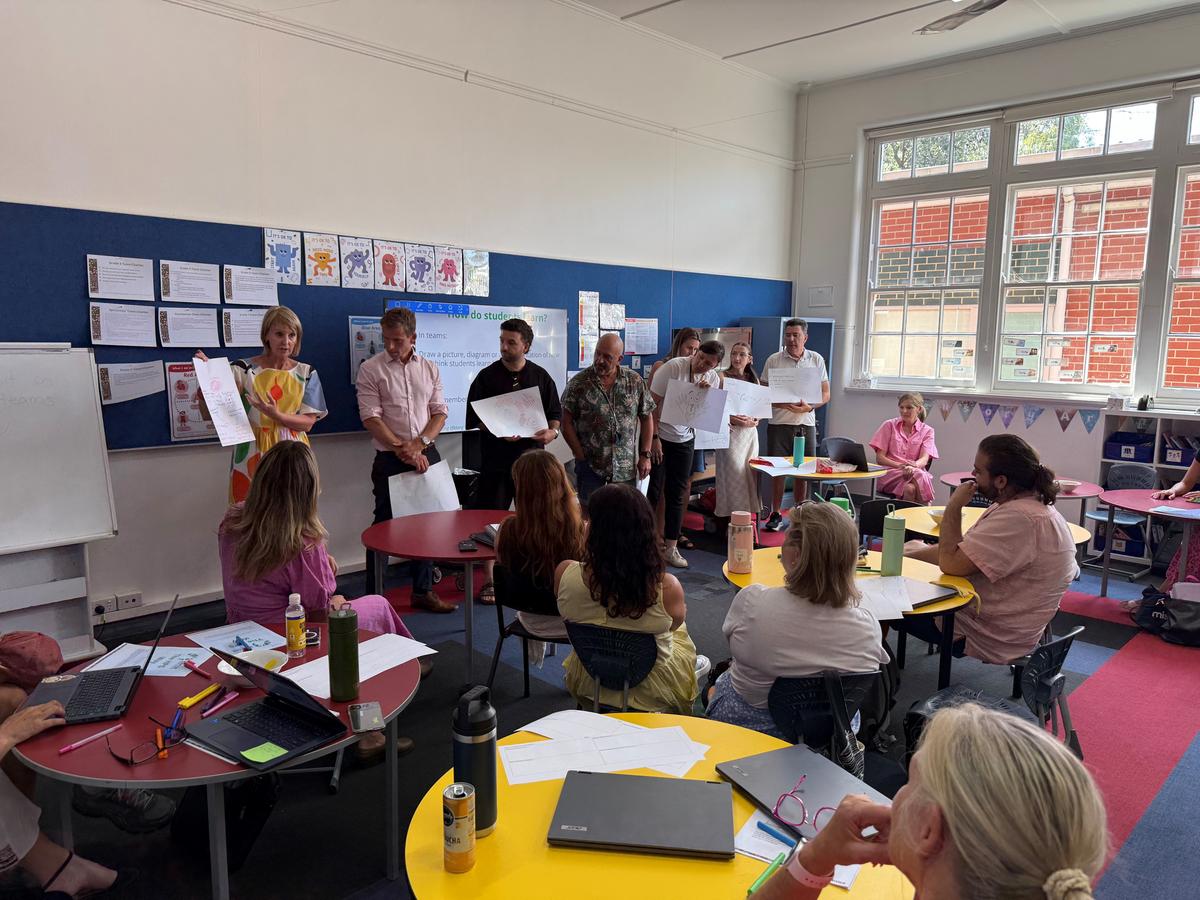
Teachers identifed the potential barriers that can impact the learning for individual and groups of students and then discussing ways in which this can be proactively planned for. We finalised our professional learning session with goal setting. Each teacher has identified a clear and achieveable goal that they will focus on in the next fortnight to then share back their successes!