
Numeracy
By: Leanne Zammit - Numeracy Learning Specialist & Coach
Numeracy
By: Leanne Zammit - Numeracy Learning Specialist & Coach
What is maths anxiety and how can you as the parent/guardian help your children if they are experiencing it?
Firstly, we need to consider the difference between maths and numeracy and how will these appear in your everyday lives. Mathematics is the study of numbers, patterns, and problem-solving; It covers topics like algebra, geometry, and statistics. These are the fundamental skills taught to your students in the maths classroom each week. We gradually build on these foundational skills as they move through their schooling. Numeracy, on the other hand, is the ability to apply these mathematical skills in everyday life. For example, managing money, reading timetables, or measuring ingredients. While mathematics builds mathematical skill knowledge, numeracy is about applying that knowledge to real world situations.
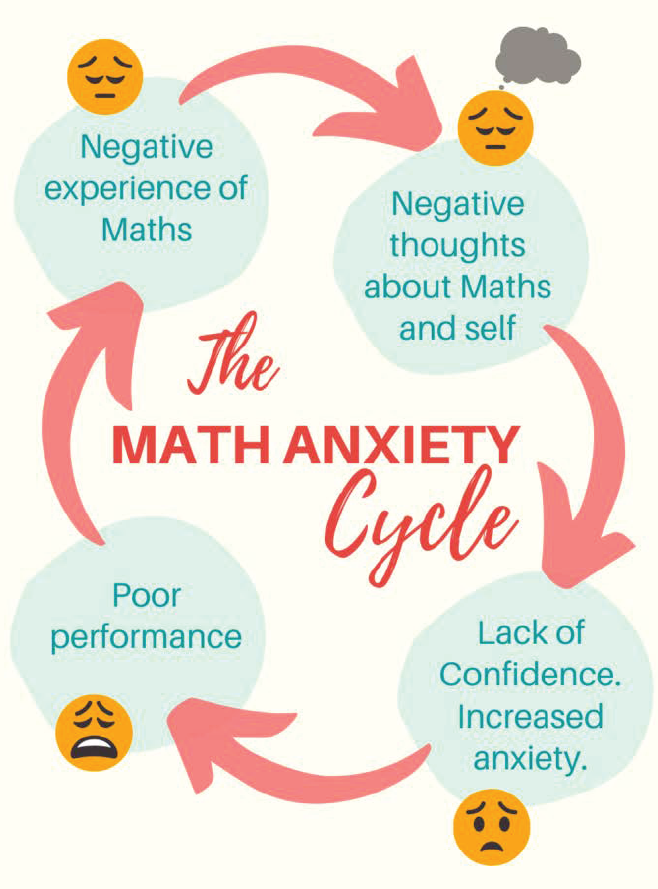
Maths anxiety is “defined in the research literature as feelings of concern, tension or nervousness that are experienced by learners when completing mathematical problems” (Buckley, 2013). This can be seen not only in the maths classroom, but at home as well when students are required to complete homework or completing a task that requires mathematical reasoning.
Increased research shows “that emotions like maths anxiety are a fundamental part of the learning process because it can influence a student’s behaviour. For instance, if a student is enjoying a lesson they will be motivated to invest more effort in that class, and perhaps future classes, and they will learn more effectively. High levels of anxiety in the classroom have the opposite effect and can lead to students avoiding work and learning things only at a surface level… leading to a drop in maths performance” (Buckley, 2013).
As teachers we support our students in 2 major ways in the classroom:
Wellbeing: Positive math talk, promoting positive response to effort over ability, creating a safe classroom environment (where all students are confident to give a question a go even if the answer might be wrong) and encouraging students to mingle and discuss the maths with others in the classroom.
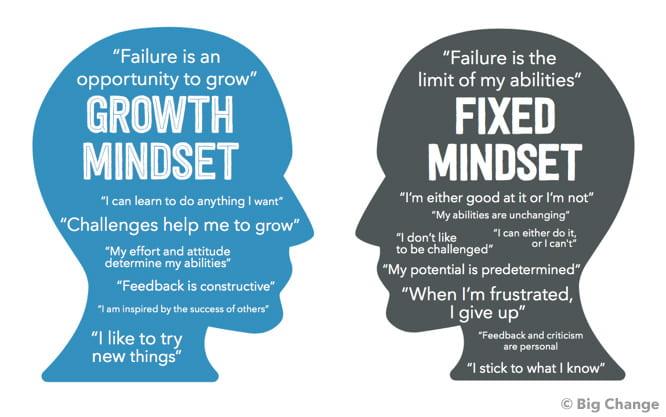
We, as the adult and educator in the room, need to ensure that our attitude to maths is positive and we address negative self-talk of students when in class. For example: a student is set off to work on a particular task and immediately states “This is too hard, I can’t do this!” It is important to redirect this language first and then provide a new explanation and support scaffolding to build student understanding. For example: Lets rephrase this statement, “It’s not ‘I can’t’, it’s ‘I can’t right now’ but you will soon. Let’s work through this again together from the beginning.”
So how does this look at home? And how can you help your young learners to break through the barrier of maths anxiety?
Possibly your child is completing homework, and they are becoming frustrated or avoiding the work. You yourself may sometimes not feel confident to support your student to come to the solution due to your own maths anxiety, however this is the key moment that we change. Using positive talk such as “this is a great question! I’m not sure myself, lets work this out together” and avoiding language like “I’m not good at maths” and “I failed maths when I was in school.” This shows your child that sometimes things are hard in life and problem solving is the key.
To support our young people in gaining confidence in working with mathematics, we need to support them in numeracy-based situations in the real world. Making real world connections to their maths, is the best way that we can support children to fell less anxious about it through regular exposures.
Here are some great ways you can boost your child’s confidence working with maths in real world scenarios at home:
(Victorian Academy of Teaching and Leadership, 2025)
References -