Year 1 Teaching & Learning
Term 2 2026

Year 1 Teaching & Learning
Term 2 2026
This term, teachers will continue using InitiaLit in classes to teach reading. The Term 2 InitiaLit ‘On the Mat’ program continues exploring important spelling and reading skills. Students are learning about the letter patterns “_y,” “igh,” and exploring adjectives. They are also practising spelling patterns such as “ue” and “ew,” understanding the suffix “-s” for plurals, and working with word families like “ar,” “or,” and “ore.” Additionally, students are learning to use the suffix “-ing” and focusing on sounds represented by “ir,” “ur,” and “er,” as well as the suffix “-er.” Lessons also cover split digraphs including “a_e”, “e_e”, “i_e”, “o_e”, and “u_e”. Through these activities, students strengthen their reading, spelling, and vocabulary skills, building confidence in their ability to read and write independently.
In our writing unit, students are learning about informative writing closely linked to our HSIE topics. They are exploring and creating a variety of informative texts, including fact files about the Great Wall of China, recounts of the story of Chang'e, and informative posters about the Pyramids of Giza. Students are also researching and writing reports about different animals, as well as creating postcards and posters for cities around the world. Through these activities, they are developing skills to organise facts clearly and use descriptive language to share interesting information. This helps students improve their ability to communicate knowledge effectively and confidently in writing.
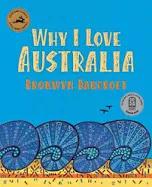
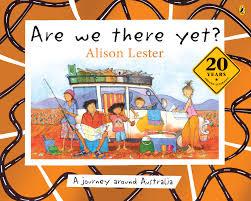
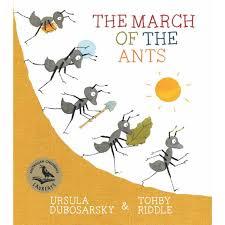
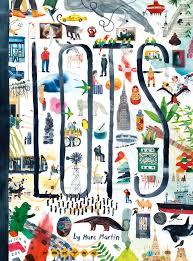
This term, our Year 1 students will be exploring the English Textual Concepts connotation, imagery, symbols and representation. Through much-loved books like "Why I Love Australia", "Are We There Yet?", "March of the Ants" and "Lots" students are discovering how words and pictures create meaning and deepen our understanding of stories. Our young learners are enthusiastically discussing what symbols represent, imagining vivid scenes, and making connections between text and their own lives.
This term, we will explore a variety of mathematical concepts. Our lessons are designed to combine explicit teaching with independent activities tailored to each student's needs, ensuring challenging and engaging learning experiences.
Weeks 1-3: Representing Whole Numbers, Time and 2D Shapes
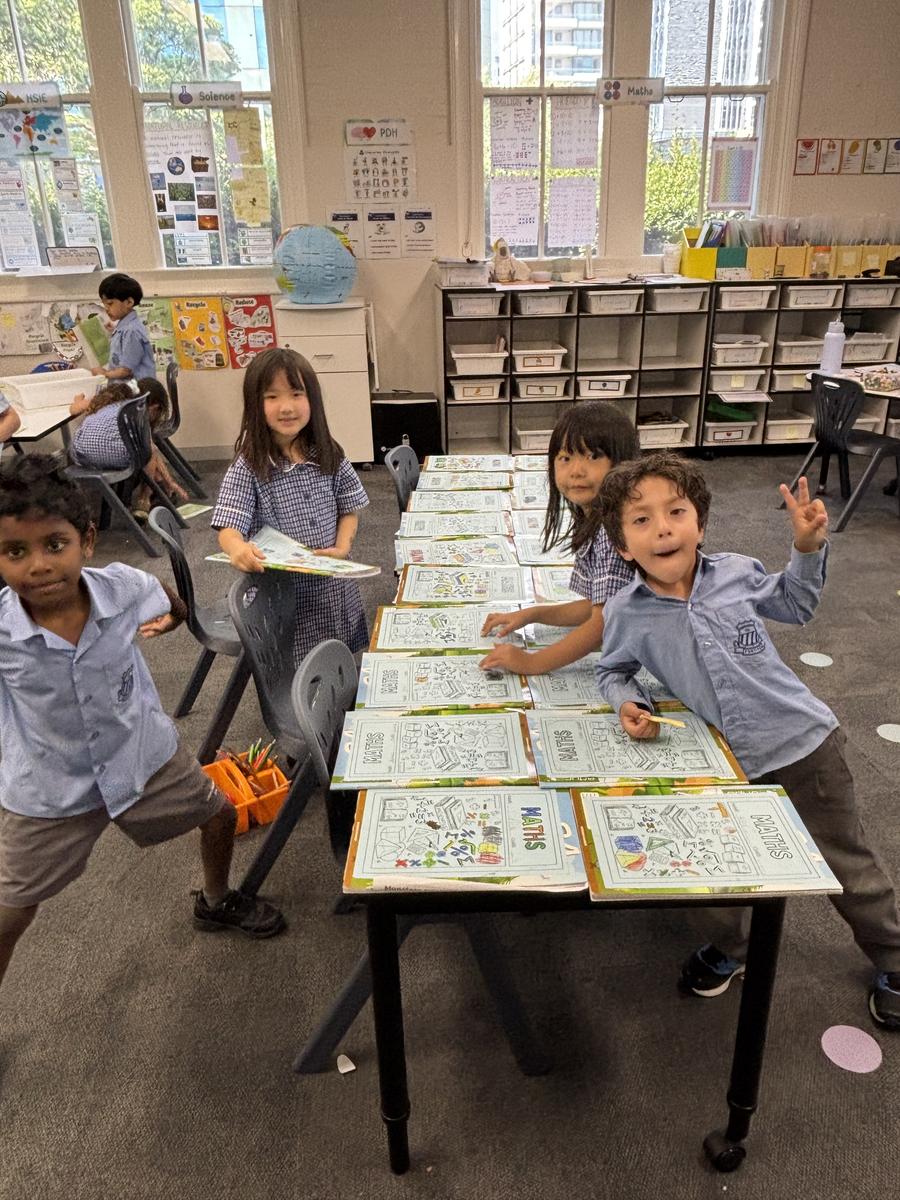
During our first maths cycle, students explore numbers beyond ten, learning to represent and understand them using a variety of methods such as grouping, counting, and visual models. They are introduced to time concepts, comparing and reading both analogue and digital clocks, helping them recognise hours and half-hours. Through engaging activities with 2D shapes, students discover properties and use shapes to explore turns, such as quarter, half, and full turns, linking these movement concepts to their understanding of time and everyday experiences.
Weeks 4-6: Combining & Separating Quantities and Chance & Data
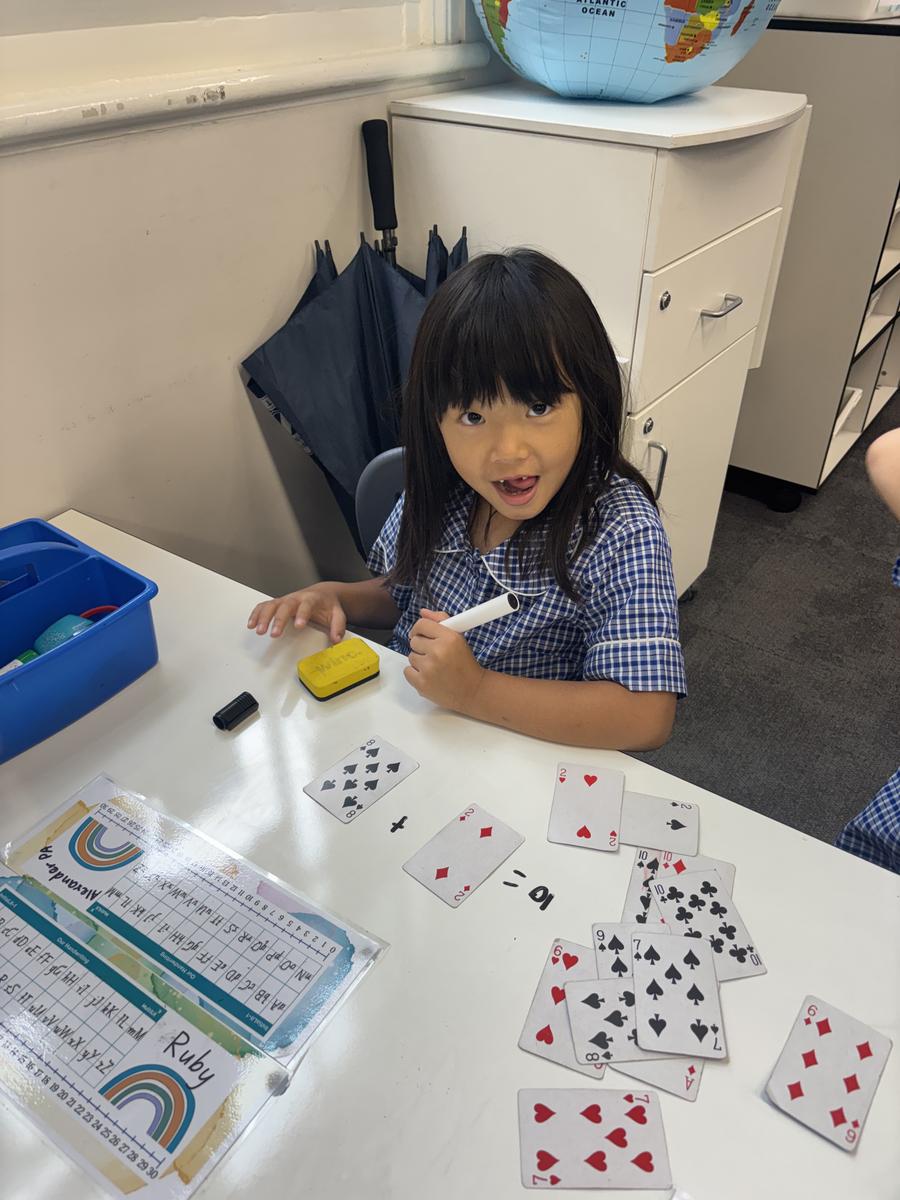
In this cycle, students will be recognising and recalling number bonds up to ten, practising how numbers can be combined or separated in different ways. Year 1 students will also be having fun with Chance and Data. They will exploring possible outcomes and representing information using objects and drawings. Students will enjoy collecting data and creating their own picture graphs to represent their findings.
Weeks 7-9: Forming Groups and Three-Dimensional Objects and Volume
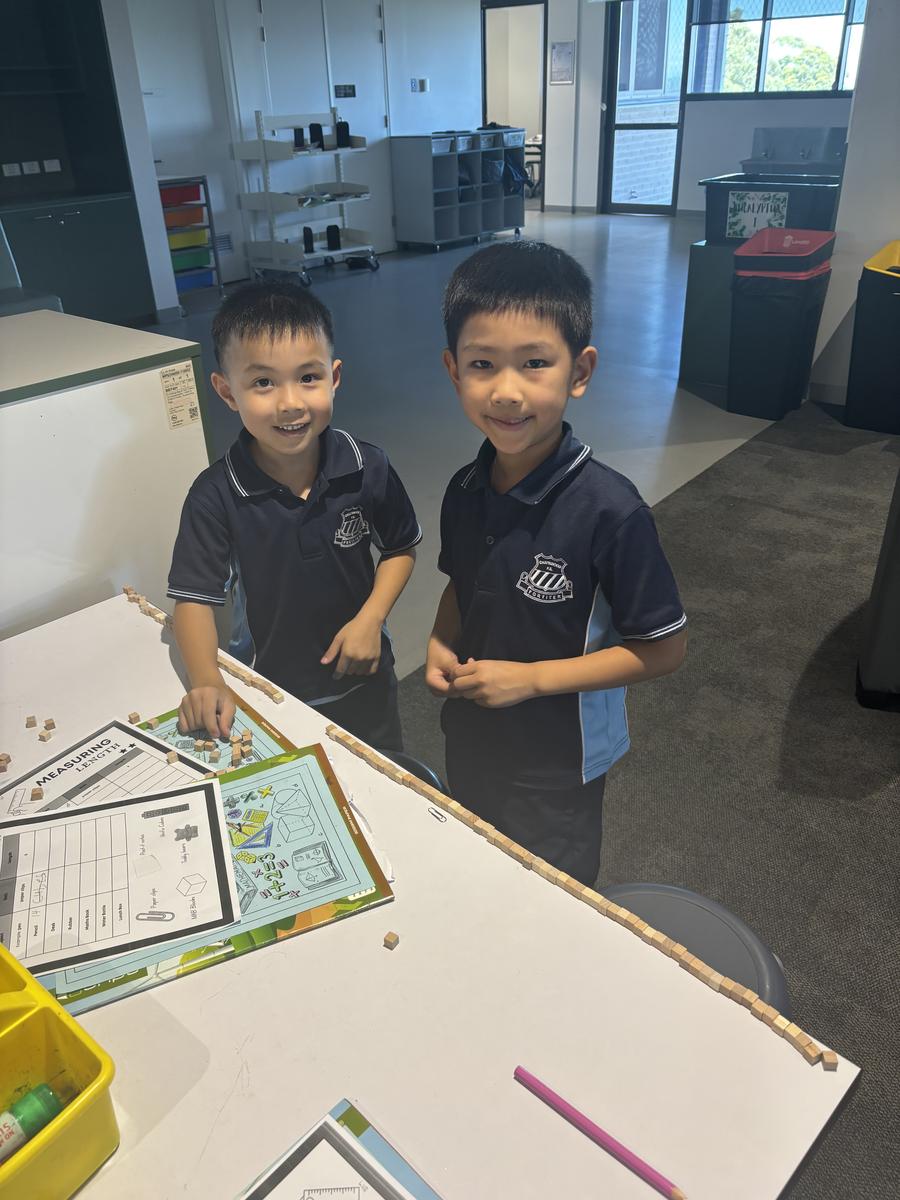
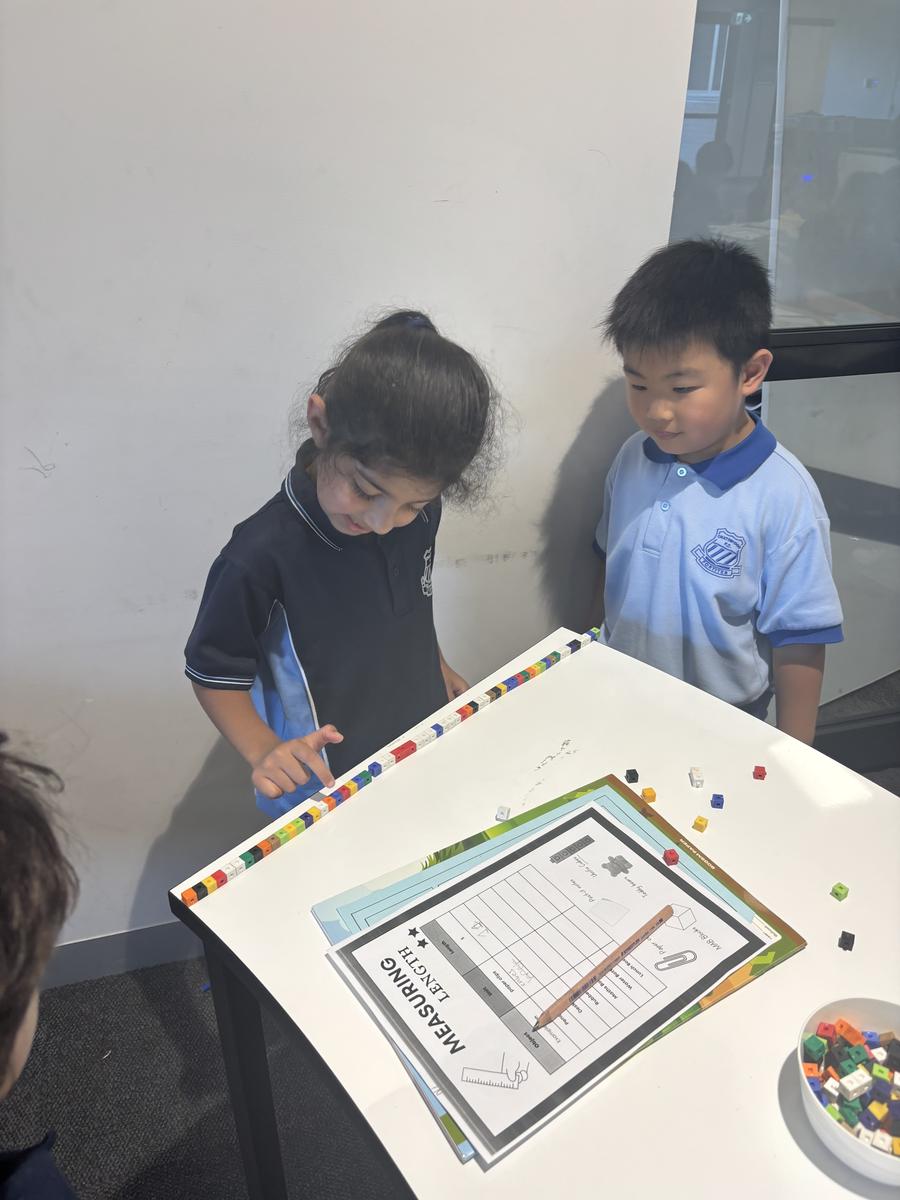
Over this cycle, Year 1 students will deepen their understanding of number patterns by practising skip counting by twos, fives, and tens, identifying and describing patterns, and finding missing numbers through reasoning and making connections. They will explore three-dimensional objects by identifying common shapes such as cubes, cylinders, spheres, and rectangular prisms, and learn to differentiate these from two-dimensional shapes through hands-on activities. Additionally, students will investigate volume by packing containers with blocks, estimating and measuring internal space, and considering how gaps can affect measurements. These activities build students’ confidence in spatial awareness and reasoning, and link maths to real-world experiences.
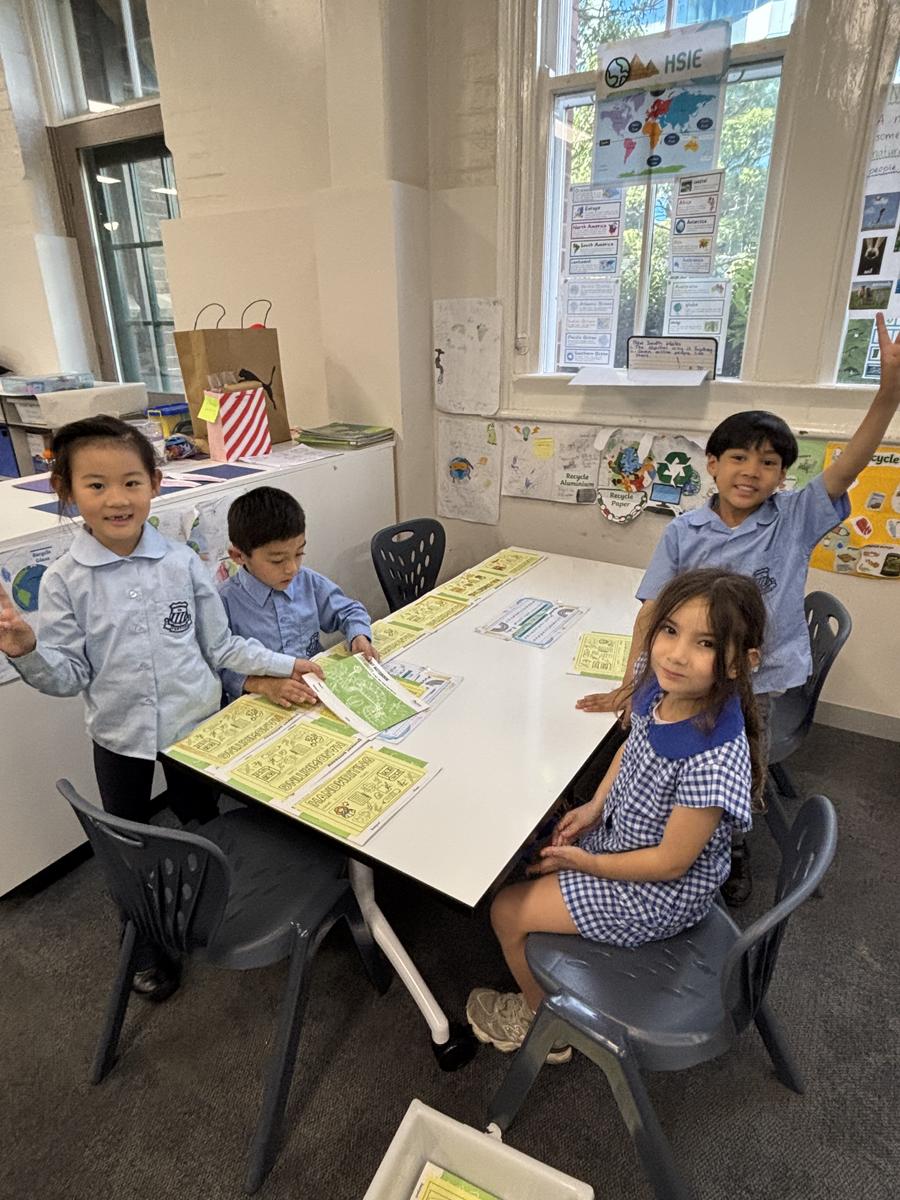

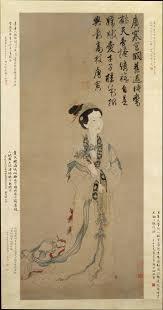
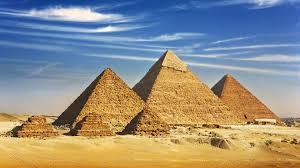
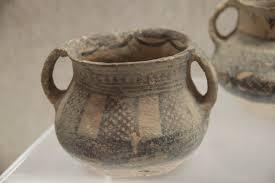
This unit focuses on stories, myths, and legends from ancient China and Egypt to help students understand life in the past. Students identify and locate famous sites such as the Great Wall and the Pyramids, discover how ancient ideas and designs still influence modern life, and develop skills in examining and describing historical images, sites, and objects, gaining insight into the work of archaeologists.
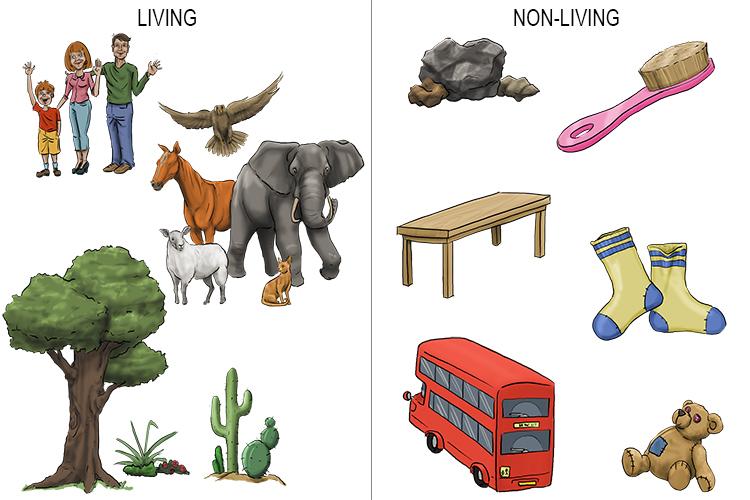
This term, Year 1 students will be exploring the features and life cycles of living things, focusing on how plants and animals grow and change. We’ll be investigating how bean sprouts grow and learning about the many ways humans use plants and animals for food, shelter, clothing and other everyday needs. Students will also practise recording clear instructions as they work together on hands-on activities and discoveries.
This term in Year 1 PDHPE, students are exploring what makes them unique and how their strengths and achievements contribute to their personal identity. They are learning about physical and social changes as they grow, understanding privacy and consent, and recognising the importance of respectful relationships. Through jumping, hopping and skipping activities—including traditional Aboriginal and Torres Strait Islander games—students are building their physical skills, confidence and ability to communicate and work respectfully with others.
This term in our Stage 1 bilingual classes, students are exploring the topic of living things through our CLIL (Content and Language Integrated Learning) approach in Science. Through CLIL, students will develop their understanding of the natural world while simultaneously building their Korean language skills. Alongside the science units, students are progressing in Korean literacy, enhancing their reading and writing abilities through engaging and culturally rich activities. Our bilingual program continues to nurture both academic growth and language development, fostering confident, curious learners.
Students will learn one of the following areas of Creative and Performing Arts each term.




Drama
In Stage 1 drama, students use their imagination to create and perform characters, stories, and situations through play, improvisation, and storytelling. They work collaboratively to explore roles, interact with others, and use performance spaces creatively, while practicing safe drama techniques. Children also learn to reflect on their experiences and discuss how drama communicates ideas and feelings. Additionally, they explore diverse cultural stories, including Aboriginal and Torres Strait Islander performances, to deepen their understanding of connection to Country and Place.
Visual Arts
In Stage 1 Visual Arts, students create artworks that represent their world using a variety of materials and techniques, including drawing, painting, and digital tools. They explore colour, shapes, patterns, and textures to express ideas in realistic, imaginative, or expressive ways while learning about safe art practices. Children also learn about the meanings of signs and symbols in Aboriginal and Torres Strait Islander artworks and how artists from different cultures express their connection to place. They discuss and reflect on their own and others’ artworks, and have opportunities to display their creations to share their ideas with an audience.
Dance
Stage 1 Dance students will be introduced to fundamental movement skills such as balance, coordination, and spatial awareness. Lessons will involve exploring basic body actions like stretching, bending, jumping, and turning through fun and imaginative dance activities. They will learn to follow simple dance sequences and use movement to express emotions and tell stories. Emphasis will be on listening to music and responding to rhythm and tempo with appropriate movement.
Music
Stage 1 Music students will focus on recognising and maintaining a steady beat using clapping, tapping, and playing simple percussion instruments. They will explore high and low sounds, loud and soft dynamics, and fast and slow tempos. Singing simple songs and learning call-and-response patterns will help develop listening skills and pitch matching. Basic notation concepts, such as rhythmic pattern,s may be introduced through games and visual supports.
Mandarin
Stage 1 students will explore the topic of transportation in Mandarin this term. They will learn key vocabulary and compare different modes of transport across land, water, and air. Through a range of engaging activities, students will share their everyday experiences and express their preferences when discussing how people travel. Those with prior knowledge of Mandarin will further extend their learning by forming more complex sentences to describe and introduce selected types of transport. In Week 9, students will take part in the Dragon Boat Festival celebration as our school tradition.
Korean
In Term 2, Stage 1 students will learn about their body parts and functions of each body part. They will also discuss their favourite food and healthy food choices. Students will write about their favourite food.
This term, students will participate in InitiaLit Storybook lessons during library time. The books will provide opportunities for students to learn and use new words, improve their listening comprehension, and develop a love of literature.
Students may borrow up to two books a week in Stage 1 and can borrow from junior fiction, fast fiction, and junior non-fiction. All students must have a library bag to borrow books. A library bag is any kind of protective bag that covers the books to and from school, so please use no disposable paper or plastic bags. Students may loan books from the library for two weeks at a time.
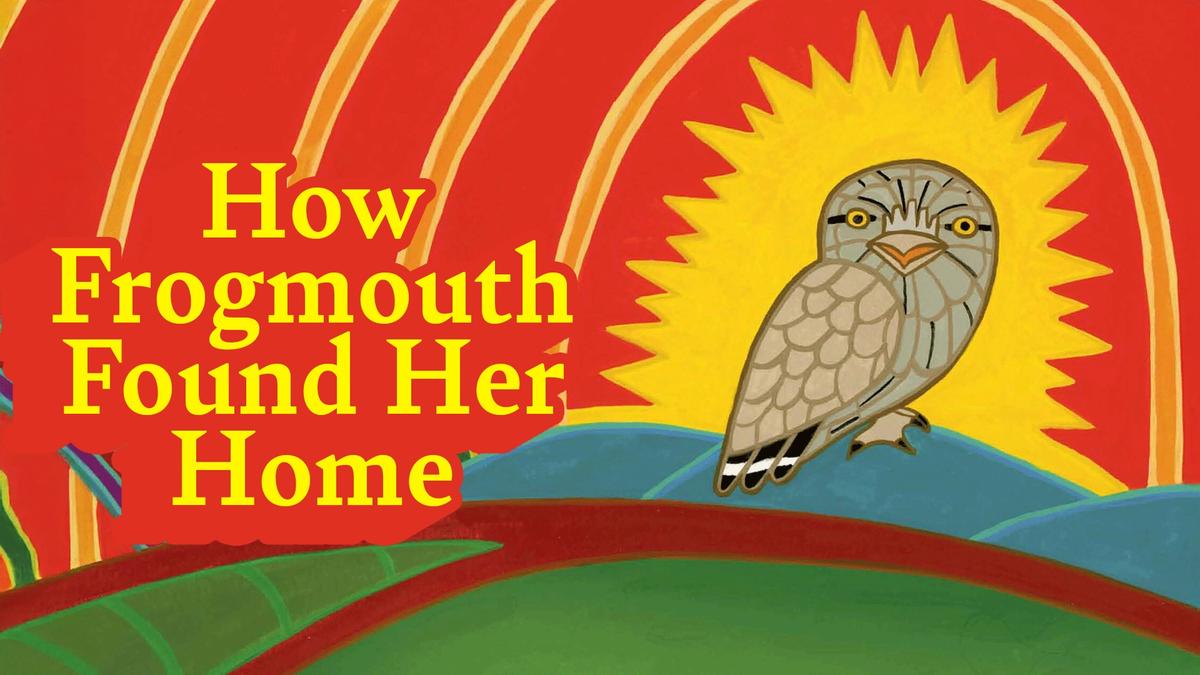
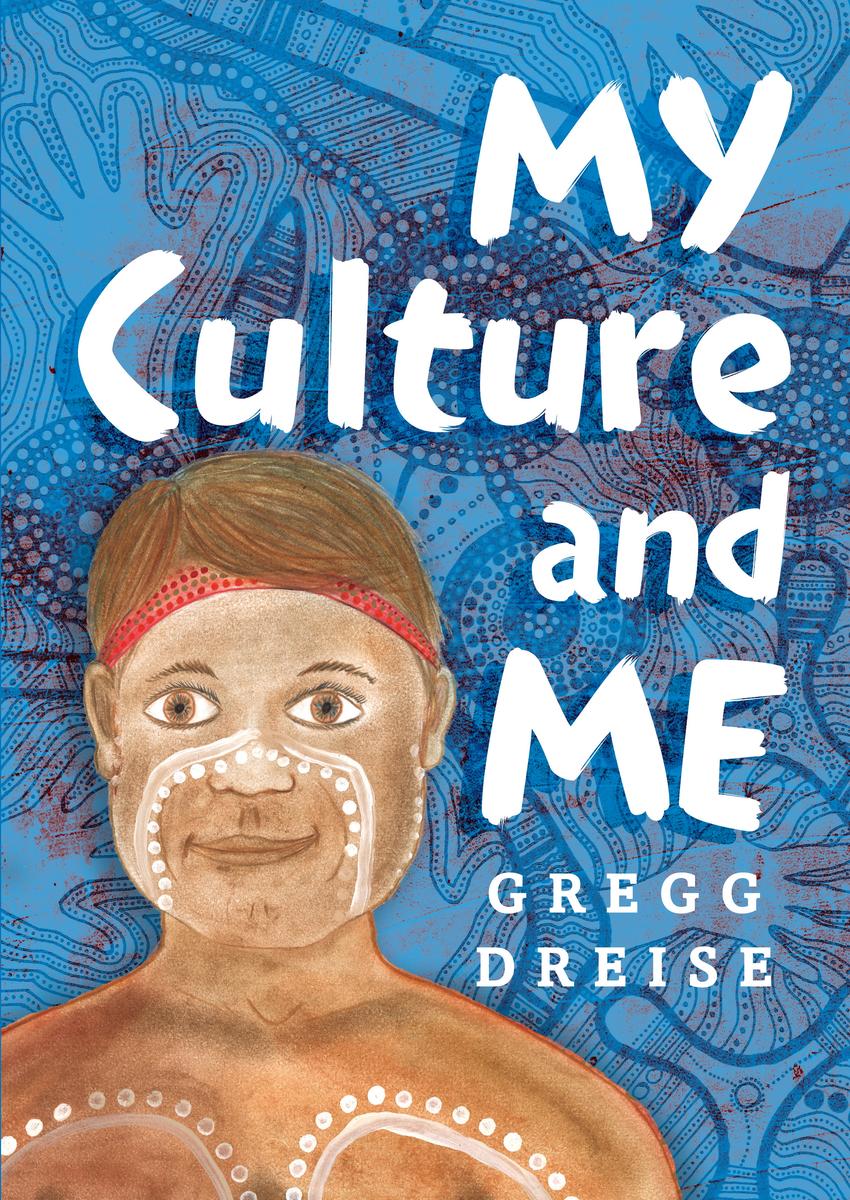
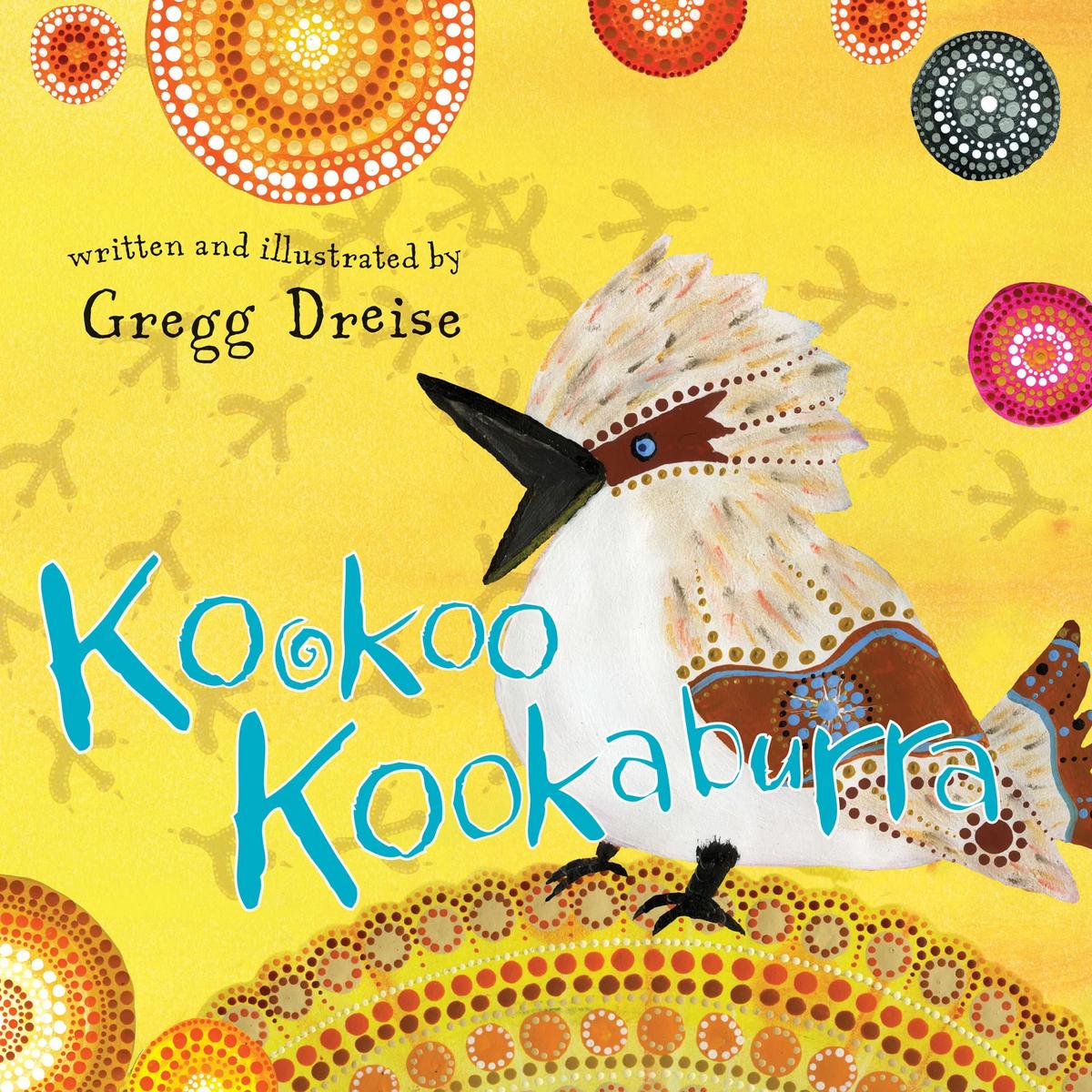
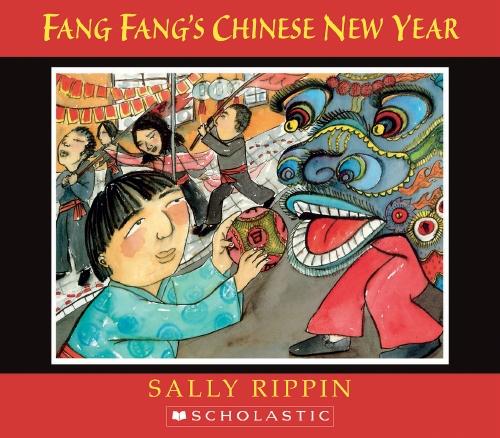
Throughout the term, students working on all phases of English as an Additional Language or Dialect will continue to be supported in their classrooms by specialist teachers and classroom teachers. Each program of learning content provides differentiated instruction and activities for all students to achieve progress in their learning.