
Specialist News

Physical Education
Welcome to Term 2 in the PE and sports space, I have so much to tell you!
Let's start with the highlight reel from the end of Term 1 before I enlighten you with what's to come in Term 2.
Summer Lightning Premiership was in Week 9 and it was incredible. We competed in Volleyball, Volleystars and Hot Shots Tennis and we won in both Volleyball and Hot Shots Tennis. Volleyball was very competiti and our students were very successful winning all of their games! Hot Shots was based off three rounds played and scored off points, due to the numerous rain-offs. Volleystars had a ball, and this group of Grade 3 and 4 students learnt a lot about representing our school and competing against other schools in a competitive setting. Congratulations to everyone who stepped out of their comfort zone and showed their very best sporting abilities.
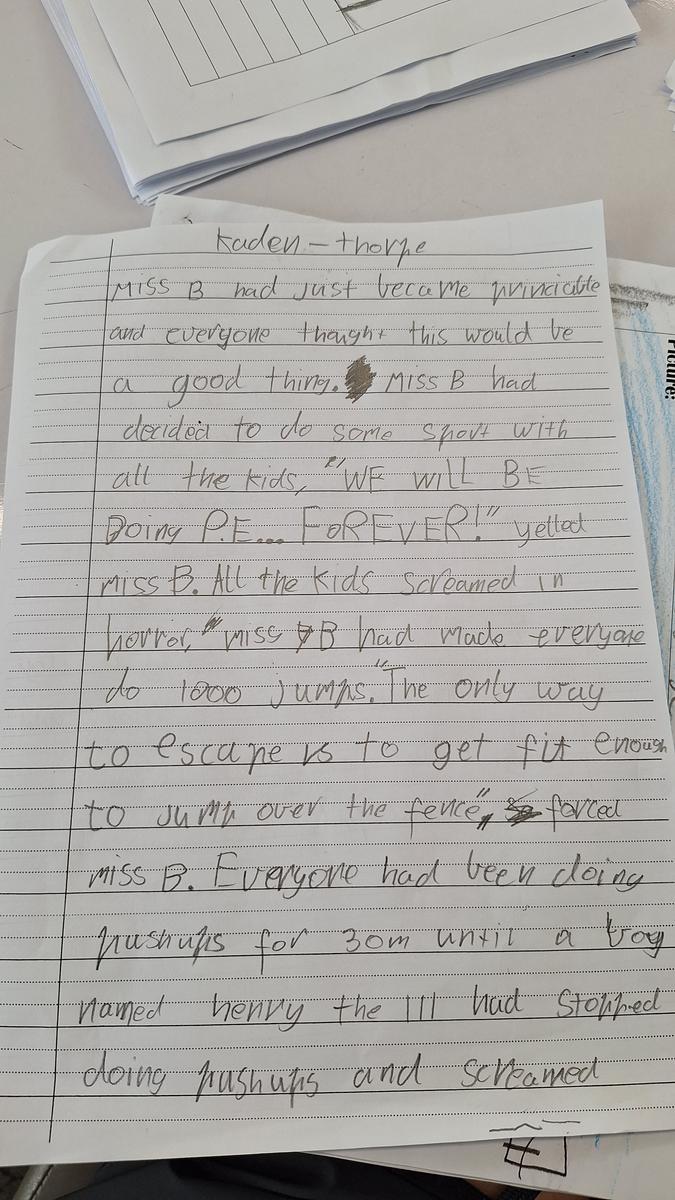
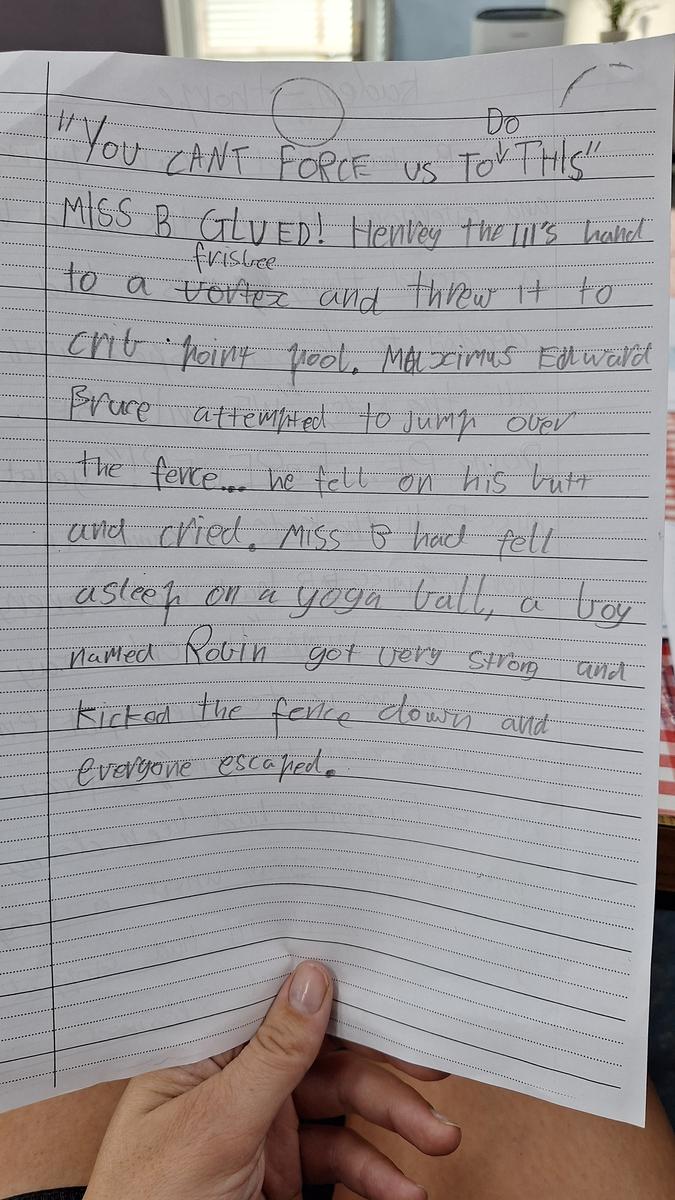
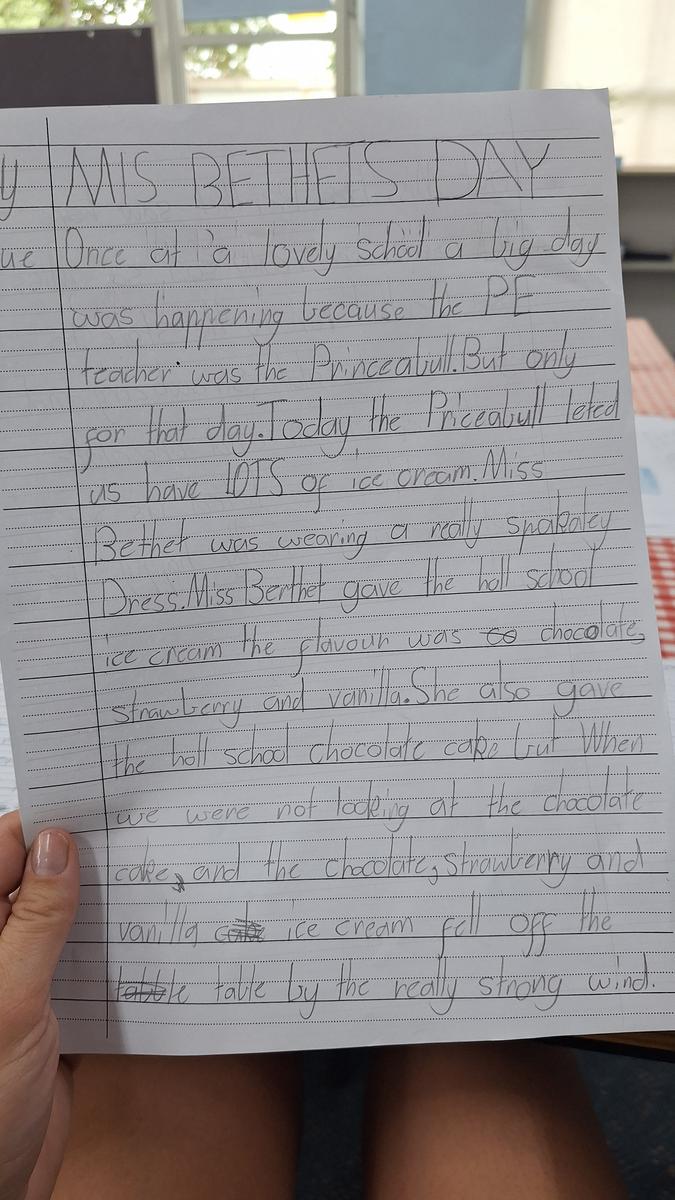
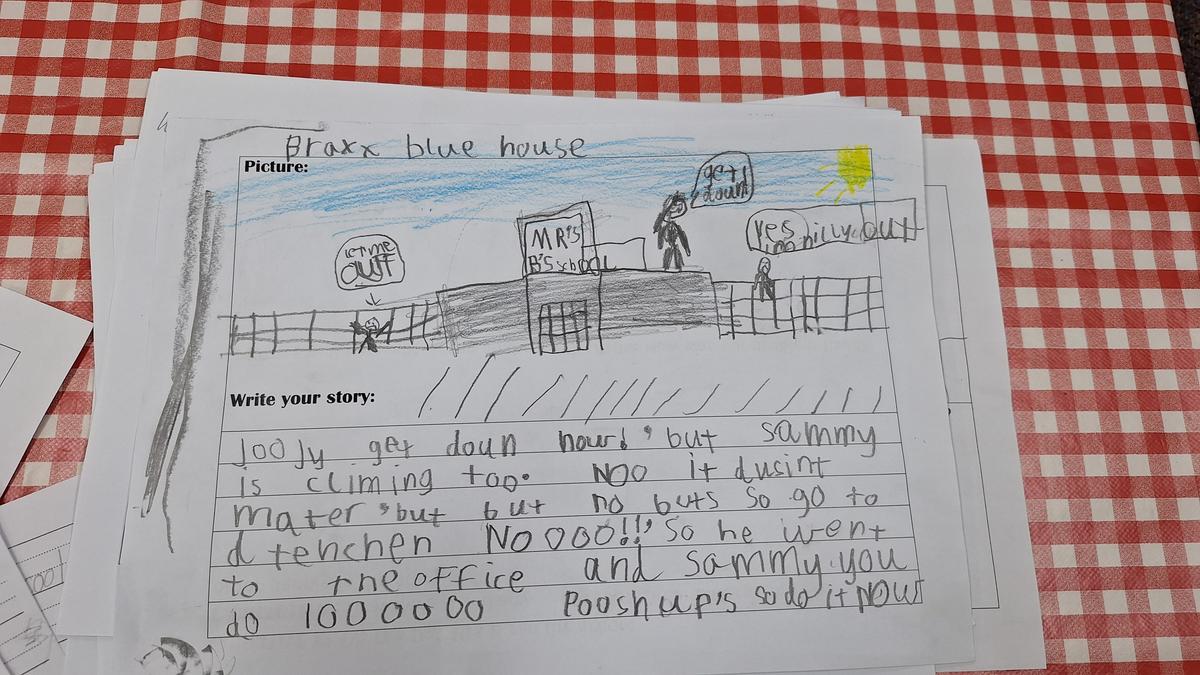
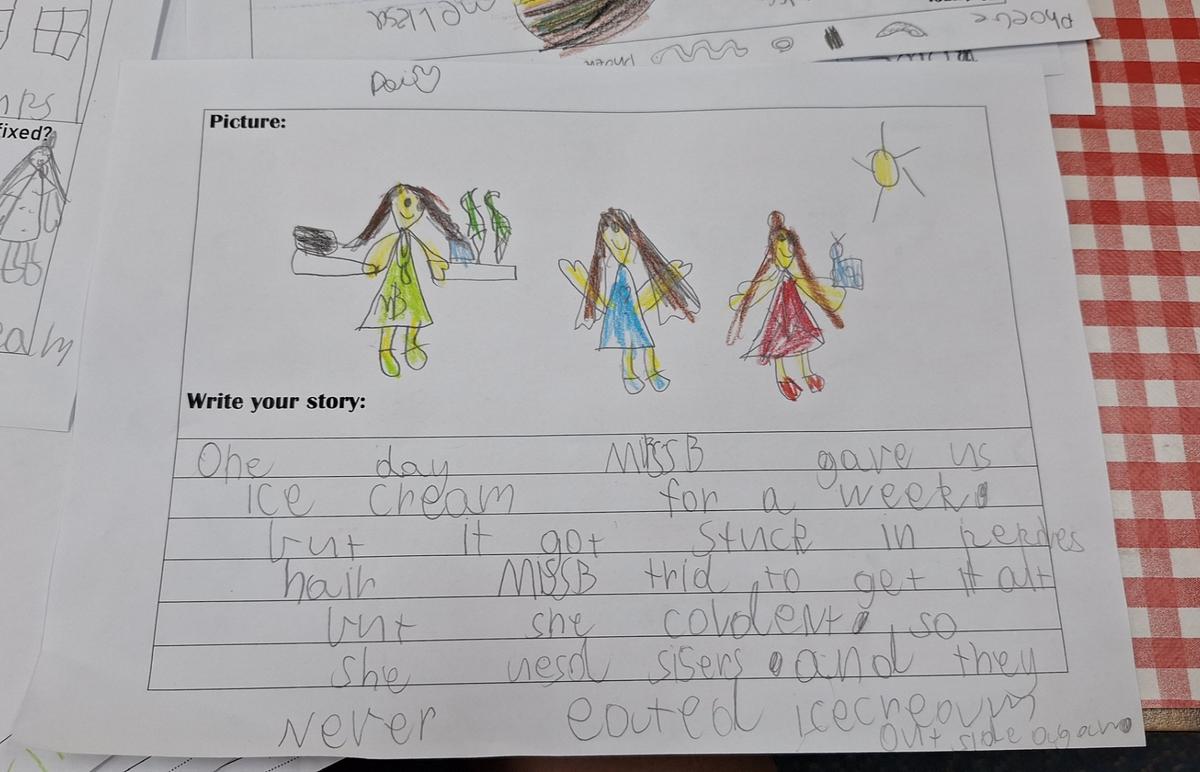
In the last week of school, I had the privilege of being Principal for the day! This was a fun-filled day for the students to compete in their house teams and participate in a mix of individual events and team sports. They also had the opportunity to participate in scategories and write a story about 'The day Mrs B ran the school'. It was great to see the older students engaging so positively with their younger teammates and really showing our Bittern school values.
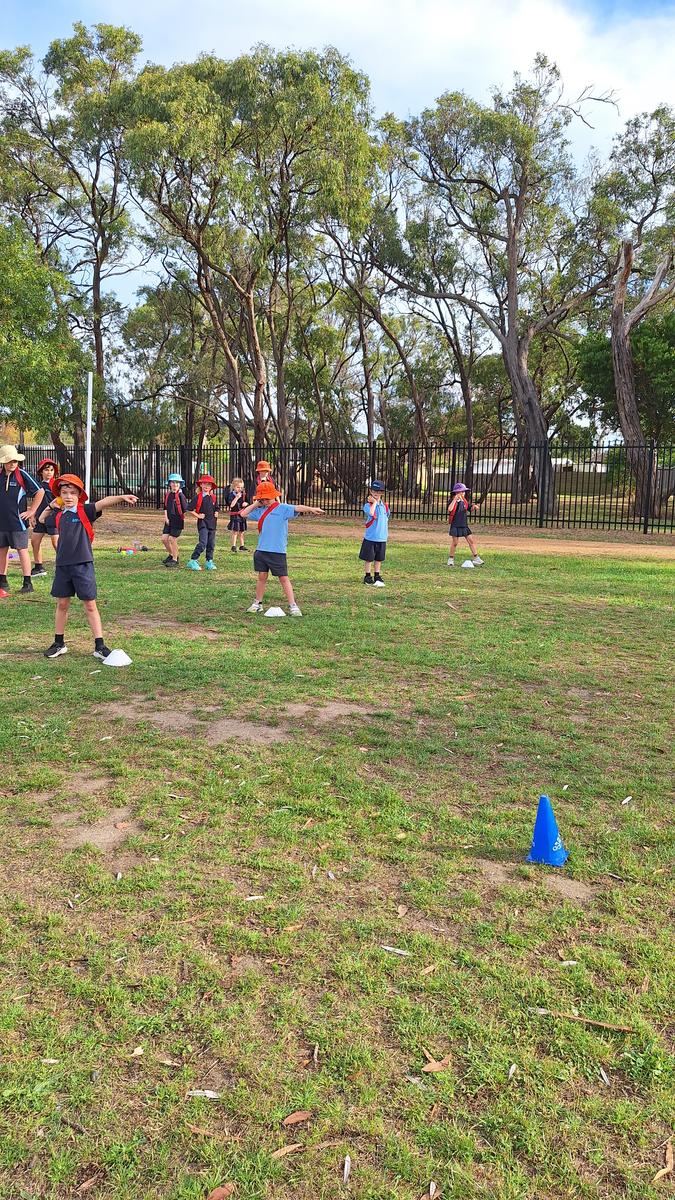
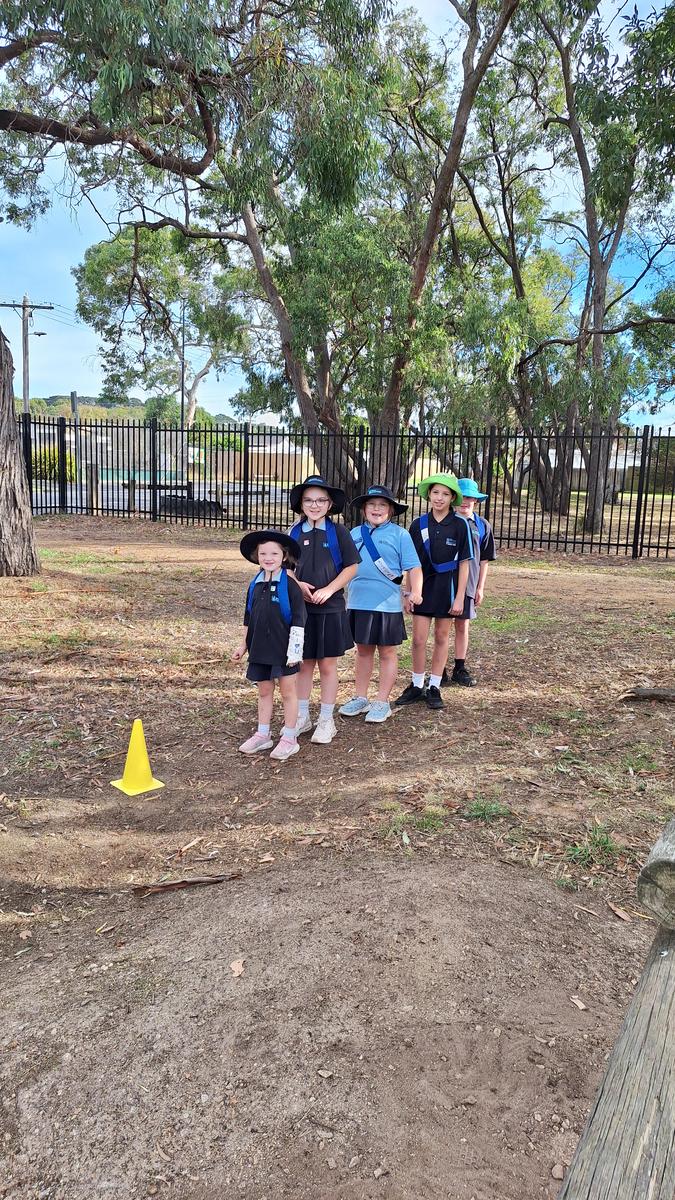
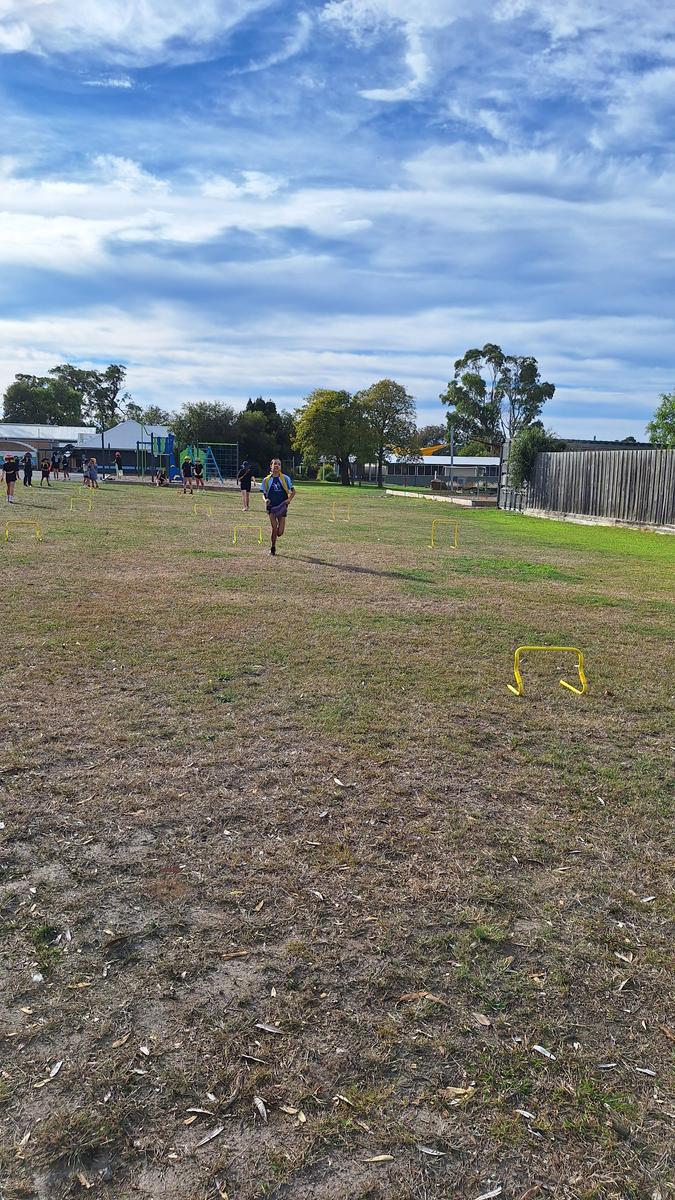
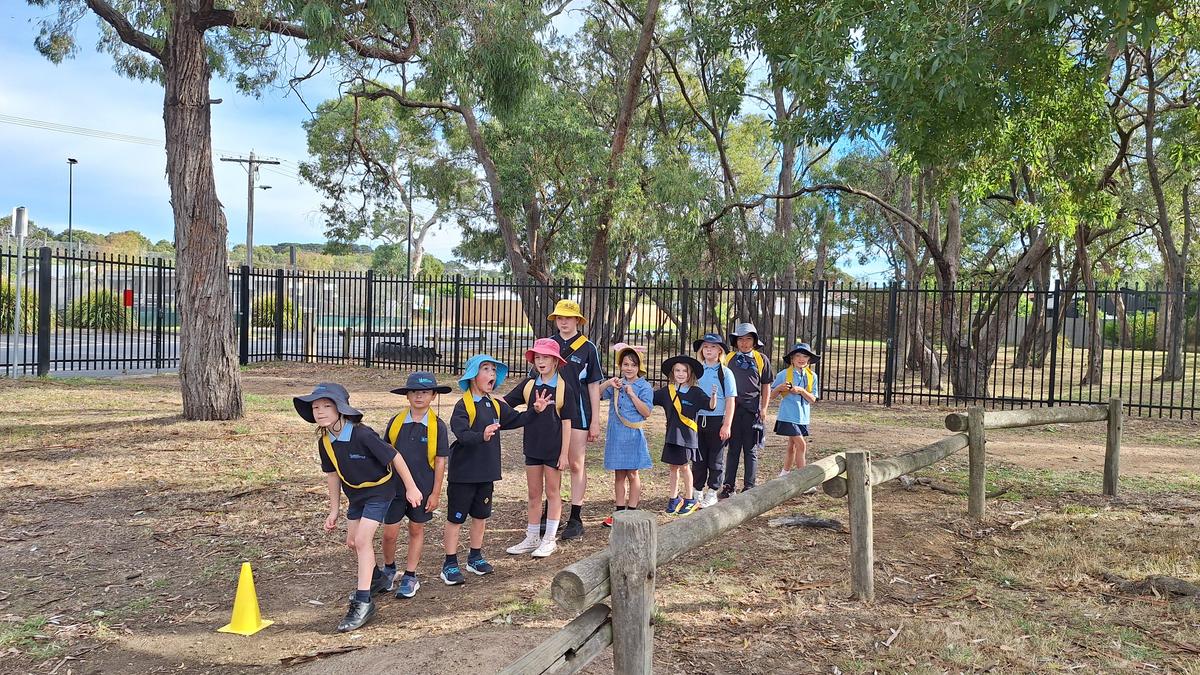
Now for the Term 2 updates:
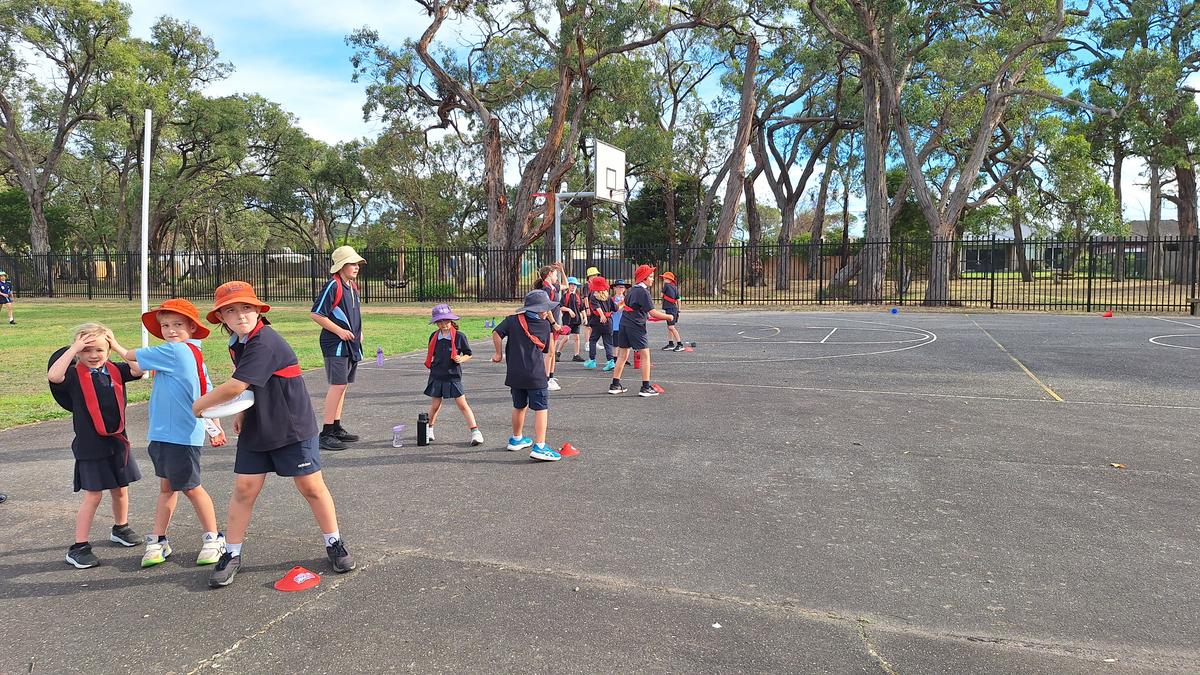
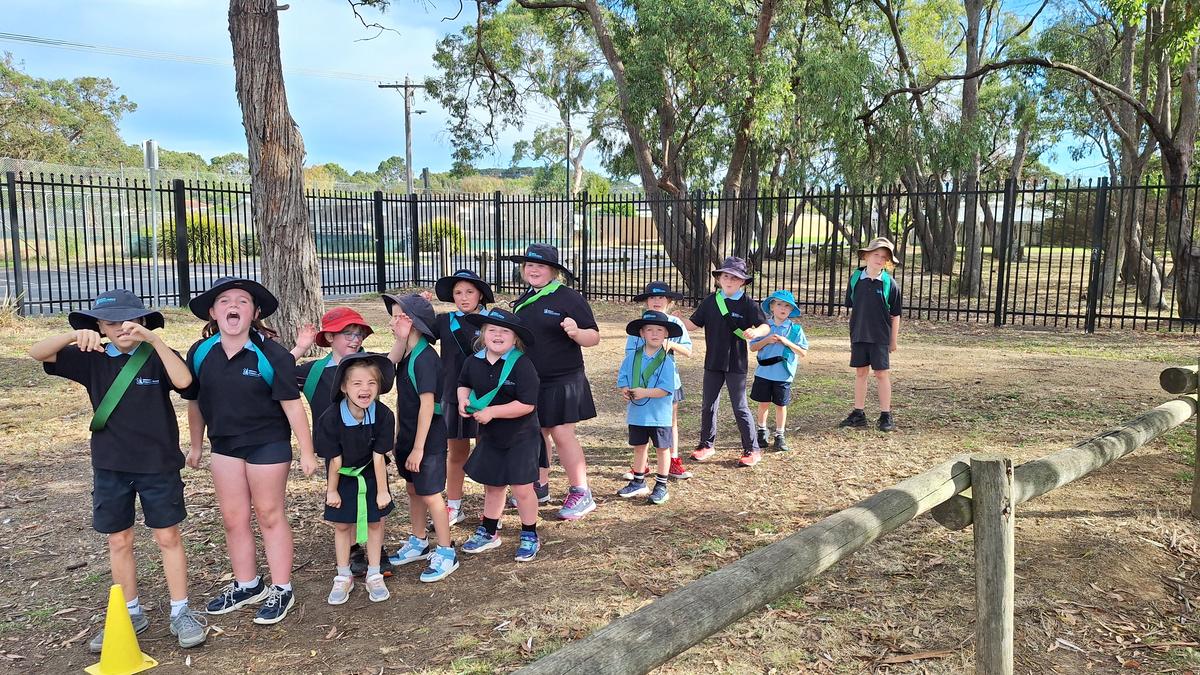
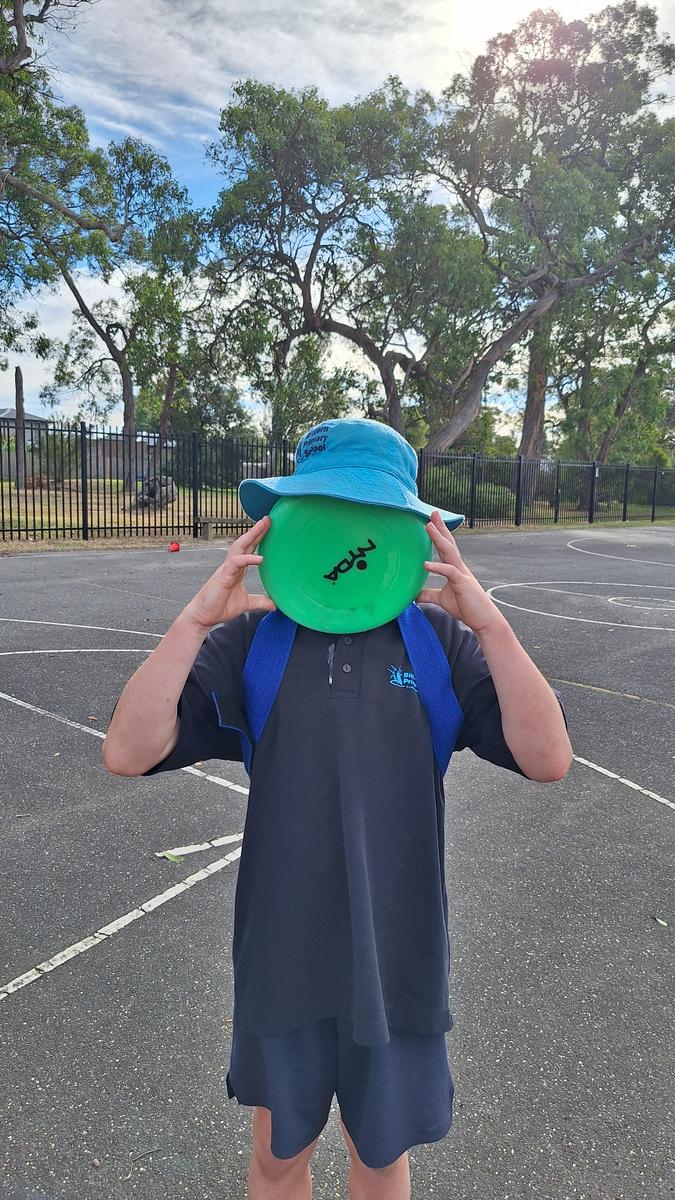
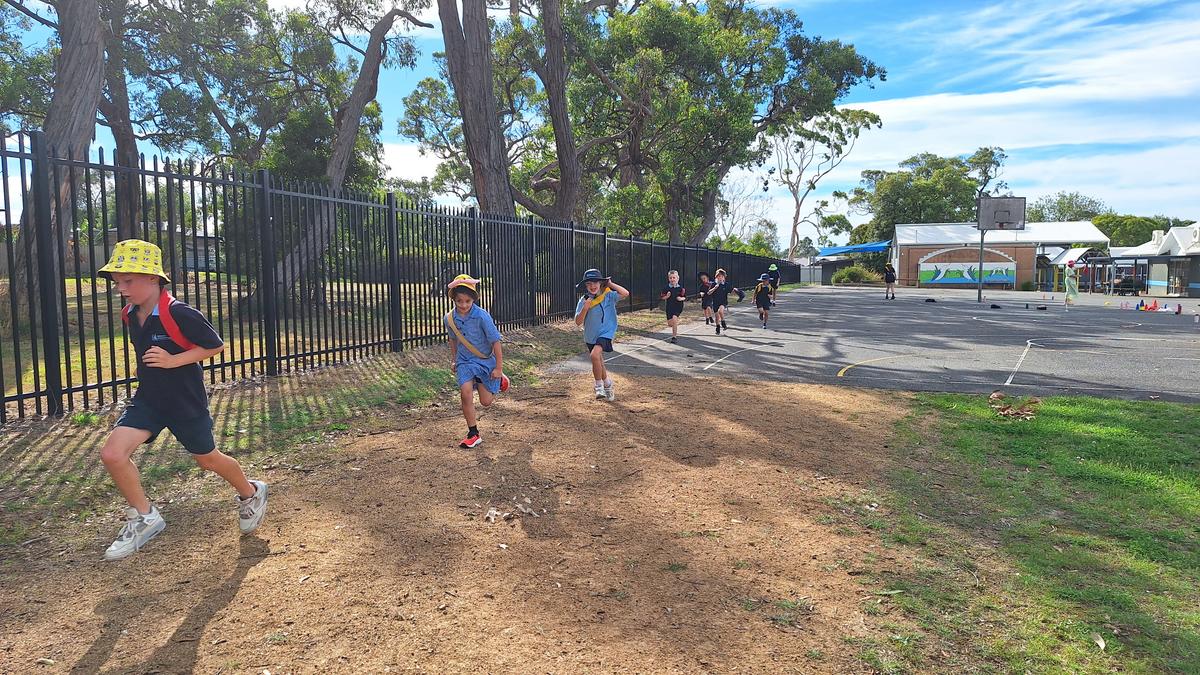
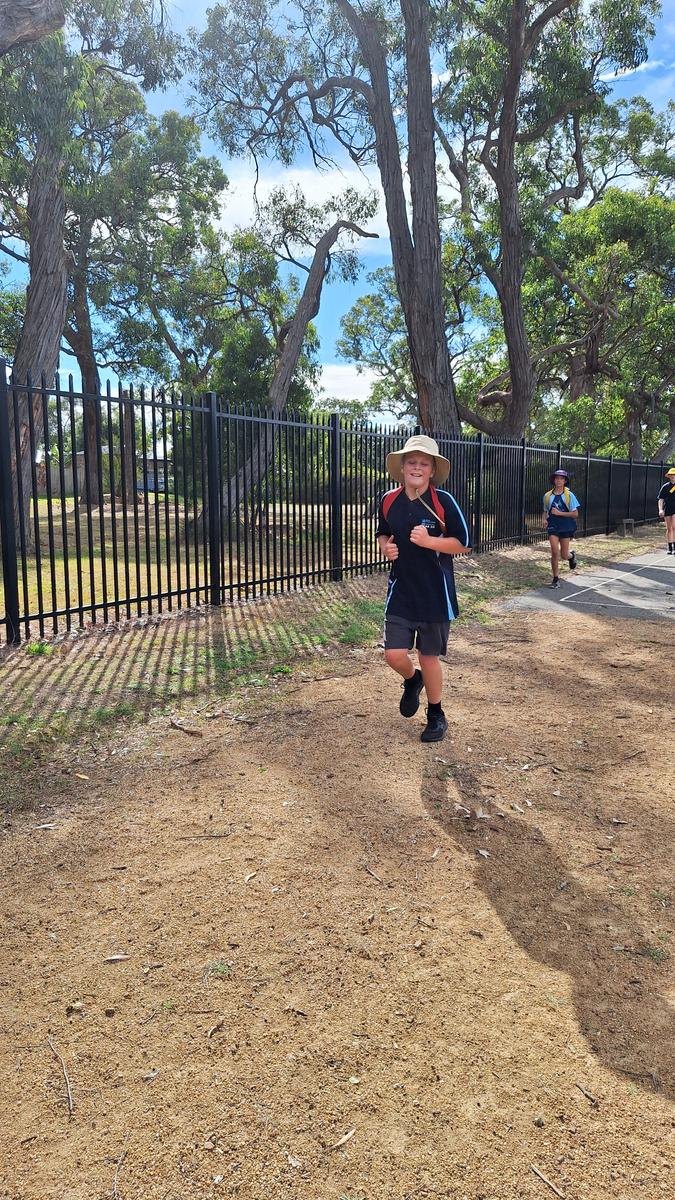
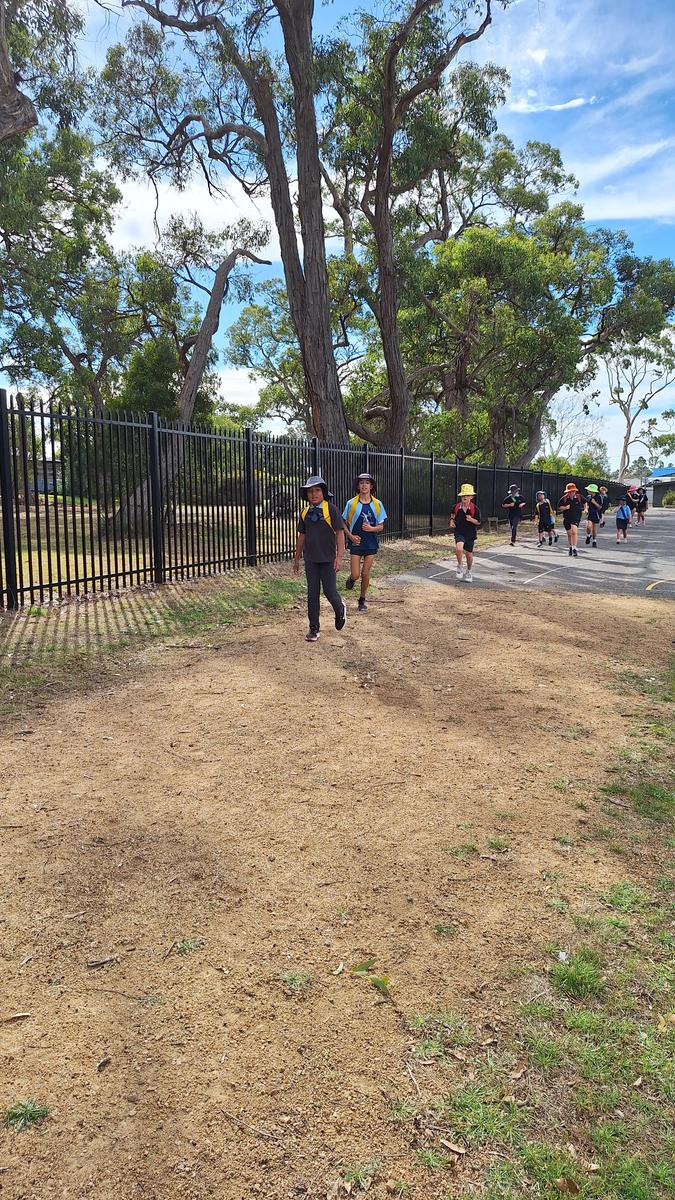
CROSS COUNTRY is tomorrow! The maps are displayed around the school and it will be a fun-filled day for all the students. Starting at 11:30am, the 9/10 year olds will be running 2km and the 11 - 13 year olds will be running 3km. They will then participate in house sports, competing in soccer and ultimate frisbee games. Starting at 12:30pm, the Prep-2 students will be partipating in games and then running for 10 minutes to showcase their running abilities too. Our day will finish with a whole school picnic in their house groups.
This term started with a clinic session from Platinum Tennis Academy based out of Somerville Tennis Club. Steve and Jeane ran a highly engaging session and the students enaged positively and received feedback on their tennis skills. They also provided a special offer which was sent home with students last Wednesday.
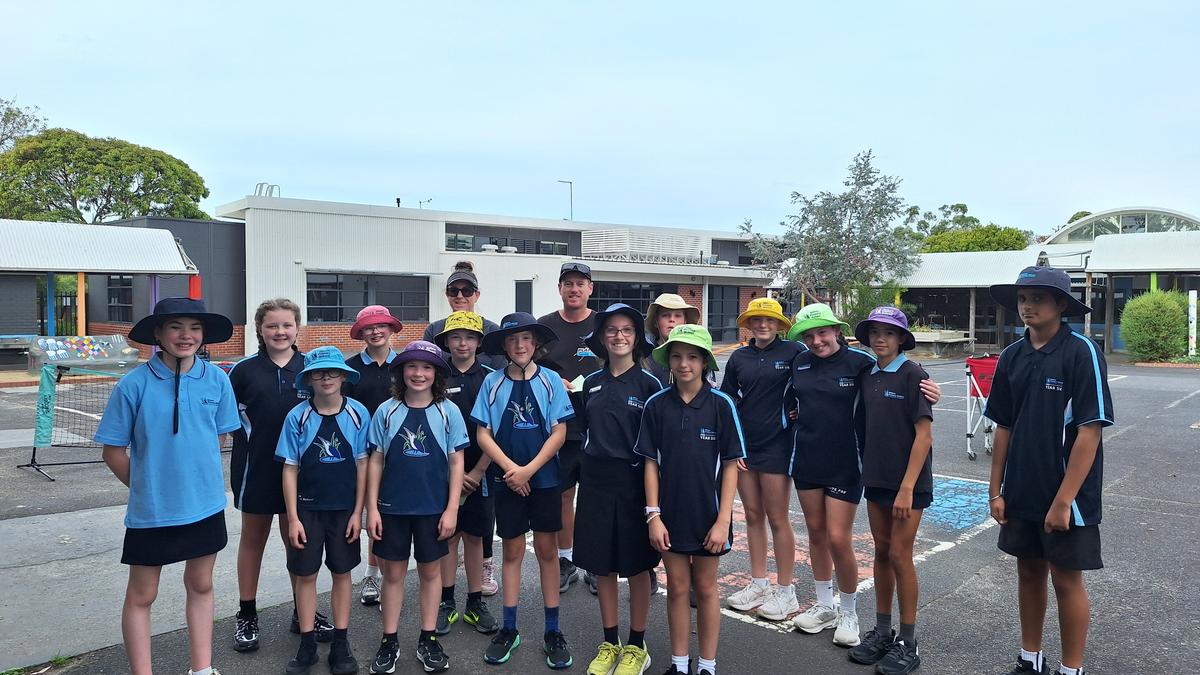
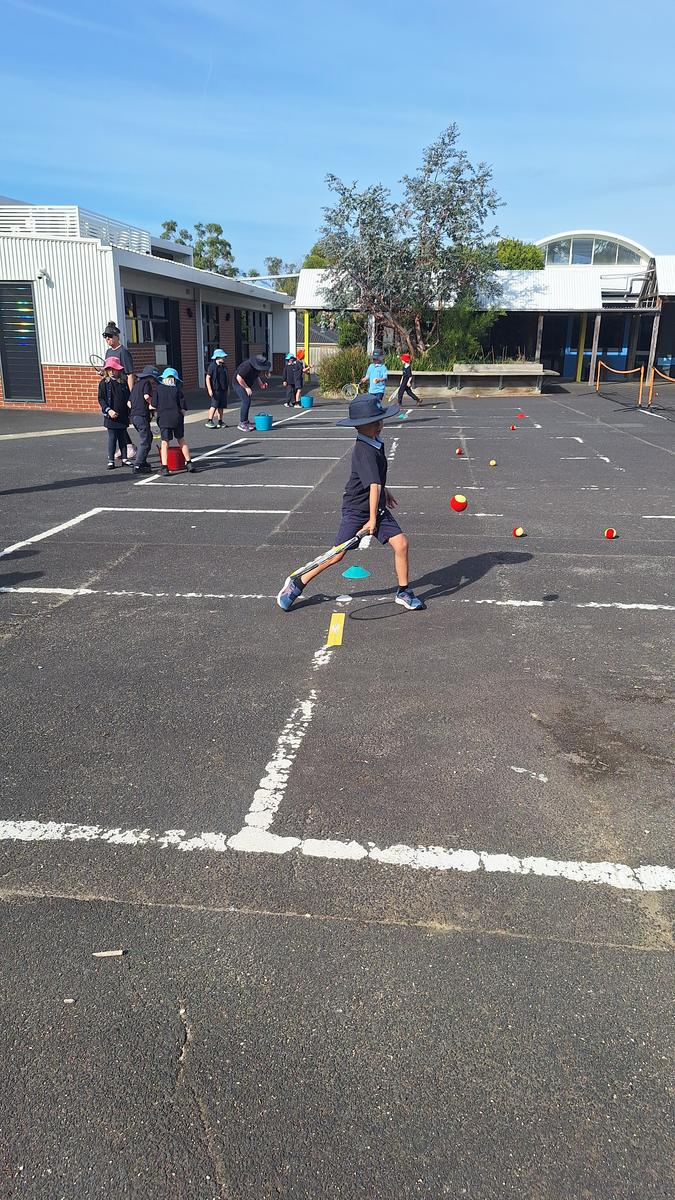
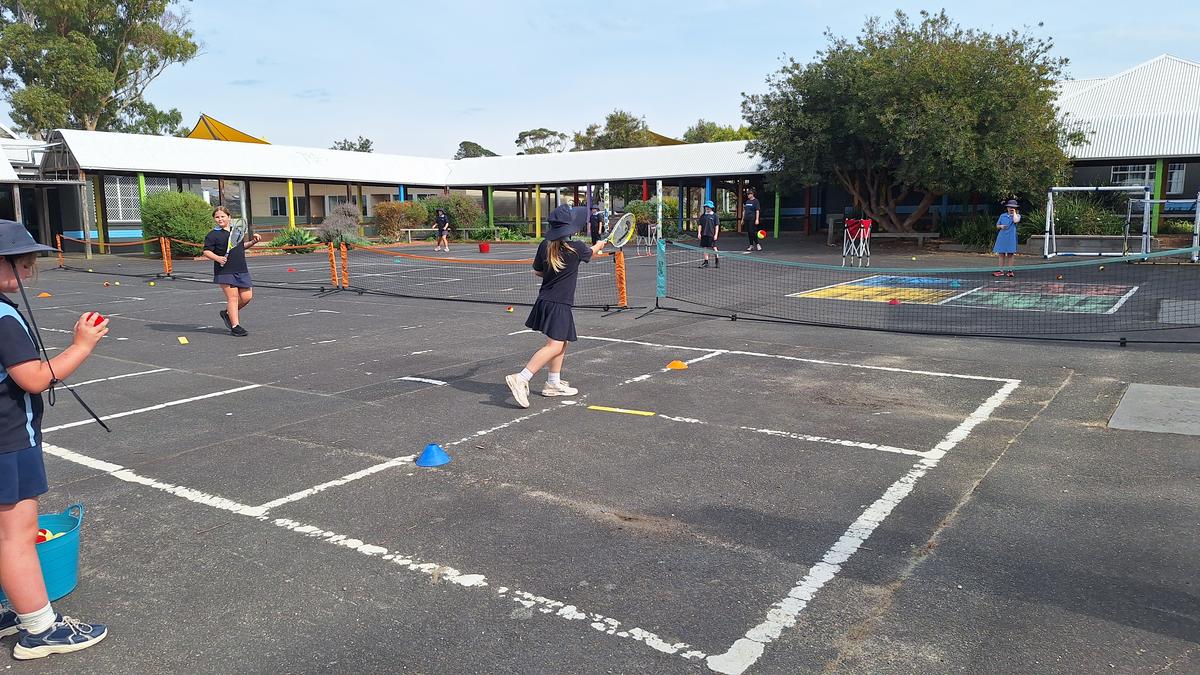
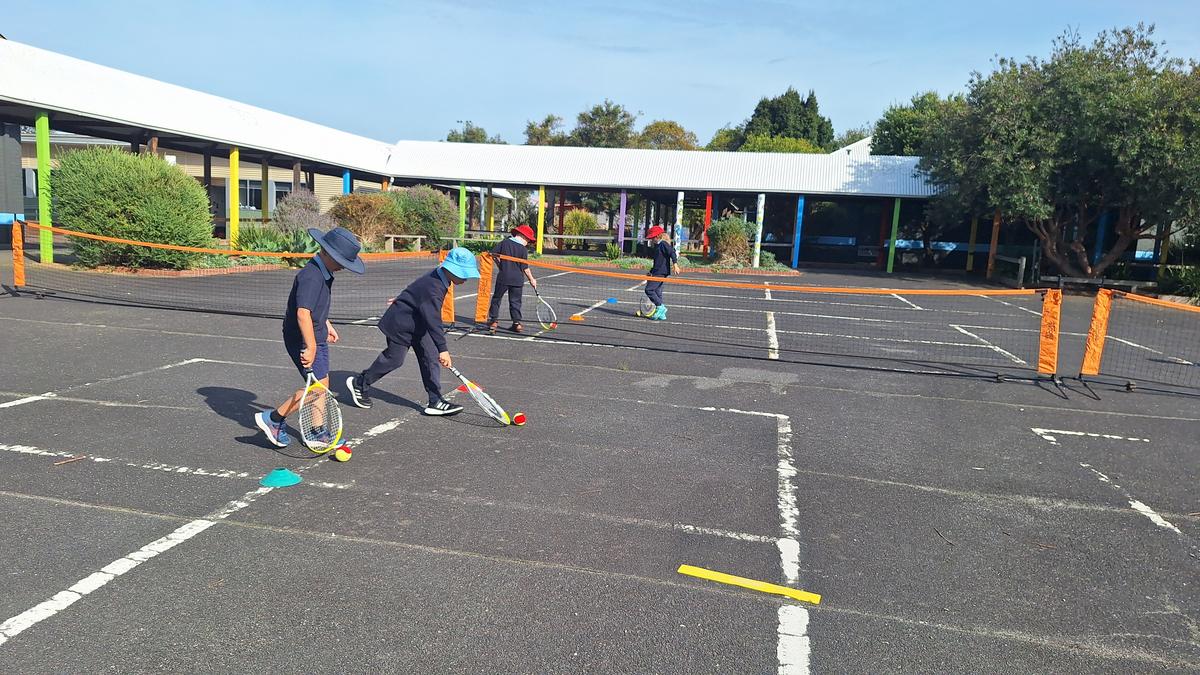
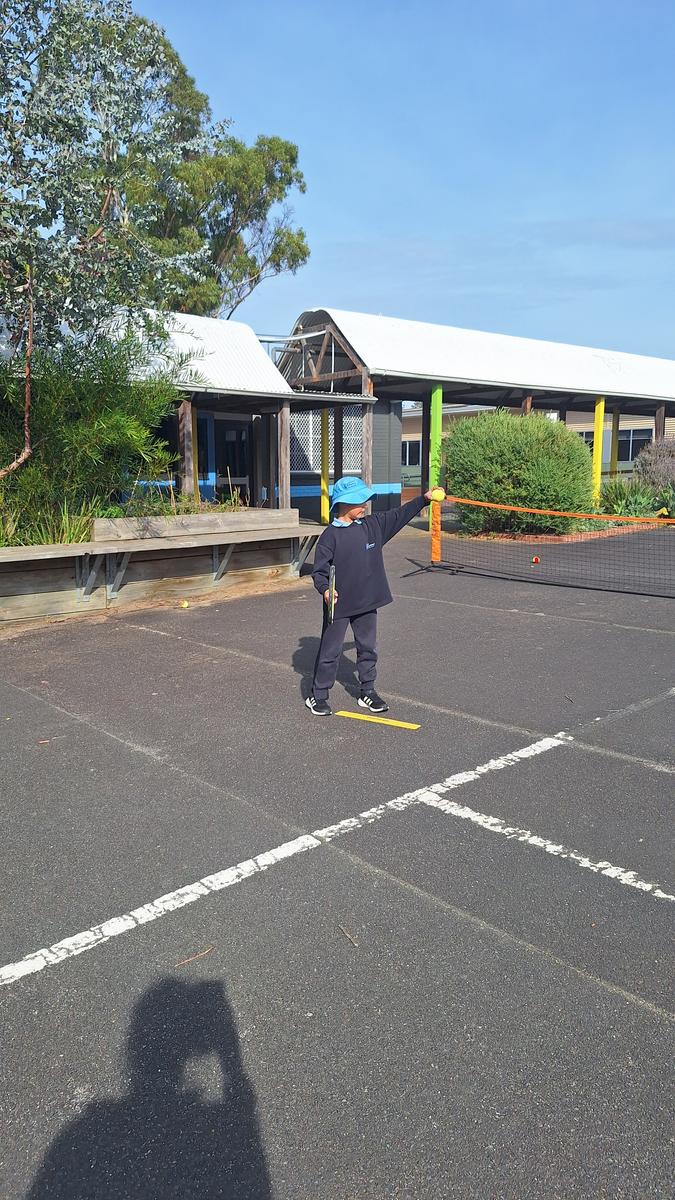
For the rest of the term in PE, the P-2's will be learning about the underarm throw, kick and trap, and punt. The P and 1's will be doing this through station based learning and engaging games and the Grade 2's will be playing more small-sided games to develop their skills and their strategies. The Grade 3 - 6 students will be learning about badminton for the first few weeks and will be focusing on their skill development and strategies to win a point. Netball will be on later in the Term and we will have a coach leading these sessions to really engage and challenge our students to amplify their skills.
PMP is on the calendar for a Thursday morning. The student's are loving the balancing, rolling, catching and throwing sections of the program. They are also doing a great job transitioning between stations and working quickly to have lots of turns. Sometimes there's a dance party in there too.
We will be cooking up a storm in Health and also gardening and planning our menus in health theory lessons. The students have been working wonderfully in this space and progressing through the health curriculum to better their eating habits and sharing this with their families and friends.
In Senior Sports, we will be choosing our sports this week and will begin training vigorously before choosing our teams to represent our school on the day. Students are required to commit themselves fully to training on a Thursday so we can easily identify which students have the maturity and capabilities to compete at the higher level and represent our school.
Mrs Berthet
P.S: I hope the 100 jumps a day challenge is still happening within your household!
DIGI TECH
Students across all year levels have been developing their understanding of algorithms, which are step-by-step instructions used to solve problems or complete tasks. This concept forms a key foundation of computational thinking and supports students in becoming confident and capable users of digital technologies.
Students in Prep and Year 1 have been introduced to algorithms through familiar, everyday contexts. They have been exploring how simple tasks—such as getting ready for school, making a sandwich, or lining up for class—can be broken down into clear, ordered steps. Through hands-on activities, role play, and class discussions, students have been identifying patterns and sequencing events, helping them understand that instructions need to be specific and in the correct order to be successful. The purpose of this learning is to build early problem-solving skills and introduce the idea that digital systems follow precise instructions.
Students in Year 2 have extended this understanding by applying algorithms in a digital environment using ScratchJr. Through this platform, students create simple programs by snapping together visual blocks to control characters and actions. They have been learning how to sequence instructions, predict outcomes, and debug (fix) their programs when something does not work as expected. This learning supports students in understanding how algorithms operate within digital systems, while also fostering creativity, logical thinking and persistence.
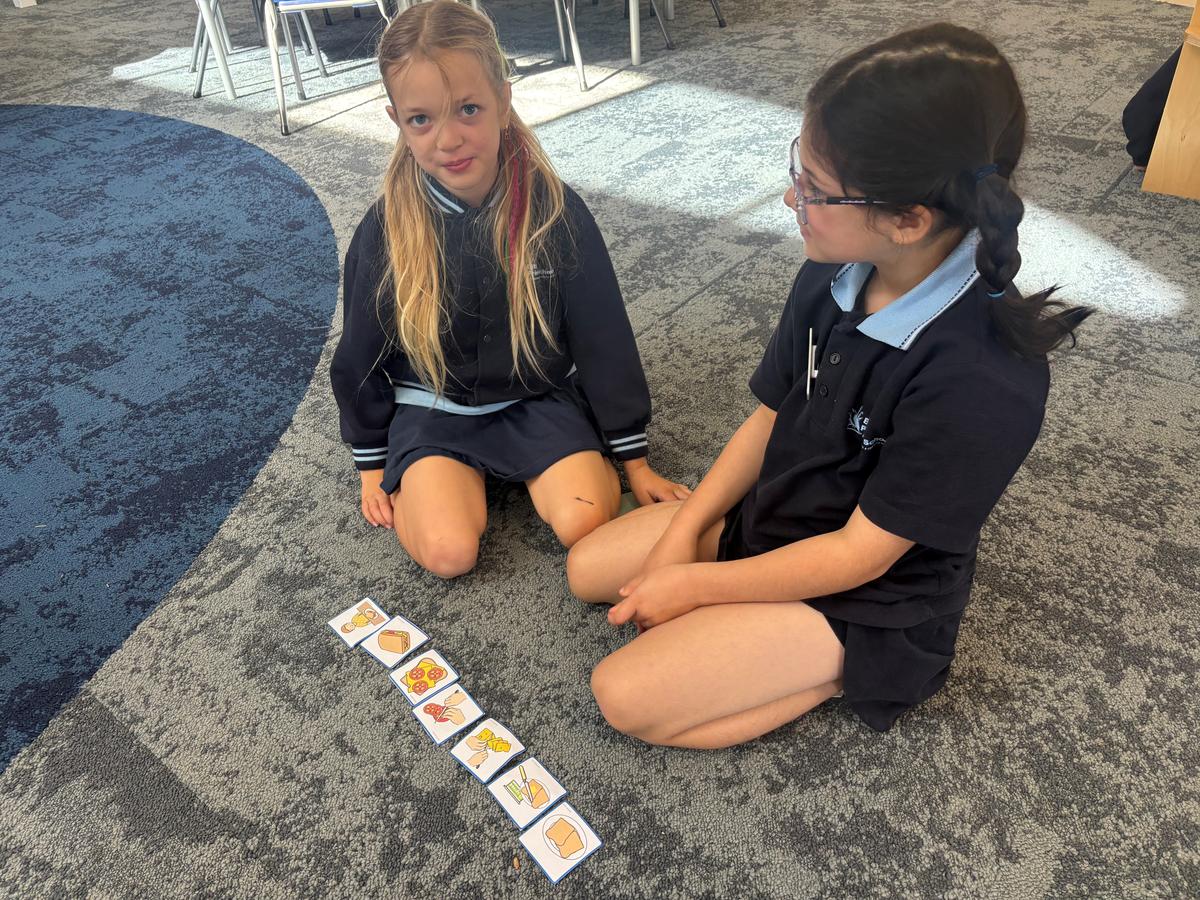
Algorithm Cards
Algorithm Cards
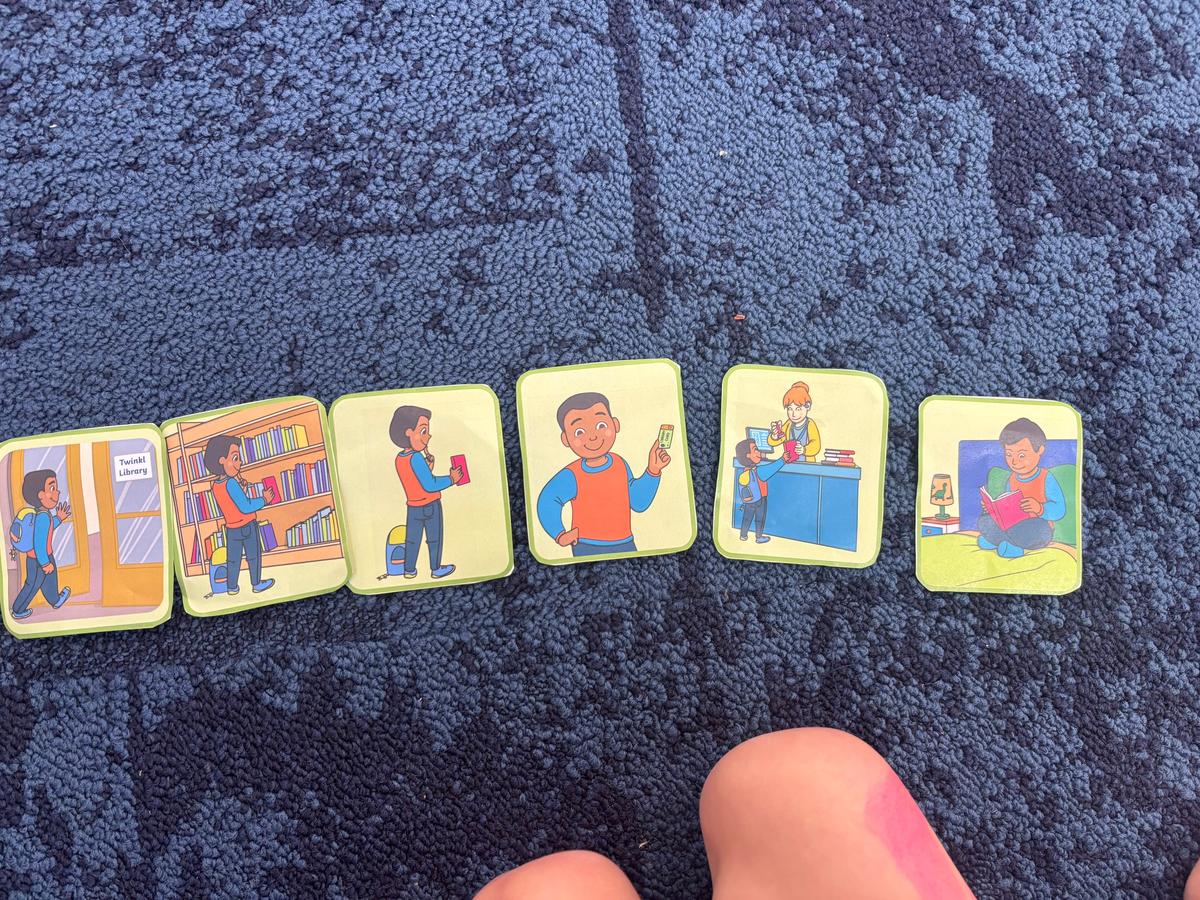
Algorithm Cards
Algorithm Cards
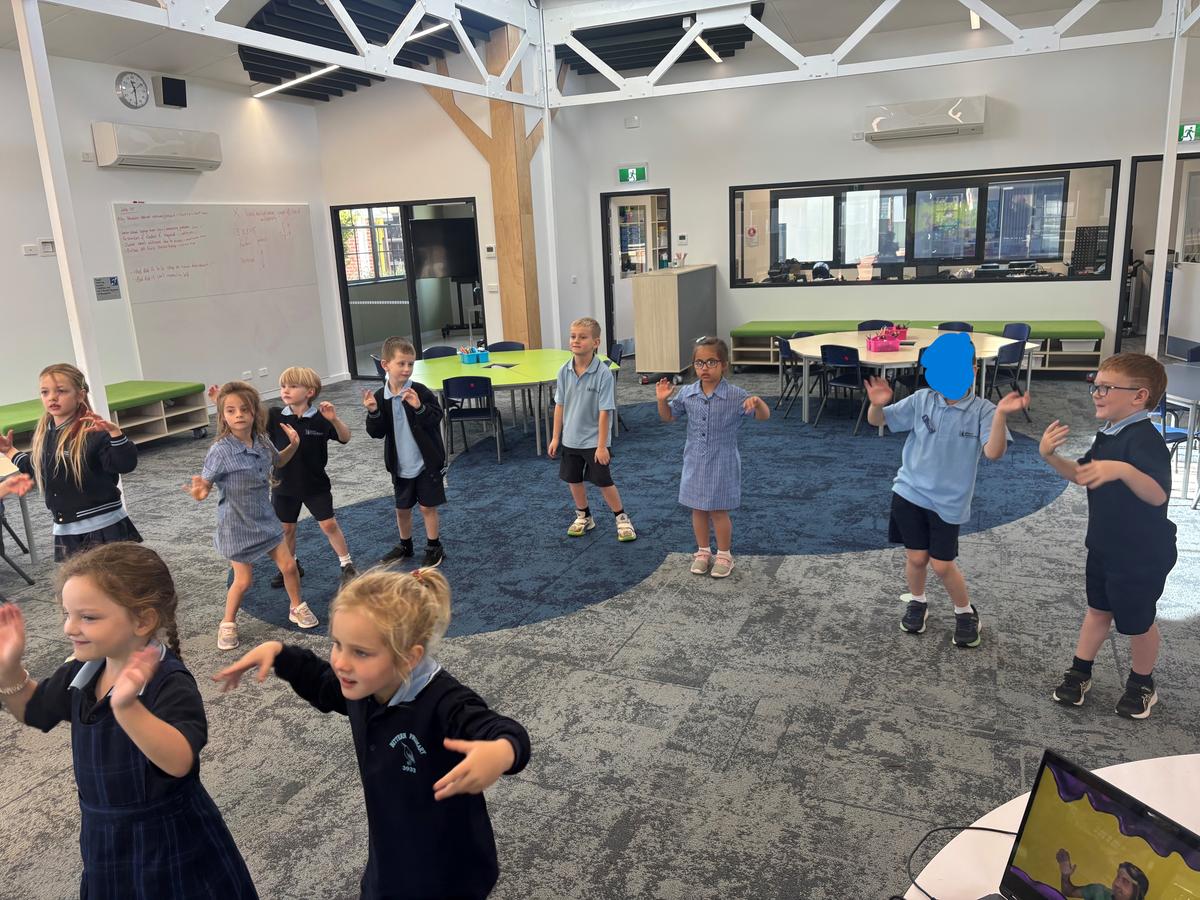
Learning to Dance with Algorithms
Learning to Dance with Algorithms
Students in Years 3–6 have been further developing their knowledge of algorithms through the use of Scratch, a block-based programming platform. Students have begun designing and creating their own programs by combining sequences of instructions to produce animations, interactive stories and simple games. They have explored how to break complex tasks into smaller steps, use logical reasoning to predict outcomes, and refine their programs through testing and debugging. The purpose of this learning is to deepen students’ computational thinking skills, enabling them to understand not only how digital technologies work, but also how to create with them.
Across all year levels, this focus on algorithms supports students in developing essential skills such as logical thinking, problem-solving, creativity and resilience, which are critical for learning in an increasingly digital world.
Mr Durrington
Auslan (Australian Sign Language)
Foundation
Our Foundation students have been enjoying their Auslan lessons as they begin learning to sign basic feelings such as happy, sad, excited, tired and angry. Through games, songs and interactive activities, students are developing their understanding of how handshapes, movements and facial expressions work together to communicate meaning. This learning helps the students to build their ability to recognise and use simple Auslan signs to express ideas and emotions.
Year 2
Our Year 2 students have been enthusiastically developing their Auslan skills by learning how to describe personal characteristics. Throughout recent lessons, students have explored signs for features such as hair colour, eye colour, glasses, moustaches and beards. This learning supports the curriculum, as students are building their ability to communicate meaning using Auslan while also developing their understanding of how signs, facial expressions and body movements work together to convey information about people.
This week, students will be putting their new knowledge into practise through a fun and engaging game of Auslan Guess Who. Using their growing vocabulary, students will ask questions about different characters using Auslan. This activity encourages students to apply their learning in a meaningful context, strengthening both their confidence and fluency in Auslan while promoting inclusion, communication and respect for language diversity.
Year 3 and 4
Our Year 3 and 4 students have been continuing to build their Auslan skills by learning and revising signs for school subjects, classroom items and everyday instructions. Through a variety of activities, students are strengthening their ability to recognise and use signs related to familiar contexts such as reading, writing, maths, books, pencils and common classroom directions. Students are developing their understanding of how Auslan is used to communicate meaning and follow instructions in real-life situations.
Students have been practising these signs through interactive games, role-play and classroom routines, allowing them to apply their learning in meaningful ways. By signing instructions and responding to prompts, students are improving both their receptive and expressive skills while building confidence in using Auslan.
Year 5 and 6
Our Year 5 and 6 students have begun to focus on learning signs for places in North America. Students are exploring how to sign the names of different countries while also building their understanding of how location and movement are represented in Auslan. They are developing their ability to communicate information about places using appropriate signs, handshapes and spatial awareness. Students are learning the signs for these places whilst learning about where they are in the world.
Visual Arts
Visual Arts is off to an exciting start this term as students explore the world of 3D form through sculpture, with a focus on paper mâché. Across all year levels, students are experimenting with building, shaping and constructing artworks that move beyond the flat surface, helping them understand how art can exist in and interact with space.
Students will draw inspiration from a range of artists, including Henri Matisse, Kim Sielbeck, Yayoi Kusama and Pedro Linares López. By exploring these artists’ unique styles and approaches to form, students will develop their own creative ideas and learn how materials can be manipulated to create structure, texture and meaning.
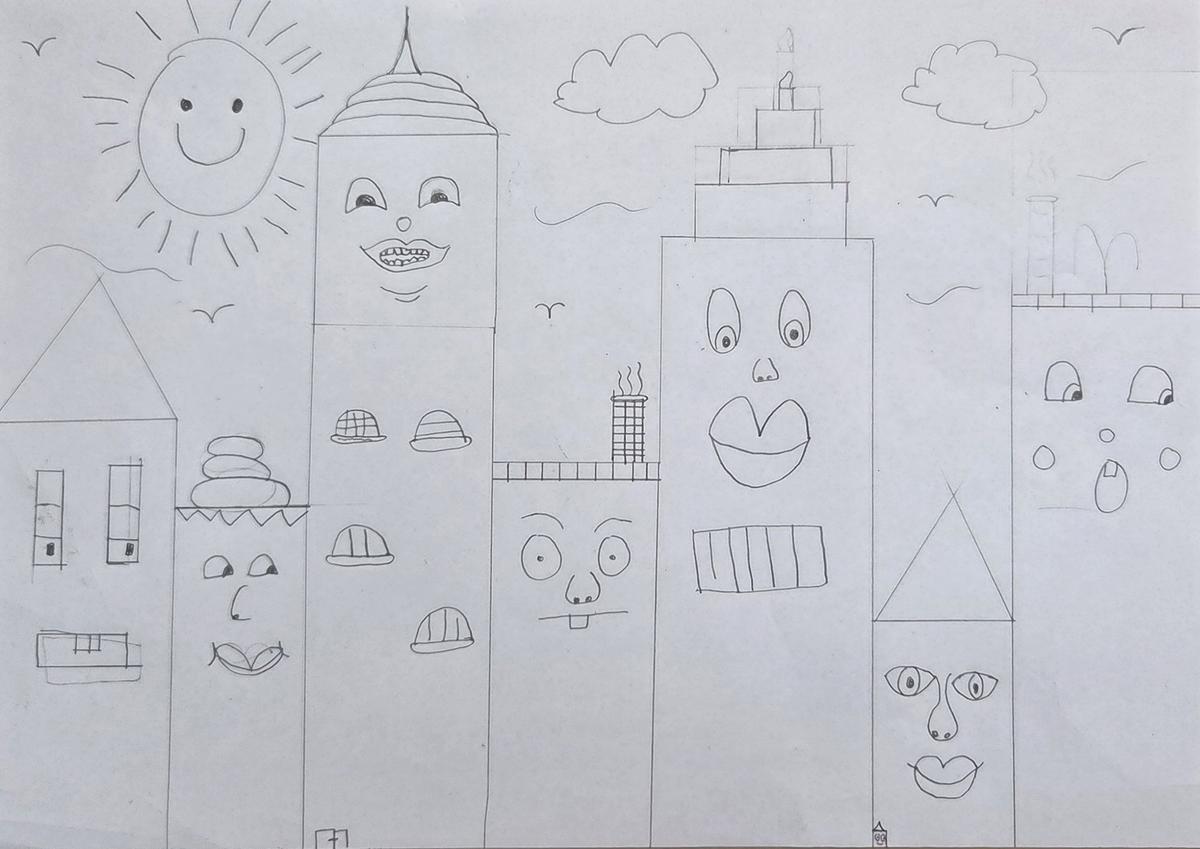
In addition, students have explored the vibrant, playful artwork of James Rizzi and have begun creating their own cityscape drawings inspired by his style, focusing on bold shapes, pattern and personality.
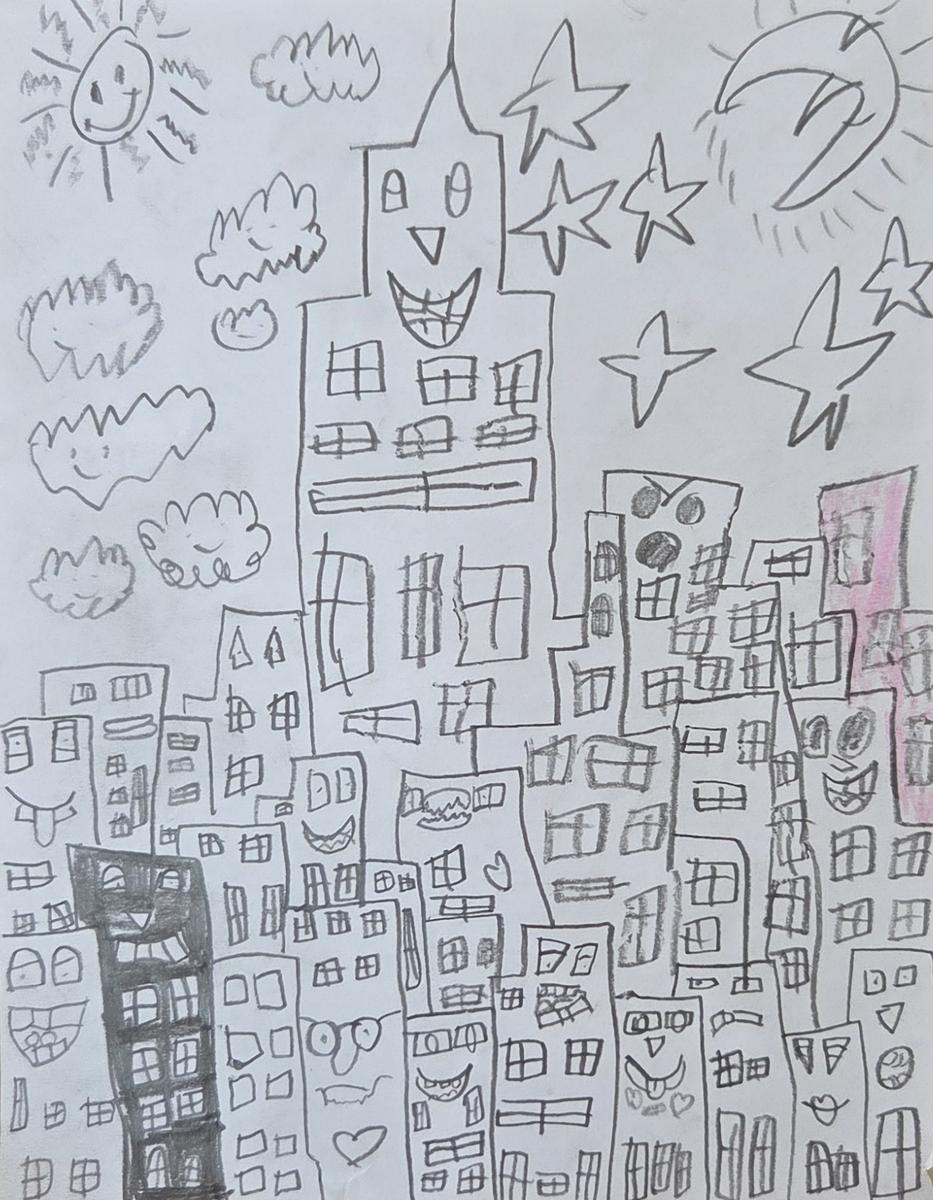
In line with the Victorian Curriculum 2.0, students are developing their understanding of the Elements of Art, particularly form, while also engaging in the processes of exploring, experimenting, and creating. Working in 3D supports spatial awareness, problem-solving and resilience, as students learn to plan, build and refine their sculptures over time.
We look forward to seeing students’ imaginative creations come to life as they transform simple materials into expressive and dynamic artworks!
Mrs Roberts