
Wellbeing
PBL
At SFS, our PBL (Positive Behaviours for Learning) school wide expectations are:
Respect, Responsibility and Kindness
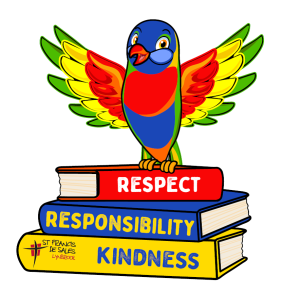
We have a whole school social skills lesson where we explicitly teach an expected behaviour from our Behaviour Expectation matrix. The focus for this week is RESPONSIBILITY: Be safe outdoors. The lesson particularly focused on behaviour expectations at the Twilight sports and that we like to have fun but we have a responsibility to be safe outdoors to keep ourselves and others safe.
Here are some of our lucky PBL raffle winners who have been seen demonstrating our school expected behaviours. Well done to all the children who have received a PBL card during the week.

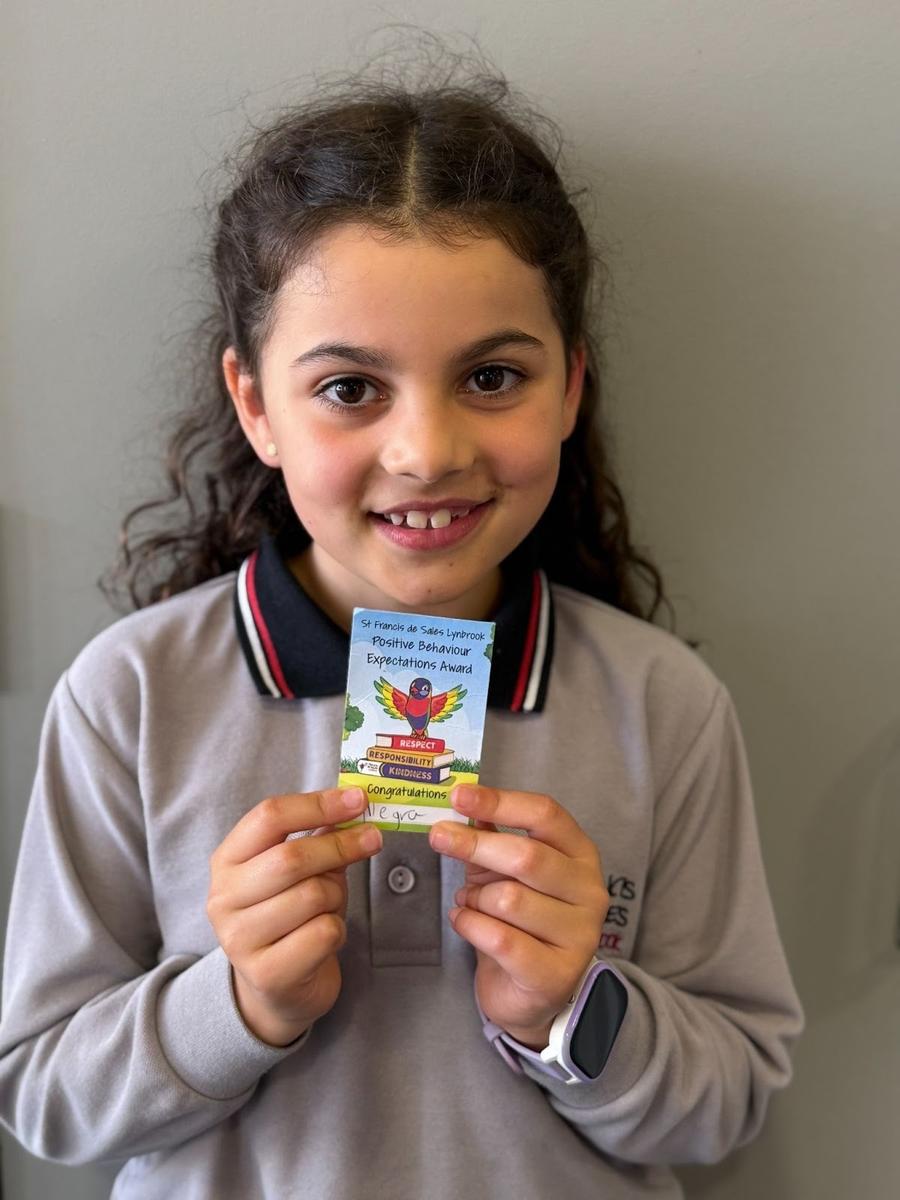
This week's PBL raffle winners
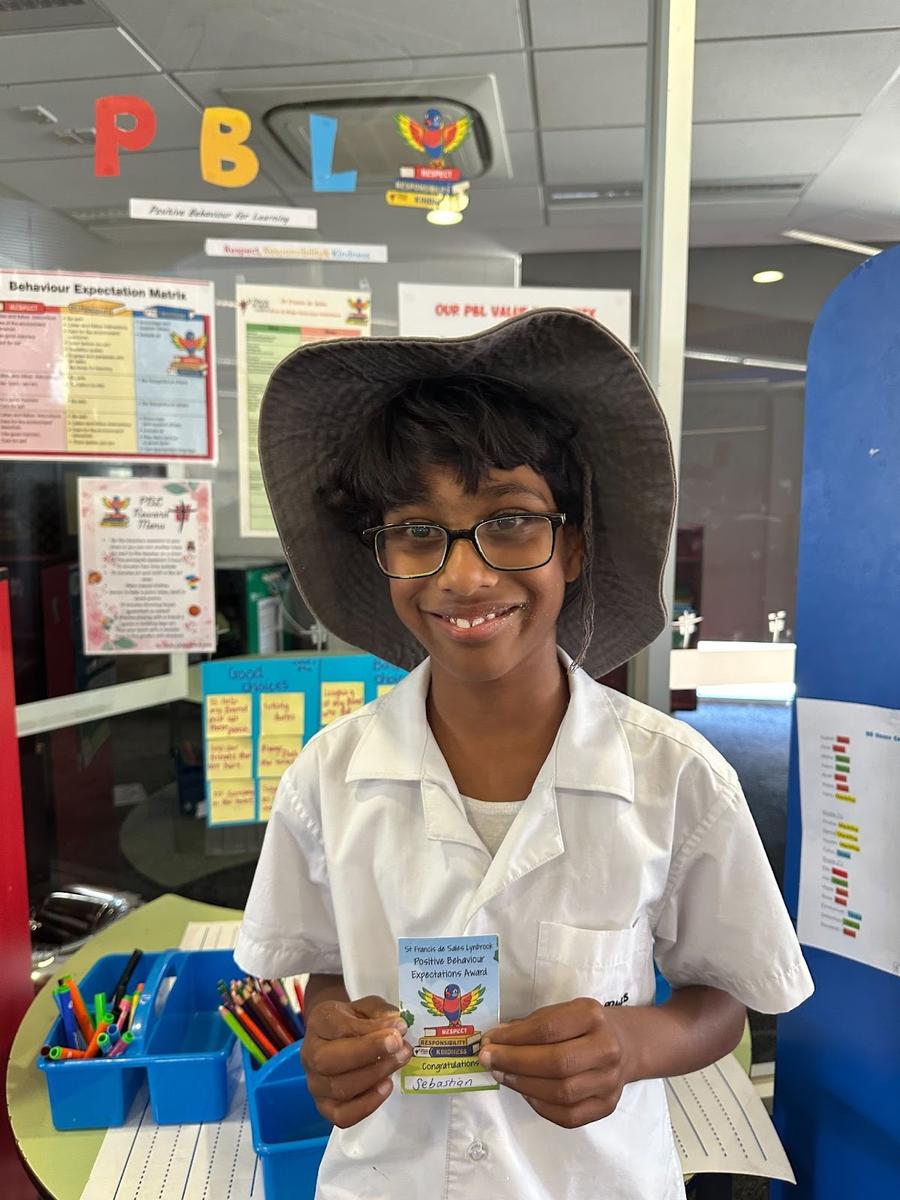
This week's PBL raffle winners
Harmony Day and Harmony Week

Harmony Week (16–22March 2026) is an annual Australian celebration recognizing cultural diversity, inclusiveness, and respect for everyone, regardless of background. Centered around the theme "everyone belongs," it highlights the nation's multiculturalism, with 21 March marking the UN International Day for the Elimination of Racial Discrimination.
At SFS, we will be celebrating Harmony Day on Tuesday 24th March with a special day of activities with the children celebrating the richness of Multiculturalism.
Information regarding the Specialist day will be shared via Nforma soon. Please ensure you read the information and respond to the question regarding the preparation and eating of food. The children will be exploring music, dance and food from Australia, India and Italy that day and sharing the food they make in class.
The children can come dressed on that day in clothes that represent their cultural identity (either traditional clothing or colours of the flag, etc) or they can wear orange, the colour used to represent Harmony week.
There will be a special assembly on that day in the afternoon at 1.45pm including a presentation by Christine Sully who came to do some Bollywood dancing at the school picnic. Parents and families are most welcome to attend the assembly.
Child Safety Standards
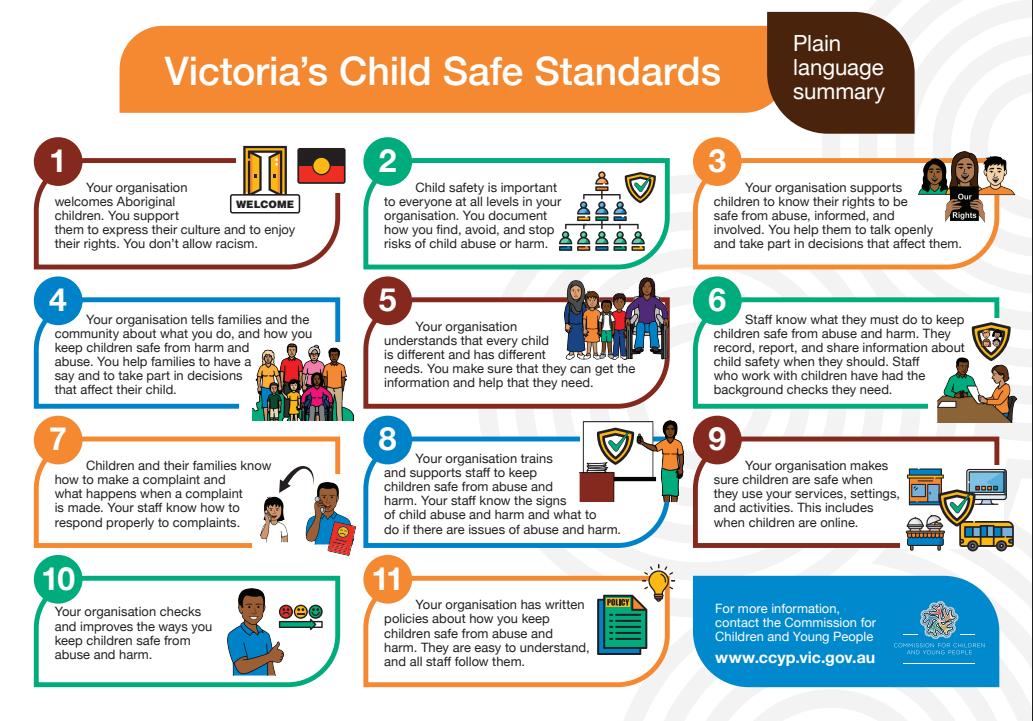
All Victorian schools are required to comply with the 11 Victorian Child Safe Standards. This is to ensure that the safety and wellbeing of children is promoted, child abuse is prevented, and allegations of child abuse are responded to properly and promptly.
At SFS, we have regular conversations about Child safety and ensure that we put the Child safety standards into practice.
Child safe standard 2 is that as a school we have a commitment to CHild safety and we have policies and procedures in place to demonstrate this.
You can find all the SFS Child safety policies on the school website if you would like to find out more.
Talking to children about the Conflict in the Middle East
With recent events in the Middle East, it can be frightening for us all, but particularly children who may hear things on TV or on social media and be feeling worried about what is going on. The following information is from experts at Save the Children. They have 5 tools and tips to help parents and caregivers have these challenging conversations. (https://www.savethechildren.net/news/middle-east-and-regional-escalation-5-ways-talk-children-about-conflict).
1. Make time and listen when your child wants to talk
Give children the space to tell you what they know, how they feel, and to ask questions. They may have formed a completely different picture of the situation than you have. Take the time to listen to what they think, and what they have seen or heard. Reassure them, while being honest, addressing any misinformation or inaccuracies in an age-appropriate way. Remind them that it is okay to feel scared or worried and that many adults also feel this way too.
2. Tailor the conversation to the child
Be mindful of the child’s age as you approach the conversation with them. Young children may not understand what conflict or war means and require an age-appropriate explanation. Be careful not to over-explain the situation or go into too much detail as this can make children unnecessarily anxious. Younger children may be satisfied just by understanding that sometimes countries fight. Older children are more likely to understand what is happening, but may still benefit from talking with you about the situation. In fact, older children will often be more concerned by talk of war because they tend to understand the dangers better than younger children do.
3. Validate their feelings
It is important that children feel supported in conversation. They should not feel judged or have their concerns dismissed. When children have the chance to have an open and honest conversation about things that upset them, it can create a sense of relief and safety.
4. Correct misinformation in a calm and supportive way
Help children understand that not all information sources are trustworthy. Explain the difference between verified news from trusted, well-known organisations and posts on social media or sensationalist websites that may not be accurate. Remind them that sharing distressing images or unverified information can spread fear and confusion. Caregivers can play a key role in modelling responsible digital behaviour, encouraging children not to circulate harmful or graphic material, and reminding them to pause before sharing content that may be inaccurate or emotionally triggering.
5. Make and discuss a Family Safety Plan
If you are in a place that feels unsafe, talk with your child about what to do if you become separated. Make sure they know important information like your full name, phone number, and where to meet if you cannot find each other right away. Keep the plan simple and practice it calmly so it feels reassuring, not scary. For younger children, consider writing key details on a small card or bracelet. Keep copies of important documents and contact details in a safe place, and if possible, back them up digitally. Explain to your child that if you are separated, the safest thing to do is to stay where they are and seek help from a trusted adult, such as a teacher, community leader, or aid worker. Practice the plan calmly so it feels reassuring rather than frightening.
If your child is safe but worried about events happening elsewhere, acknowledge their feelings. And let them know that many adults — leaders, helpers, and community members — are working to solve problems and keep people safe. Gently shift the focus to what is within your family’s control, such as staying informed from trusted sources, supporting others, or taking small positive actions together. Having a plan and focusing on what you can control can help children feel more secure and less overwhelmed.”
Action for Happiness Calendar
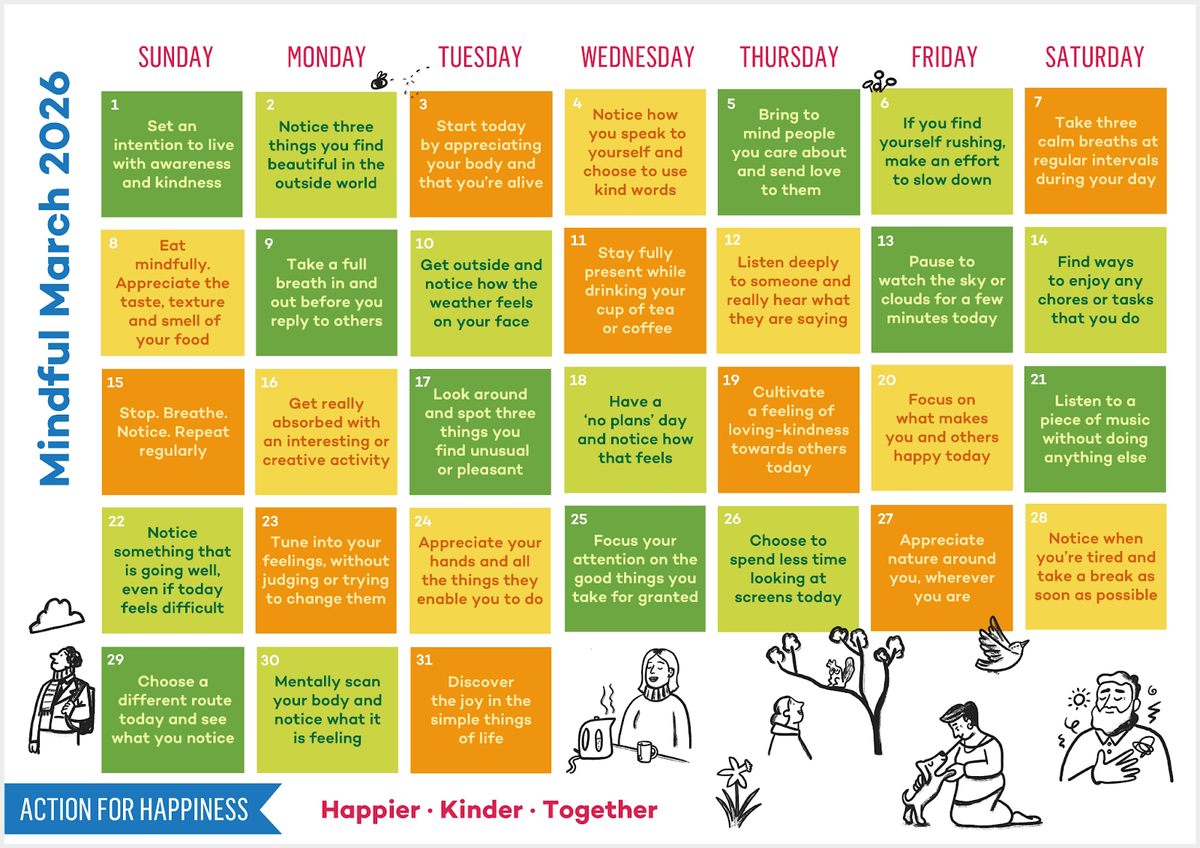
This month’s calendar is called Mindful March. Let's pause, breathe and notice, so we can respond more mindfully. Mindfulness is a practice where you are able to be present in the moment and are aware of your mind and body.
Research has shown that practicing Mindfulness daily can improve your sleep, improve your focus, attention and memory, improve relationships and mental health and wellbeing.
Why not try some of the ideas on the March calendar to practice Mindfulness. You might like to download the Insight Timer free App which has some great daily meditations you can use to practice mindfulness.
If you have any concern about your child’s mental health or wellbeing, please do not hesitate to contact me or make a time to speak with me. My working days are Monday to Wednesday and Friday. I will also be available on the Parent Teacher interview evening at the end of term 1 to speak and can be booked on the interview app as well as with your child’s homegroup teacher.
Rachel Lenko
Mental Health and Wellbeing Leader
rlenko@sfslynbrook.catholic.edu.au

Positive Quote for the Day
Positive Quote for the Day