Whole School Activities
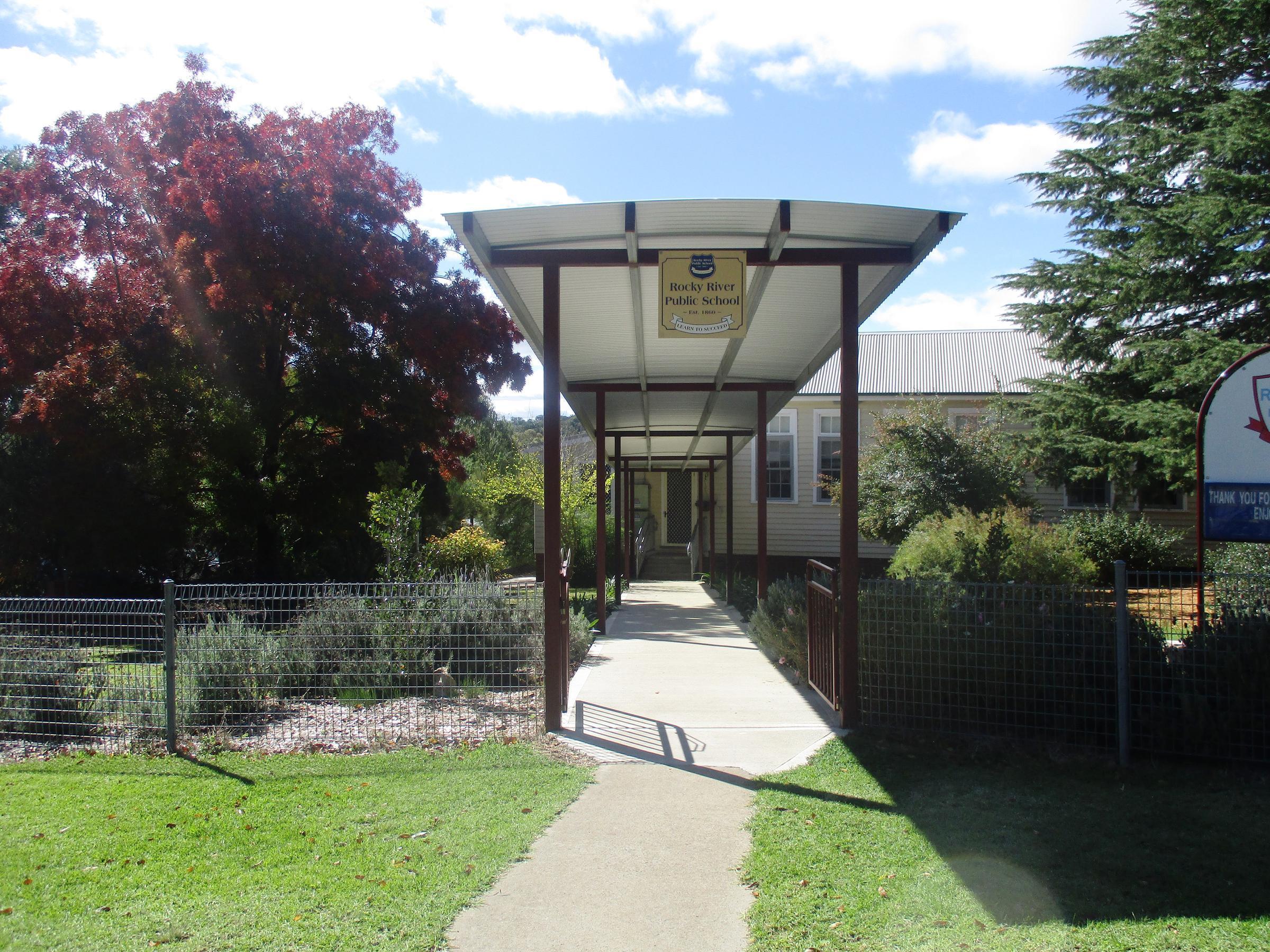
Lower Division
Mathematics
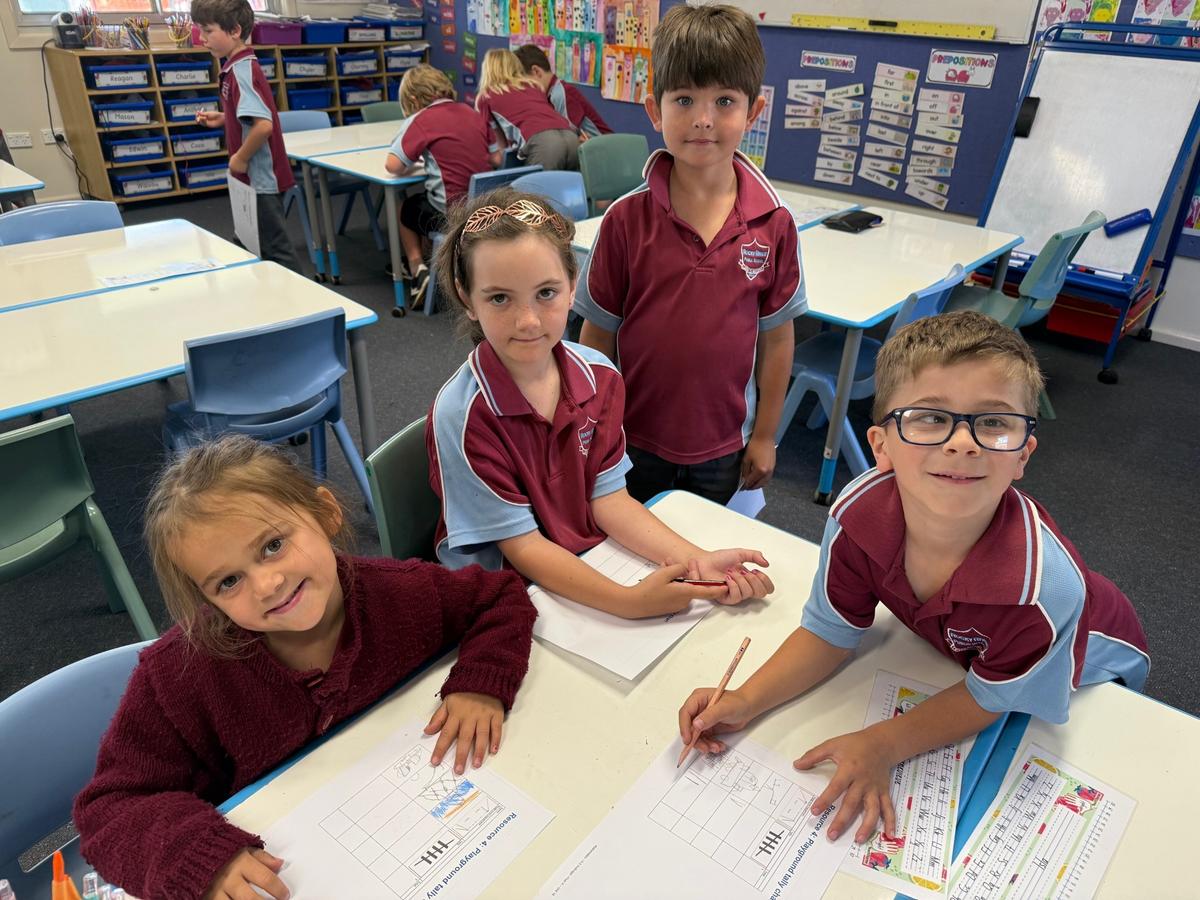
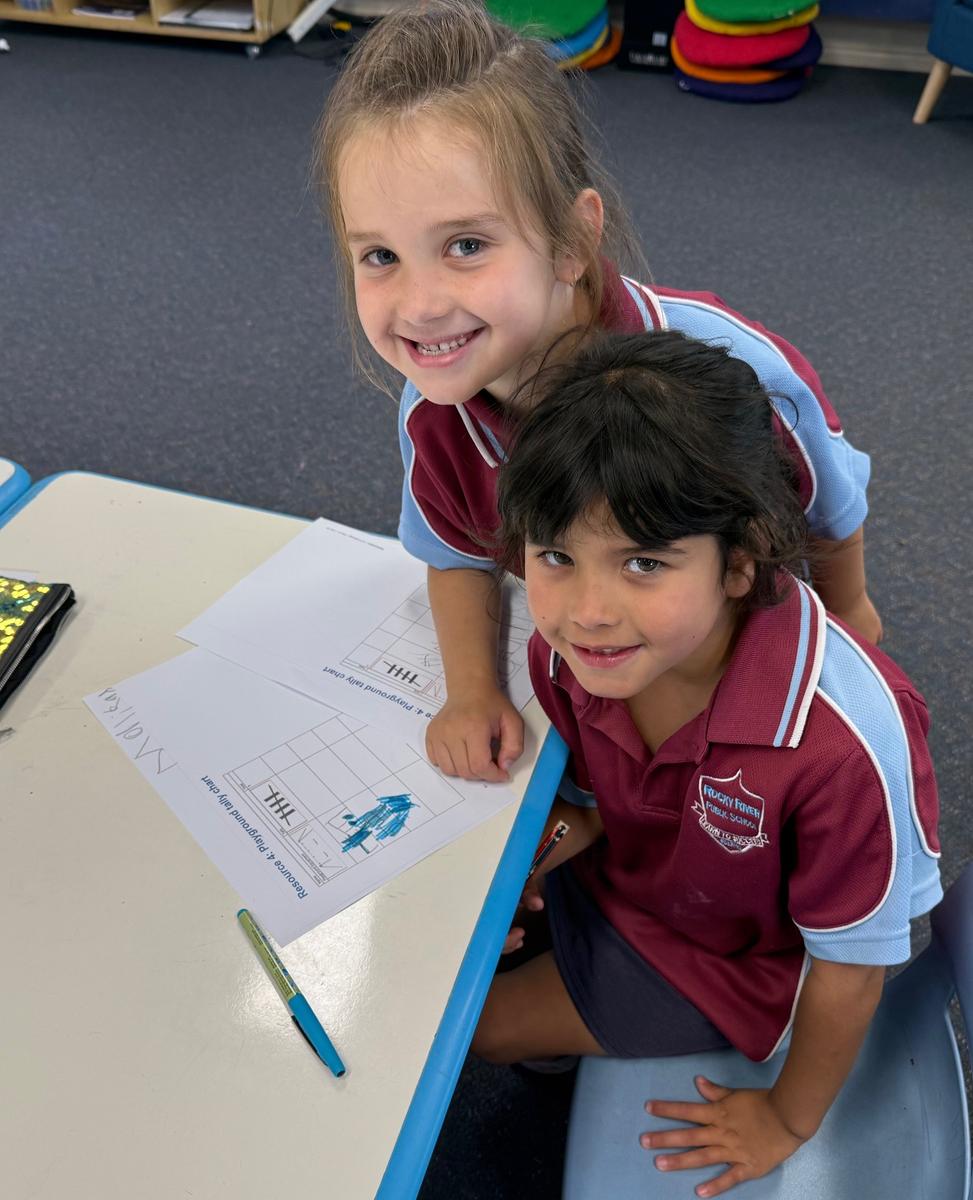
We have started a new unit in Mathematics where we are looking at how we collect and use data. To aid us in this, we planned a make believe school playground and conducted a survey of students in our class to determine what features the playground should have. Once this data had been collected, we looked at ways that we can represent our results including tallys and bar graphs.
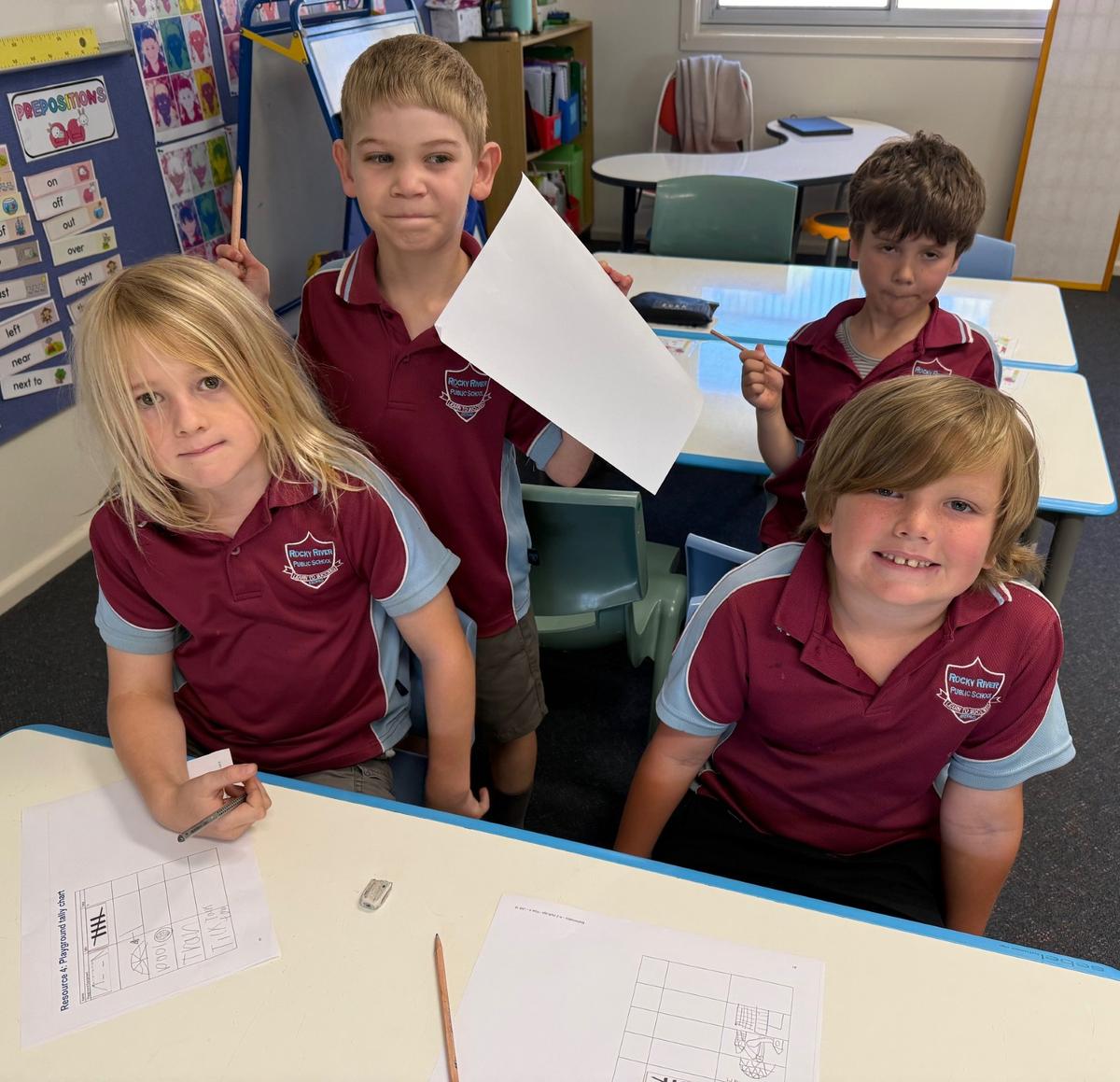
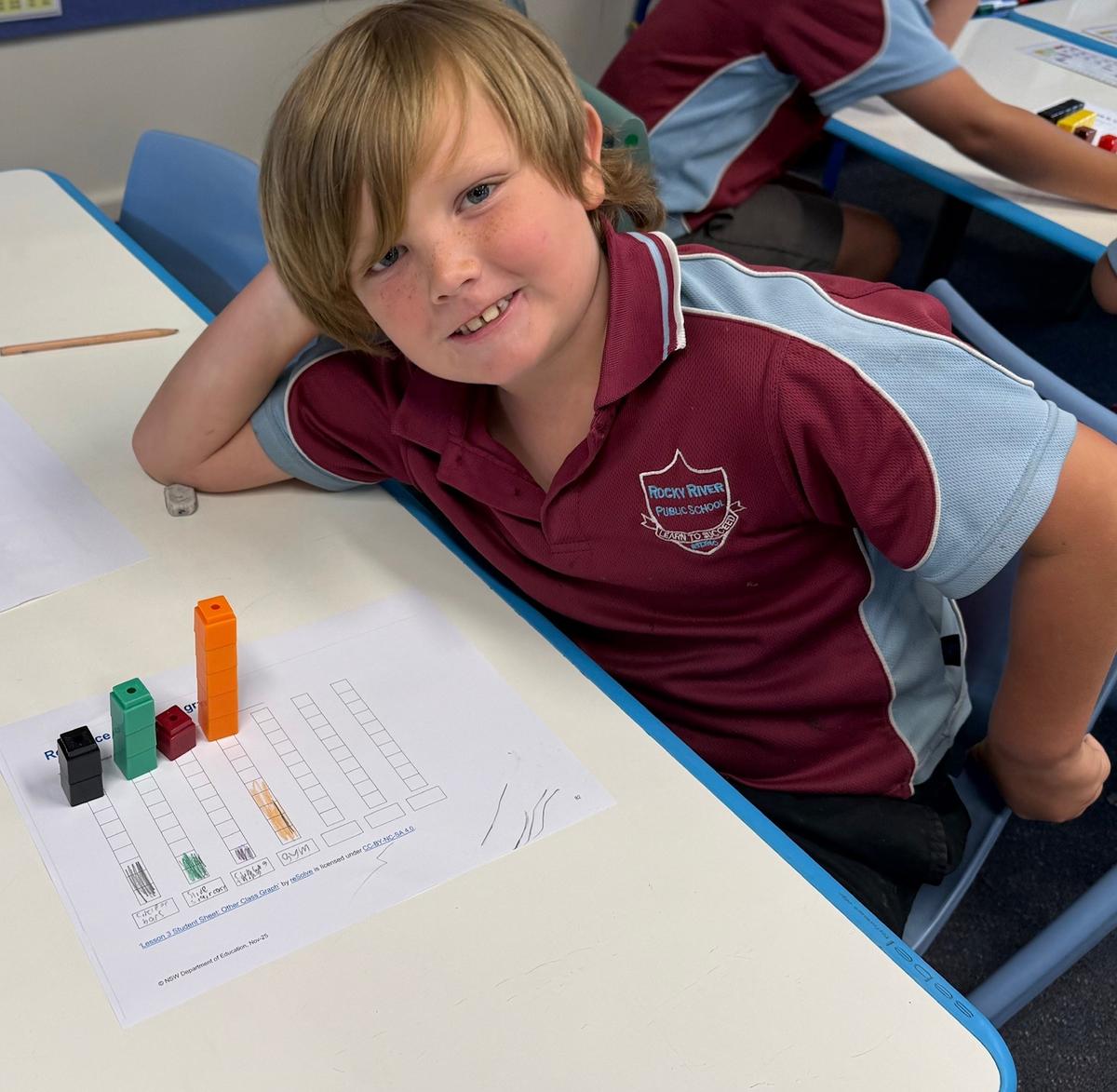
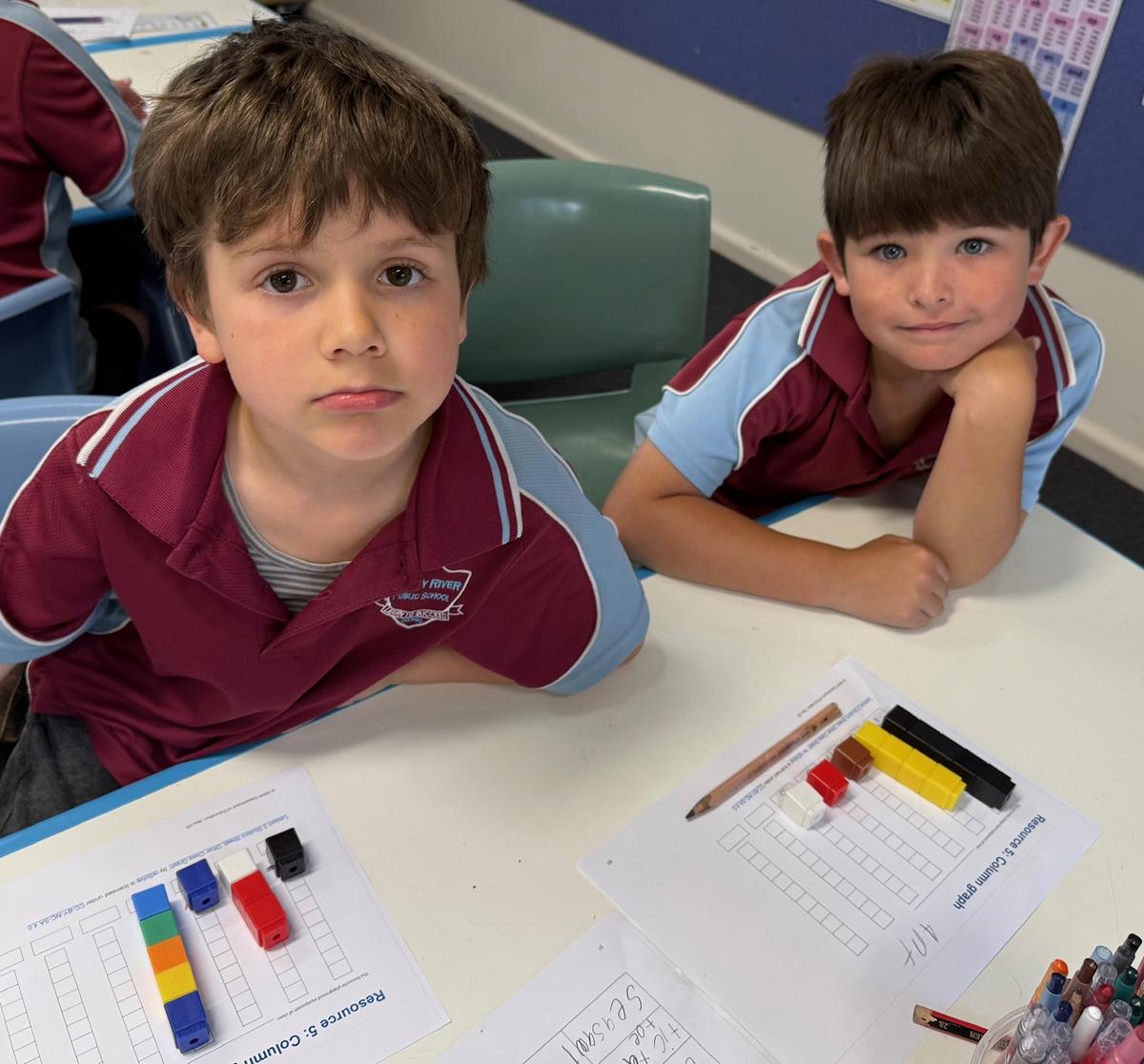
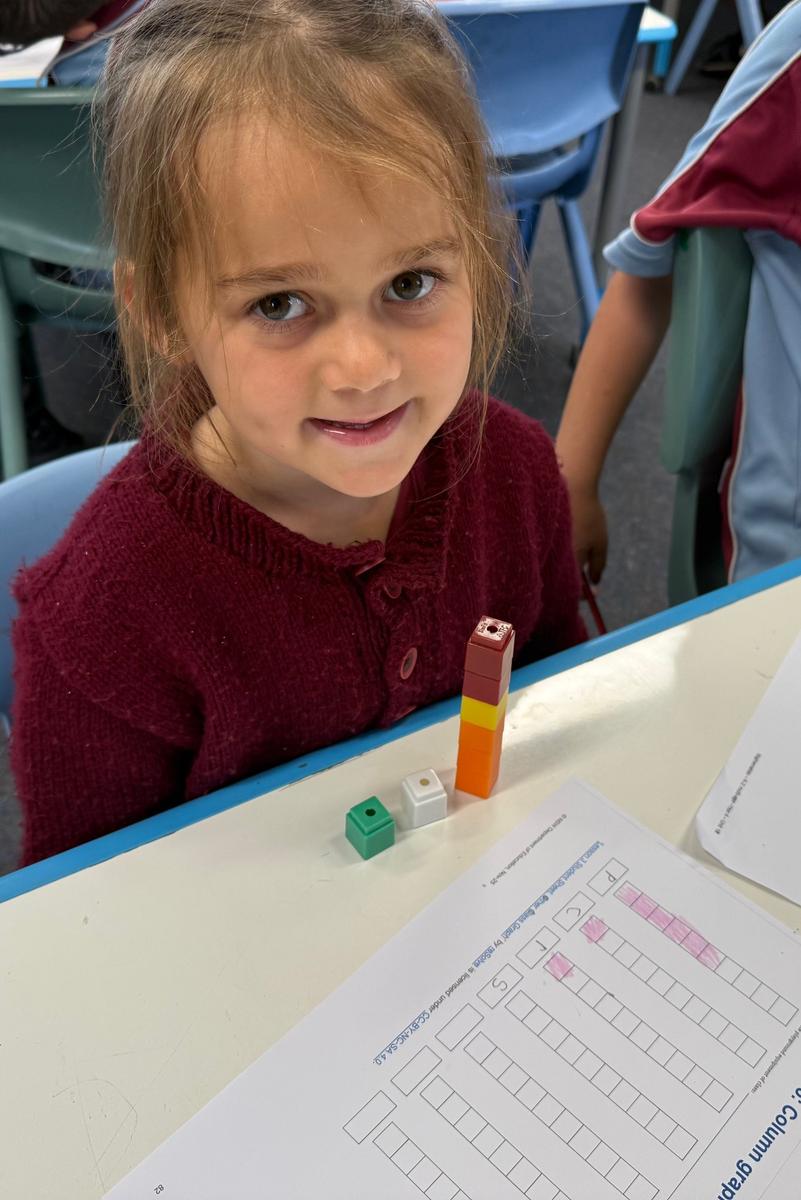
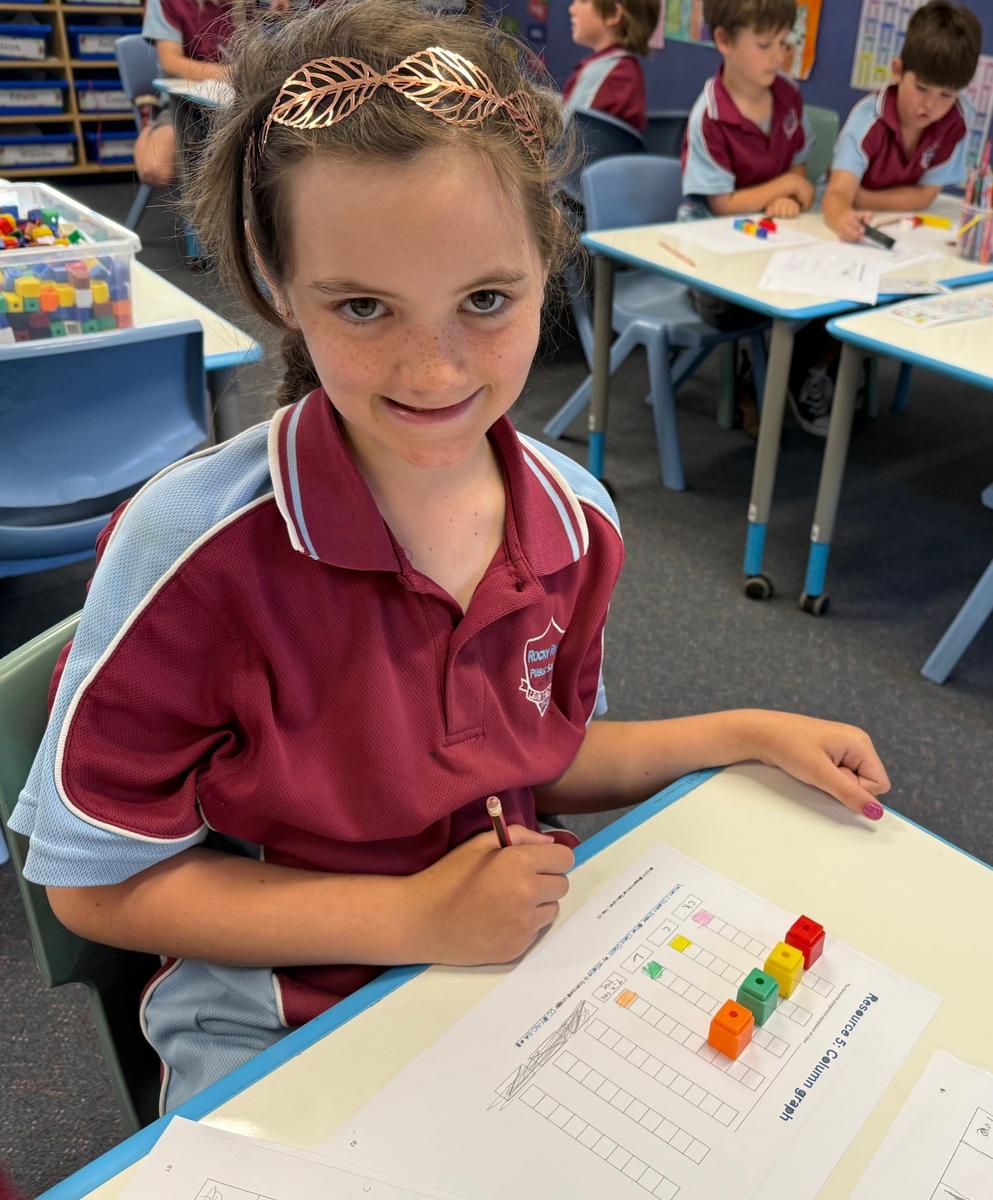
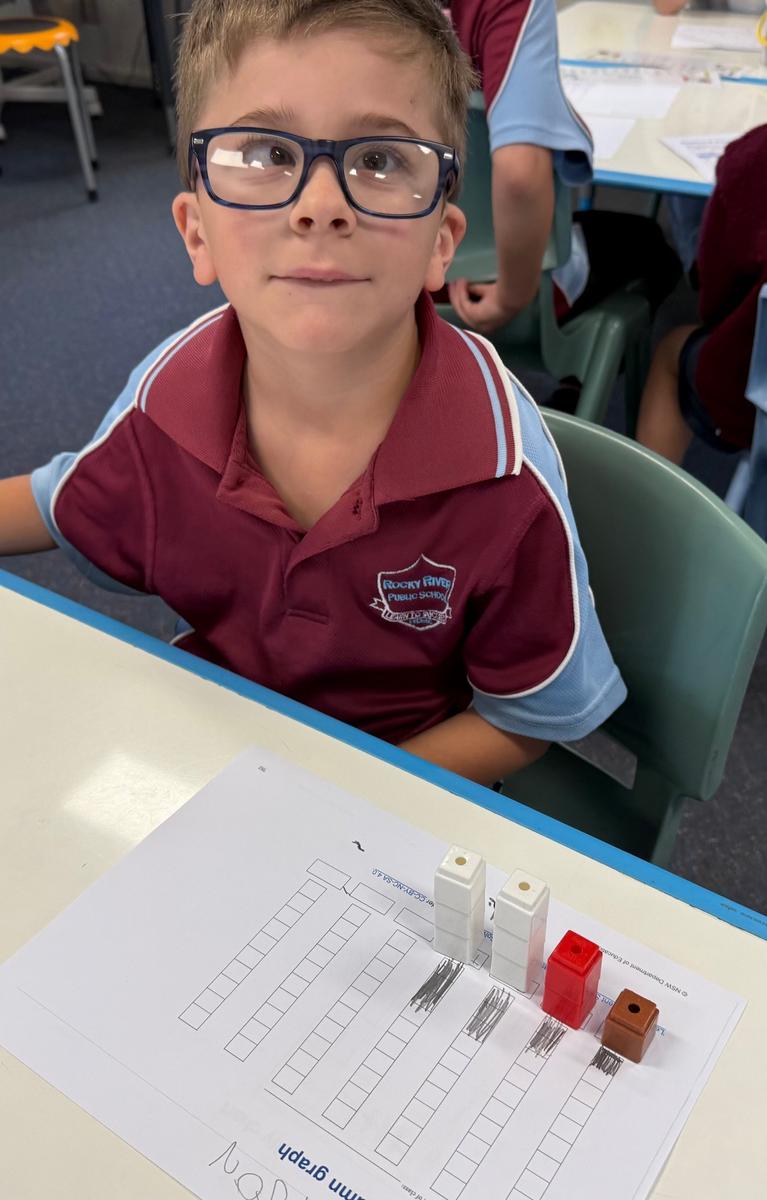
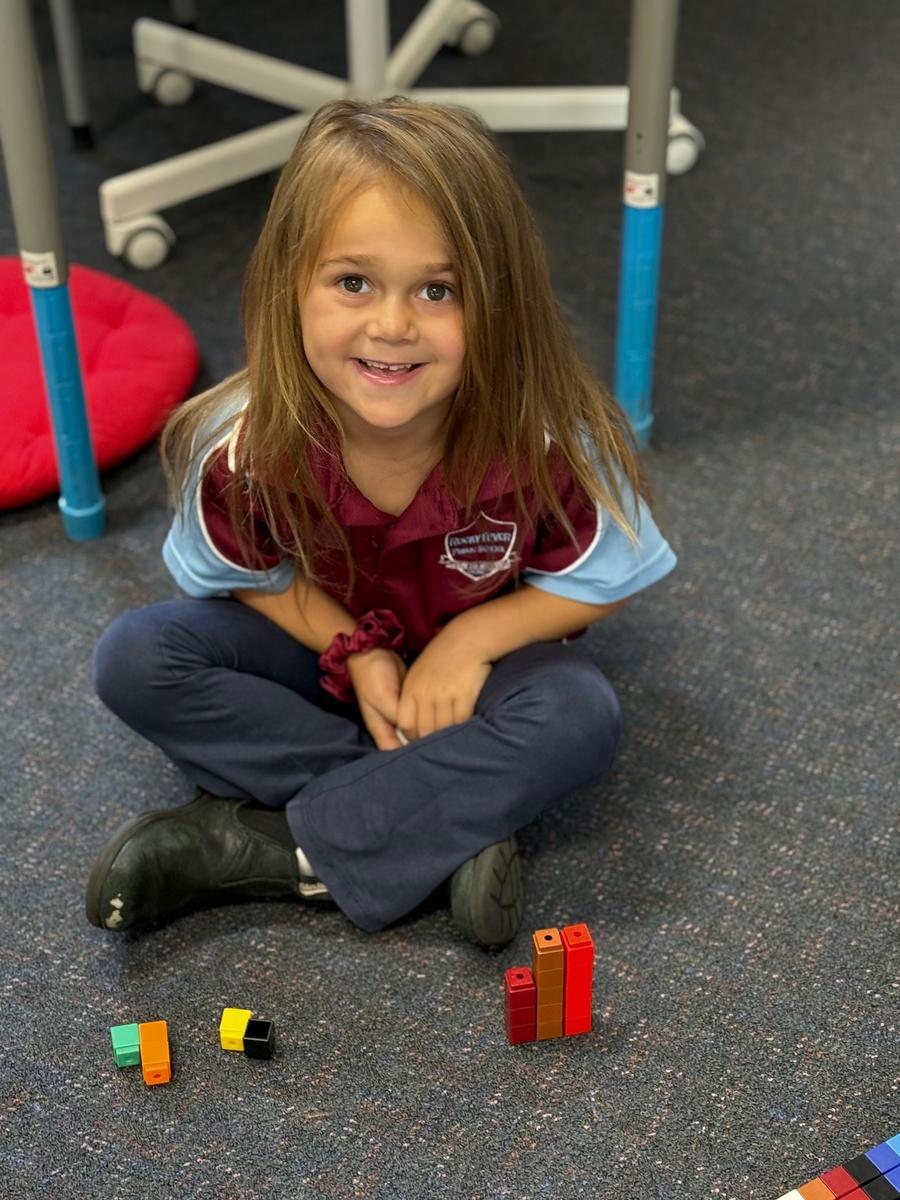
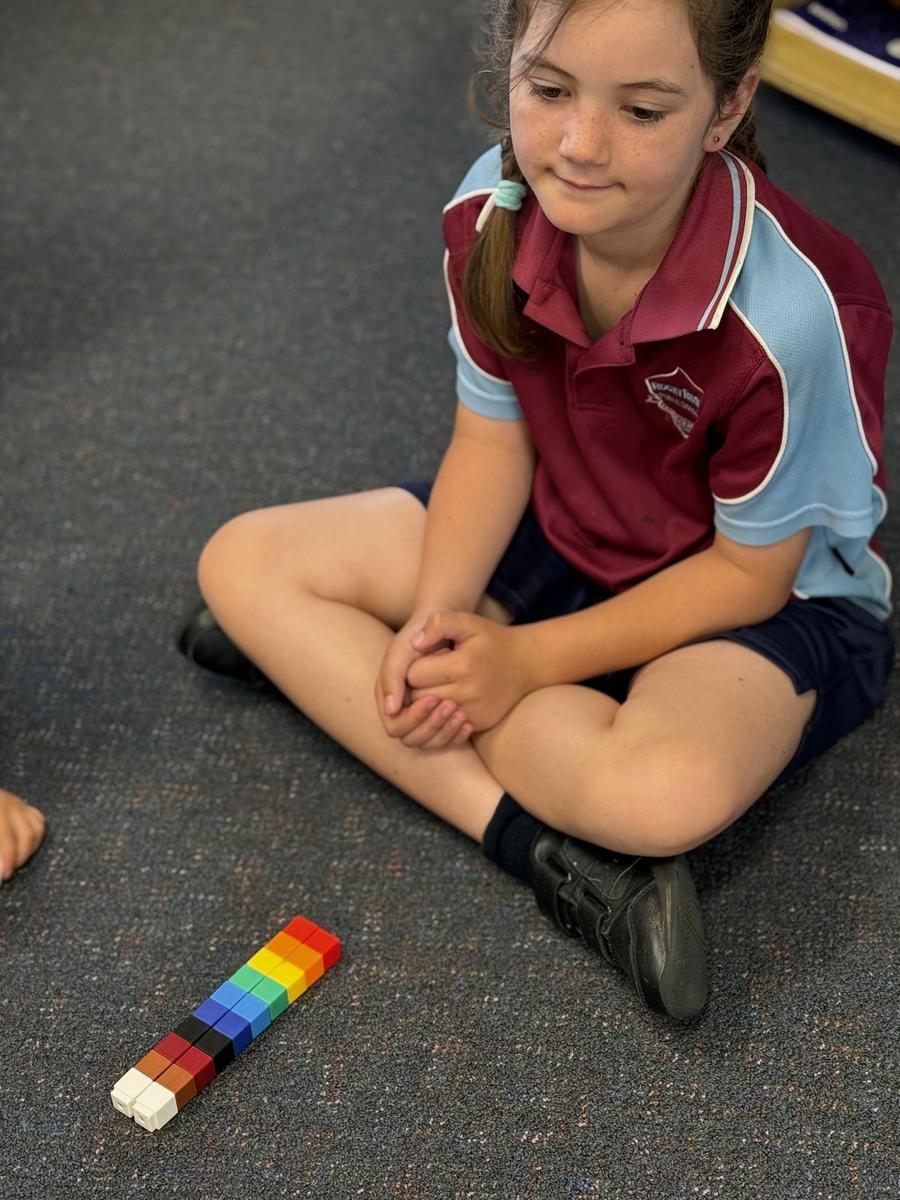
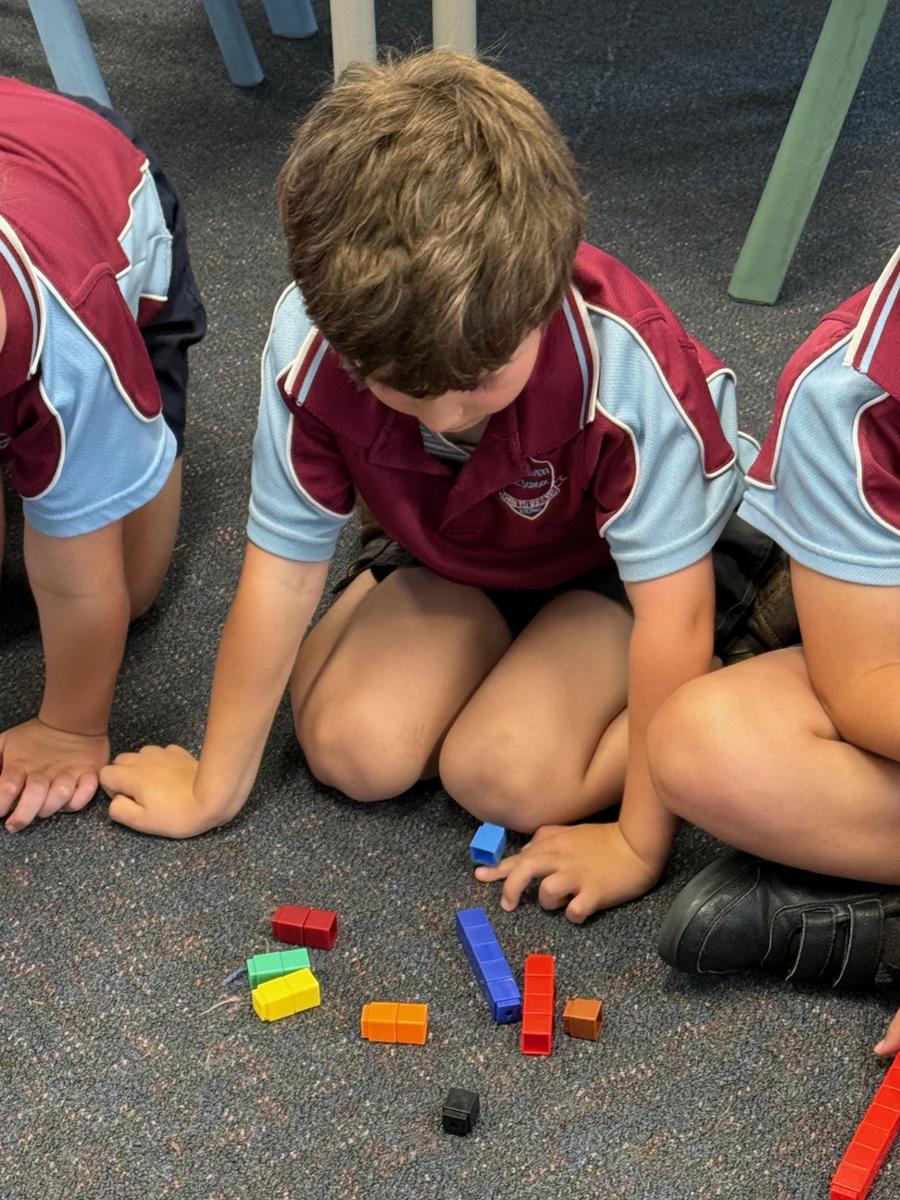
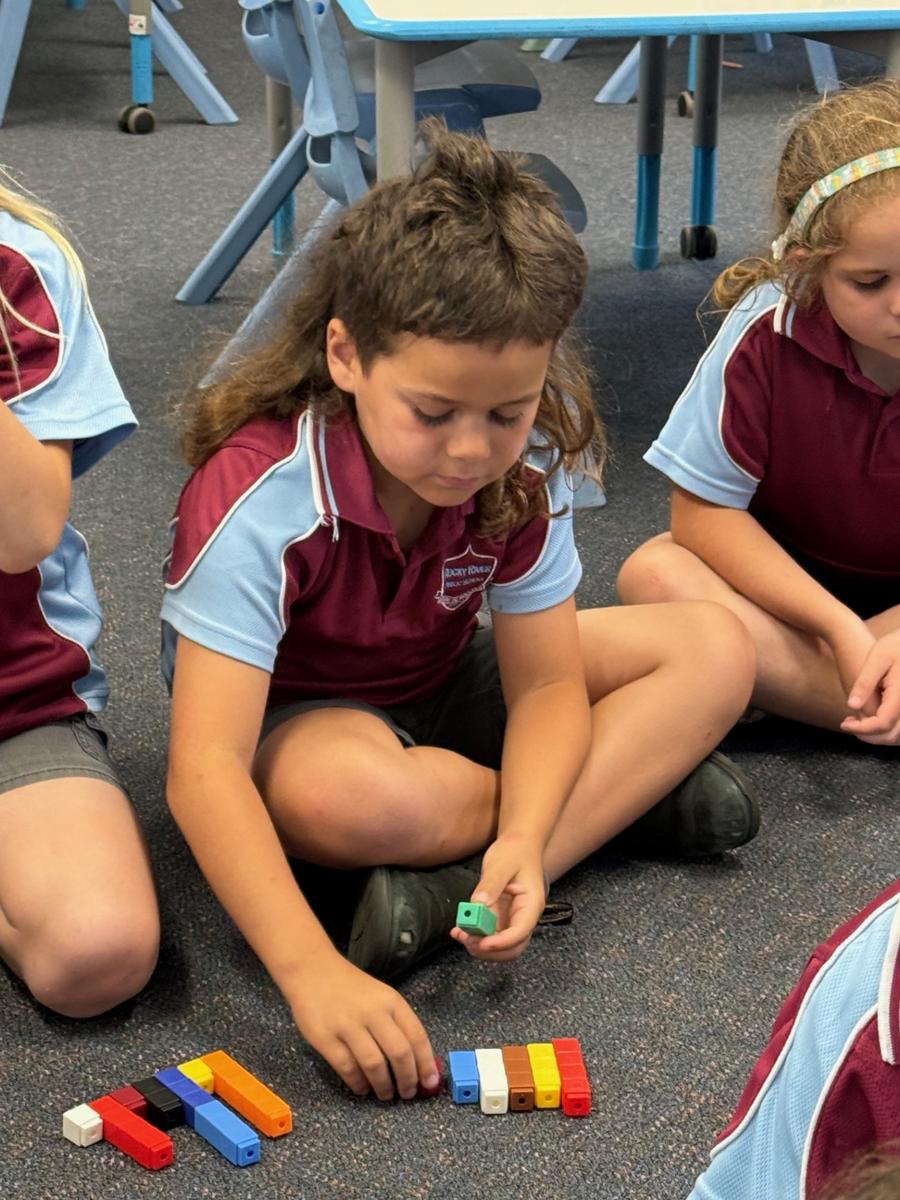
We have also looked at how we can catagorise information - and used blocks to demonstrate how we can do this. Students were given 20 blocks and simpy asked to organise them. Some students chose to organise by colour, others by blocks of fives and some by making a pattern.
English
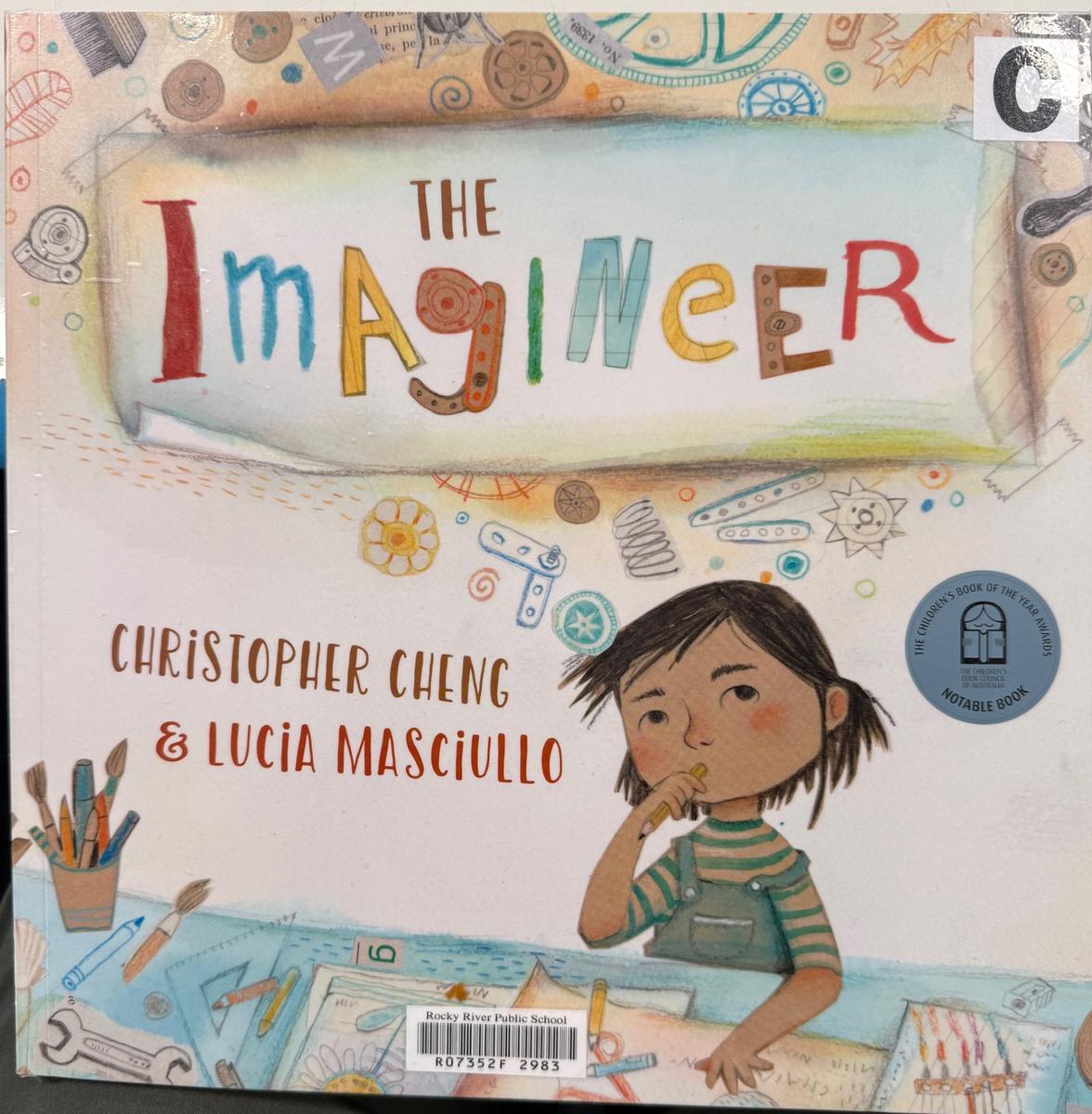
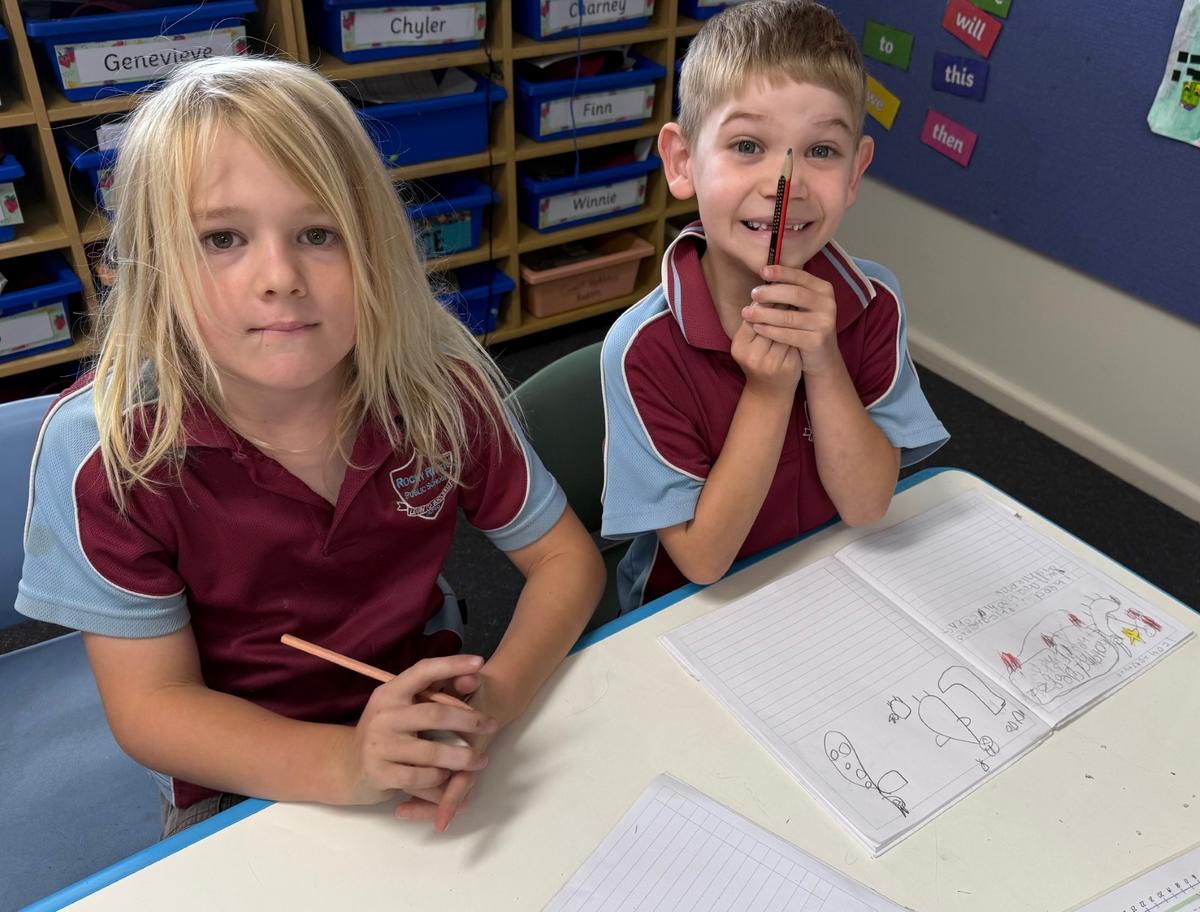
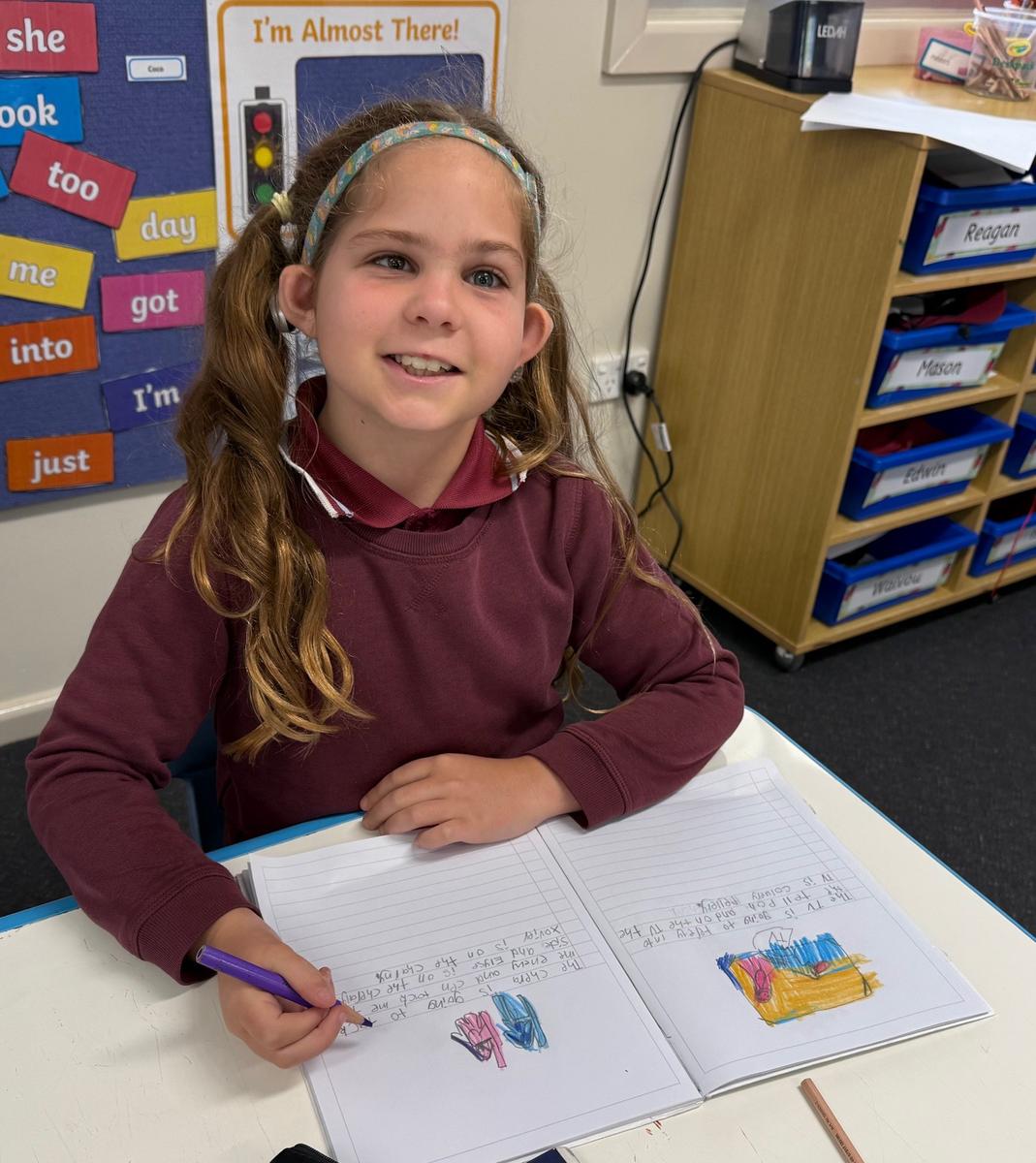
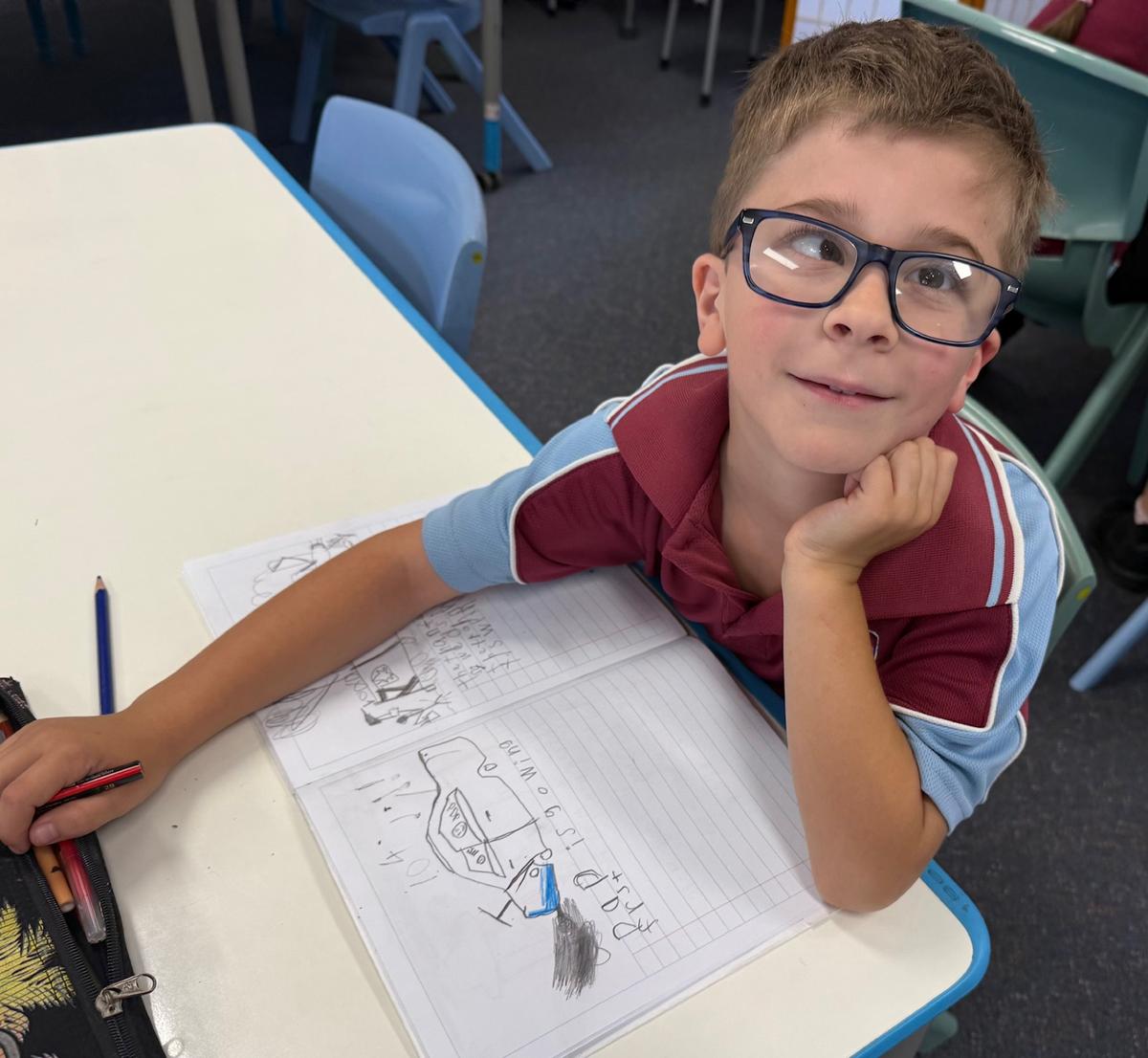
Lower Division are exploring this text "The Imaginer", which features a young girl who uses her imagination to design and make inventions. Our class then used our own imaginations to create our own inventions that we plan on presenting at our assembly this Friday.
Whole School Activities
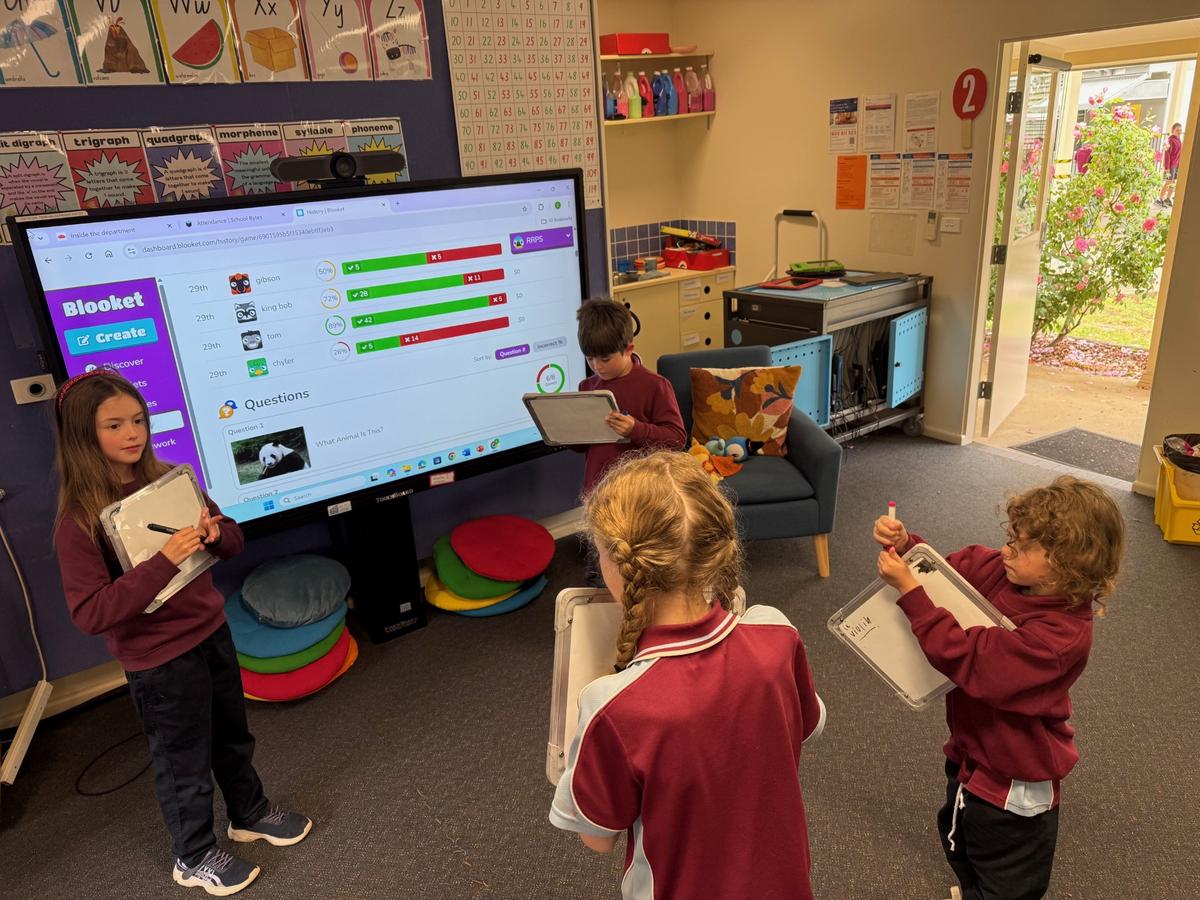
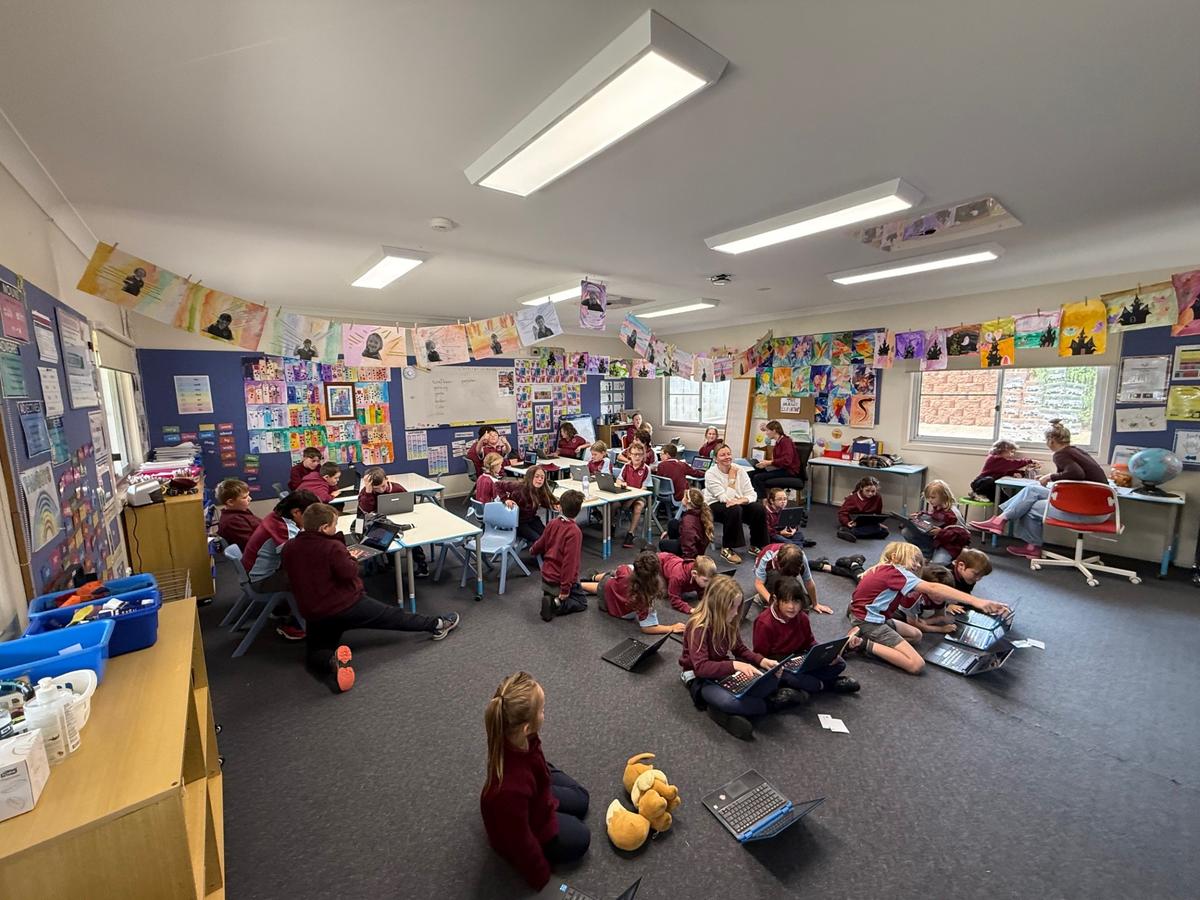
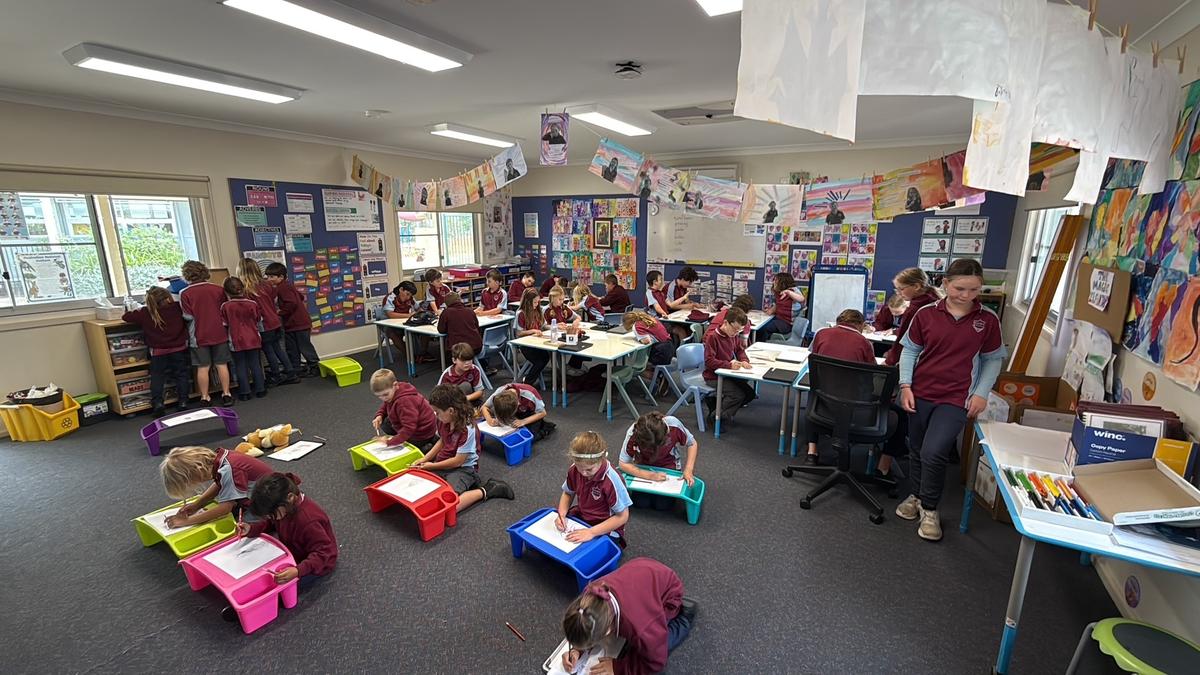
Last Wednesday, we were able to come together as a school for a range of activities in the morning sessions. We enjoyed some maths challenges, took part in a guided drawing art activity and appreciated the opportunity to spend time together with our friends. Possibly the most popular activity was an online interactive quiz, where students tested their knowledge on a range of topics. It was lovely to see the whole school working together in such a positive way and congratulations to all students for their positive participation.
Upper Division
Stage 2 | Mathematics
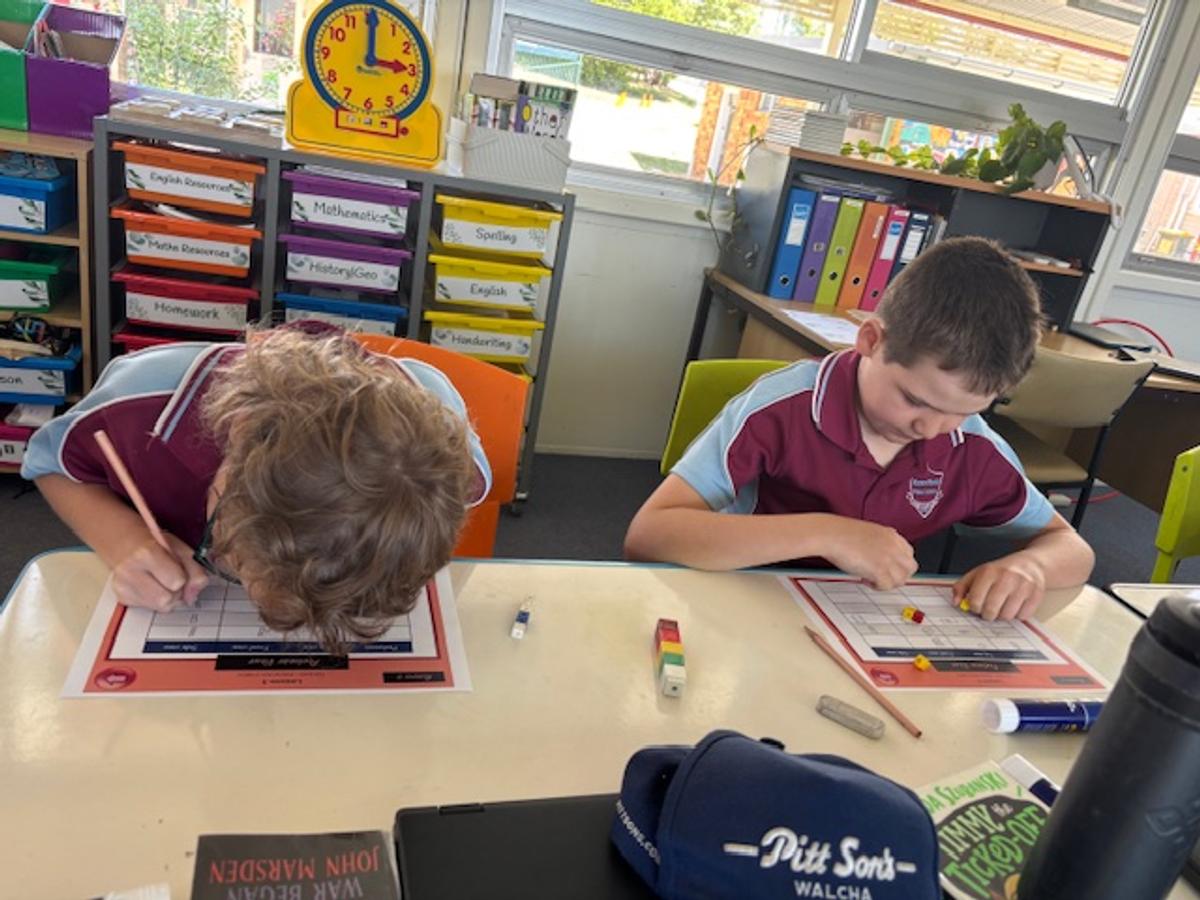
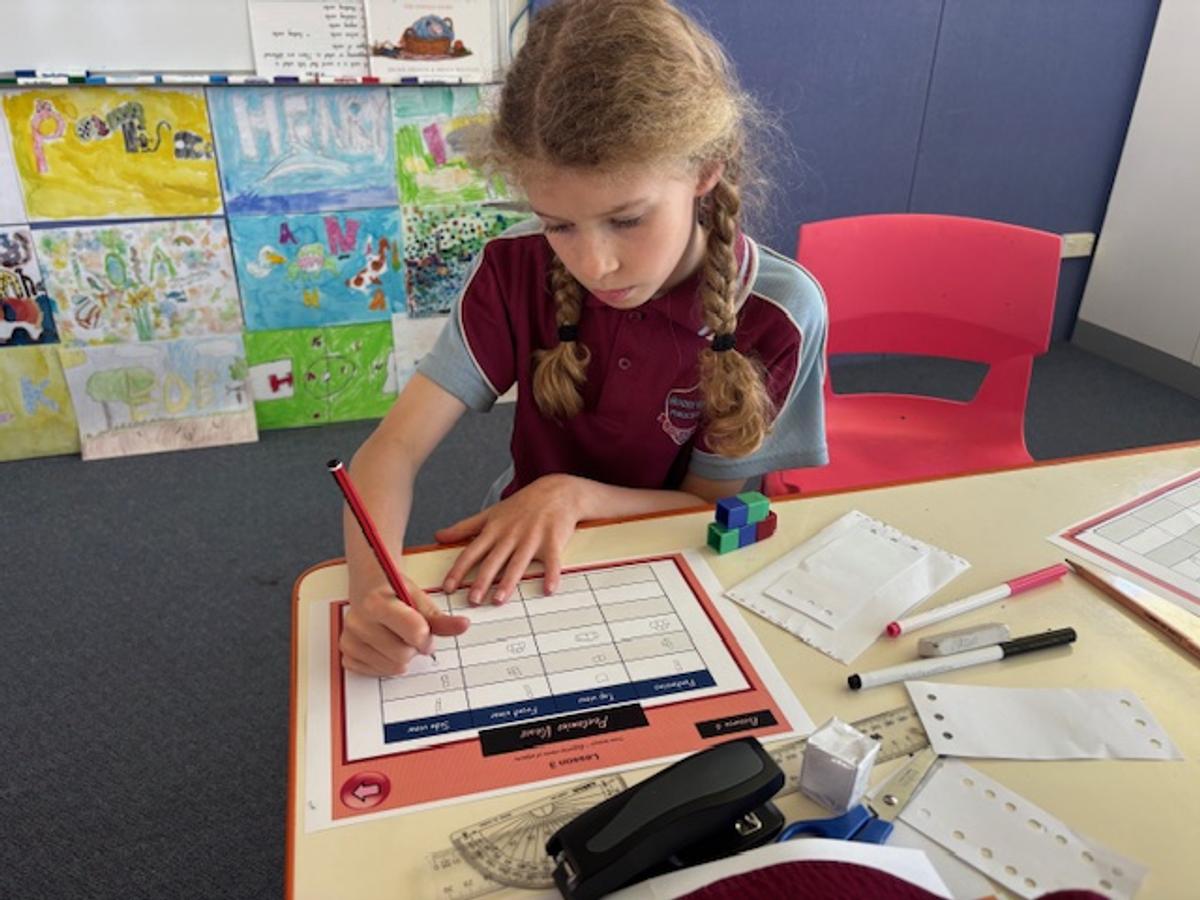
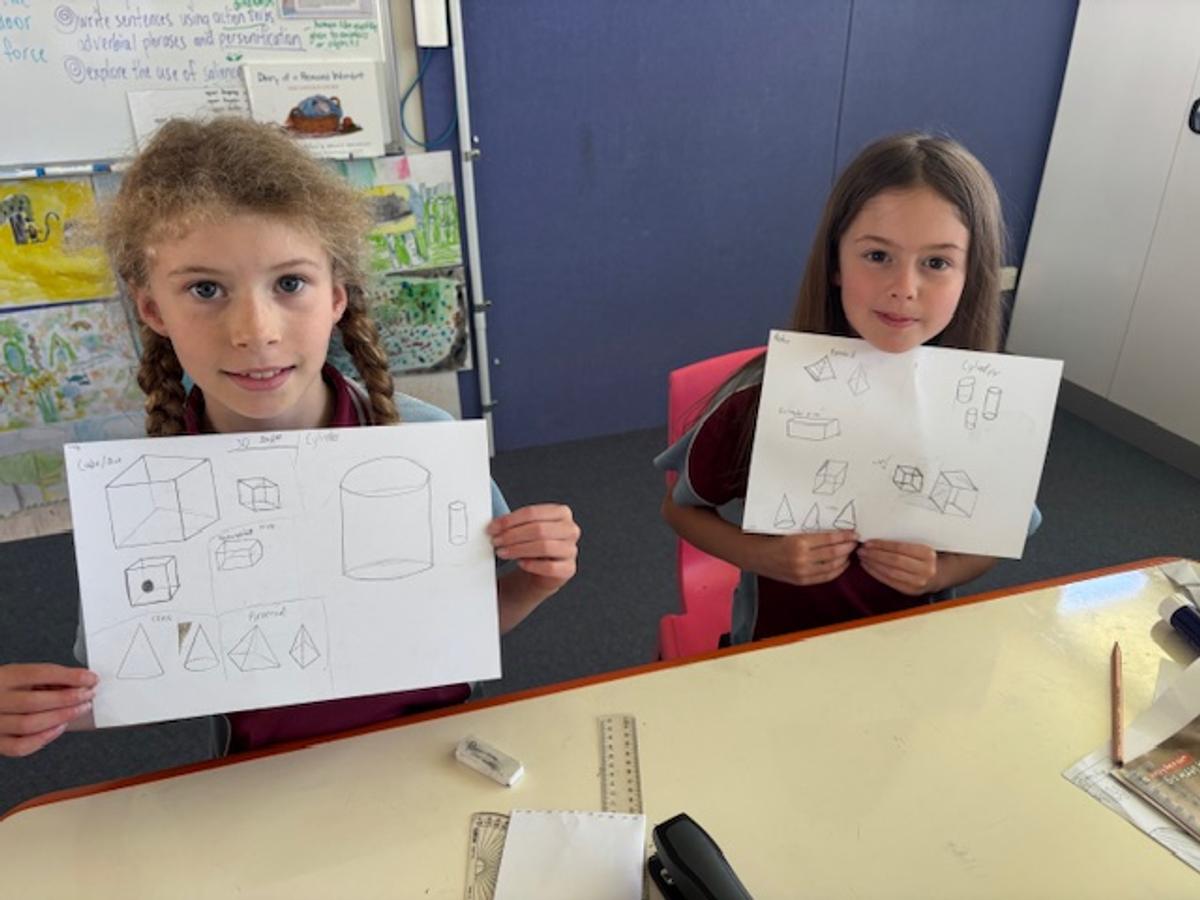
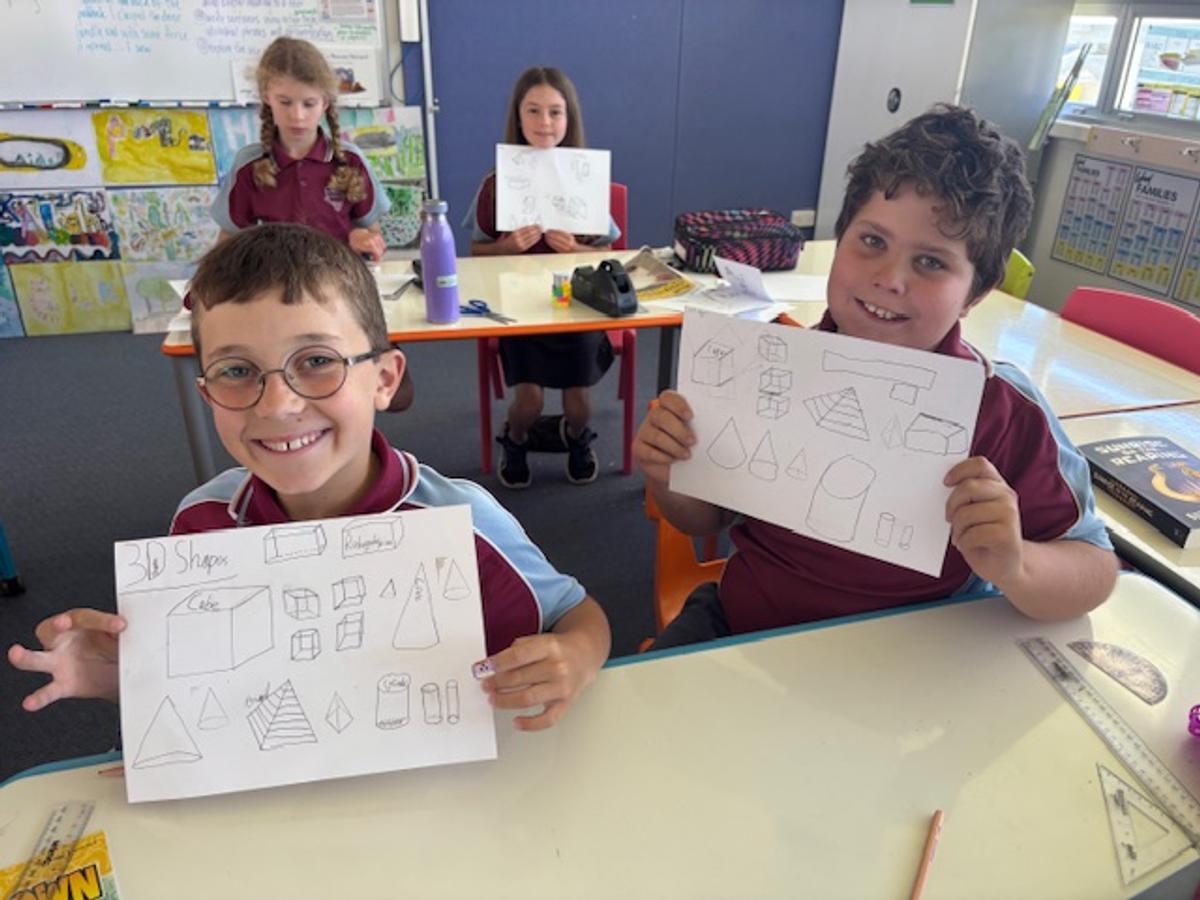
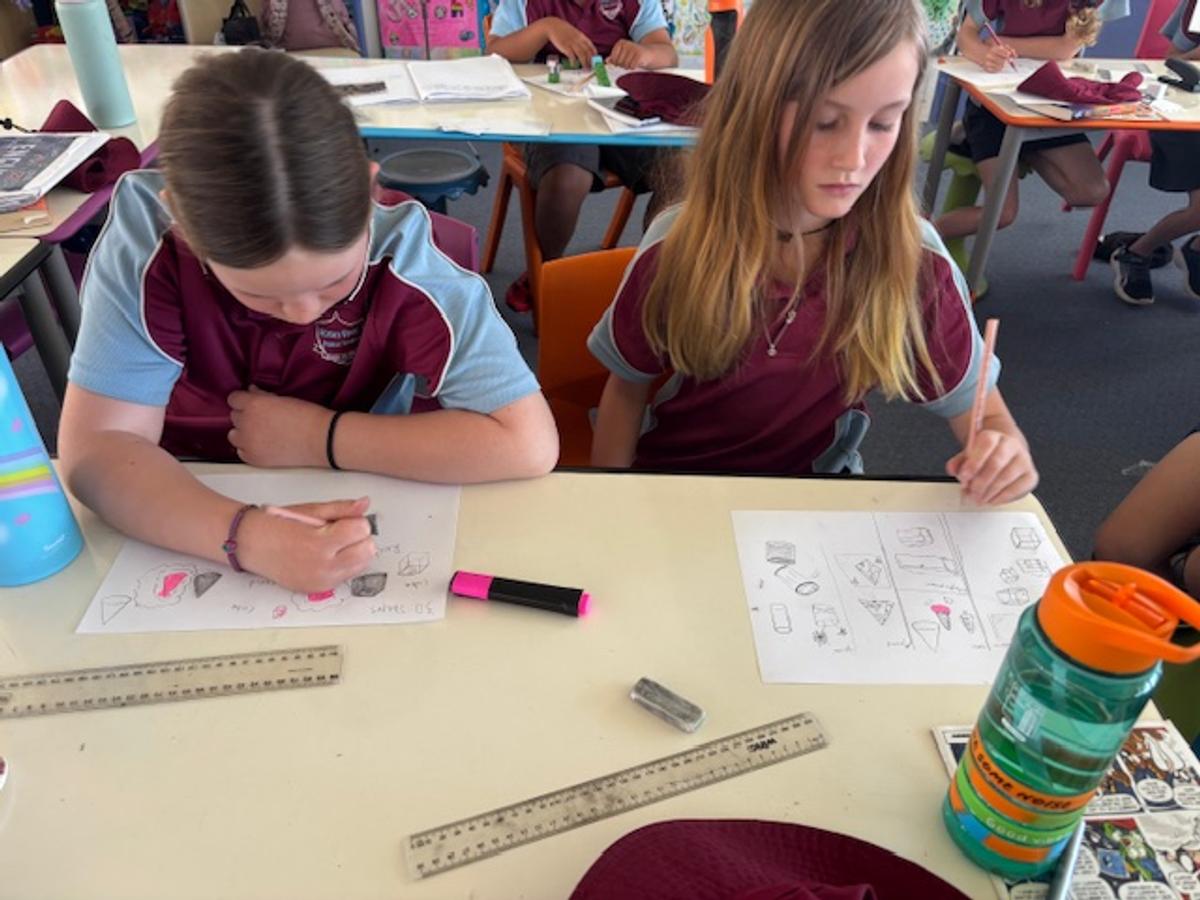
Over the past two weeks, students have been engaging in an exciting unit all about measurement and three-dimensional (3D) shapes. During this unit, students have been exploring and comparing the features of various 3D objects. They have been building their understanding by creating and examining models, sketches, and diagrams. By using hands-on activities, students develop a stronger sense of shape, size, and dimension.
Another really interesting part of the learning was constructing and drawing models (pentominoes) from different viewpoints — specifically the top, front, and side views of objects. Using both squared and isometric paper, students practiced translating these views into accurate three-dimensional representations. This helps them understand how objects look in space and improves their spatial reasoning skills.
Overall, this unit has helped students to connect practical measuring skills with their curiosity about the world around them. They are building foundational knowledge that will support their future learning in mathematics and beyond. We’re excited to see how they continue to apply these skills.
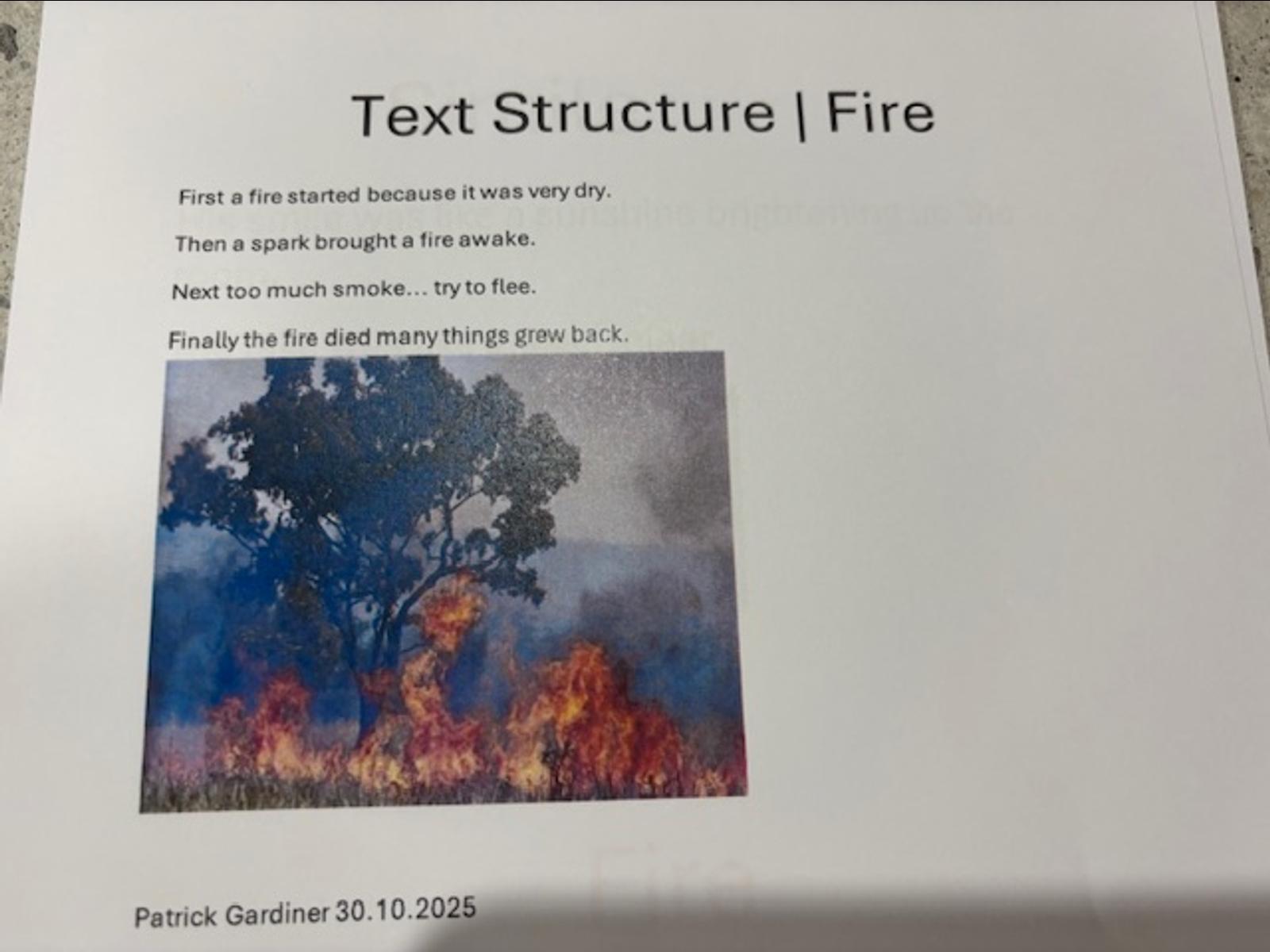
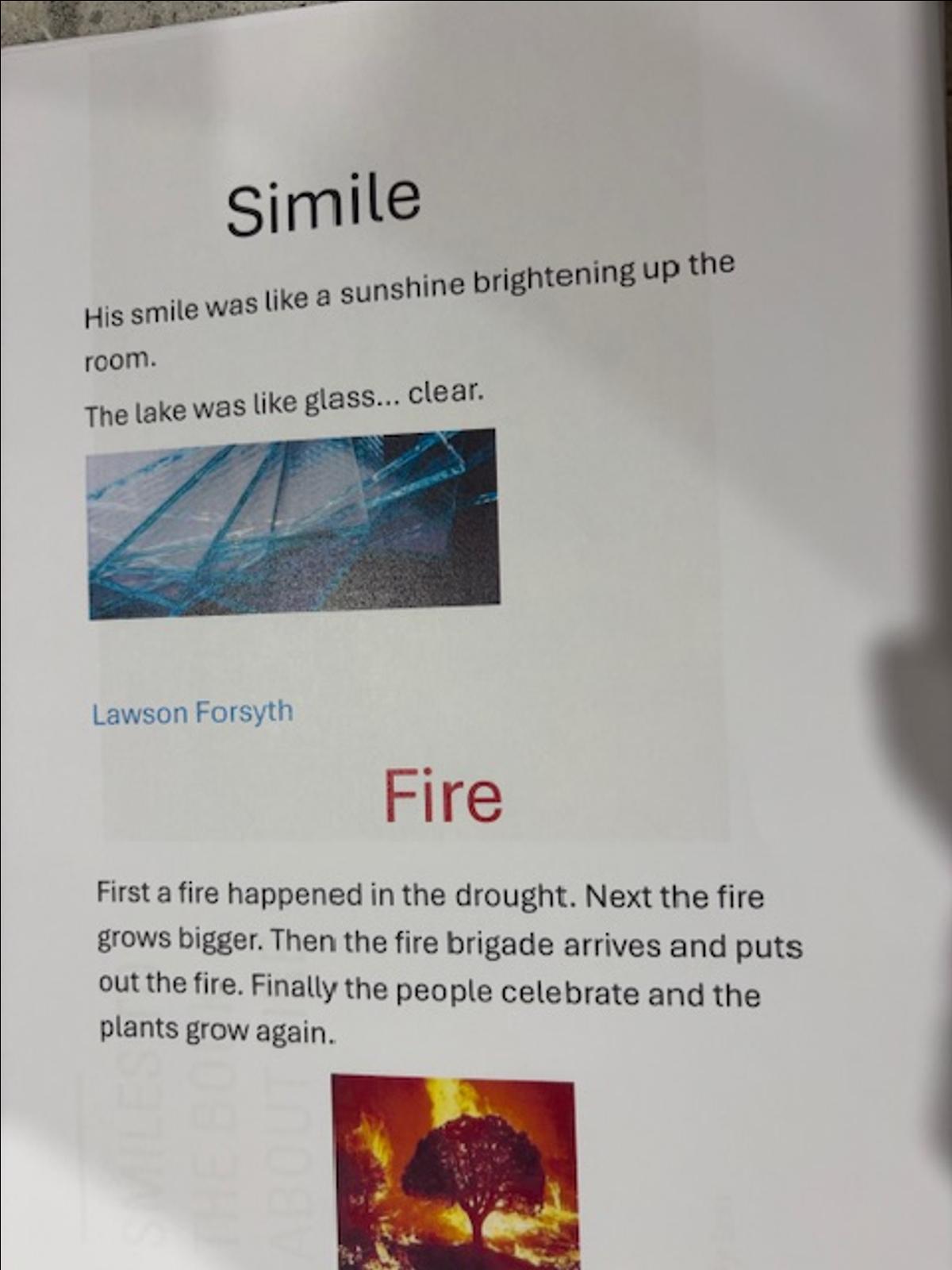
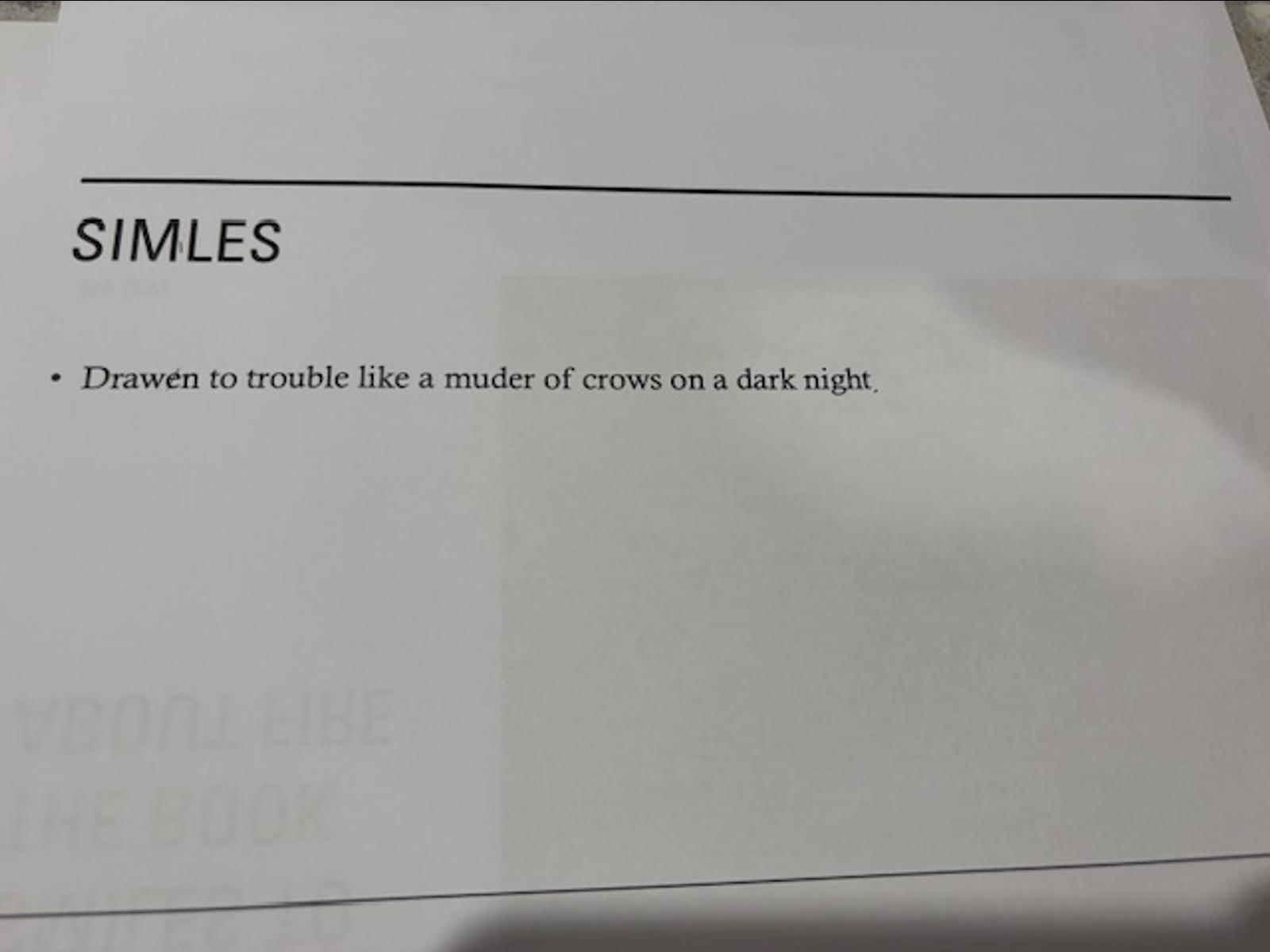
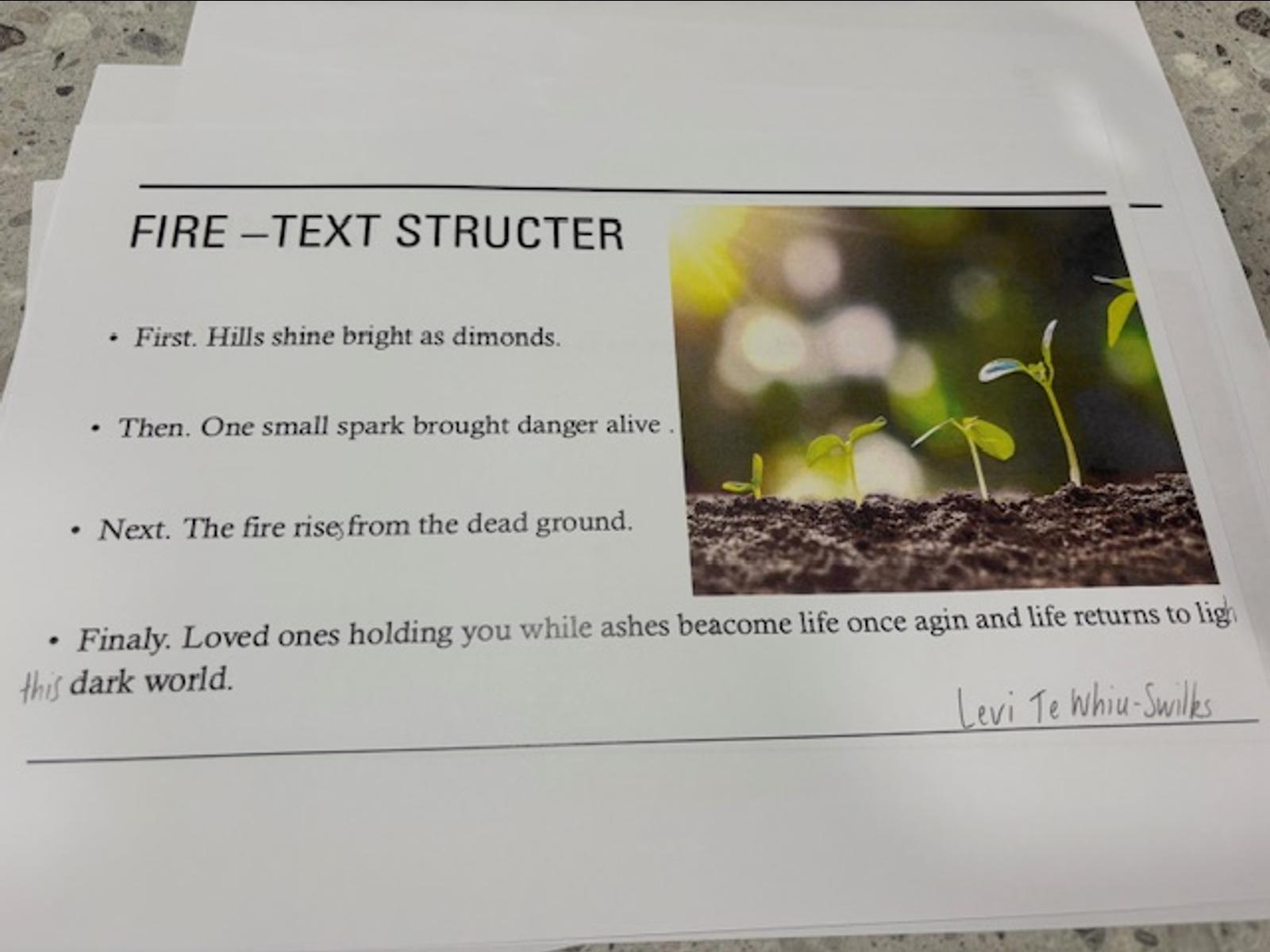
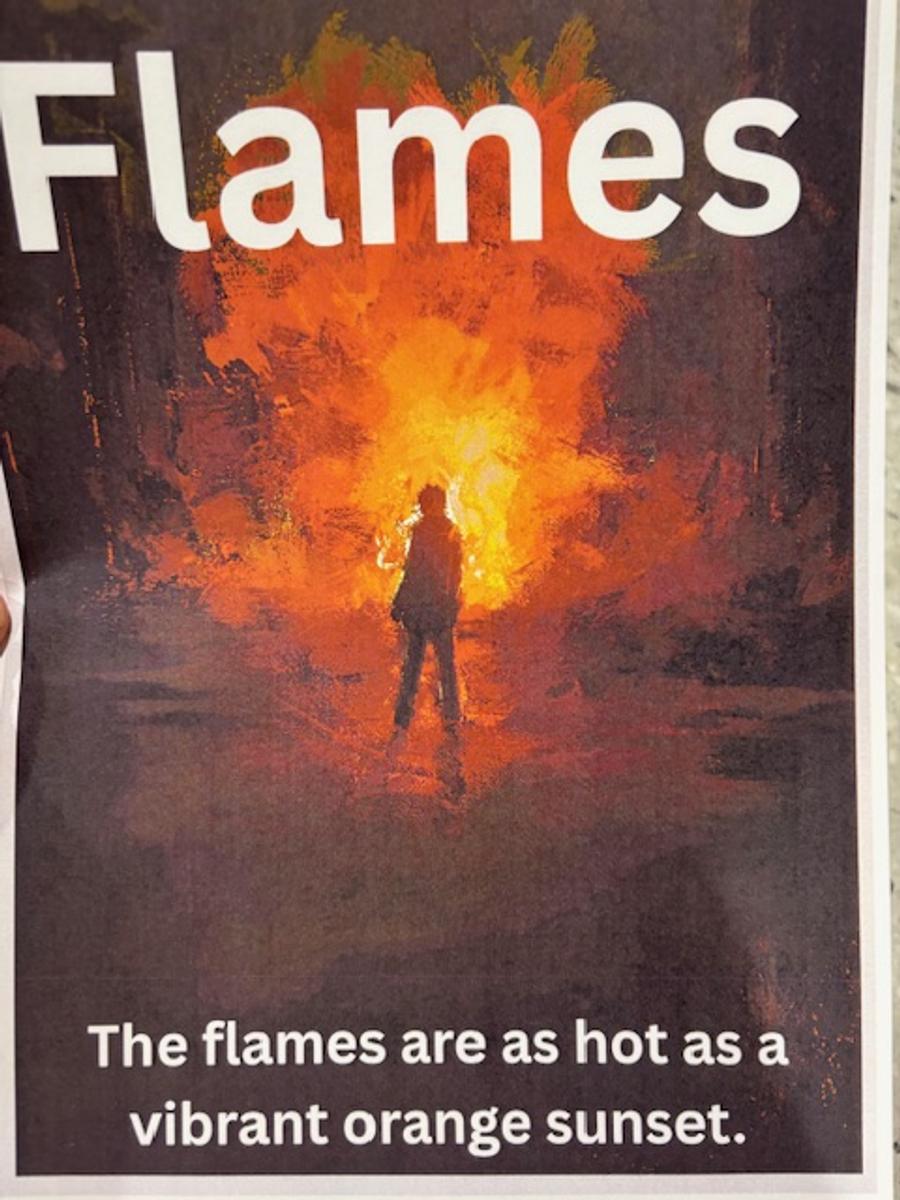
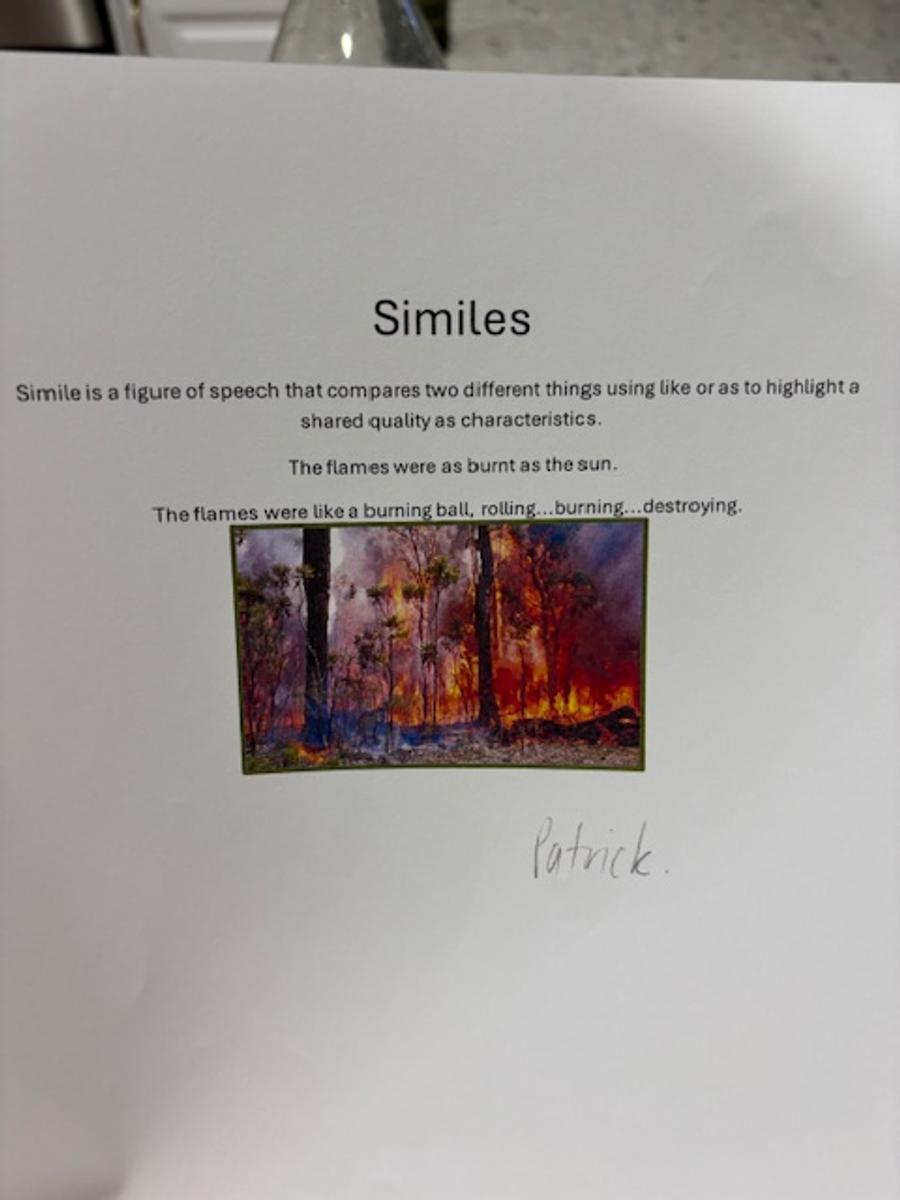
Stage 2 | English | Fire by Jackie French & Bruce Whatley
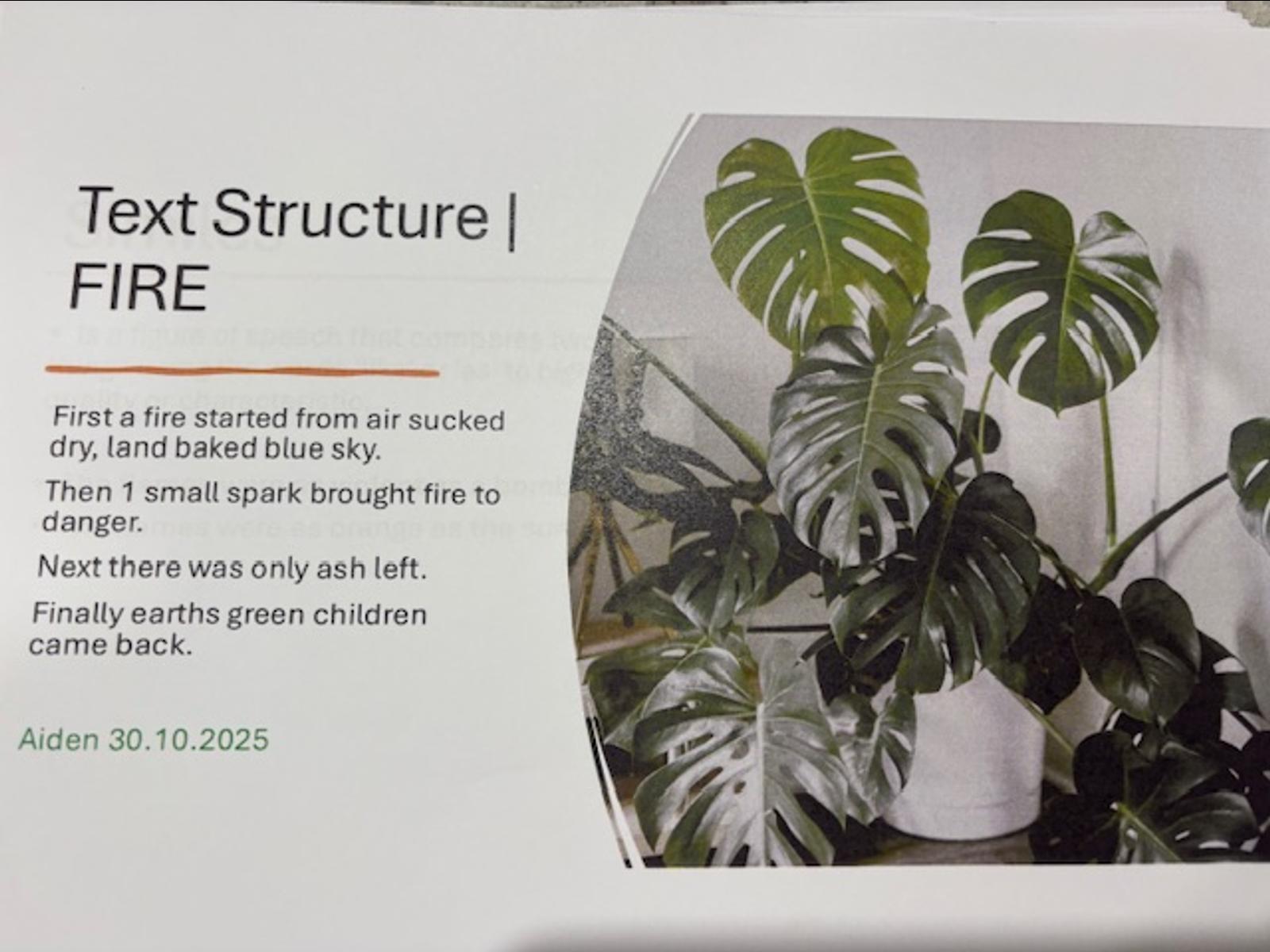
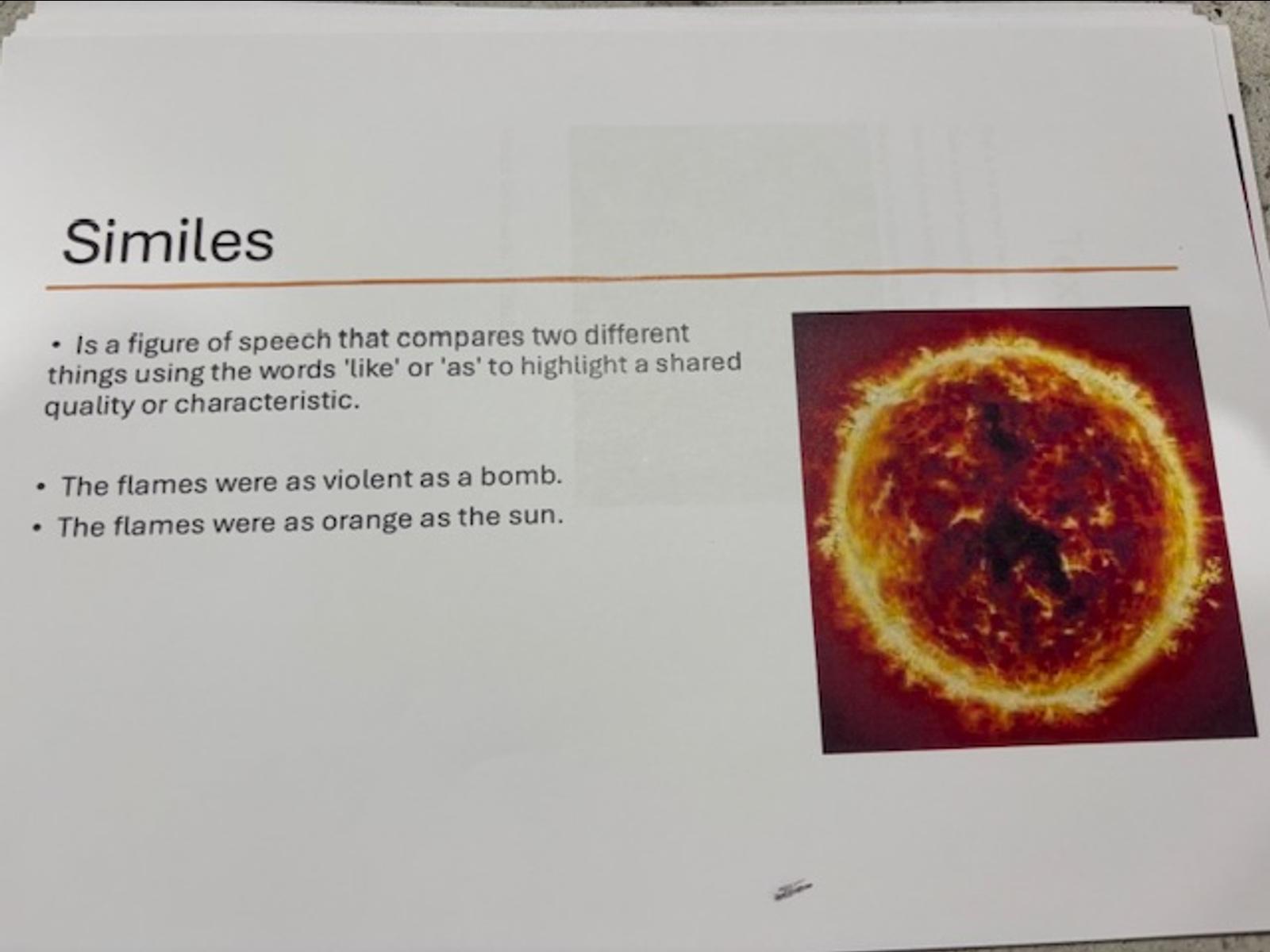
Students have immersed themselves into the rich world of imagery, connotation, and symbol, building strong foundations in both reading and writing. Throughout the unit, narrative elements will be a constant focus as students dive deeper into textual analysis. With a strong emphasis on similes and text structure, learners will develop their independent writing skills. They will experiment with figurative language and free verse poetry, aiming to create vivid images and evoke emotions for their readers.
By applying their understanding of these literary concepts, students will learn to use language purposefully. The ultimate goal is for each student to produce engaging writing that not only tells a story but also connects with the reader through powerful imagery and symbolic meaning.
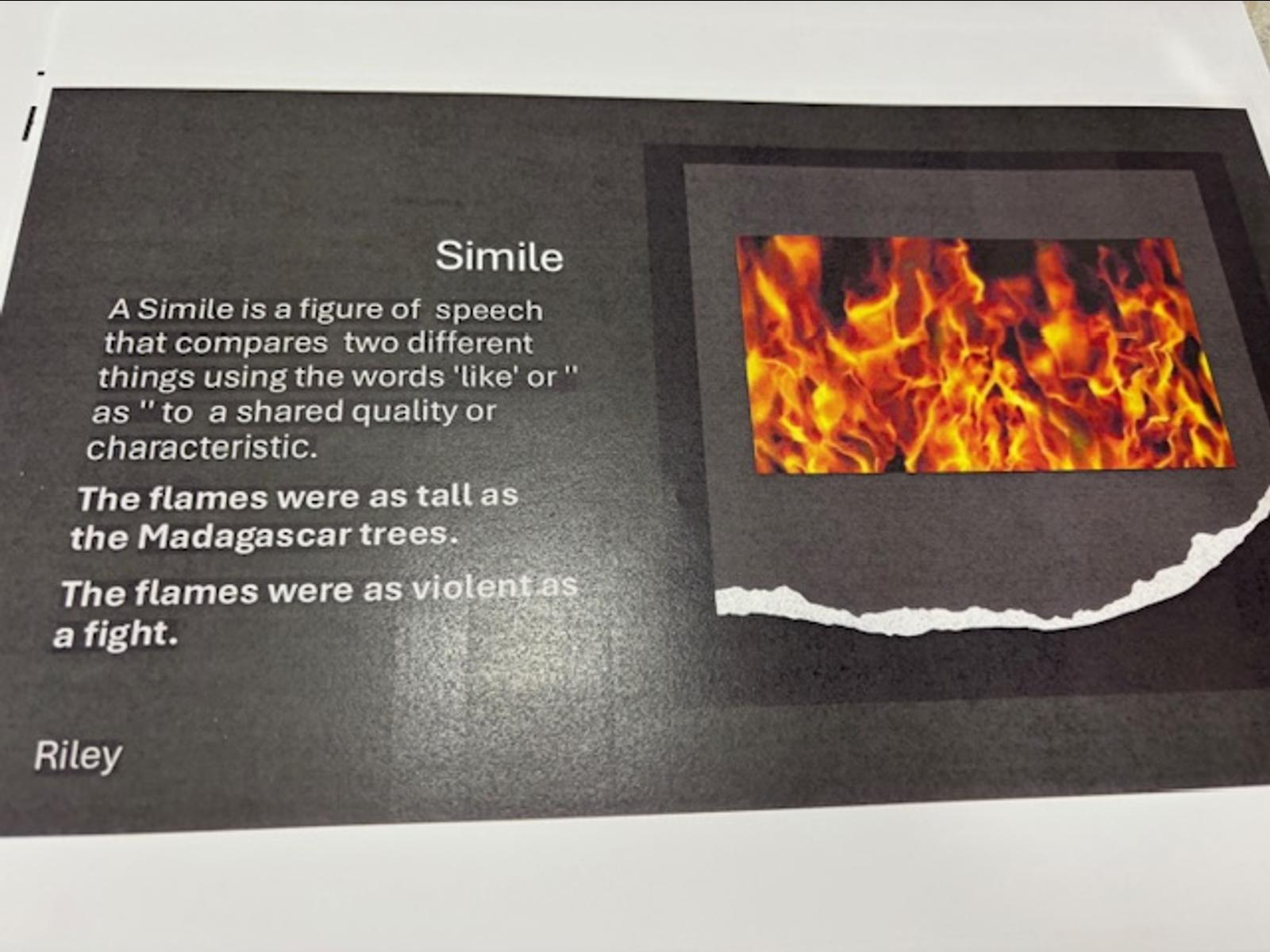
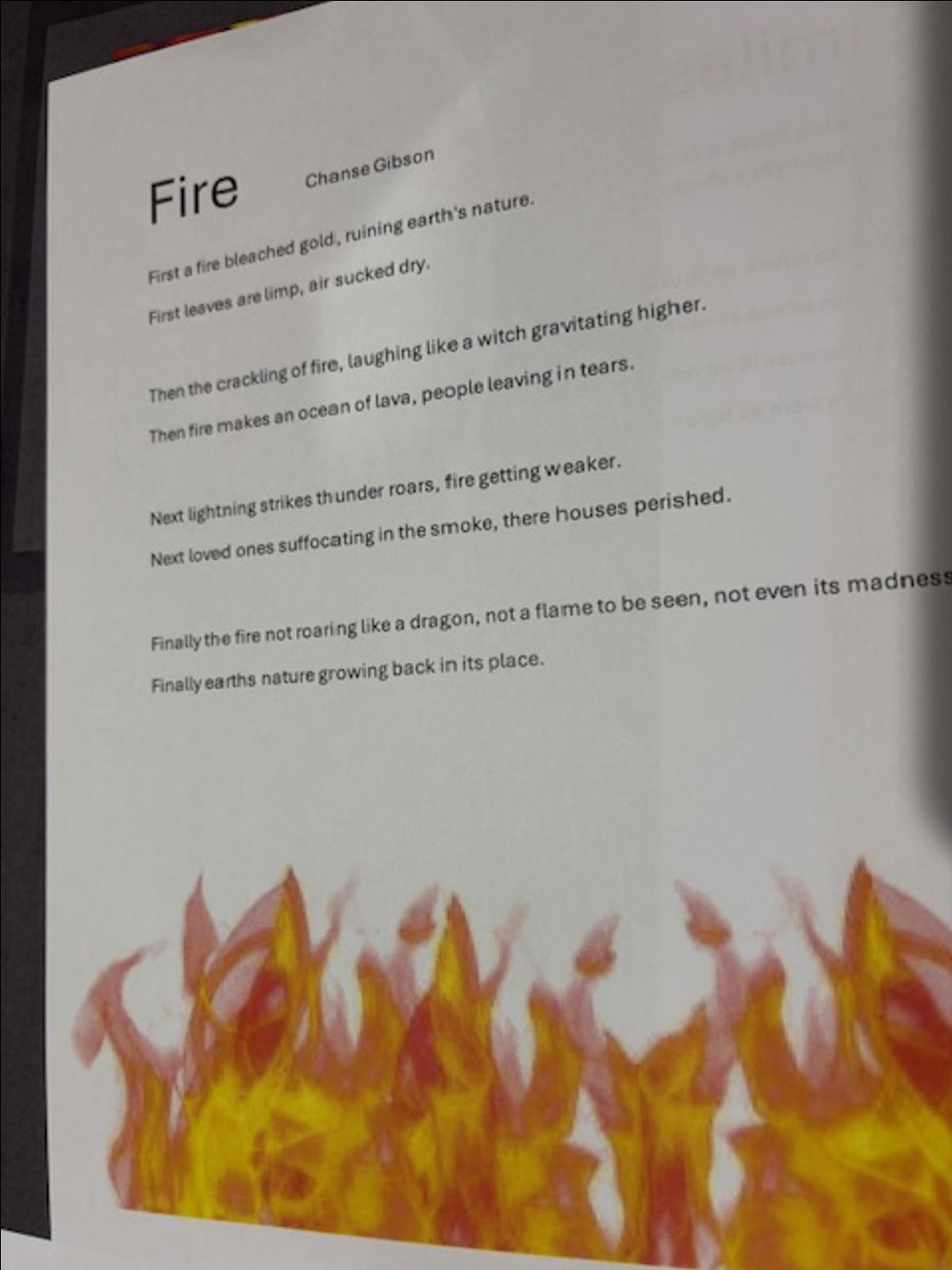
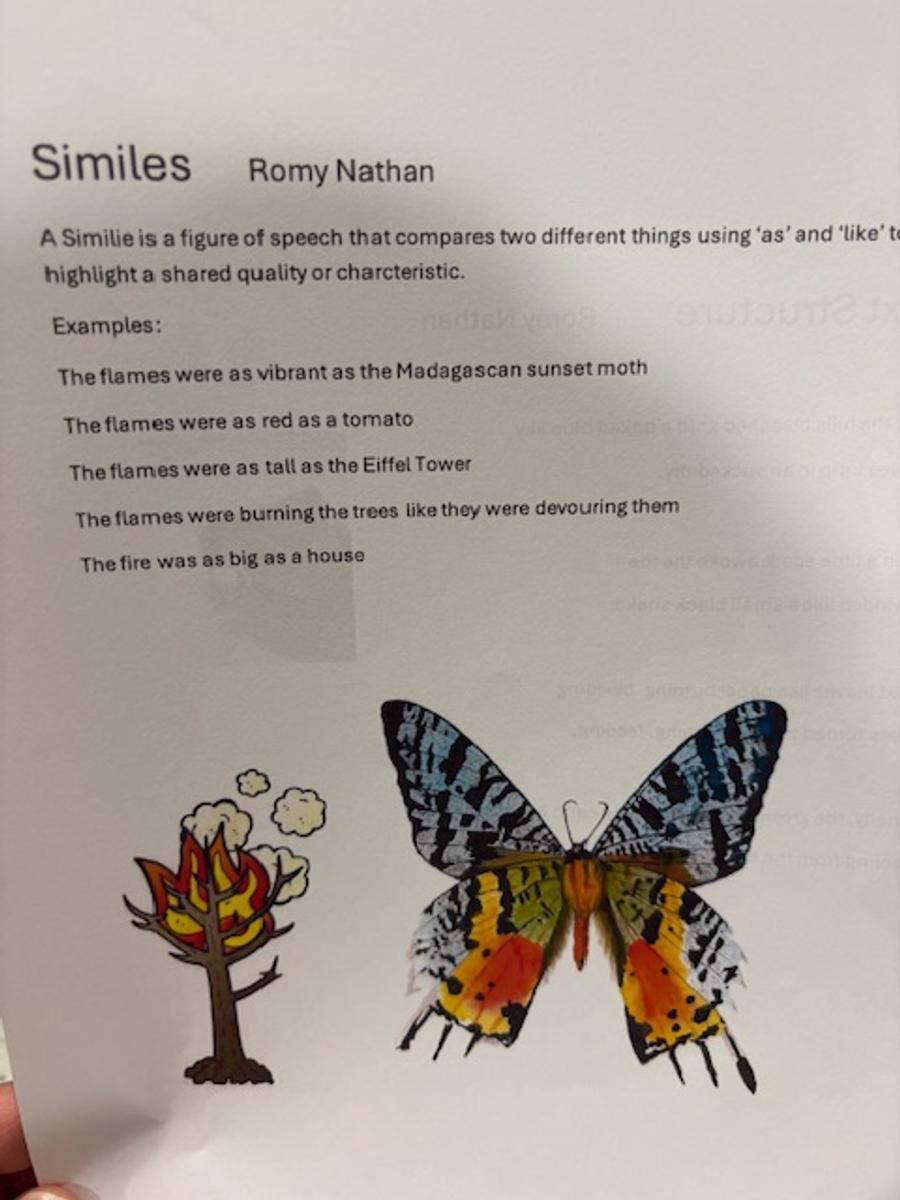
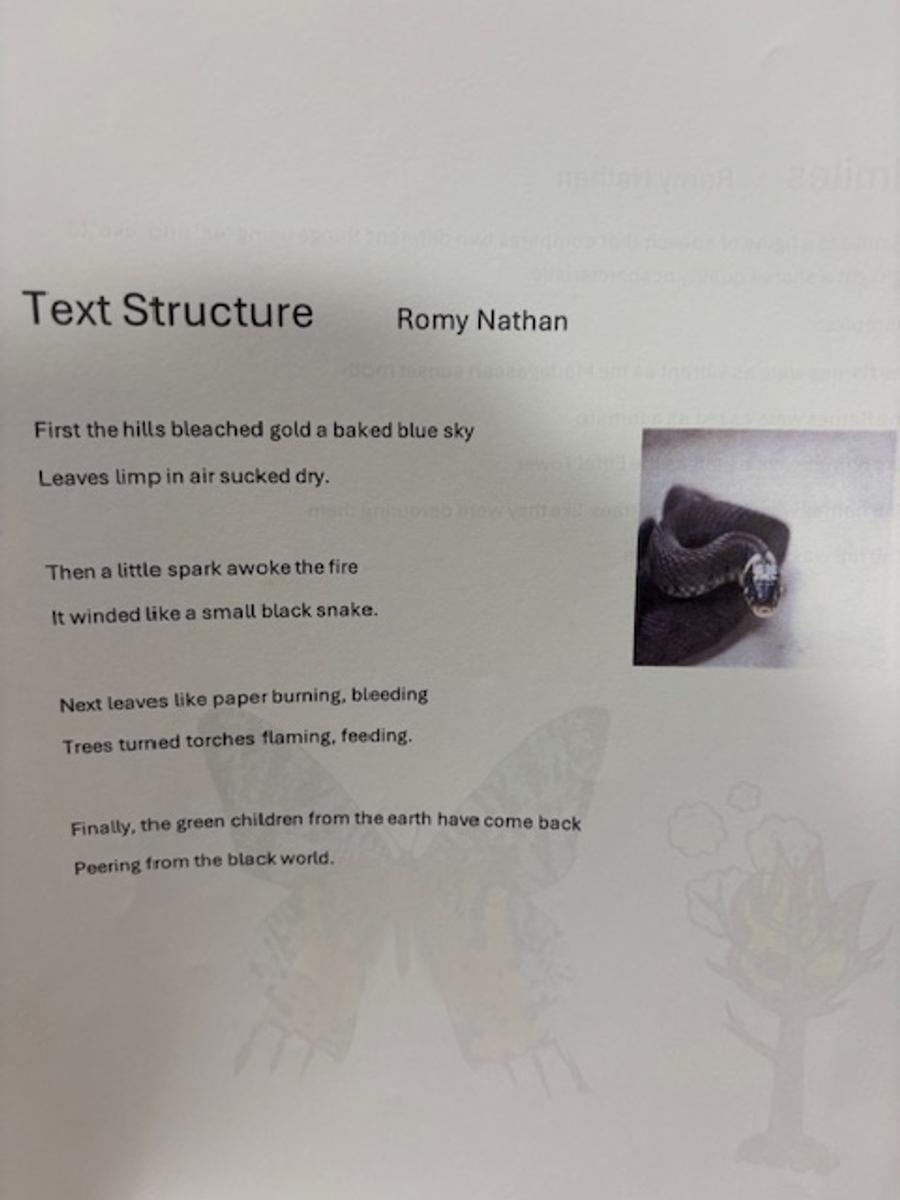
Visual Arts | Wild @ Art
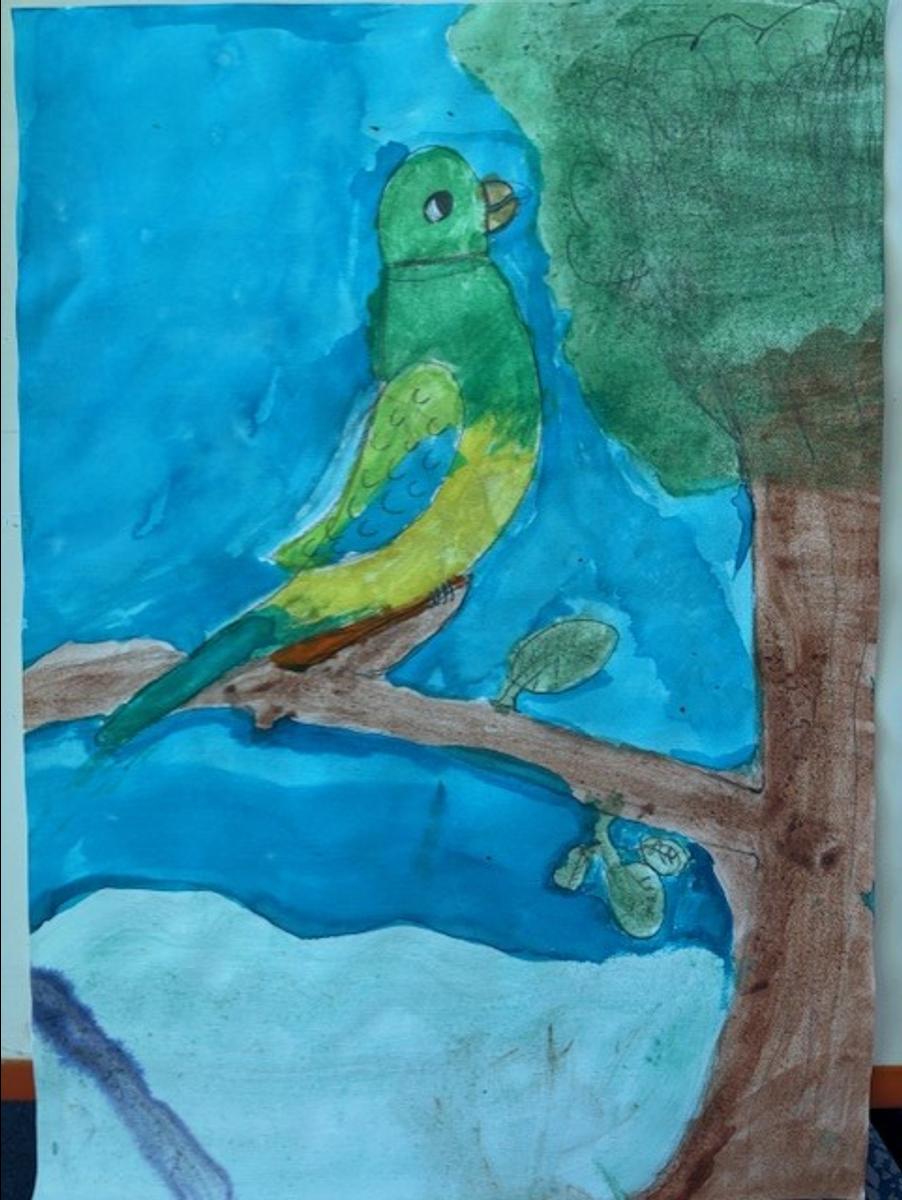
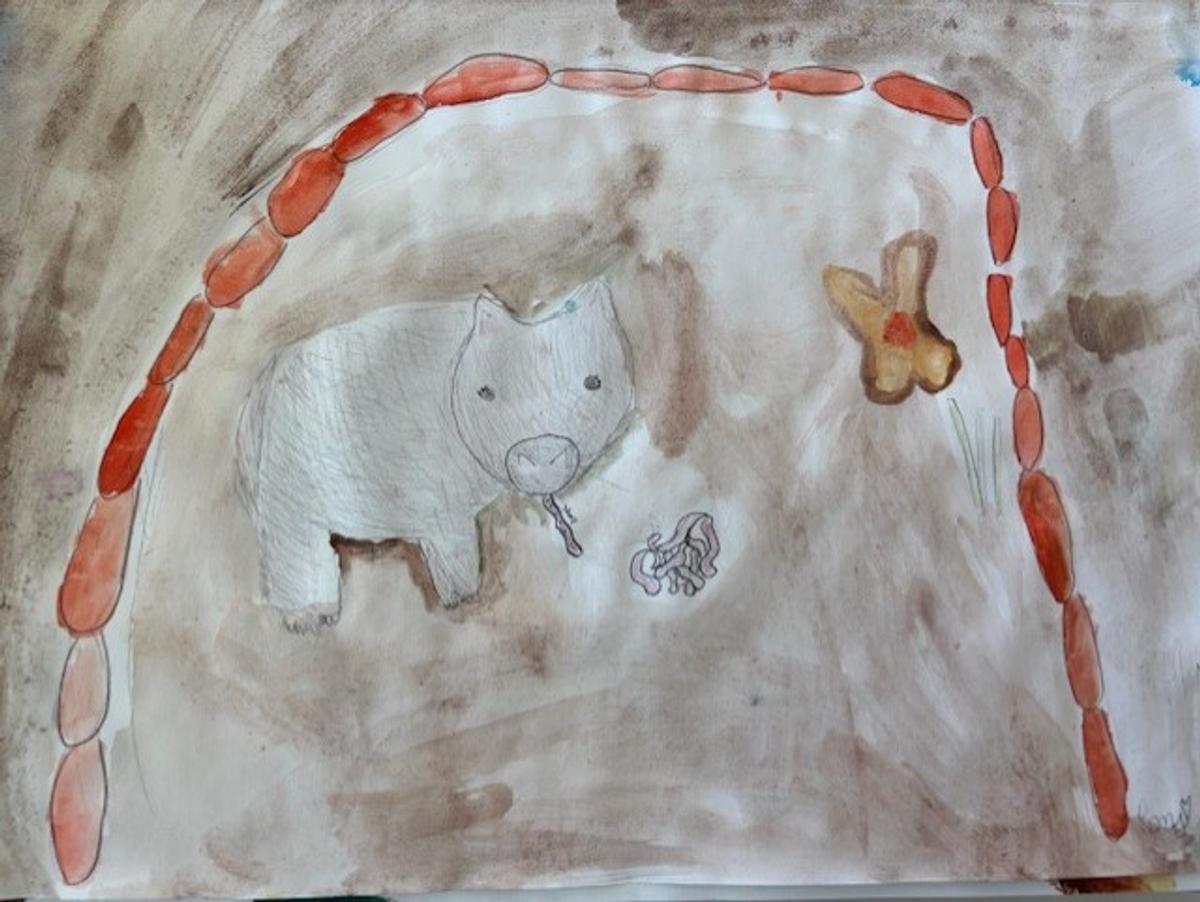
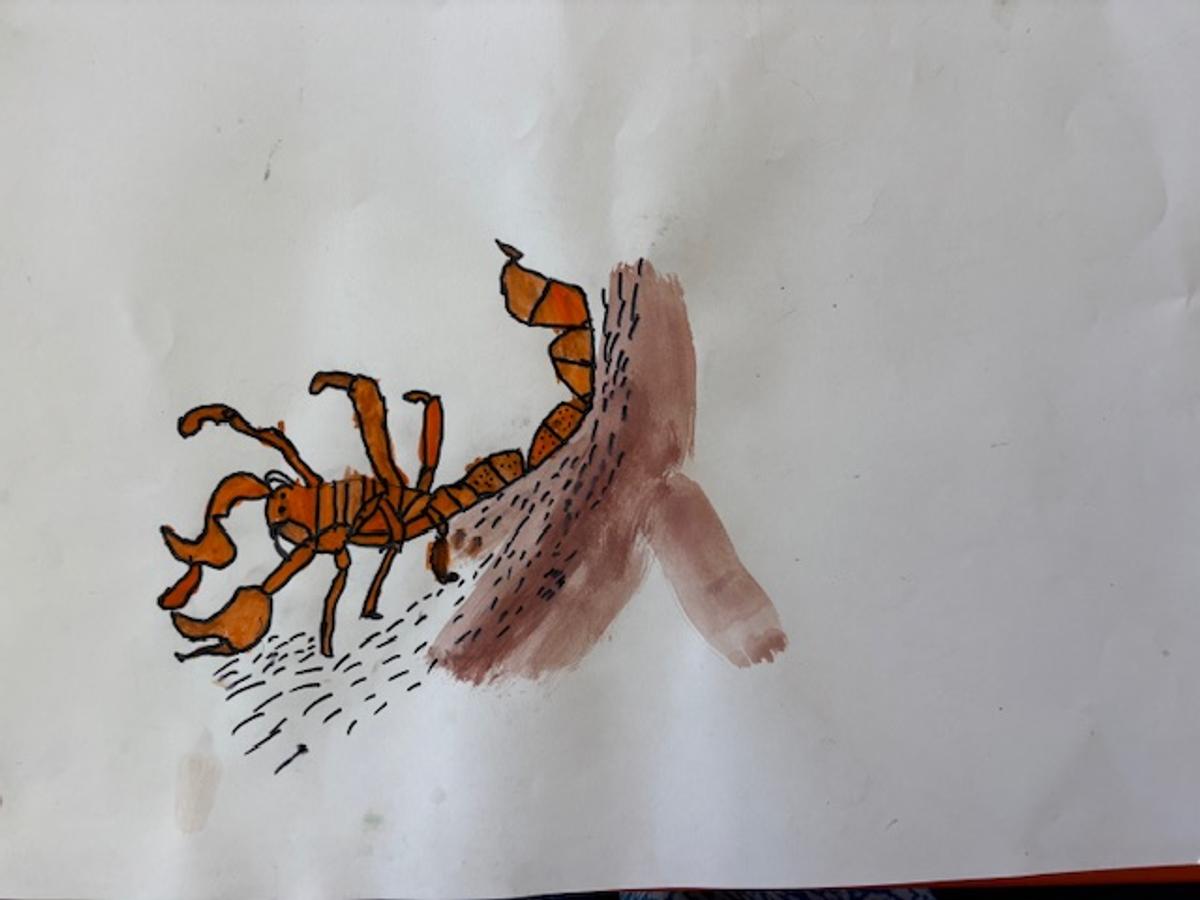
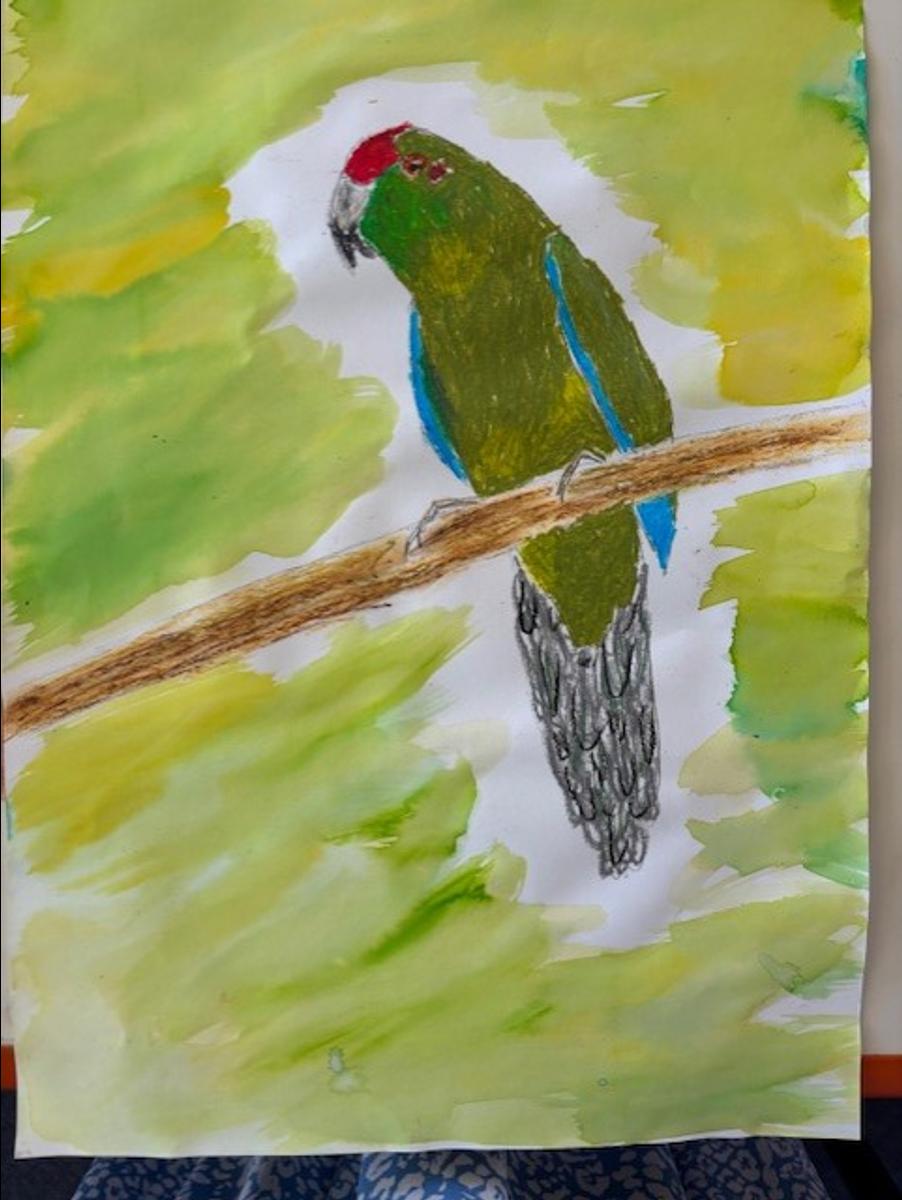
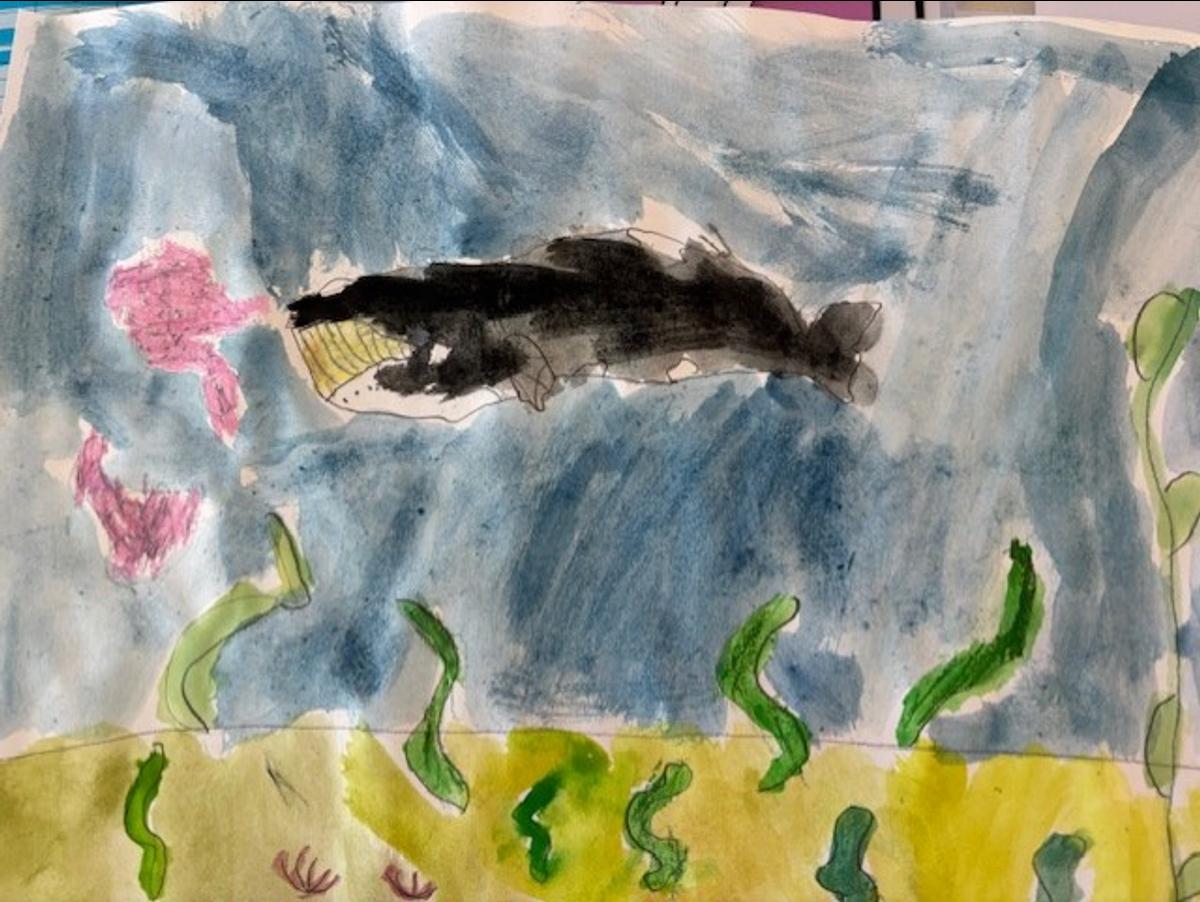
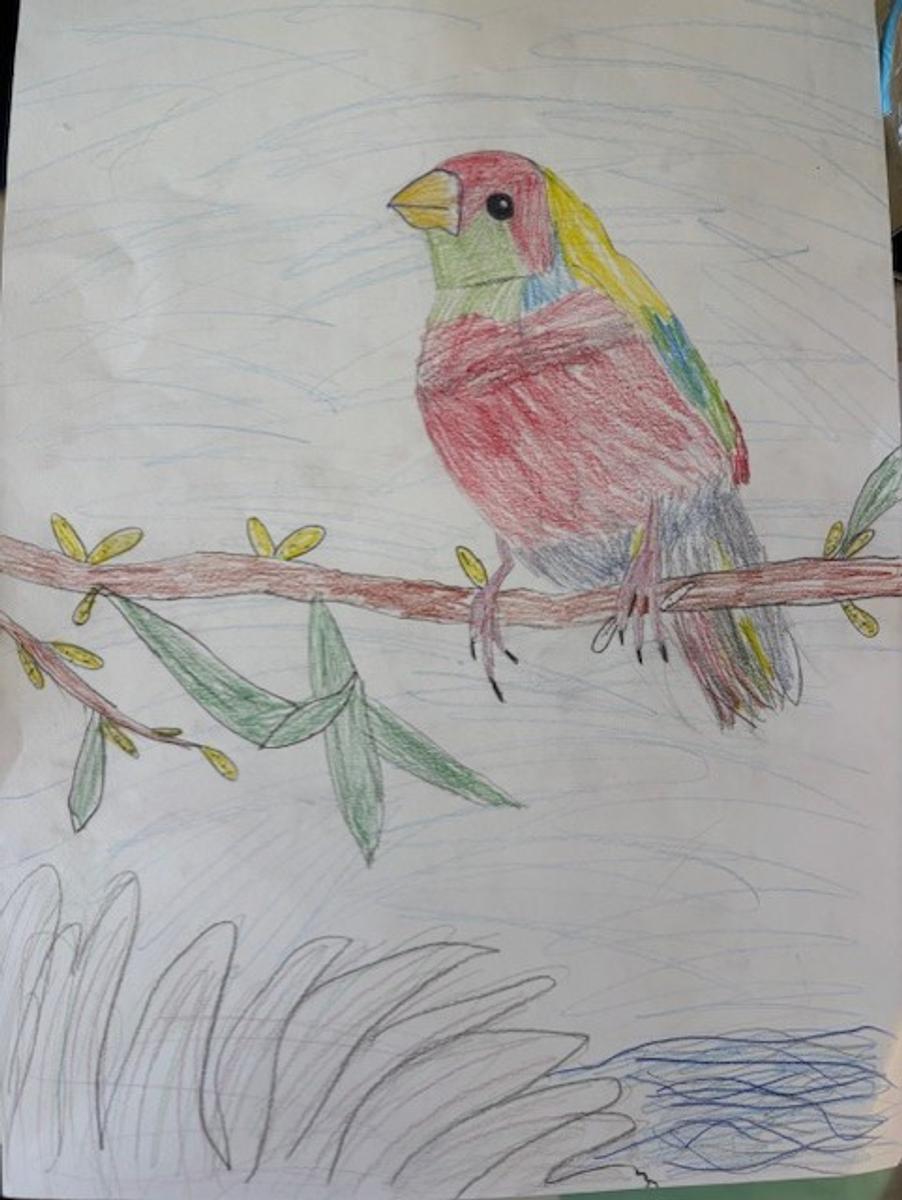
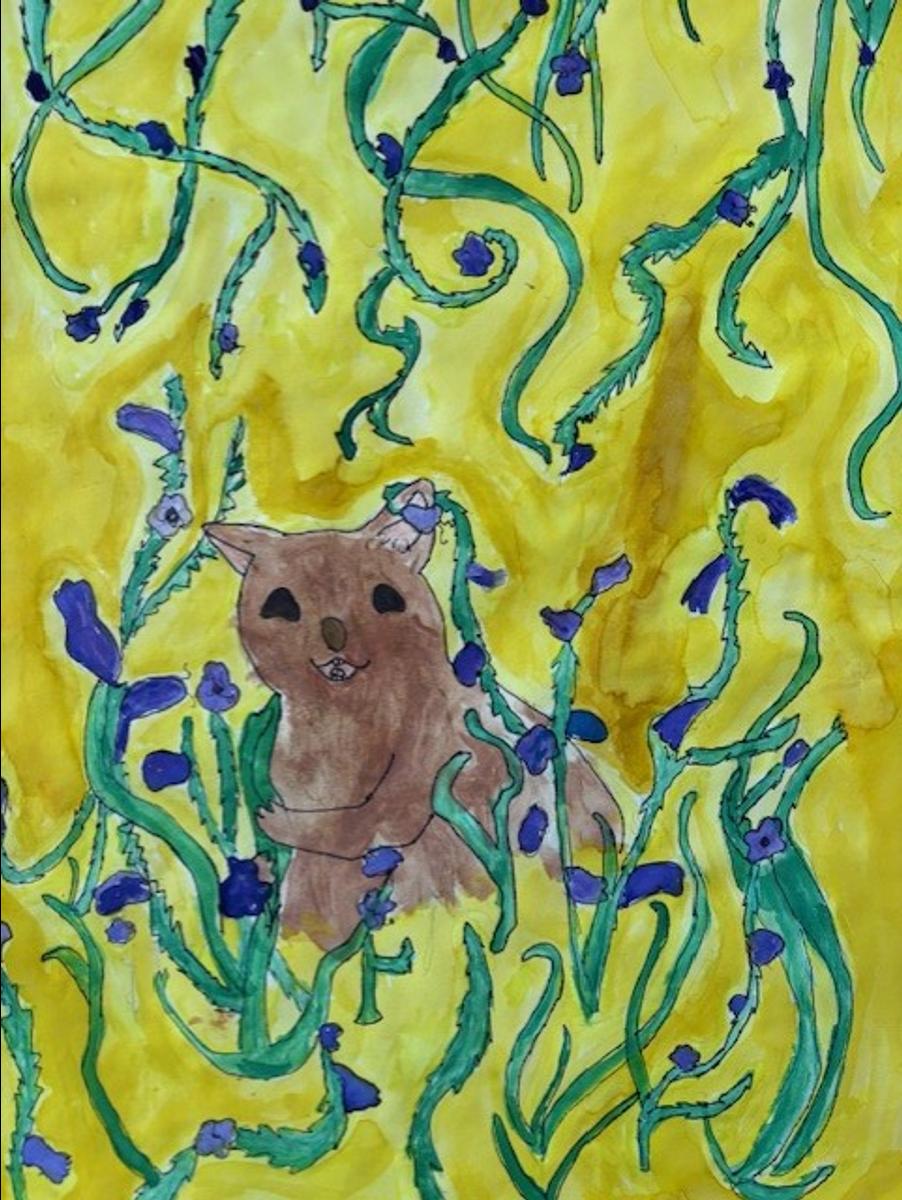
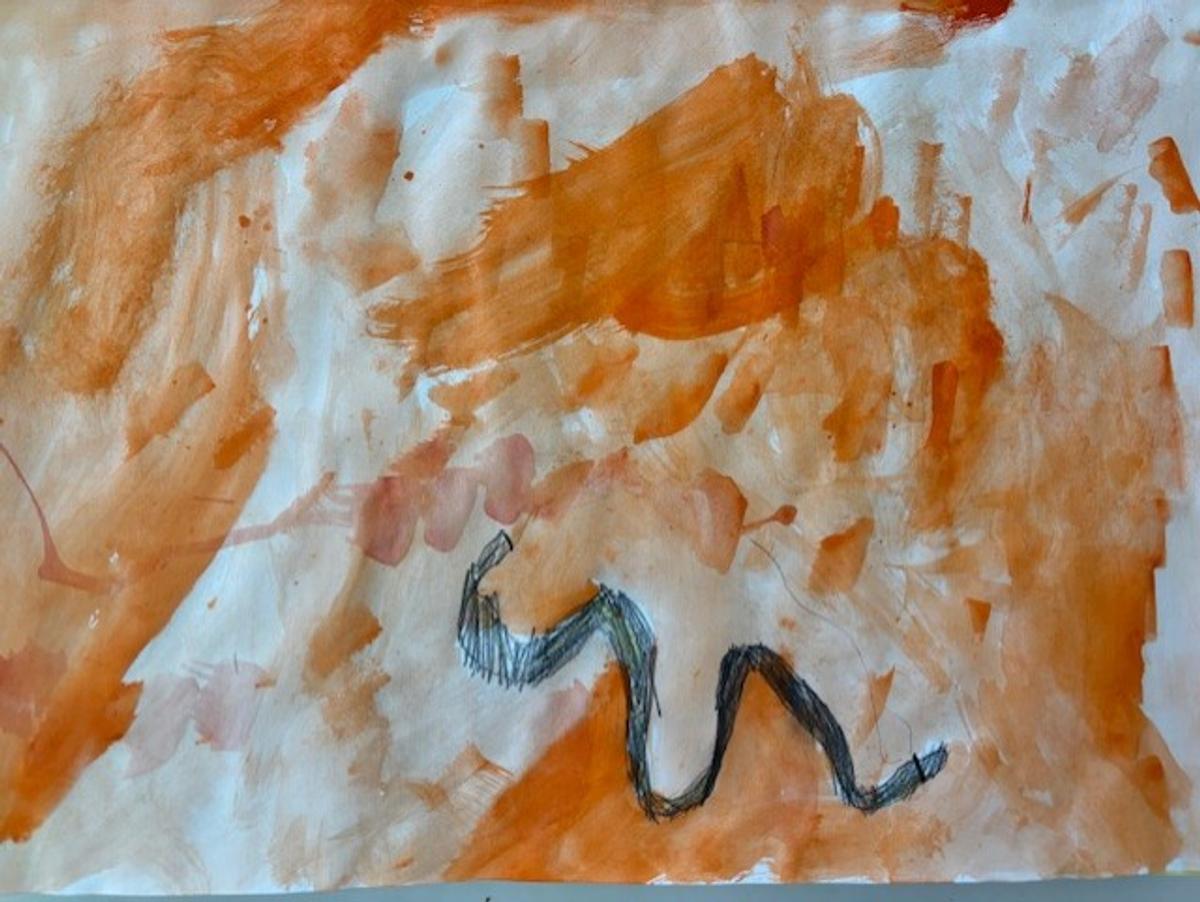
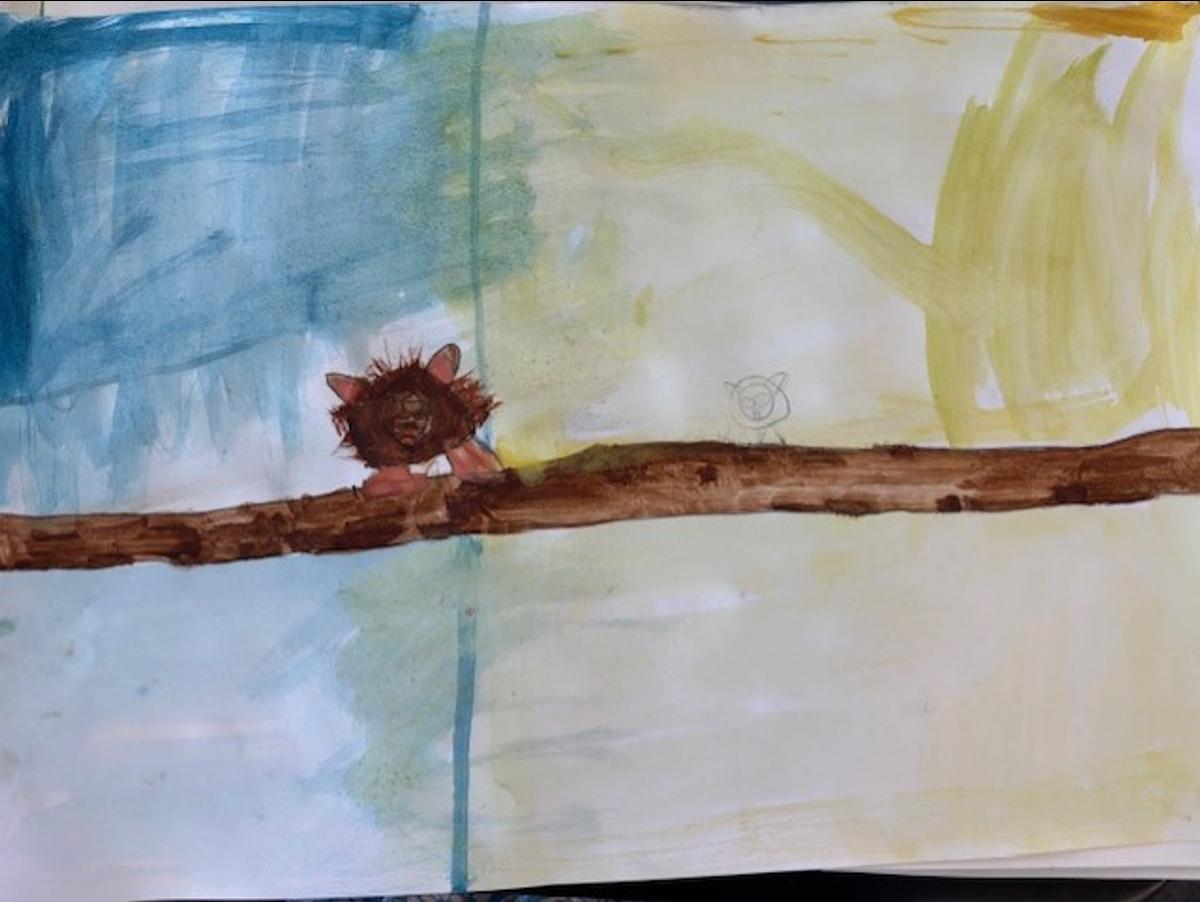
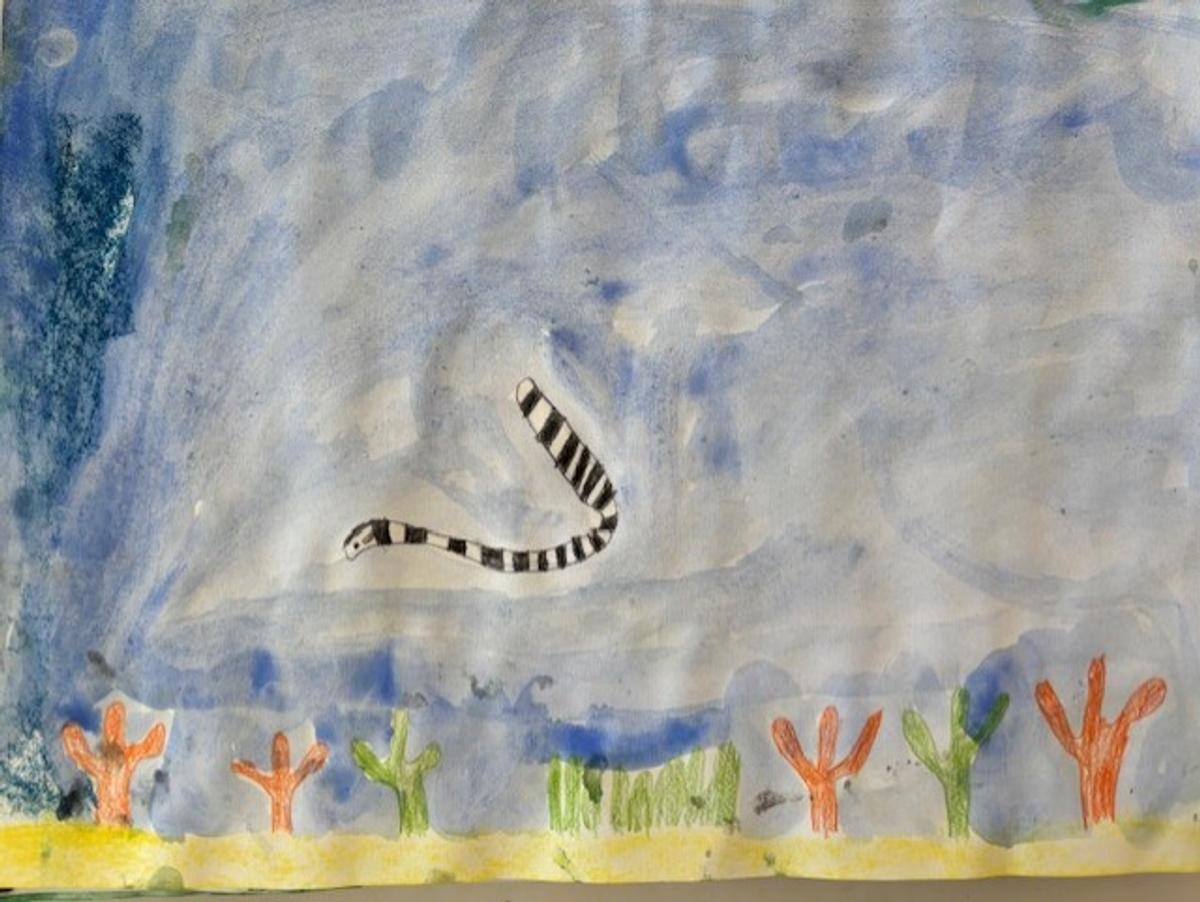
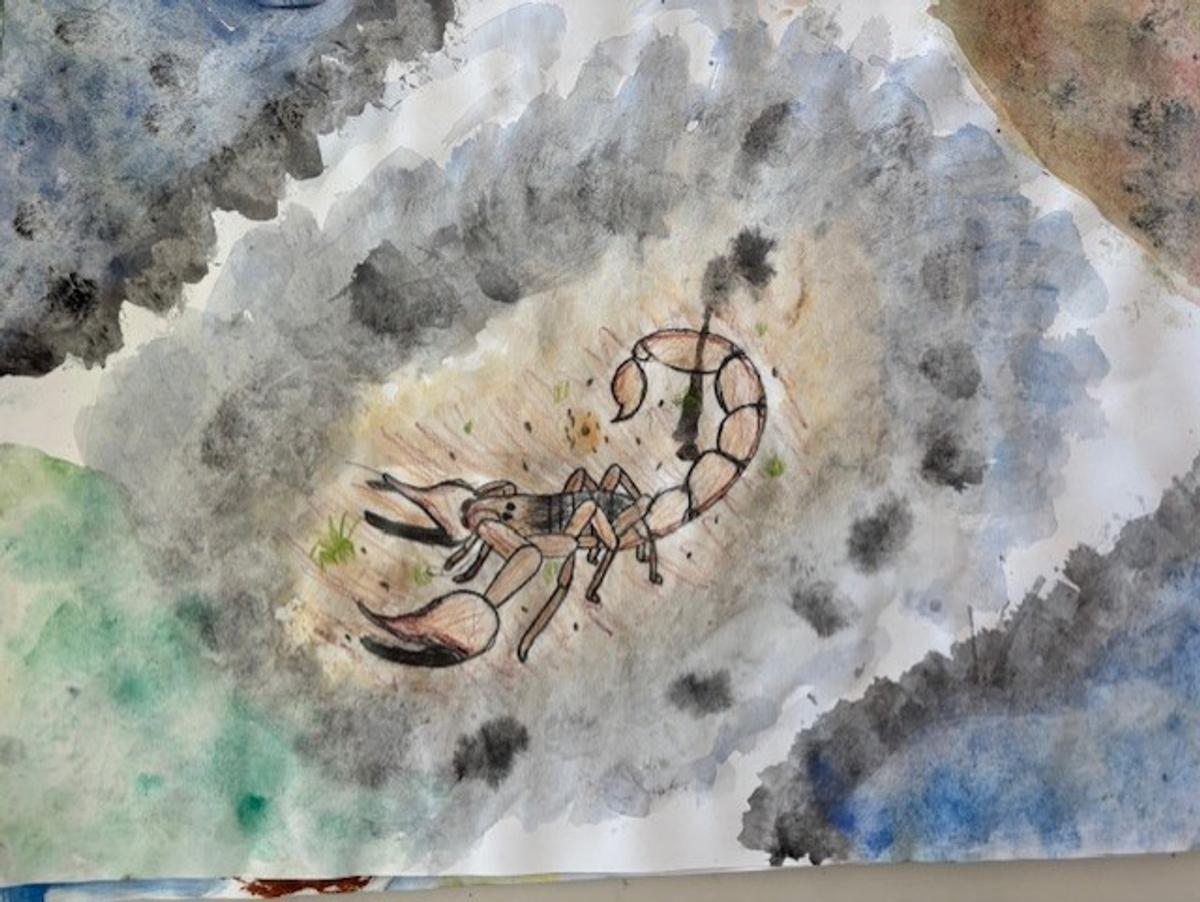
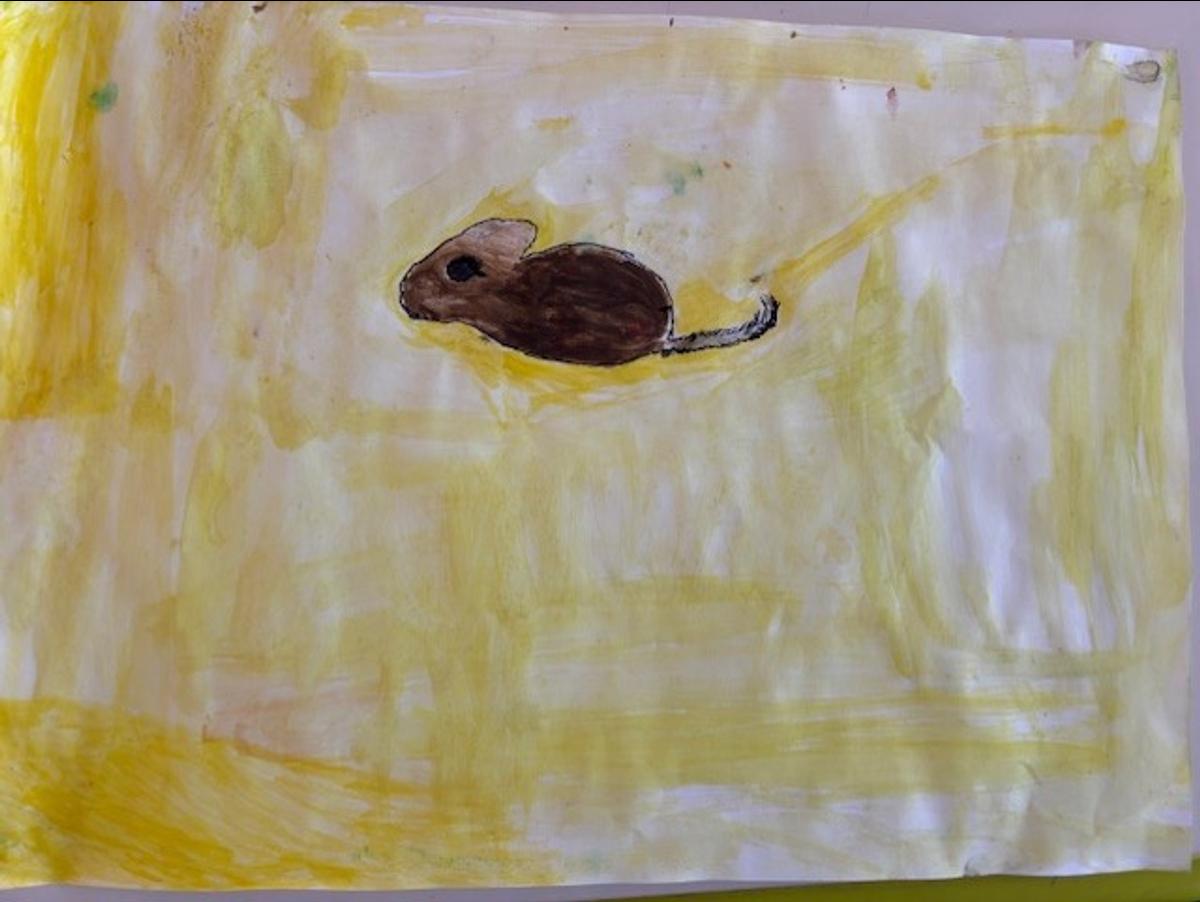
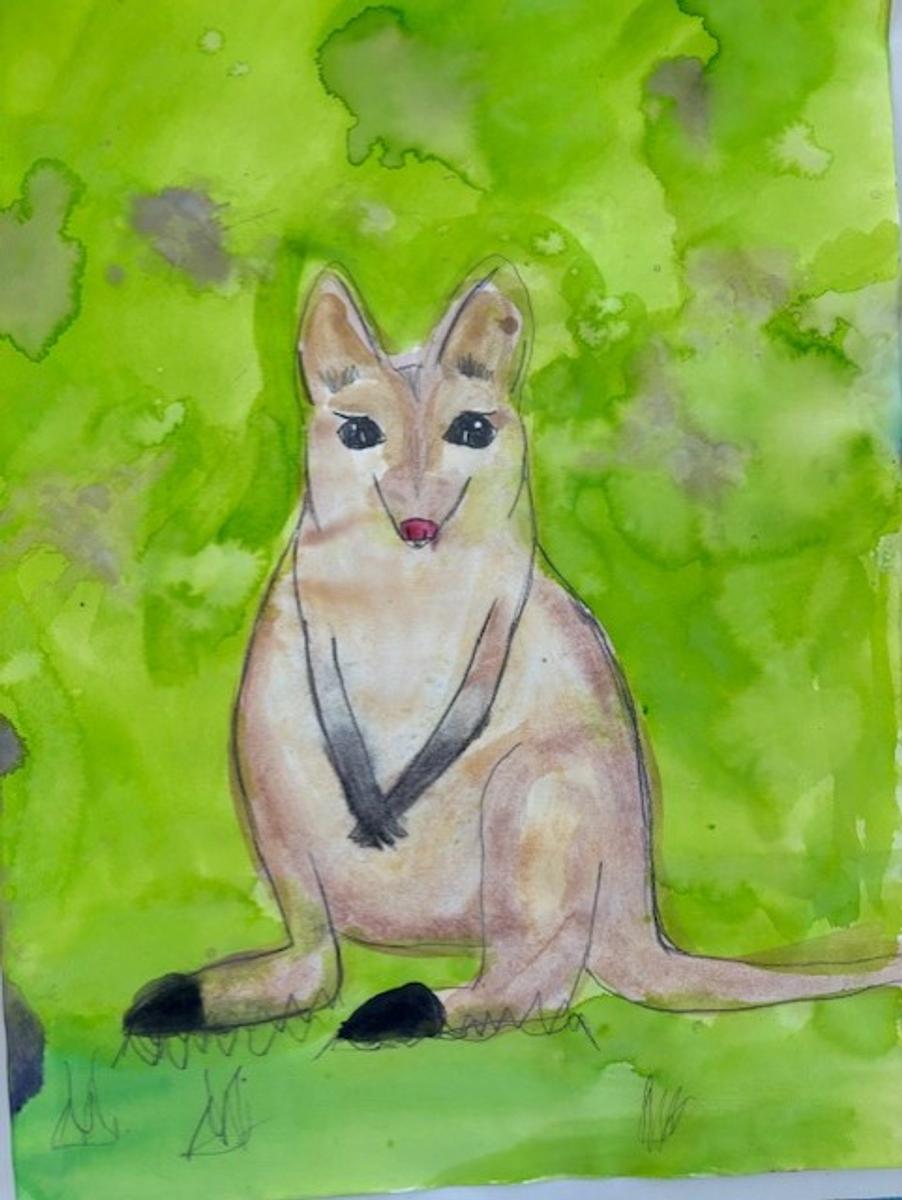
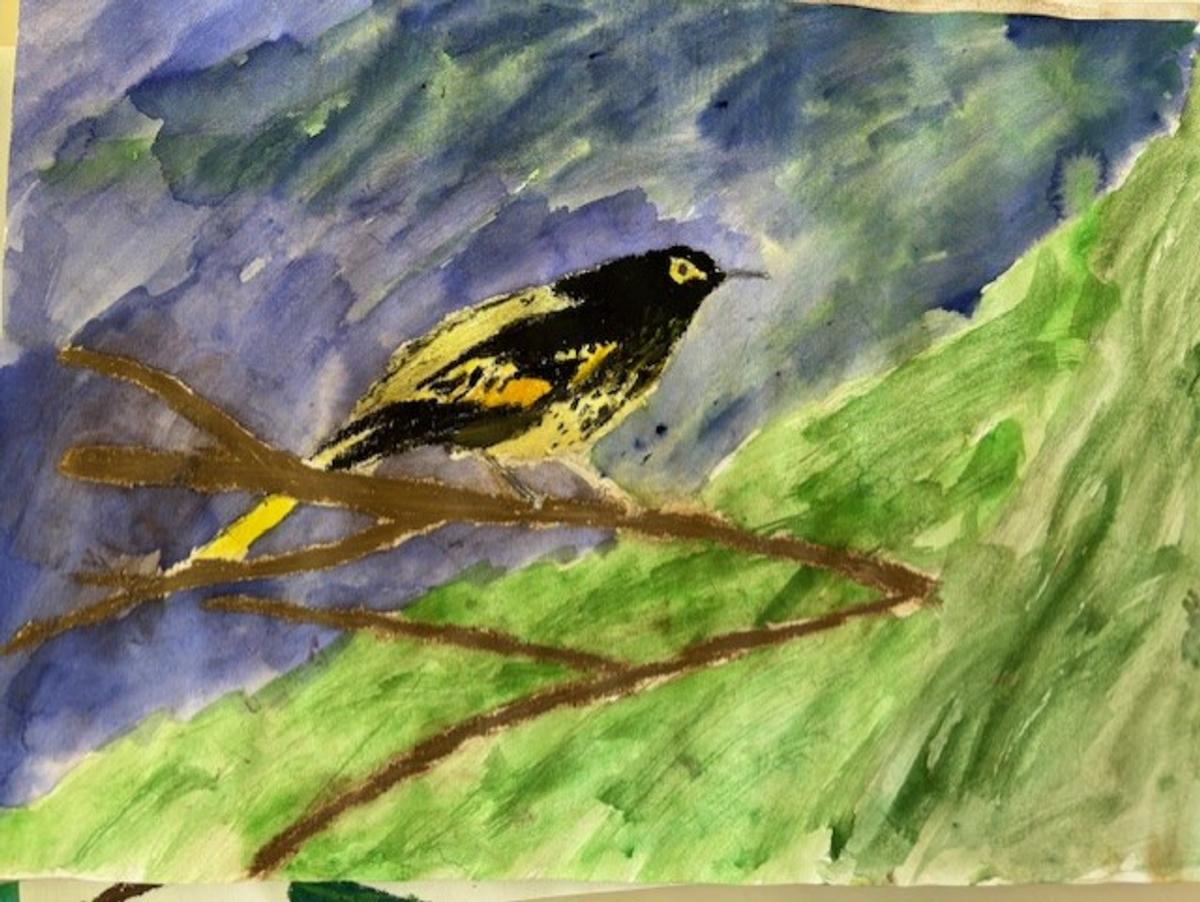
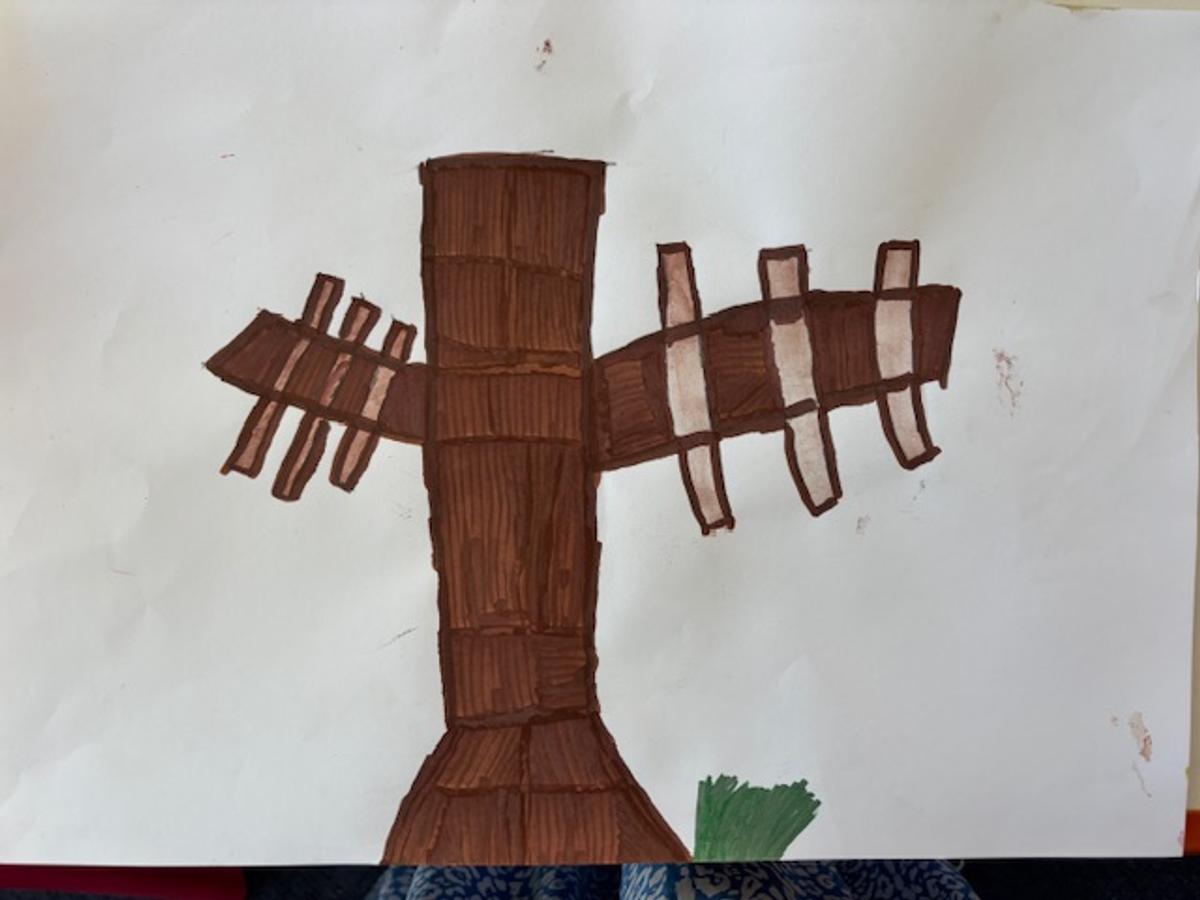
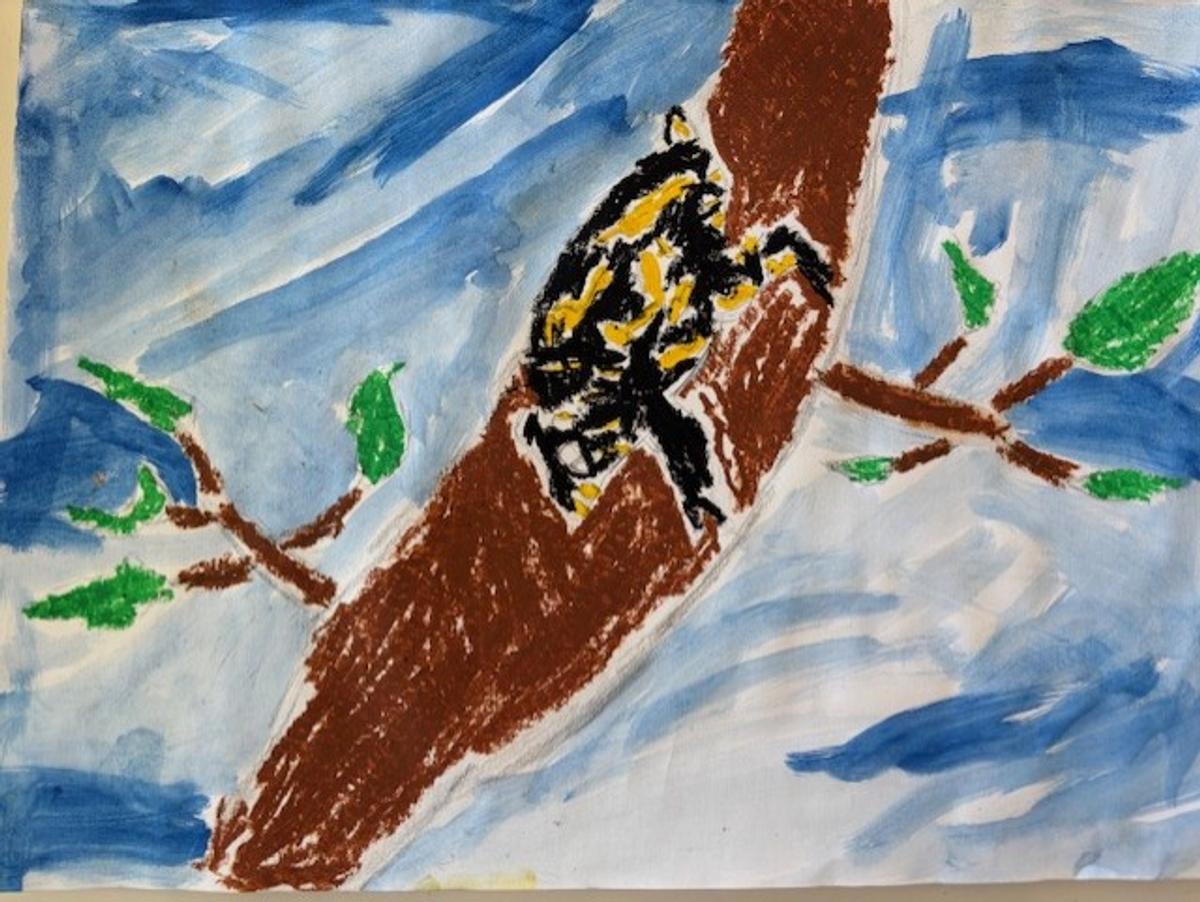
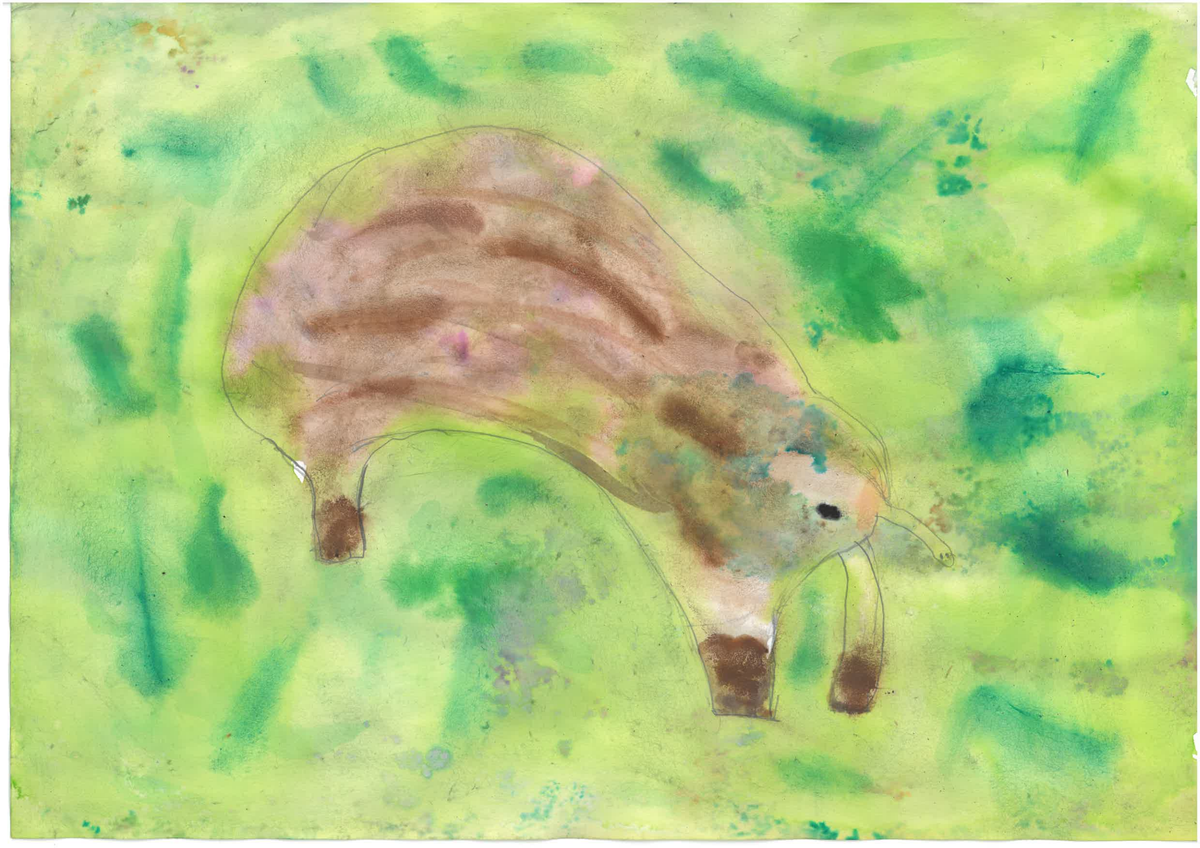
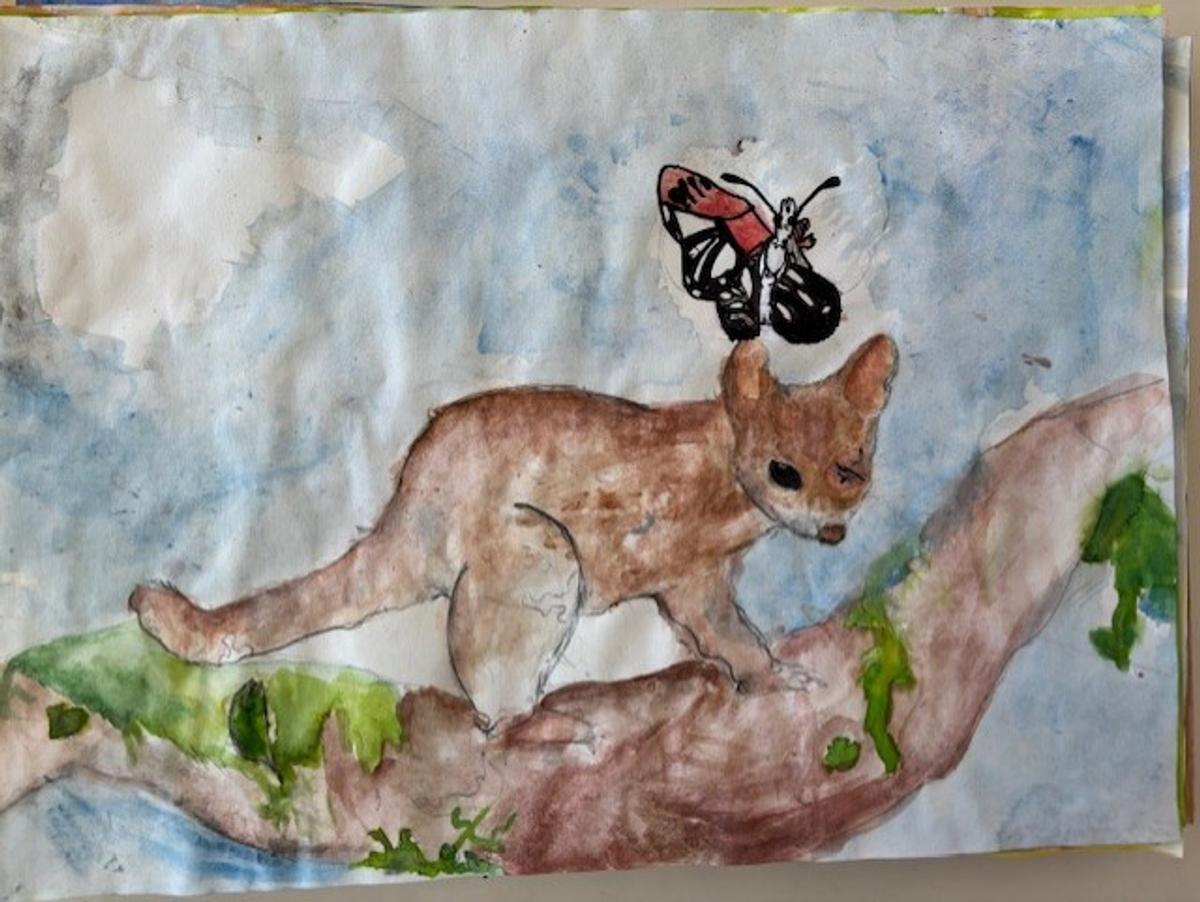
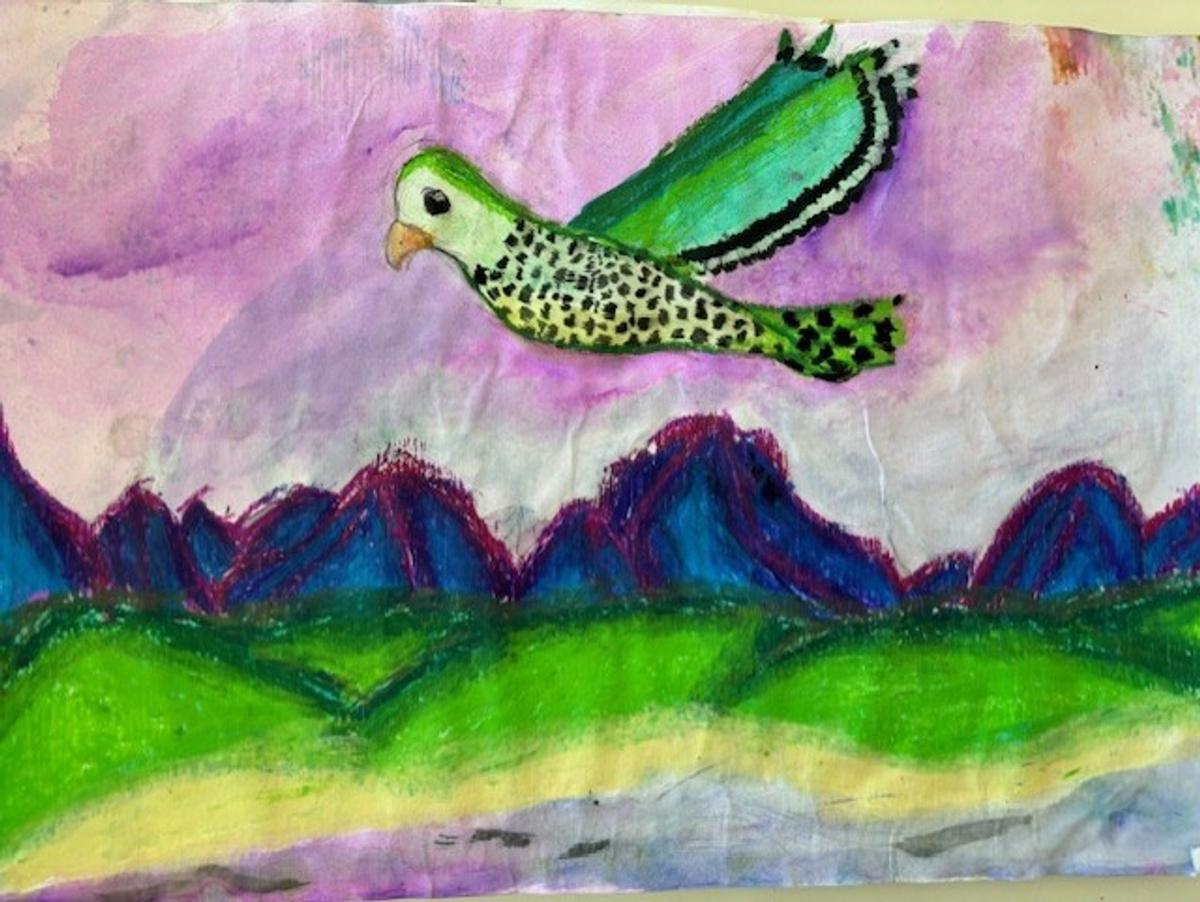
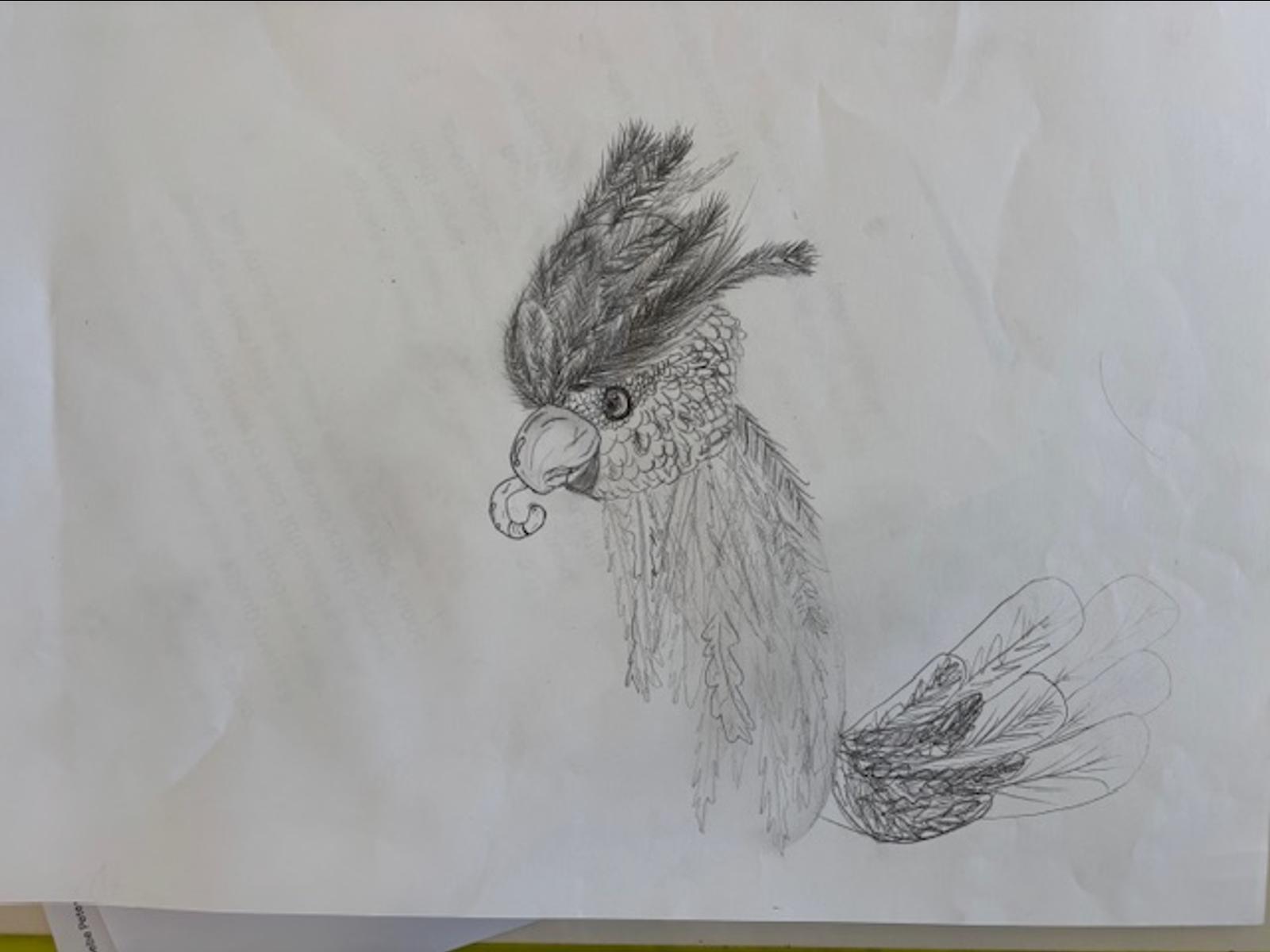
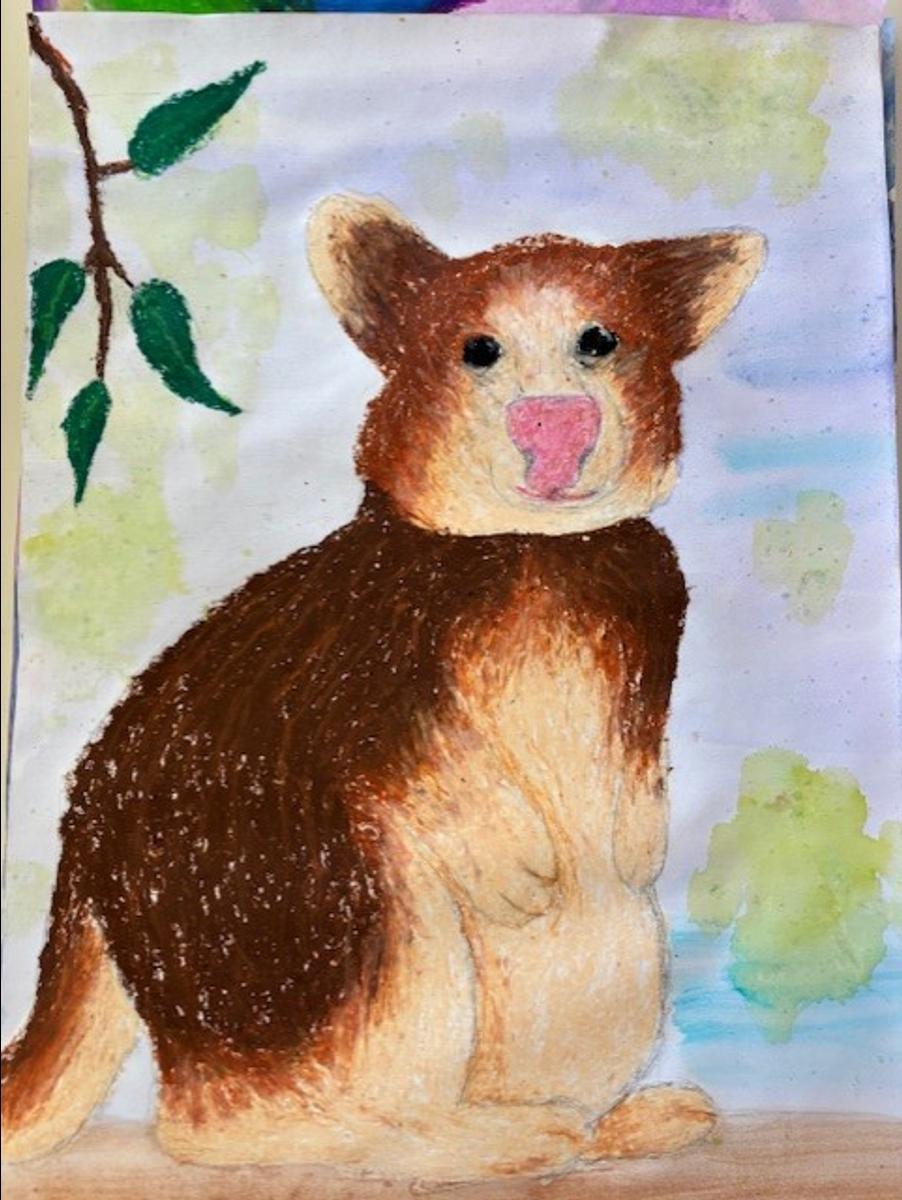
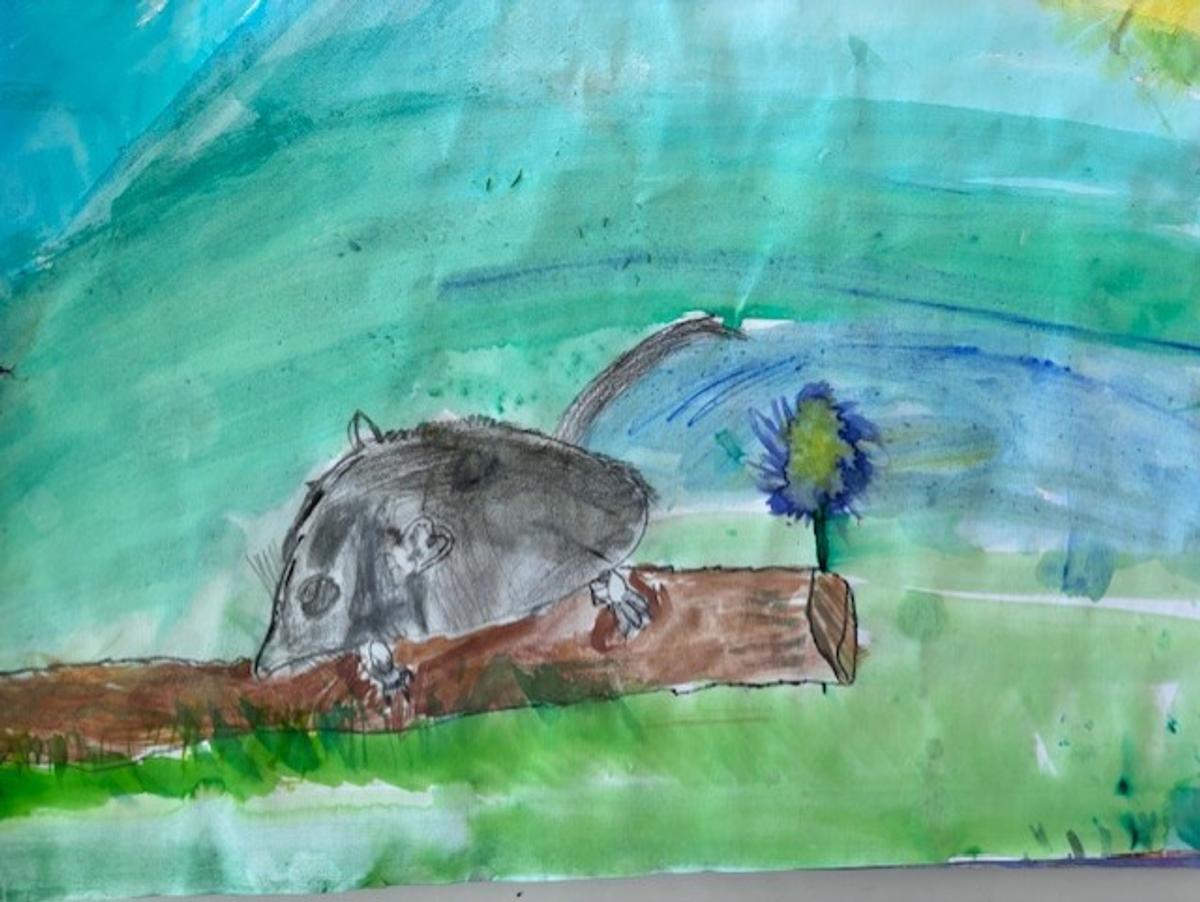
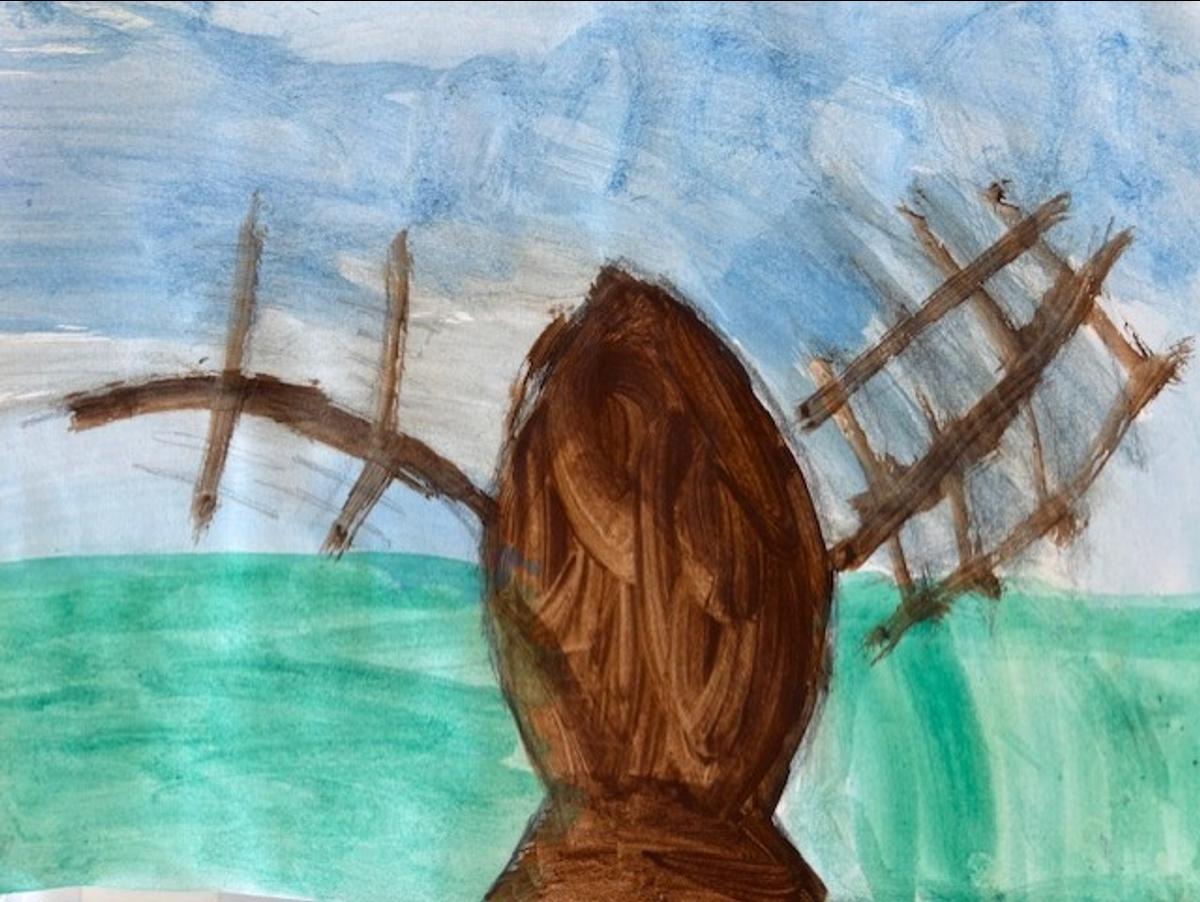
We are excited to share that our students recently participated in Wild @ Art, Australia’s biggest wildlife art competition for children aged 5 to 12. Running from Sunday, 7 September to Friday, 24 October, this national competition invited young artists from across the country to create original artwork featuring one of Australia’s many threatened native animals or plants. Alongside their artwork, students also wrote a short piece about their chosen threatened species.
Wild @ Art is a fantastic opportunity for primary school children to unleash their artistic creativity while learning about Australia’s unique wildlife and the challenges these species face. Through this competition, our students not only developed their artistic skills but also deepened their understanding of the environment and the importance of protecting our native animals and plants.
We are incredibly proud of all our students who took part and expressed their creativity and care for nature in such inspiring ways. Well done to everyone involved – we look forward to seeing your future creations!
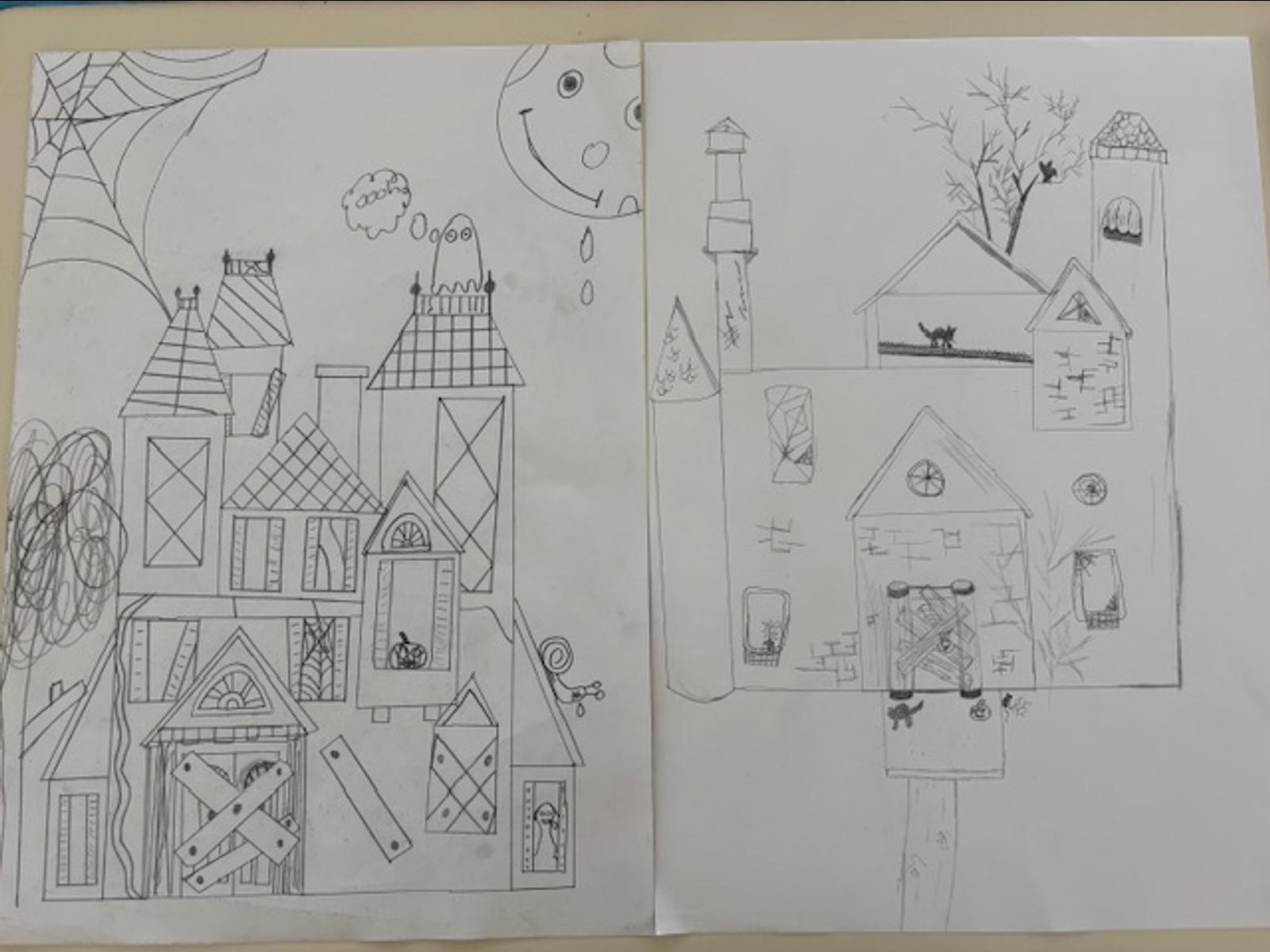
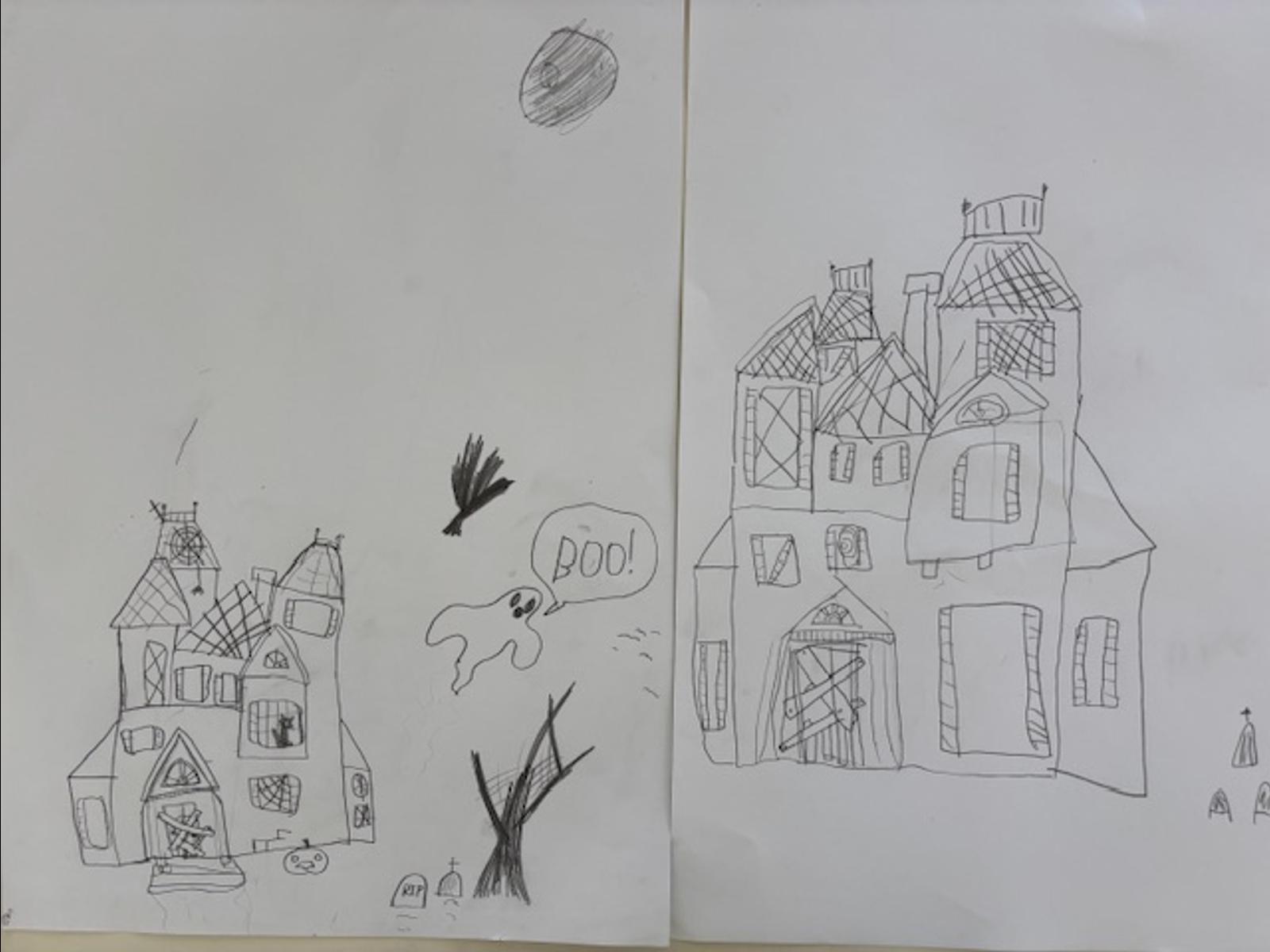
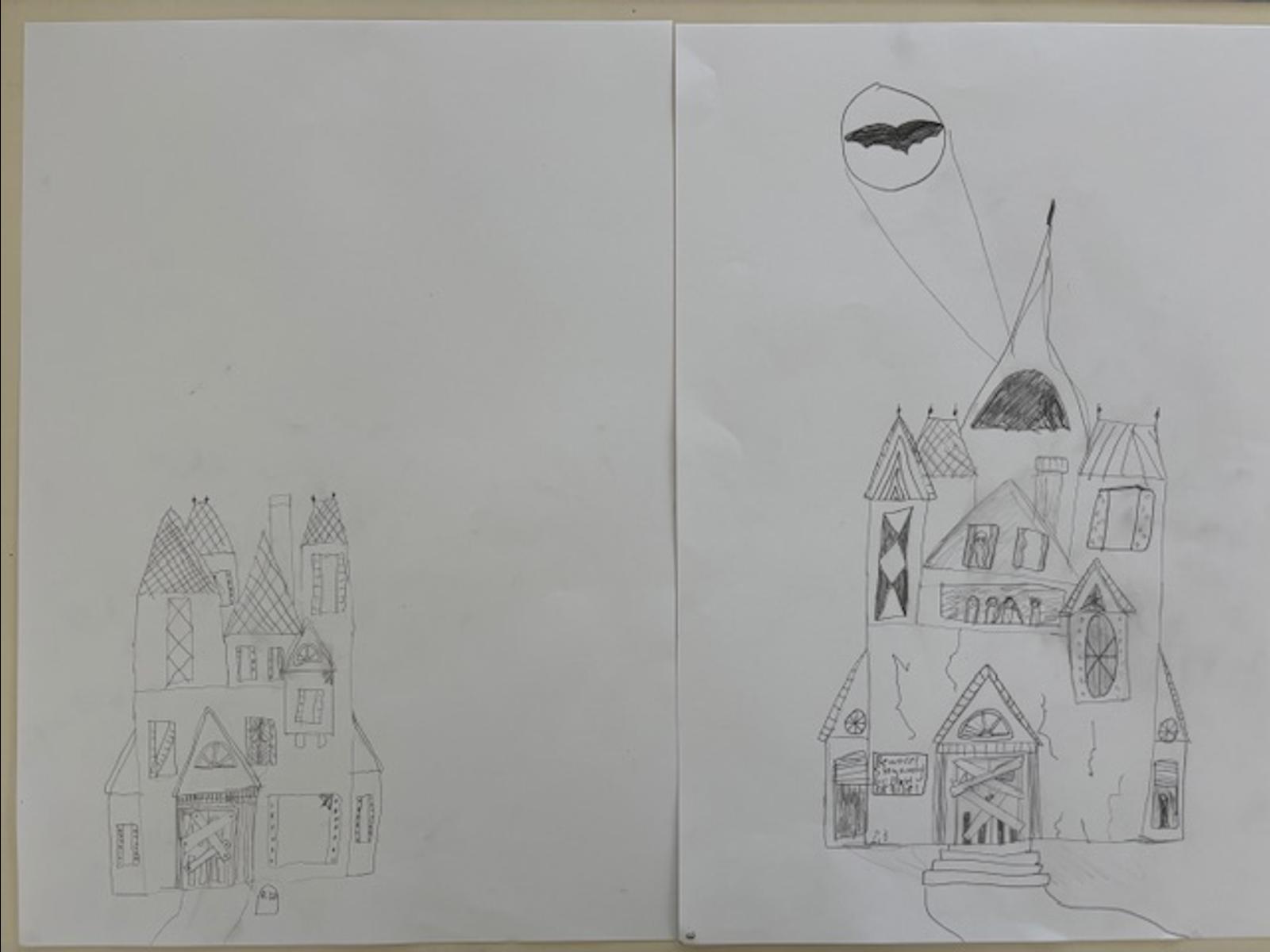
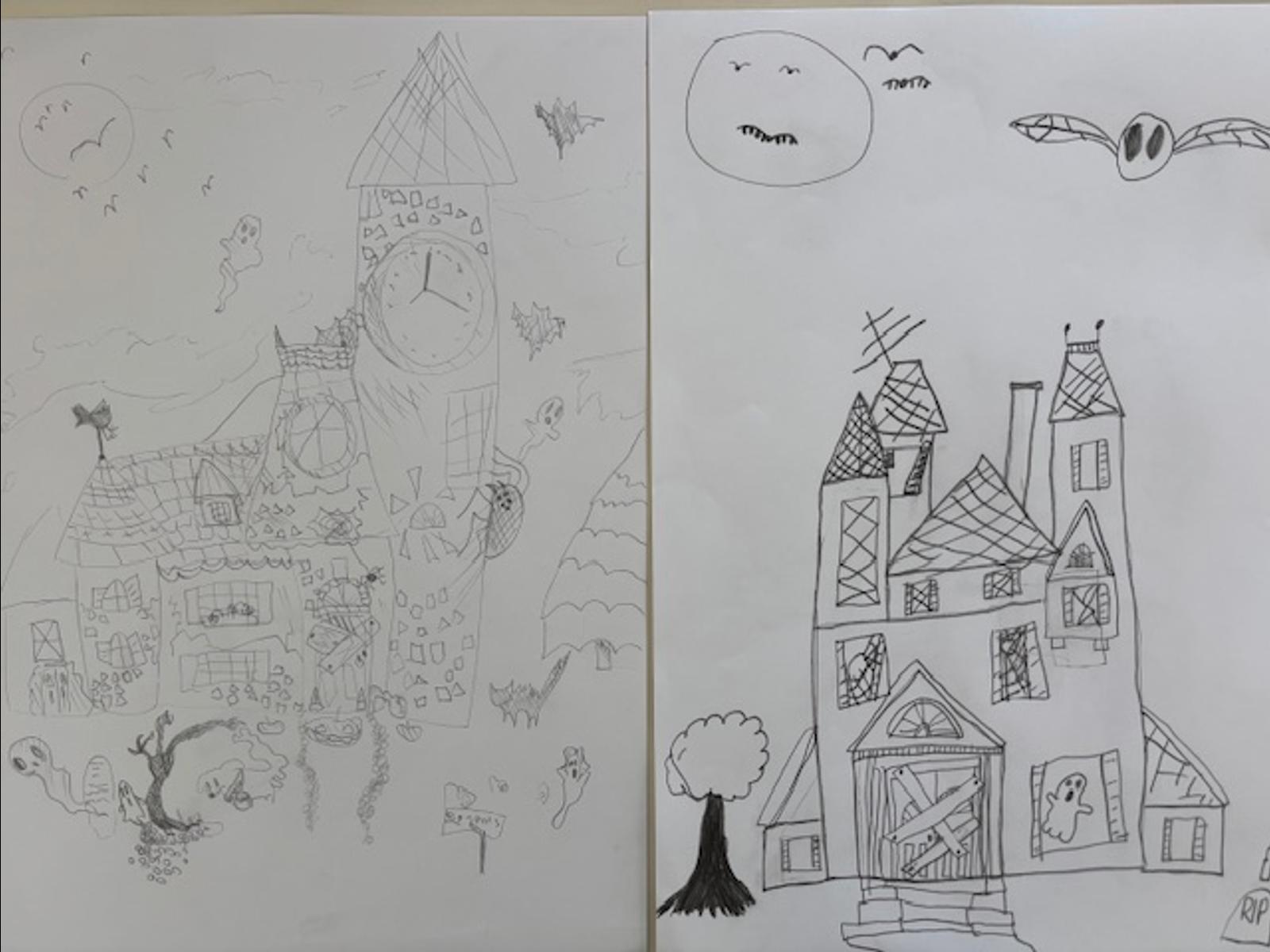
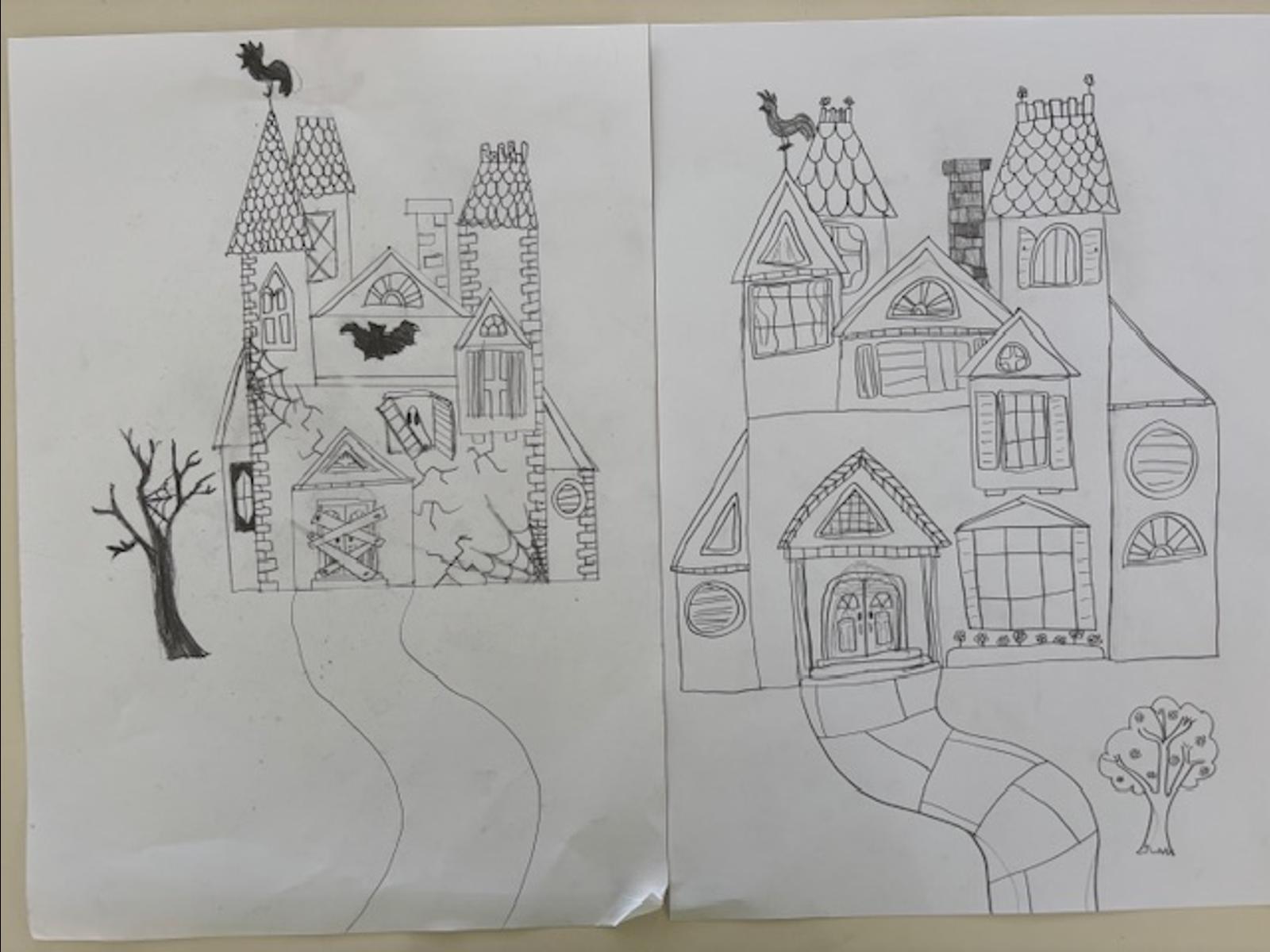
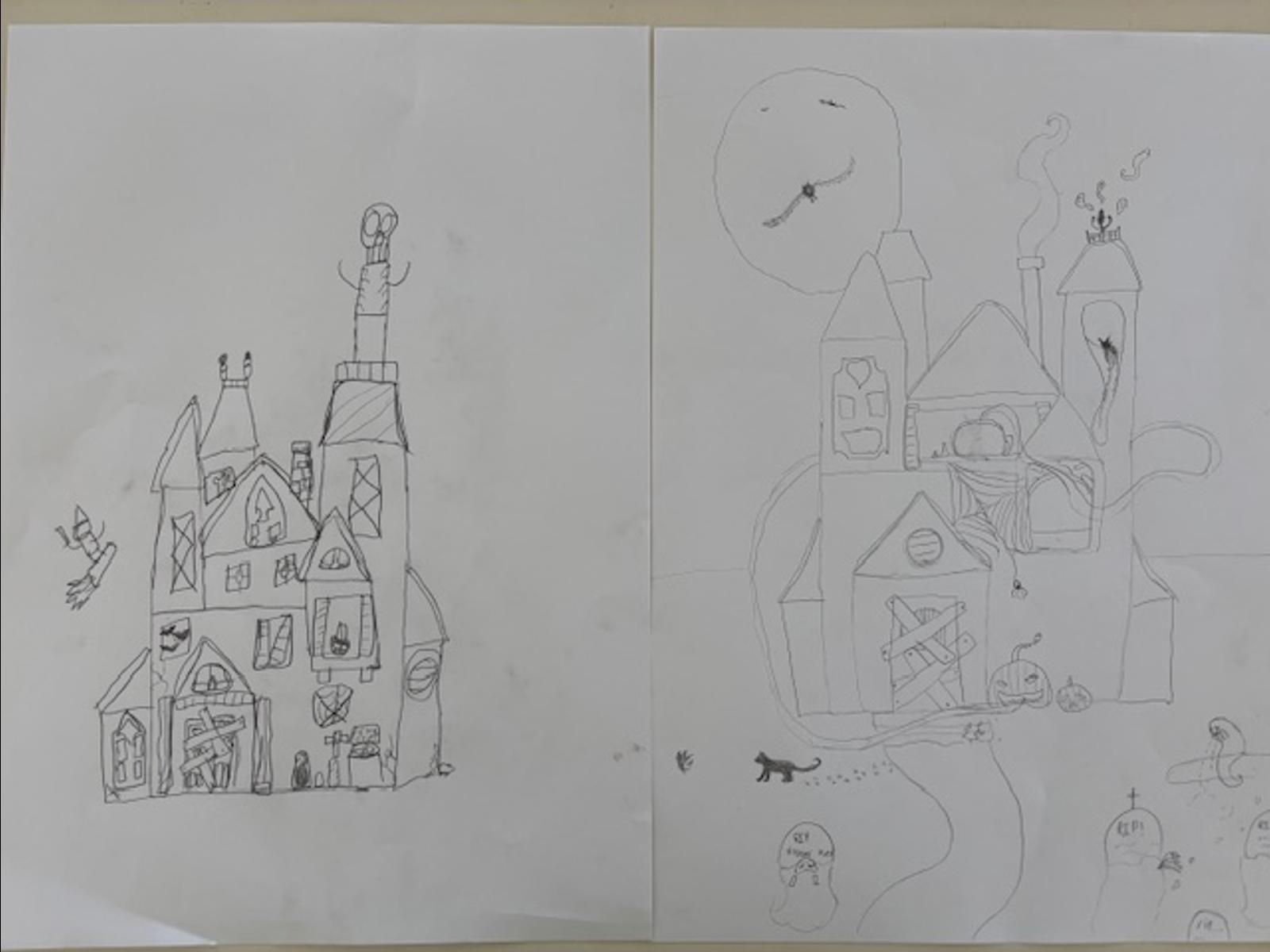
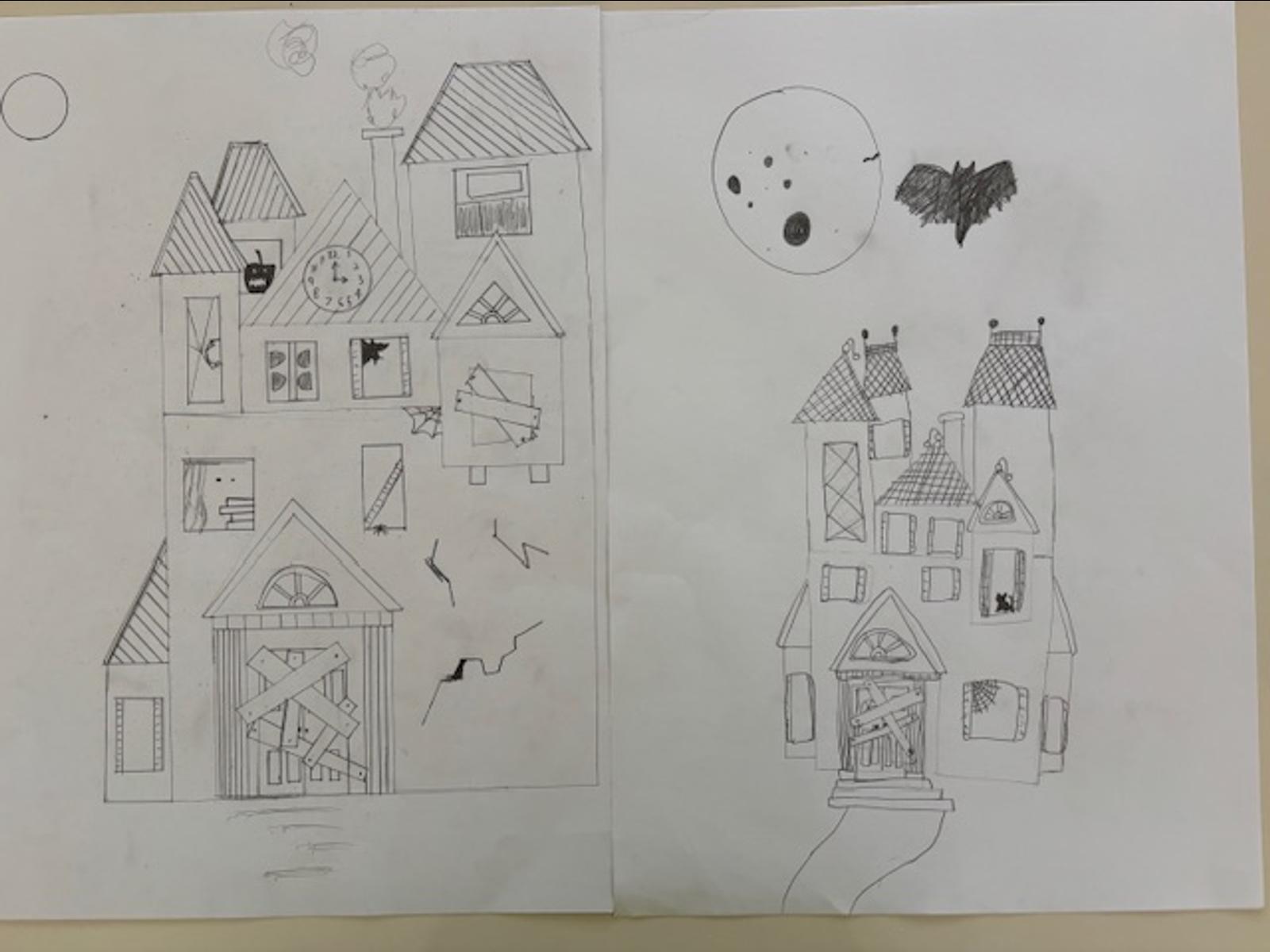
Visual Arts | Halloween Inspired Haunted Houses
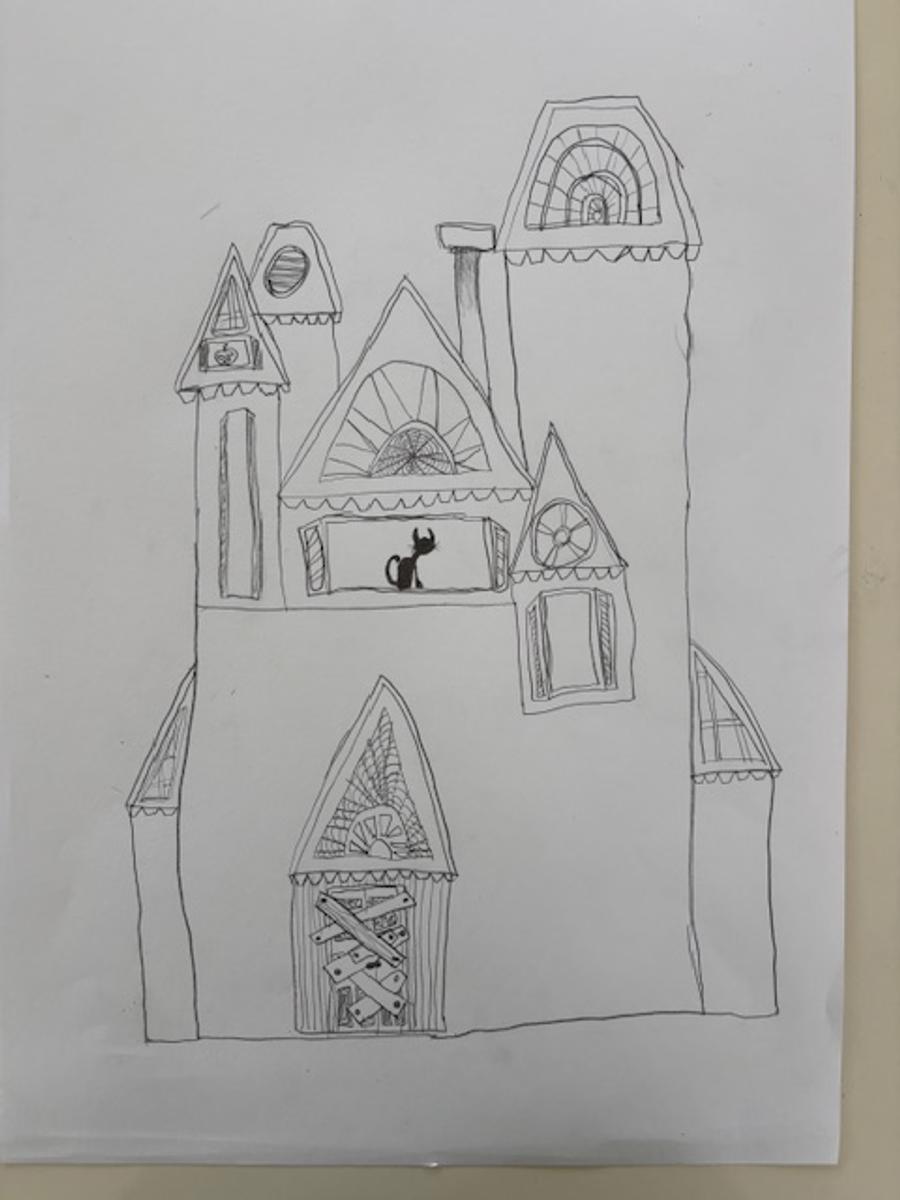
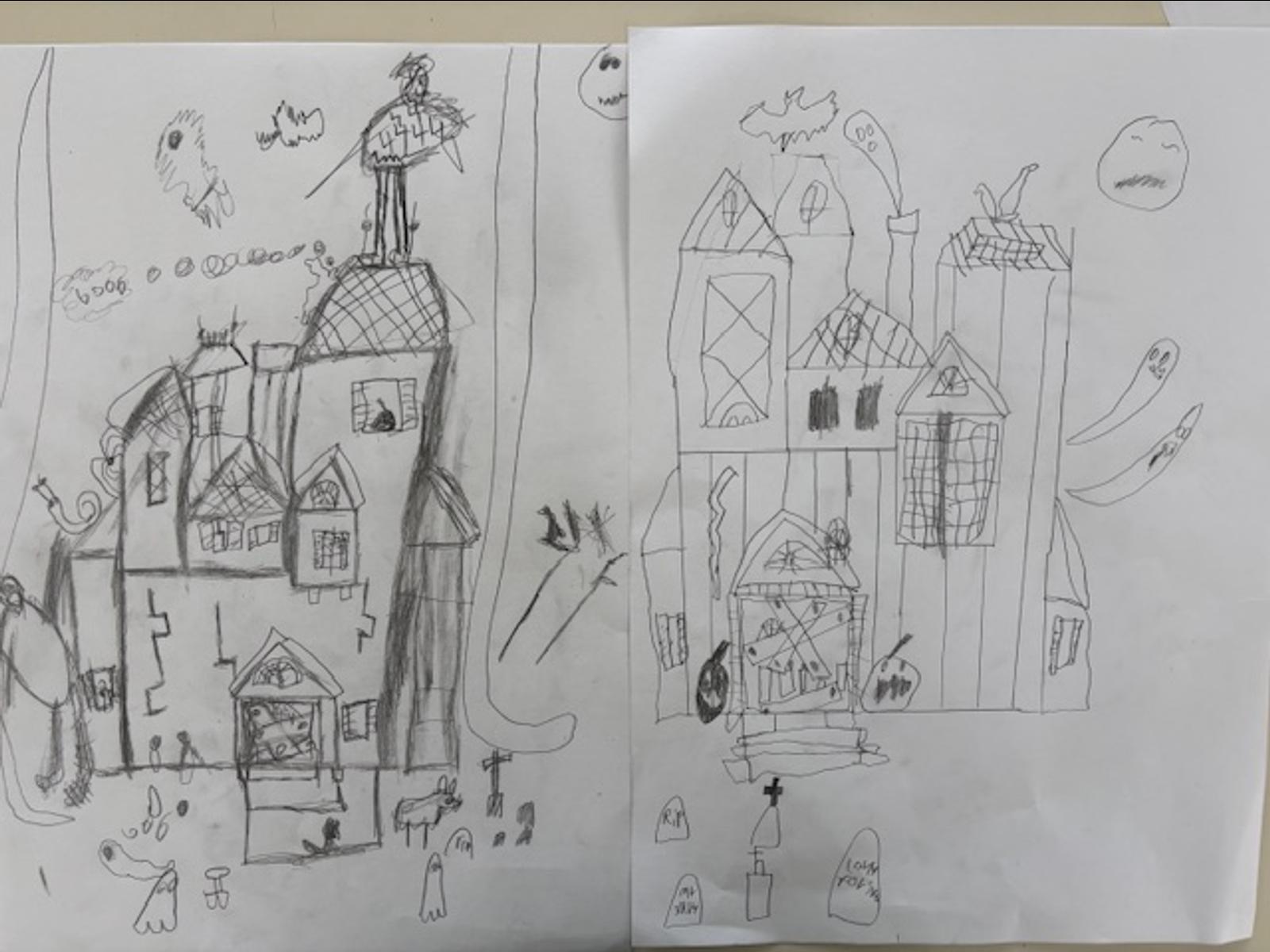
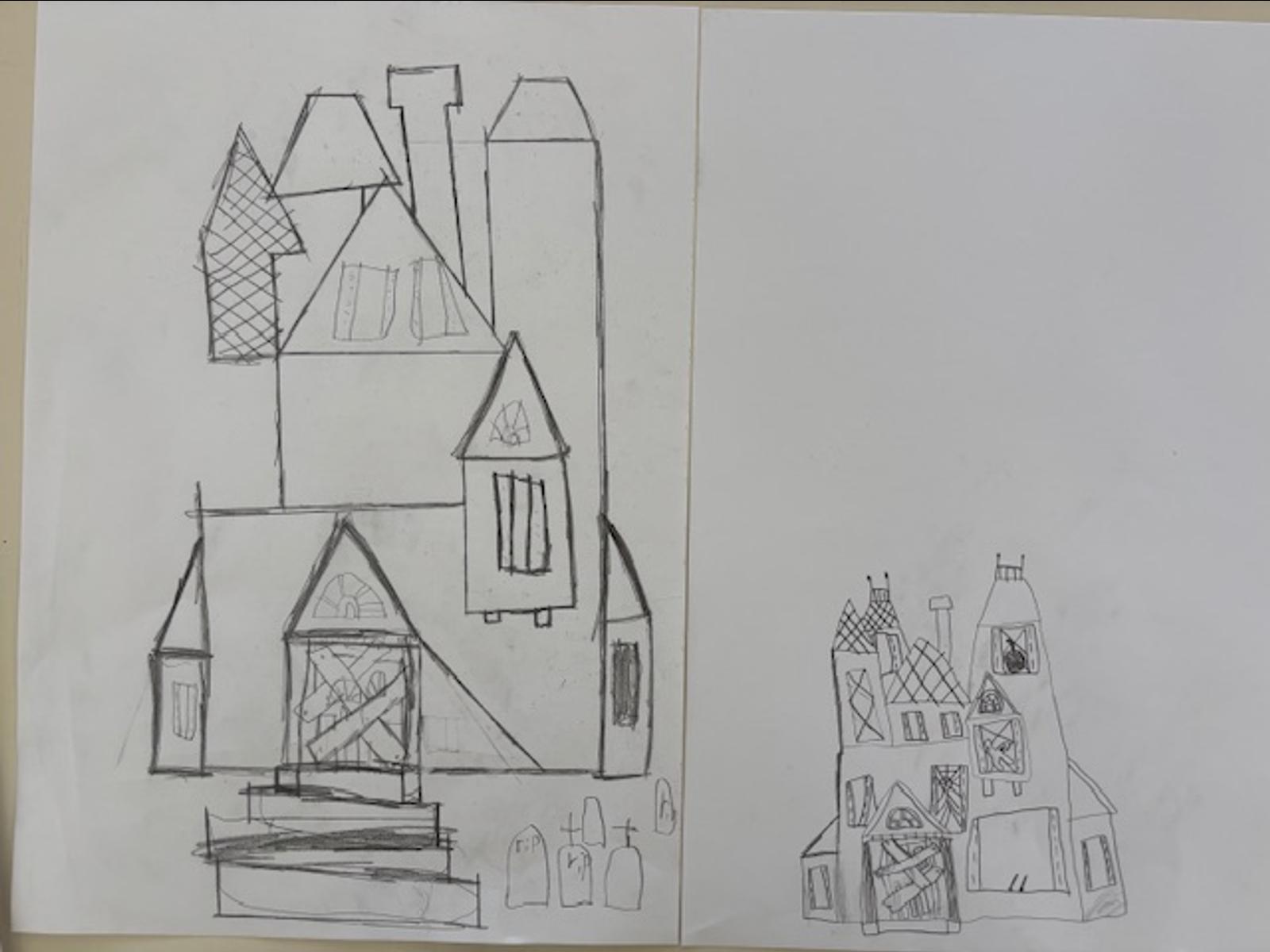
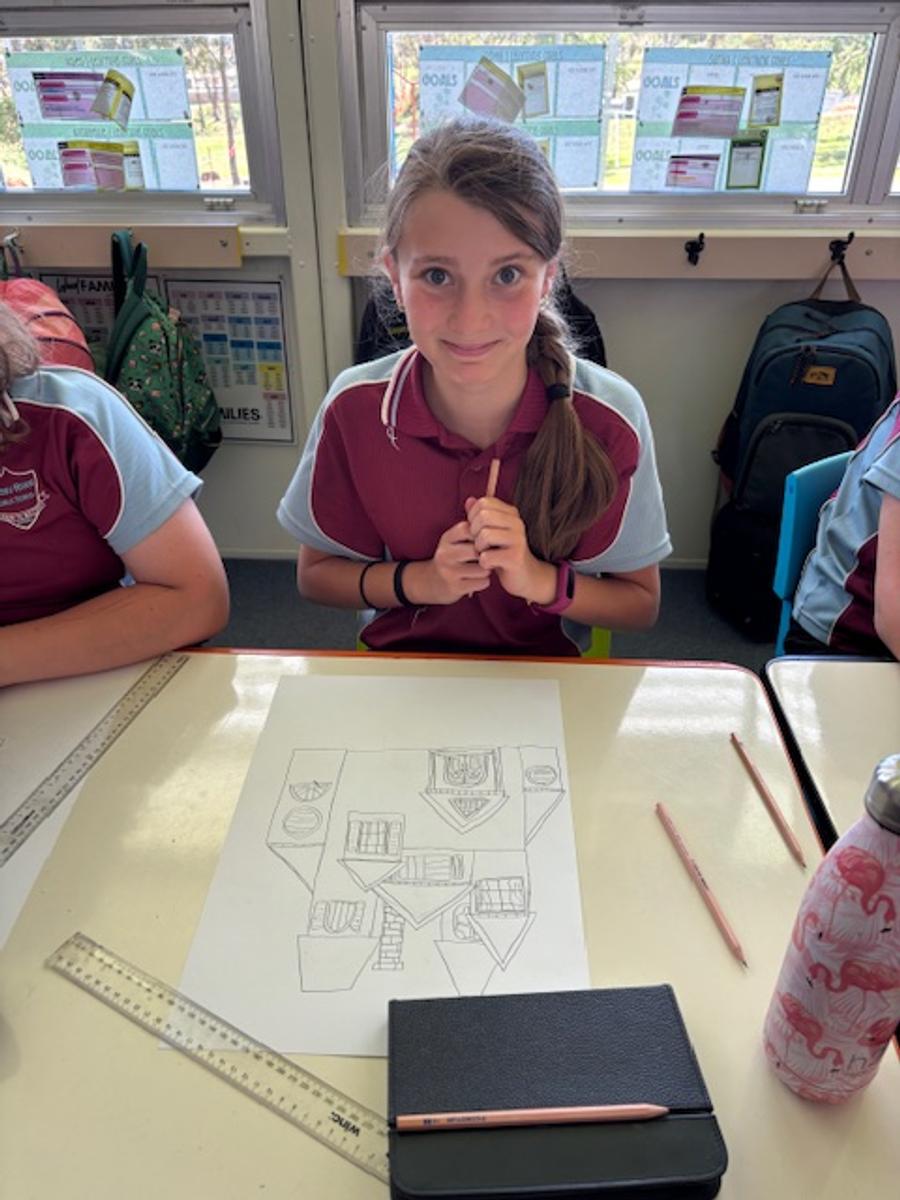
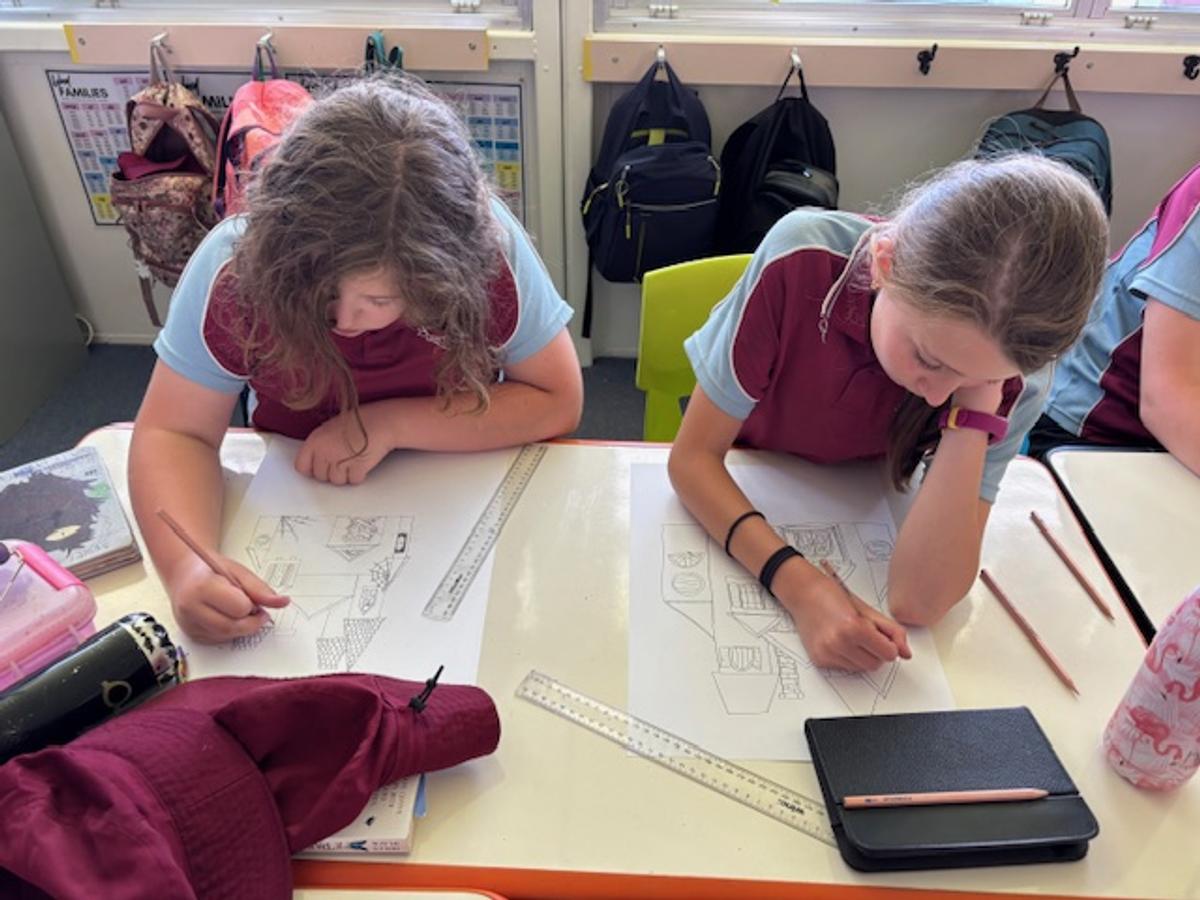
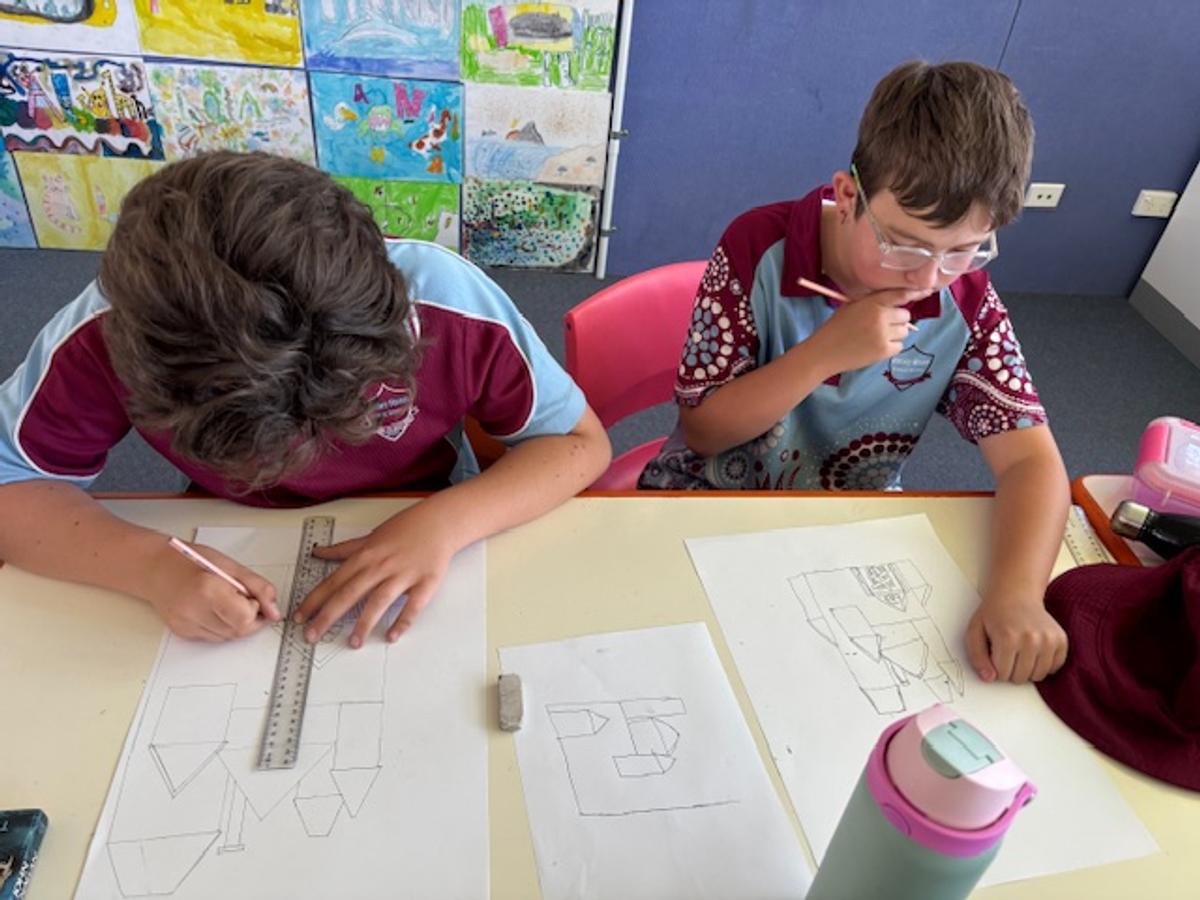
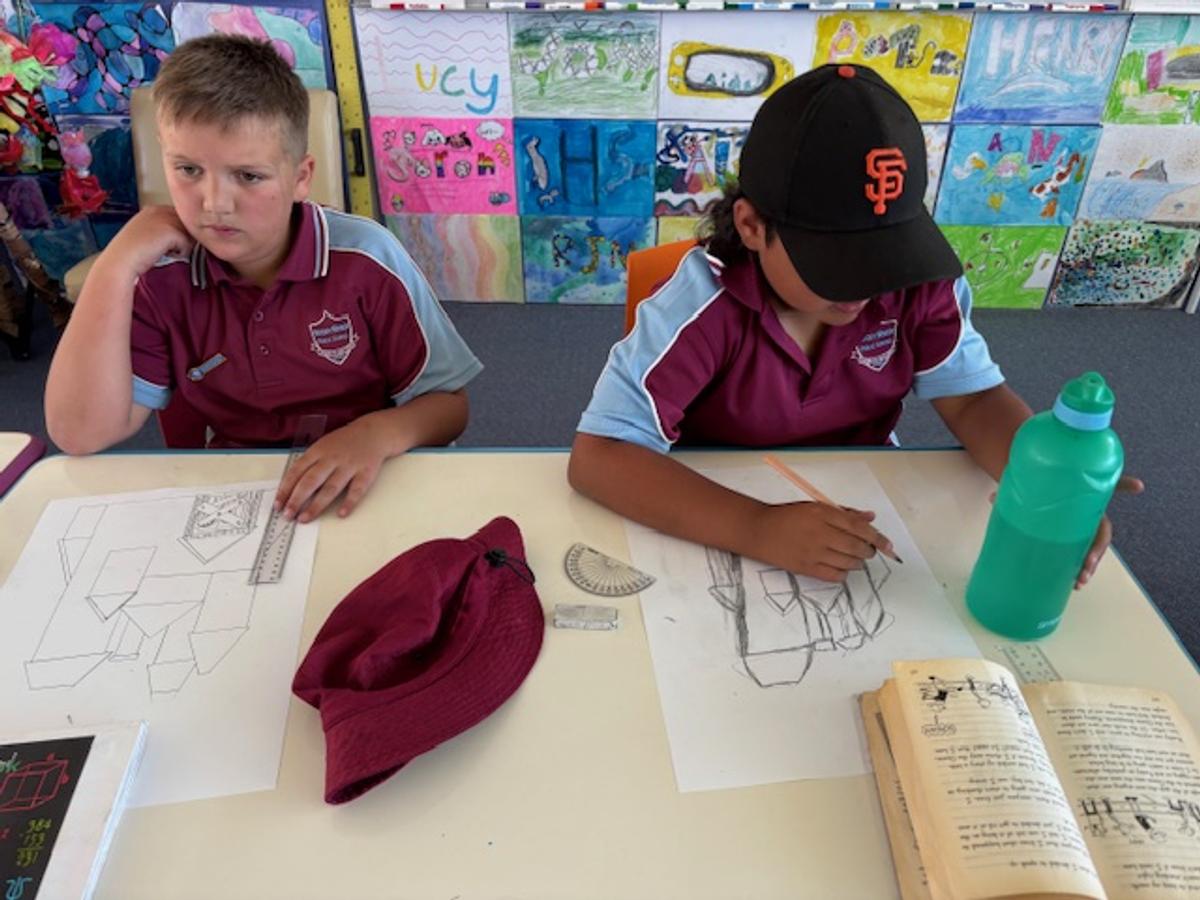
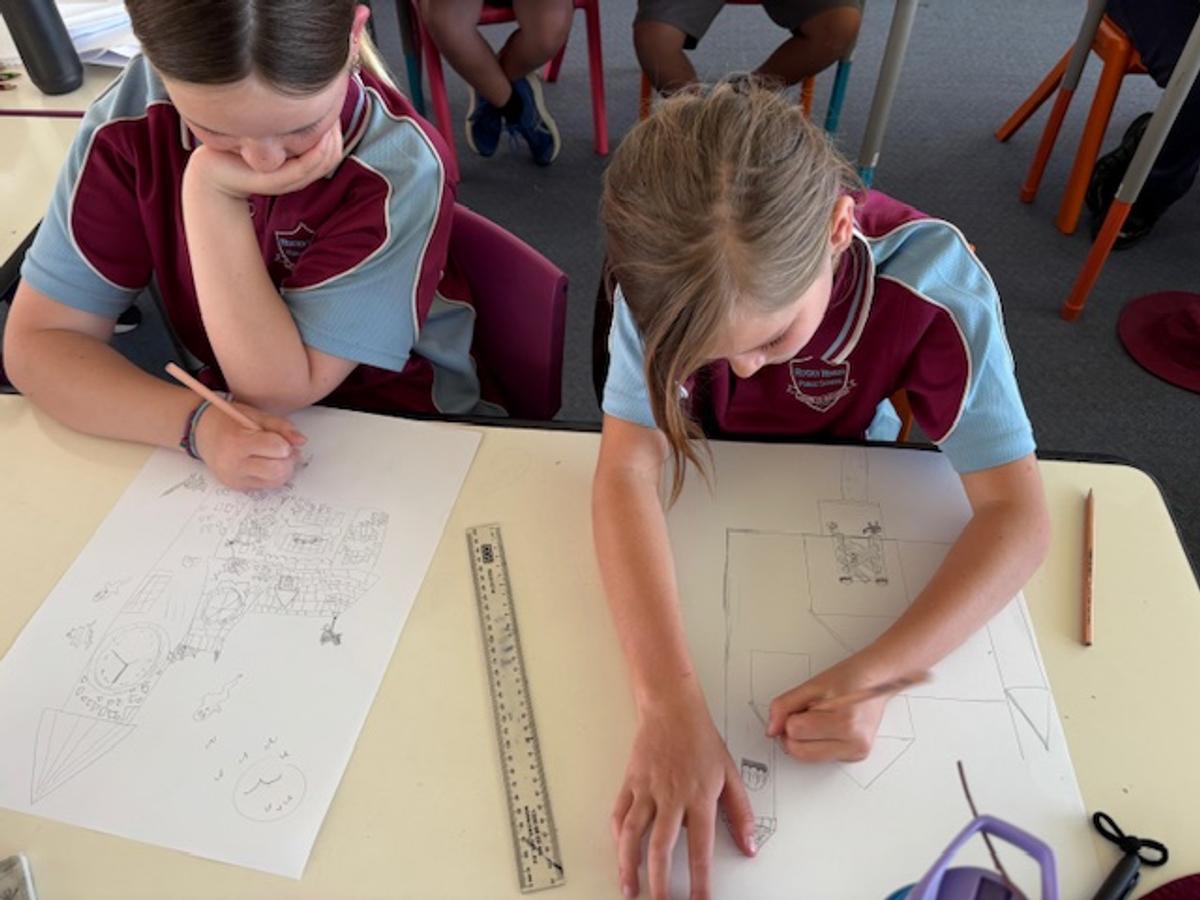
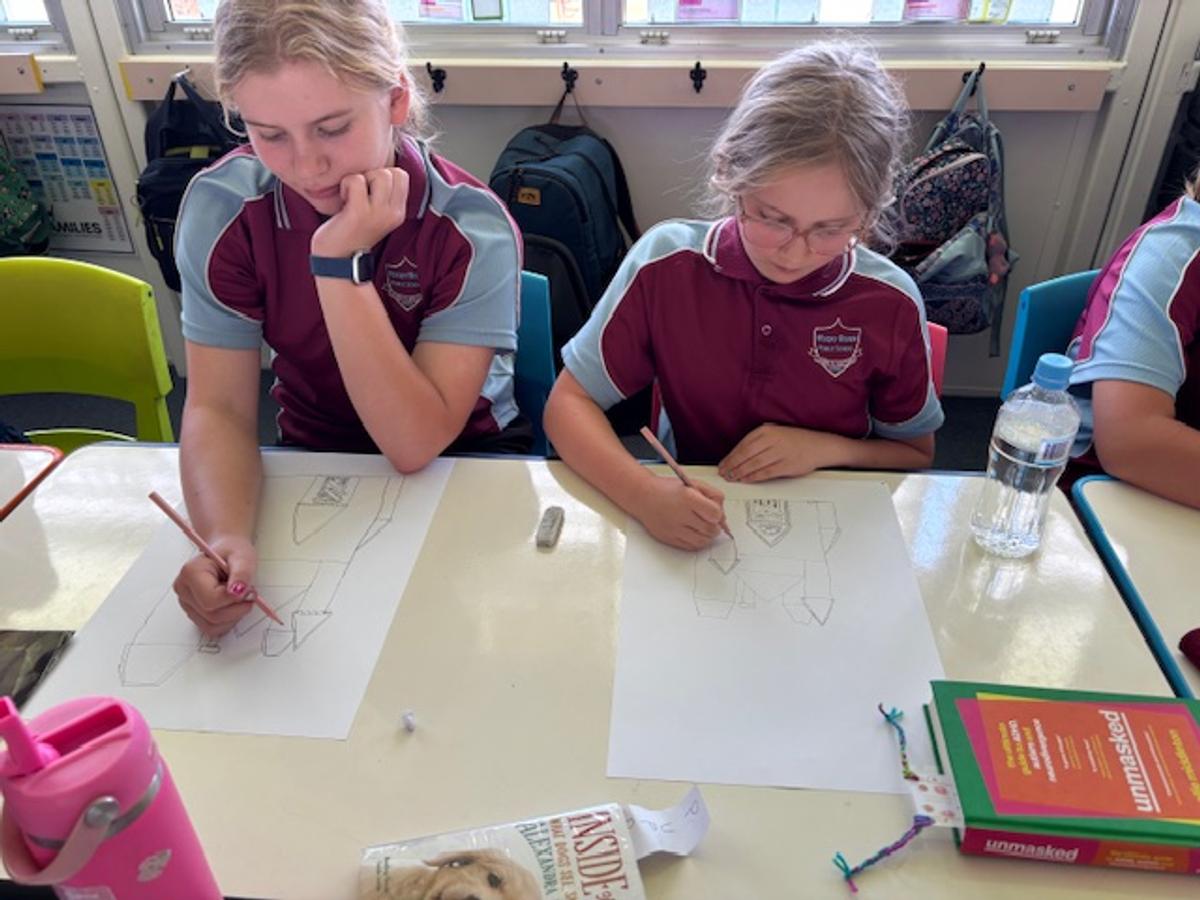
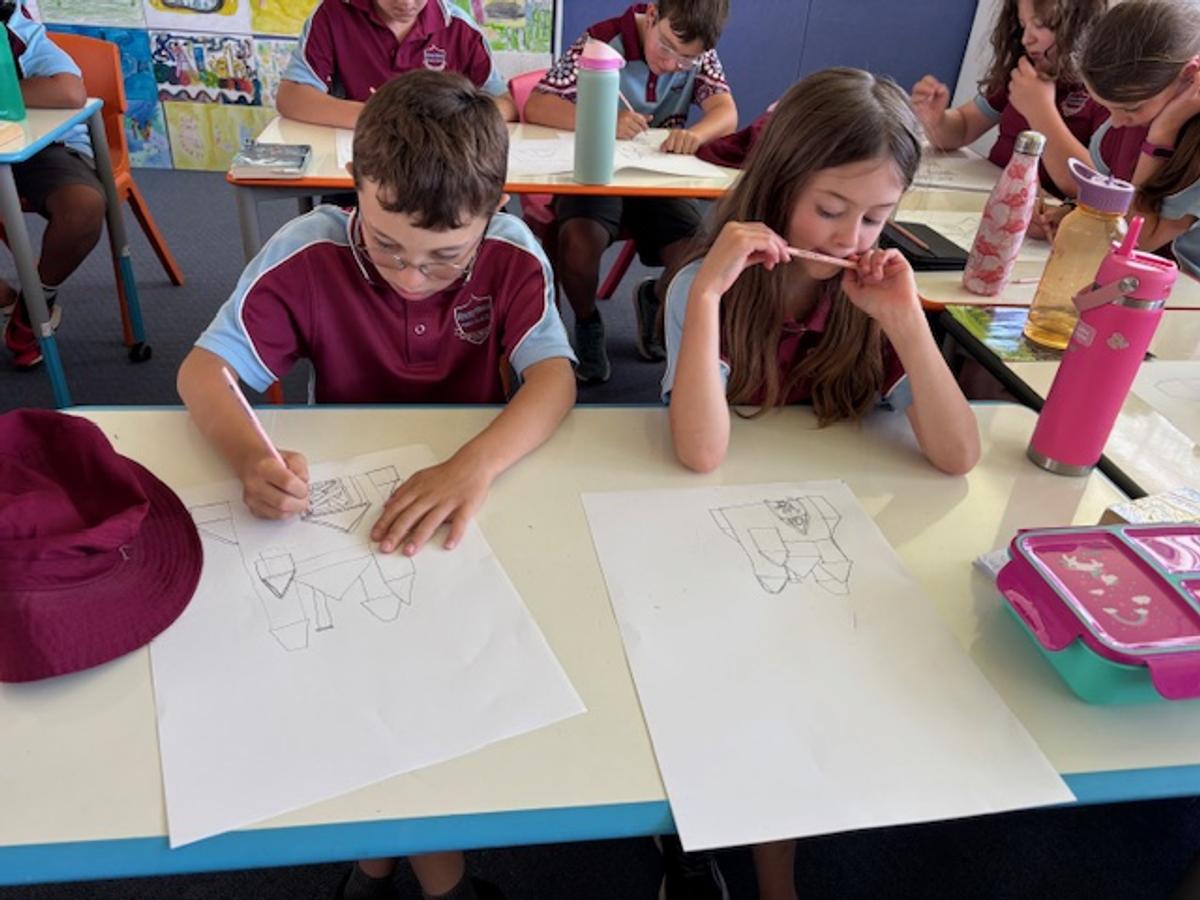
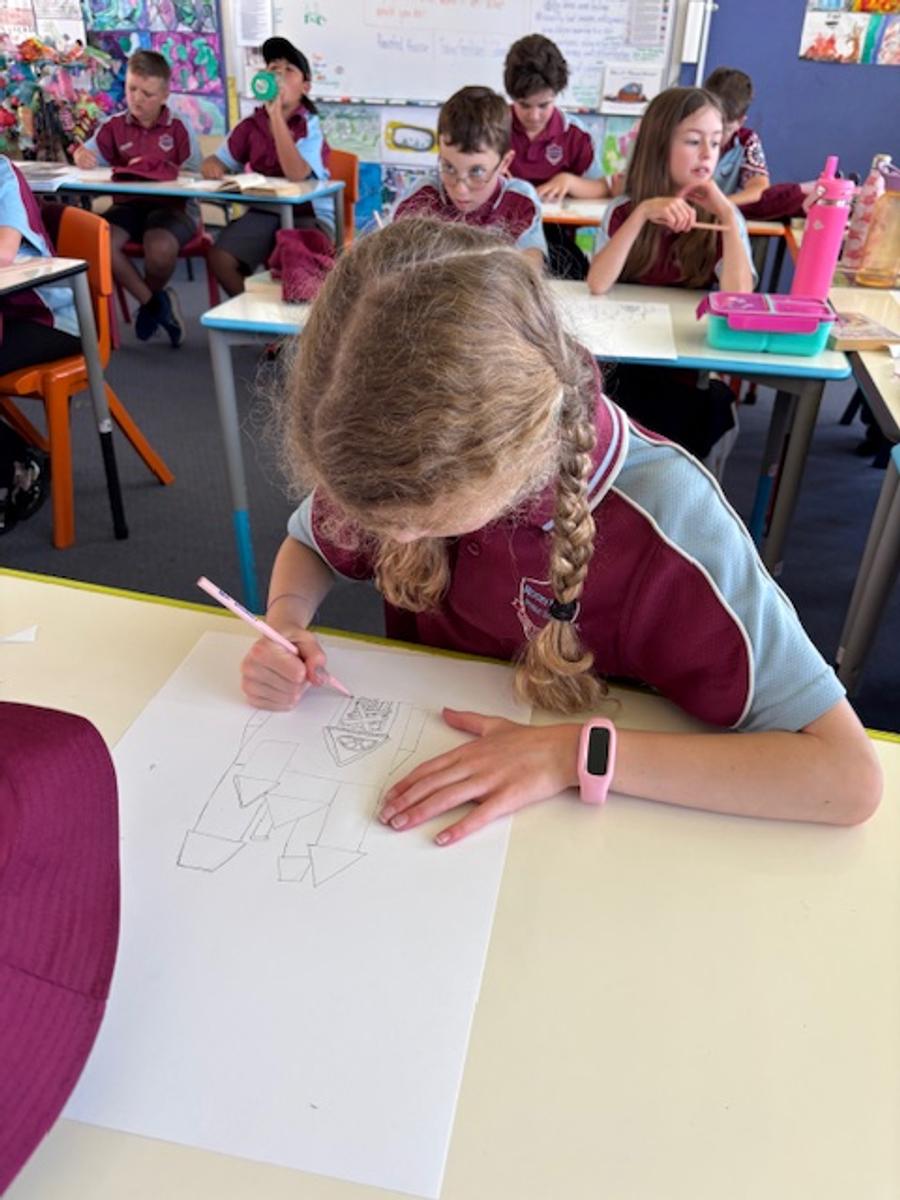
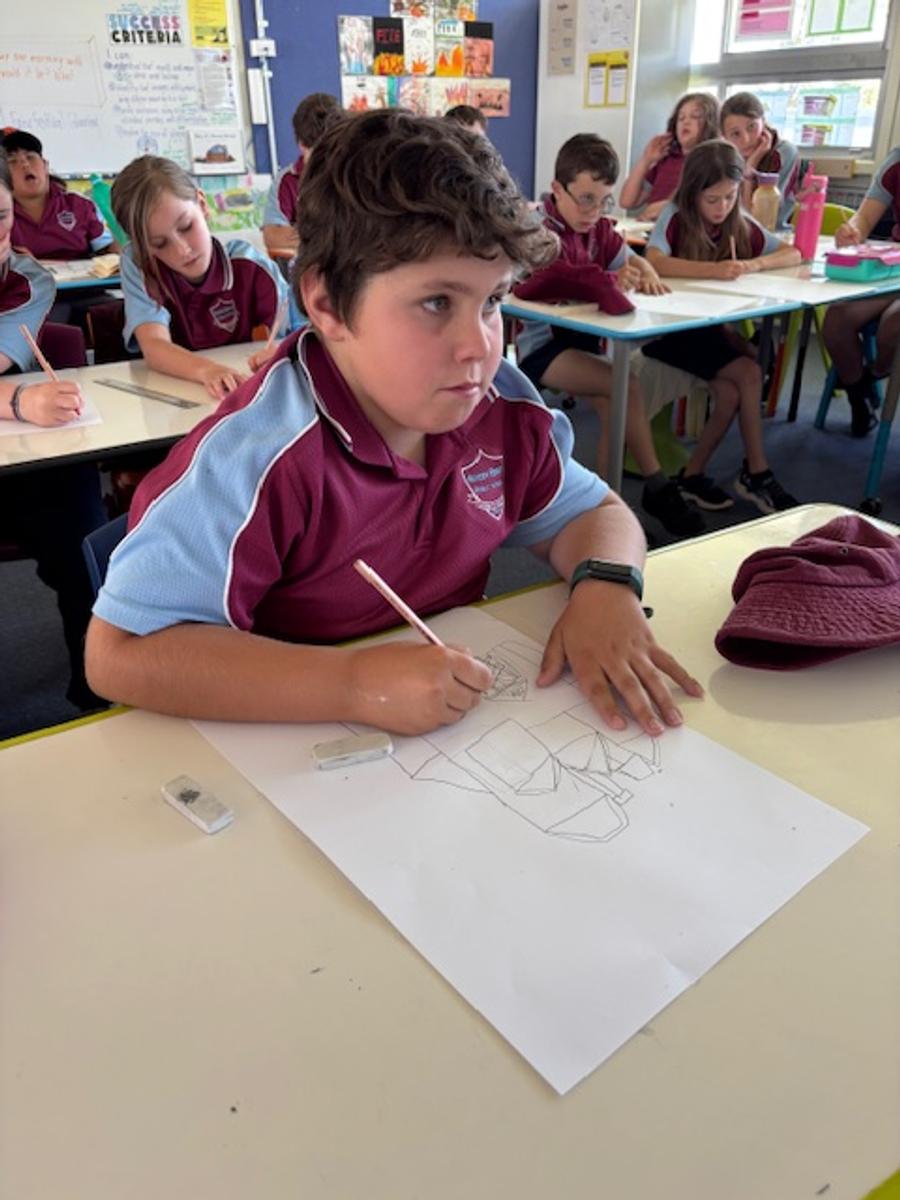
Last week Upper Division students enjoyed a creative art project inspired by the spooky spirit of Halloween! Using graphite sketching techniques, they followed a step-by-step tutorial to create the “skeleton” of their very own haunted houses. This guided process helped students learn how to build the basic shapes and structure before adding their own imaginative details.
Once the haunted house outlines were complete, students got to add personality and atmosphere by drawing doors, windows, and other architectural features. To bring their Halloween scenes to life, they included fun and spooky elements like ghosts, spider webs, black cats, and other themed creatures.
This project was a wonderful way for students to develop their drawing skills while tapping into their creativity and love for storytelling. The finished artworks are full of personality and showcased a fantastic mix of artistic techniques and Halloween fun.
Physical Education | Touch Football
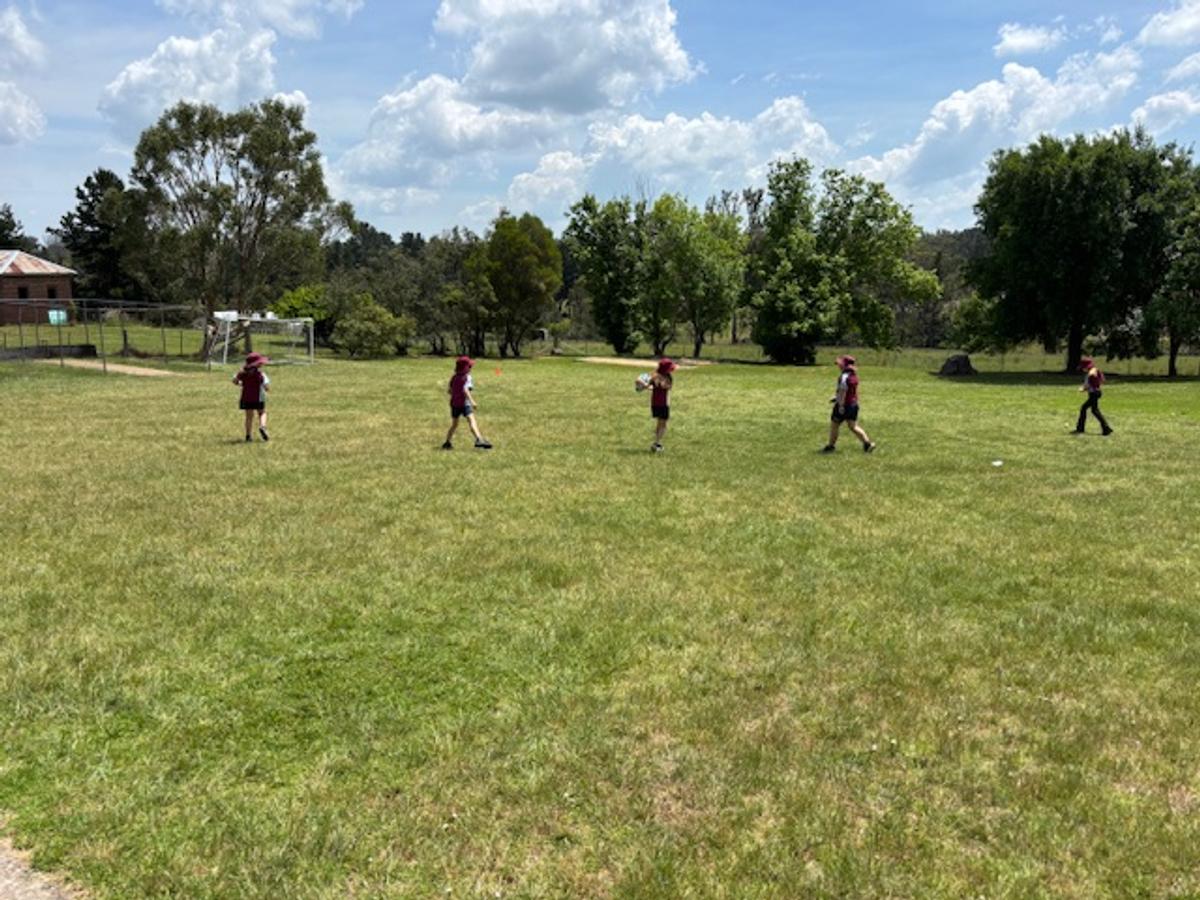
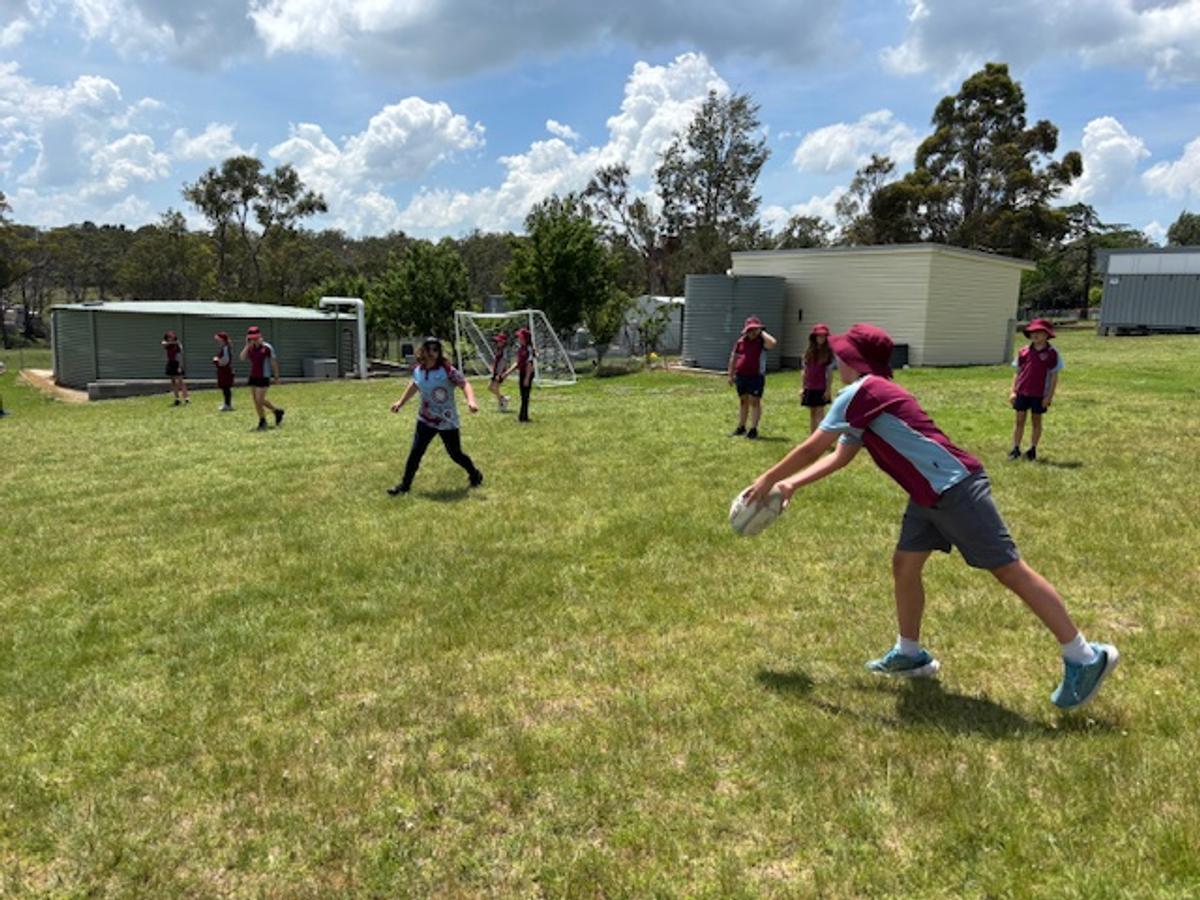
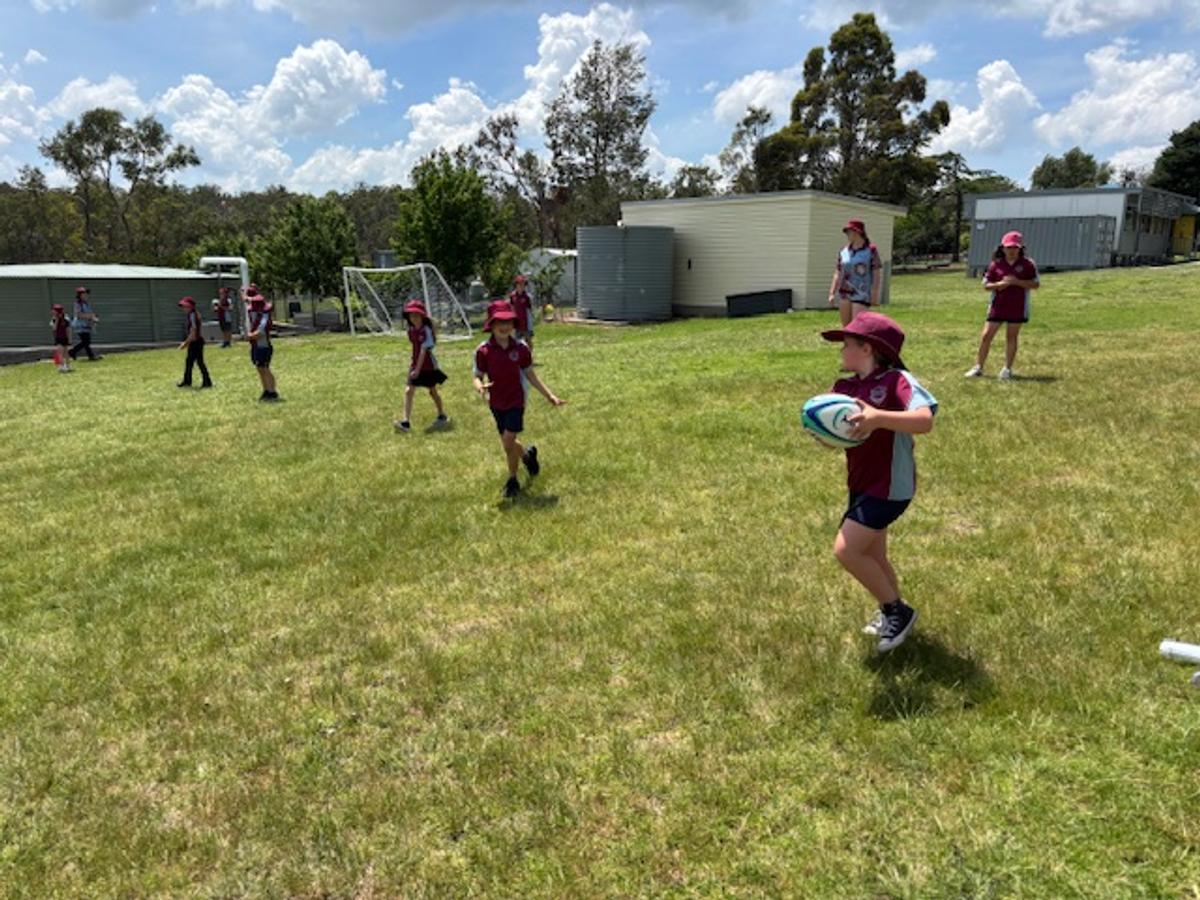
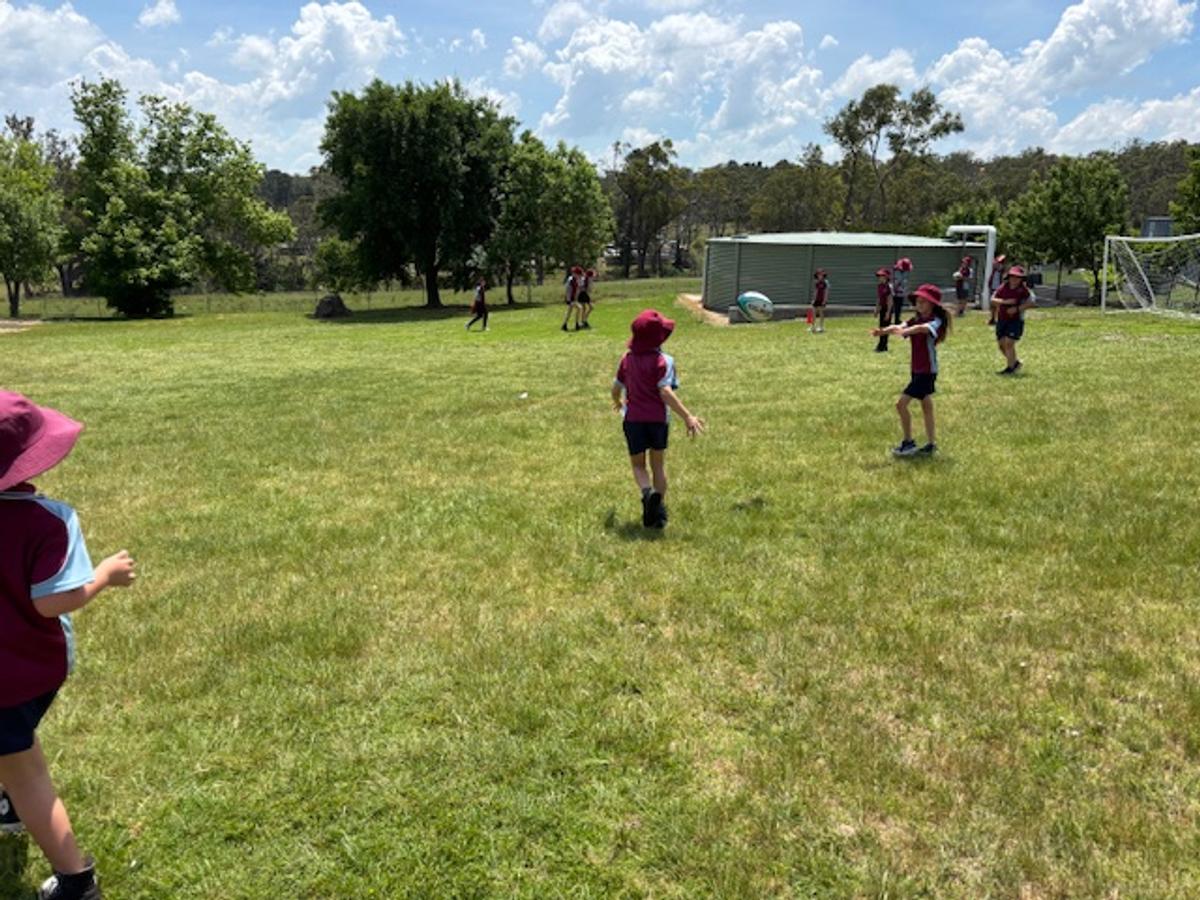
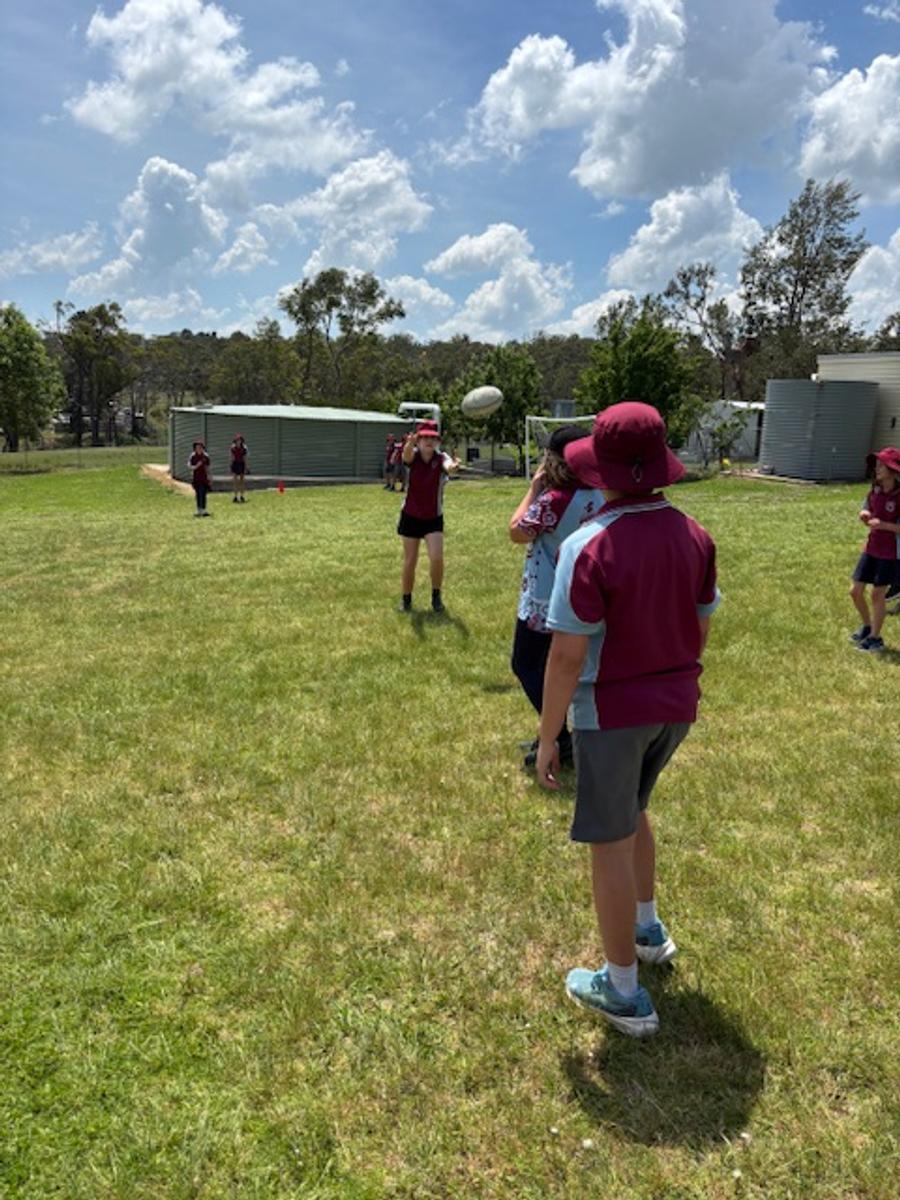
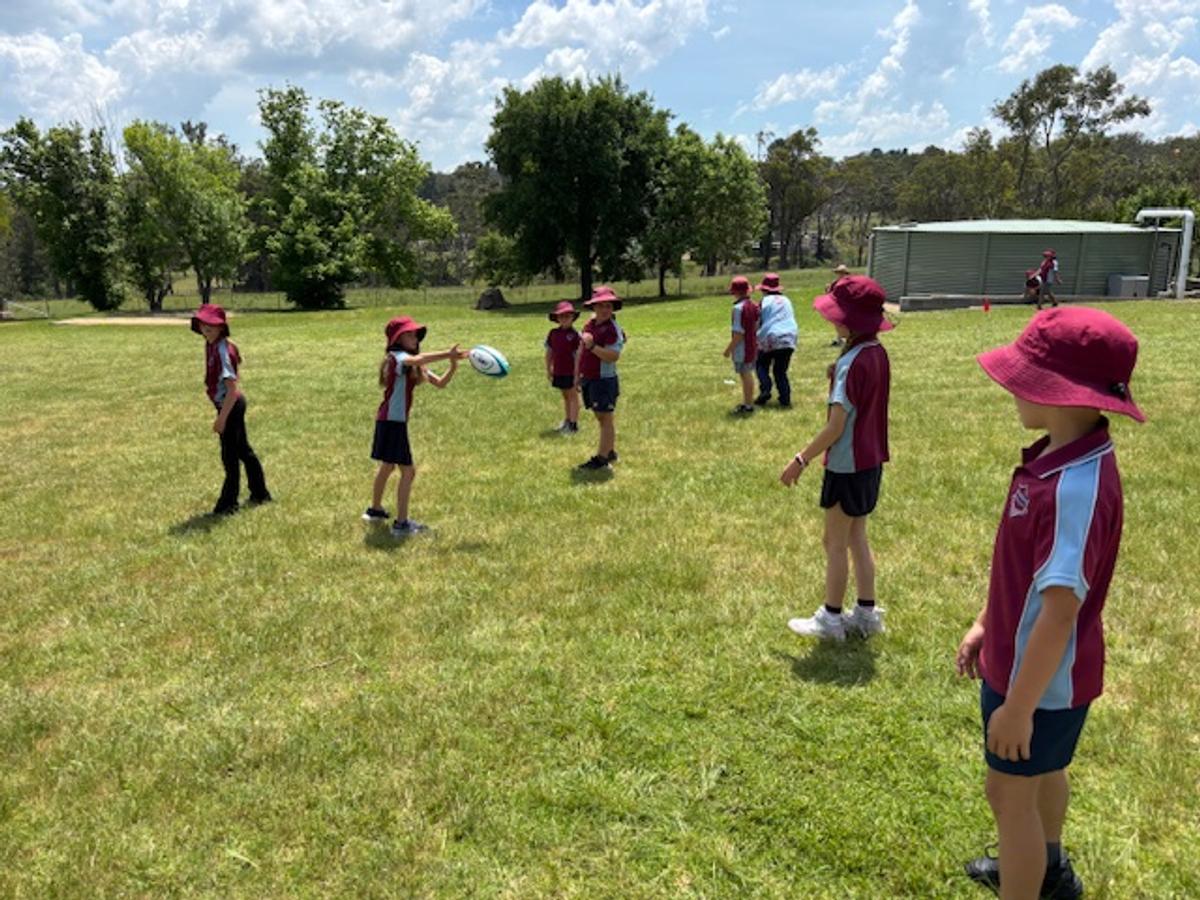
Over the past four weeks, students have enjoyed an exciting and energetic unit on Touch Football. Throughout the unit, students participated in a variety of warm-up and skill-building activities designed to enhance their passing, catching, and strategic play.
As the weeks progressed, students had the opportunity to transfer these newly learned skills into fun, modified games. It has been wonderful to see how much they have improved and how engaged they have become.
One of the most rewarding aspects of the unit has been watching many students who were initially hesitant gain confidence and start to truly enjoy the game. Their smiles and teamwork have made the sessions enjoyable for everyone involved.
We look forward to continuing to develop these skills in future sport activities and encourage everyone to keep embracing new challenges with enthusiasm and a positive attitude! Well done to all students for their great effort and sportsmanship during this Touch Football unit.
STEM - Upper Division
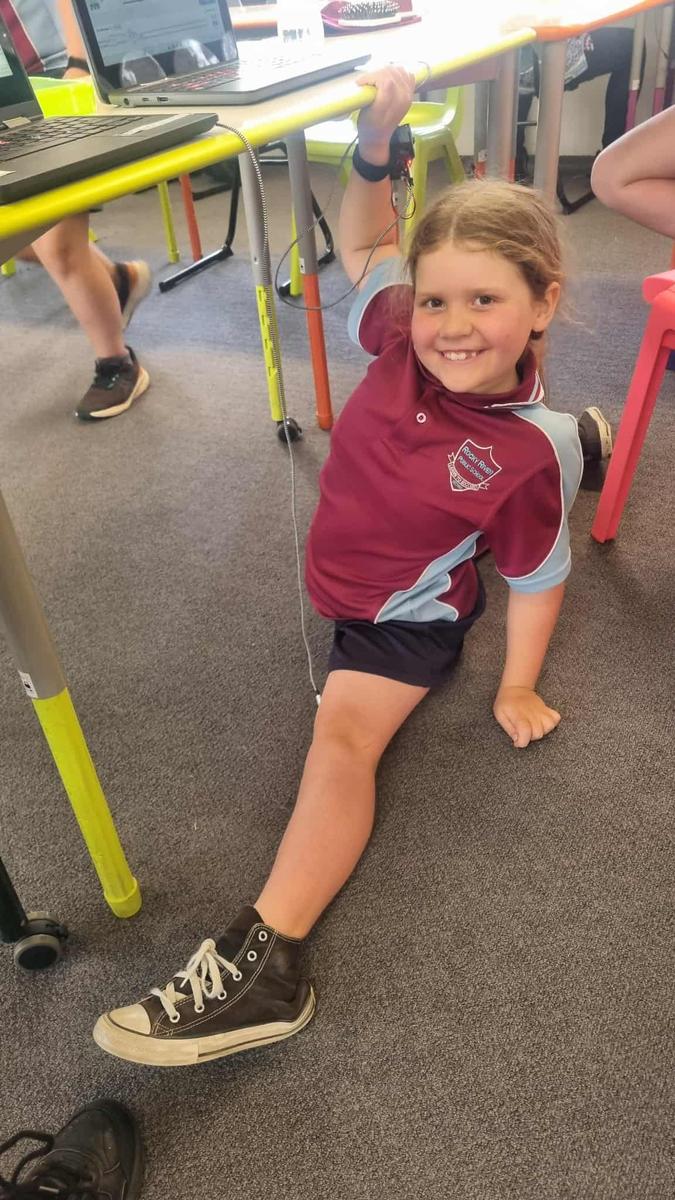
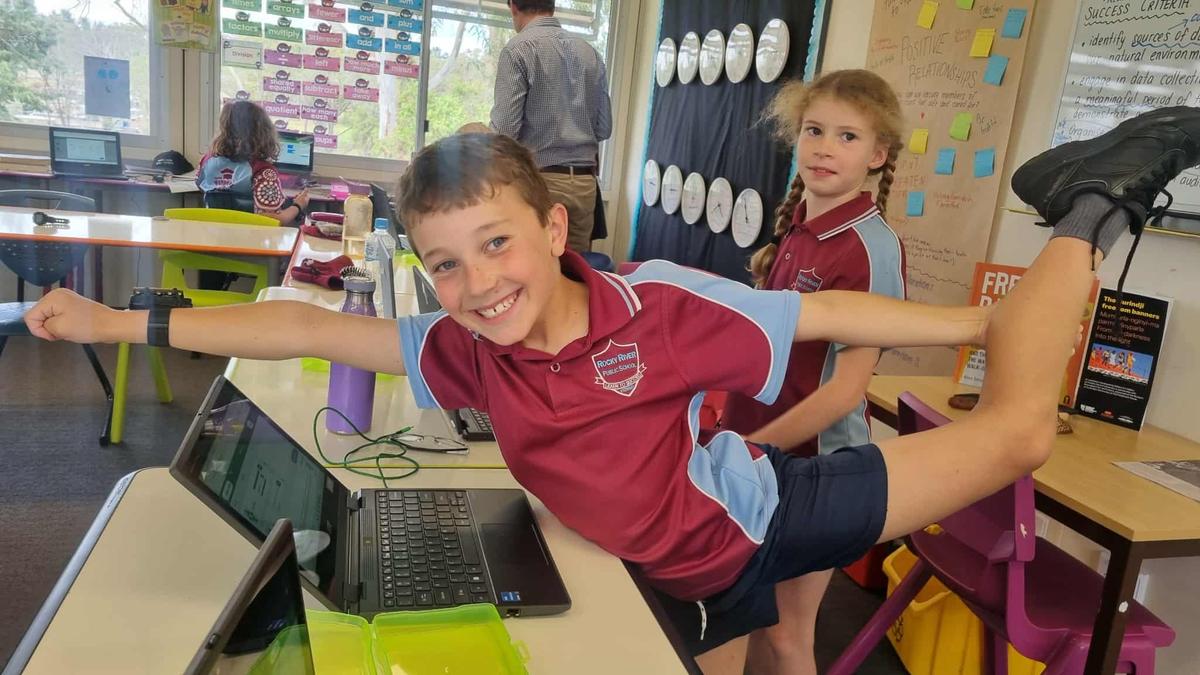
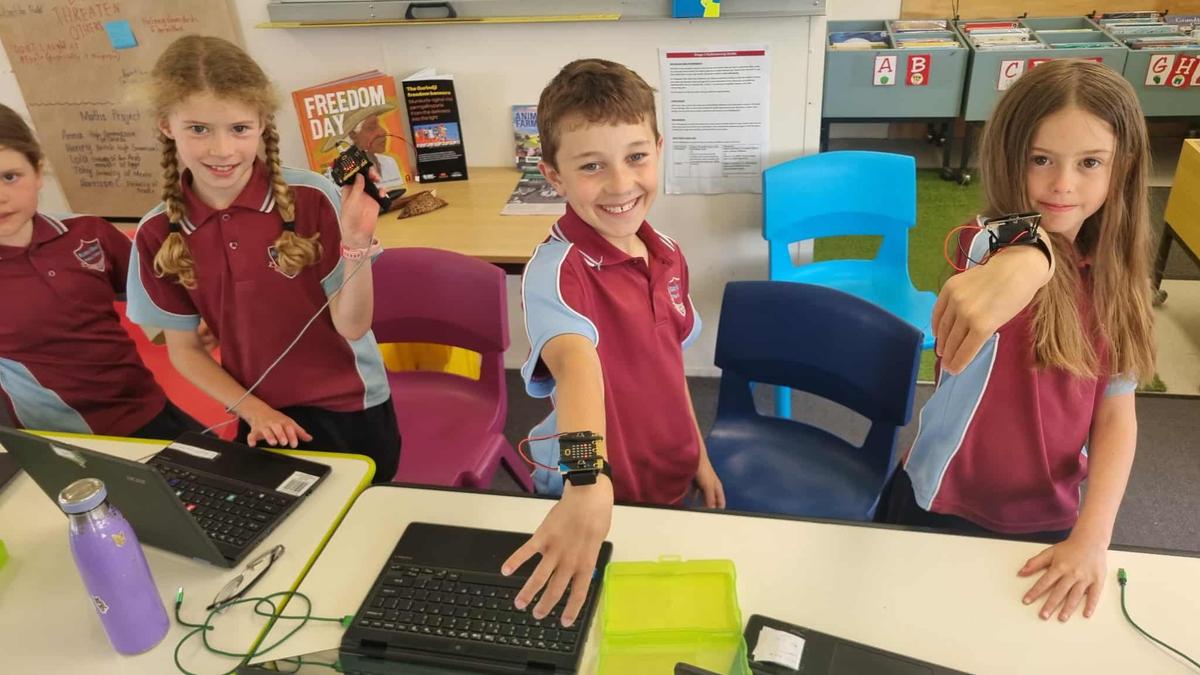
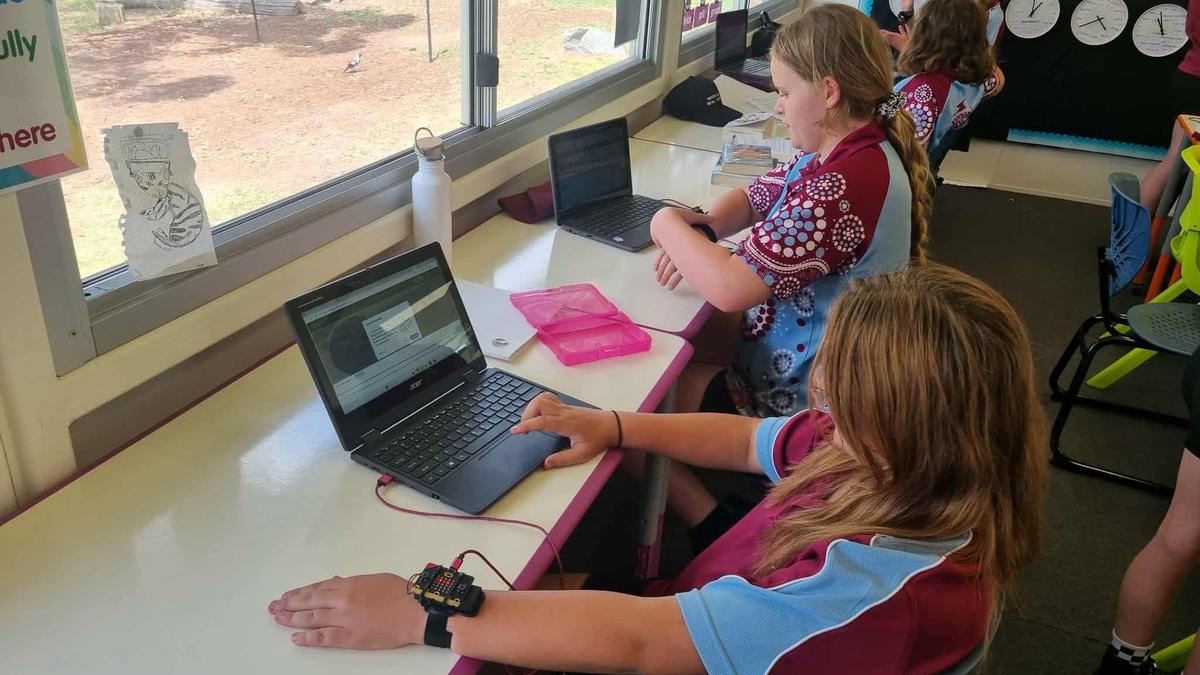
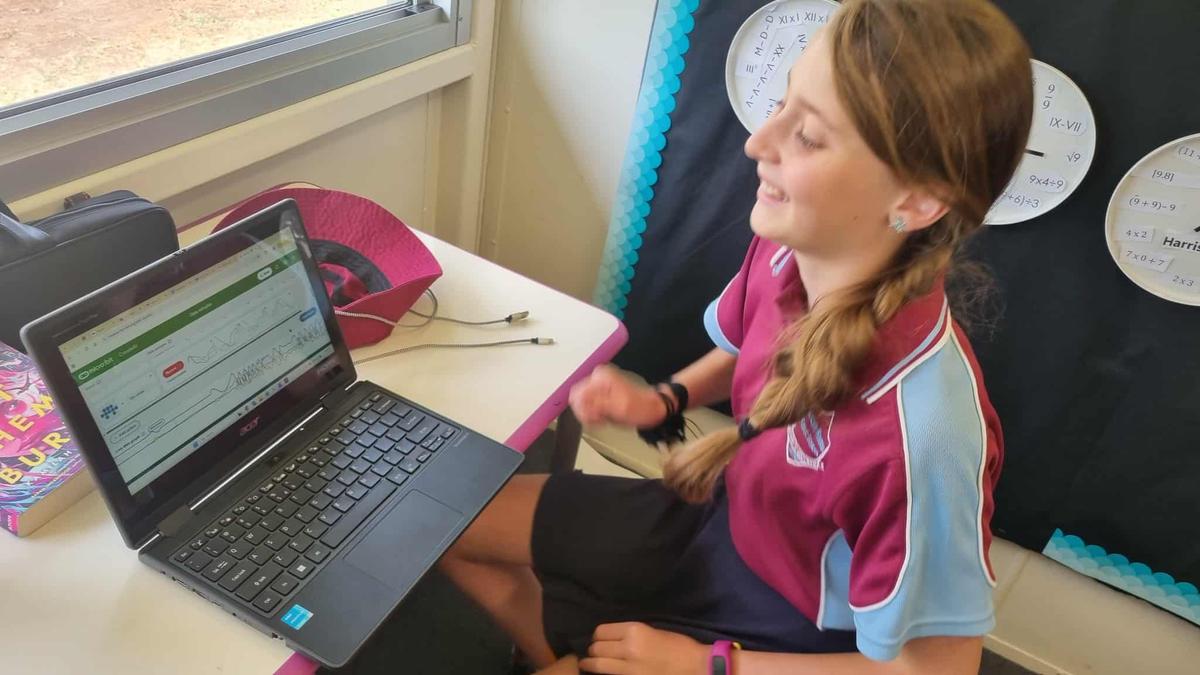
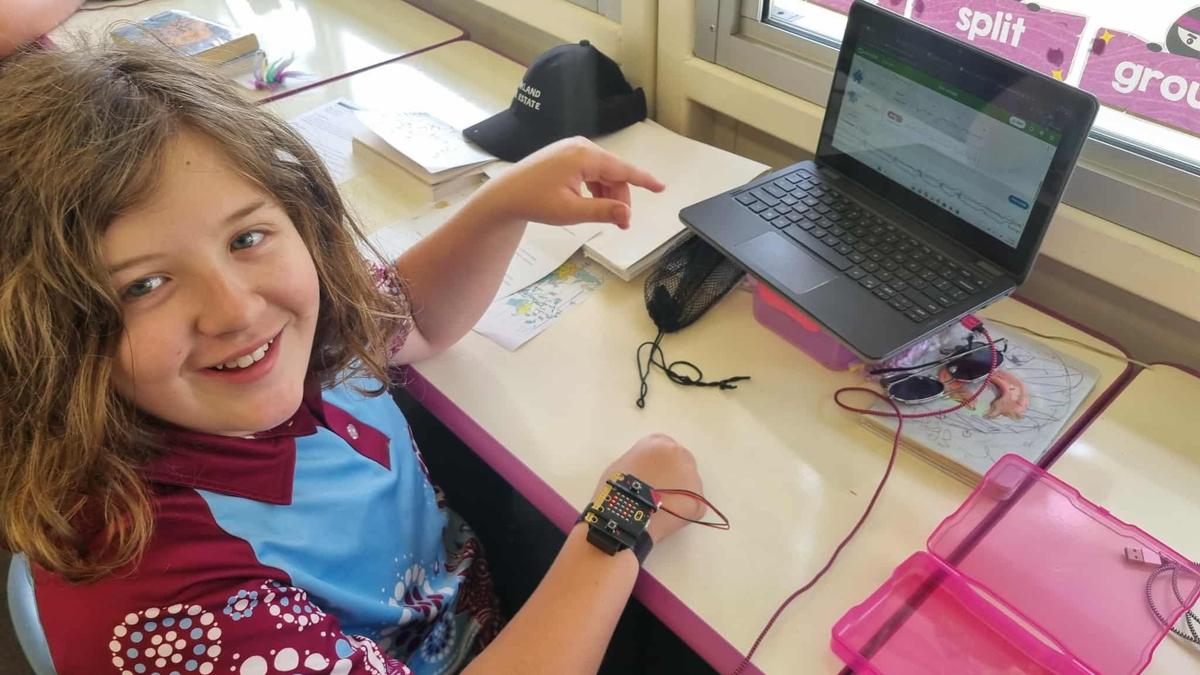
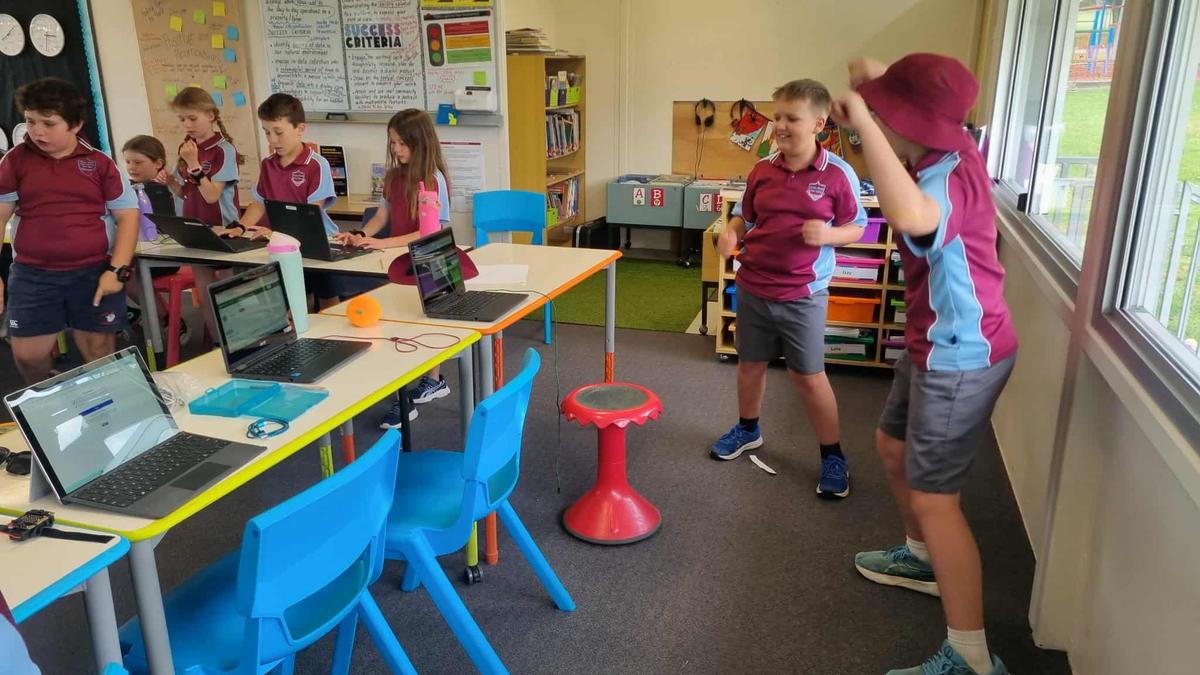
Some exciting lessons have occurred in STEM with Associate Professor Brendan Jacobs this term! Check out the overview of our most recent lesson below:
- Our main focus was a machine learning activity using micro:bits connected to wearable wrist/ankle bands.
- Students used their movements as data samples to train the software to recognise movements using AI.
- This activity was from SILO 6.2 ‘Robotics’ (https://silo.edu.au/62lp.html).
- The learning intention was “A student explains how digital systems represent data, connect together to form networks and transmit data" (ST3-11DI-T).
Stage 3
English
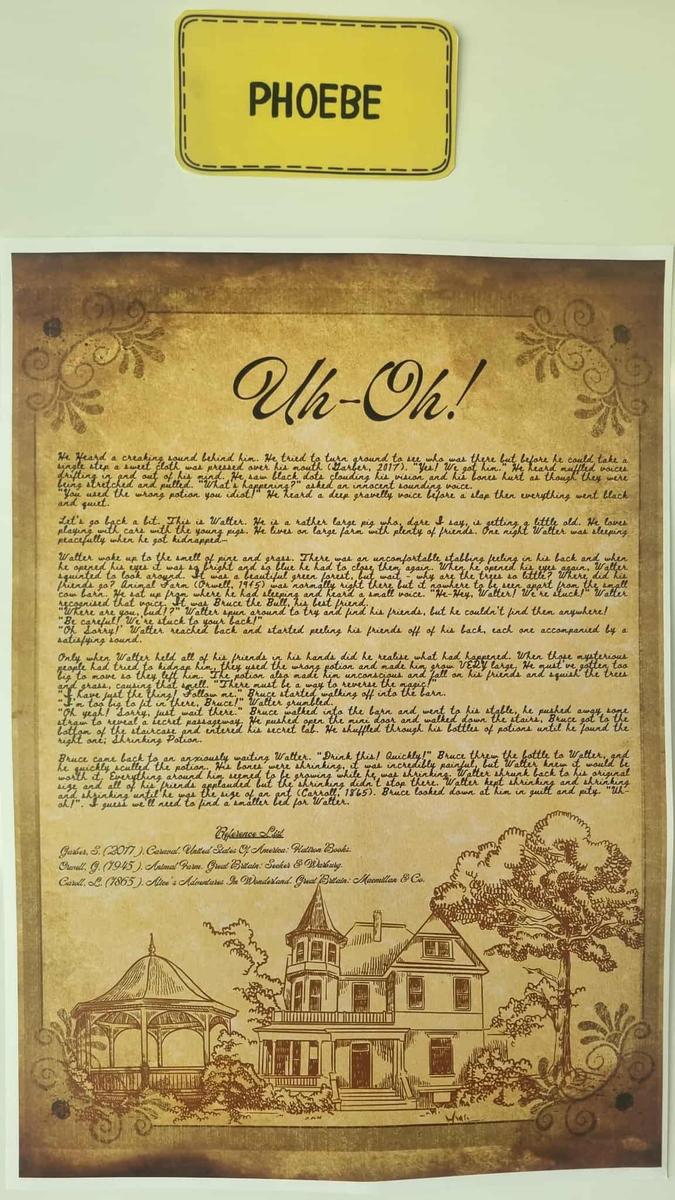
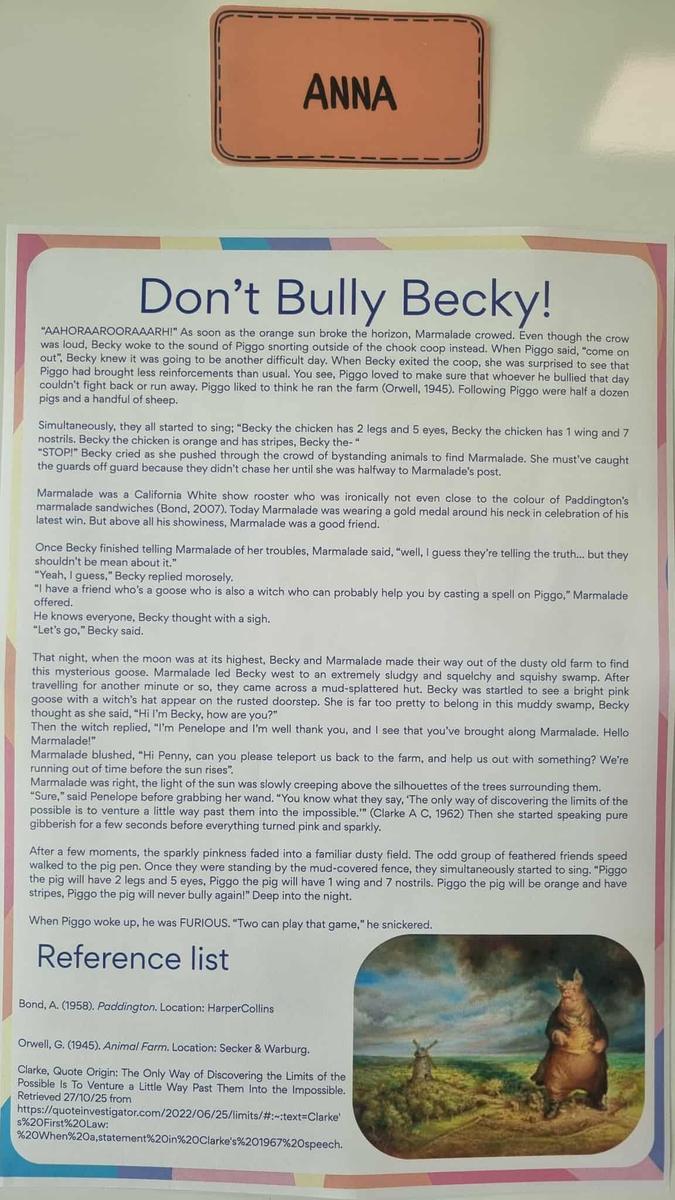
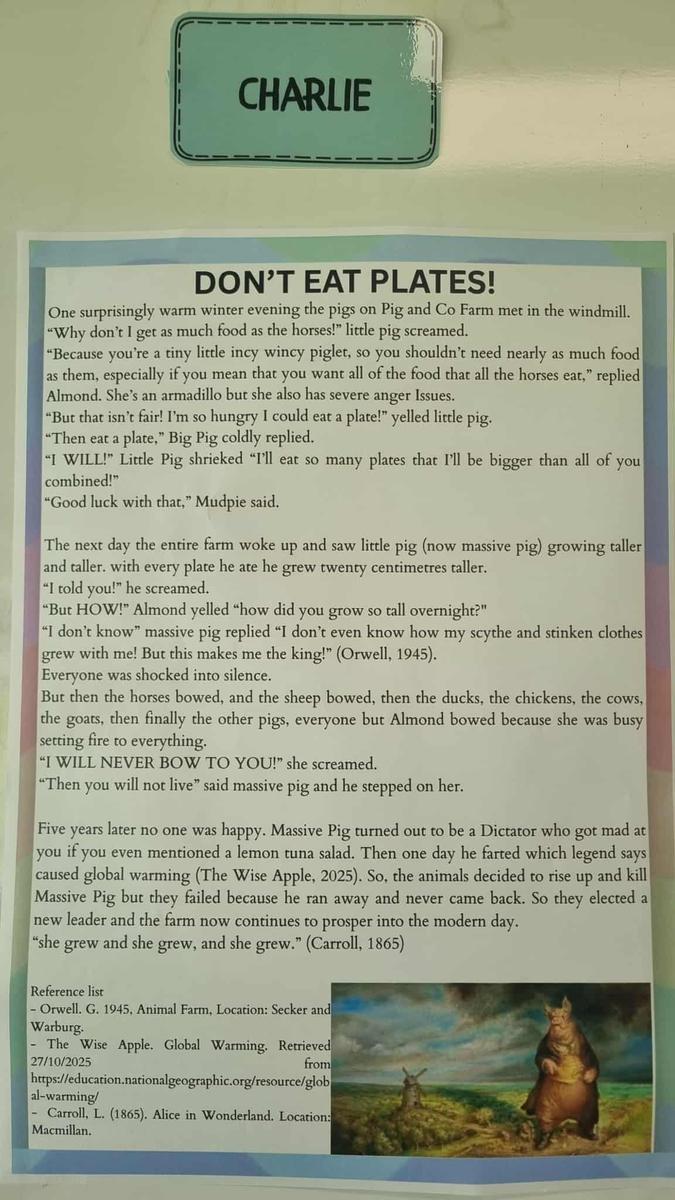
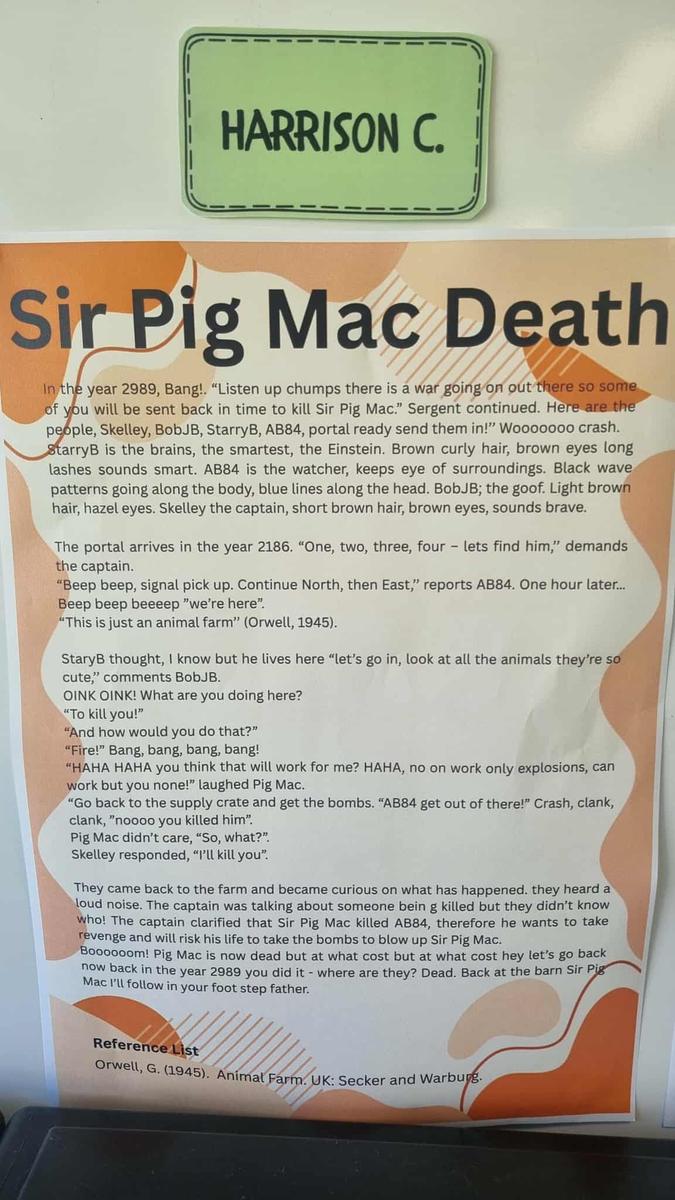
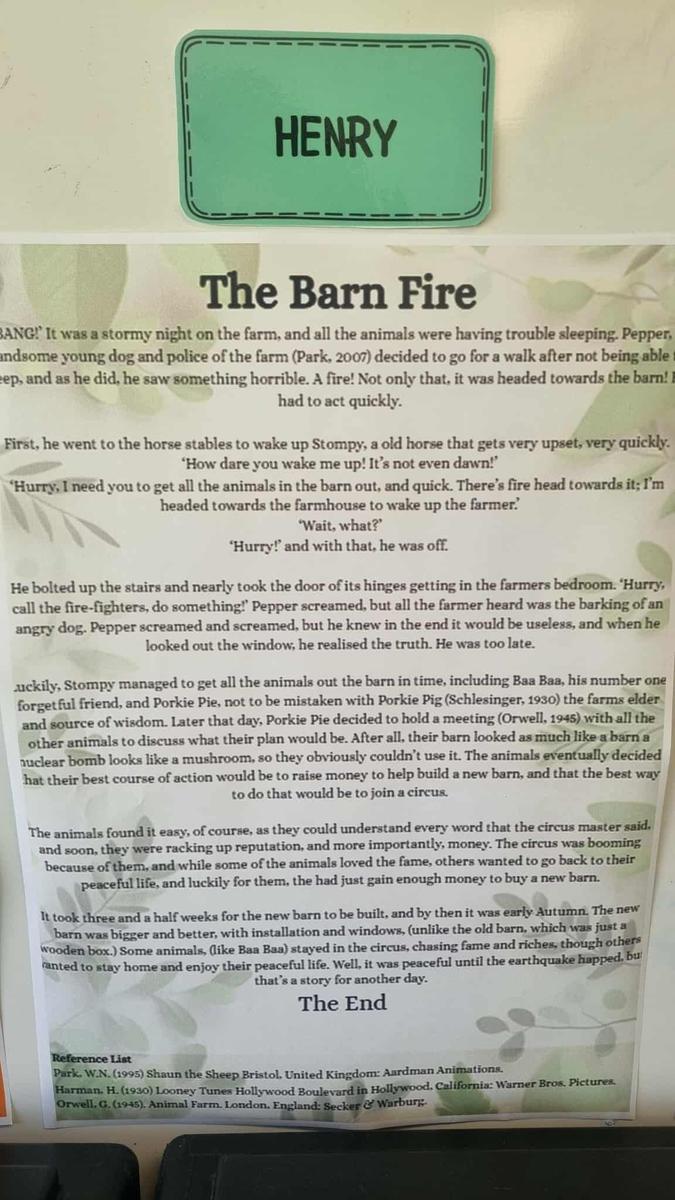
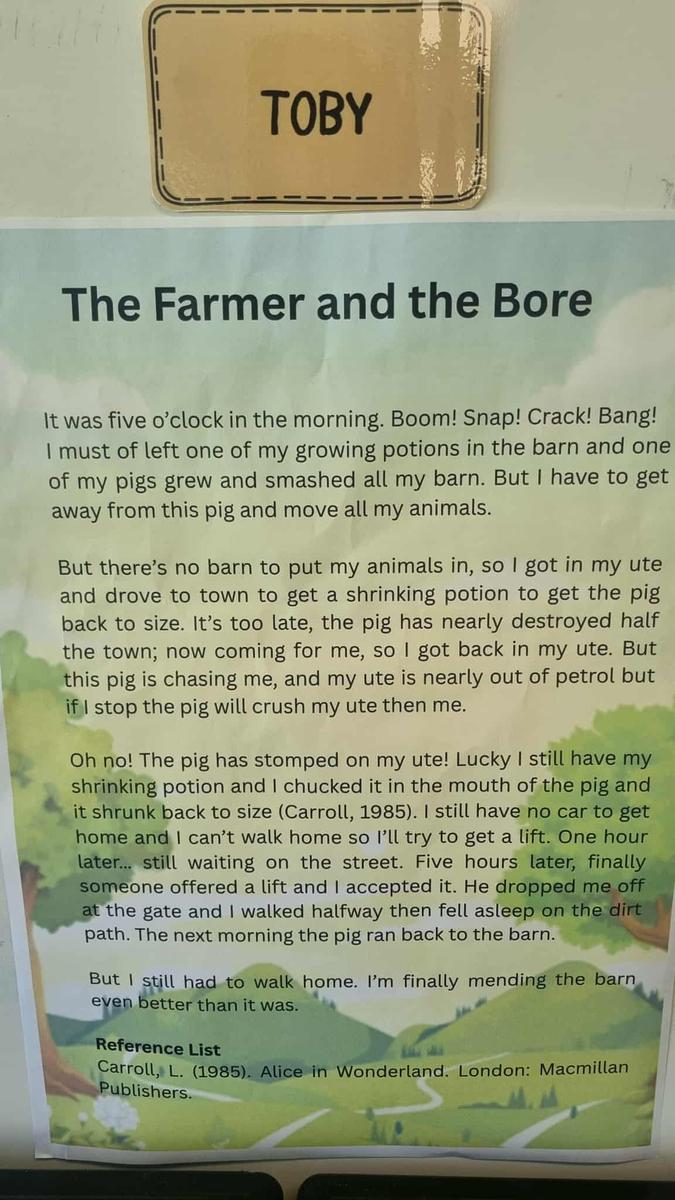
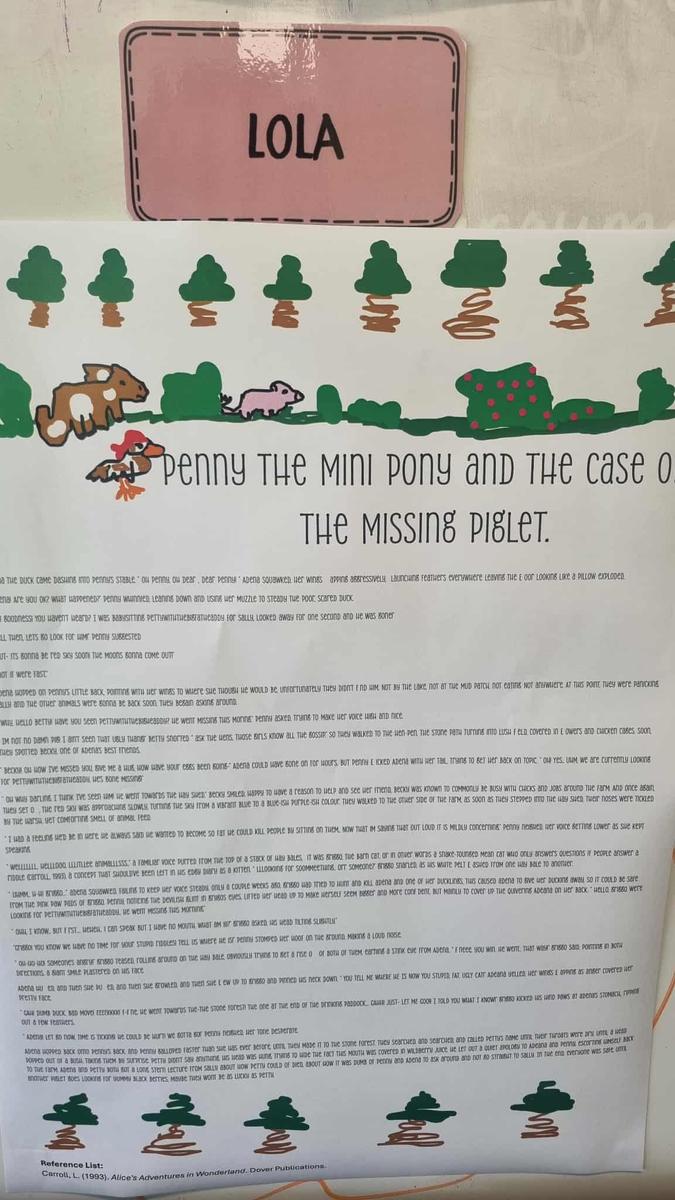
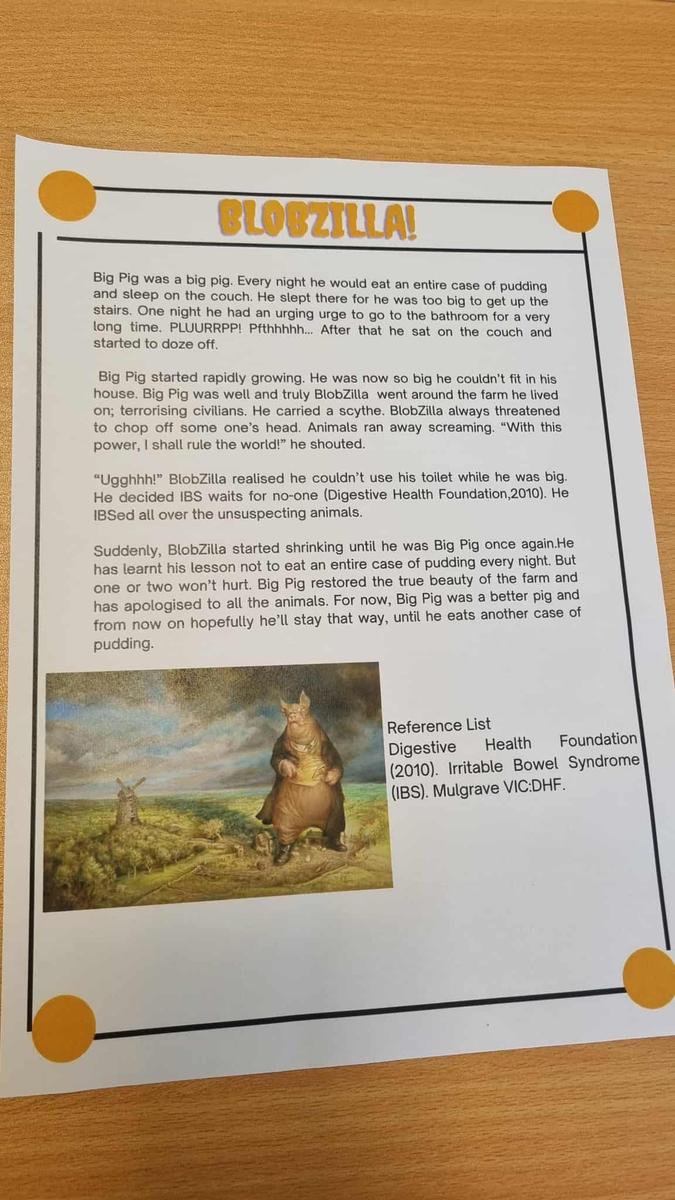
We have seen the crafting of some exceptional pieces of writing in the Stage 3 classroom this fortnight! With a focus on structure to build cohesion over longer, more complex texts, students developed a unique story which built tension and ended with a cliffhanger! Drawing on the use of intertextuality; where one story's plot or characters use interwoven themes or ideas from other well known texts, students followed our modified APA referencing guide to cite and reference 1-3 sources. With clever connections made with Animal Farm by George Orwell, students also linked themes and ideas from Alice in Wonderland and even Paddington Bear! Check out some of the unique pieces of work below.
Mathematics
Currently, students are engaged in an in-depth research project focused on countries connected to embassies and high commissions they observed during their recent excursion to Canberra. In line with syllabus outcomes in geography and mathematics, they are investigating these countries' time zones and applying mathematical skills to calculate and compare the time differences between Canberra and their chosen country. Through this ongoing inquiry, students are developing a clear understanding of time zones and their importance in global communication. They are working to identify and state the relevant time zones, calculate time differences, and present data that shows when it is day or night in each location. Additionally, students are incorporating geographical information such as the country’s location, continent, and population, using maps to pinpoint both the country’s position and the location of its embassy or high commission in Canberra. As part of their research, they are also gathering and communicating key facts about their selected country, including language, population, and images of the embassy, enhancing their appreciation of global connections.
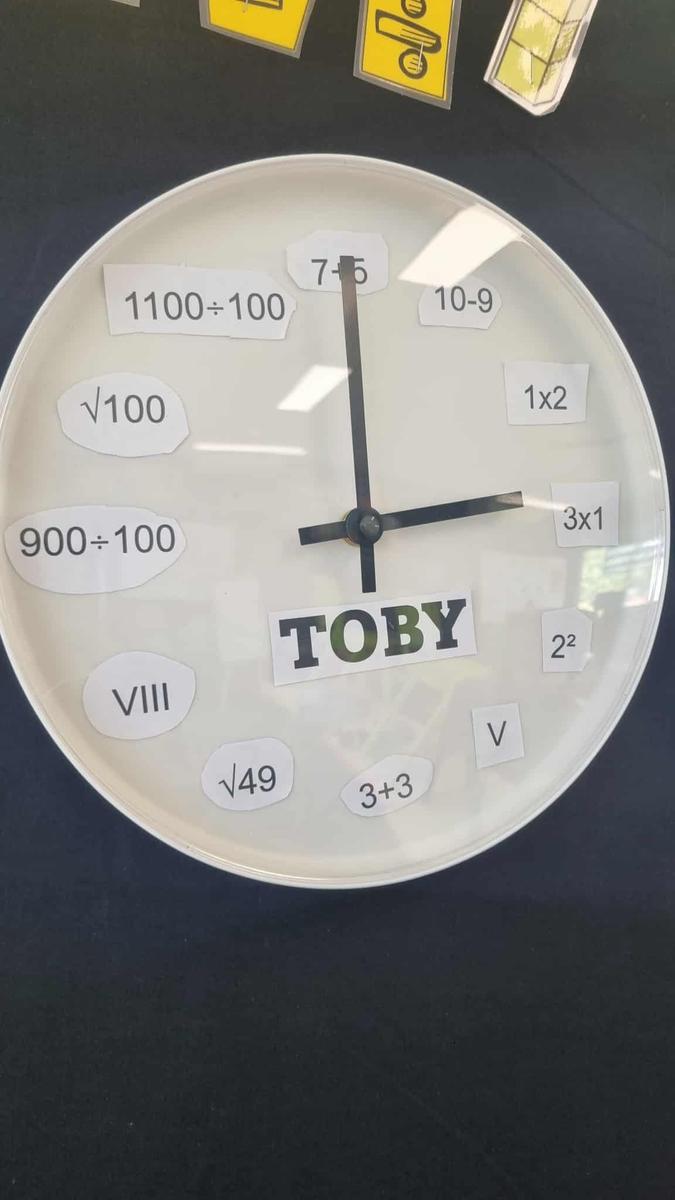
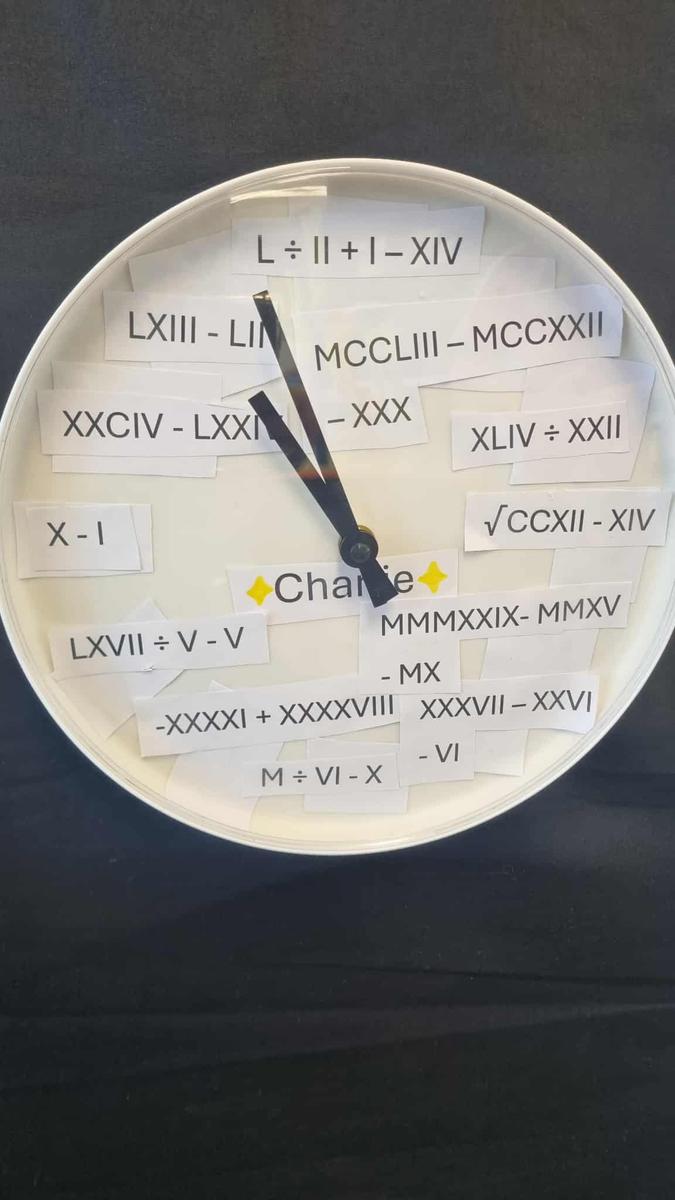
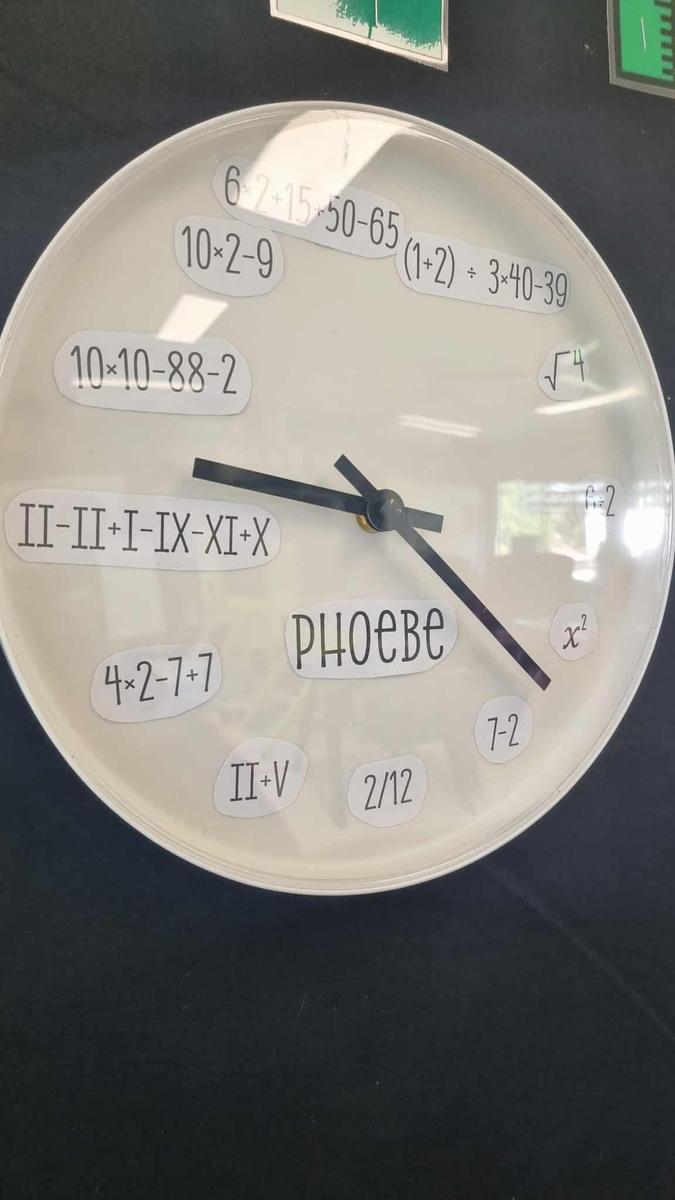
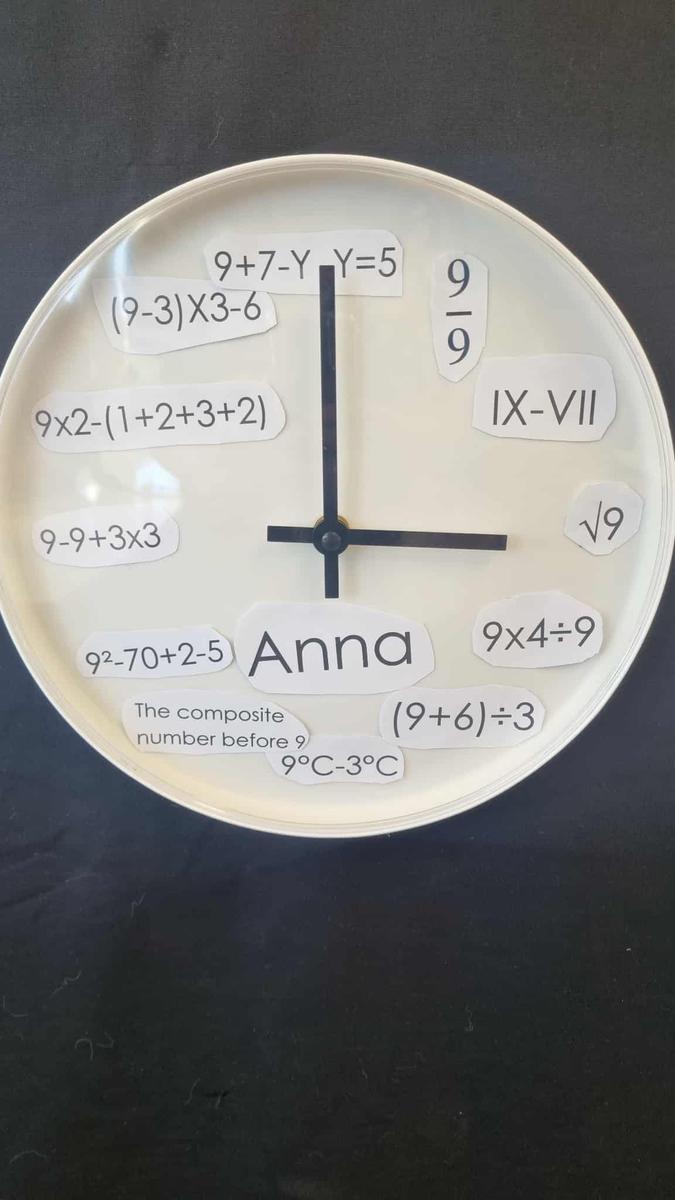
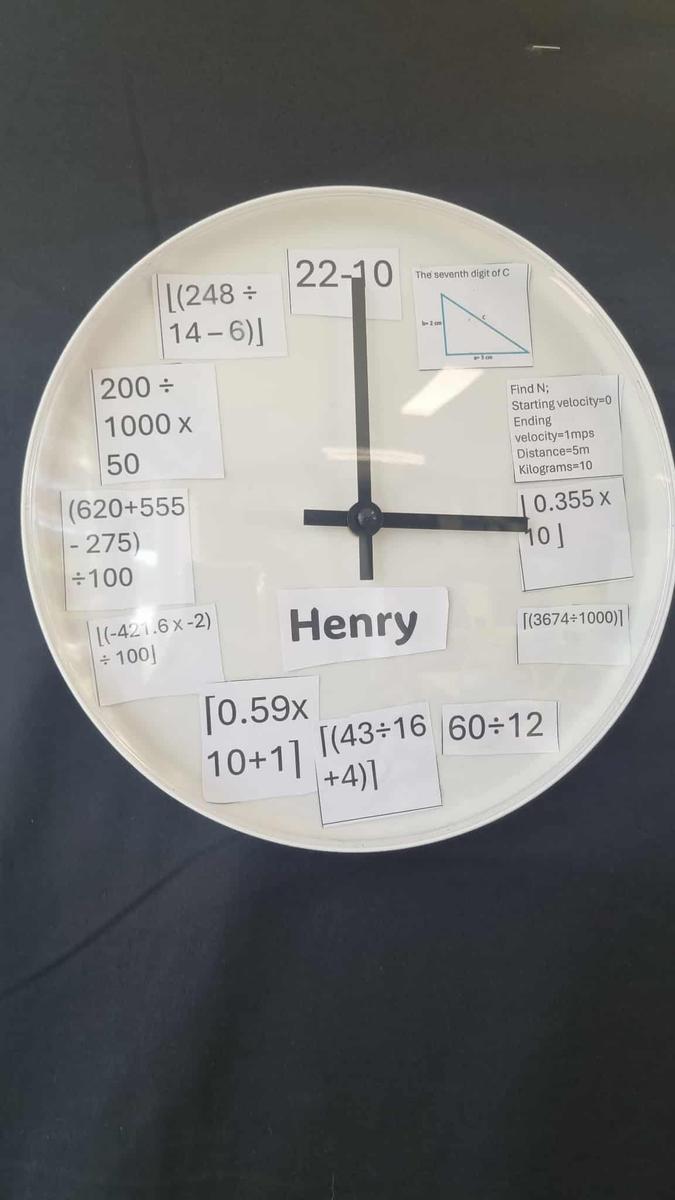
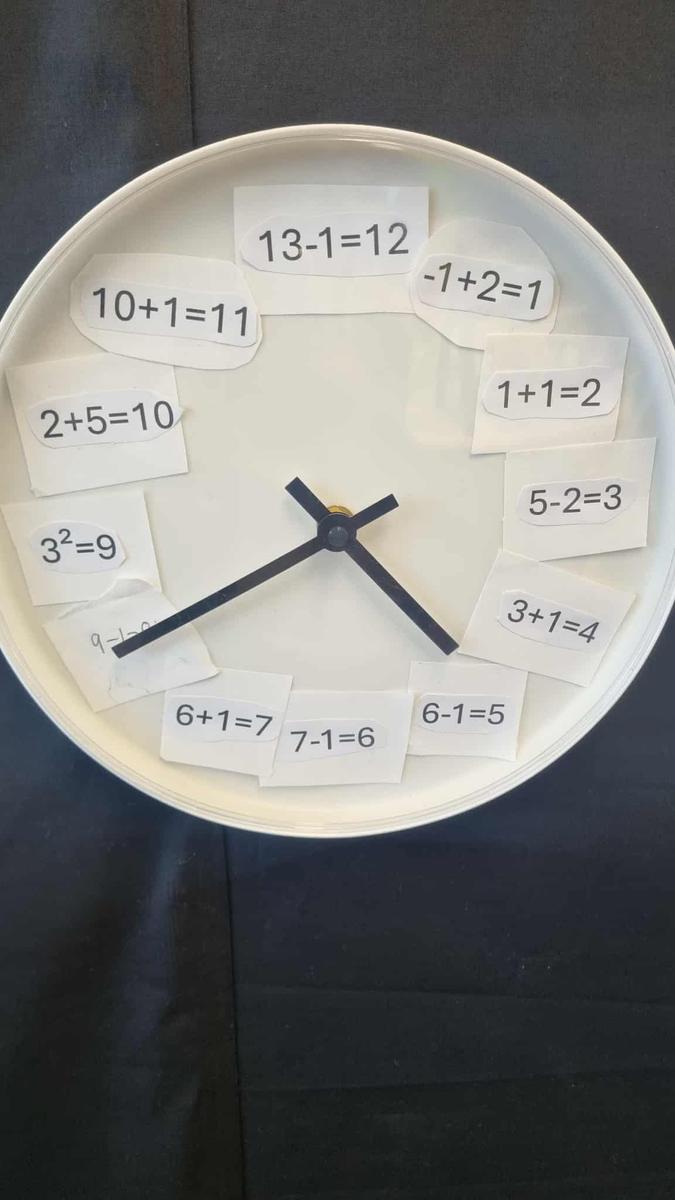
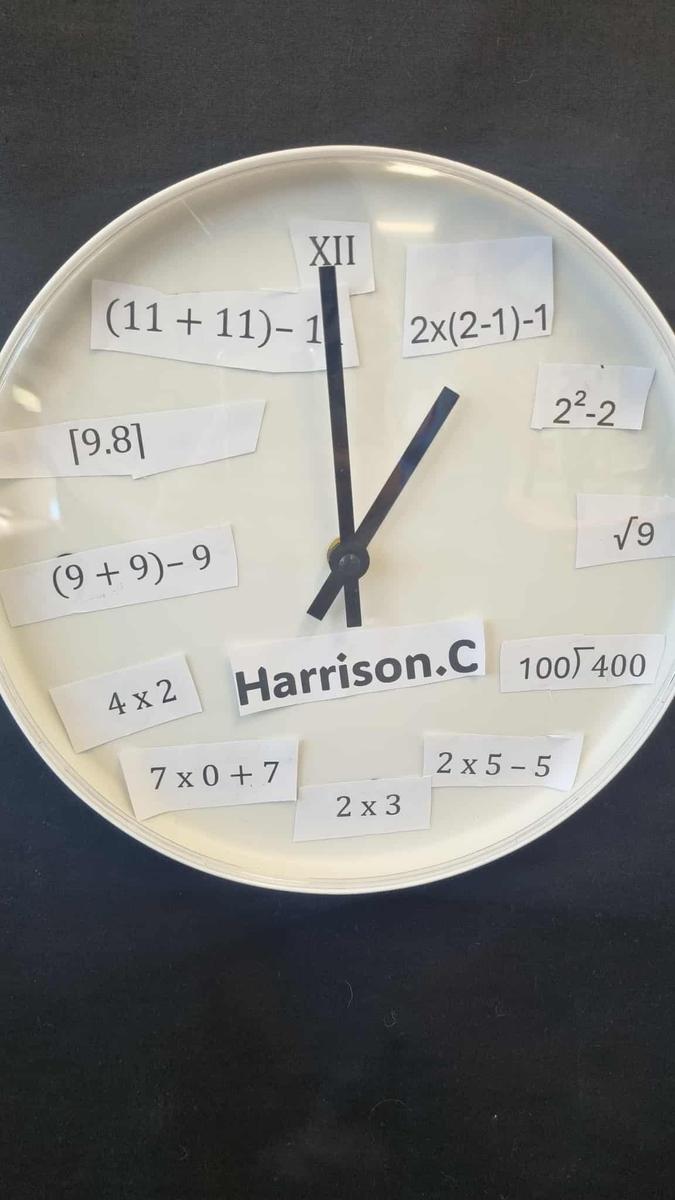
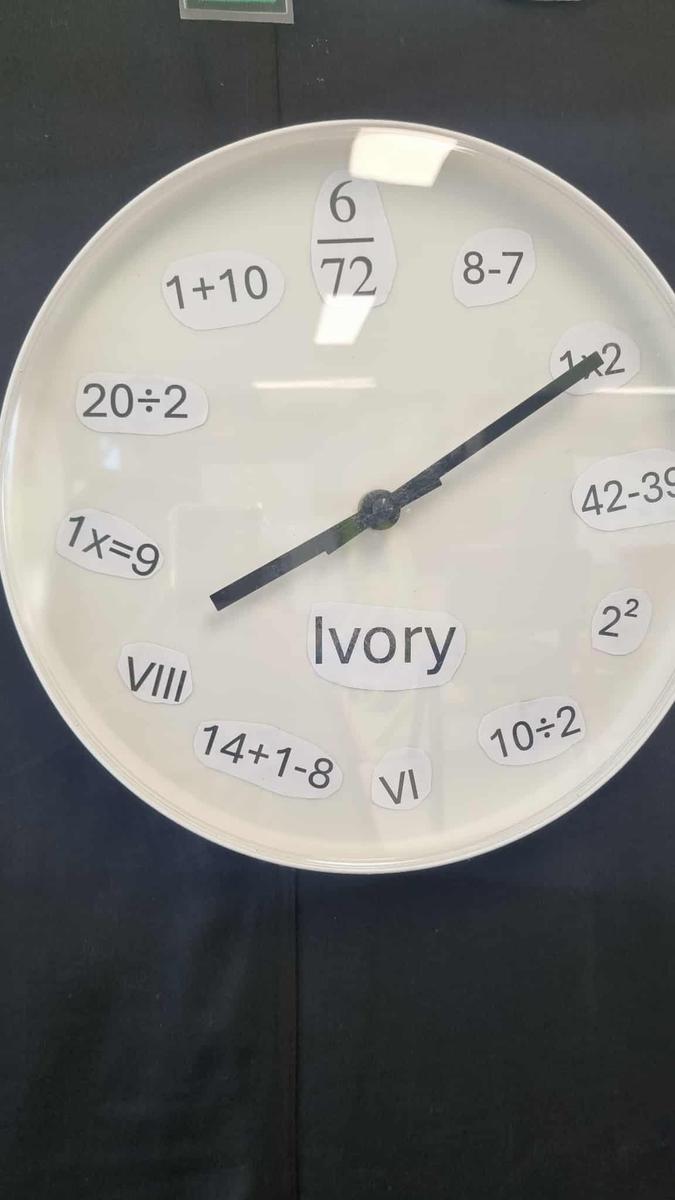
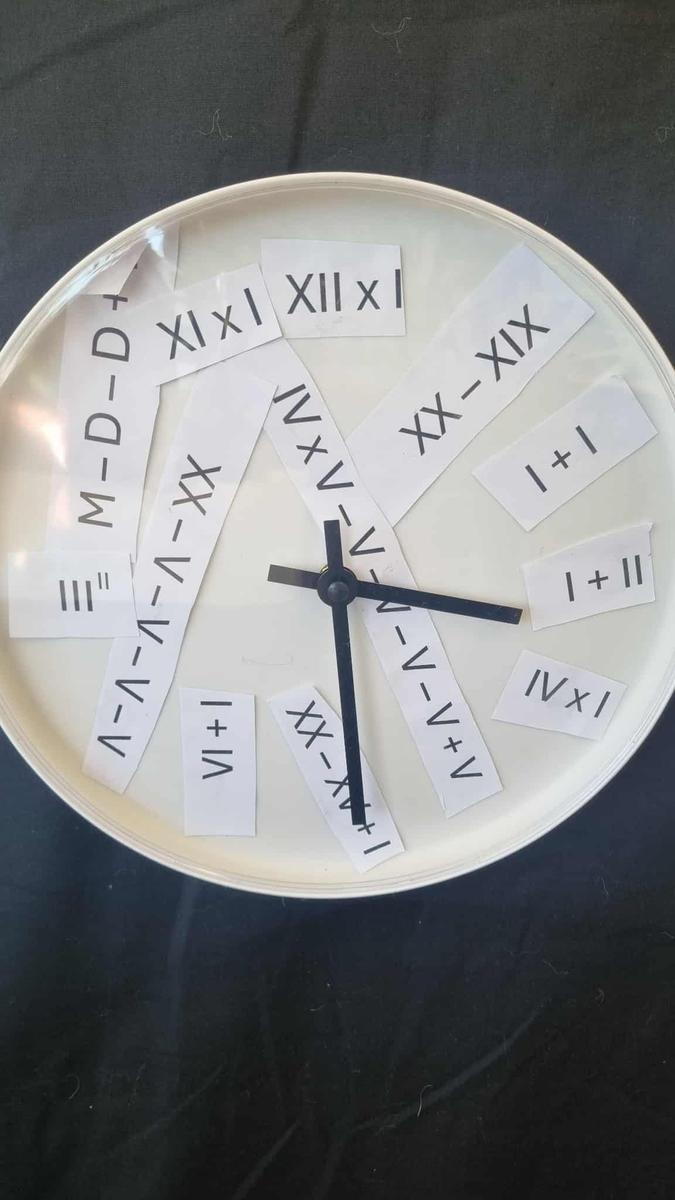
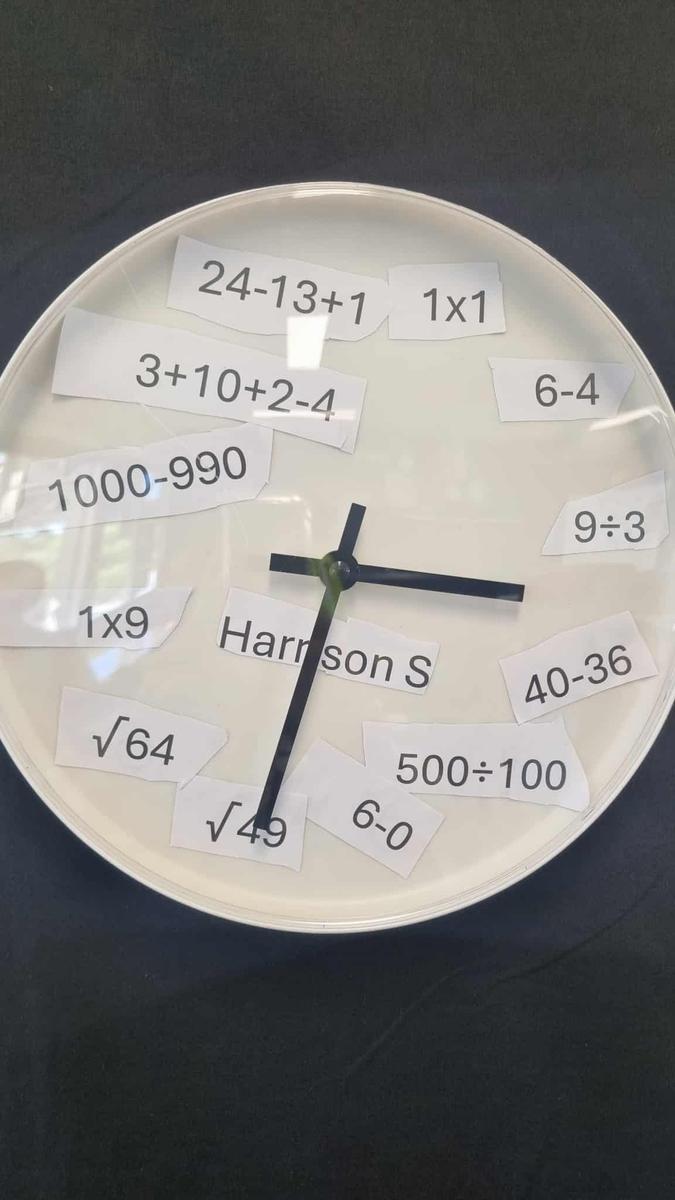
Check out the finished clocks which are on display in the Stage 3 classroom, all set to the time zone which reflects each student's chosen country's embassy or high commission.