From the School Psychologists
Mrs Bec Campey and Mrs Emily Reed

From the School Psychologists
Mrs Bec Campey and Mrs Emily Reed
School holidays can provide time to reflect, rest, and reset. Sometimes the change in routine and access to supports can also make holidays tricky to navigate. With the academic pressures of the school year behind, the summer break provides a chance to recharge, develop new habits, and prioritise health and wellbeing.
Behavioural activation is a therapeutic approach initially developed to treat depression, but its principles can be beneficial for promoting wellbeing and mental health for all. It involves increasing engagement in positive, meaningful activities.
The ACE acronym is a simple way parents can support their child to focus on their wellbeing during the break.
ACE your day is based on the premise that our mood can be affected by what we do, when and with whom.
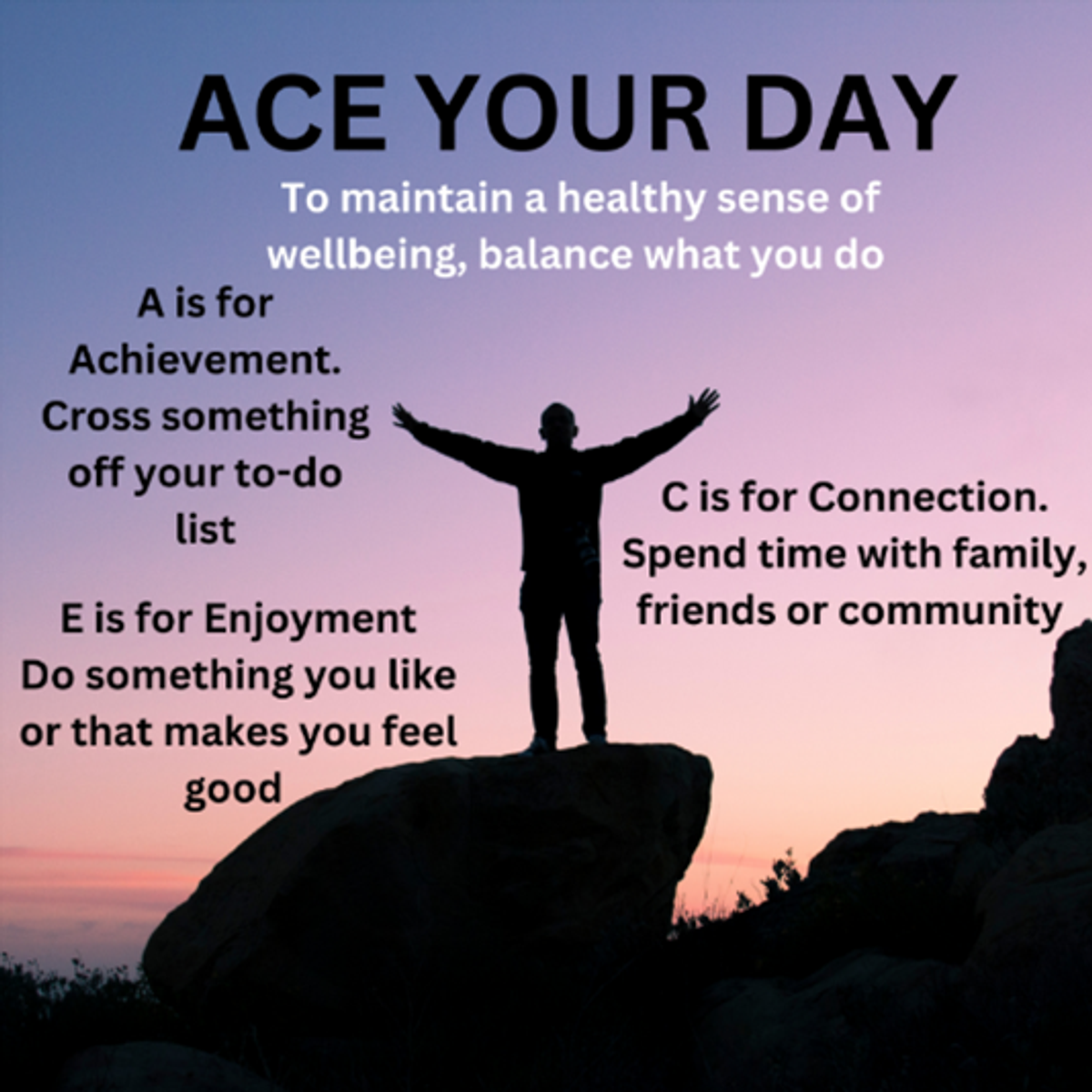
A is for achievement. Work, study, chores, home tasks. Do something that makes you feel accomplished and gives you a sense of mastery. Tick something off your to-do list. Select tasks that are realistic and chunk them so they are doable. Things like walking the dog, making your bed, cleaning out your wardrobe, cooking something, unpacking the dishwasher.
C is for connection. Connect with friends, family members, or your community. We are social creatures, and social interaction whether in person or from a distance makes a significant difference. Talk to a family member or chat with a friend. Write someone a letter. For maximum benefit, prioritise face to face over online communications where possible.
E is for enjoyment. Play, fun and pleasure should be part of every day. Do something you like, or that makes you feel good, without worrying about being productive. Watch the sunset or a favourite movie, read a book, create something, engage in self-care like a bubble bath, or get physically active.
The activities you do when “ACEing” your day affect your brain chemistry by stimulating our neurotransmitters, or happy brain chemicals. Achievement stimulates dopamine, connecting with others stimulates oxytocin, exercise stimulates endorphins and purposeful activity stimulates Serotonin.
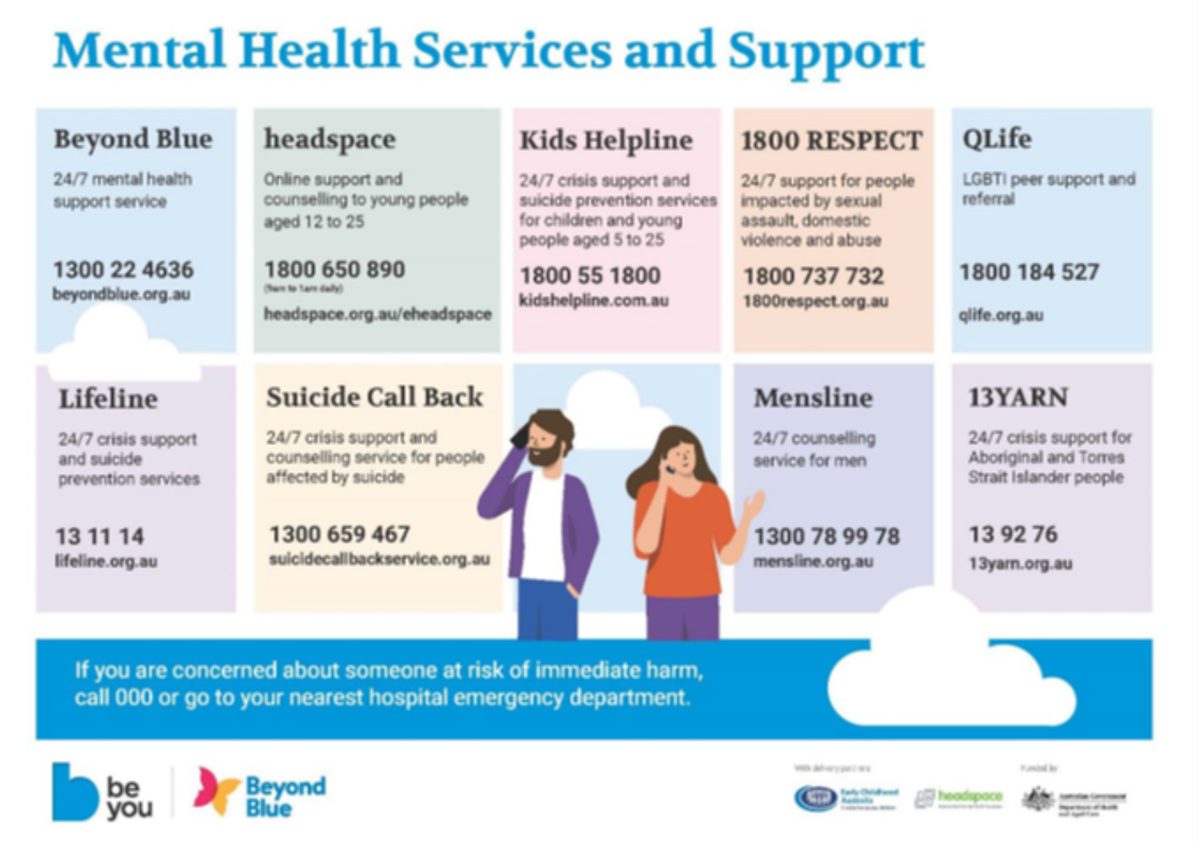
If you or your child needs extra support, a range of community resources are available, including local counselling services, mental health lines (such as the NSW Mental Health Access Line: 1800 011 511 and others below), and online programs focusing on stress reduction and parenting.
Wishing you a restful, connected and rejuvenating summer,
Bec Campey and Emily Reed – School Psychologists