
Prep
Dear Prep Community,
We have officially passed the halfway mark of Term 2, and what a busy and exciting fortnight it has been in Prep!
Students have continued to settle into classroom routines, build their confidence as learners, and enthusiastically participate in all areas of learning. It has been wonderful to see their growing independence, curiosity, and teamwork across the classroom.
Below is an overview of some of the learning experiences and highlights from the past two weeks.
Reading
In Reading, students have begun learning how to segment and blend sounds in words to support both their reading and writing development. We have also been focusing on 1:1 correspondence, with students practising pointing to each word as they read to help develop tracking skills and an understanding that print carries meaning.
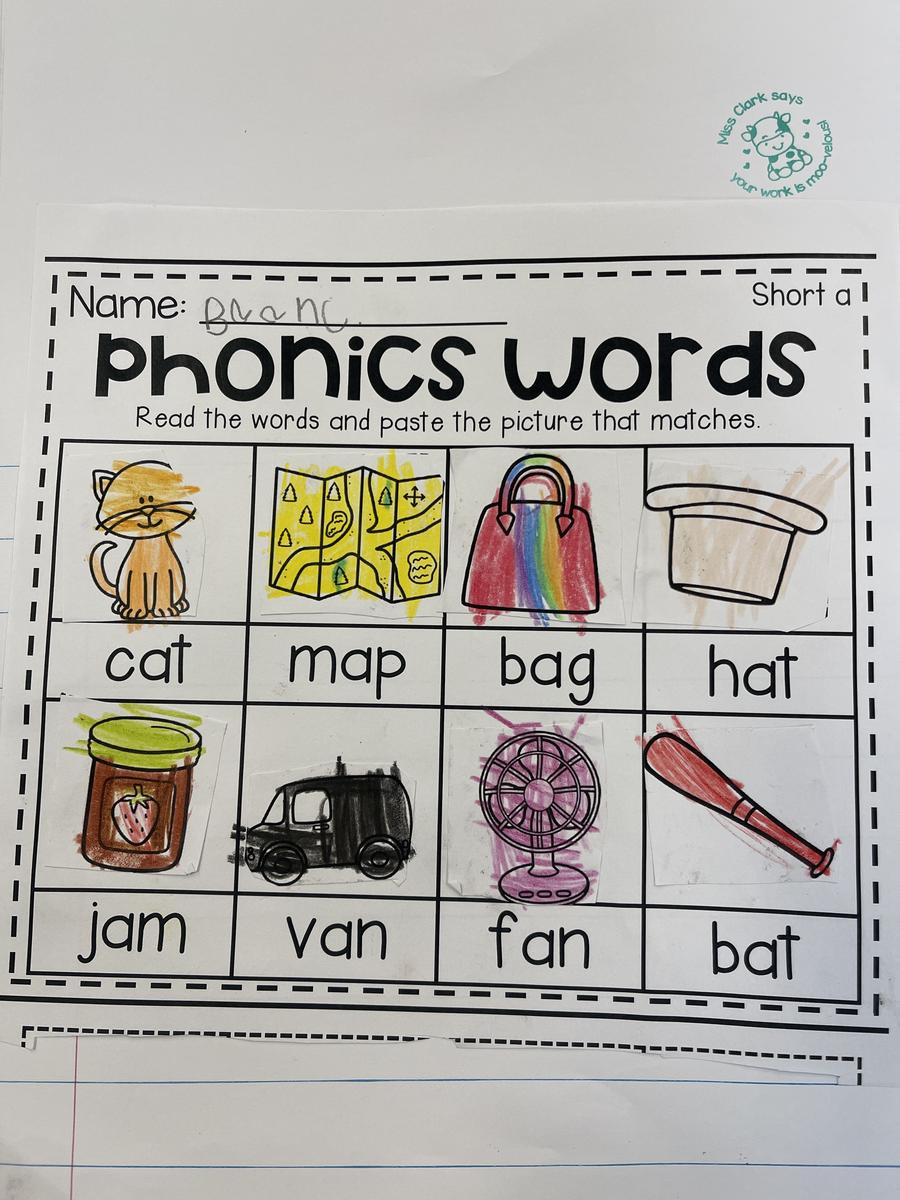
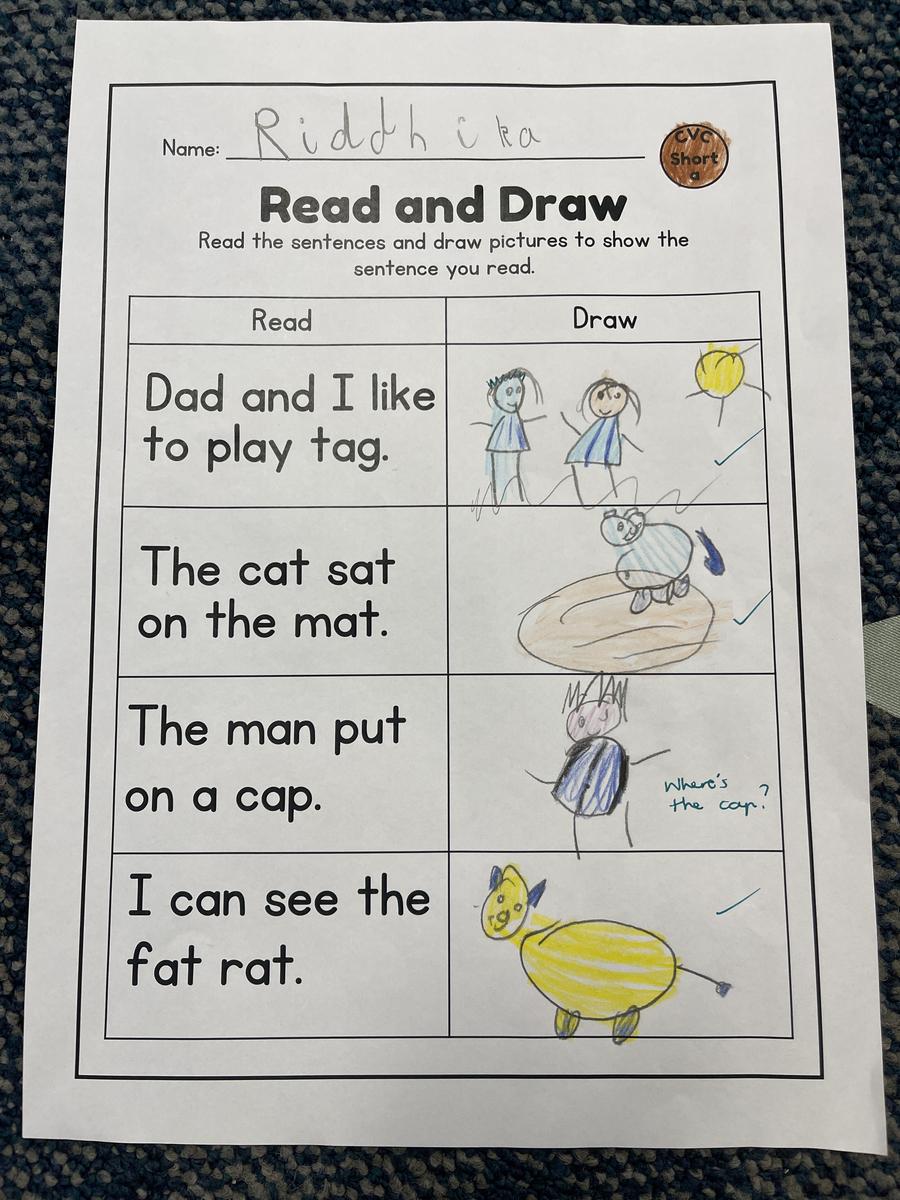
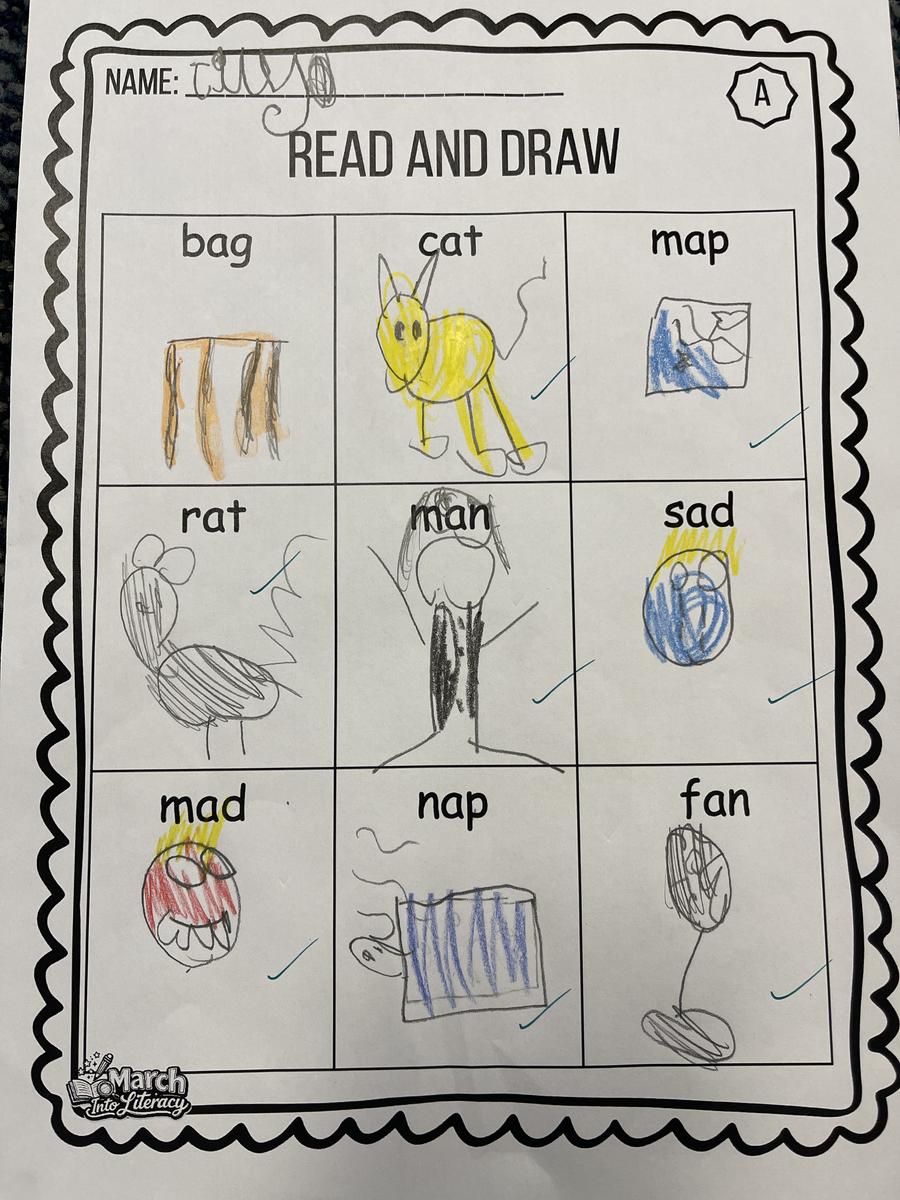
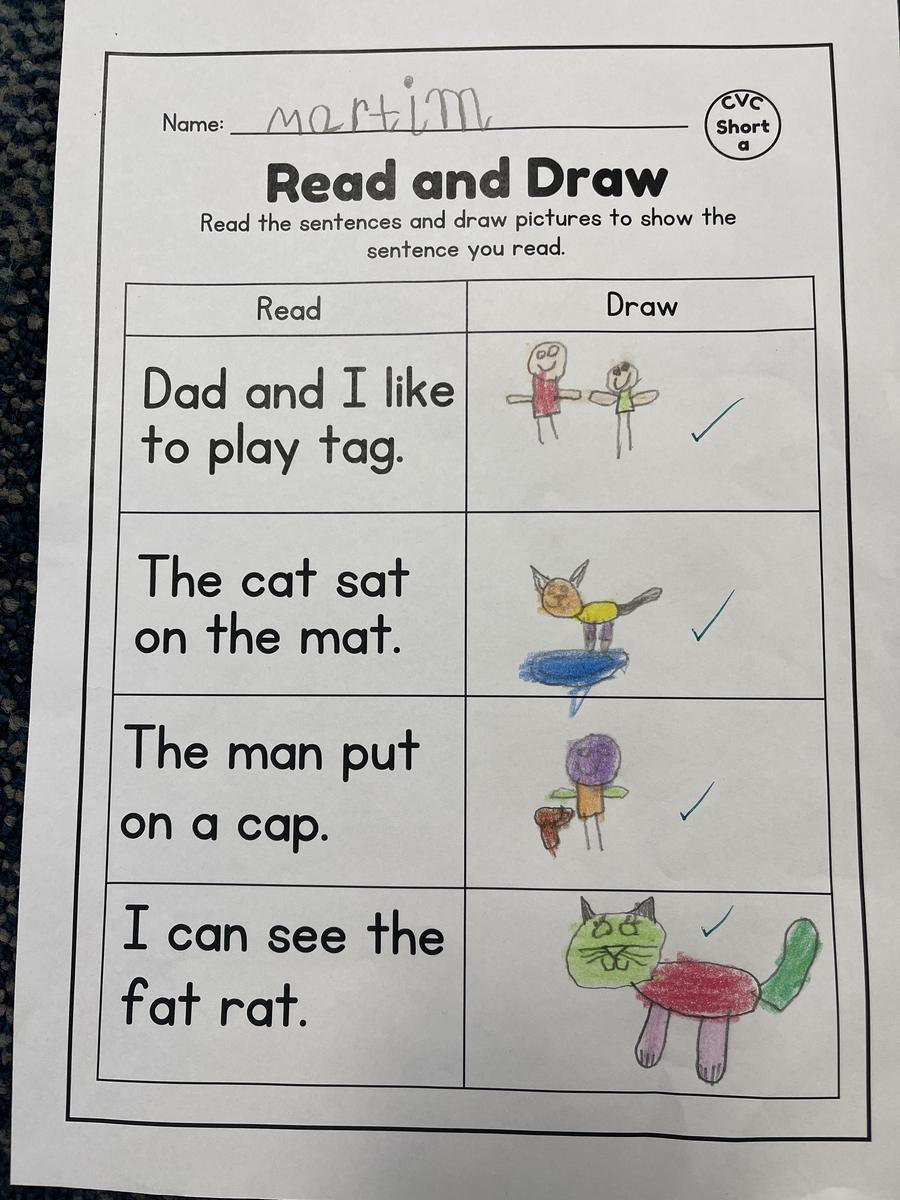
How you can help at home: Model pointing to each word when reading to your child so they can see how text is tracked from left to right and that spoken language matches written text in the order it appears on the page. Talk about letters, words, and sentences in everyday contexts and encourage your child to find and identify these in their environment (e.g. in books, signs, food labels, and around the home), pointing them out as they see them. Encourage your child to point to each word as they read to support 1:1 correspondence and tracking.
Practise orally sounding out and blending simple words together (e.g. /c/-/a/-/t/ = cat) so they can hear how sounds come together to make words. Also practise orally segmenting words by stretching them slowly first (e.g. “mmmmooooppp”), then breaking them into individual sounds (/m/ /o/ /p/) to build strong phonemic awareness.
We encourage families to spend time each night reading take-home readers together. You can also write individual words or simple sentences for your child to read and practise blending in context, helping them connect these skills to real reading experiences. Begin with simple sentences made up of decodable words (words that can be sounded out using the letter-sound knowledge students already know), without tricky spelling patterns or more advanced sounds. For example, sentences like “I can sit” or “The cat is big” allow children to confidently apply their current phonics skills. This helps build success and independence before gradually introducing more complex words over time.
Writing
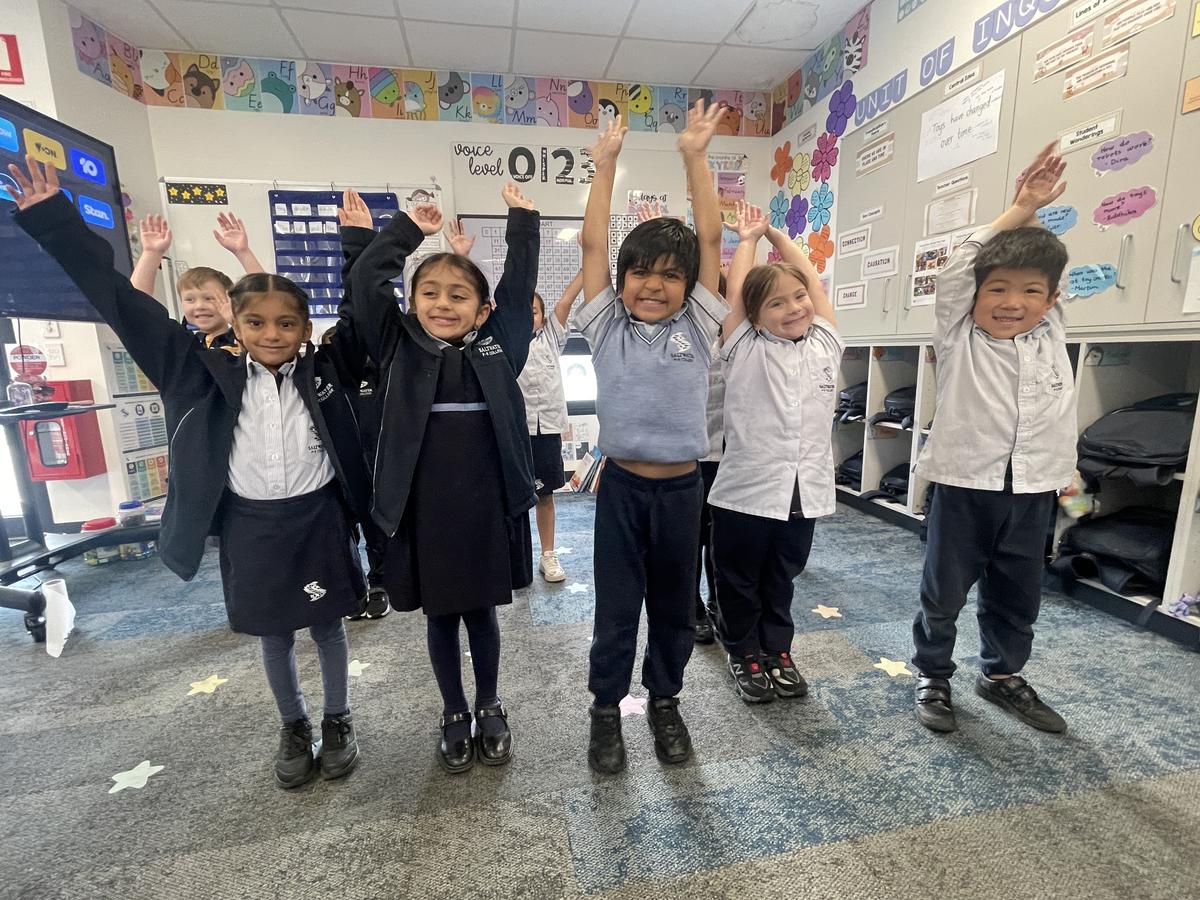
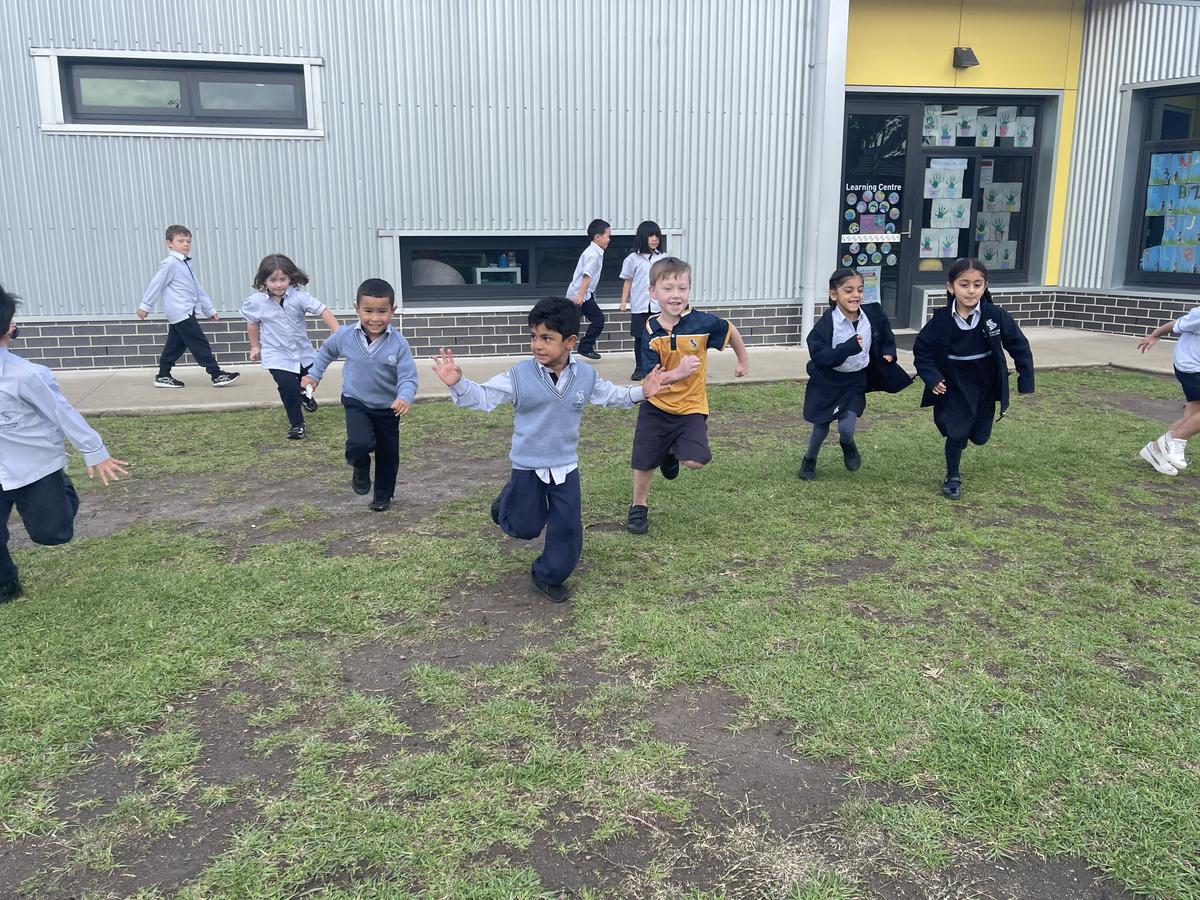
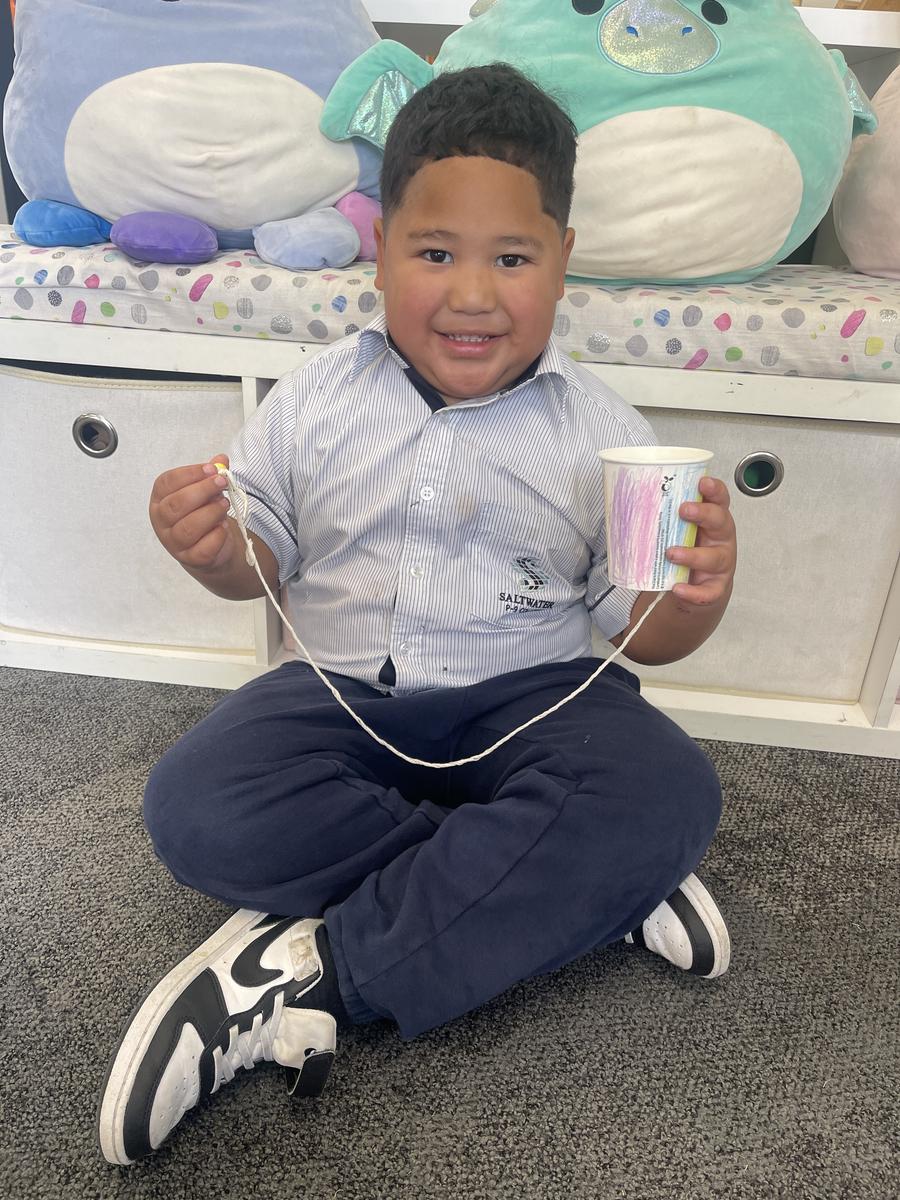
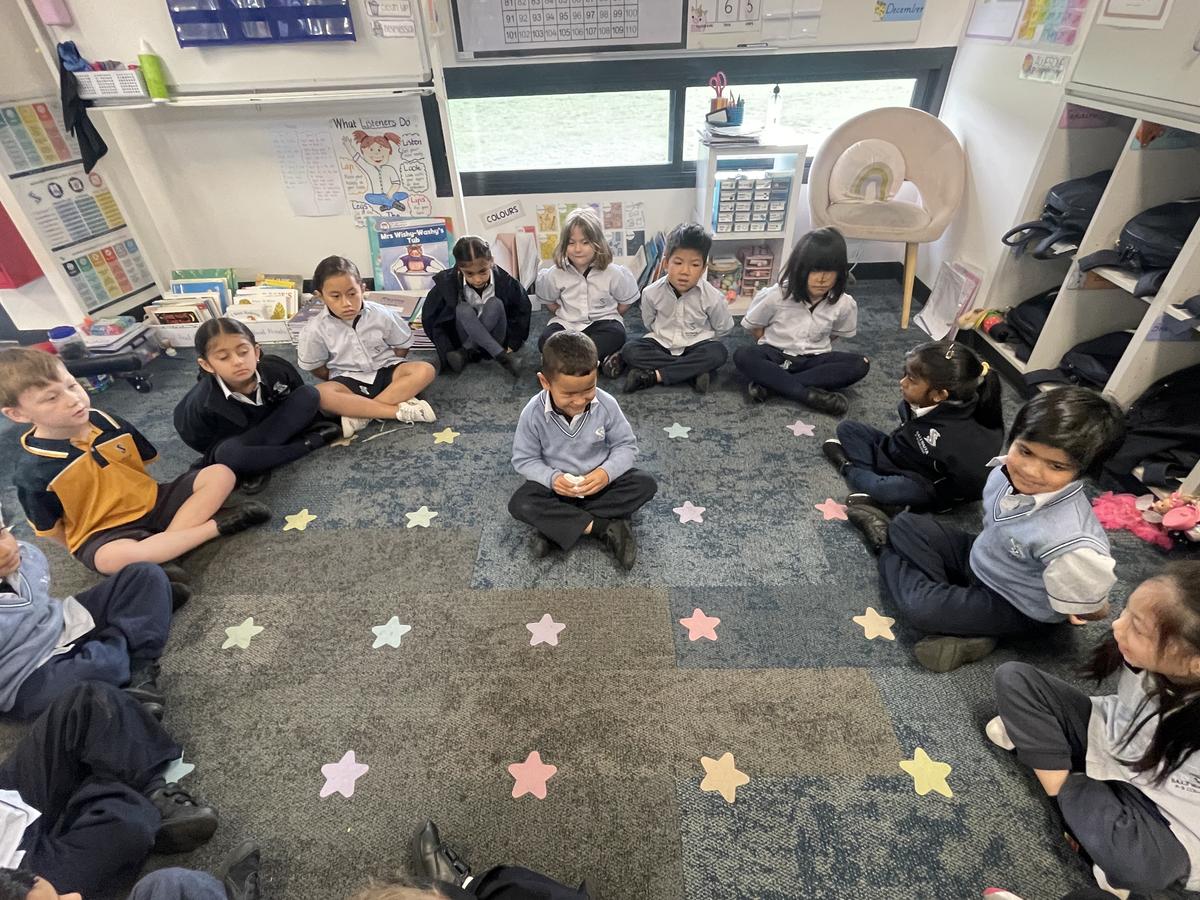
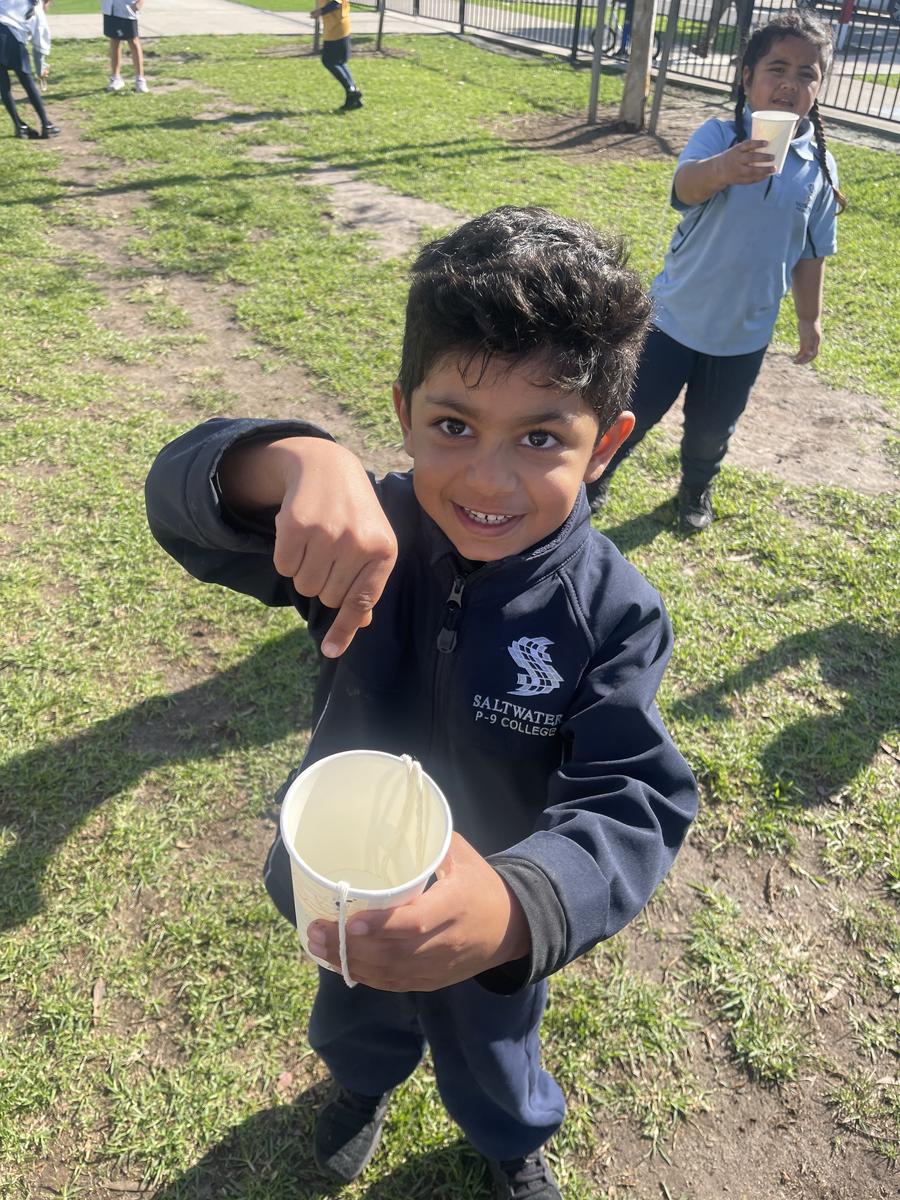
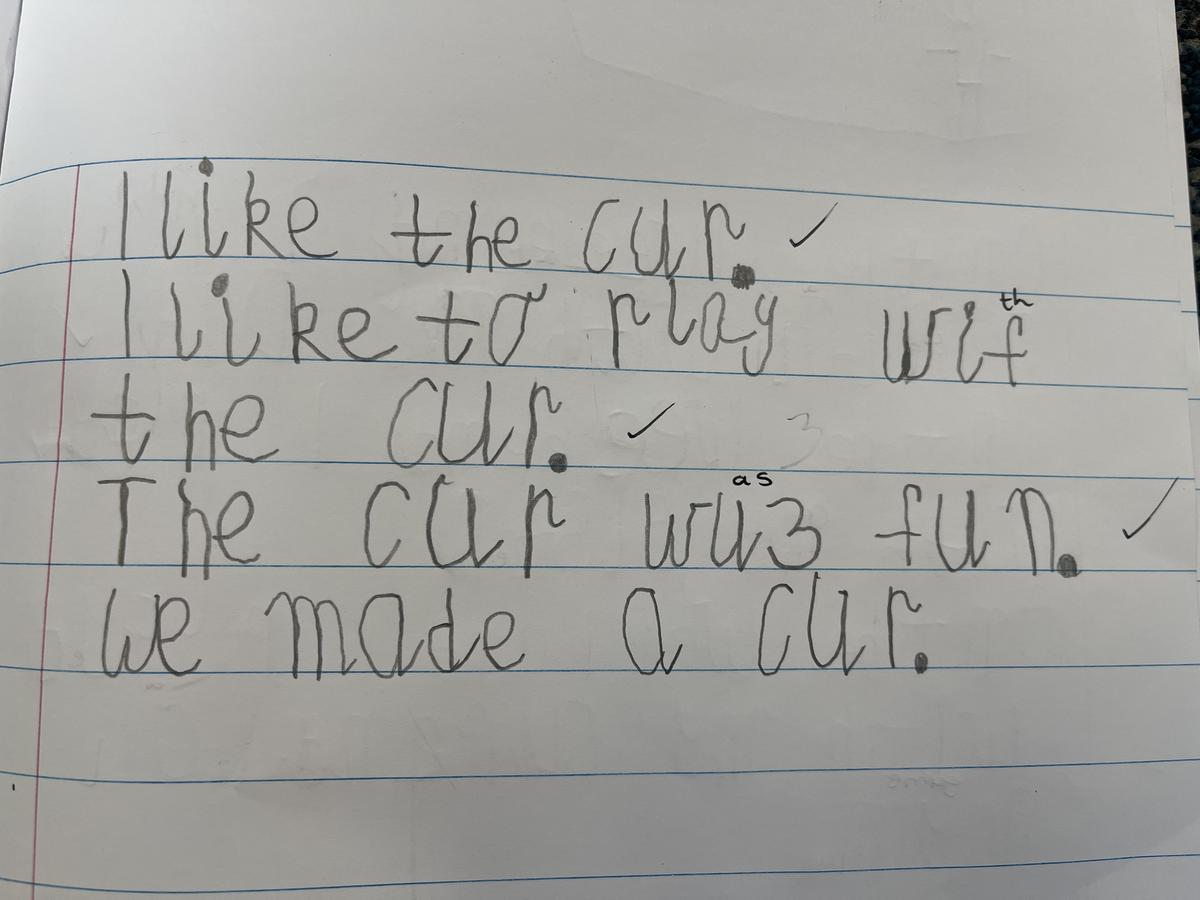
Our Writing focus has continued through Language Experience activities linked to our Inquiry learning. Students participated in activities such as the ball and cup game, tents and campers, fruit salad, and duck, duck, goose before orally creating and writing sentences about their experiences. During these sessions, students practised forming complete sentences, breaking sentences into individual words, listening carefully for sounds in words, and recording the letters that match those sounds. We have also continued reinforcing the use of a capital letter at the beginning of a sentence and a full stop at the end.
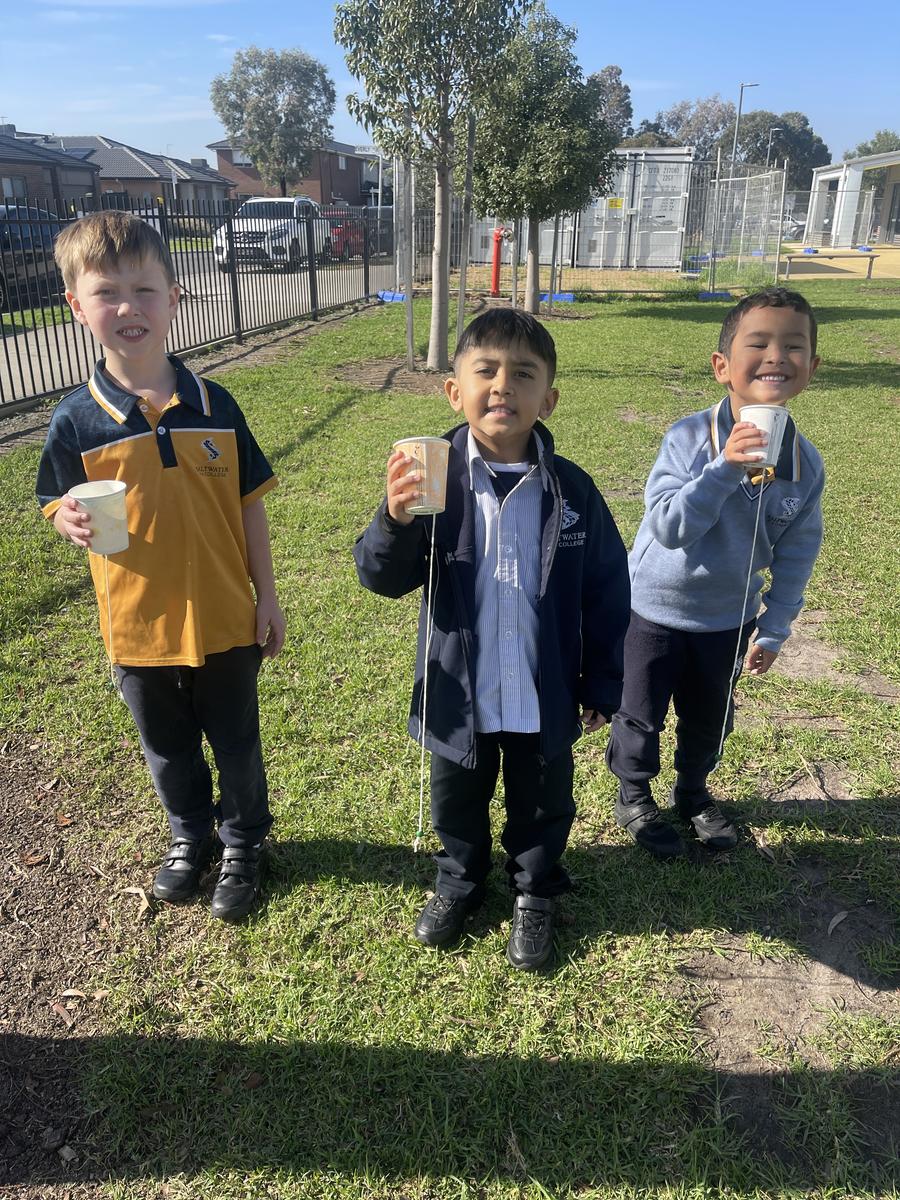
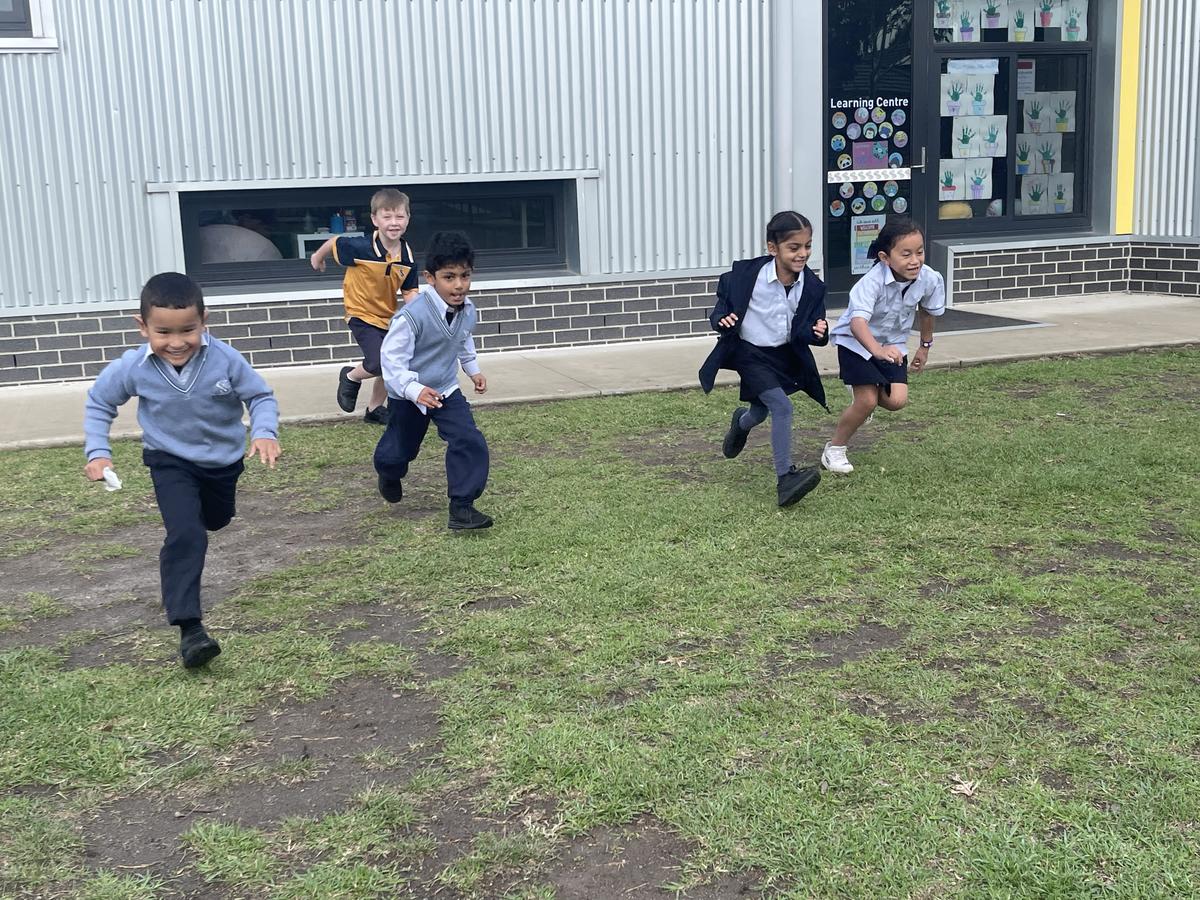
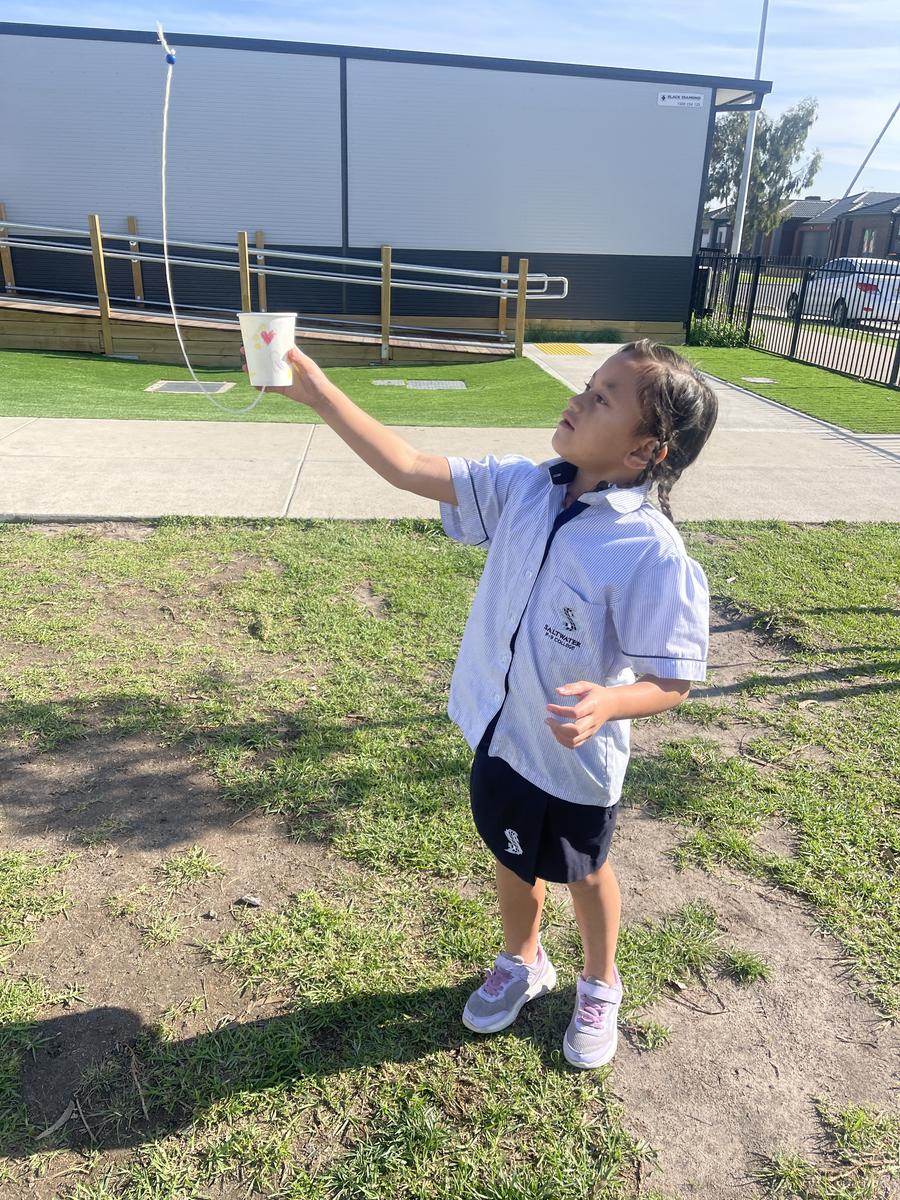
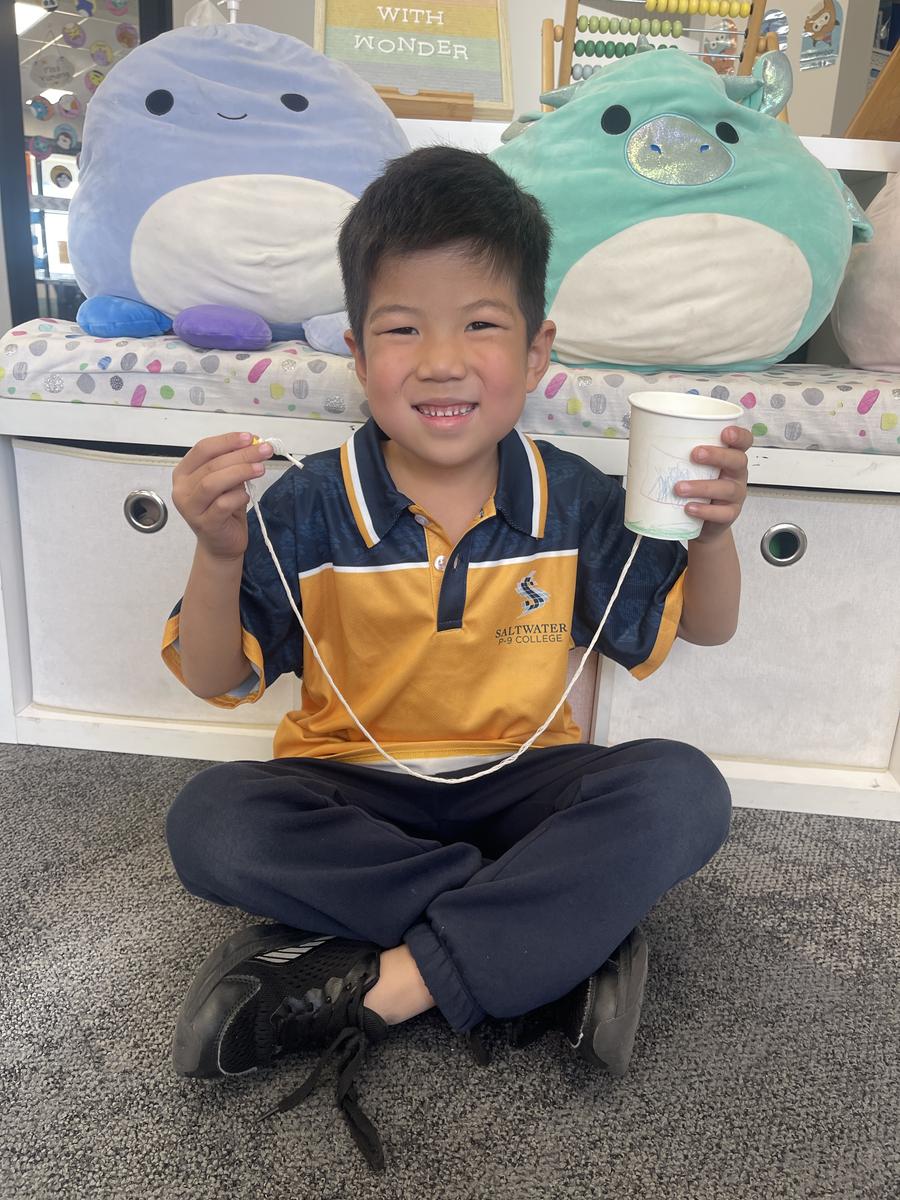
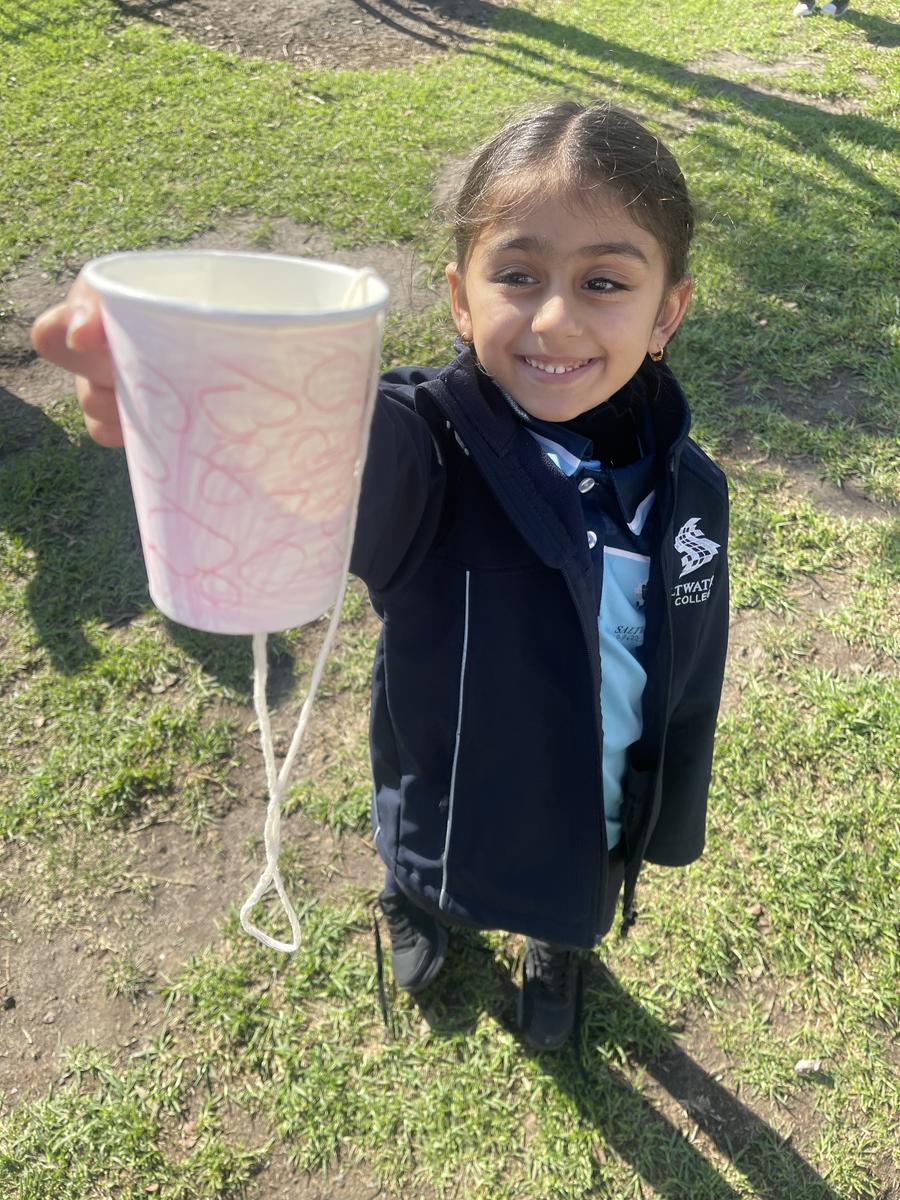
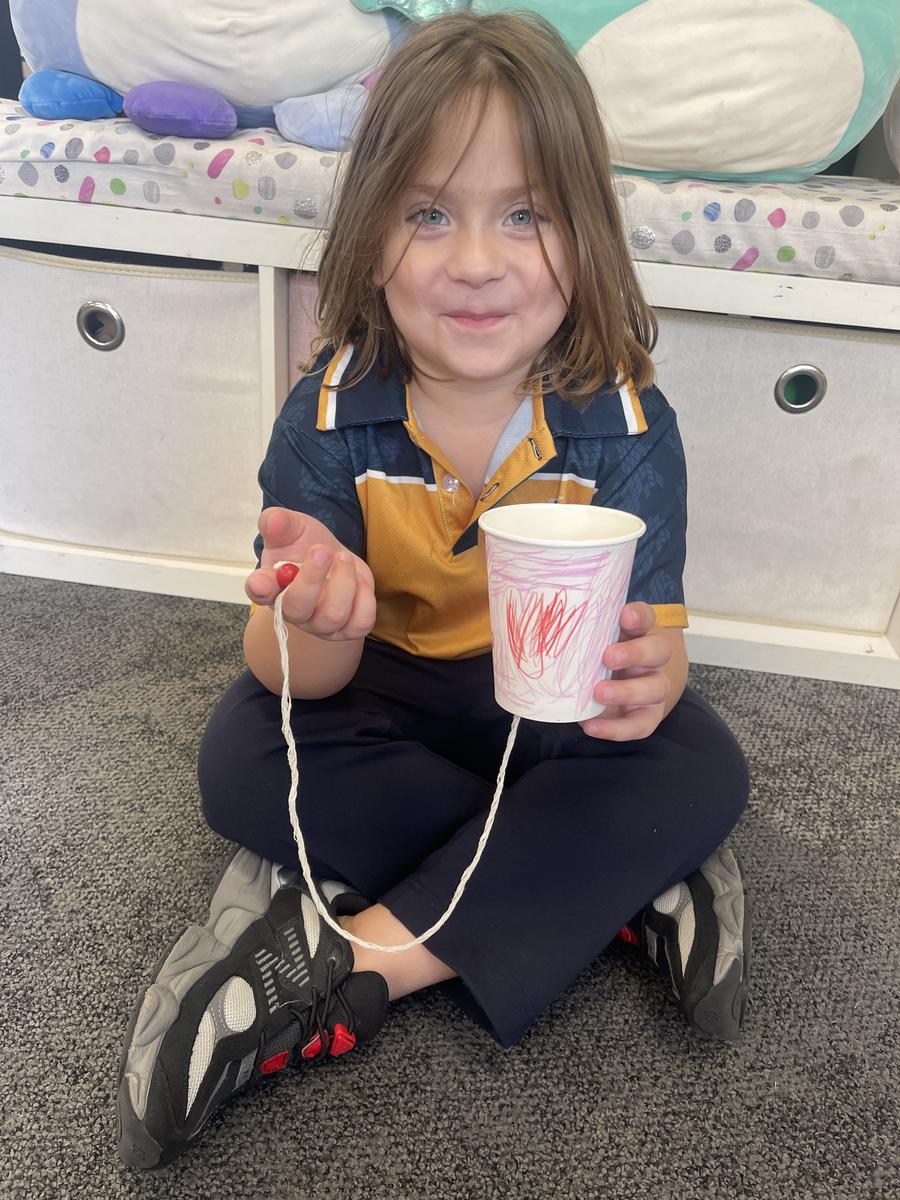
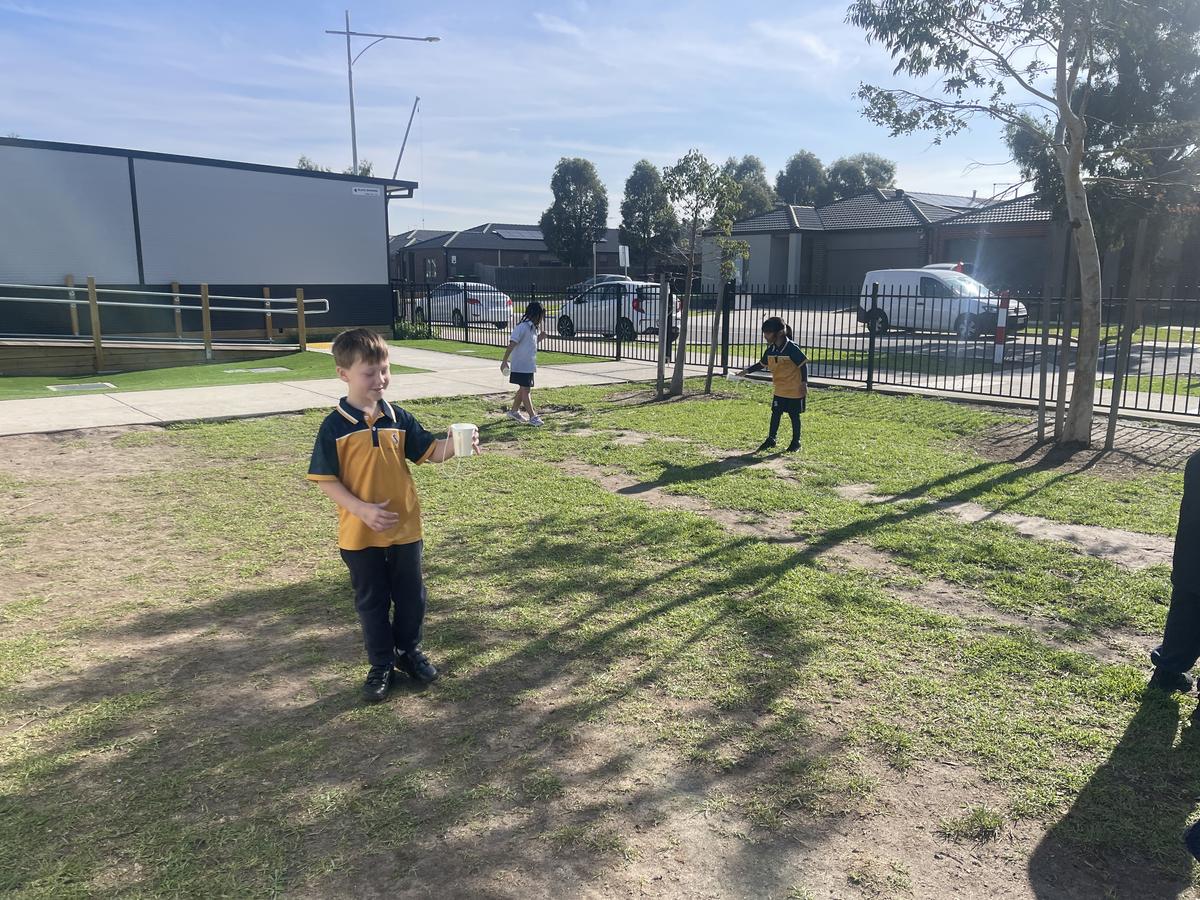
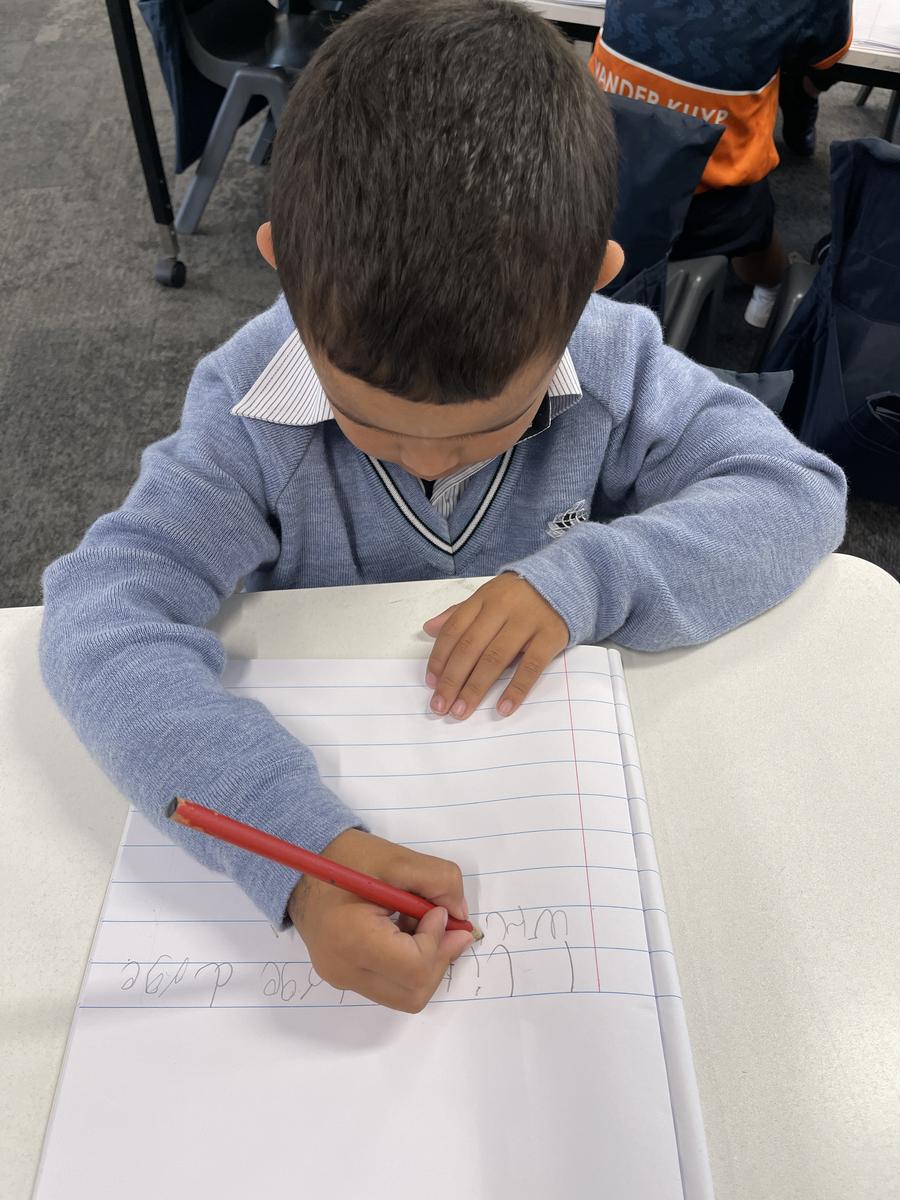
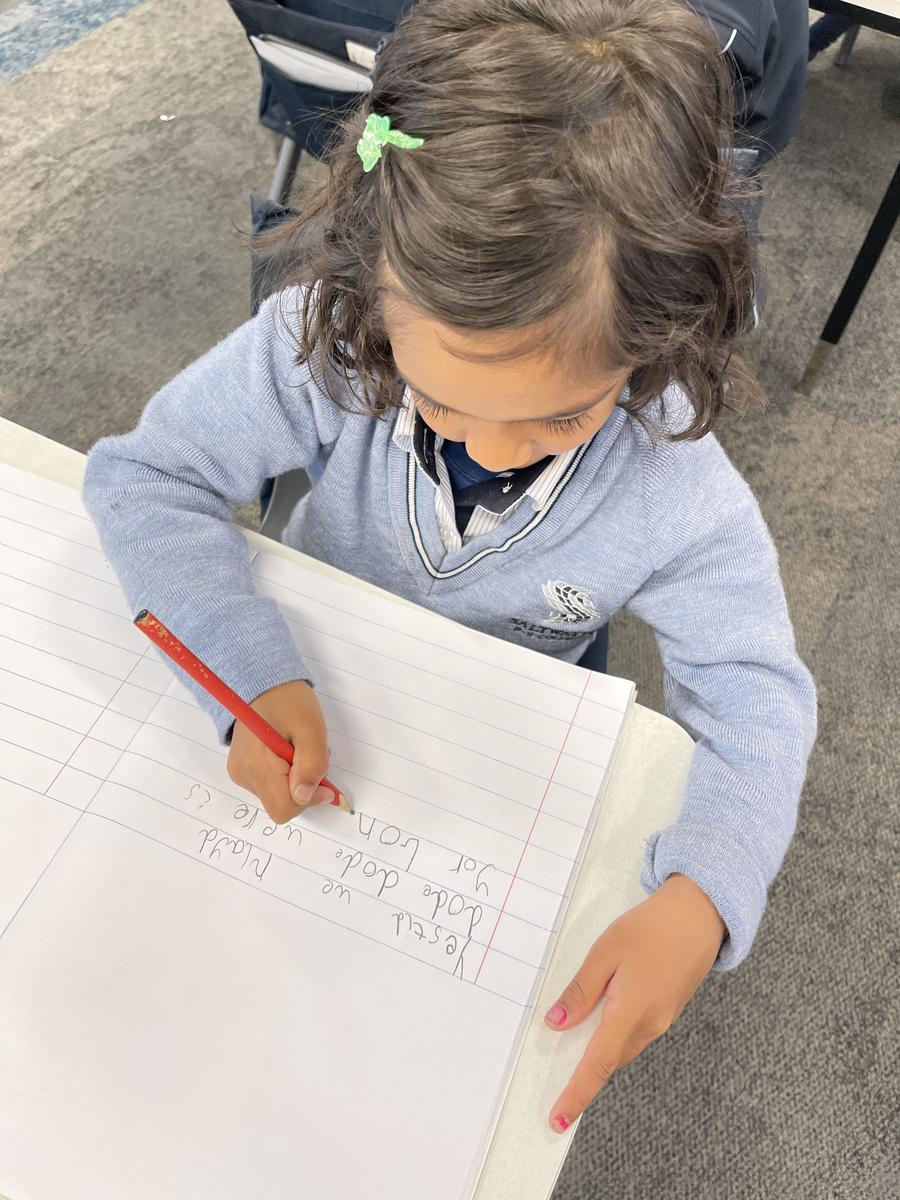
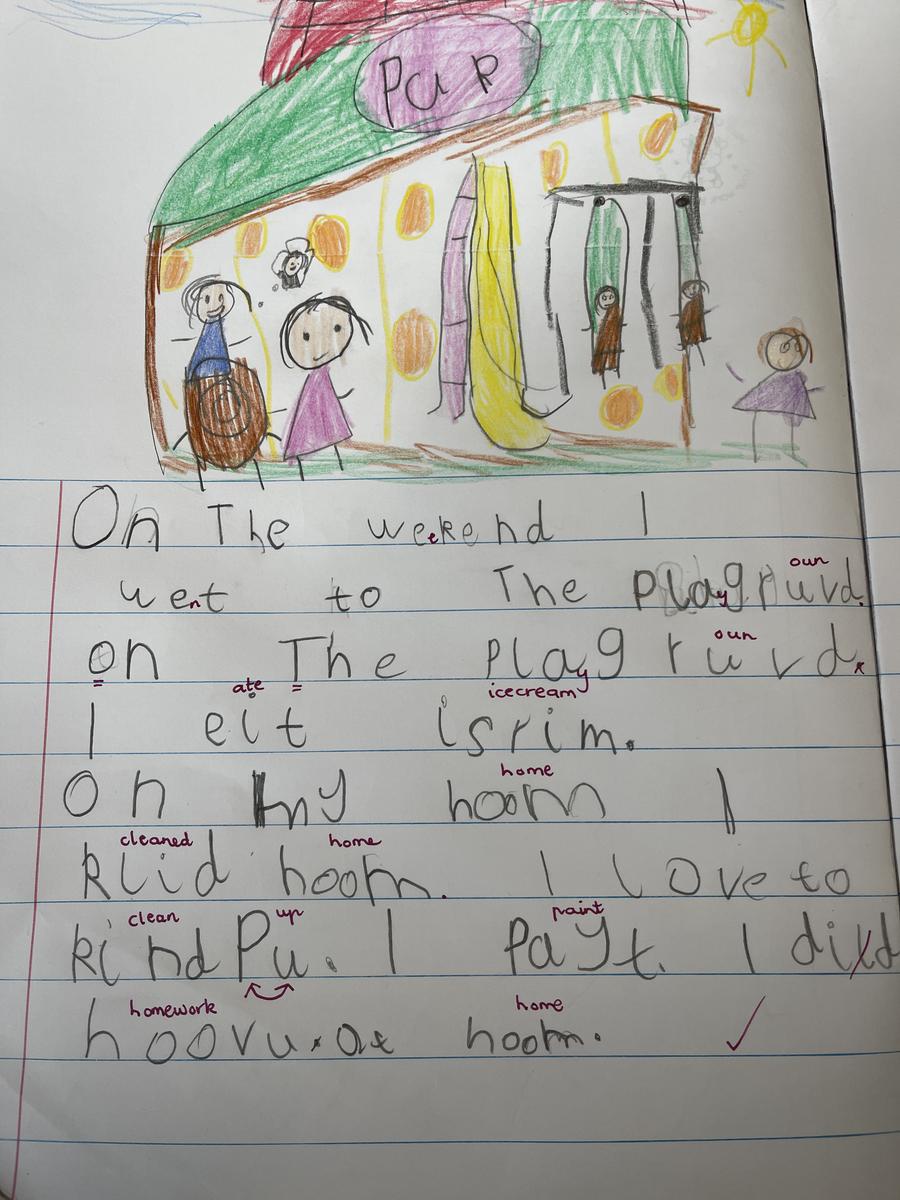
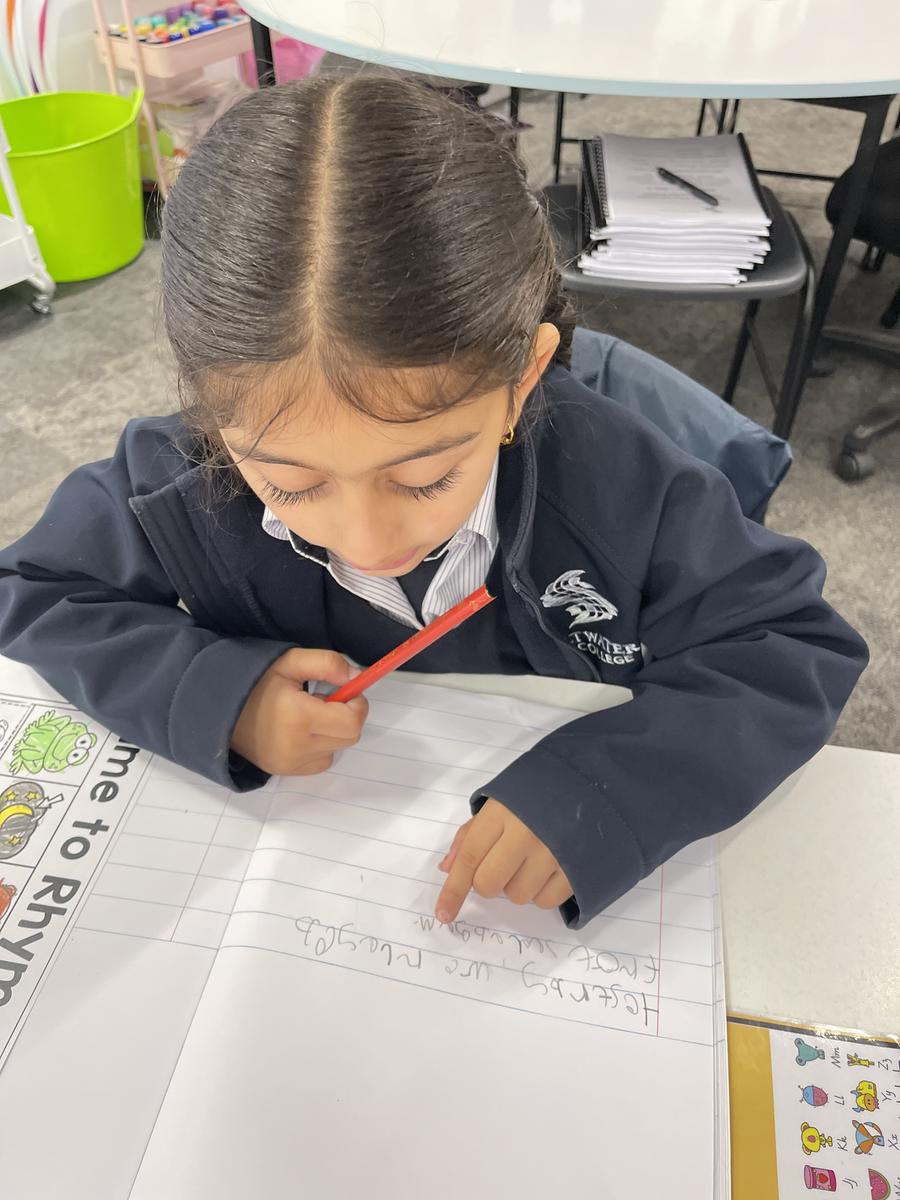
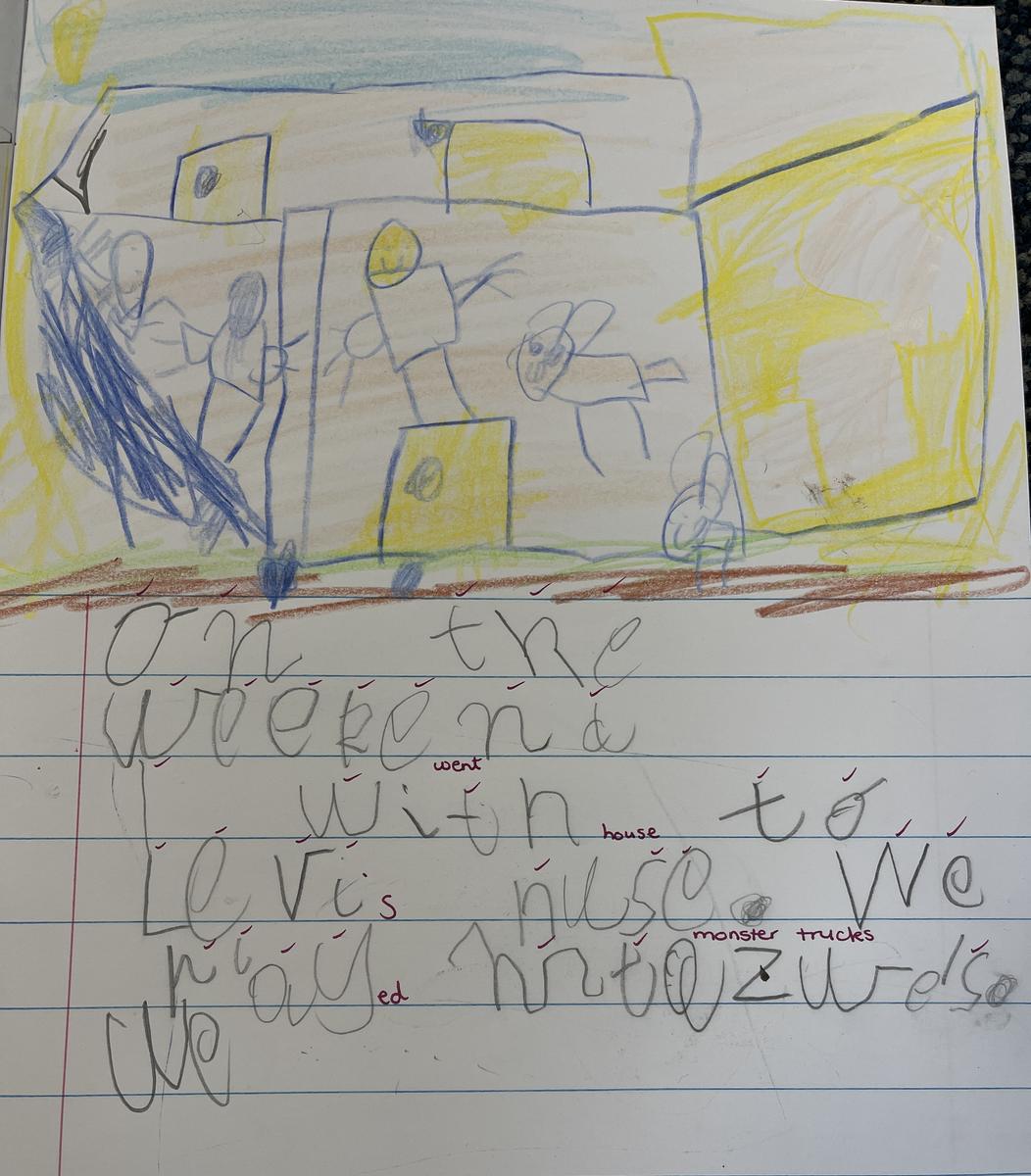
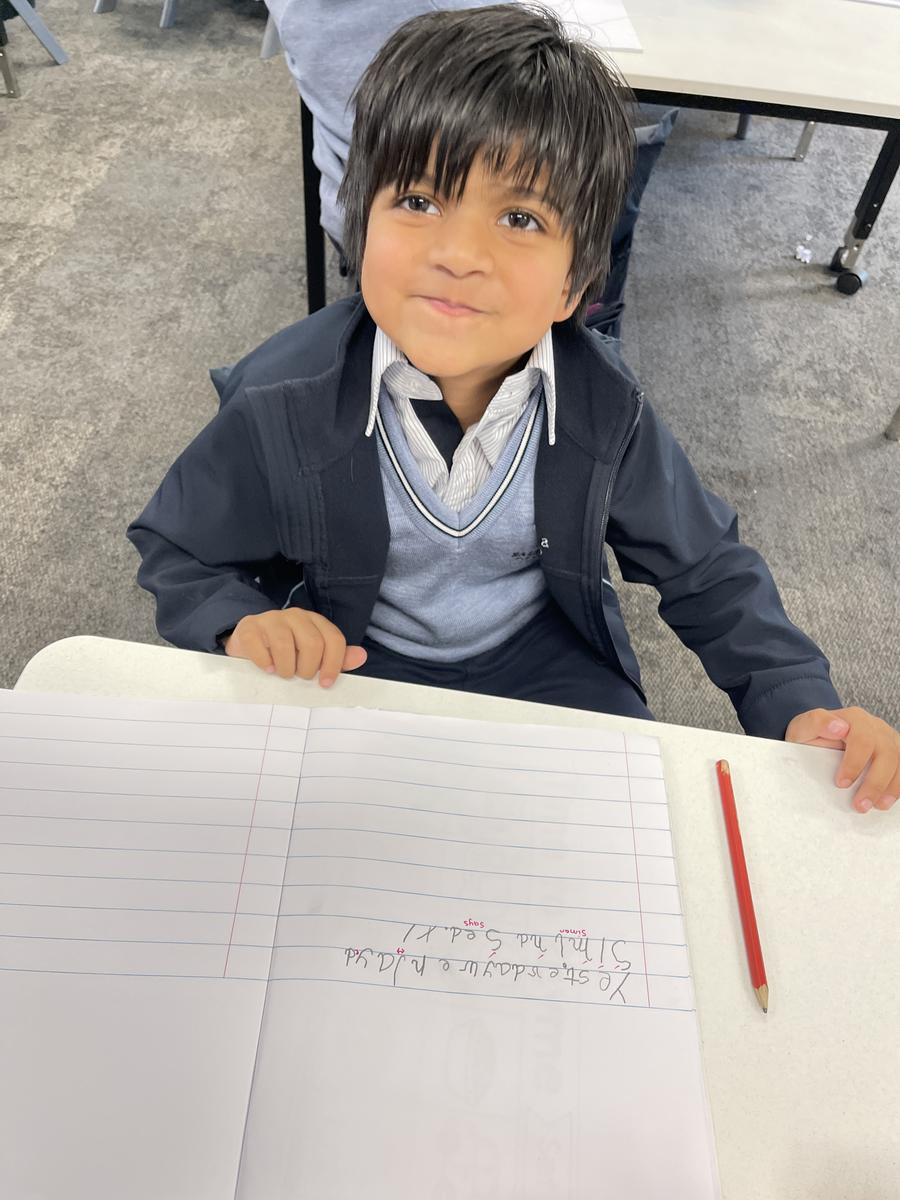
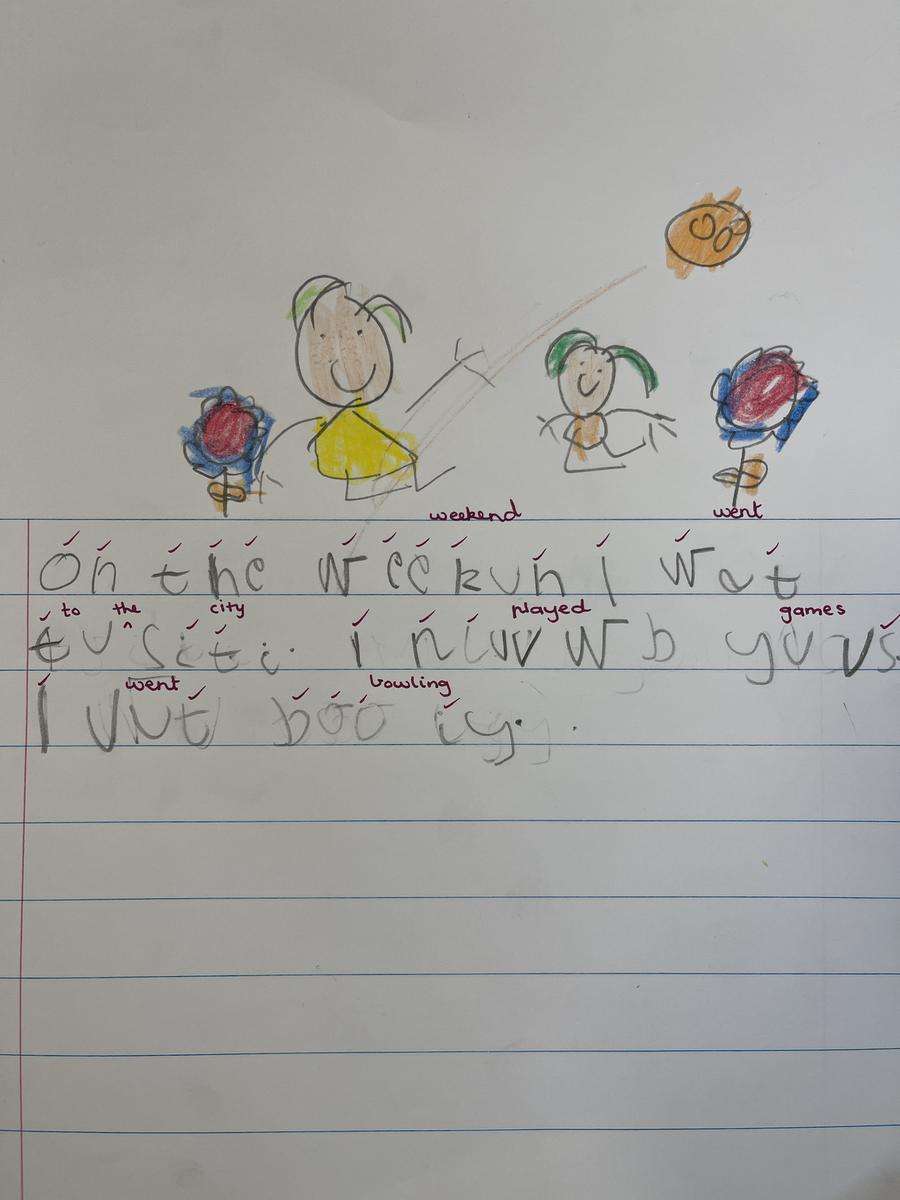
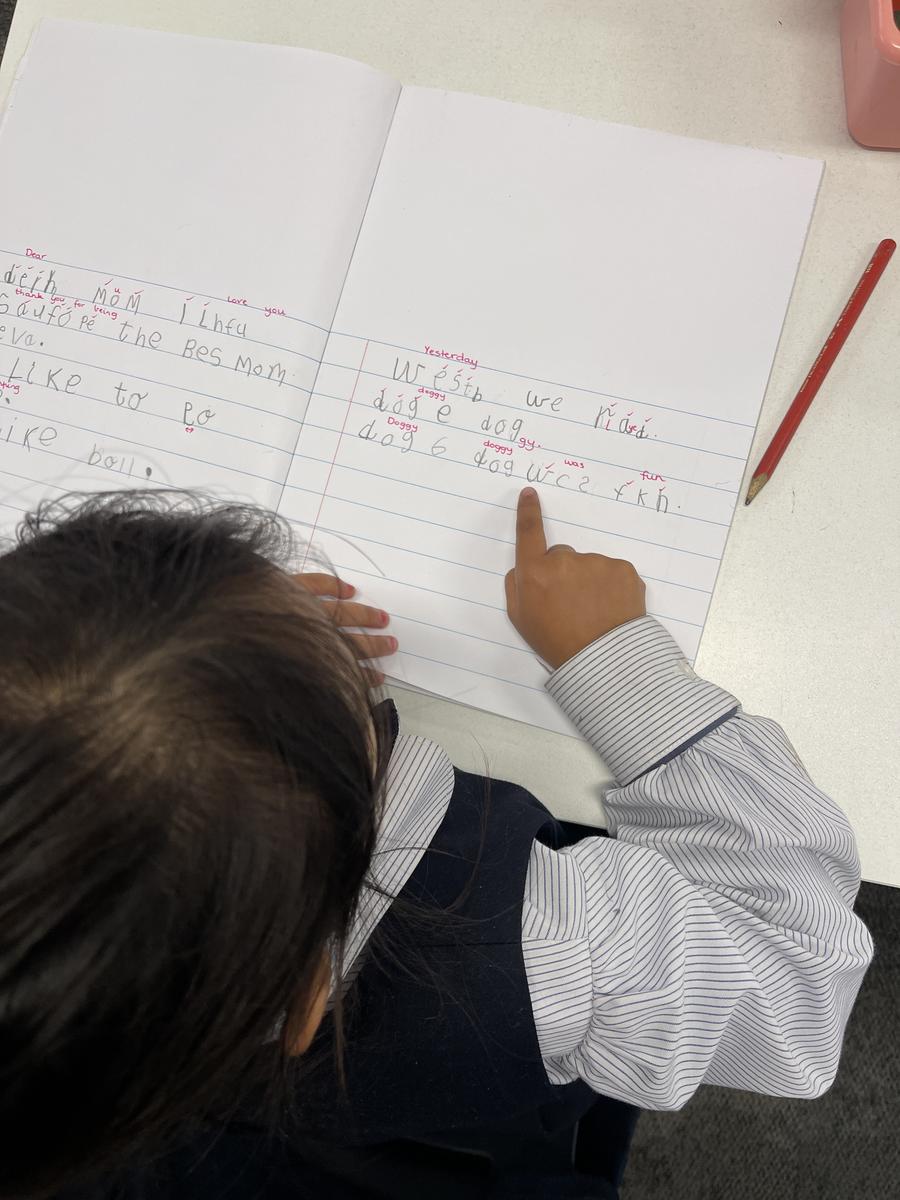
How you can help at home: First, encourage your child to independently have a go at creating a sentence, sounding out words, and recording their own attempt. After they have tried independently, you can then support them to slowly sound out words again to see if they can hear any additional sounds they may have missed. When supporting your child, it is important to sound words out exactly as they sound, rather than sounding them out based on how they look, saying the letter names or spelling the word for them.
At this stage, many students are successful at hearing and recording the initial sound in words and sometimes the ending sound, but may miss middle sounds during their independent writing attempts. With support to slowly stretch out words, students are often able to hear and record additional sounds independently.
It's important to not expect perfect spelling at this stage as this can be detrimental to their confidence and willingness to write. We are encouraging students to make plausible attempts using the letter-sound knowledge they currently have.
For example, a student may write pla for play if they have not yet learned that ay can make the long /a/ sound, or jrf for giraffe because those are the strongest sounds they can hear. They may write a sentence such as 'I w c' or 'i wont cak' for 'I want cake.'
Mathematics
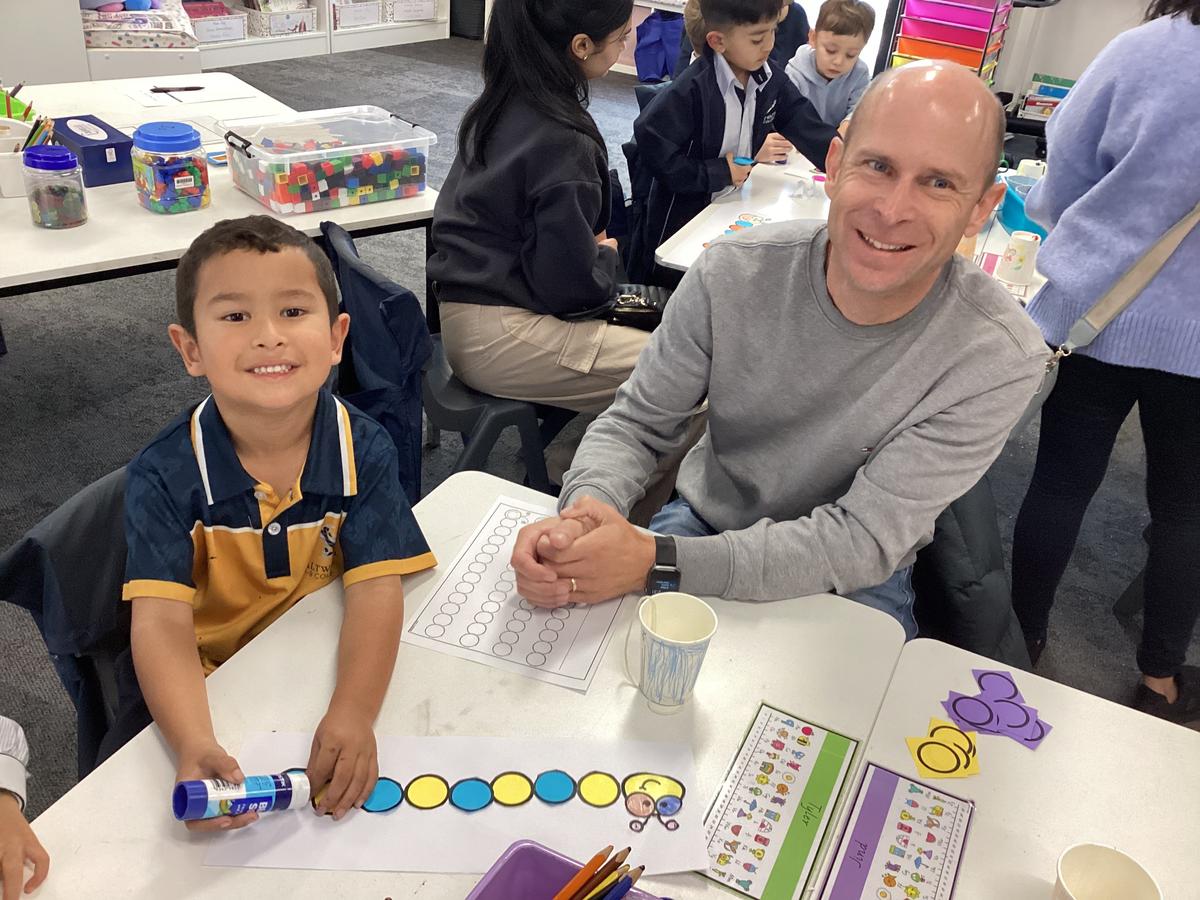
In Maths, students have been exploring patterns through hands-on activities, drawing, and craft. They have practised copying, labelling, continuing, and fixing patterns using a variety of materials while learning to identify and describe repeating patterns.
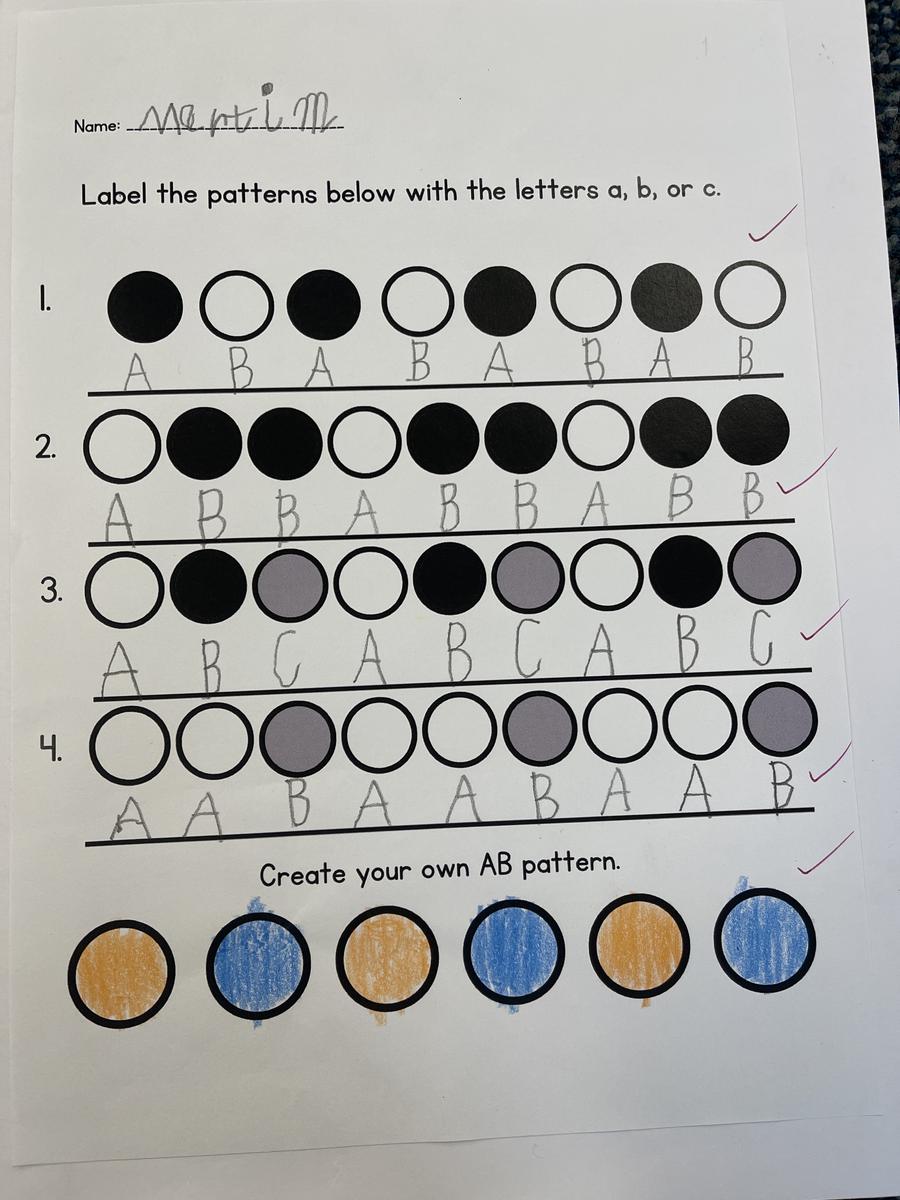
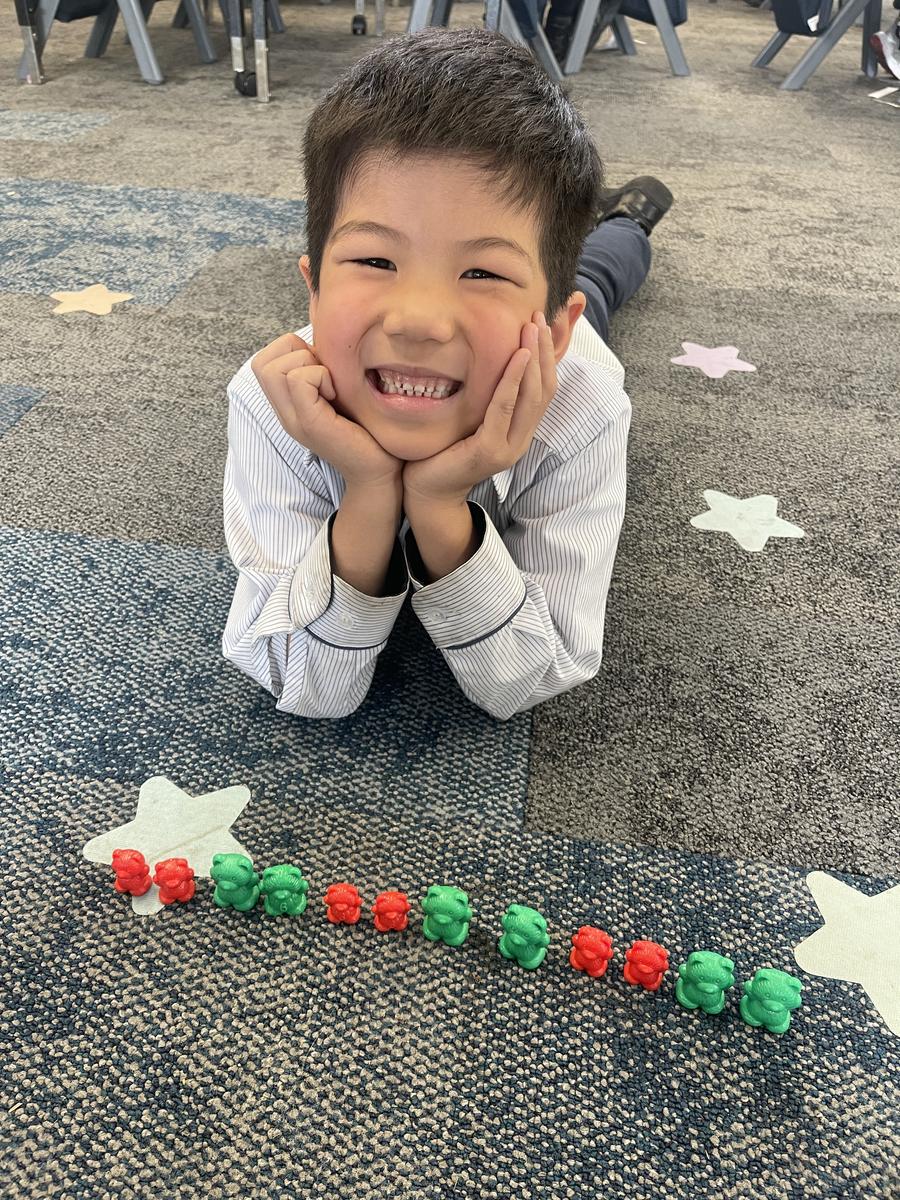
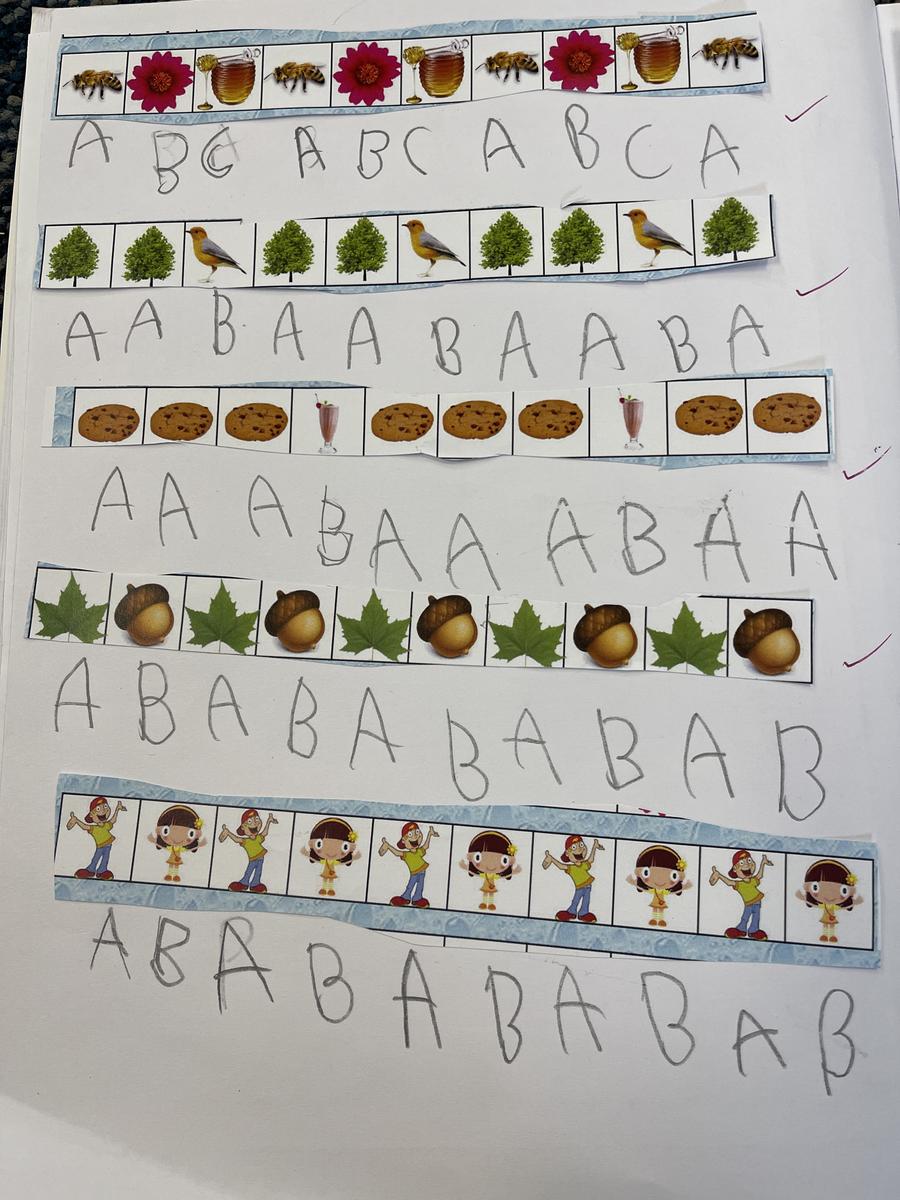
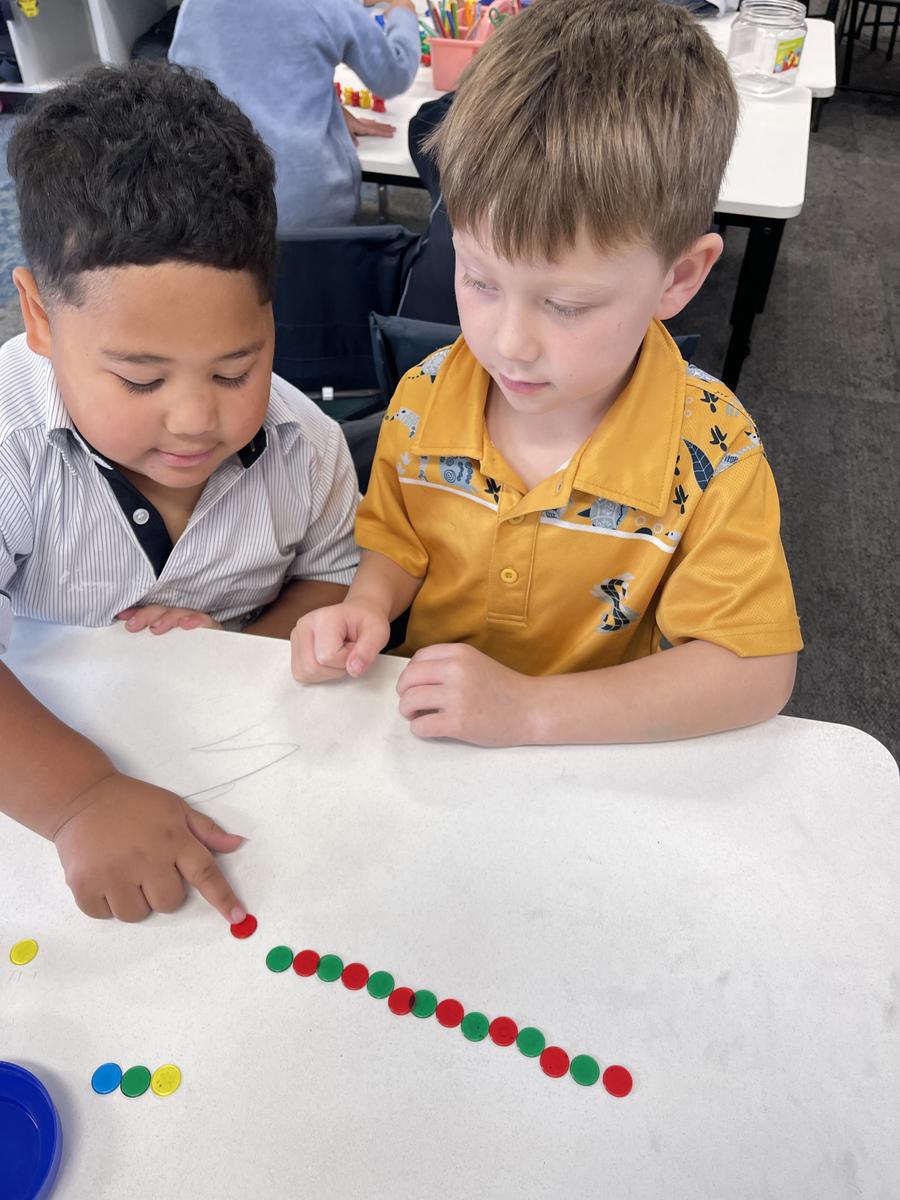
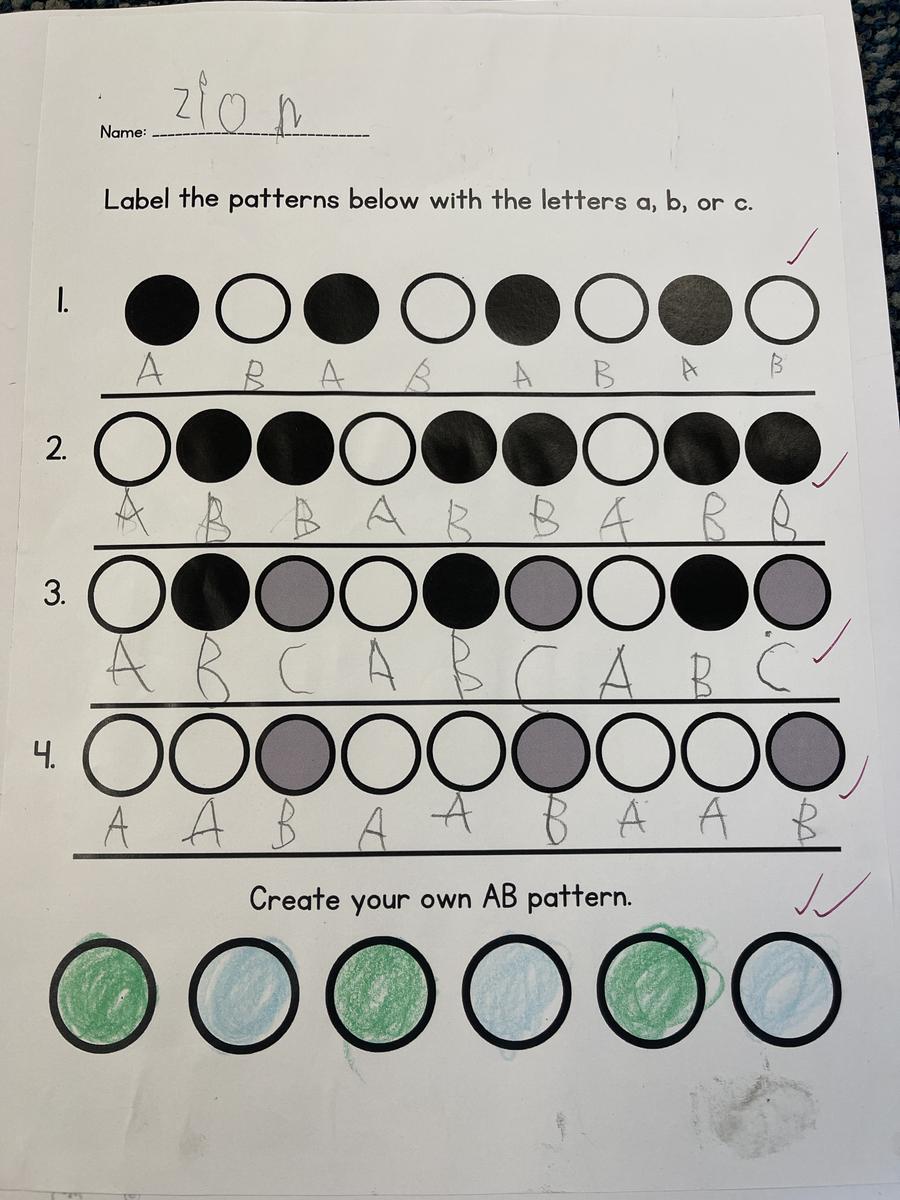
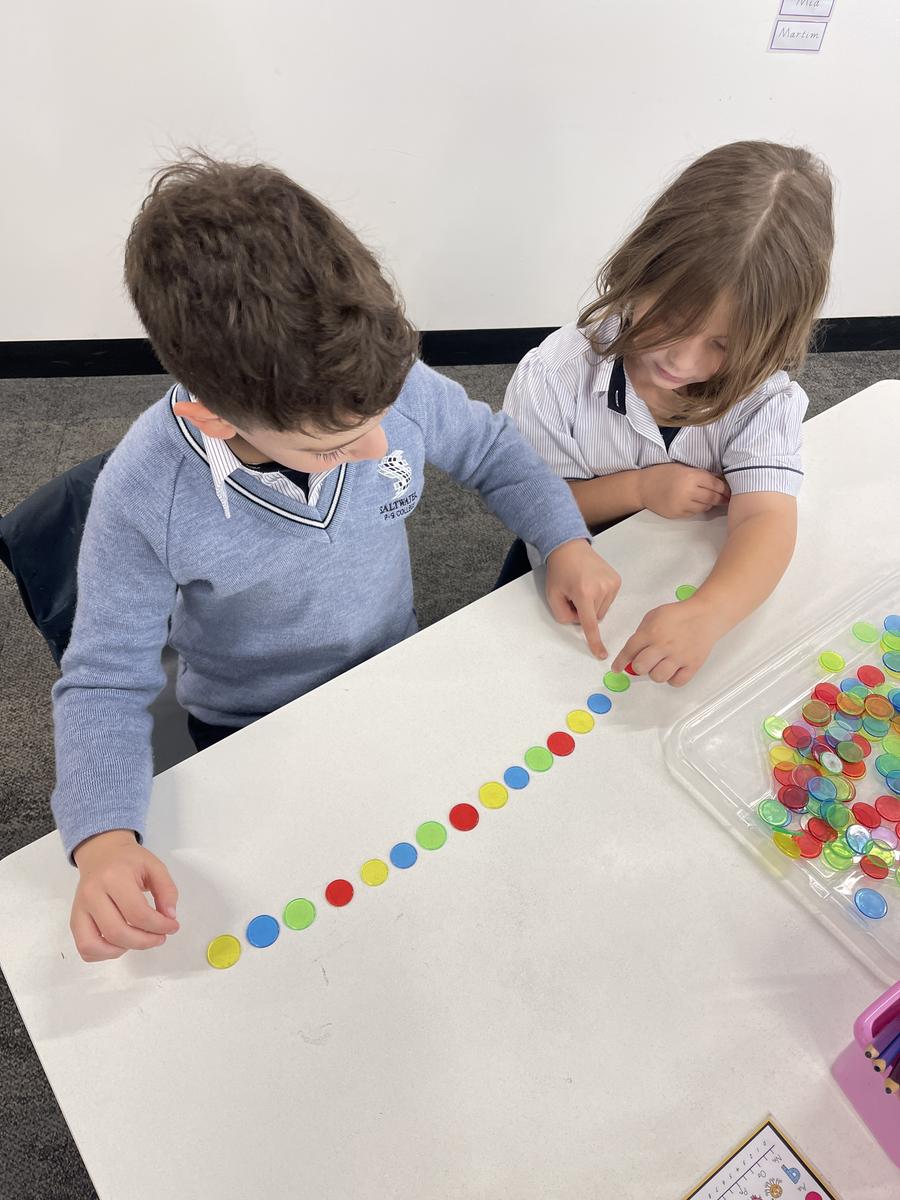
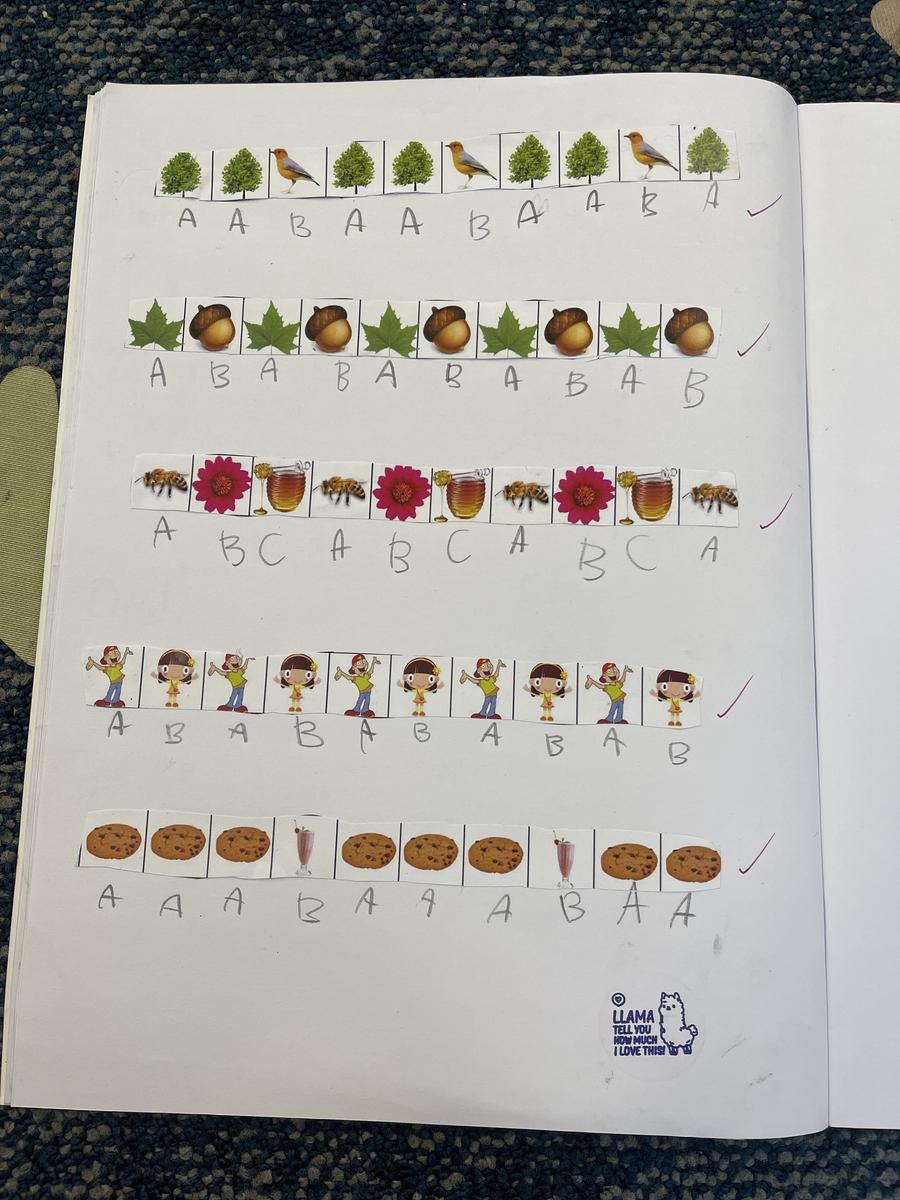
How you can help at home: Look for, discuss and create simple repeating patterns together using household objects, toys, snacks, or movements.
Inquiry
In Inquiry, we have continued exploring our second Unit of Inquiry with the central idea, ‘Toys have changed over time.’ Students have been discussing why people play with toys and where toys come from while comparing toys from the past and present. We have also continued learning about Matariki as we prepare to make kites and celebrate together at the end of the term.
How you can help at home: Talk with your child about toys you played with when you were younger and discuss how toys may have changed over time. Discuss ideas for a toy or game they may design and create using recycled materials and collect the materials needed to bring into school.
Wellbeing
During Wellbeing sessions, students have been discussing what it means to be a problem solver and exploring different strategies they can use when challenges arise at school or during play.
How you can help at home: Encourage your child to talk through small problems and brainstorm possible solutions before stepping in to solve them. Remind students to talk to a yard duty teacher and inform their teacher if problems are occurring at school or if they've been hurt.
Special Extras
This fortnight, students once again met their split teachers and enjoyed spending time in what will be their “second” classroom in the event their classroom teacher is away and a replacement teacher is unavailable. These sessions support students to feel more comfortable and familiar with their split teacher while also allowing opportunities for relationship building.
Families were also invited into the classroom during Education Week for our Learning Together sessions, which was a wonderful opportunity to highlight the learning experiences students engage in each day.
To top it all off, students participated in their very first school photo day!
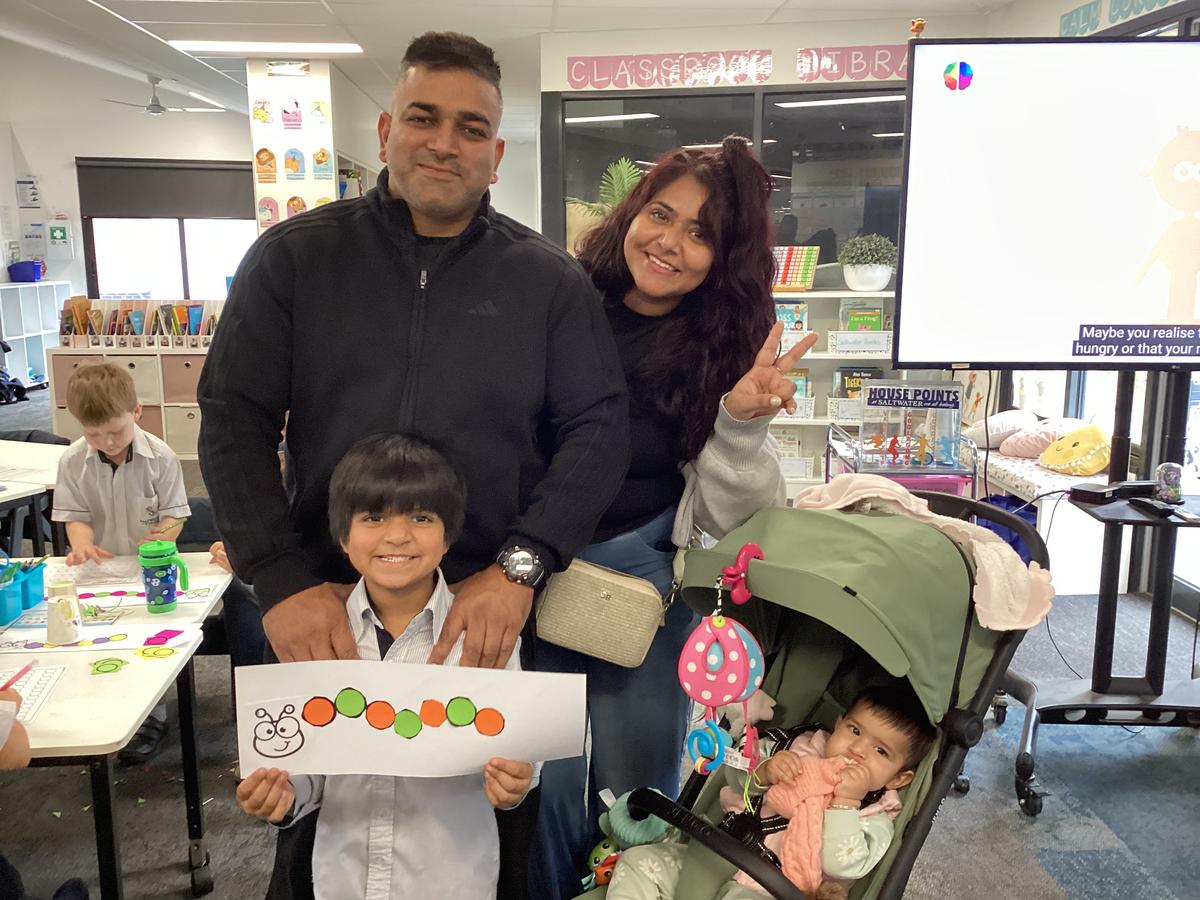
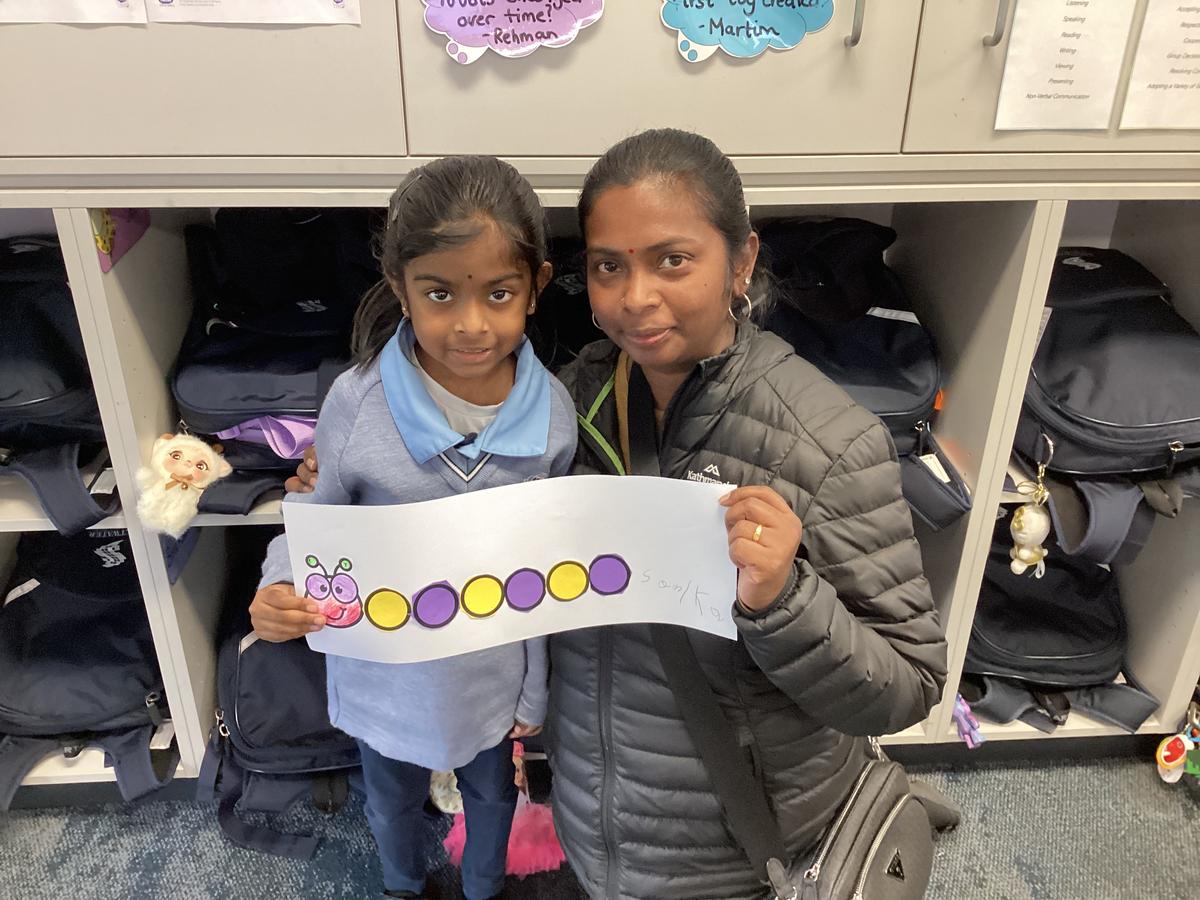
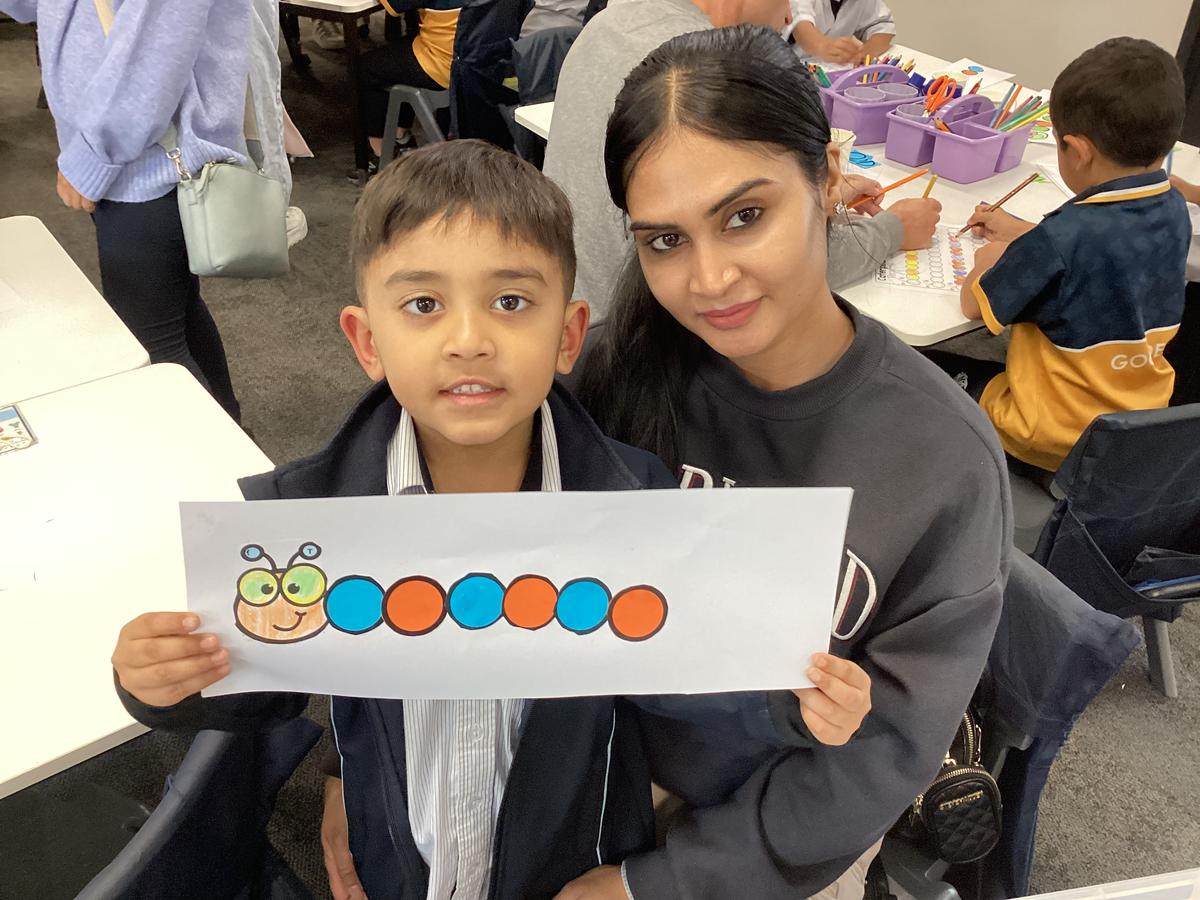
Thank you for your continued support. We are so proud of the growth and enthusiasm our Prep students are showing each day!
Reminders
As part of our Inquiry unit, we will be making our own toys at the end of the term. Please bring in any clean and safe recycled materials for students to use. This may include cereal boxes, cardboard boxes, containers, or other suitable materials.
Please ensure all school uniform items and belongings are clearly labelled with your child’s name.
Please ensure your child has a spare change of clothes in their bag in case of accidents or spills.
Reading satchels must be brought to school every day.