Wellbeing and Inclusion Update
Resilience, Rights and Respectful Relationships (4Rs)
Next week (Week 7), we will begin with our third topic – Positive Coping. Activities within this topic area will assist students (at different levels within the school) to:
- reflect on their emotional responses
- describe ways to express emotions that show awareness of the feelings and needs of others
- practise techniques to deal with feelings of fear, frustration and anger
- learn and practise self-calming techniques
- understand the value of a meaningful apology
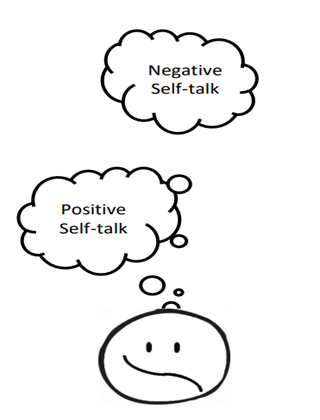
- identify the influence of self-talk on their actions and emotions
Why Teach Positive Coping Strategies?
• Coping strategies are the things people do to help them to self-calm, self-cheer, persevere and endure, release tension, deal with distress or uncertainty or lift their mood
• Coping strategies can be learnt through observation
• Children tend to imitate the coping strategies that they see modelled in their families and amongst their peers
• Boys and girls tend to absorb gendered coping styles
• Students can learn to extend their repertoire of coping strategies and benefit from critically reflecting on their own choices
When young people develop language around coping, they are more likely to be able to understand and deliberately utilise a range of different strategies for use in addressing different types of challenges
The topic of Positive Coping will be covered for the next four weeks until the end of Term 2.