Mental Health
in Primary Schools

Mental Health
in Primary Schools
Dear Parents, Guardians and Carers,
As we continue our journey within the MHiPS sphere, we will be exploring emotional literacy and how that can support the young people in our care.
Emotional literacy
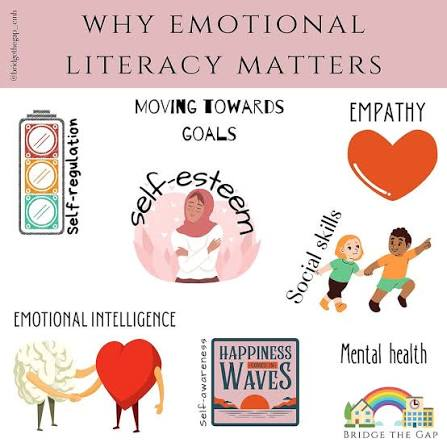
Emotional literacy is a skill that we develop through our daily interactions where we are able to recognise, express, process and cope with our emotions towards different events that we experience. As trusted adults in our young people's lives, we are models to them to demonstrate how we can express our emotions in healthy and effective ways, which foster positive relationships with others. This has a significant impact on their engagement in the classroom and can improve their academic performance. When young people have good emotional literacy skills, they are better equipped to face challenges in their learning and manage their stress levels, which helps them to stay engaged in their learning.
Aspects of emotional literacy
Embedded into emotional literacy are some ways we can categorise the behaviours that are linked to the emotions we experience.
Self awareness: being able to identify, accept and process feelings. Naming feelings and knowing what they mean.
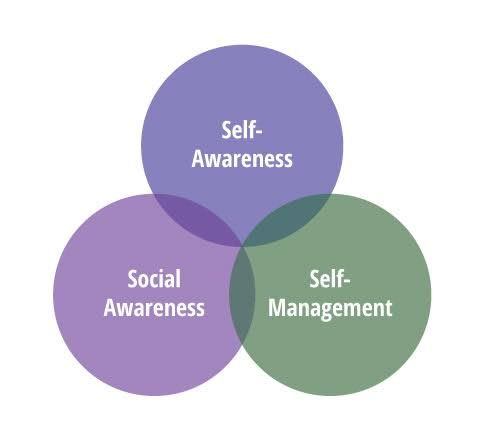
Self management: responding to a feeling in a proportionate way.
Social awareness: understanding the appropriate behaviour when we are stressed or frustrated.
Helping young people to express themselves
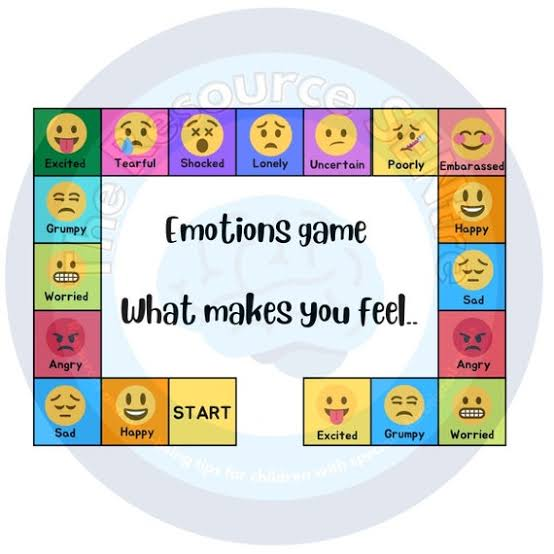
When a young person in our care is experiencing strong emotions, we can support them by naming the emotion for them. For example, you could say “You seem so excited” or “You’re crying, you must be sad”. From here, young people can begin to recognise their emotions, label them and then tell you what they are feeling. Using these opportunities to expand a young person’s vocabulary encourages them to express their feelings and acknowledge how others feel too. Consequently, they will develop a greater sense of empathy towards others and are more easily able to see things from another person’s perspective.
At home, you can do some activities that allow you to open up the conversation about emotions. This could include listening to music that provokes emotions, like ‘Adagio in G Minor’ by Albinoni, "Clair de Lune" by Claude Debussy and ‘Arrival of the Queen of Sheba’ by Handel. Other ways to open up a conversation about emotions could also include playing games like feelings charades or watching a movie like ‘Inside out’ and discussing why the characters made the choices they did in a particular scene. Questions could include:
If you would like to read up on emotional literacy a bit further, there are some resources below that could be useful.
https://www.aexplorers.com/what-is-emotional-literacy/
https://momentumpsychology.com/6stepsemotional-awareness/
https://www.jwbridgethegap.com/single-post/emotional-literacy-and-engagement-in-the-classroom
https://www.act.gov.au/__data/assets/pdf_file/0019/2380231/Emotional-literacy.pdf
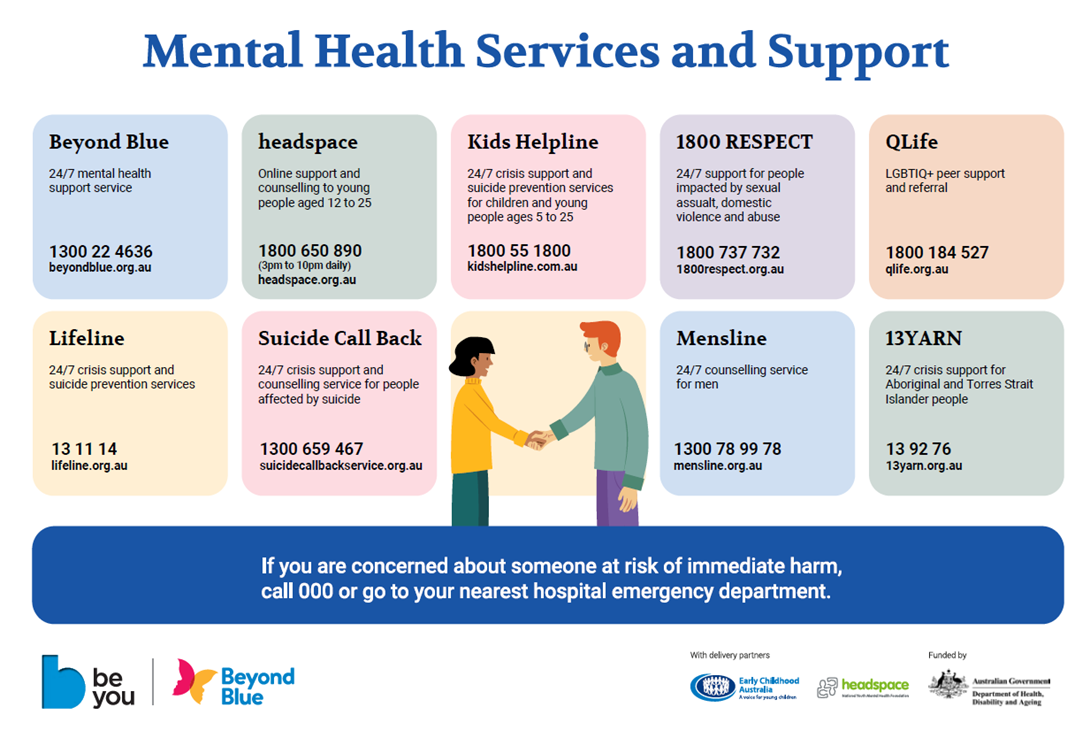
If you or anyone you know is experiencing emotional distress, please feel free to contact any of the services below for advice and support.